Iratus: Lord of the Dead Thumbnail

Iratus: Lord of the Dead similar games & best alternatives
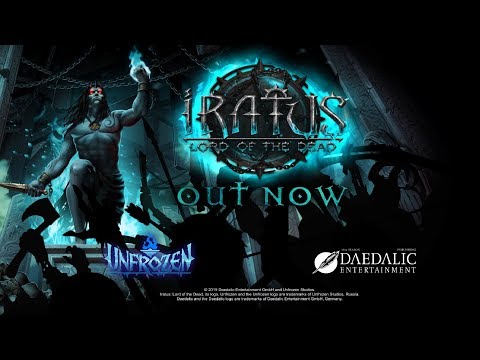
Iratus: Lord of the Dead

PC (Microsoft Windows), Mac, Linux • 2020

Related articles

Quick resume

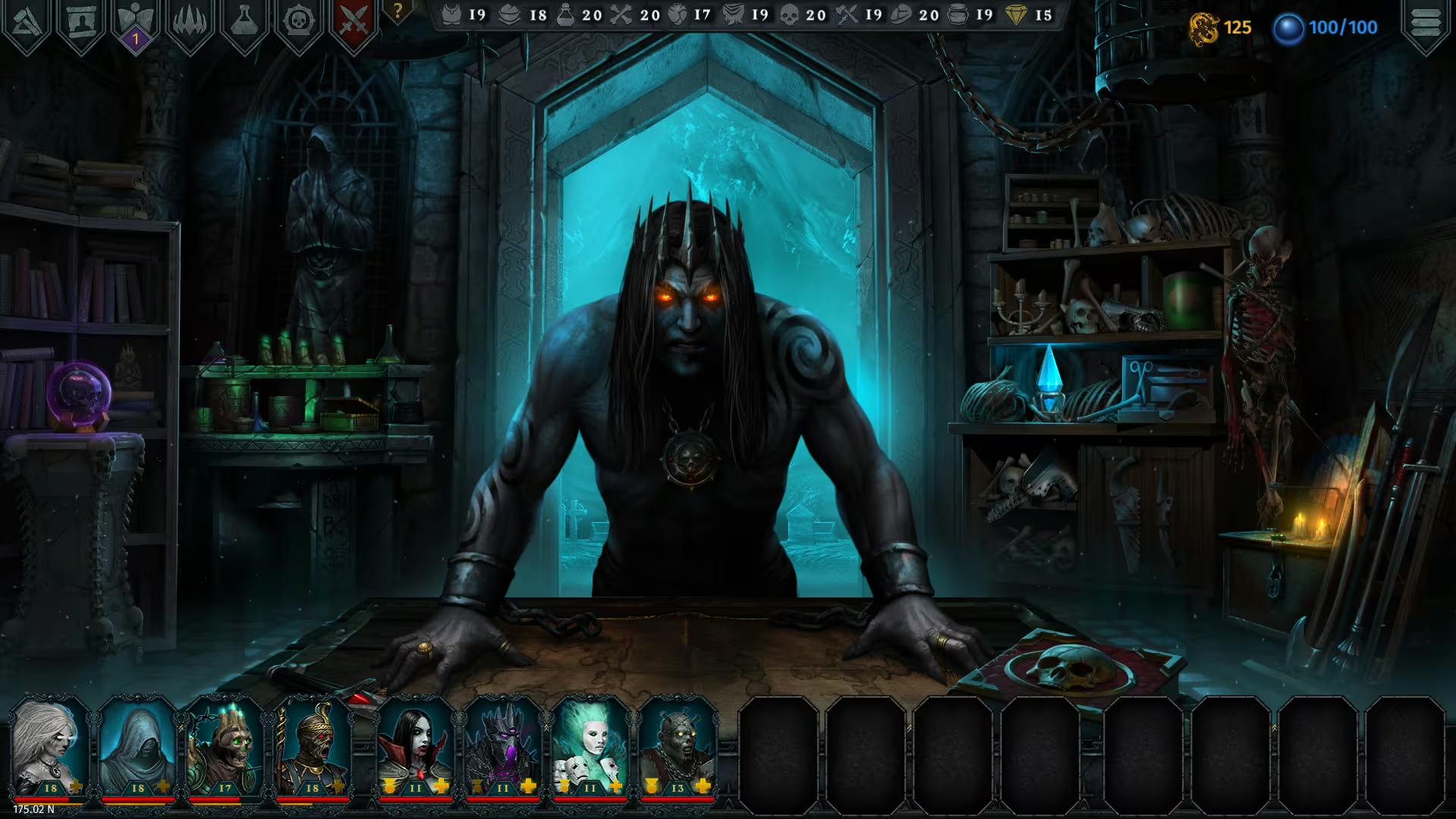
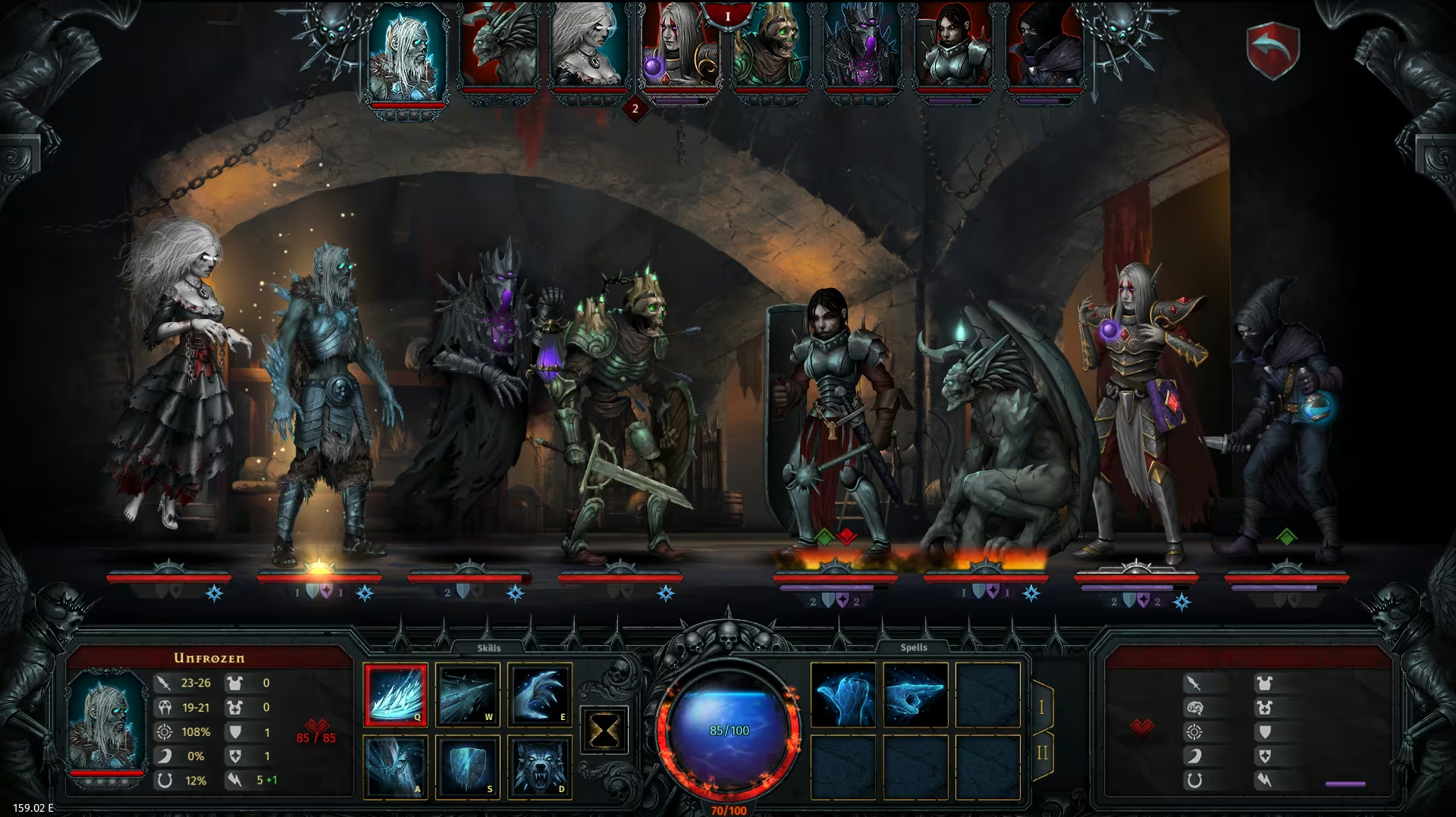
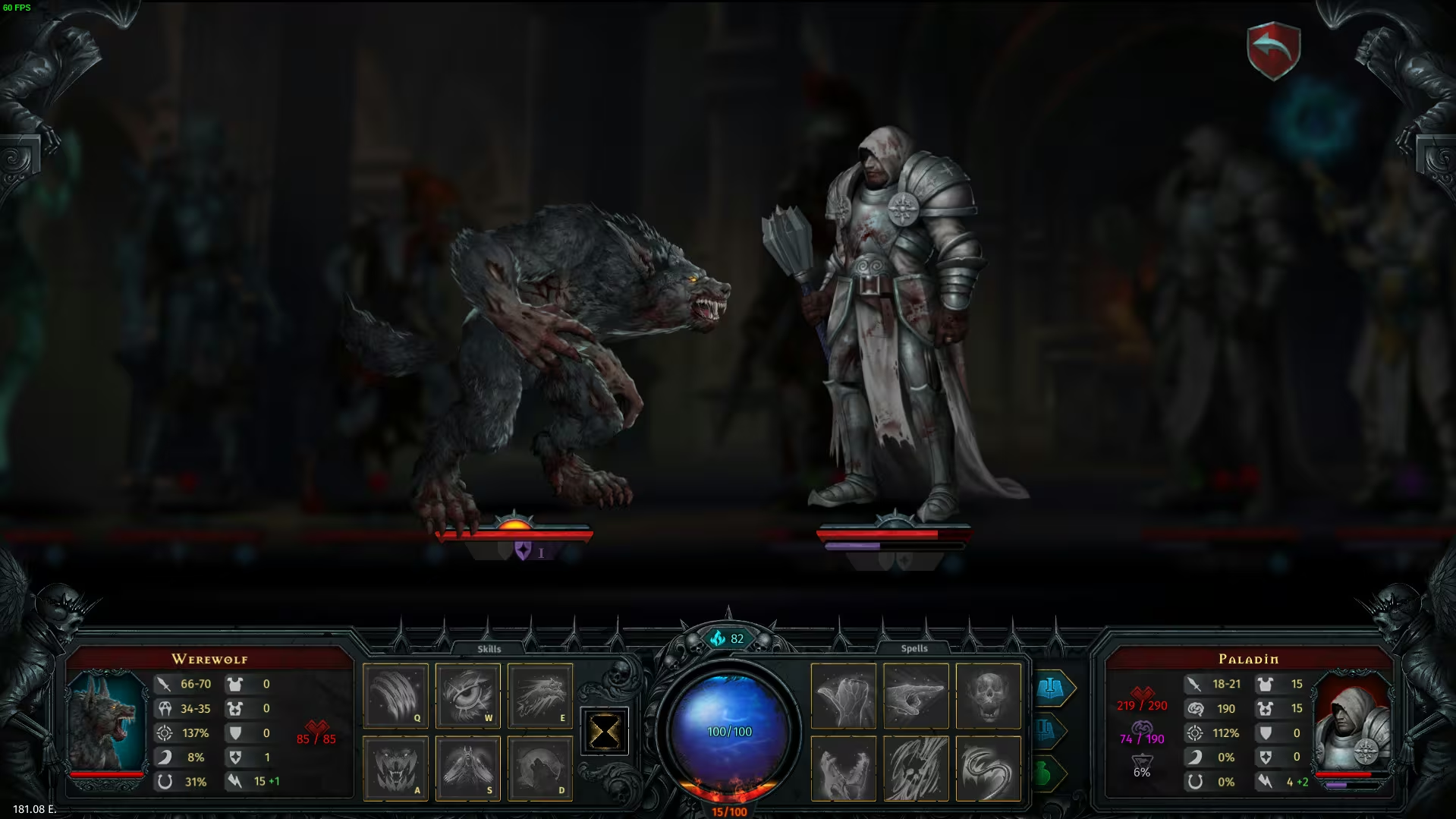
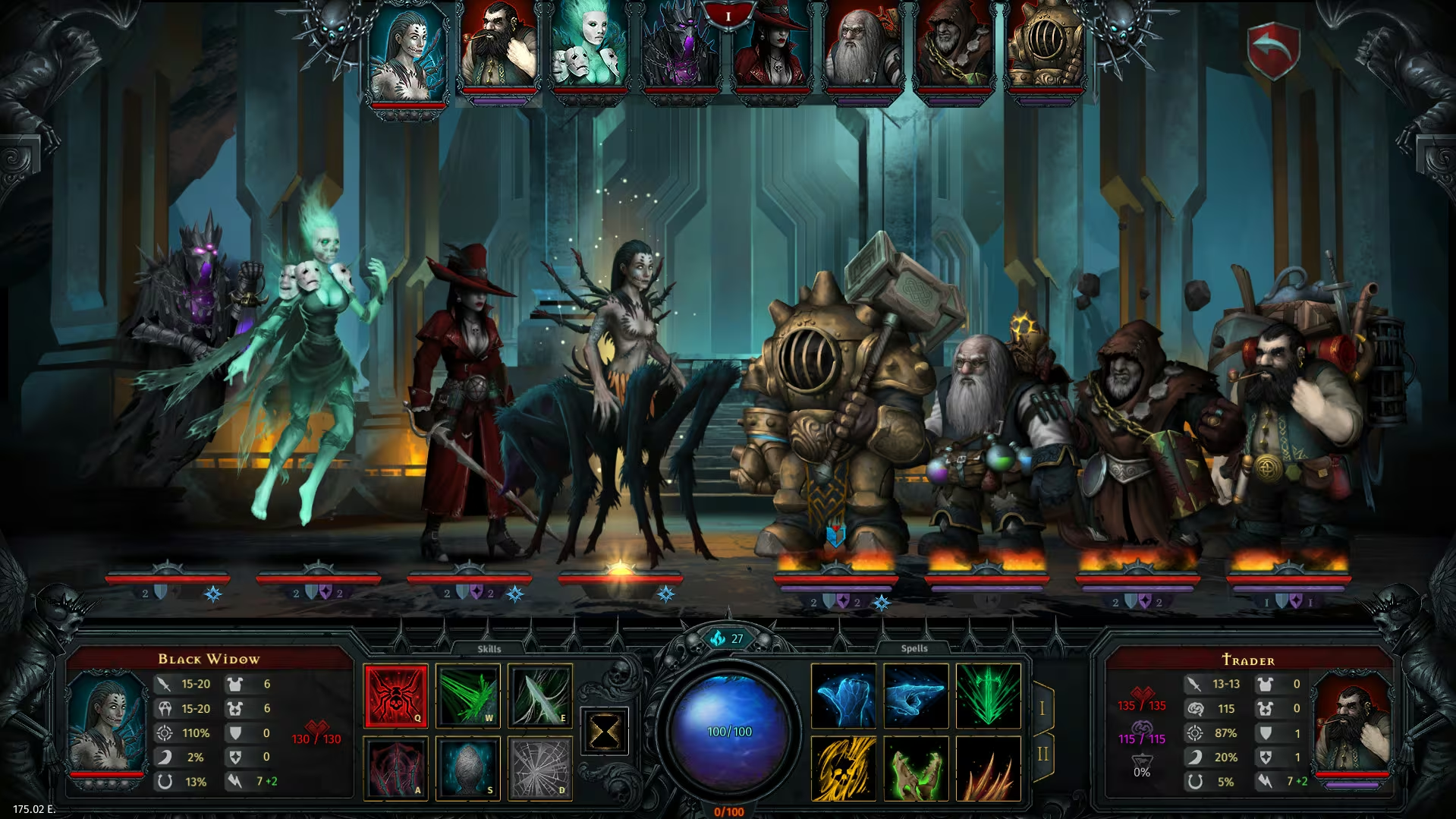
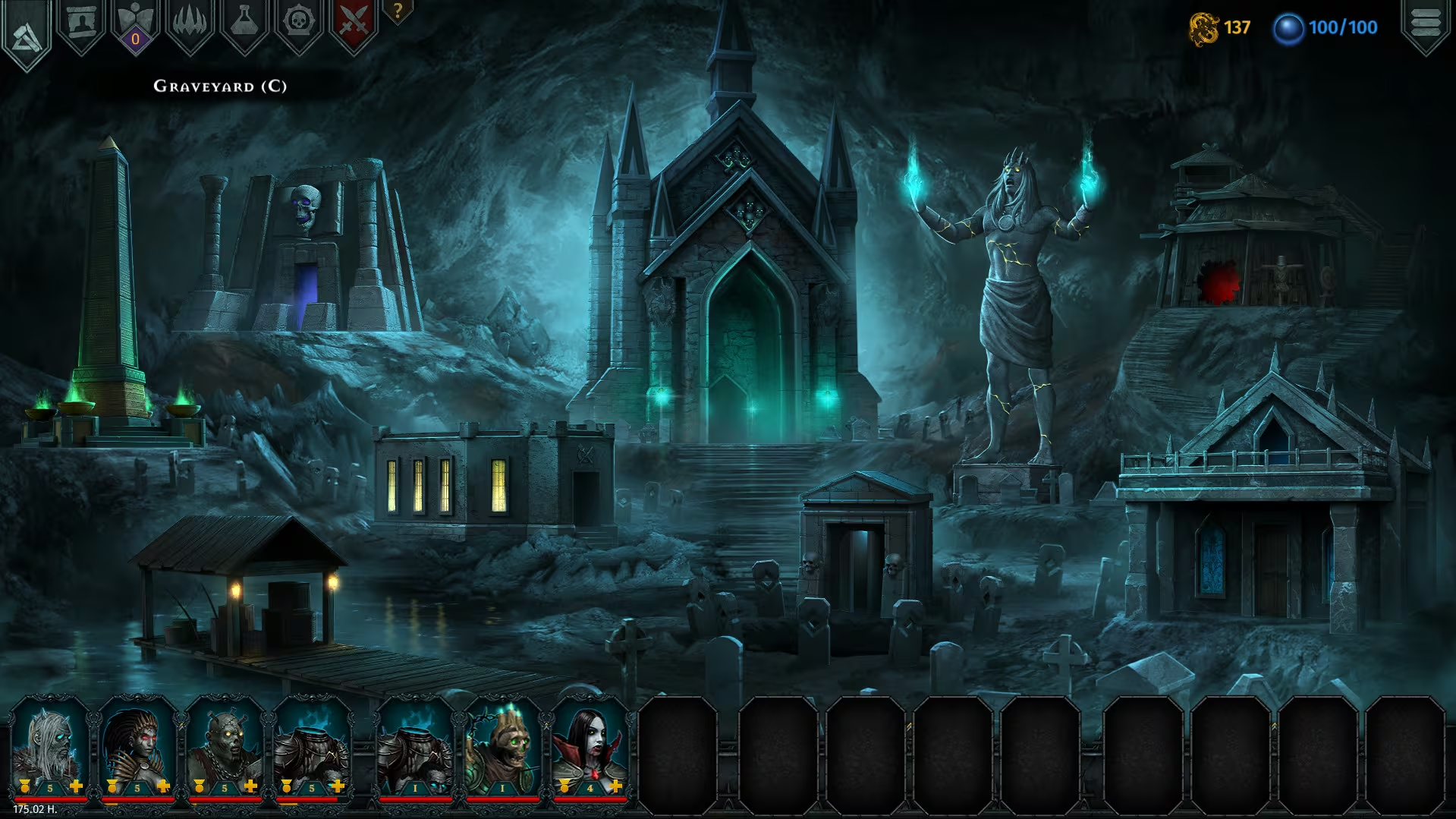
Iratus: Lord of the Dead is a turn-based tactical roguelike RPG set in a dark fantasy universe. Lead an army of undead to help an angry necromancer in his quest to reach the surface world and bring death to the mortal realms!

Global score

86/100

Genres

Indie, Role-playing (RPG), Strategy, Turn-based strategy (TBS)

Similar games

    Pros

    • Deep tactical combat and team customization
    • Engaging dark fantasy theme with villainous role
    • Good progression and replayability
    • Accessible difficulty curve with multiple settings
    • Strong voice acting and atmospheric presentation

    Cons

    • Repetitive environments and encounters
    • Limited narrative depth
    • No multiplayer or social features
    • Some grind and long campaign length
    • Ui minor annoyances (e.g. reselecting party)

    Analysis

    Broadly representative of its motivational profile, with a few distinct shifts. Motivations that often define this kind of title include Leadership, Survival, Violence, Strategy. Here, the score leans higher than usual among comparable games on Domination, Fantasy. It leans lower than usual among comparable games on Fellowship.

    How to use the graph
    Similar games map

    Each dot is a game. They are arranged from the same motivation profile as in the “Motivations” section below. Closer dots usually mean more similar reasons to play (exploration, competition, relaxation, etc.)—not that one game is “better” than another.

    • Larger dot with a light outline: the game you are viewing.
    • Colour: groups of games with comparable motivation patterns (statistical clusters).
    • Hover a dot to see the game name; click to open its page.
    • Scroll or double-click the chart to zoom out and see more games.

    Why don’t the axes read like a score? This view uses t-SNE: it only keeps who is close to whom. The scales are not “good to bad” or hours played—they separate groups on the map. Read distance between dots, not the axis numbers.

    Motivations

    • Autonomy
      4

      "Players have significant control over minion builds, skill upgrades, and strategic decisions on the map and in combat."

    • Competence
      4

      "Game offers tactical combat with skill-based decisions and progression systems rewarding mastery."

    • Competition
      -3

      "Focus is on single-player progression and personal challenge rather than direct player-versus-player competition."

    • Continuation
      3

      "Long campaign runs and replayability through different builds encourage extended play sessions."

    • Cooperation
      -4

      "Gameplay centers on managing own undead party; no multiplayer or cooperative elements."

    • Creativity
      4

      "Players customize minions' stats, skills, and equipment, enabling creative team compositions and strategies."

    • Domination
      2

      "Playing as a powerful necromancer exerting control over undead minions and enemies, but no social dominance aspects."

    • Escapism
      4

      "Dark fantasy setting and villainous role provide immersive escape from real life."

    • Expectation
      -4

      "Players engage voluntarily for enjoyment and challenge, not out of obligation."

    • Experimenting
      4

      "Game encourages trying new minion builds, skill upgrades, and combat strategies."

    • Exploration
      2

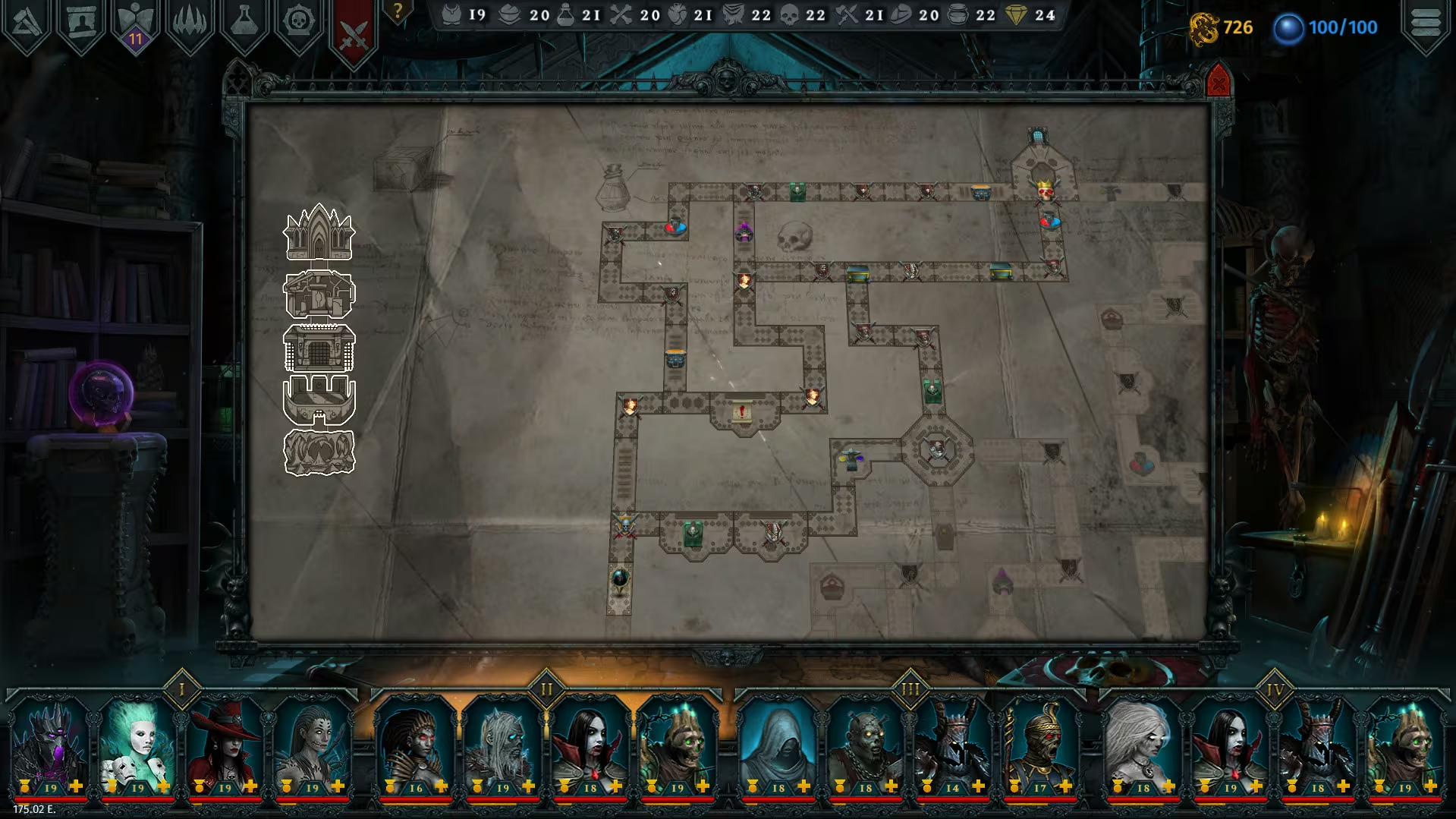
      "Players choose paths on a map with some variety, but environments are somewhat repetitive."

    • Expression
      3

      "Customization of minions and artifacts allows personal expression within gameplay."

    • Fantasy
      5

      "Strong fantasy theme with necromancy, undead minions, and gothic horror elements."

    • Fellowship
      -5

      "Entirely single-player experience with minimal social interaction."

    • Growth
      4

      "Players develop minions and Iratus through leveling, skill trees, and equipment upgrades."

    • Health
      -5

      "Sedentary gameplay with no physical activity involved."

    • Idle
      -3

      "Requires focused attention during battles and management; not designed for idle play."

    • Intimacy
      -5

      "No social or emotional relationship building; focus on individual gameplay."

    • Leadership
      4

      "Player leads and manages an army of undead minions with strategic command."

    • Progression
      5

      "Strong progression through unlocking minions, leveling, and upgrading equipment and skills."

    • Relaxation
      1

      "Game balances challenge and flow but can be tense at higher difficulties."

    • Sensation
      2

      "Visual and auditory elements provide satisfying feedback but are not overly stimulating."

    • Status
      -4

      "Focus is on personal achievement without social recognition or leaderboards."

    • Story
      2

      "Narrative provides flavor and motivation but is secondary to gameplay."

    • Strategy
      5

      "Core gameplay revolves around tactical combat, team composition, and resource management."

    • Thrill
      3

      "Tension and suspense arise from challenging battles and resource constraints."

    • Value
      4

      "Players report good value for time spent, especially on sale."

    • Violence
      4

      "Combat involves undead minions fighting and destroying enemies with gore and dark magic."

    • Survival
      4

      "Managing resources and avoiding defeat by careful planning and combat tactics is key."

    Last update: 29/04/2026