Territory Idle Thumbnail

Territory Idle similar games & best alternatives

Territory Idle

PC (Microsoft Windows) • 2019

Related articles

Quick resume

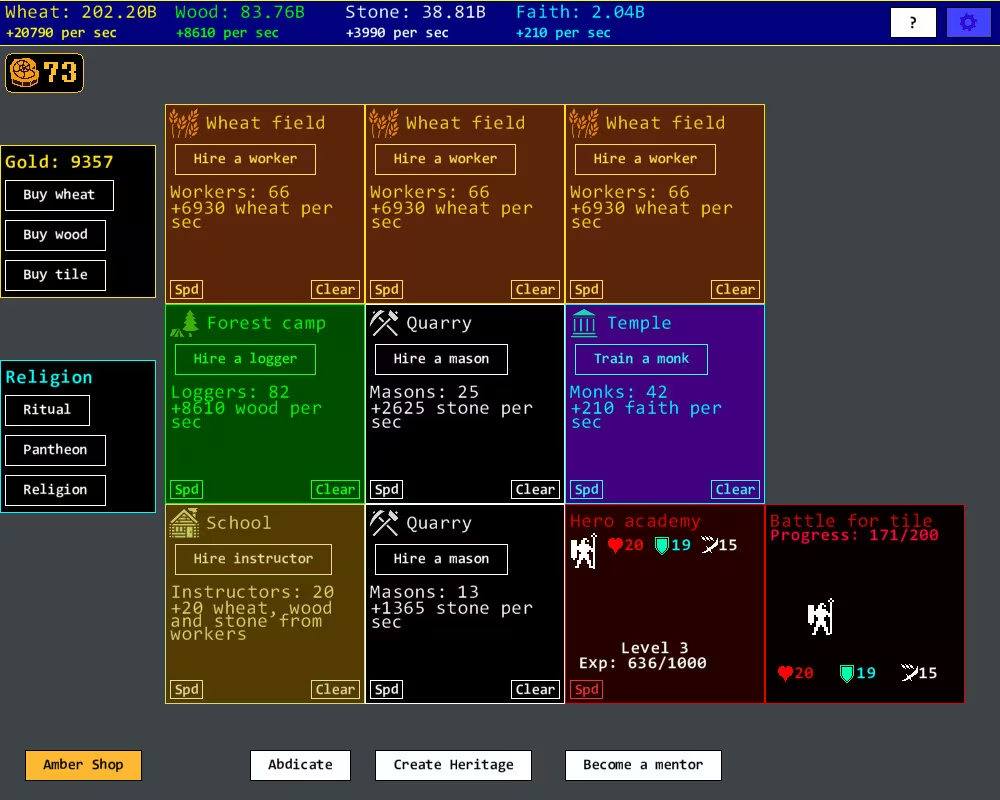
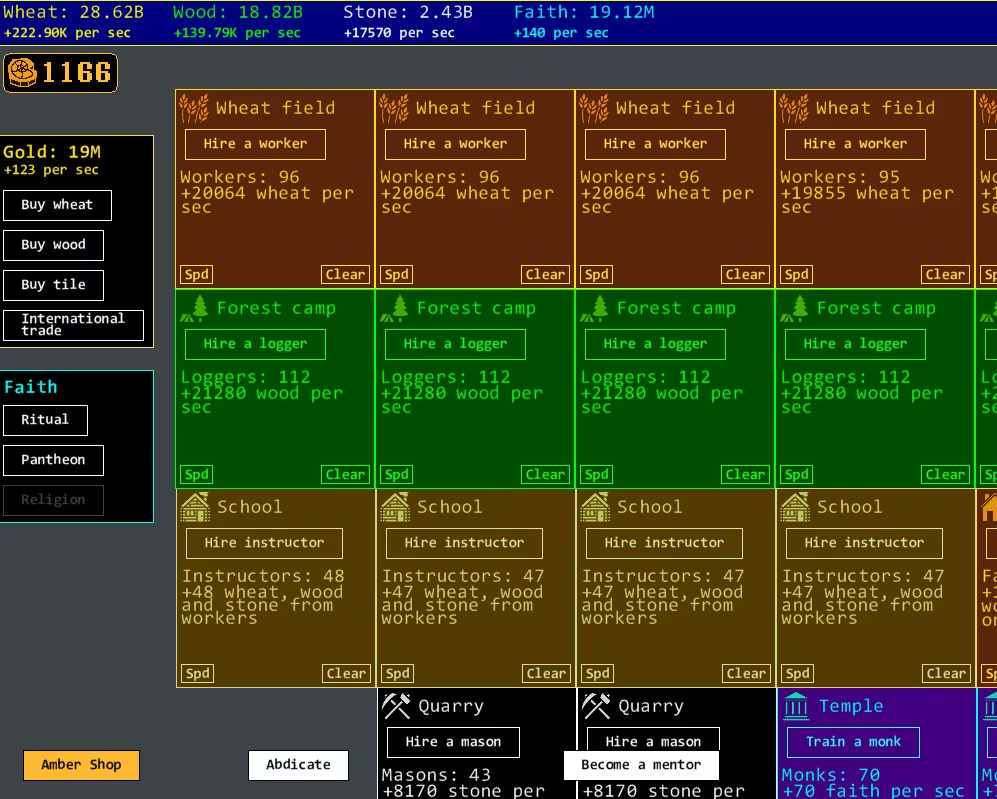
Strategic idle game. Develop the kingdom, then abdicate and get gold! For gold, you can buy new tiles and expand the territory.

Global score

79/100

Genres

Free To Play, Indie, Strategy

Similar games

    Pros

    • Deep and layered idle gameplay
    • Long-term engagement and progression
    • Free with fair monetization
    • Strategic and planning elements
    • Minimalist and low-resource requirements

    Cons

    • Very slow early progression
    • Requires active micromanagement despite being idle
    • Some bugs and save corruption issues
    • Lack of automation frustrates idle expectations
    • Abandoned with no recent updates

    Analysis

    Less representative of its motivational profile, with noticeable differences. Motivations that often define this kind of title include Idle, Thrill, Violence, Survival. It leans lower than usual among comparable games on Sensation, Expression, Survival.

    How to use the graph
    Similar games map

    Each dot is a game. They are arranged from the same motivation profile as in the “Motivations” section below. Closer dots usually mean more similar reasons to play (exploration, competition, relaxation, etc.)—not that one game is “better” than another.

    • Larger dot with a light outline: the game you are viewing.
    • Colour: groups of games with comparable motivation patterns (statistical clusters).
    • Hover a dot to see the game name; click to open its page.
    • Scroll or double-click the chart to zoom out and see more games.

    Why don’t the axes read like a score? This view uses t-SNE: it only keeps who is close to whom. The scales are not “good to bad” or hours played—they separate groups on the map. Read distance between dots, not the axis numbers.

    Motivations

    • Autonomy
      3

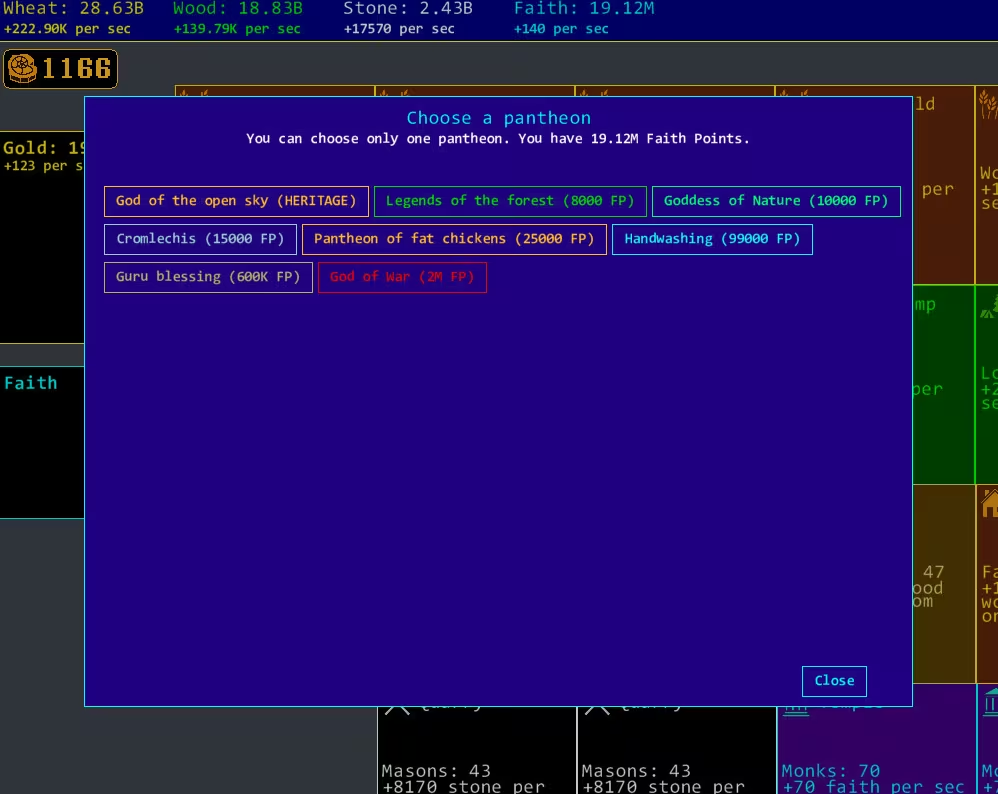
      "Players have freedom to choose strategies, build layouts, pantheons, and gods, and experiment with many mechanics, though progression is gated by slow resource accumulation and resets."

    • Competence
      3

      "The game offers strategic depth and requires planning and optimization, but progression is slow and repetitive, with some grind and micromanagement."

    • Competition
      -4

      "No evidence of player-vs-player or leaderboard competition; focus is on personal progress and optimization."

    • Continuation
      5

      "Many players report thousands of hours, habitual play, and long-term engagement despite slow pacing."

    • Cooperation
      -5

      "No multiplayer or cooperative elements mentioned; gameplay is entirely single-player and independent."

    • Creativity
      2

      "Players can customize tile layouts, choose different pantheons, gods, and strategies, but within a fixed game structure."

    • Domination
      -5

      "No social dominance or power over others; interactions are solo and self-directed."

    • Escapism
      4

      "Players use the game as a relaxing background activity and distraction, often leaving it running for hours or days."

    • Expectation
      -4

      "Players engage voluntarily for intrinsic interest and enjoyment; no obligation or external pressure noted."

    • Experimenting
      3

      "The game encourages trying different builds, pantheons, and strategies, with many layers and mechanics to explore."

    • Exploration
      3

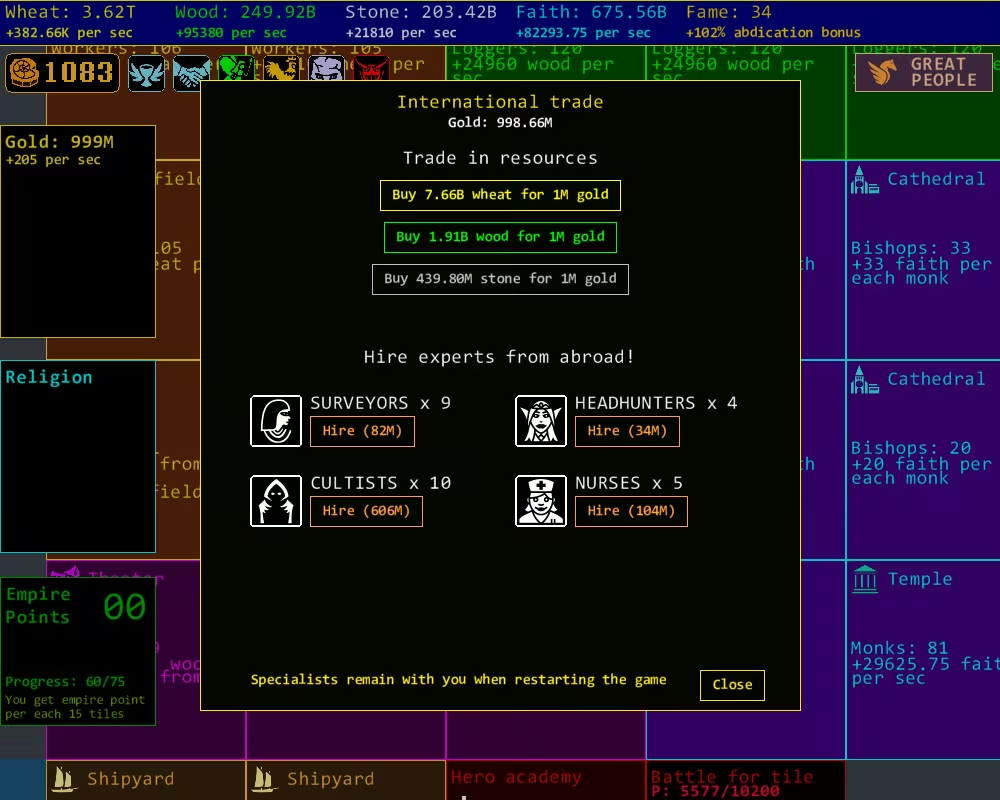
      "Players unlock new tiles, continents, and eventually space, discovering new mechanics and content progressively."

    • Expression
      -2

      "Limited cosmetic customization; expression mainly through strategic choices rather than avatar or environment personalization."

    • Fantasy
      3

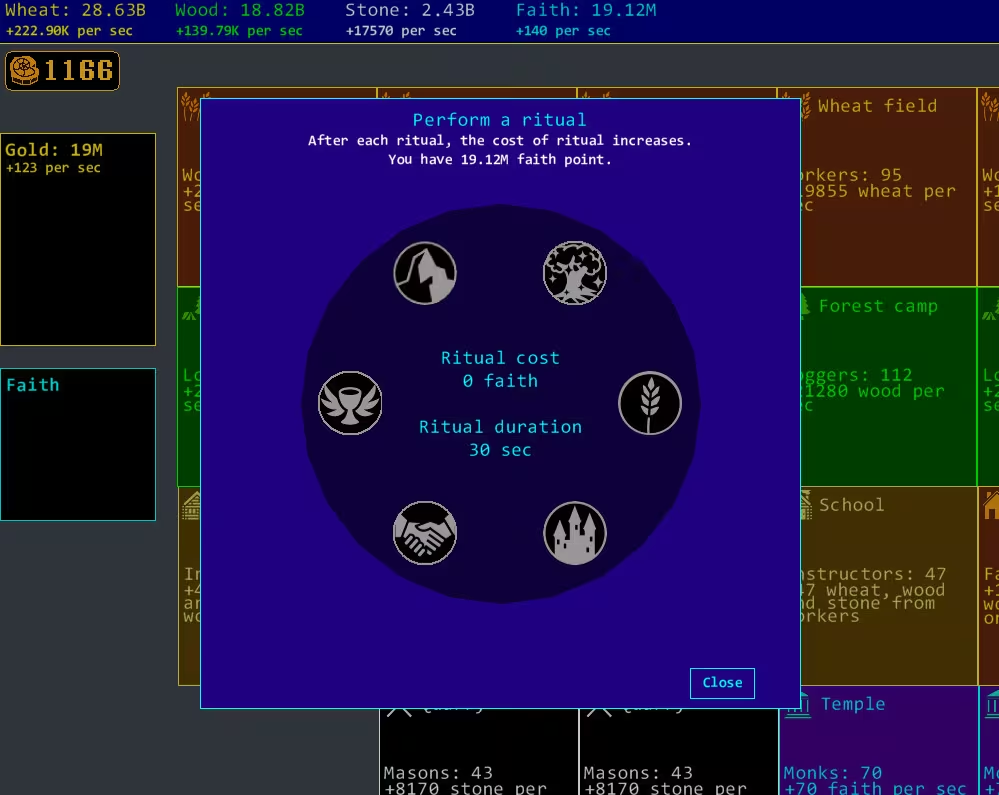
      "The game features gods, pantheons, relics, and a fictional empire-building setting with mythical elements."

    • Fellowship
      -5

      "No social or community gameplay elements; players mostly play alone."

    • Growth
      4

      "Players learn and improve strategies over long playtime; game complexity increases with new mechanics."

    • Health
      -5

      "Sedentary gameplay with long idle sessions; no physical activity involved."

    • Idle
      4

      "Designed as an idle game with long passive progression and background play, though some active input is required."

    • Intimacy
      -5

      "No evidence of close social relationships or emotional sharing; solo play only."

    • Leadership
      -5

      "No leadership or group management roles; gameplay is individual."

    • Progression
      5

      "Strong emphasis on accumulating resources, unlocking tiles, relics, and upgrades through resets and growth."

    • Relaxation
      3

      "Many players find the game relaxing and satisfying, though some note frustration with slow pacing."

    • Sensation
      -3

      "Minimalist graphics and sound; sensory stimulation is low and steady rather than exciting."

    • Status
      -5

      "No social recognition or status systems; achievements are personal and not publicly ranked."

    • Story
      1

      "Some narrative elements through gods and pantheons, but no strong overarching plot or character interaction."

    • Strategy
      4

      "Requires planning, optimization, and problem solving to manage resources, tile placement, and progression."

    • Thrill
      -3

      "Gameplay is slow and steady with minimal risk or suspense; lacks thrilling or tense moments."

    • Value
      4

      "Highly praised for being free with light monetization; players feel good return on time invested."

    • Violence
      -3

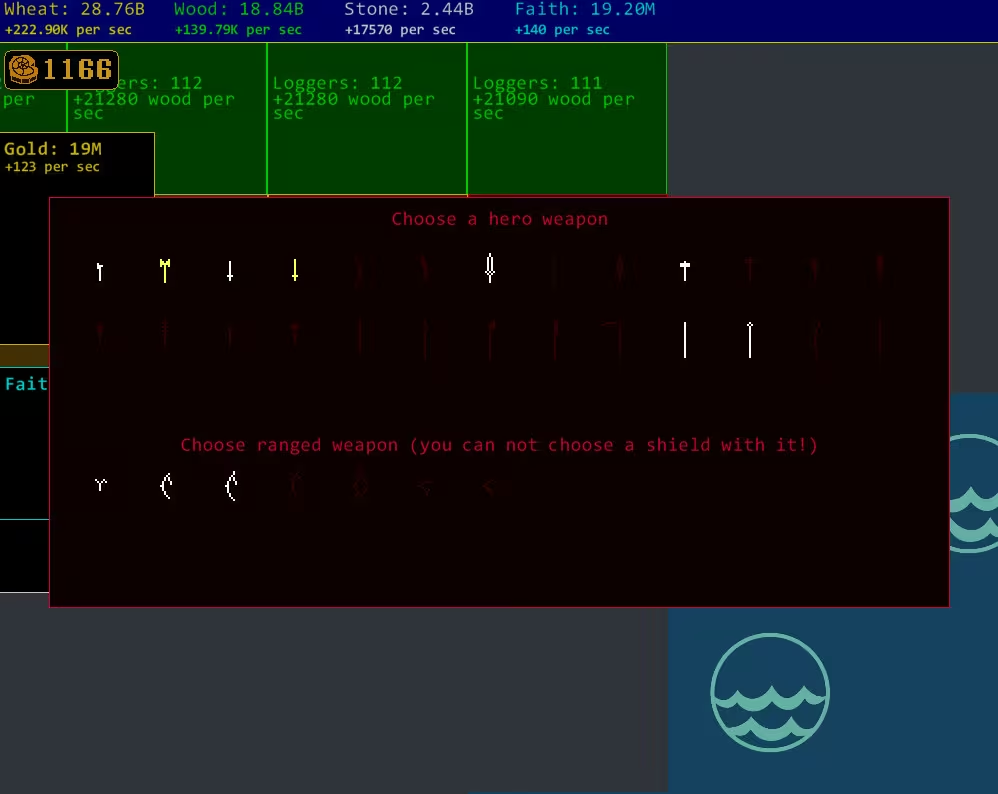
      "Combat exists but is minimal and not emphasized; focus is more on building and resource management."

    • Survival
      -4

      "No survival or threat avoidance mechanics; stable and slow progression environment."

    Last update: 29/04/2026