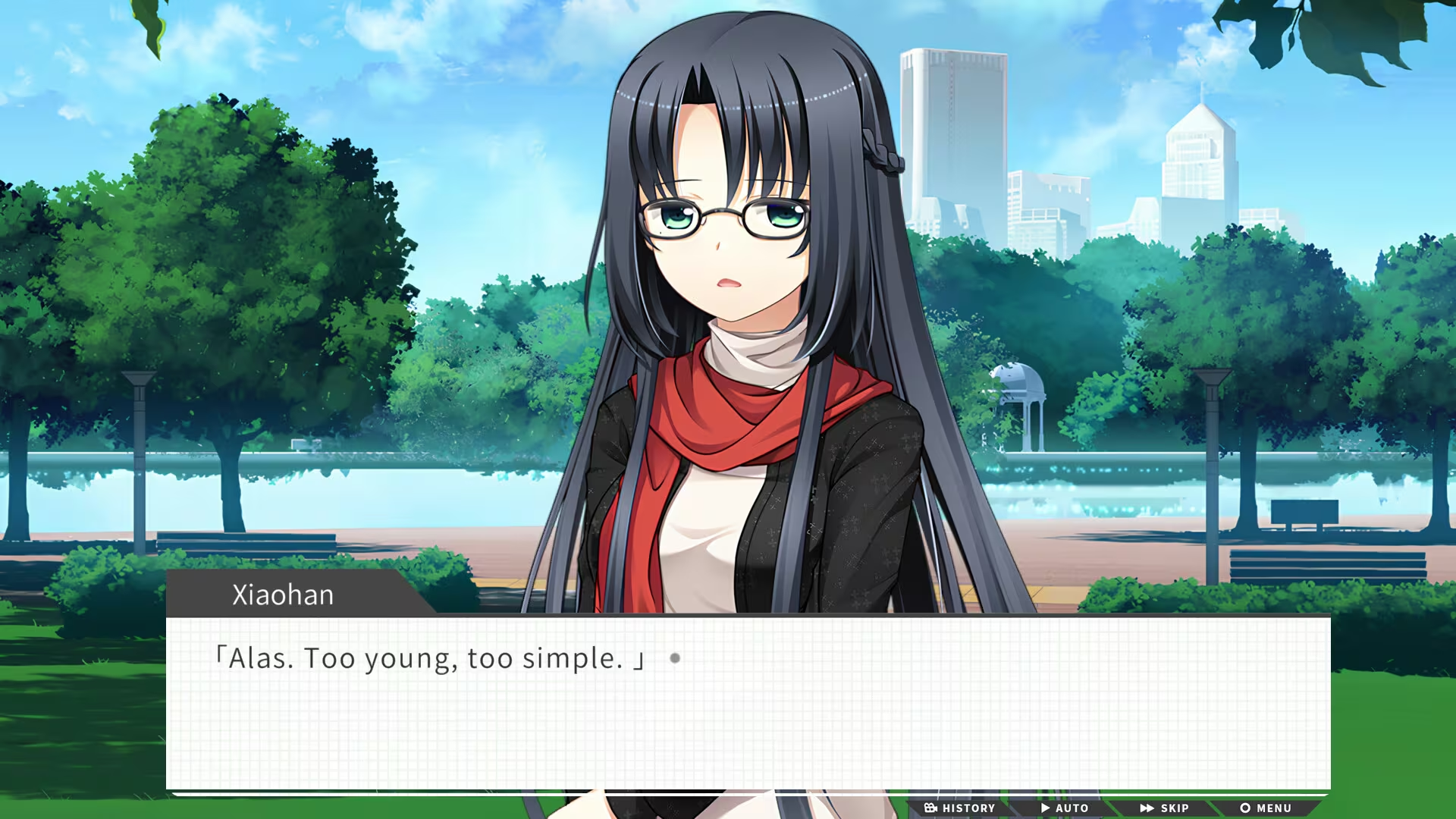
Gaokao.Love.100Days Thumbnail

Gaokao.Love.100Days similar games & best alternatives

Gaokao.Love.100Days

PC (Microsoft Windows), Nintendo Switch • 2015

Related articles

Quick resume

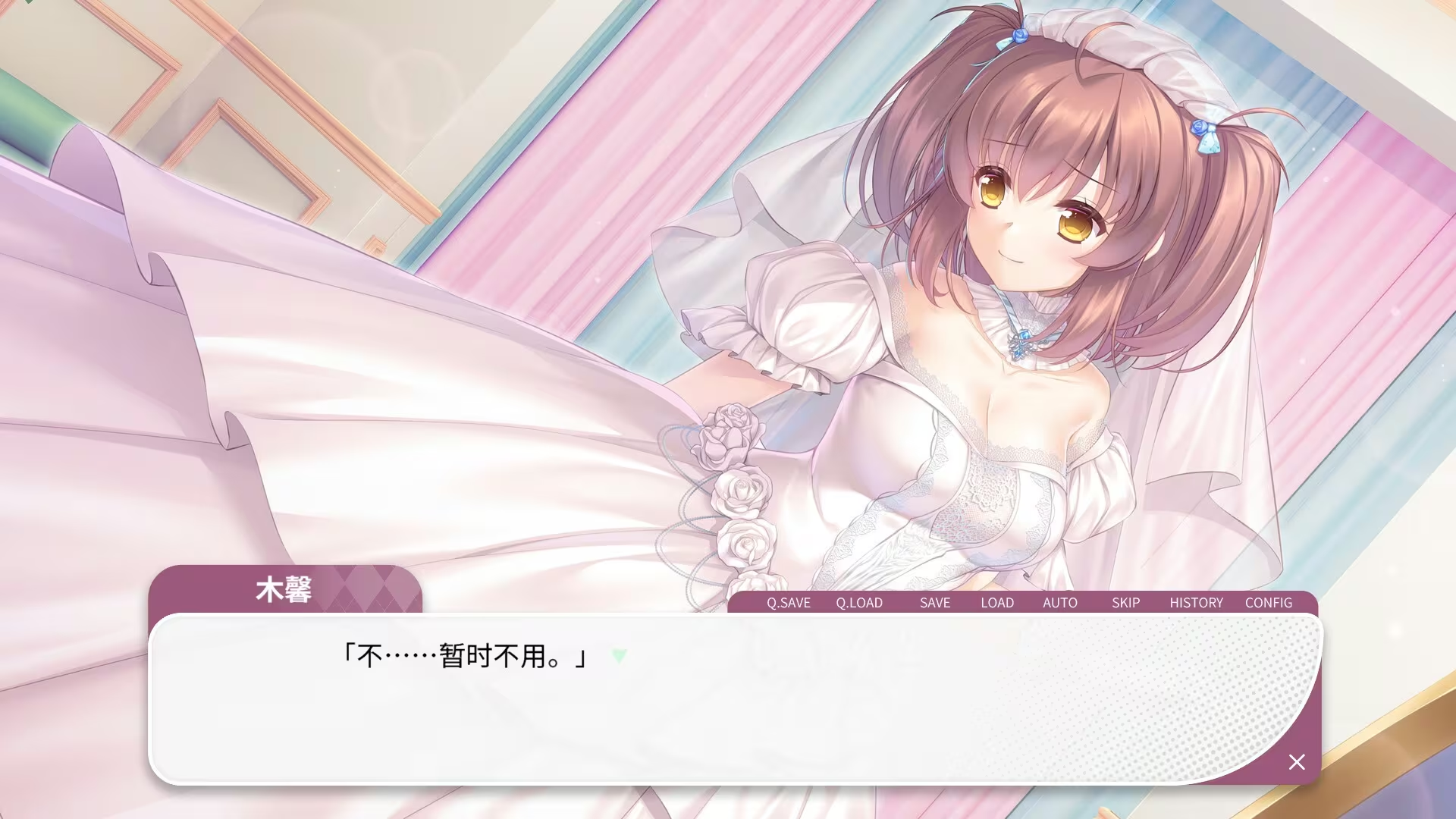
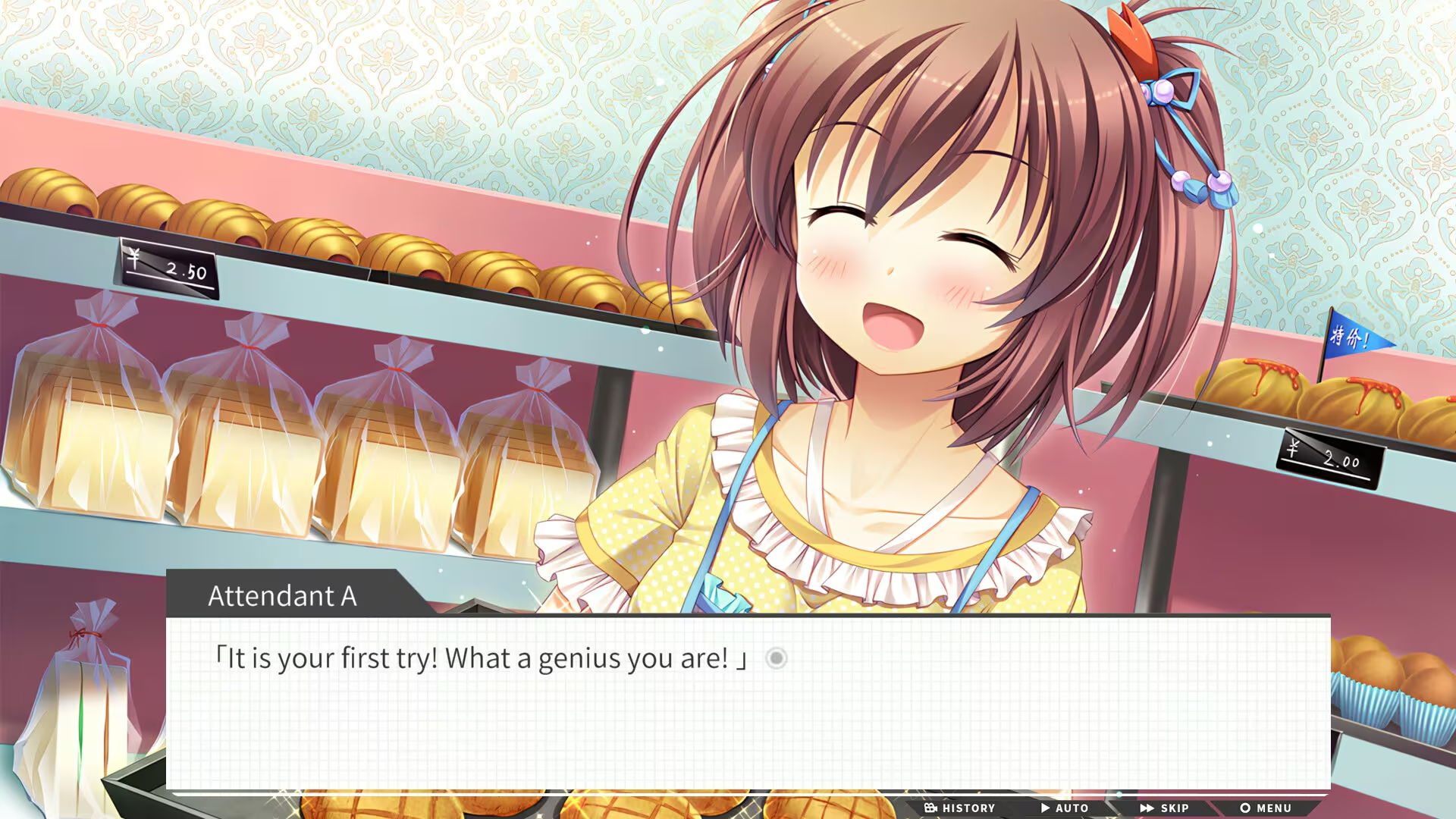
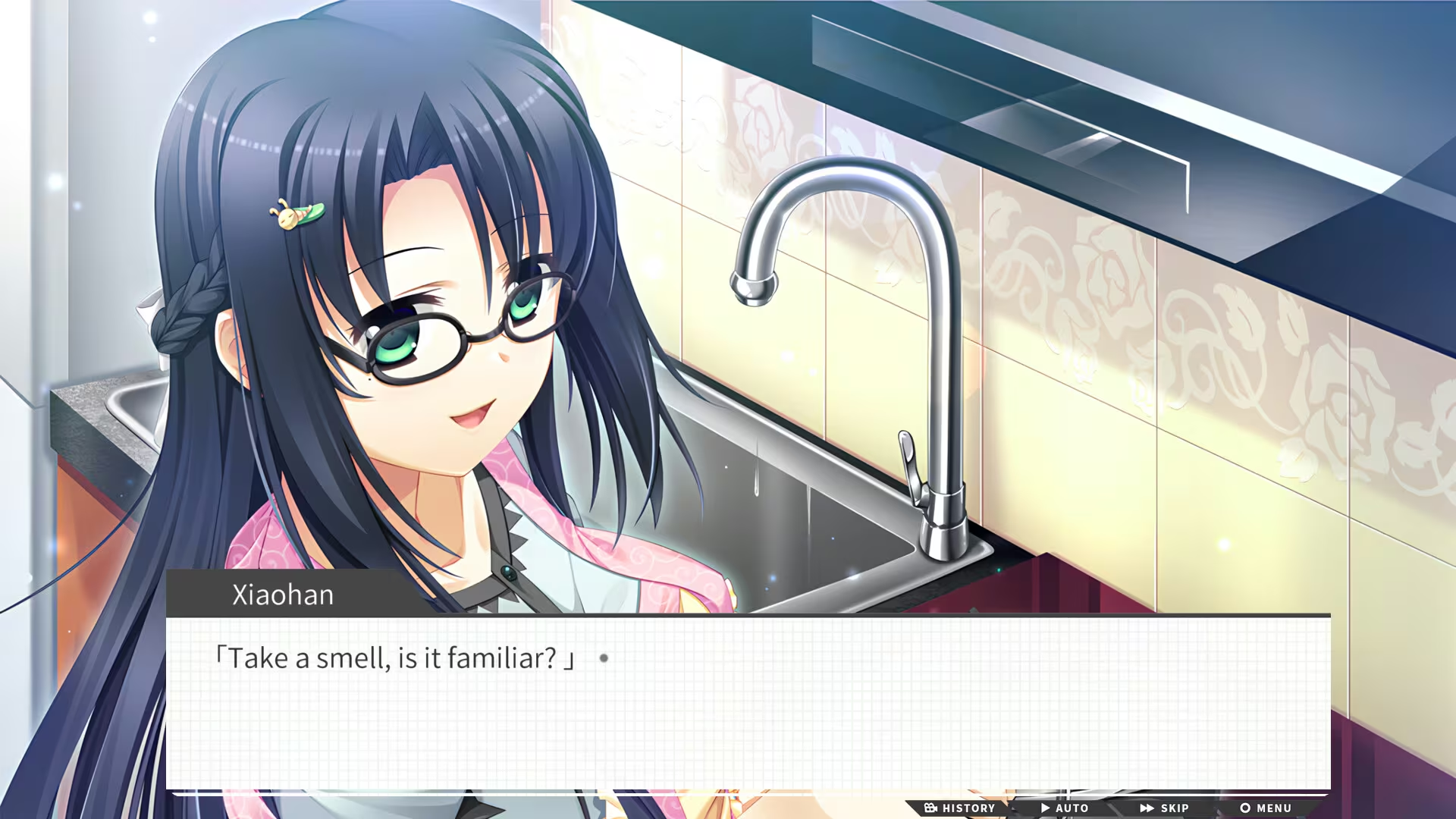
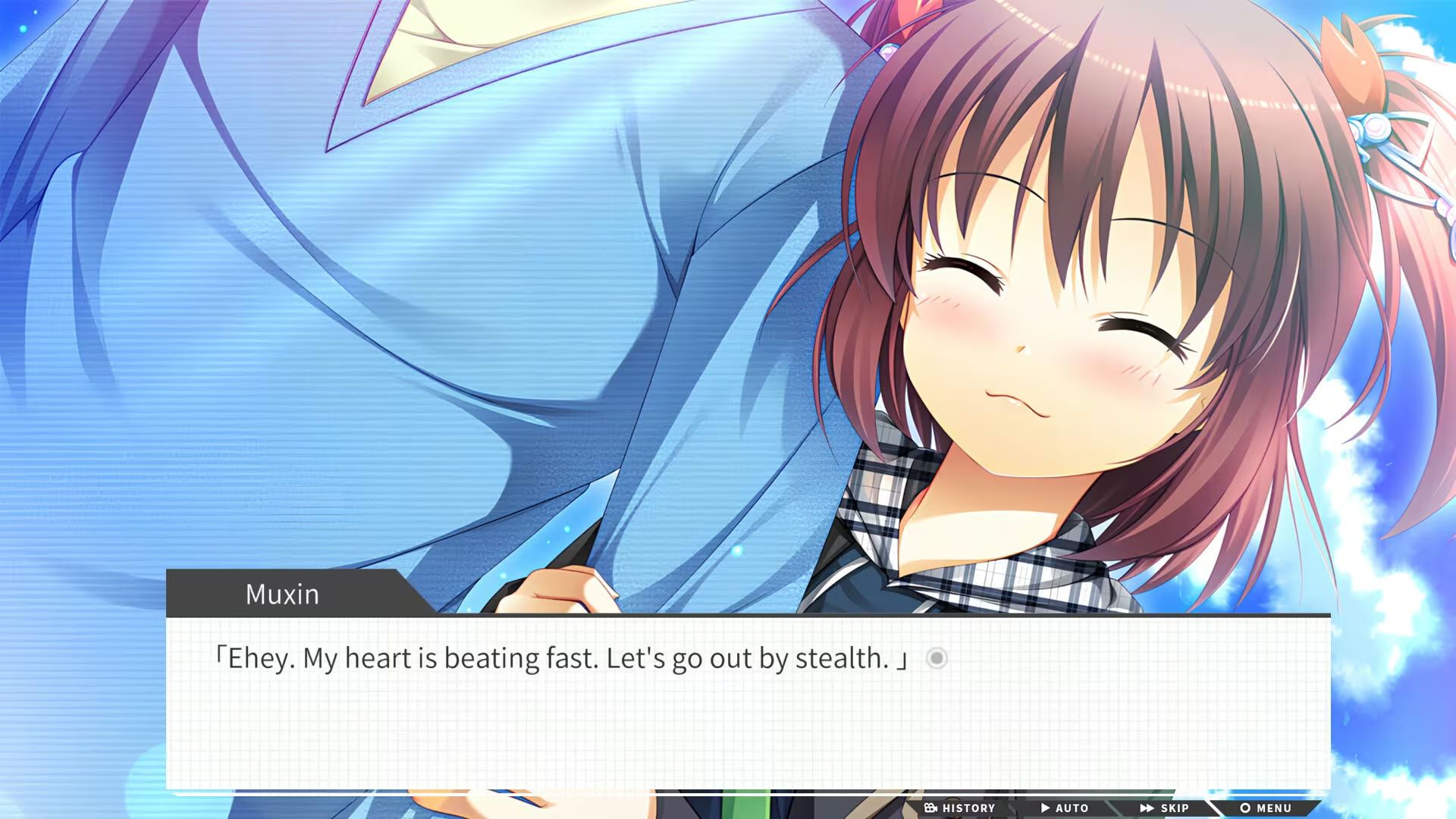
Getting a girl-friend before National College Entrance Exam, I know it's crazy, but from today, we will face everything together.

Global score

90/100

Genres

Adventure, Casual, Indie, Simulator, Visual Novel, Role-playing (RPG)

Similar games

    Pros

    • Realistic depiction of chinese high school life and gaokao pressure
    • Rich narrative with over 50 endings
    • Emotional and immersive storytelling
    • Meaningful player choices affecting outcomes
    • High replayability

    Cons

    • Translation issues in english version
    • Some repetitive gameplay elements
    • Steep learning curve for stat management
    • Limited character customization
    • Emotional stress may be intense for some players

    Analysis

    Less representative of its motivational profile, with noticeable differences. Motivations that often define this kind of title include Cooperation, Fellowship, Intimacy, Leadership. It leans lower than usual among comparable games on Fantasy, Violence, Cooperation.

    How to use the graph
    Similar games map

    Each dot is a game. They are arranged from the same motivation profile as in the “Motivations” section below. Closer dots usually mean more similar reasons to play (exploration, competition, relaxation, etc.)—not that one game is “better” than another.

    • Larger dot with a light outline: the game you are viewing.
    • Colour: groups of games with comparable motivation patterns (statistical clusters).
    • Hover a dot to see the game name; click to open its page.
    • Scroll or double-click the chart to zoom out and see more games.

    Why don’t the axes read like a score? This view uses t-SNE: it only keeps who is close to whom. The scales are not “good to bad” or hours played—they separate groups on the map. Read distance between dots, not the axis numbers.

    Motivations

    • Autonomy
      3

      "Players can choose daily activities and manage study, rest, and social interactions, though some story events are fixed."

    • Competence
      4

      "Game involves skillful balancing of stats and decision making to achieve different endings and overcome challenges."

    • Competition
      -2

      "Focus is on personal progress and story outcomes rather than direct competition with others."

    • Continuation
      4

      "High replayability with over 50 endings encourages long-term engagement and multiple playthroughs."

    • Cooperation
      -3

      "Gameplay centers on individual choices and personal relationships, limited multiplayer or teamwork."

    • Creativity
      2

      "Players experiment with different choices and routes, but within a structured narrative framework."

    • Domination
      -4

      "Interactions emphasize mutual respect and emotional complexity rather than control or superiority."

    • Escapism
      4

      "Players use the game to relive or escape into the emotional and social pressures of high school and exams."

    • Expectation
      -4

      "Players engage voluntarily out of interest and emotional connection, not obligation or external pressure."

    • Experimenting
      3

      "Multiple endings and branching paths encourage trying new strategies and choices."

    • Exploration
      2

      "Exploration is narrative and emotional rather than spatial, discovering different story outcomes."

    • Expression
      1

      "Limited character customization, but players express themselves through choices and relationship management."

    • Fantasy
      -4

      "Strongly grounded in realistic depiction of Chinese high school life and exam pressures."

    • Fellowship
      3

      "Strong community connection through shared cultural experiences and emotional resonance."

    • Growth
      4

      "Players develop understanding of characters and improve skills in managing stats and decisions."

    • Health
      -3

      "Game depicts stress, declining health, and negative effects of overwork rather than promoting physical activity."

    • Idle
      -3

      "Requires consistent attention to daily choices and stat management; not a casual or background game."

    • Intimacy
      4

      "Focus on forming deep emotional relationships and exploring complex interpersonal dynamics."

    • Leadership
      -4

      "Players follow protagonist’s story without leading others; no group management or authority roles."

    • Progression
      4

      "Strong emphasis on improving stats, collecting items, and unlocking multiple endings."

    • Relaxation
      -3

      "Game often induces stress and emotional tension reflecting exam pressures and relationship struggles."

    • Sensation
      2

      "Visuals and music provide emotional stimulation, though overall tone is somber and realistic."

    • Status
      1

      "Some social recognition through story achievements, but focus remains personal and narrative-driven."

    • Story
      5

      "Narrative immersion is central, with rich character development and multiple branching plots."

    • Strategy
      4

      "Players must plan study, rest, and social activities carefully to influence outcomes."

    • Thrill
      3

      "Emotional highs and lows create suspense and tension throughout the story."

    • Value
      4

      "High replay value and rich content provide good return on time and money invested."

    • Violence
      -5

      "Game focuses on constructive activities like studying and relationship building, no combat."

    • Survival
      3

      "Players manage stress and health to avoid failure and succeed in exams and relationships."

    Last update: 29/04/2026