I Was a Teenage Exocolonist Thumbnail

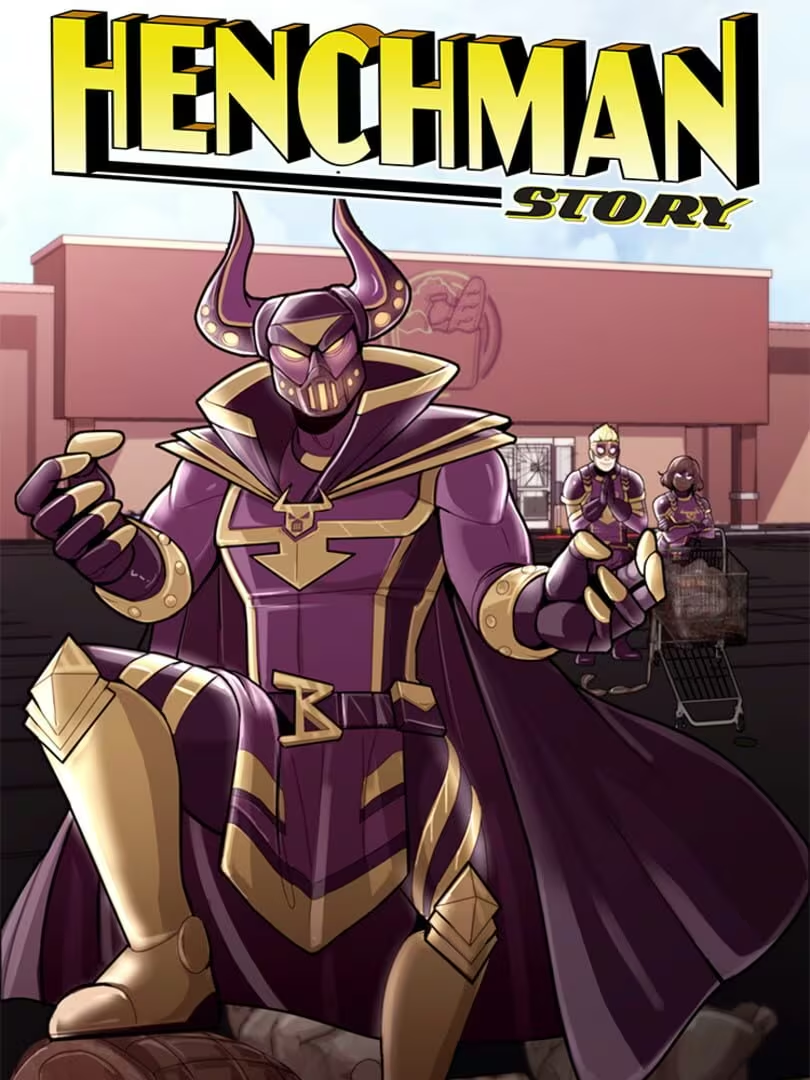
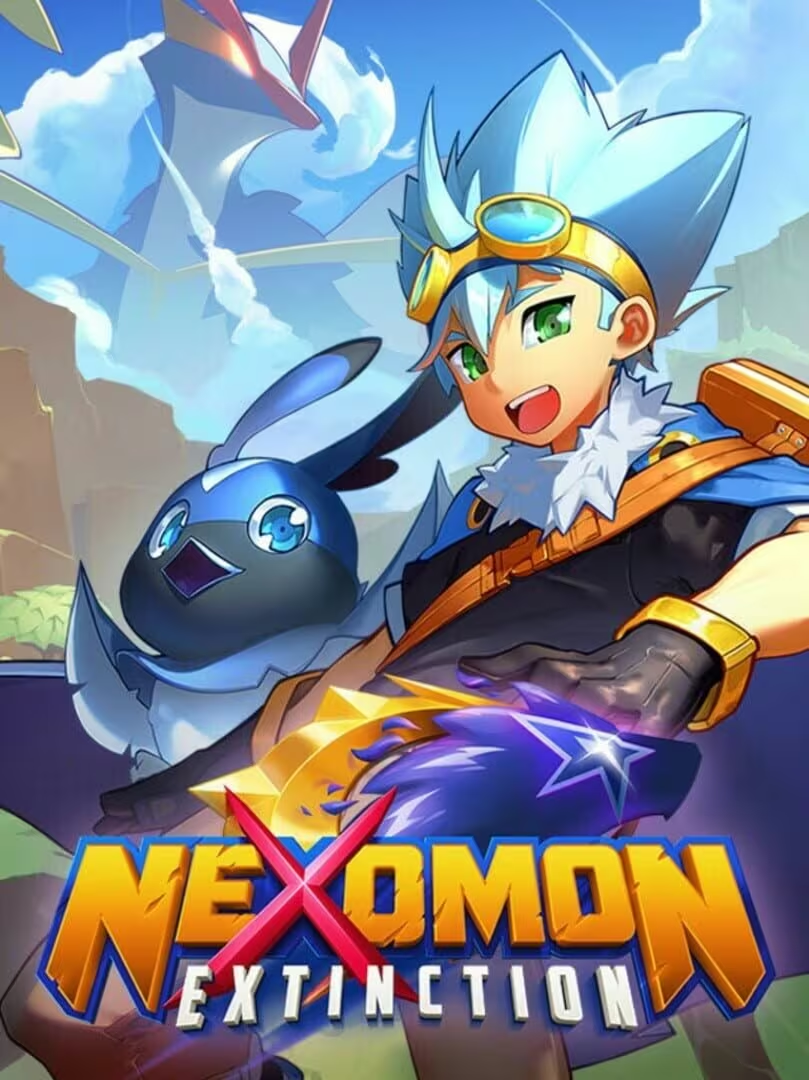
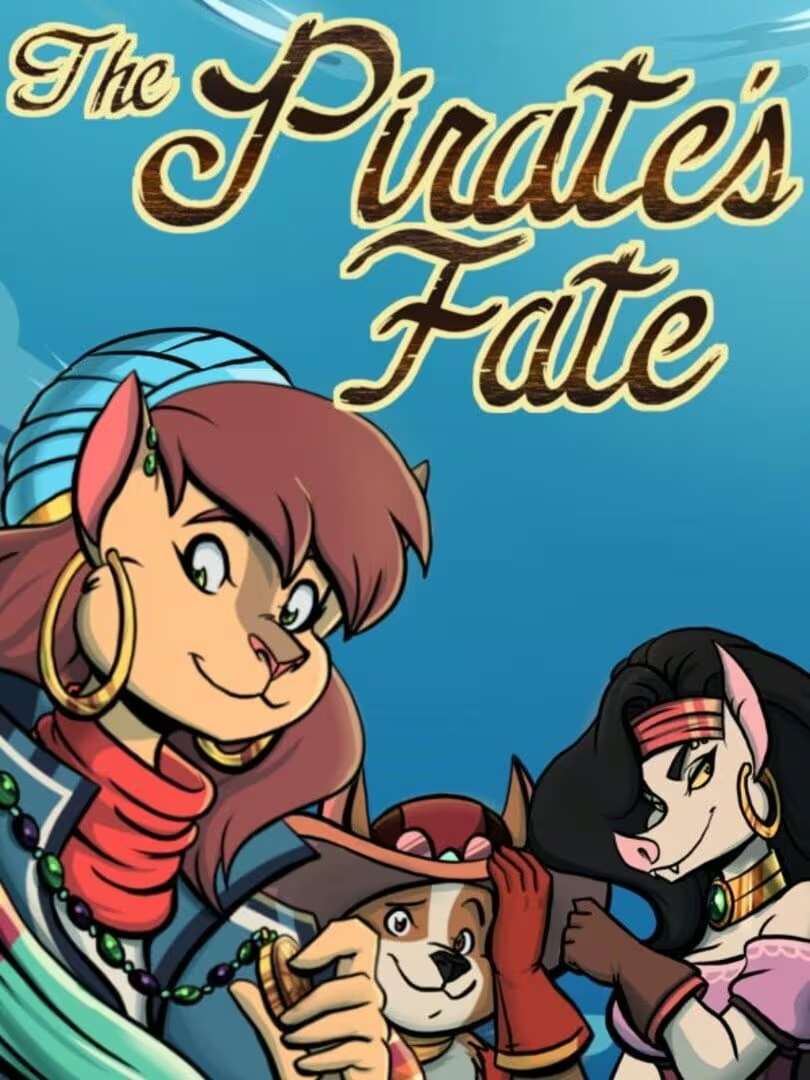
I Was a Teenage Exocolonist similar games & best alternatives
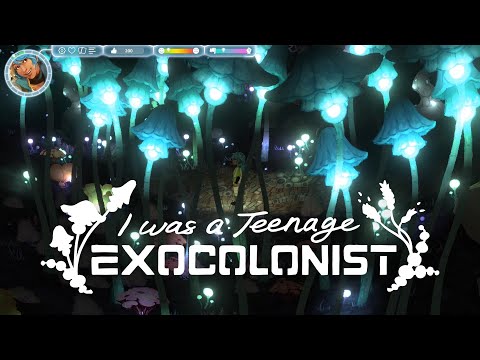
I Was a Teenage Exocolonist

PC (Microsoft Windows), Mac, PlayStation 4, Nintendo Switch, PlayStation 5 • 2022

Related articles

Quick resume

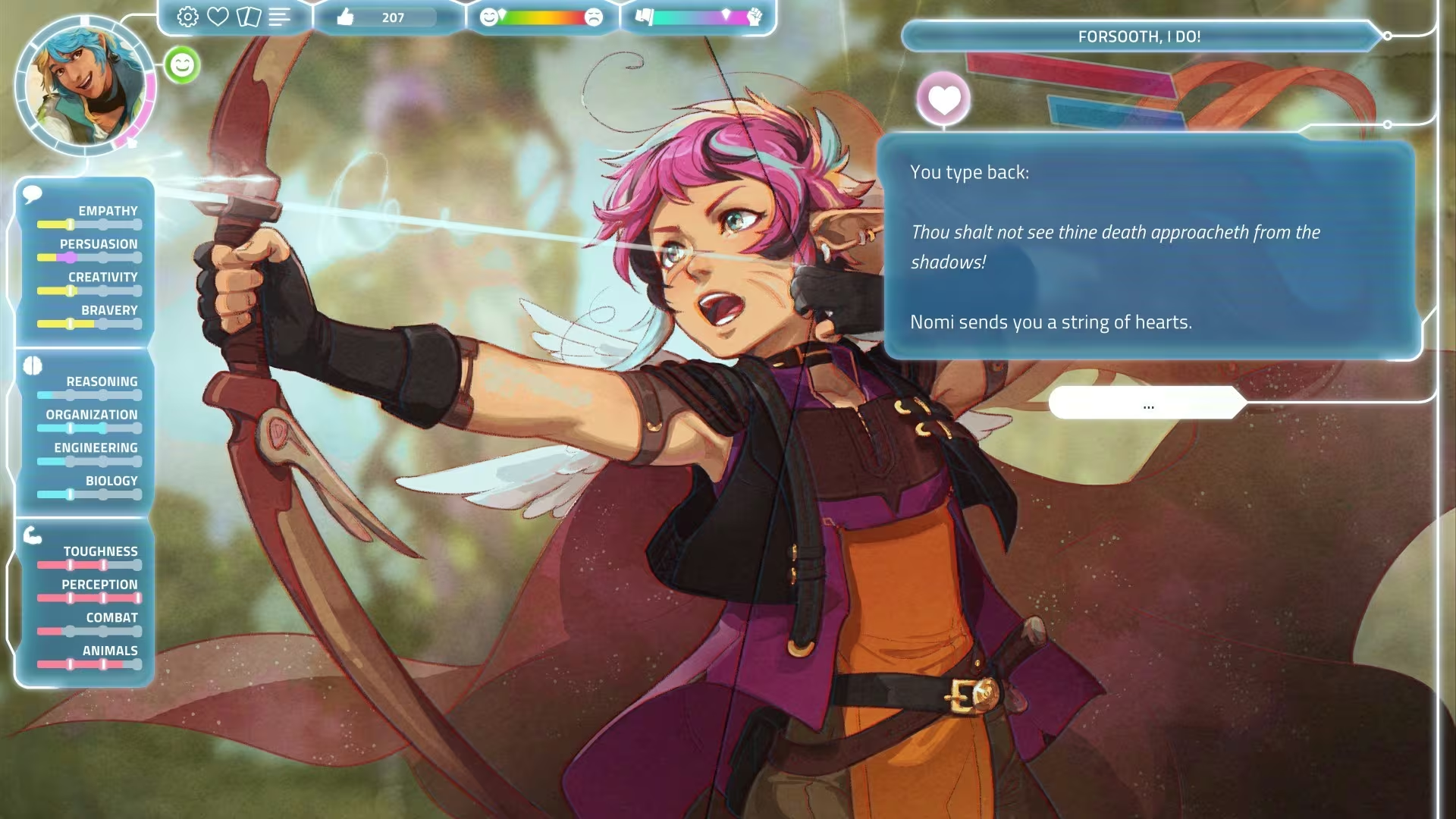
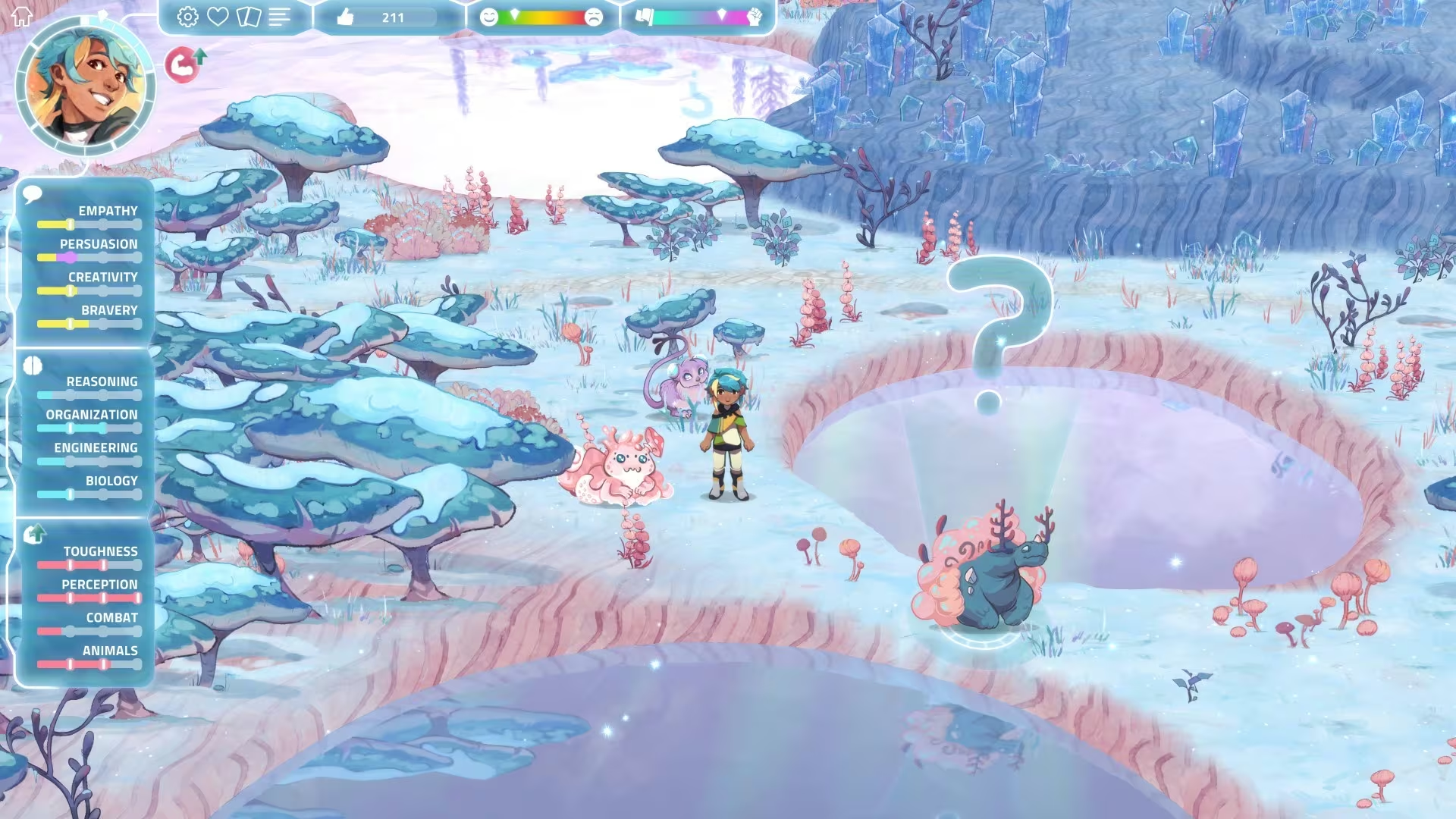
Spend your teenage years on an alien planet in this narrative RPG with card-based battles. Explore, grow up, and fall in love. The choices you make and skills you master over ten years will determine the course of your life and the survival of your colony.

Global score

96/100

Genres

Indie, Role-playing (RPG), Simulator, Adventure, Turn-based strategy (TBS), Visual Novel, Strategy, Card & Board Game

Similar games

    Pros

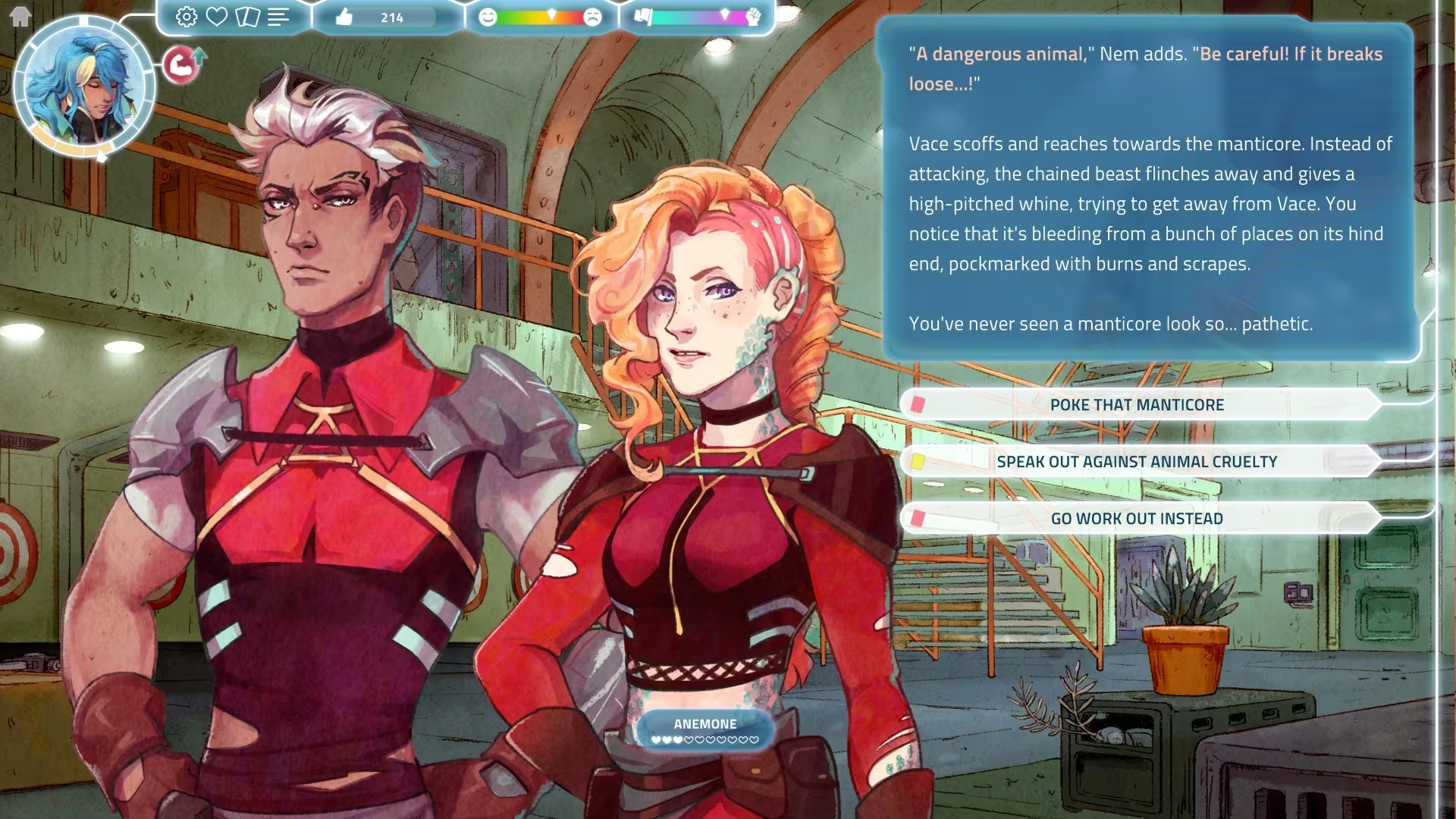
    • Deep, meaningful narrative with branching choices
    • High replayability with multiple endings
    • Inclusive character customization and representation
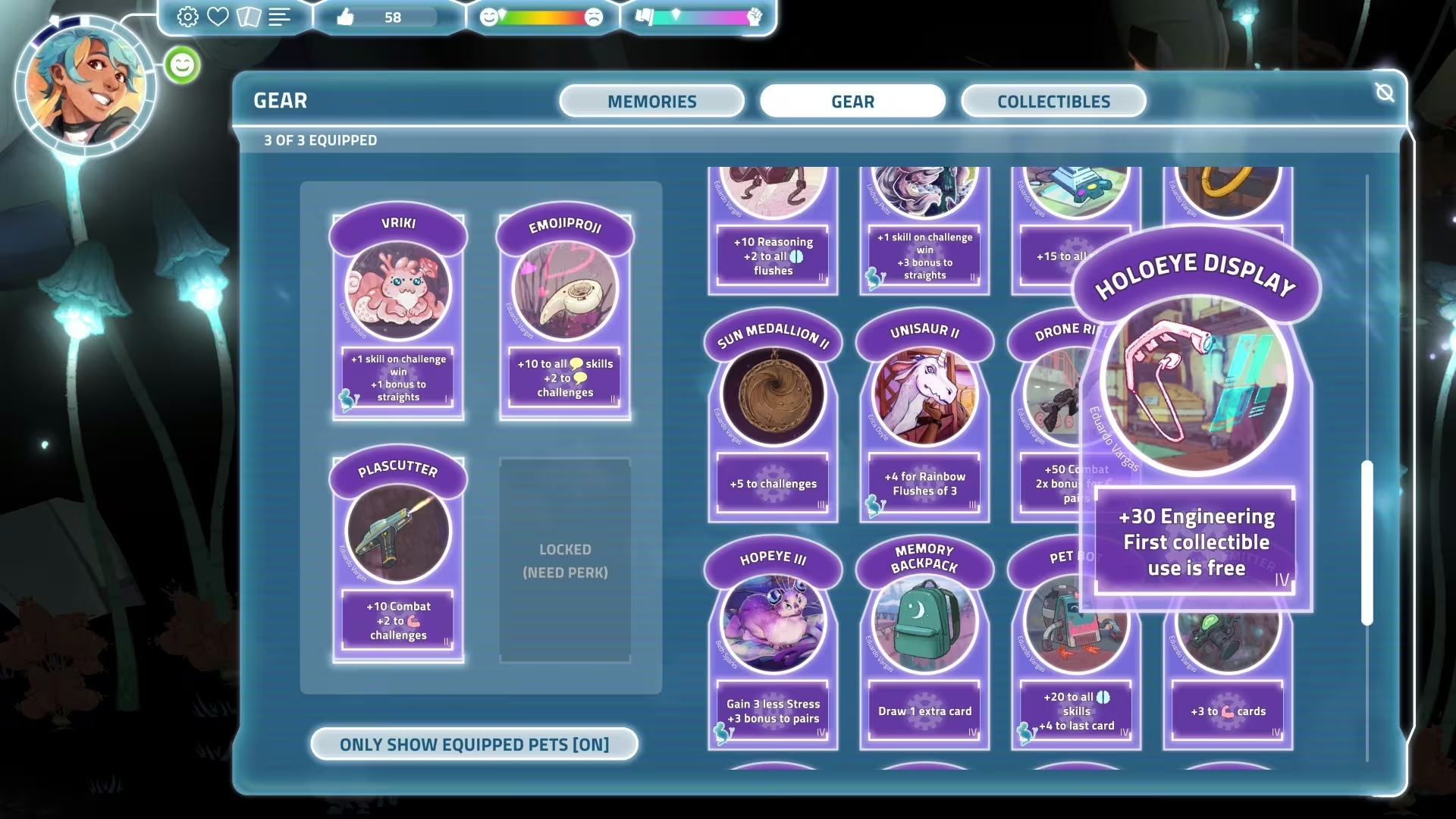
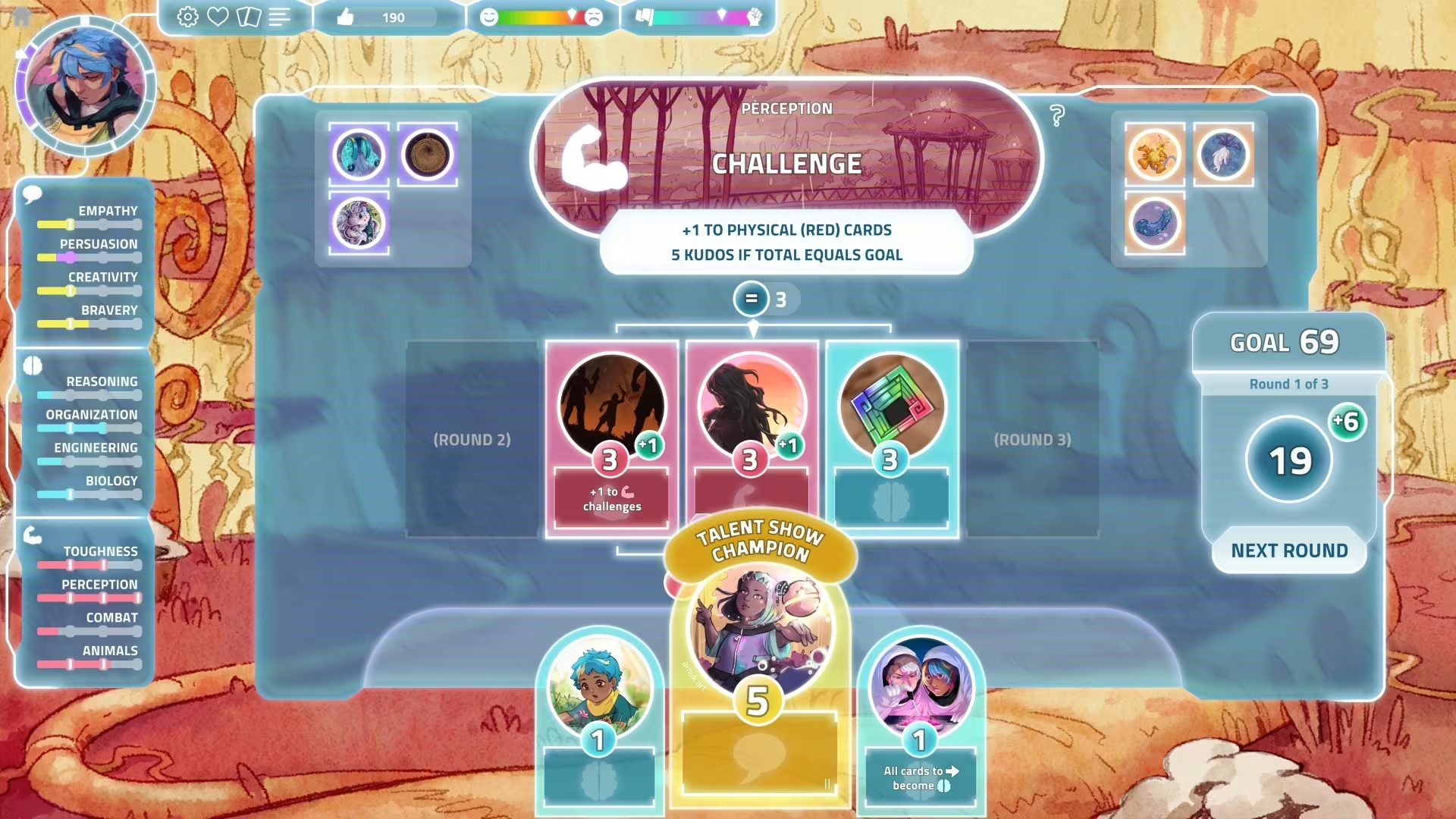
    • Engaging card-based gameplay integrated with story
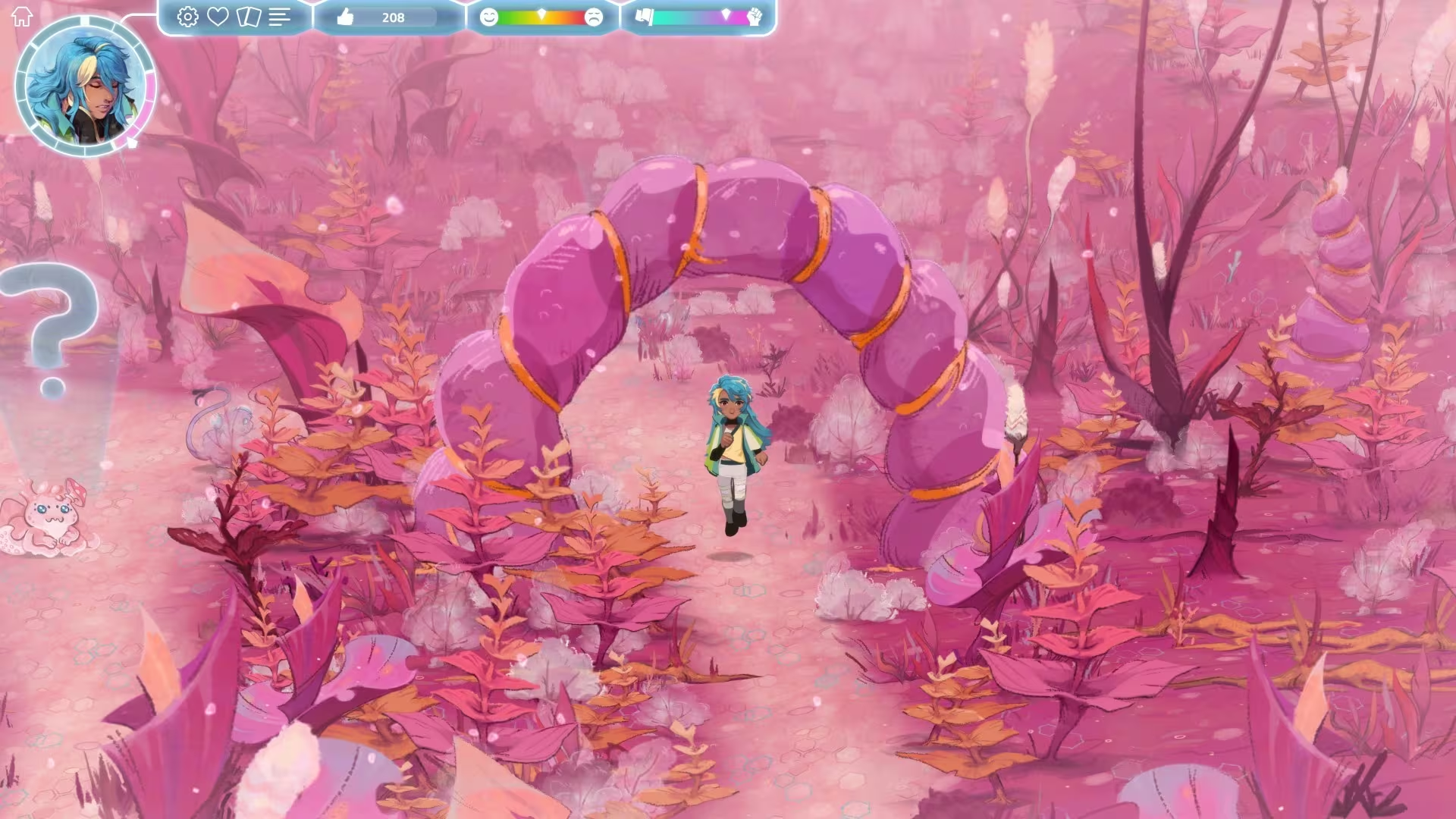
    • Beautiful art and immersive soundtrack

    Cons

    • Some find romance options shallow or limited
    • Repetitive elements in later playthroughs
    • Story pacing can feel rushed near the end
    • Card game mechanics may feel simplistic or luck-based
    • Requires significant reading and attention

    Analysis

    Less representative of its motivational profile, with noticeable differences. Motivations that often define this kind of title include Cooperation, Fellowship, Intimacy, Leadership. Here, the score leans higher than usual among comparable games on Intimacy. It leans lower than usual among comparable games on Cooperation, Violence.

    How to use the graph
    Similar games map

    Each dot is a game. They are arranged from the same motivation profile as in the “Motivations” section below. Closer dots usually mean more similar reasons to play (exploration, competition, relaxation, etc.)—not that one game is “better” than another.

    • Larger dot with a light outline: the game you are viewing.
    • Colour: groups of games with comparable motivation patterns (statistical clusters).
    • Hover a dot to see the game name; click to open its page.
    • Scroll or double-click the chart to zoom out and see more games.

    Why don’t the axes read like a score? This view uses t-SNE: it only keeps who is close to whom. The scales are not “good to bad” or hours played—they separate groups on the map. Read distance between dots, not the axis numbers.

    Motivations

    • Autonomy
      4

      "Players have significant control over their character's actions, decisions, and development, with meaningful choices that affect story and gameplay."

    • Competence
      3

      "The card-based challenges and skill-building provide tests of skill and feedback, though some find the card game easy or skippable."

    • Competition
      -4

      "Focus is on personal story and development without competitive or ranked modes; play is individual and self-paced."

    • Continuation
      5

      "High replayability with multiple endings and new content unlocked on subsequent playthroughs encourages long-term engagement."

    • Cooperation
      -3

      "Gameplay centers on individual character growth and personal relationships rather than teamwork or multiplayer cooperation."

    • Creativity
      3

      "Players customize character gender, pronouns, and make diverse narrative choices shaping their unique story experience."

    • Domination
      -5

      "Interactions emphasize mutual respect and complex relationships rather than exerting power or superiority over others."

    • Escapism
      4

      "Immersive sci-fi setting and emotional storytelling provide a strong escape from real life stresses."

    • Expectation
      -4

      "Players engage voluntarily driven by intrinsic interest and emotional investment rather than obligation or pressure."

    • Experimenting
      4

      "Multiple playthroughs encourage trying new choices, exploring different story branches, and experimenting with skills."

    • Exploration
      3

      "Exploring the alien world and uncovering story secrets is a key gameplay element, though within a defined environment."

    • Expression
      3

      "Character customization of gender, pronouns, and appearance allows personal expression within narrative constraints."

    • Fantasy
      3

      "Set in a sci-fi alien colony with imaginative elements and speculative fiction themes."

    • Fellowship
      3

      "Strong emphasis on forming meaningful relationships and community bonds with other characters."

    • Growth
      5

      "Focus on personal development, learning skills, and evolving relationships over time."

    • Health
      -5

      "Primarily sedentary gameplay with no physical activity or health-related mechanics."

    • Idle
      -3

      "Requires focused attention on story choices and card challenges; not designed for background or casual play."

    • Intimacy
      4

      "Deep emotional connections and romantic relationships are important aspects of the narrative experience."

    • Leadership
      2

      "Players influence their own character's path and some colony outcomes but do not lead groups or manage others directly."

    • Progression
      4

      "Skill development, unlocking new story content, and collecting cards represent clear progression systems."

    • Relaxation
      2

      "While emotionally intense at times, the pacing and gameplay allow for moments of flow and reflection."

    • Sensation
      3

      "Enjoyable art, music, and narrative evoke emotional and sensory engagement."

    • Status
      -4

      "Achievements and endings are personal; social recognition or popularity is not a focus."

    • Story
      5

      "Narrative immersion is central, with rich character development and branching plots."

    • Strategy
      3

      "Players plan skill development, resource management, and card play to influence outcomes."

    • Thrill
      2

      "Emotional tension and suspense arise from story events and consequences, though gameplay risk is moderate."

    • Value
      4

      "High replay value and emotional impact provide strong perceived return on time and money invested."

    • Violence
      -4

      "Focus is on relationships, survival, and exploration rather than combat or destruction."

    • Survival
      3

      "Survival themes and resource management are present in the story and gameplay, though not highly intense."

    Last update: 29/04/2026