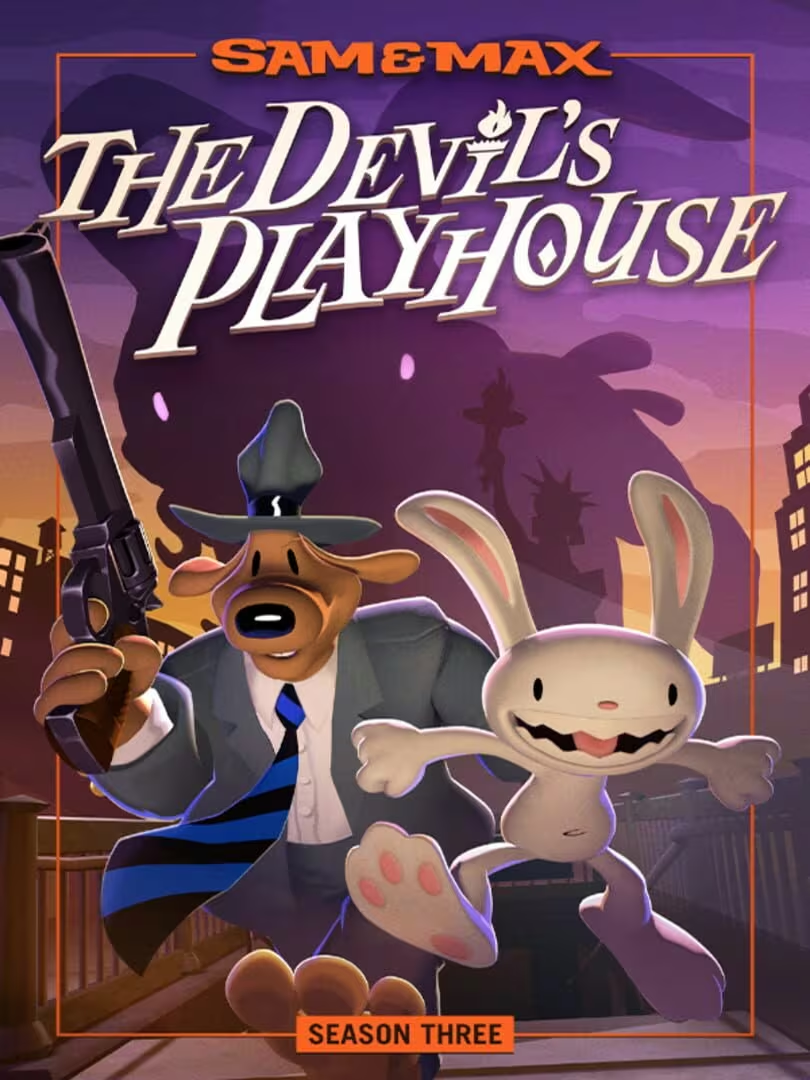
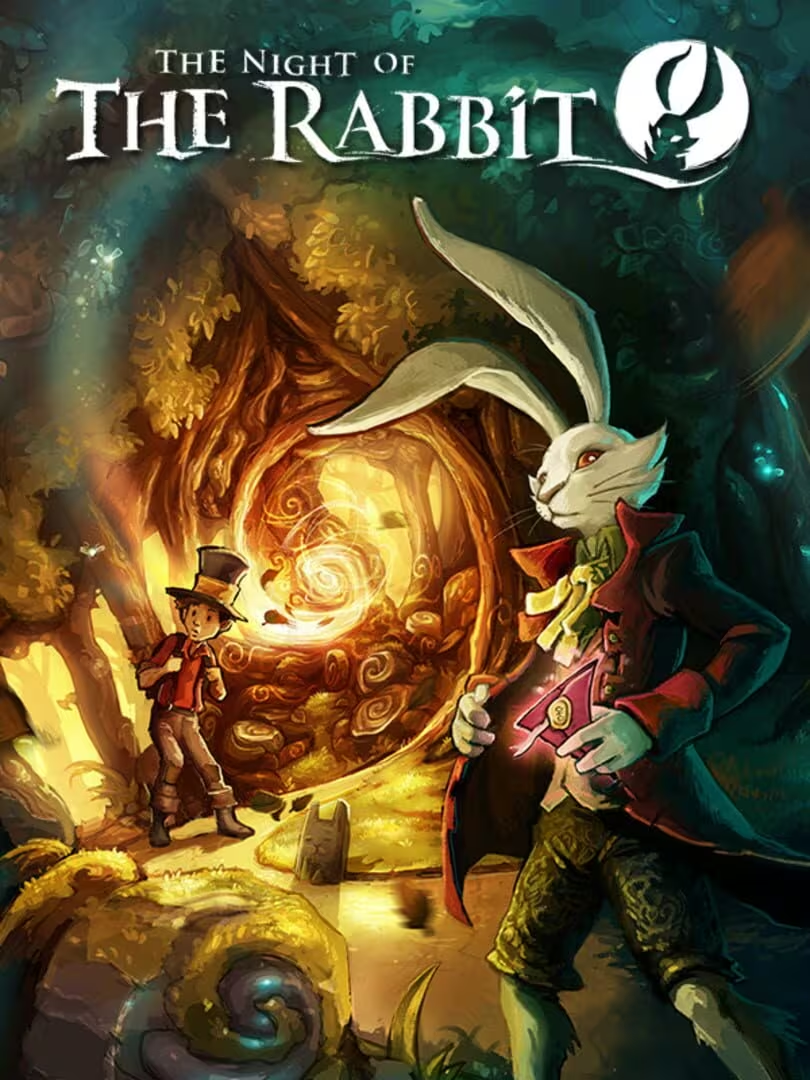
Goodbye Deponia Thumbnail

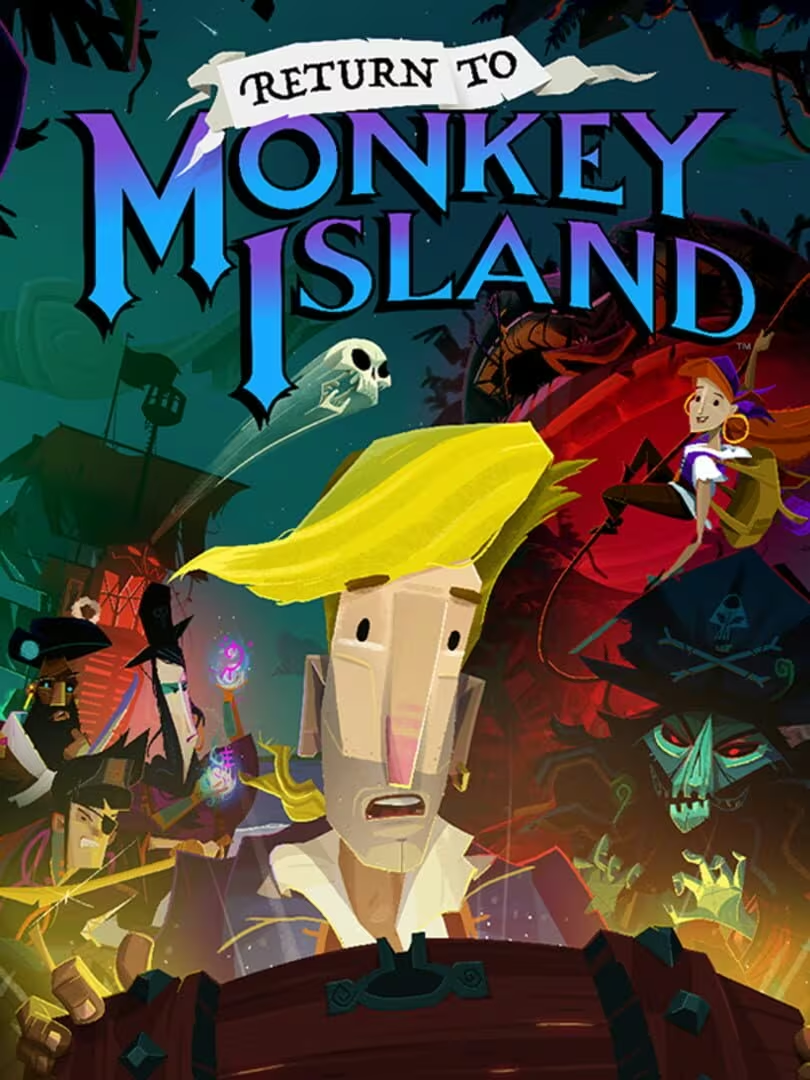
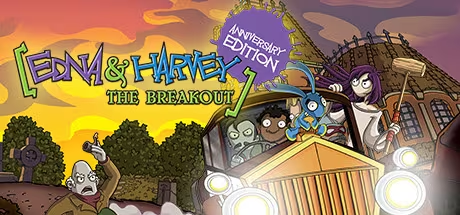
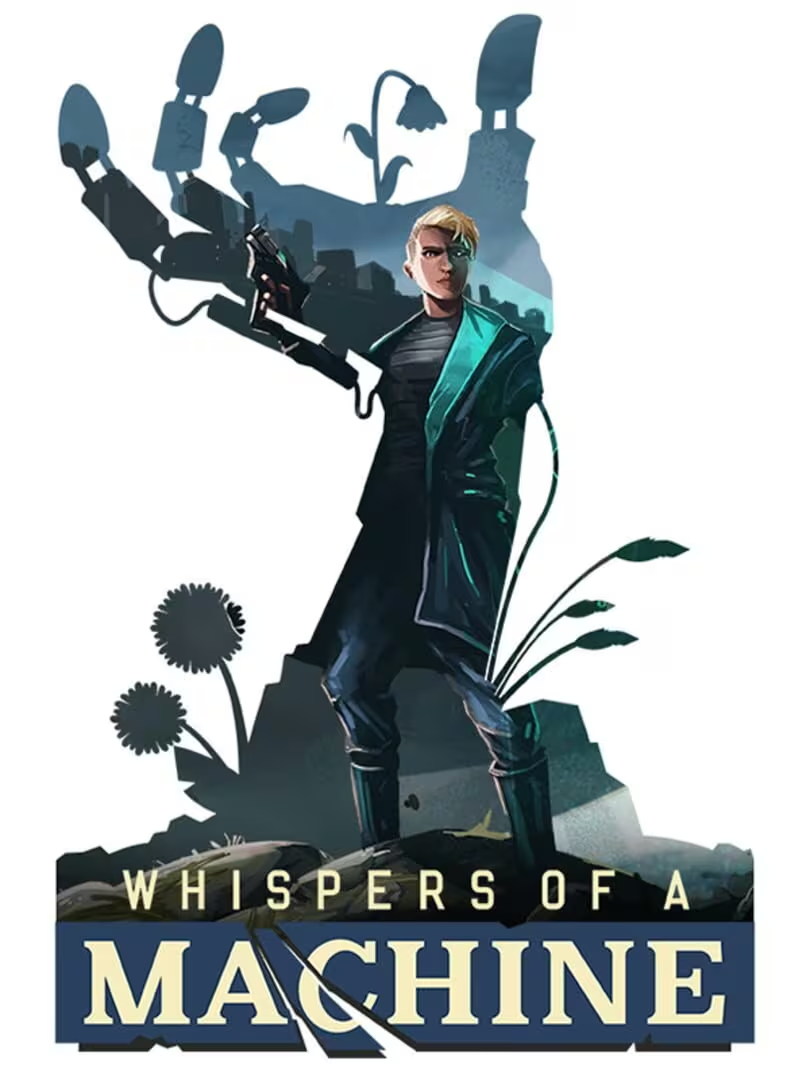
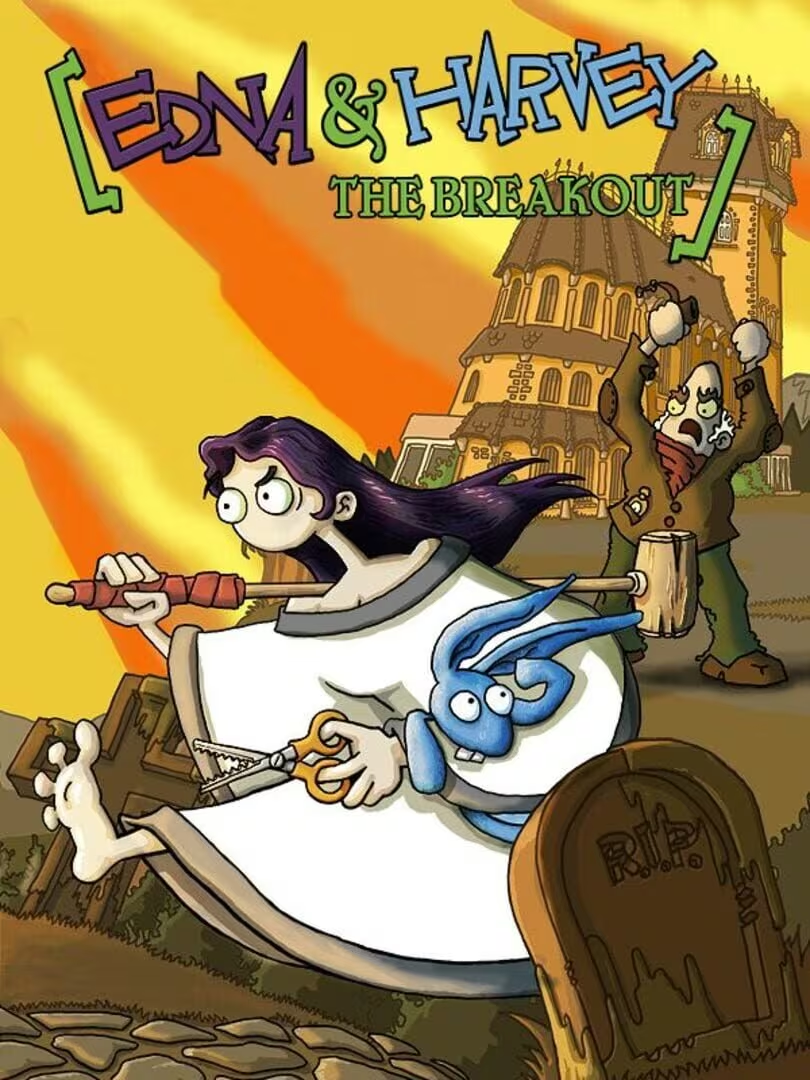
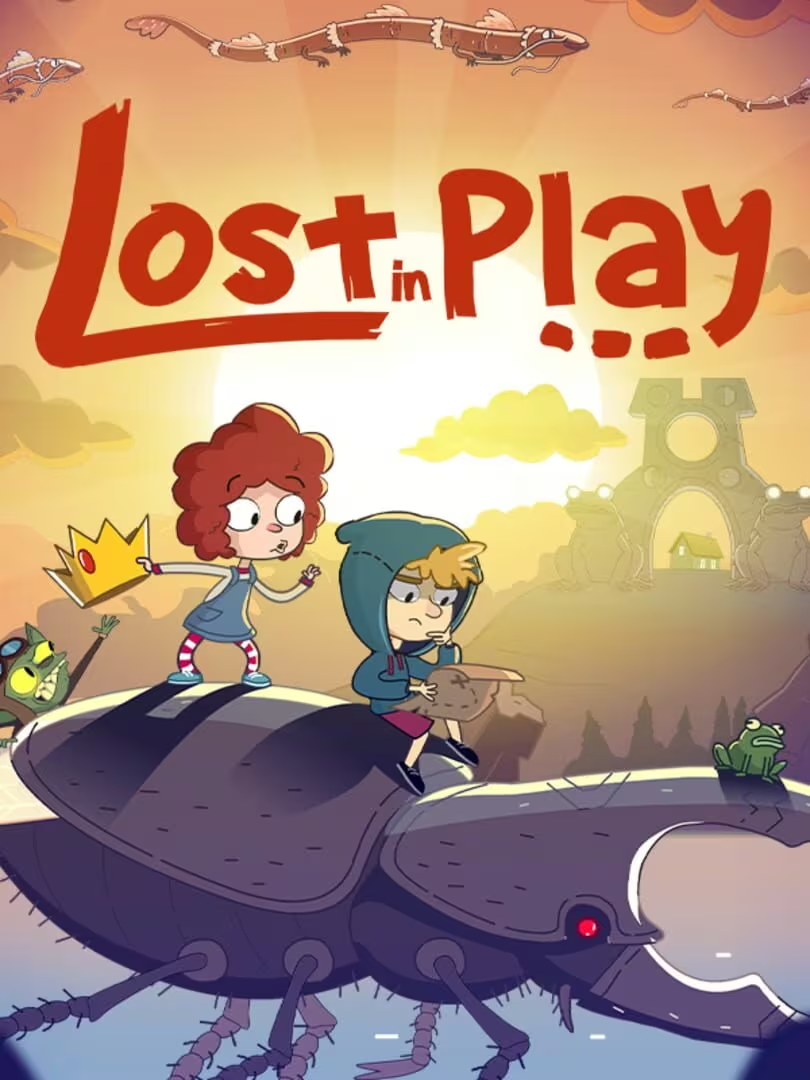
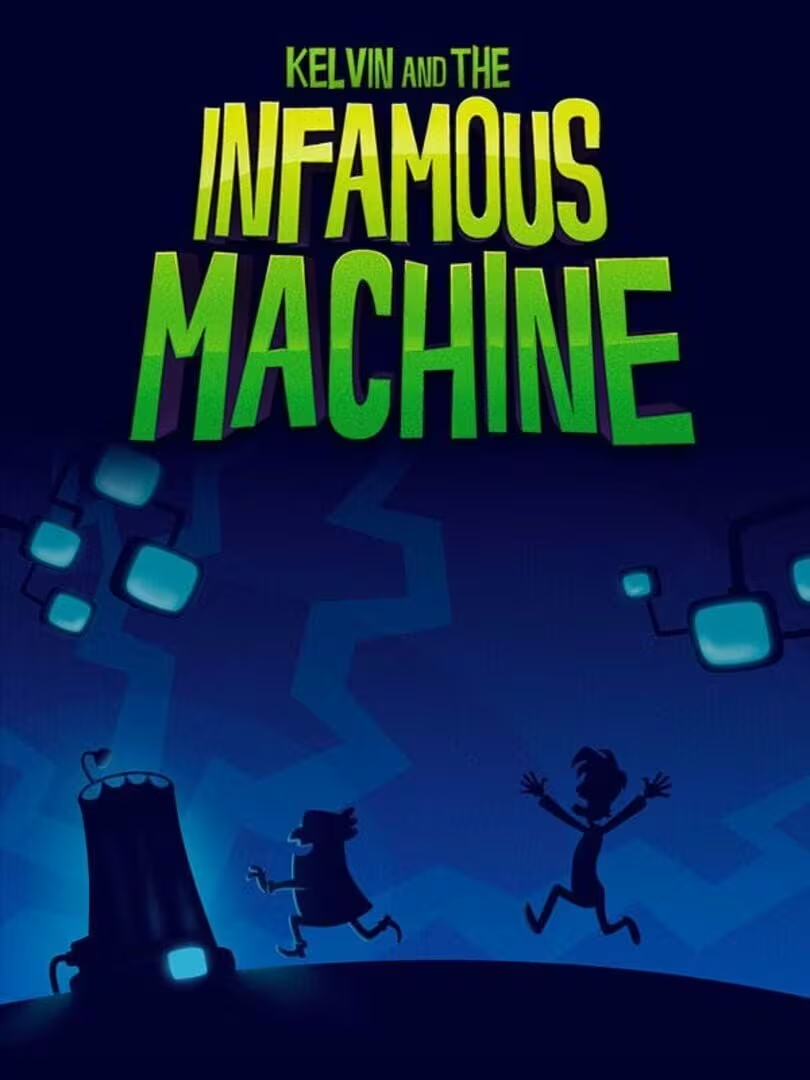
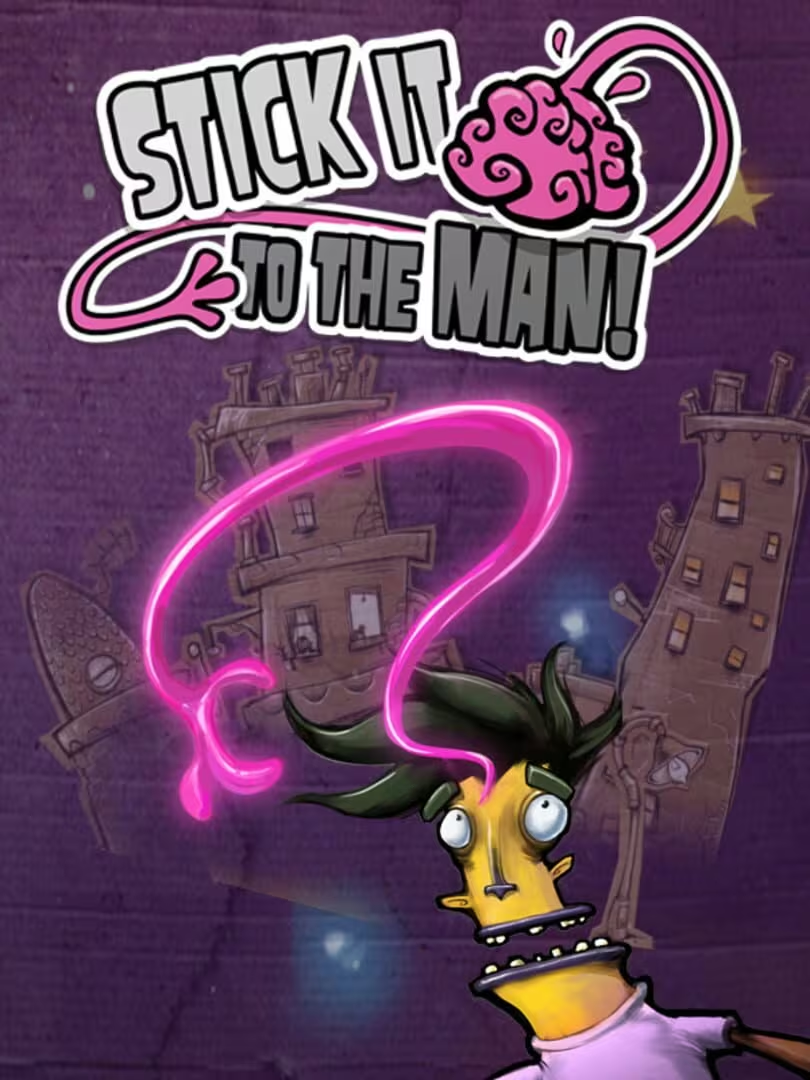
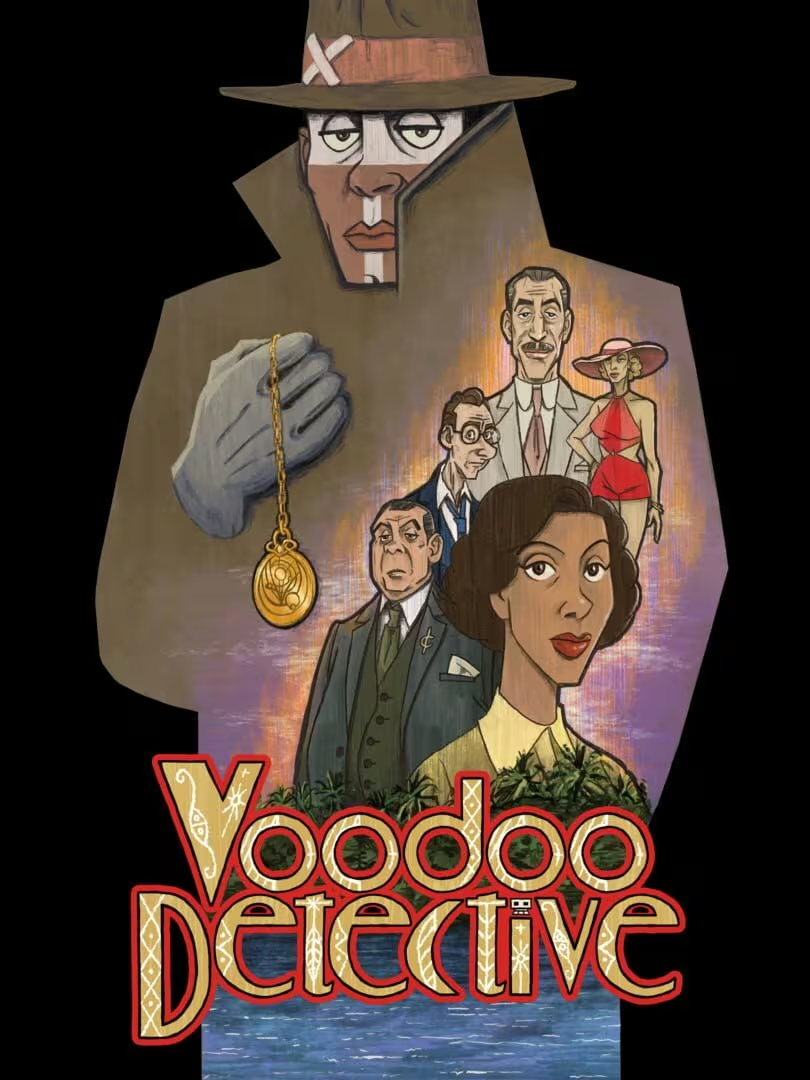
Goodbye Deponia similar games & best alternatives
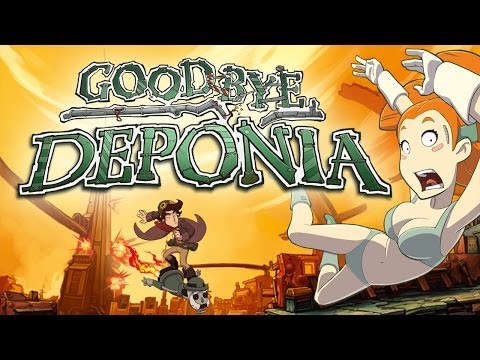
Goodbye Deponia

PC (Microsoft Windows), Mac, PlayStation 4, Xbox One, Nintendo Switch, Linux • 2013

Related articles

Quick resume

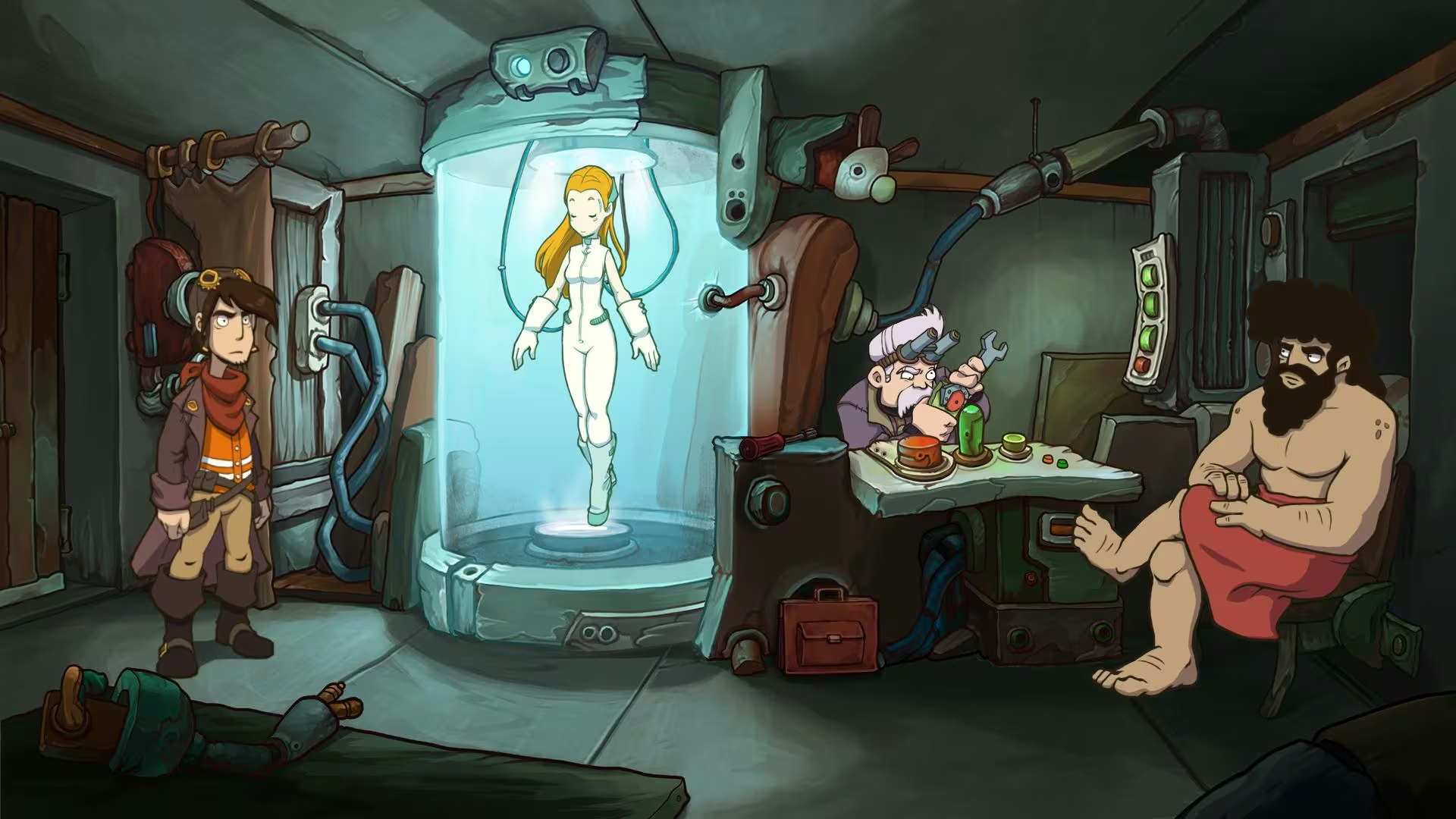
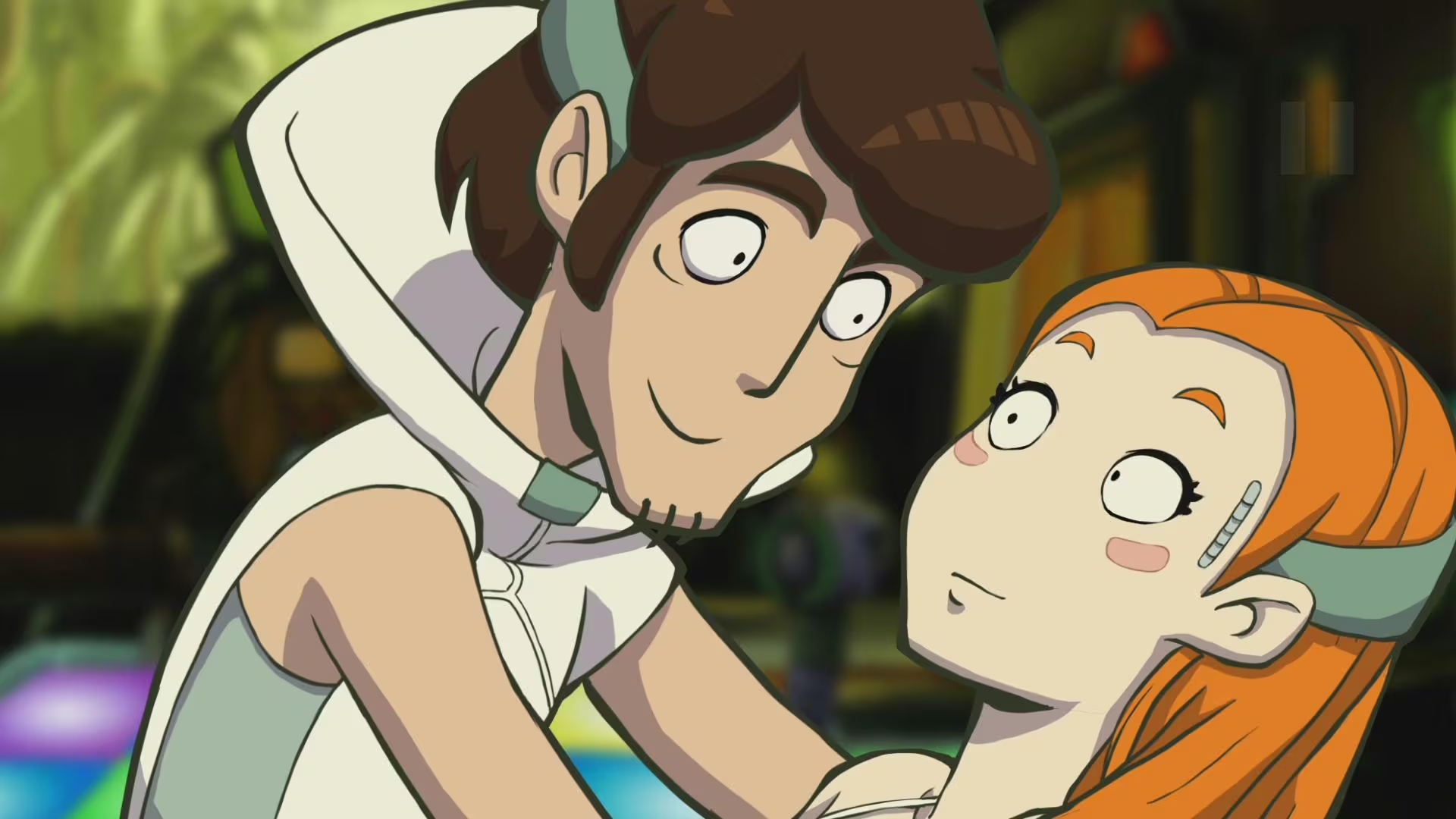
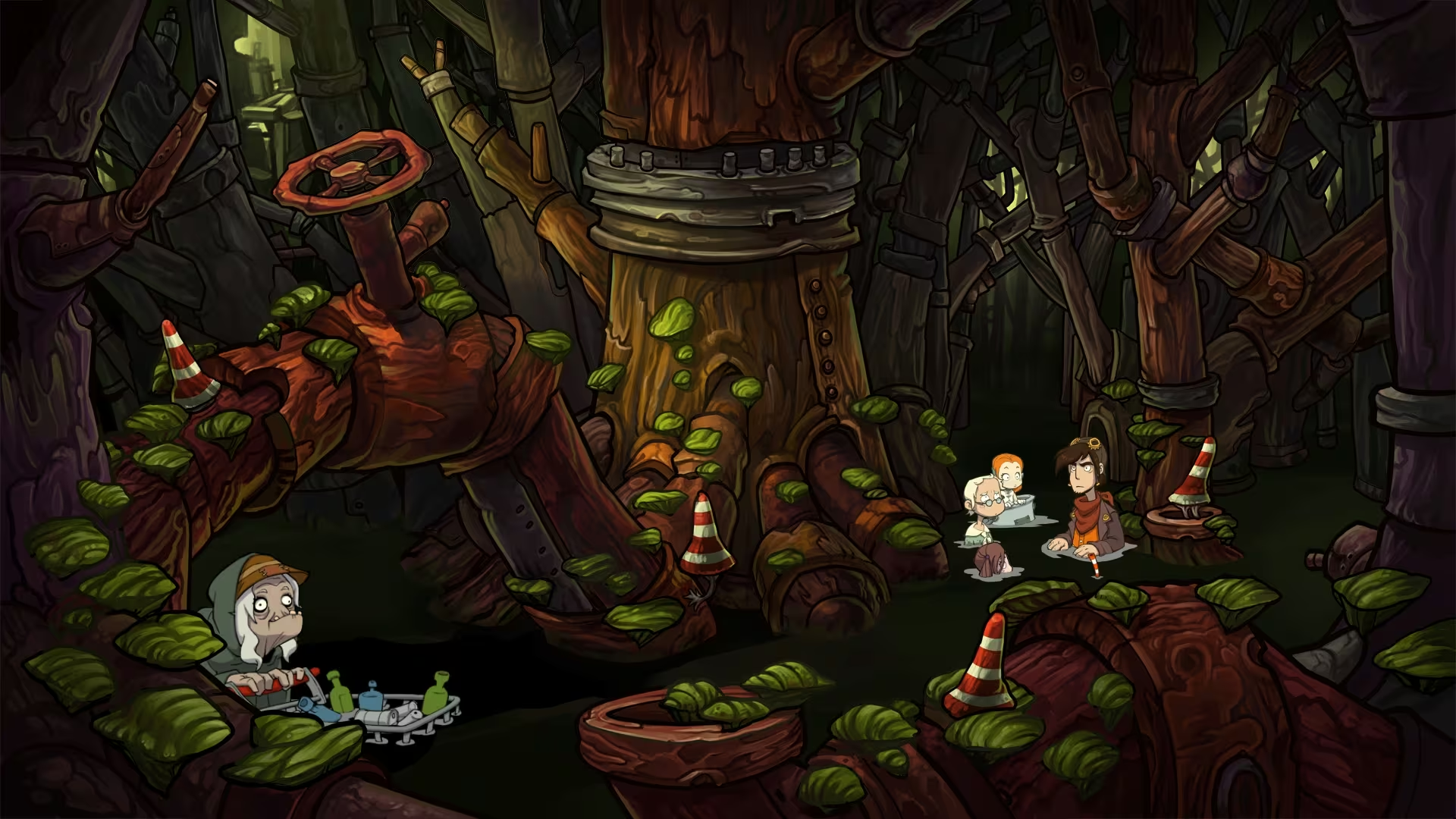
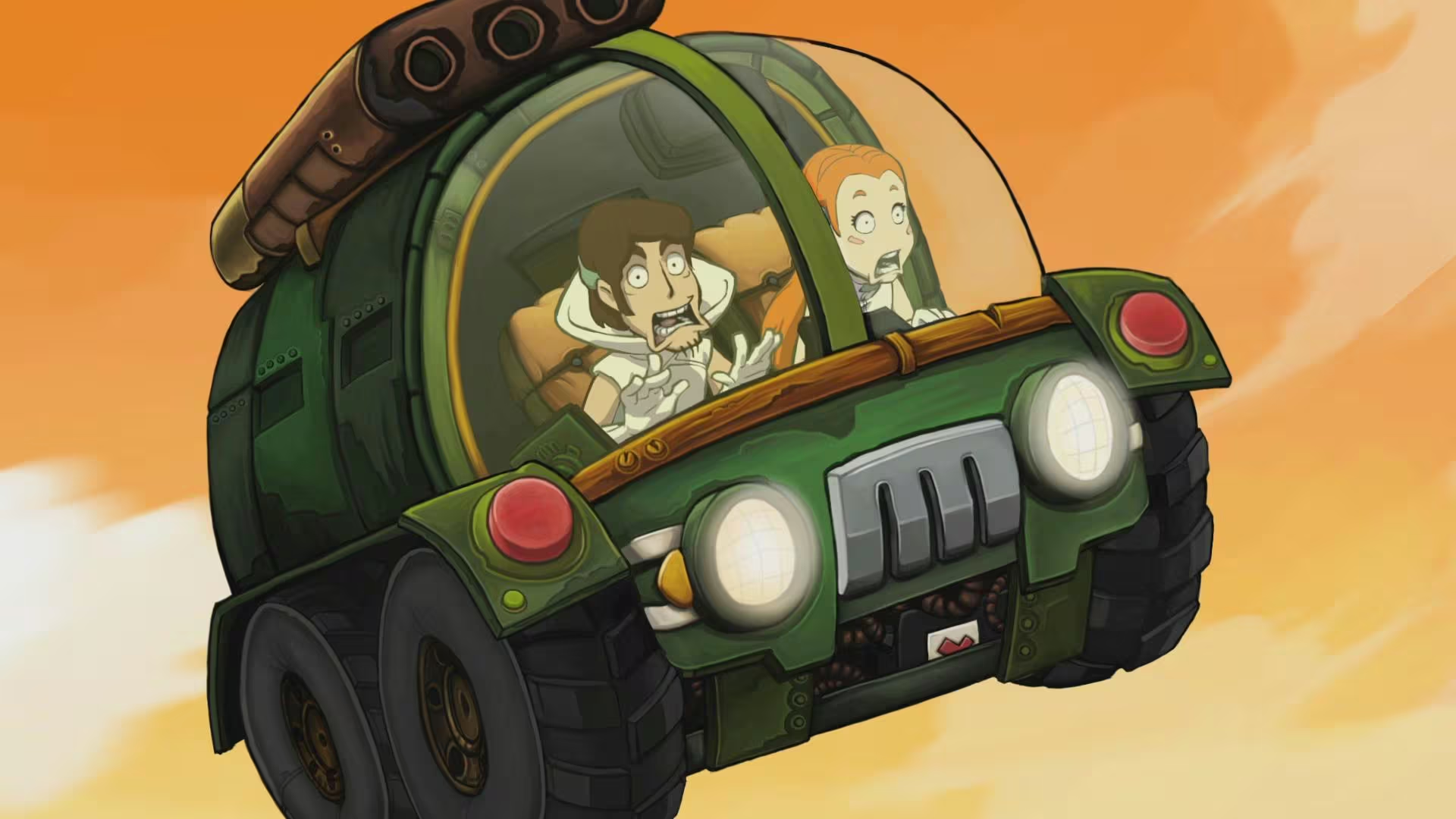
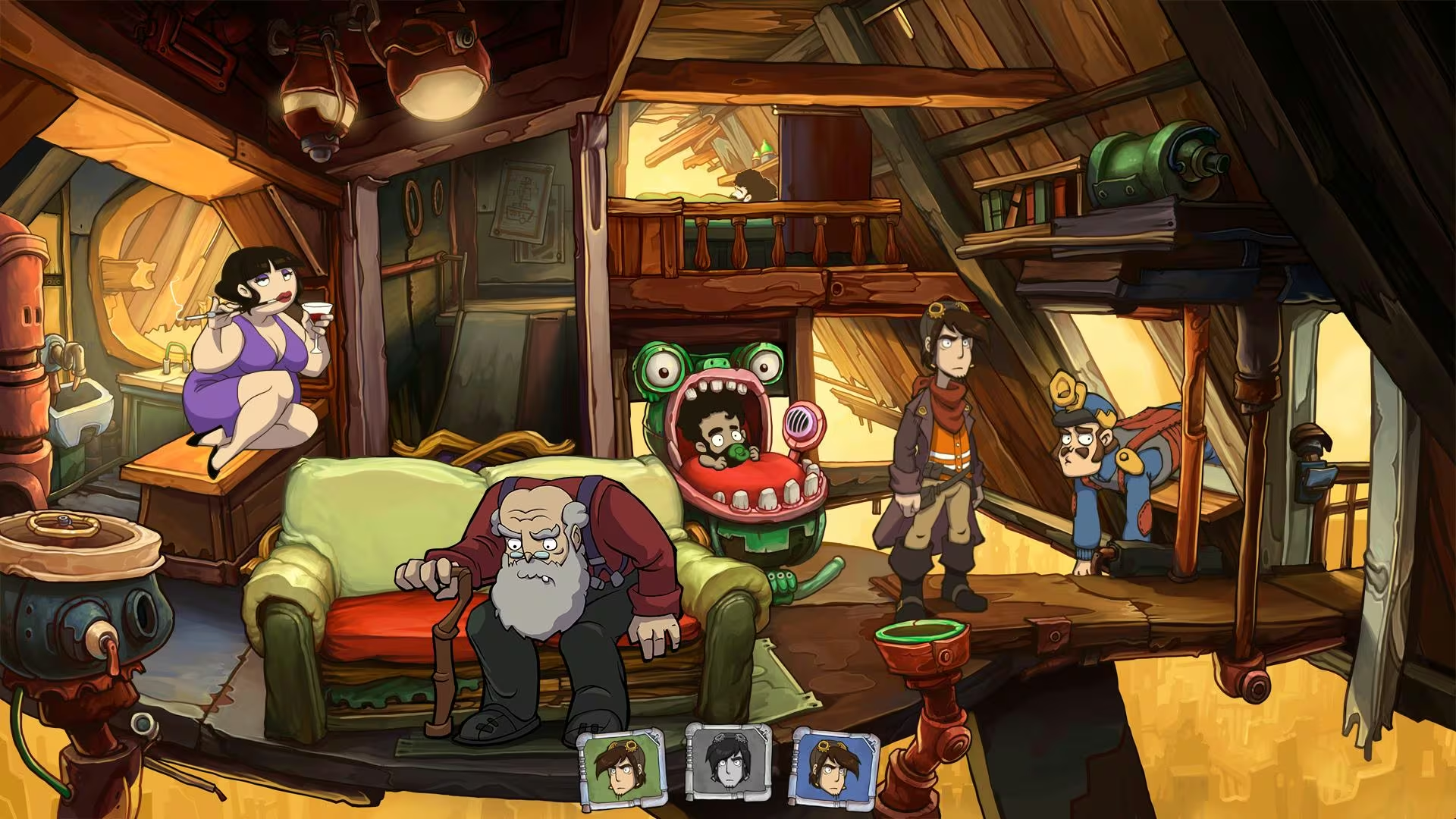
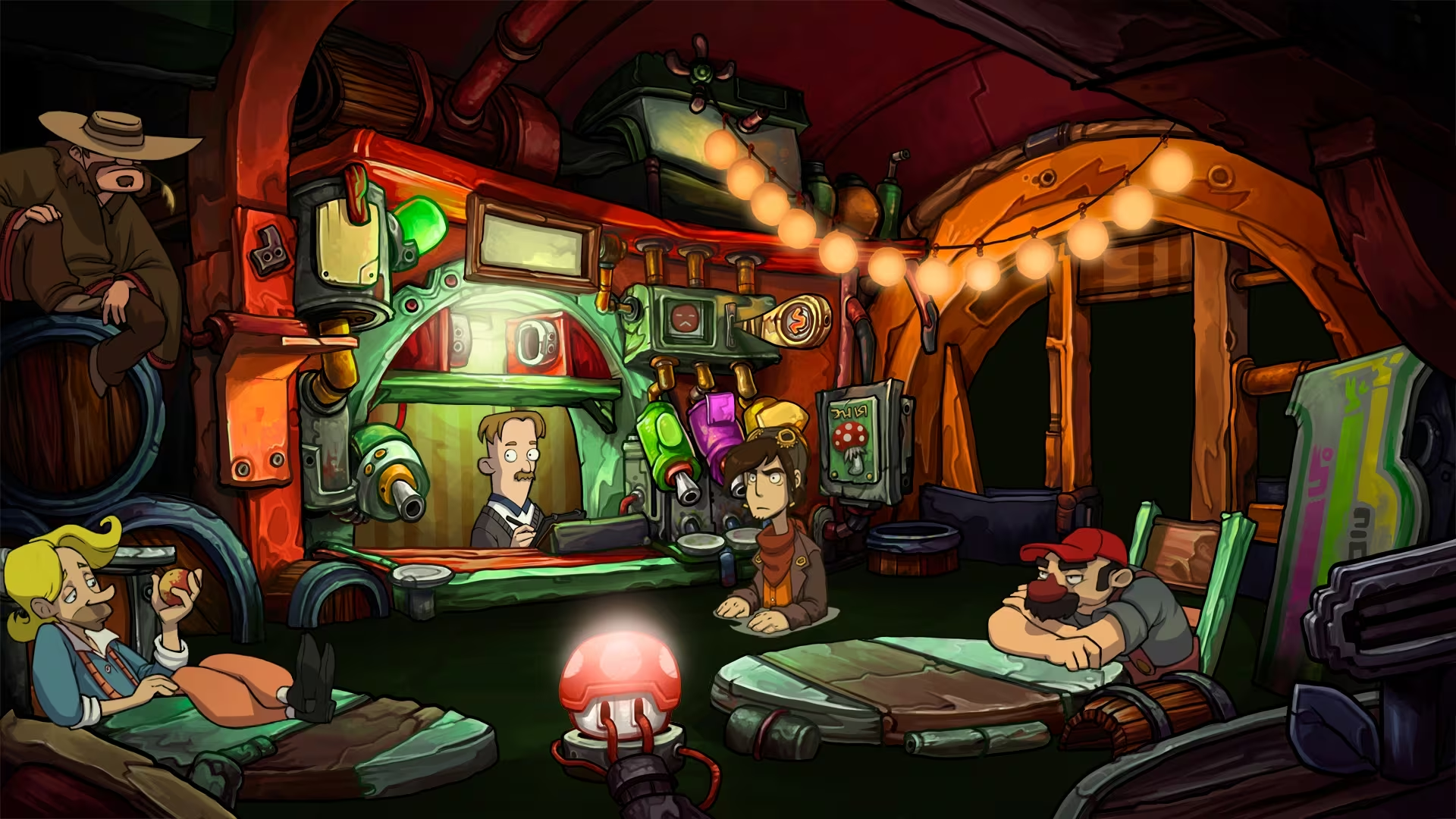
More chaos, more destruction, more Rufus. Not one, not two, but three Rufuses cause all kinds of crazy mayhem in the long-awaited adventure comedy Goodbye Deponia!

Global score

89/100

Genres

Adventure, Indie, Puzzle, Point-and-click

Similar games

    Pros

    • Engaging and humorous story
    • Unique characters and voice acting
    • Challenging and creative puzzles
    • Beautiful hand-drawn art and music
    • Strong narrative conclusion to trilogy

    Cons

    • Some illogical or frustrating puzzles
    • Controversial and bittersweet ending
    • Lack of localization in some languages
    • Some humor lost in translation
    • Minor technical bugs reported

    Analysis

    Broadly representative of its motivational profile, with a few distinct shifts. Motivations that often define this kind of title include Survival, Violence, Fellowship, Expression. Here, the score leans higher than usual among comparable games on Continuation, Story, Cooperation.

    How to use the graph
    Similar games map

    Each dot is a game. They are arranged from the same motivation profile as in the “Motivations” section below. Closer dots usually mean more similar reasons to play (exploration, competition, relaxation, etc.)—not that one game is “better” than another.

    • Larger dot with a light outline: the game you are viewing.
    • Colour: groups of games with comparable motivation patterns (statistical clusters).
    • Hover a dot to see the game name; click to open its page.
    • Scroll or double-click the chart to zoom out and see more games.

    Why don’t the axes read like a score? This view uses t-SNE: it only keeps who is close to whom. The scales are not “good to bad” or hours played—they separate groups on the map. Read distance between dots, not the axis numbers.

    Motivations

    • Autonomy
      4

      "Players have freedom to explore multiple characters (three Rufuses) and solve puzzles in various ways, with some non-linear elements."

    • Competence
      3

      "The game features challenging puzzles and mini-games that require skill and problem solving, though some puzzles are criticized for illogical solutions."

    • Competition
      -4

      "The game is a single-player point-and-click adventure with no competitive elements or leaderboards."

    • Continuation
      4

      "Players express strong attachment to the trilogy and spend many hours immersed in the game, often replaying it."

    • Cooperation
      -3

      "Gameplay focuses on individual puzzle solving and narrative experience without multiplayer or cooperative features."

    • Creativity
      4

      "The game encourages creative thinking with unusual puzzles, multiple character interactions, and humorous, imaginative scenarios."

    • Domination
      -4

      "Interactions are narrative-driven with no emphasis on exerting control or superiority over others."

    • Escapism
      5

      "Players use the game to escape reality, enjoying its humor, story, and immersive world."

    • Expectation
      -4

      "Players engage voluntarily out of personal interest and enjoyment of the series and genre."

    • Experimenting
      3

      "Players experiment with item combinations and character interactions to solve puzzles and explore story paths."

    • Exploration
      3

      "The game offers new locations and secrets to discover within the Deponia world."

    • Expression
      -2

      "Limited character customization; expression mainly through narrative choices and dialogue rather than visual personalization."

    • Fantasy
      4

      "The game features a fictional, imaginative world with absurd humor and fantastical elements."

    • Fellowship
      -3

      "Primarily a solo experience with minimal social or community interaction."

    • Growth
      3

      "Players develop problem-solving skills and experience character development through the story."

    • Health
      -5

      "Sedentary gameplay typical of point-and-click adventures with no physical activity."

    • Idle
      -4

      "Requires continuous attention and engagement to solve puzzles and progress."

    • Intimacy
      -3

      "Limited to narrative relationships; no real social or emotional interaction with other players."

    • Leadership
      -4

      "No leadership or management roles; player controls individual characters without leading groups."

    • Progression
      3

      "Players collect items and unlock achievements as they advance through the story."

    • Relaxation
      3

      "The game balances challenge and humor to create an enjoyable flow, though some puzzles cause frustration."

    • Sensation
      3

      "Visual style and music provide sensory enjoyment, with humorous and emotional moments."

    • Status
      -4

      "Focus is on personal narrative experience rather than social recognition or status."

    • Story
      5

      "Strong narrative immersion with engaging characters, plot twists, and emotional depth."

    • Strategy
      3

      "Requires logical thinking and planning to solve puzzles and manage multiple characters."

    • Thrill
      1

      "Some suspense and emotional moments, but overall a controlled and predictable adventure experience."

    • Value
      4

      "Players perceive good value in story length, humor, and replayability."

    • Violence
      -4

      "Gameplay focuses on puzzle-solving and narrative, with minimal combat or destruction."

    • Survival
      -4

      "No survival mechanics; stable game environment without threats or resource management."

    Last update: 29/04/2026