My life as an archeologist Thumbnail

My life as an archeologist similar games & best alternatives

My life as an archeologist

PC (Microsoft Windows) • 2022

Related articles

Quick resume

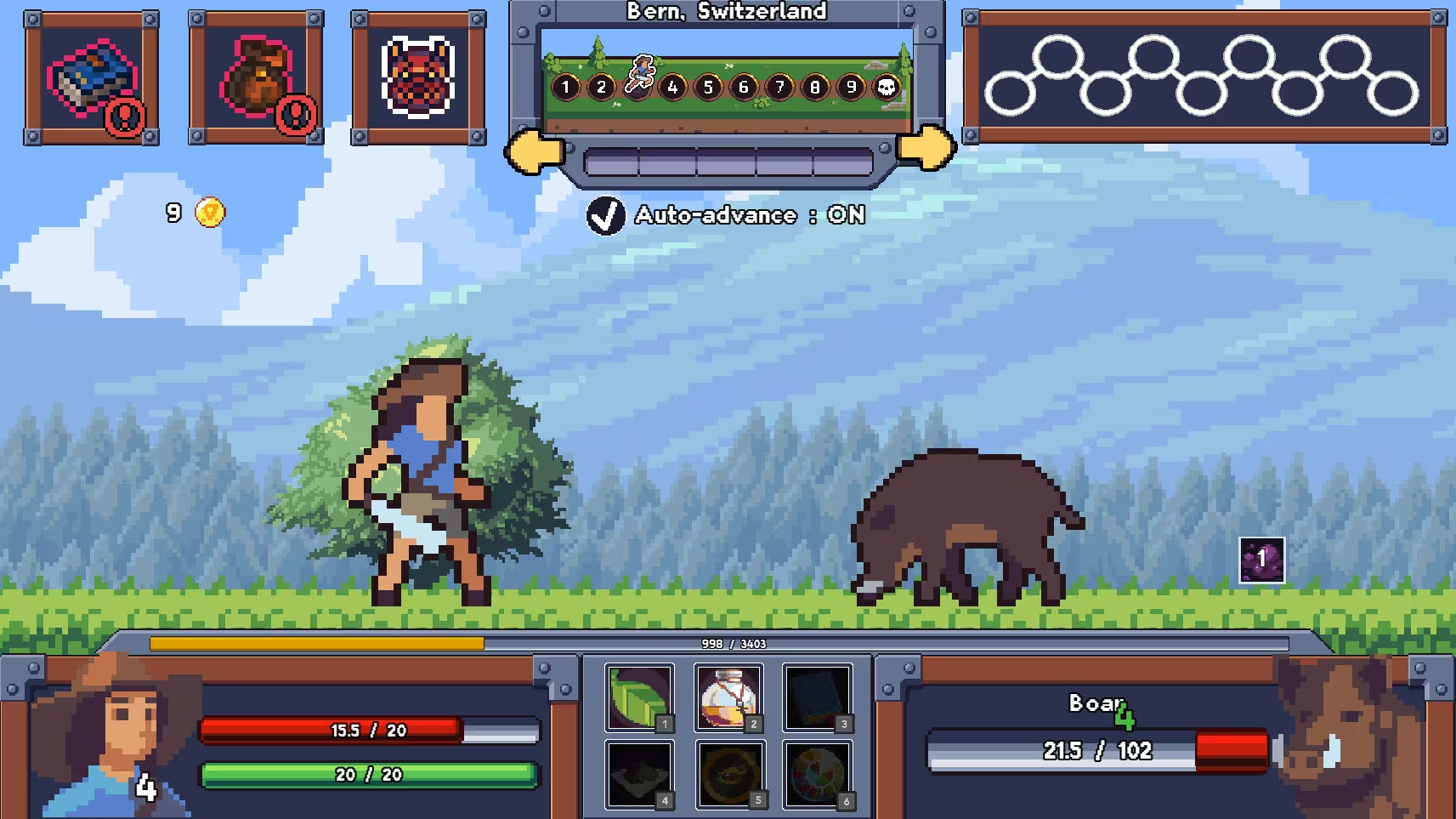
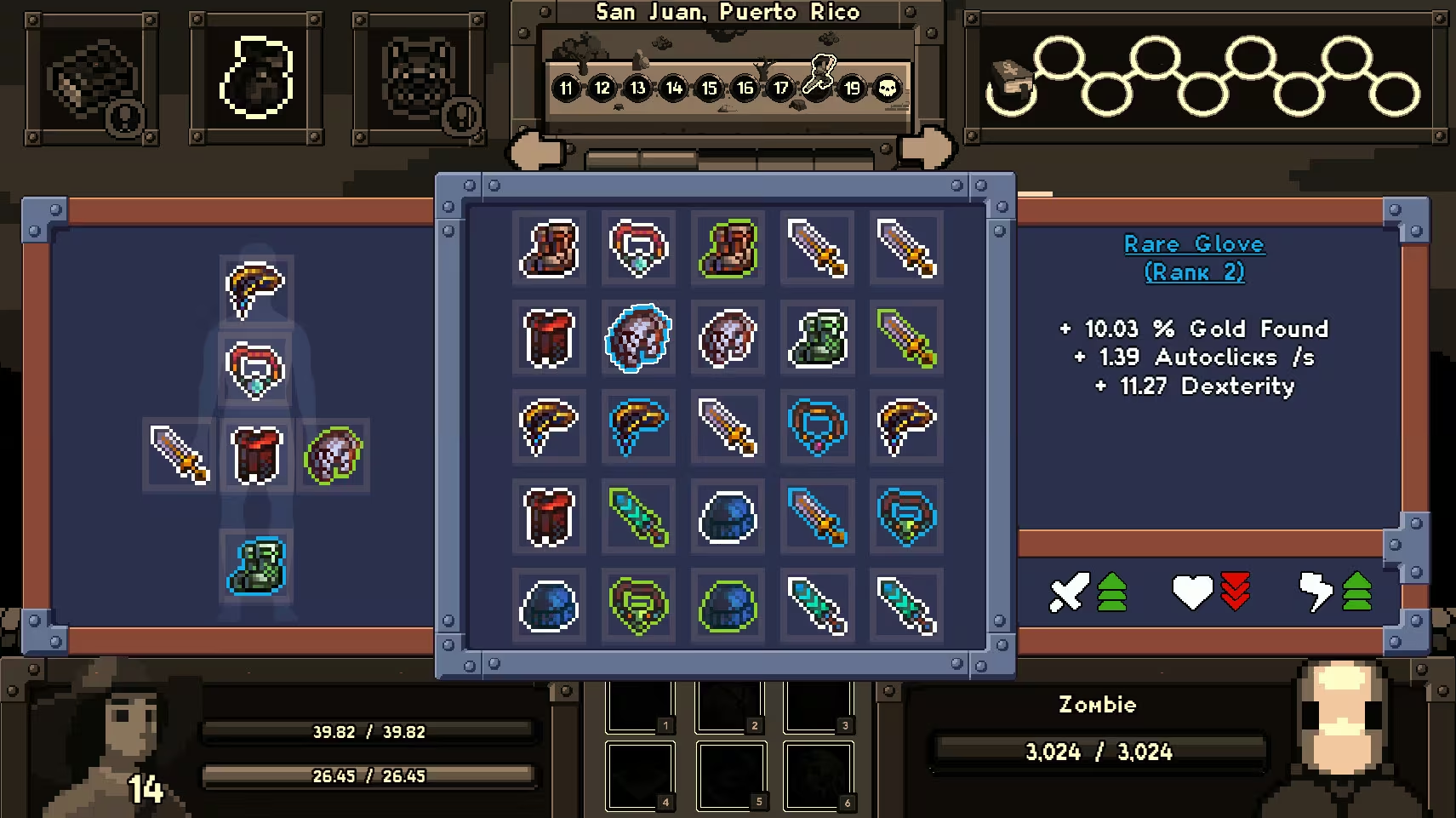
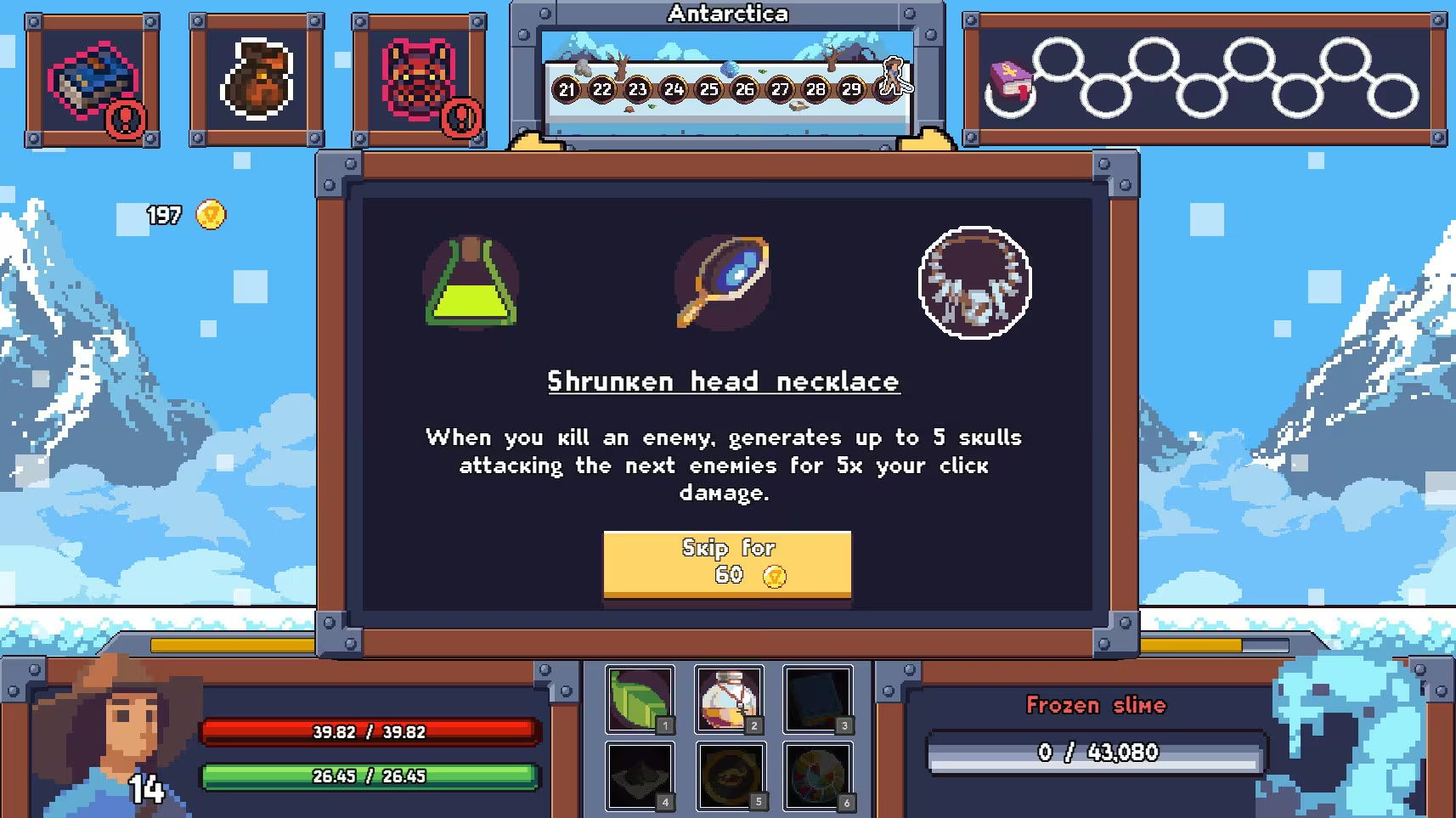
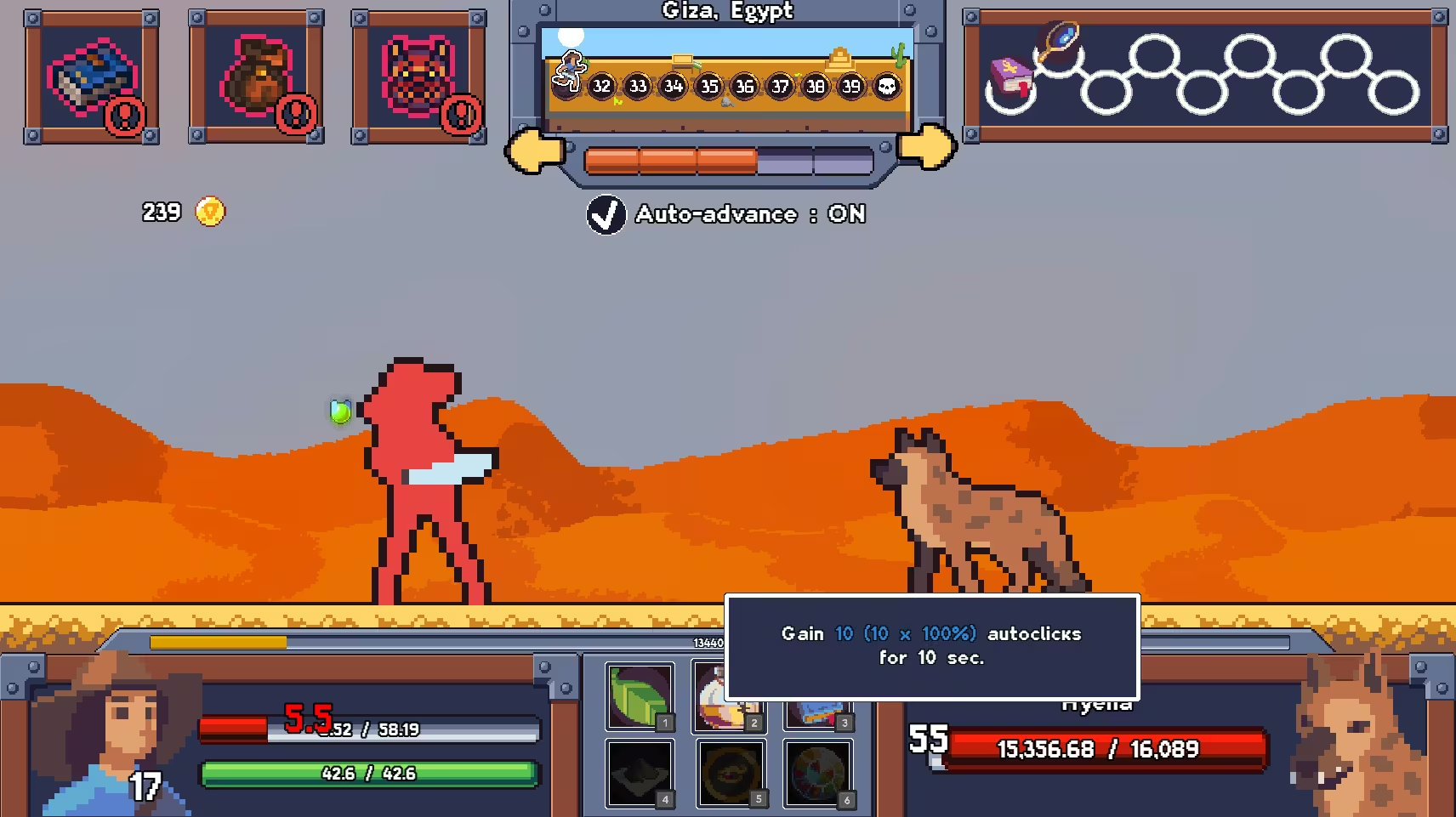
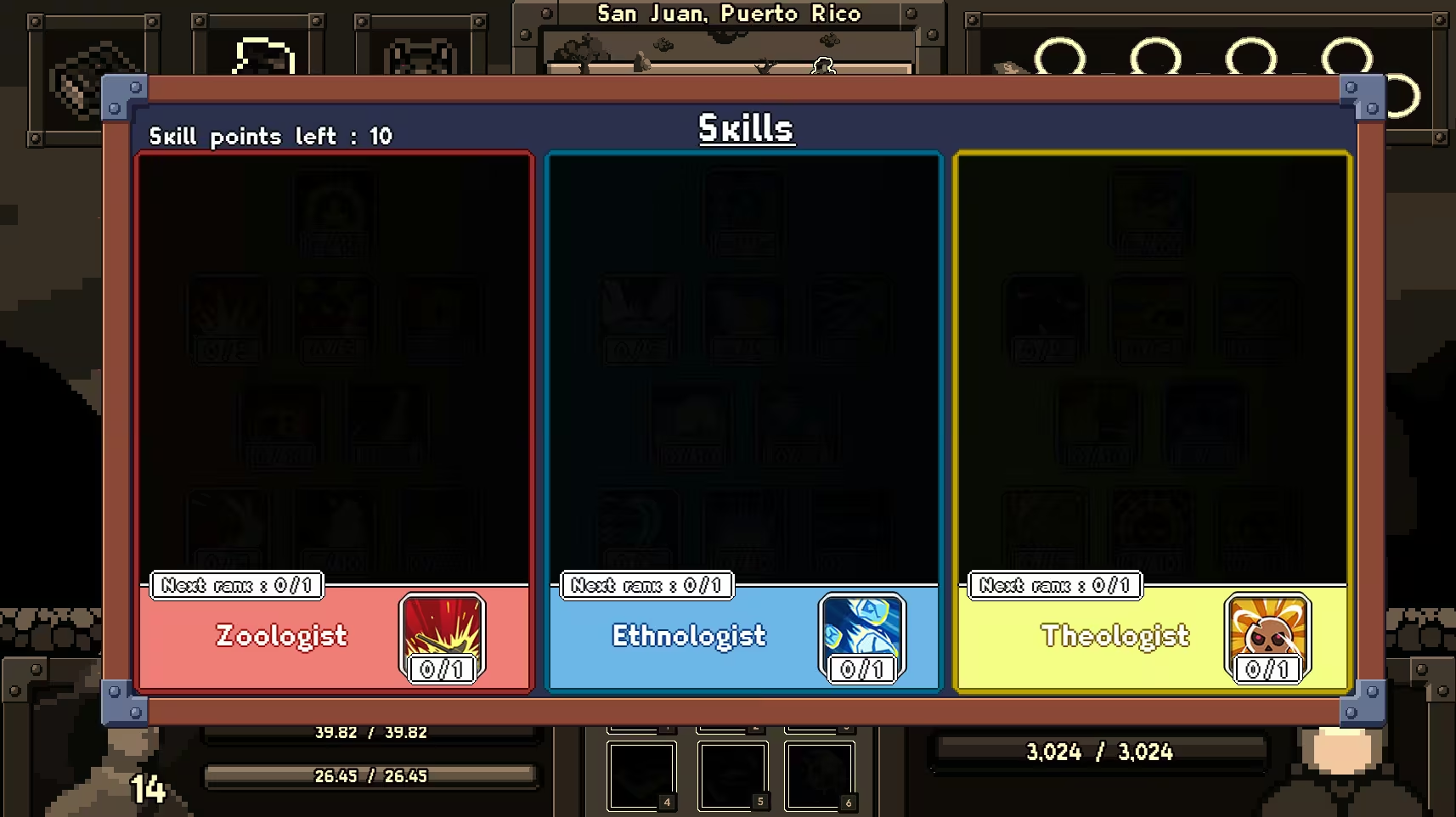
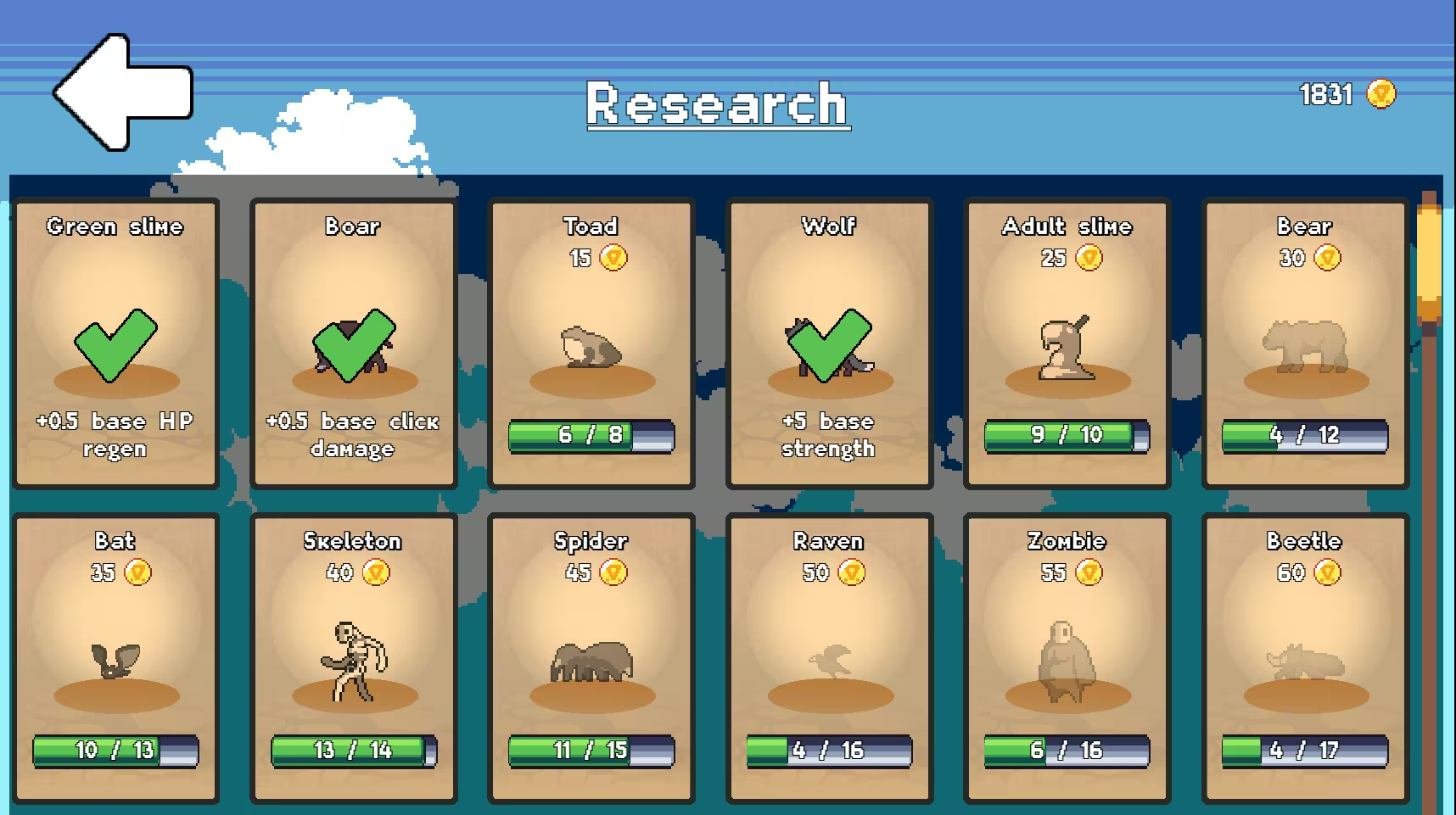
Click your way through 100 levels of archeological treasure hunting, loot and improve your equipment, uncover build-defining artefacts on every boss, choose between three different classes and find the one that best fits your playstyle! Research monsters cards and improve every run!

Global score

88/100

Genres

Casual

Similar games

    Pros

    • Fun and addictive gameplay loop
    • Good progression and upgrade systems
    • Developer is responsive and attentive
    • Low price with good value
    • Relaxing and casual friendly

    Cons

    • Limited content and short length
    • Some performance and optimization issues
    • Repetitive gameplay after full completion
    • Imbalance in skill trees and builds
    • Lack of multiplayer or social features

    Analysis

    A very typical example of its motivational profile. Motivations that often define this kind of title include Idle, Thrill, Violence, Survival. Here, the score leans higher than usual among comparable games on Violence, Survival. It leans lower than usual among comparable games on Expression.

    How to use the graph
    Similar games map

    Each dot is a game. They are arranged from the same motivation profile as in the “Motivations” section below. Closer dots usually mean more similar reasons to play (exploration, competition, relaxation, etc.)—not that one game is “better” than another.

    • Larger dot with a light outline: the game you are viewing.
    • Colour: groups of games with comparable motivation patterns (statistical clusters).
    • Hover a dot to see the game name; click to open its page.
    • Scroll or double-click the chart to zoom out and see more games.

    Why don’t the axes read like a score? This view uses t-SNE: it only keeps who is close to whom. The scales are not “good to bad” or hours played—they separate groups on the map. Read distance between dots, not the axis numbers.

    Motivations

    • Autonomy
      4

      "Players can choose skill trees, equipment, and upgrades freely, and decide their playstyle between active clicking or idle play."

    • Competence
      3

      "Game involves skillful decisions on builds and equipment, with progression through overcoming challenges, though some find it easy or repetitive."

    • Competition
      -4

      "Focus is on personal progression and self-set goals rather than competing against others."

    • Continuation
      2

      "Players engage in multiple runs and grind for 100% completion, though some find replayability limited after unlocking all content."

    • Cooperation
      -5

      "Single-player experience with no multiplayer or cooperative elements."

    • Creativity
      2

      "Players customize builds via skill trees, equipment, and artifact choices, but within predefined game systems."

    • Domination
      -5

      "No evidence of exerting control over others; gameplay is individual and cooperative elements are absent."

    • Escapism
      4

      "Players use the game as a relaxing distraction and stress relief, with some reporting positive emotional impact."

    • Expectation
      -4

      "Players engage voluntarily for fun and relaxation, with no obligation or external pressure noted."

    • Experimenting
      3

      "Players try different builds, skill trees, and artifact combinations to optimize runs and discover new strategies."

    • Exploration
      -2

      "Limited variety in stages and biomes; players mostly revisit known environments with some variation."

    • Expression
      -3

      "Minimal character customization; player expression mainly through build choices rather than visual personalization."

    • Fantasy
      3

      "Game features a lighthearted, fictional setting with fantasy elements like monsters, artifacts, and tarot cards."

    • Fellowship
      -5

      "No social or community gameplay elements; experience is solitary."

    • Growth
      4

      "Players develop skills and knowledge of game mechanics, progressing through research and upgrades."

    • Health
      -4

      "Sedentary gameplay with some risk of repetitive strain injury; however, options to reduce clicking help mitigate this."

    • Idle
      3

      "Game supports idle play with auto-click features, allowing players to engage casually or actively."

    • Intimacy
      -5

      "No evidence of close social relationships or emotional sharing in gameplay."

    • Leadership
      -5

      "No leadership or group management roles; purely individual gameplay."

    • Progression
      4

      "Strong emphasis on accumulating upgrades, research, and equipment to progress through runs."

    • Relaxation
      4

      "Many players find the game relaxing and enjoyable, suitable for casual play and stress relief."

    • Sensation
      2

      "Enjoyable pixel art and chiptune music provide moderate sensory stimulation, though some find music repetitive."

    • Status
      -5

      "No social recognition or status systems present."

    • Story
      1

      "Light narrative with humorous dialogue, but story is minimal and not central to gameplay."

    • Strategy
      3

      "Players engage in strategic decisions regarding builds, equipment, and artifact selection to optimize runs."

    • Thrill
      -2

      "Gameplay is low risk and predictable; some tension in higher difficulties but overall controlled experience."

    • Value
      4

      "Players generally feel the game offers good value for its low price, with several hours of entertainment."

    • Violence
      2

      "Combat against monsters is central, but presented in a lighthearted and cartoonish manner."

    • Survival
      2

      "Players must avoid death and manage resources during runs, though difficulty is generally low to moderate."

    Last update: 29/04/2026