PARANORMASIGHT: The Mermaid's Curse Thumbnail

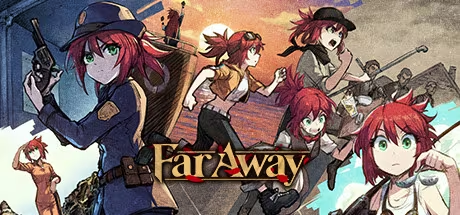
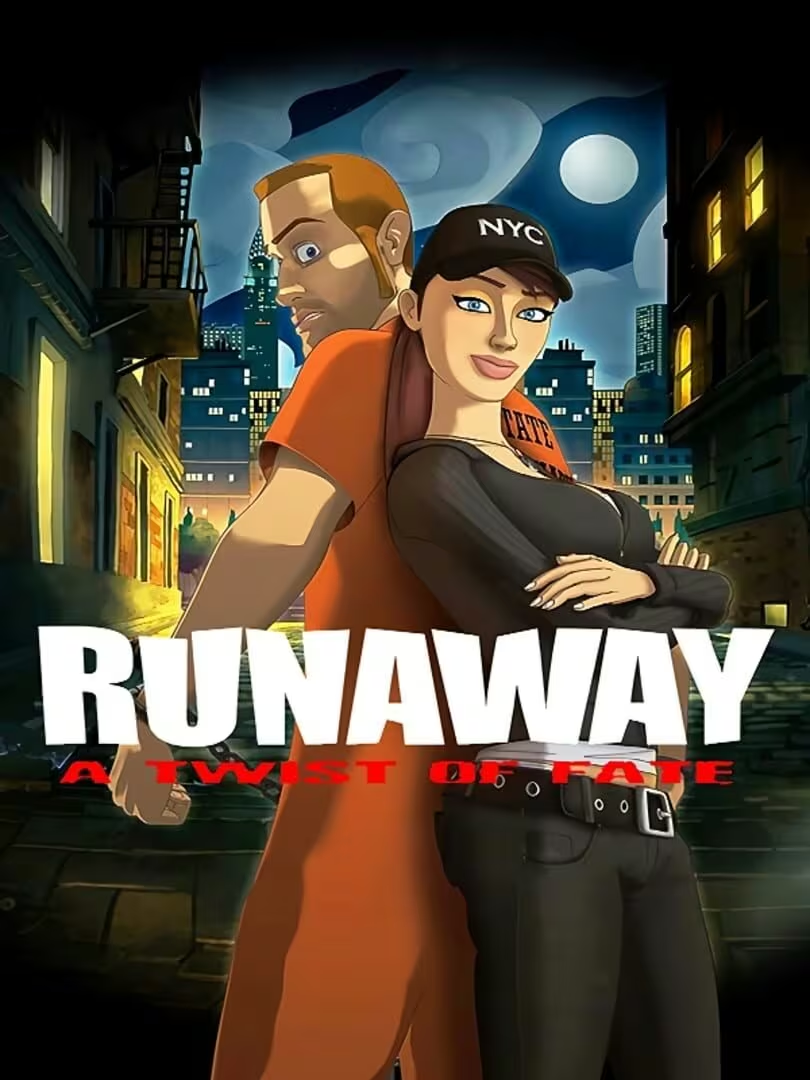
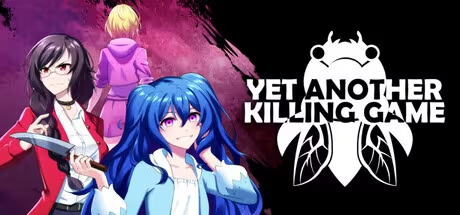
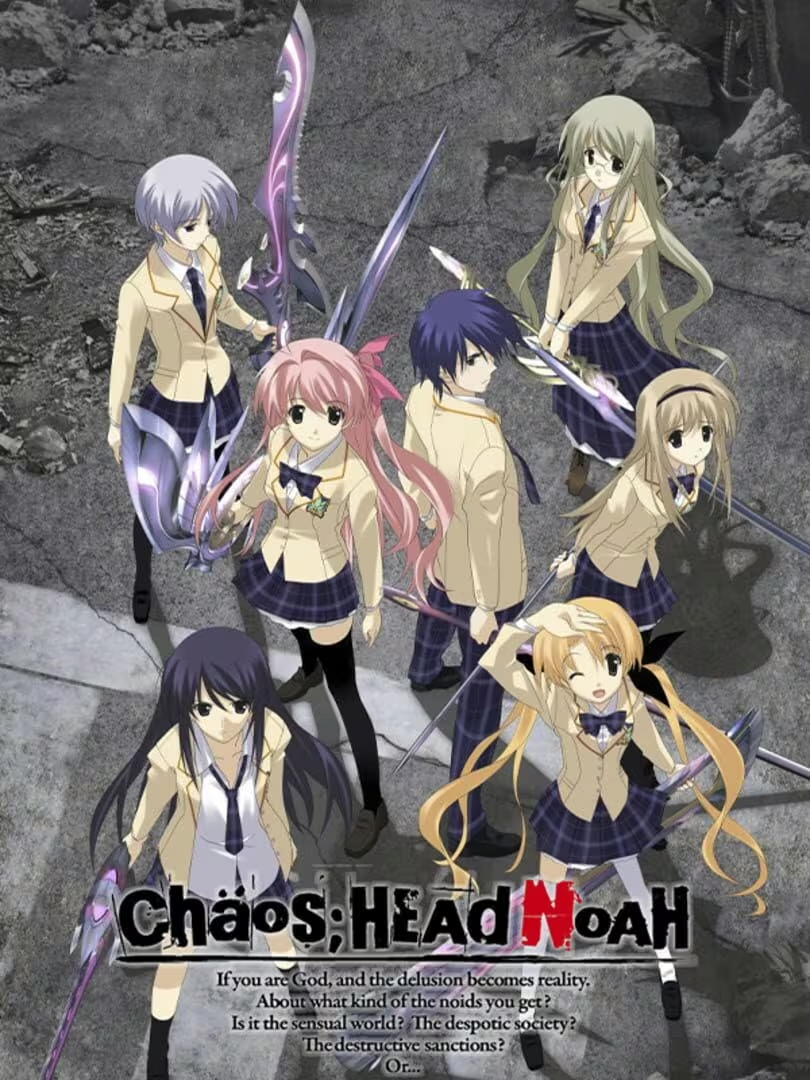
PARANORMASIGHT: The Mermaid's Curse similar games & best alternatives
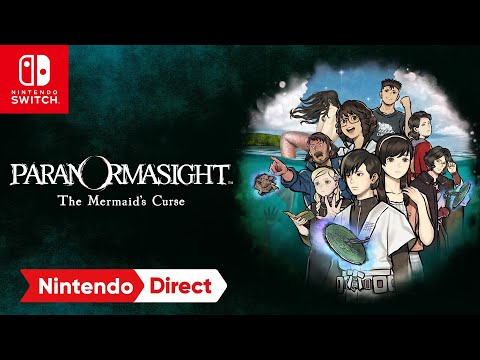
PARANORMASIGHT: The Mermaid's Curse

PC (Microsoft Windows), iOS, Nintendo Switch, Android • 2026

Related articles

Quick resume

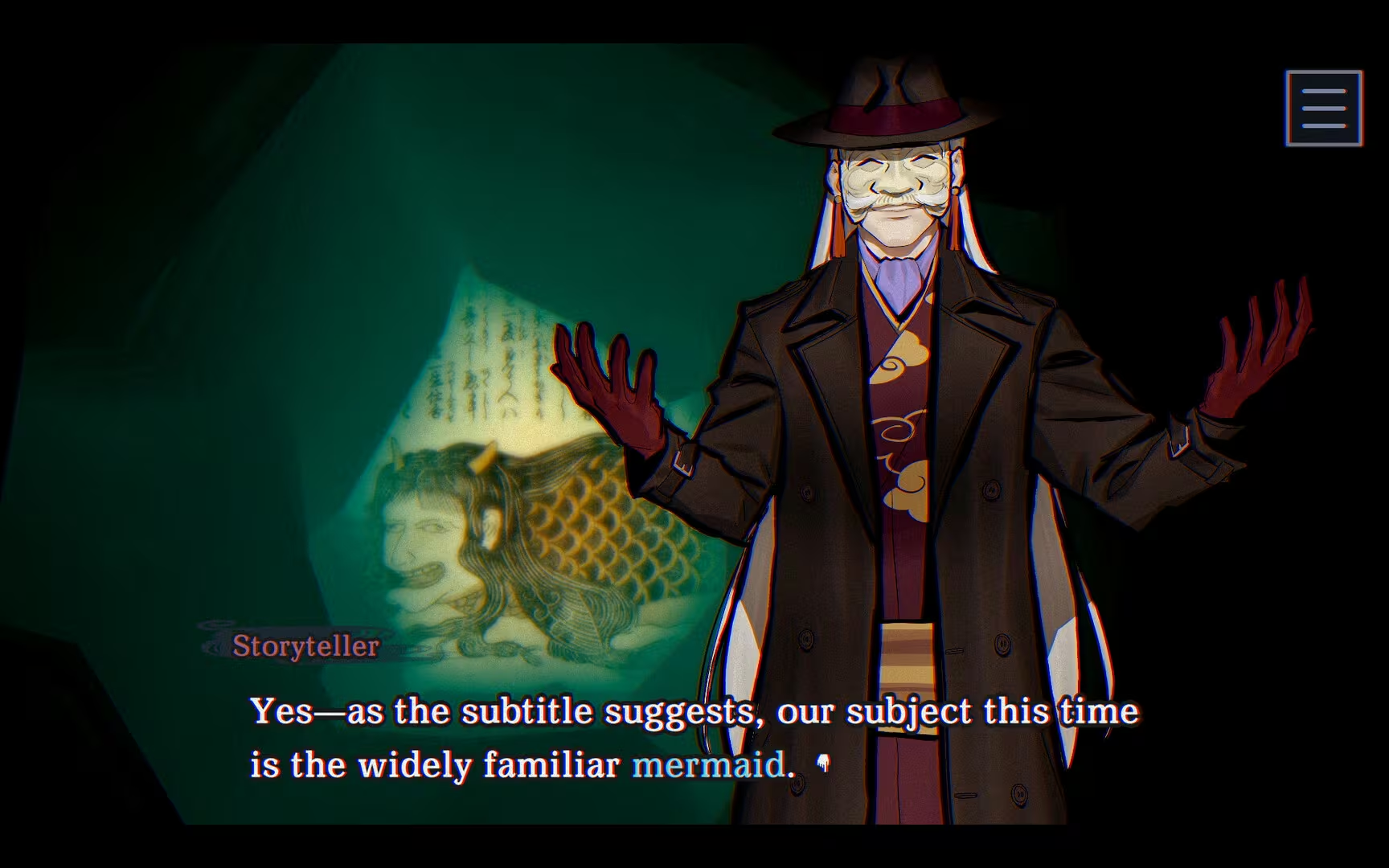
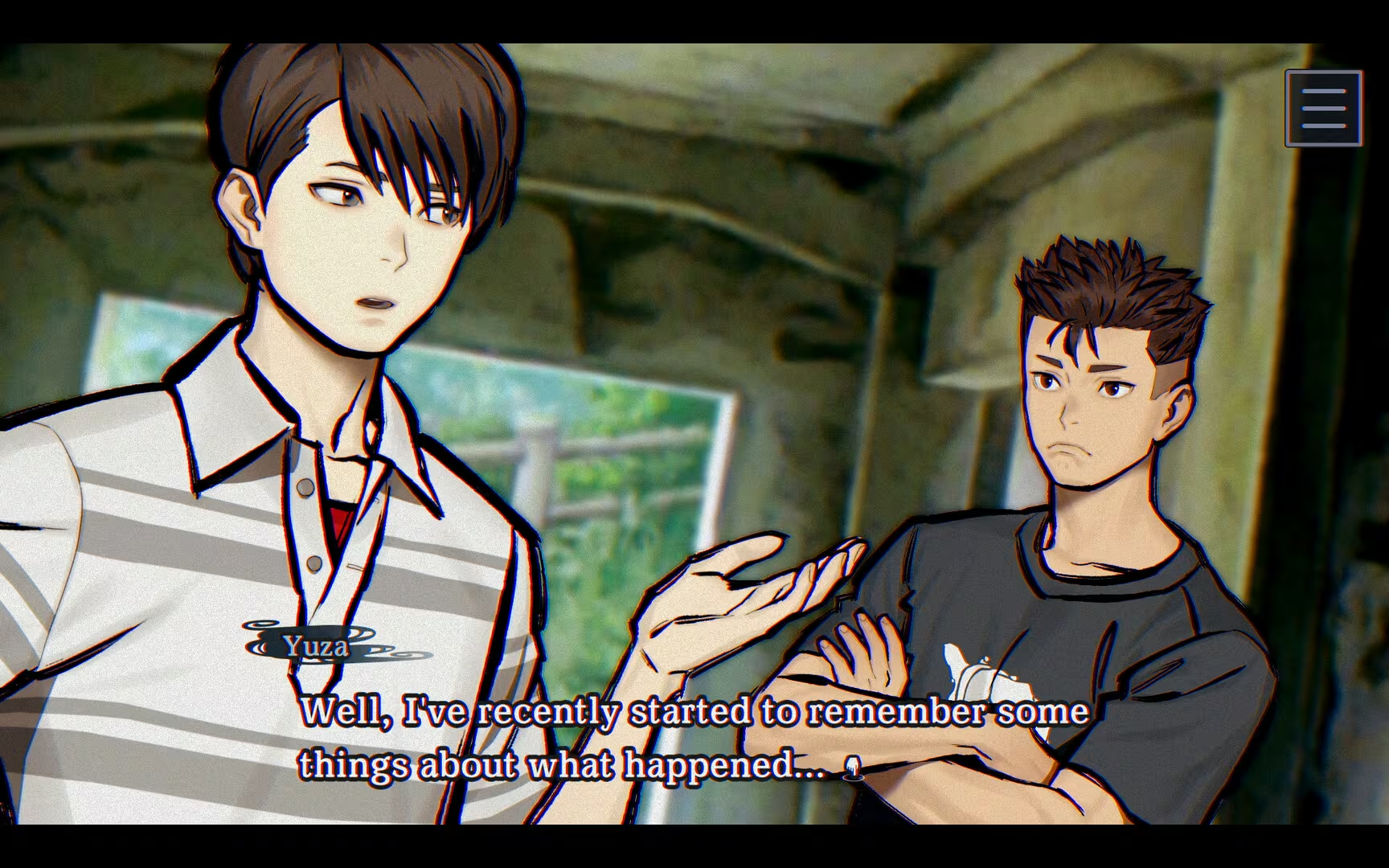
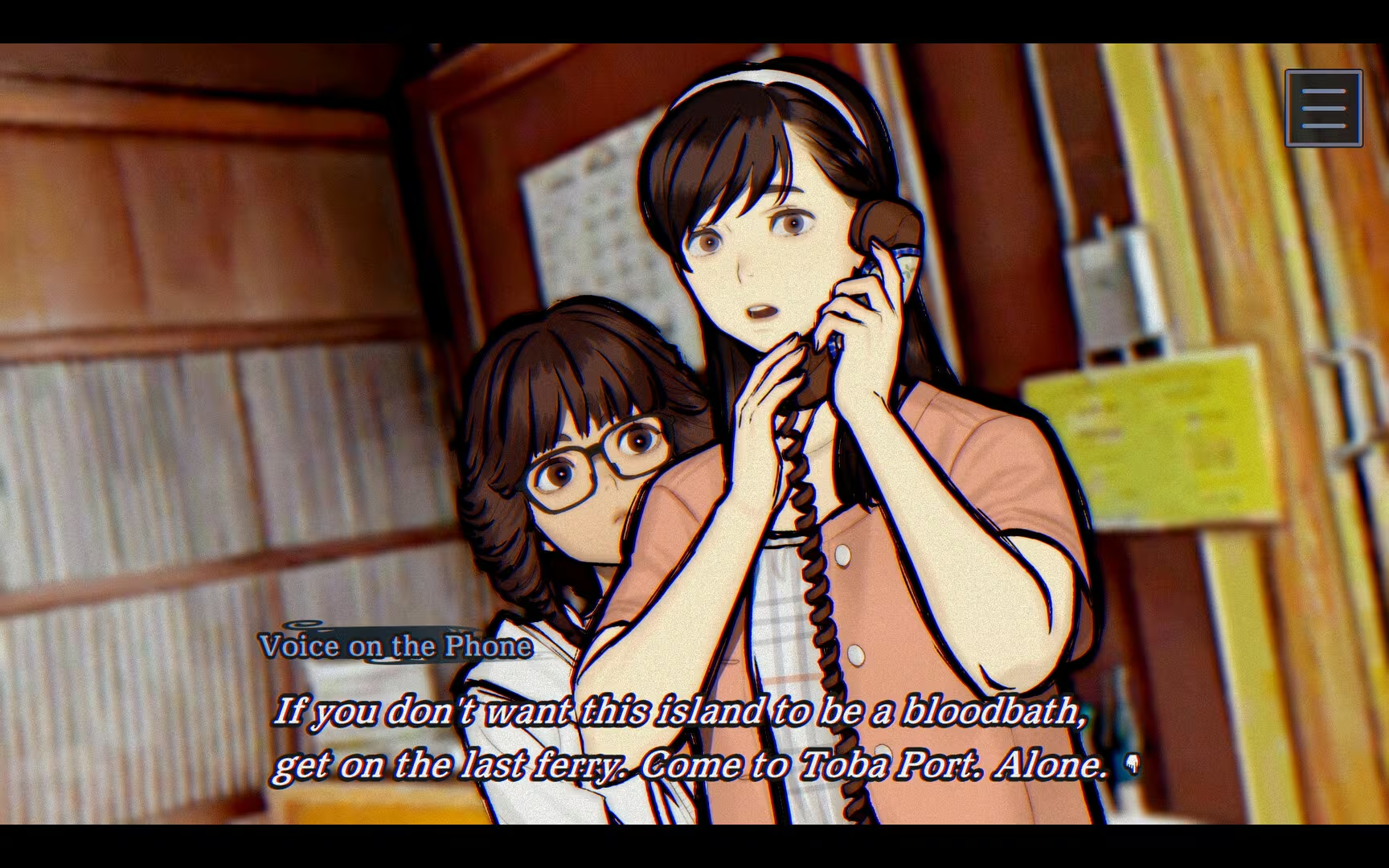
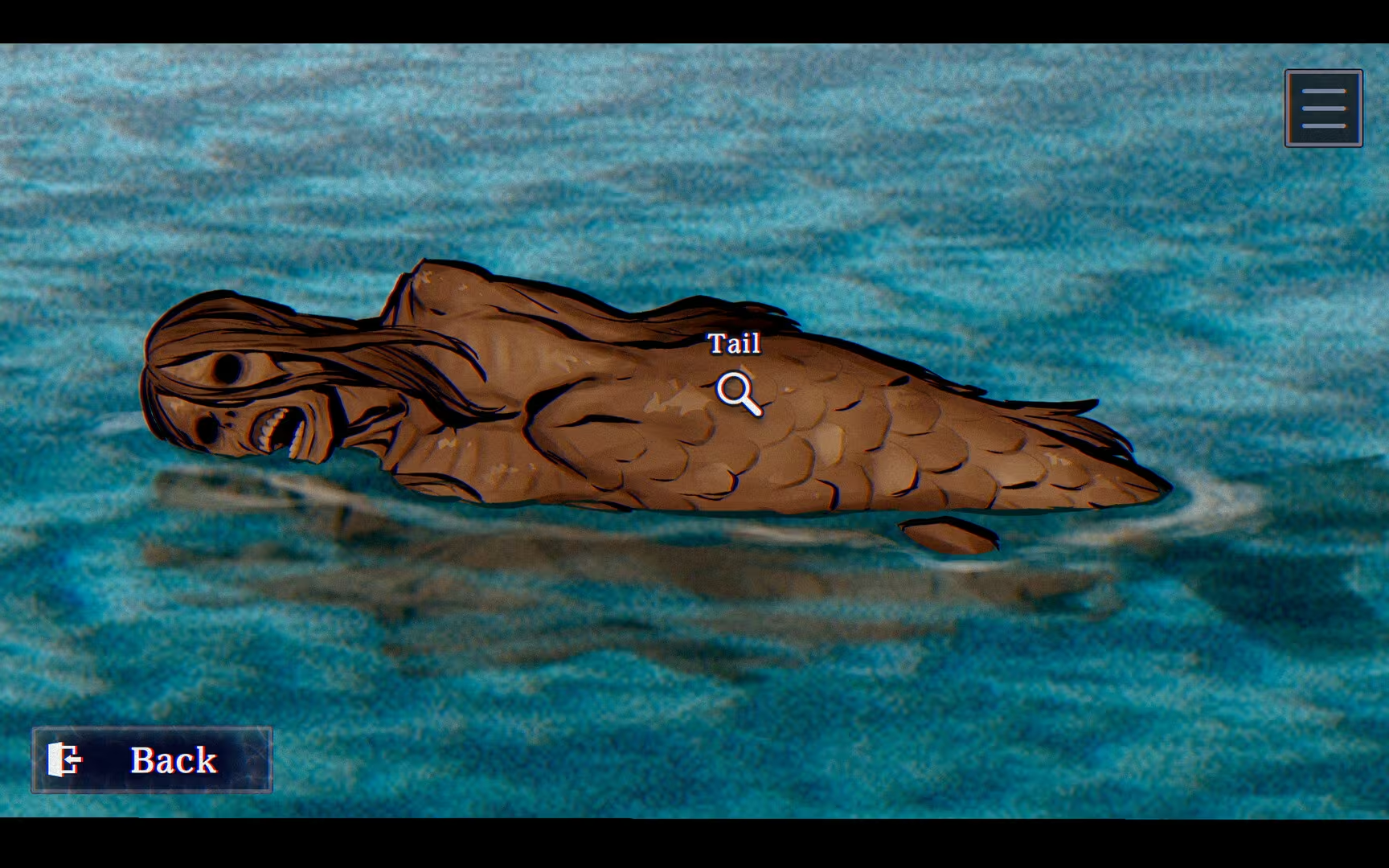
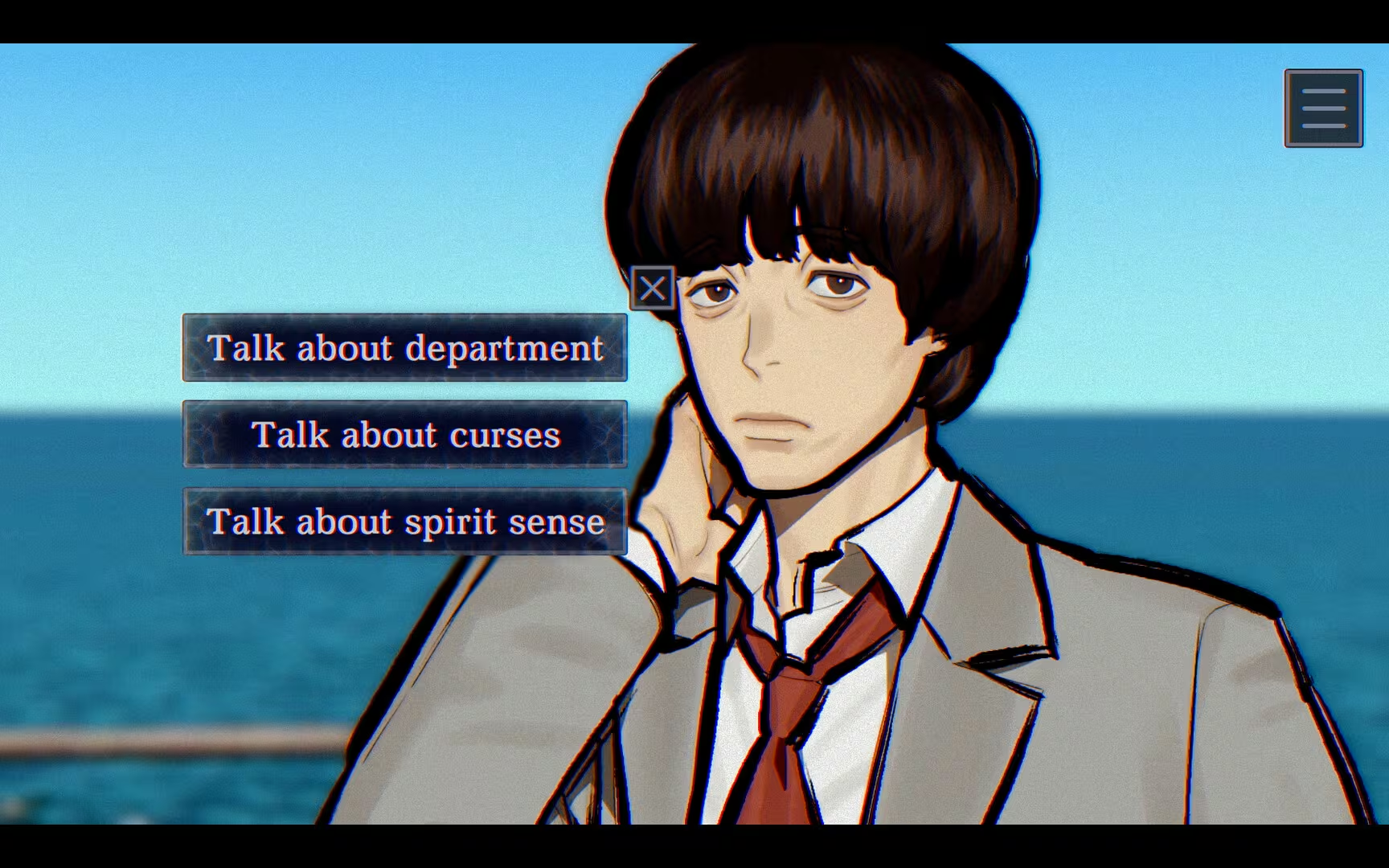
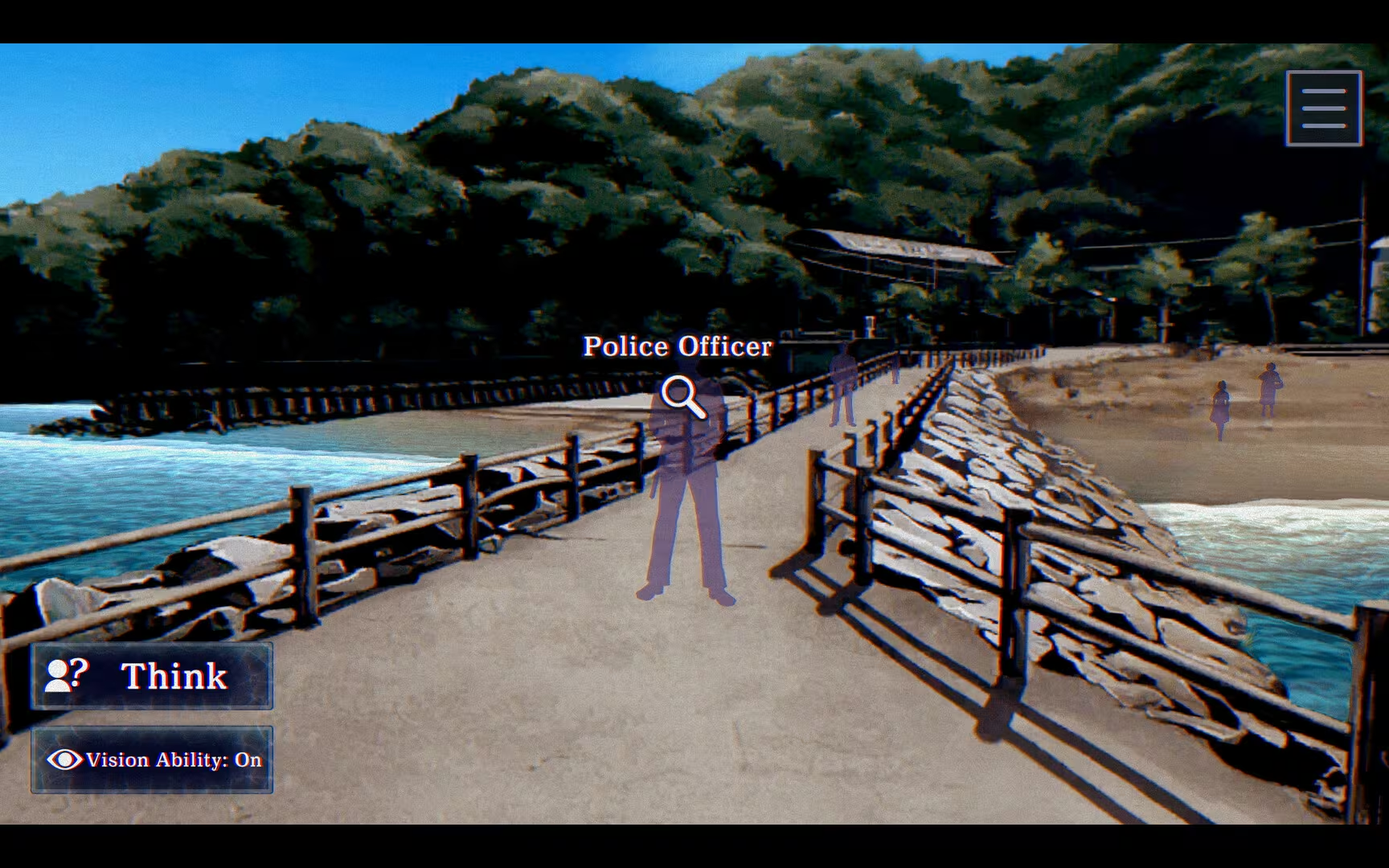
Will you survive the curse together this summer? A new supernatural mystery adventure begins, telling a bittersweet story of the passions of youth featuring new locations, new legends and a new cast of characters.

Global score

95/100

Genres

Adventure, Role-playing (RPG), Simulator, Visual Novel

Similar games

    Pros

    • Engaging and well-written mystery story
    • Unique art style and atmospheric music
    • Interesting characters and folklore integration
    • Challenging and rewarding puzzles
    • Immersive narrative with multiple endings

    Cons

    • Slow pacing and heavy exposition in early parts
    • True ending puzzles can be obscure and require guides
    • Less horror and spookiness compared to first game
    • Limited interactivity and customization
    • Some characters underutilized or less developed

    Analysis

    A very typical example of its motivational profile. Motivations that often define this kind of title include Survival, Violence, Fellowship, Expression. Here, the score leans higher than usual among comparable games on Thrill, Continuation, Story.

    How to use the graph
    Similar games map

    Each dot is a game. They are arranged from the same motivation profile as in the “Motivations” section below. Closer dots usually mean more similar reasons to play (exploration, competition, relaxation, etc.)—not that one game is “better” than another.

    • Larger dot with a light outline: the game you are viewing.
    • Colour: groups of games with comparable motivation patterns (statistical clusters).
    • Hover a dot to see the game name; click to open its page.
    • Scroll or double-click the chart to zoom out and see more games.

    Why don’t the axes read like a score? This view uses t-SNE: it only keeps who is close to whom. The scales are not “good to bad” or hours played—they separate groups on the map. Read distance between dots, not the axis numbers.

    Motivations

    • Autonomy
      3

      "Players can choose different character routes and make decisions affecting endings, with some freedom in story progression via flowchart."

    • Competence
      3

      "The game involves solving puzzles and mysteries requiring skillful reading, deduction, and puzzle-solving."

    • Competition
      -5

      "No evidence of competitive elements; focus is on personal mystery solving and narrative experience."

    • Continuation
      4

      "Many players report being hooked, playing long sessions, and wanting more entries in the series."

    • Cooperation
      -5

      "Single-player visual novel experience with no multiplayer or cooperative gameplay."

    • Creativity
      2

      "Players engage in puzzle solving and exploration of lore, but within a structured narrative and predefined story."

    • Domination
      -5

      "No social dominance or power dynamics; interactions are narrative-driven and cooperative in story only."

    • Escapism
      4

      "Strong immersion in a fictional paranormal mystery world, providing escape from real life."

    • Expectation
      -4

      "Players engage voluntarily out of interest and love for the series and genre, no obligation noted."

    • Experimenting
      2

      "Some experimentation with different story routes and puzzle approaches, though within a fixed narrative."

    • Exploration
      3

      "Players explore different story branches, lore files, and environments, discovering secrets and backstory."

    • Expression
      -3

      "Limited customization; players experience preset characters and story presentation without avatar personalization."

    • Fantasy
      5

      "Strong focus on paranormal mystery, mermaid folklore, supernatural curses, and imaginative fiction."

    • Fellowship
      -5

      "Primarily a solo experience with minimal social interaction or community engagement."

    • Growth
      3

      "Players develop skills in puzzle solving, deduction, and understanding complex narratives."

    • Health
      -5

      "Sedentary gameplay typical of visual novels, no physical activity involved."

    • Idle
      -4

      "Requires focused reading and puzzle solving; not designed for background or idle play."

    • Intimacy
      -4

      "Limited to narrative character relationships; no real social or emotional interaction with other players."

    • Leadership
      -5

      "No leadership or group management elements present."

    • Progression
      3

      "Players unlock multiple endings, achievements, and collect in-game items like mockingbird stickers."

    • Relaxation
      3

      "Some players find the diving minigame soothing and the story engaging, balancing tension and flow."

    • Sensation
      3

      "Enjoyable art style, music, and atmospheric presentation provide sensory stimulation."

    • Status
      -5

      "No social status or recognition systems; focus is on personal narrative experience."

    • Story
      5

      "Highly praised narrative immersion with complex plots, character development, and mystery."

    • Strategy
      3

      "Requires logical thinking and problem solving to unravel mysteries and solve puzzles."

    • Thrill
      2

      "Some suspense and tension in mystery and horror elements, though less intense than predecessor."

    • Value
      4

      "Players report high satisfaction and value for time spent due to engaging story and gameplay."

    • Violence
      -3

      "Minimal violence; focus is on mystery and puzzle solving rather than combat or destruction."

    • Survival
      -4

      "No survival mechanics; stable narrative environment without resource or threat management."

    Last update: 29/04/2026