KARMA: The Dark World Thumbnail

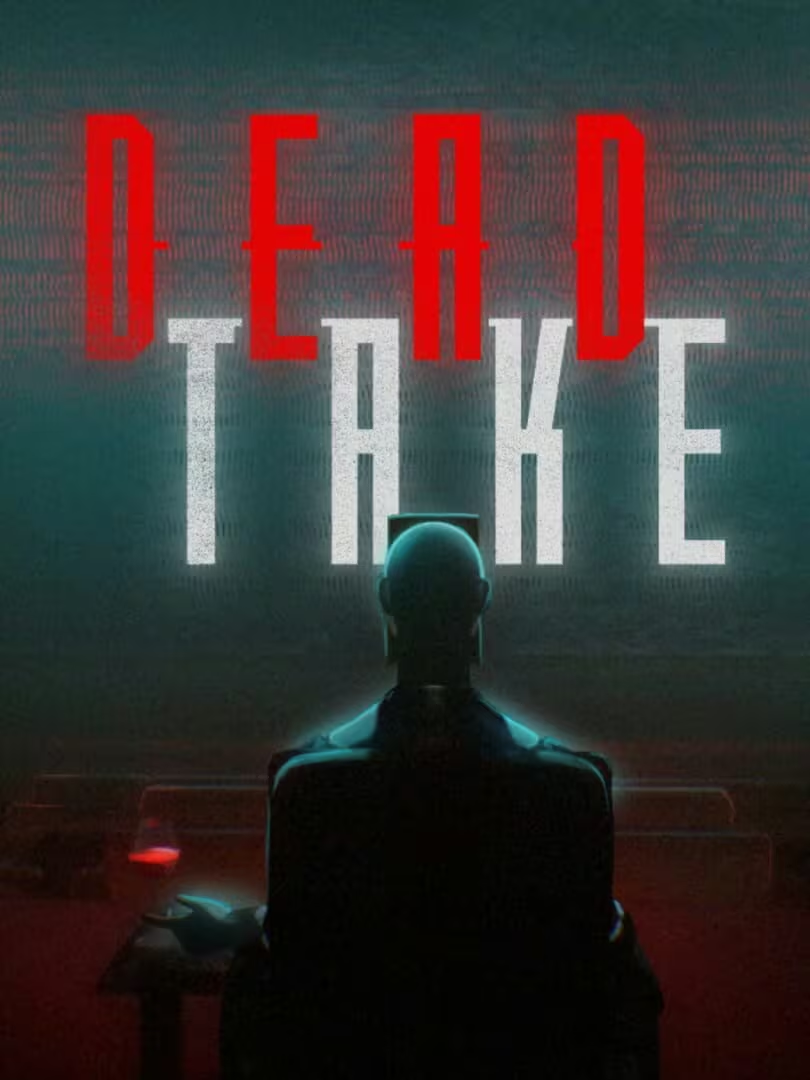
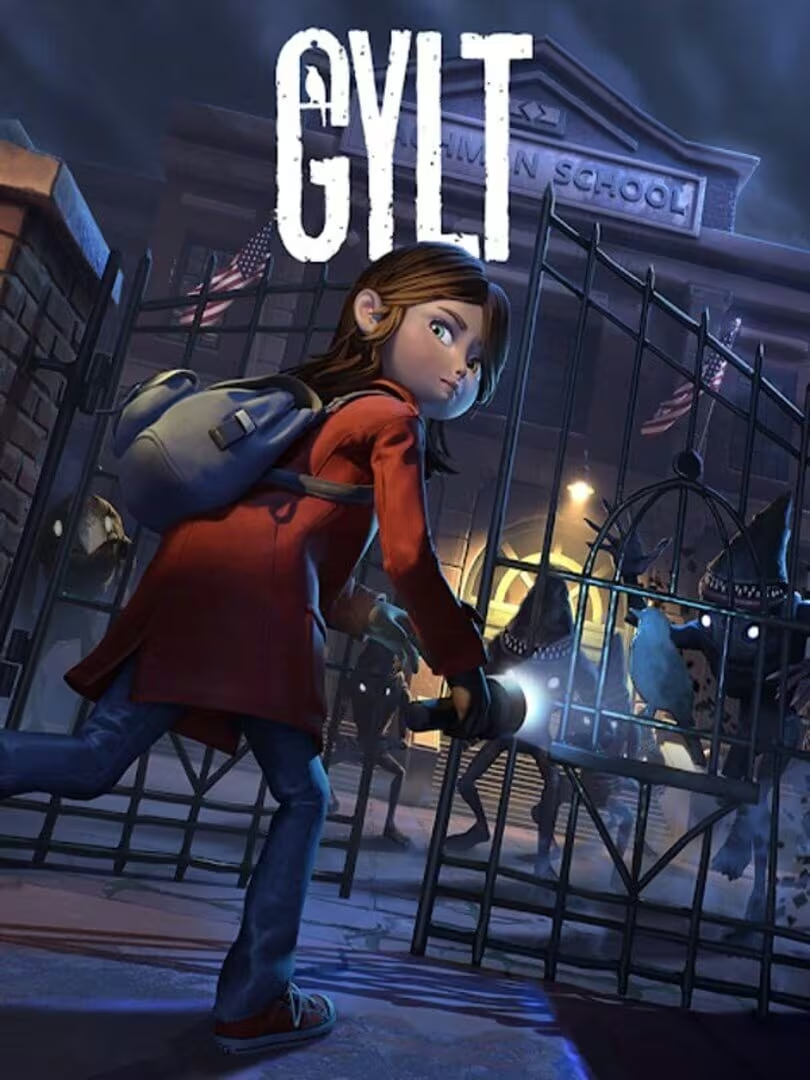
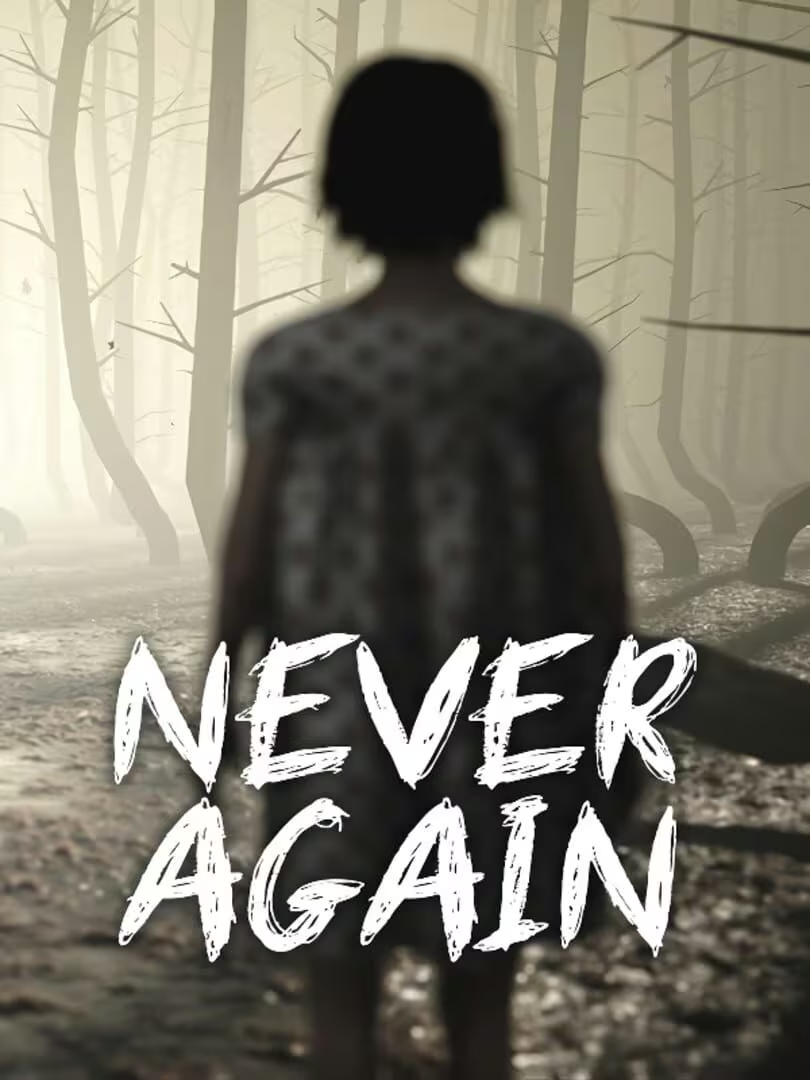
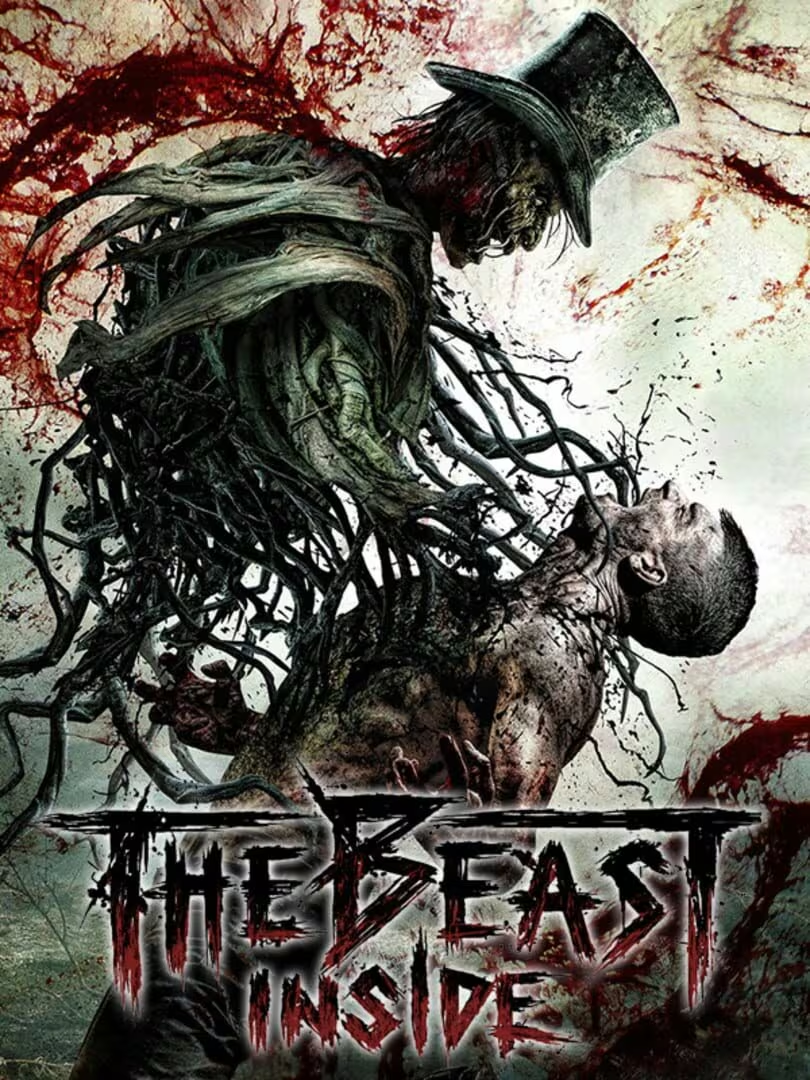
KARMA: The Dark World similar games & best alternatives

KARMA: The Dark World

PC (Microsoft Windows), Xbox Series X|S, PlayStation 5 • 2025

Related articles

Quick resume

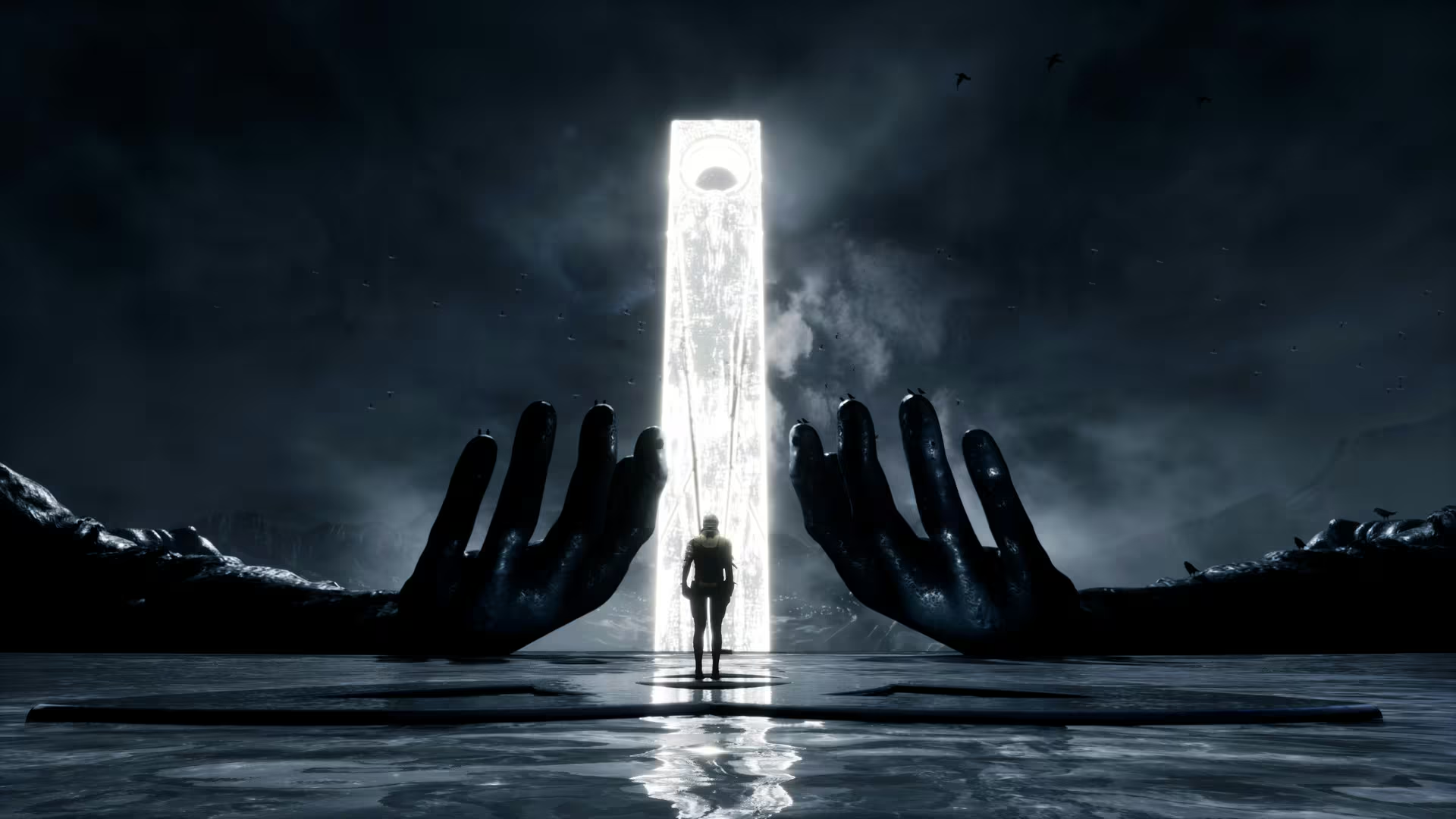
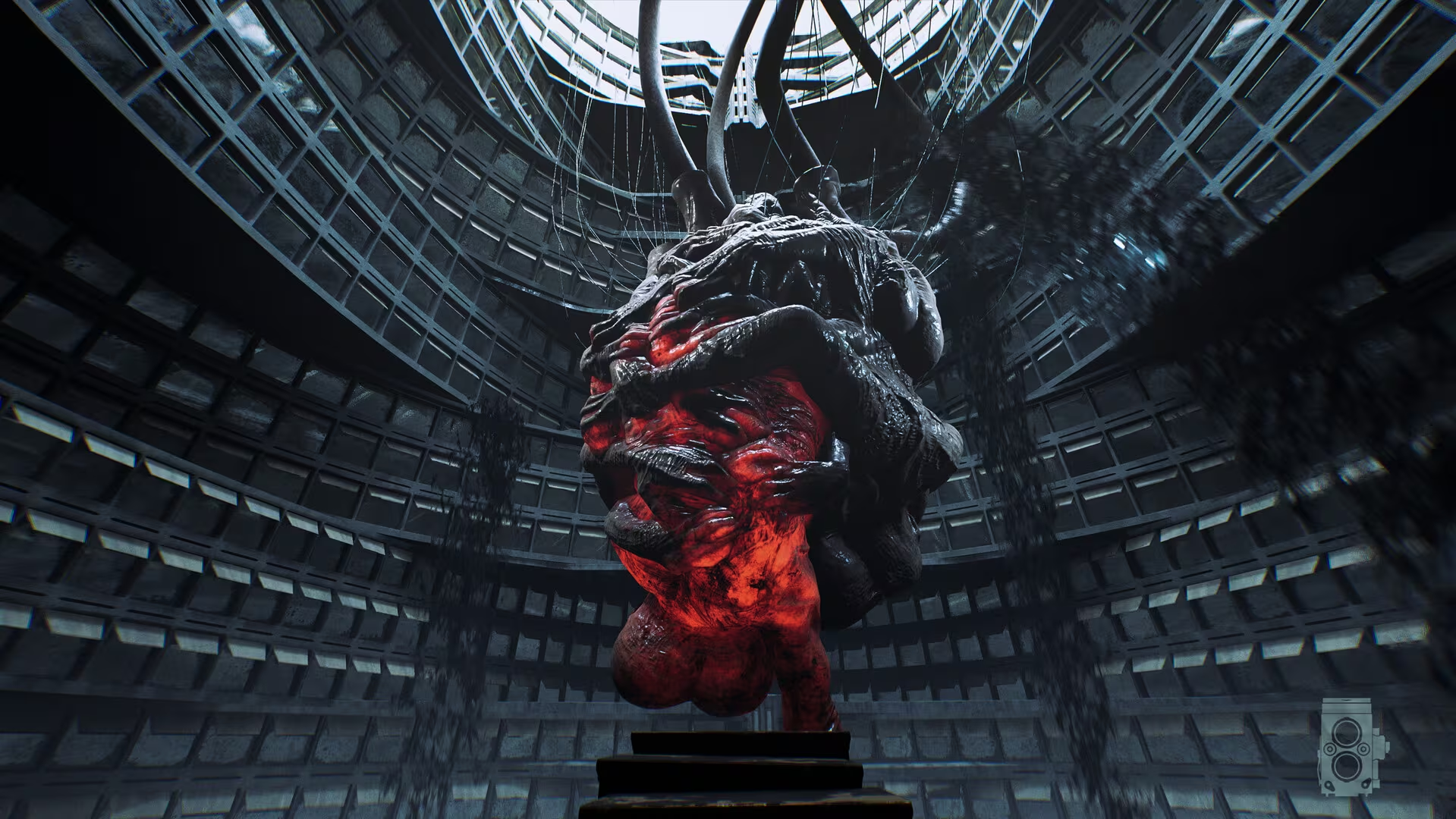
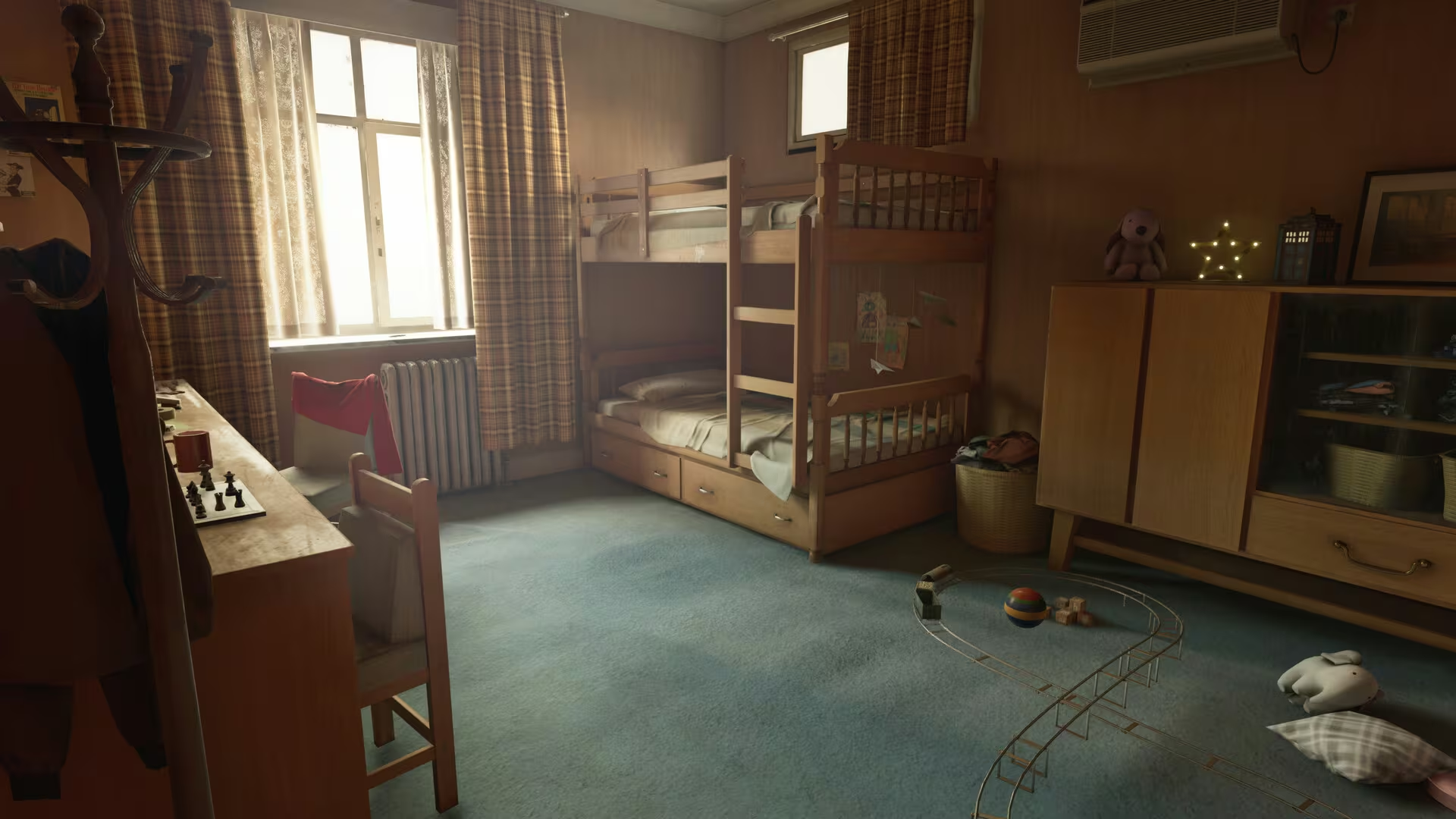
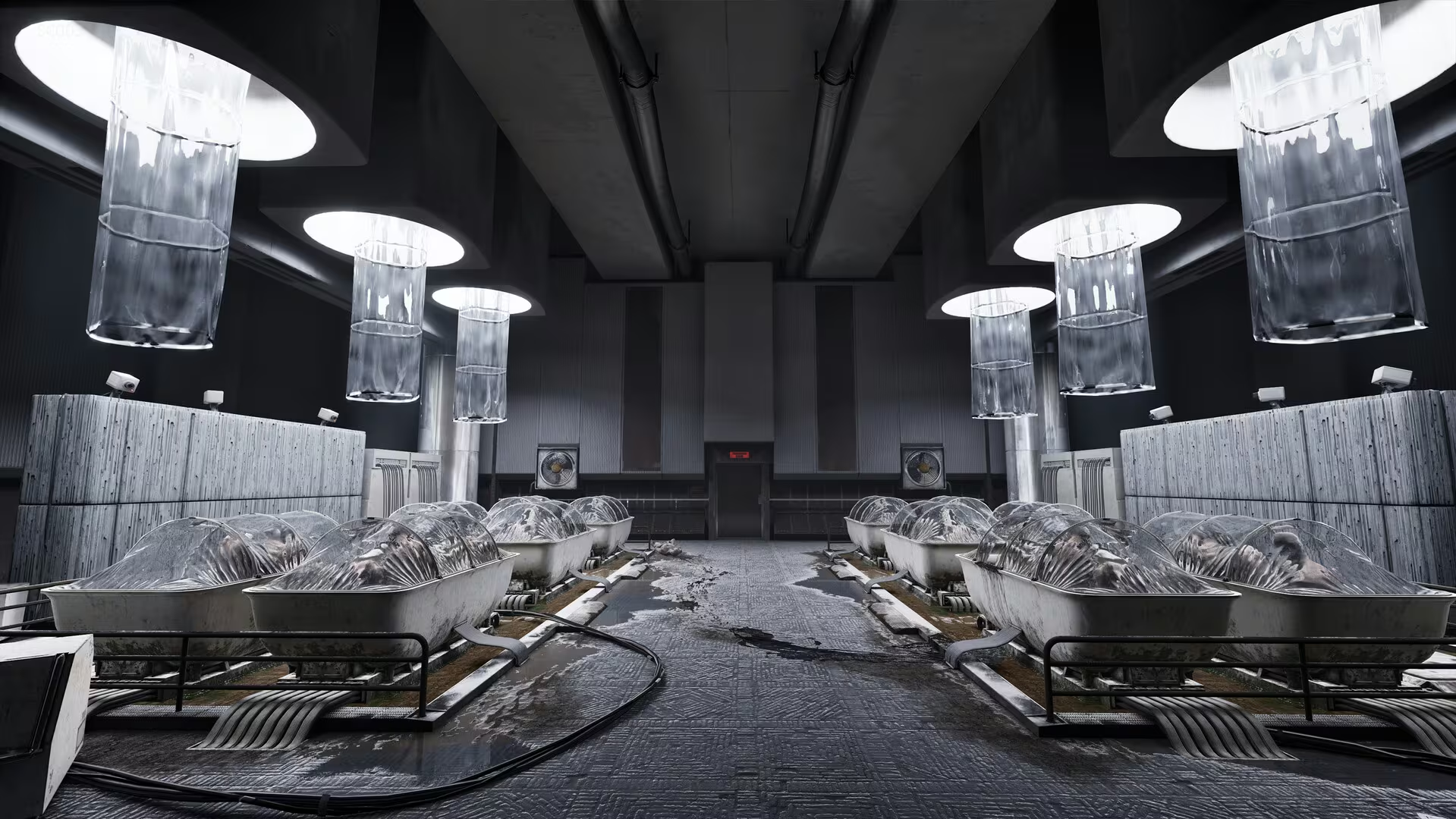
KARMA: The Dark World is a first-person cinematic psychological thriller set in a dystopian world where the Leviathan Corporation is omnipresent. The year is 1984, the place is East Germany, and things are not quite what they seem.

Global score

92/100

Genres

Adventure, Indie, Role-playing (RPG)

Similar games

    Pros

    • Stunning visuals and art direction
    • Deep, immersive narrative
    • Excellent sound design and voice acting
    • Thought-provoking psychological themes
    • Well-crafted puzzles integrated with story

    Cons

    • Short game length
    • Some puzzles are obtuse or confusing
    • Linear gameplay with limited player agency
    • Lack of replayability for some players
    • Minor technical issues and lack of ultrawide support

    Analysis

    A very typical example of its motivational profile. Motivations that often define this kind of title include Survival, Violence, Fellowship, Expression. Here, the score leans higher than usual among comparable games on Thrill, Story, Sensation.

    How to use the graph
    Similar games map

    Each dot is a game. They are arranged from the same motivation profile as in the “Motivations” section below. Closer dots usually mean more similar reasons to play (exploration, competition, relaxation, etc.)—not that one game is “better” than another.

    • Larger dot with a light outline: the game you are viewing.
    • Colour: groups of games with comparable motivation patterns (statistical clusters).
    • Hover a dot to see the game name; click to open its page.
    • Scroll or double-click the chart to zoom out and see more games.

    Why don’t the axes read like a score? This view uses t-SNE: it only keeps who is close to whom. The scales are not “good to bad” or hours played—they separate groups on the map. Read distance between dots, not the axis numbers.

    Motivations

    • Autonomy
      3

      "Players explore and solve puzzles at their own pace within a narrative-driven walking simulator, allowing some freedom in approach but within a linear story."

    • Competence
      2

      "Puzzles provide some challenge and require observation and logic, but gameplay is generally accessible and not mechanically complex."

    • Competition
      -5

      "No competitive elements; focus is on personal experience and story exploration without comparison to others."

    • Continuation
      3

      "Players express strong attachment to the story and atmosphere, with some replaying to uncover more details or understand the narrative better."

    • Cooperation
      -5

      "Single-player experience focused on individual exploration and puzzle solving without multiplayer or cooperative play."

    • Creativity
      4

      "Highly creative art direction and narrative design with surreal environments and symbolic storytelling."

    • Domination
      -5

      "No elements of exerting control or superiority over others; interactions are solitary and narrative-focused."

    • Escapism
      4

      "Strong immersion in a dystopian, surreal world provides escape from reality and emotional engagement."

    • Expectation
      -4

      "Players engage voluntarily out of interest in story and atmosphere, with no indication of obligation or external pressure."

    • Experimenting
      2

      "Some exploration of narrative layers and puzzle solving encourages trying different approaches, though within a structured framework."

    • Exploration
      3

      "Exploration of detailed, surreal environments and uncovering story elements and collectibles drives curiosity."

    • Expression
      -3

      "Limited player customization; focus is on experiencing the narrative rather than personalizing characters or environments."

    • Fantasy
      4

      "Engages players in a fictional dystopian sci-fi world with surreal and psychological horror elements."

    • Fellowship
      -5

      "Experience is solitary with minimal social interaction or community involvement."

    • Growth
      3

      "Players develop understanding of complex narrative and solve puzzles, reflecting cognitive and interpretive growth."

    • Health
      -5

      "Sedentary gameplay typical of walking simulators with no physical activity involved."

    • Idle
      -3

      "Requires focused attention to narrative and puzzles; not designed for casual or background play."

    • Intimacy
      -4

      "Limited social or emotional connection beyond the narrative; no player-to-player relationships."

    • Leadership
      -5

      "No leadership or group management elements; purely single-player experience."

    • Progression
      2

      "Progression through story and puzzle completion with collectible items, but no character upgrades or power accumulation."

    • Relaxation
      3

      "Atmospheric pacing and immersive storytelling provide a contemplative and sometimes tense but generally balanced experience."

    • Sensation
      4

      "Strong sensory stimulation through visuals, sound design, and emotional narrative impact."

    • Status
      -5

      "No social status or recognition mechanics; focus is on personal narrative experience."

    • Story
      5

      "Central to the game; deep narrative immersion with complex psychological and dystopian themes."

    • Strategy
      1

      "Some puzzle-solving and interpretation require mental engagement, but overall gameplay is straightforward."

    • Thrill
      2

      "Tension and suspense arise from psychological horror and narrative mystery rather than fast-paced action."

    • Value
      4

      "Players perceive strong value for price due to quality storytelling, visuals, and immersive experience."

    • Violence
      -4

      "Minimal violence; gameplay emphasizes exploration and psychological themes over combat or destruction."

    • Survival
      -3

      "Limited survival elements; occasional chase sequences but mostly stable, low-risk environments."

    Last update: 29/04/2026