Overland Thumbnail

Overland similar games & best alternatives
Overland

PC (Microsoft Windows), Mac, iOS, PlayStation 4, Xbox One, Nintendo Switch, PlayStation 5, Linux • 2019

Related articles

Quick resume

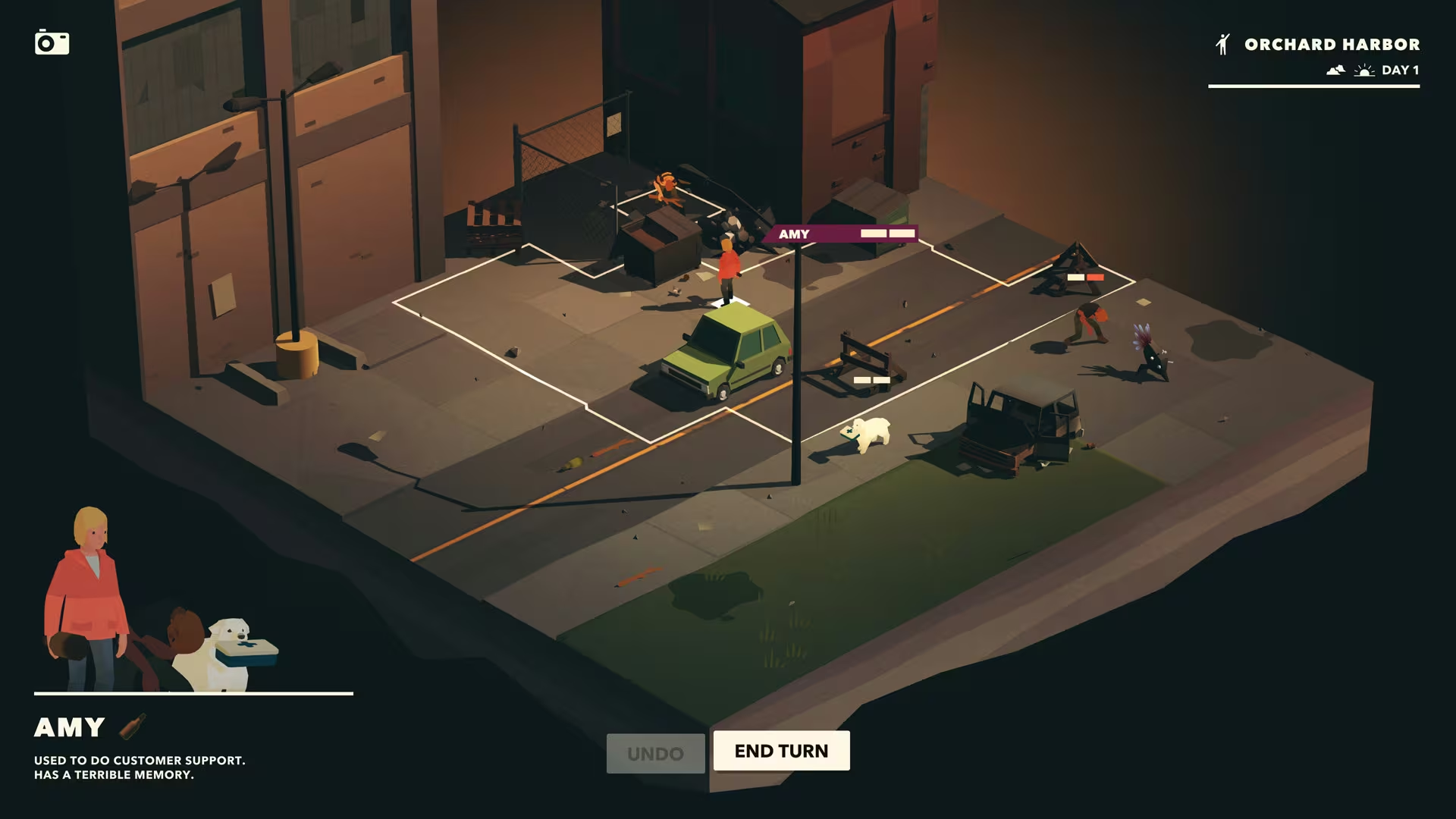
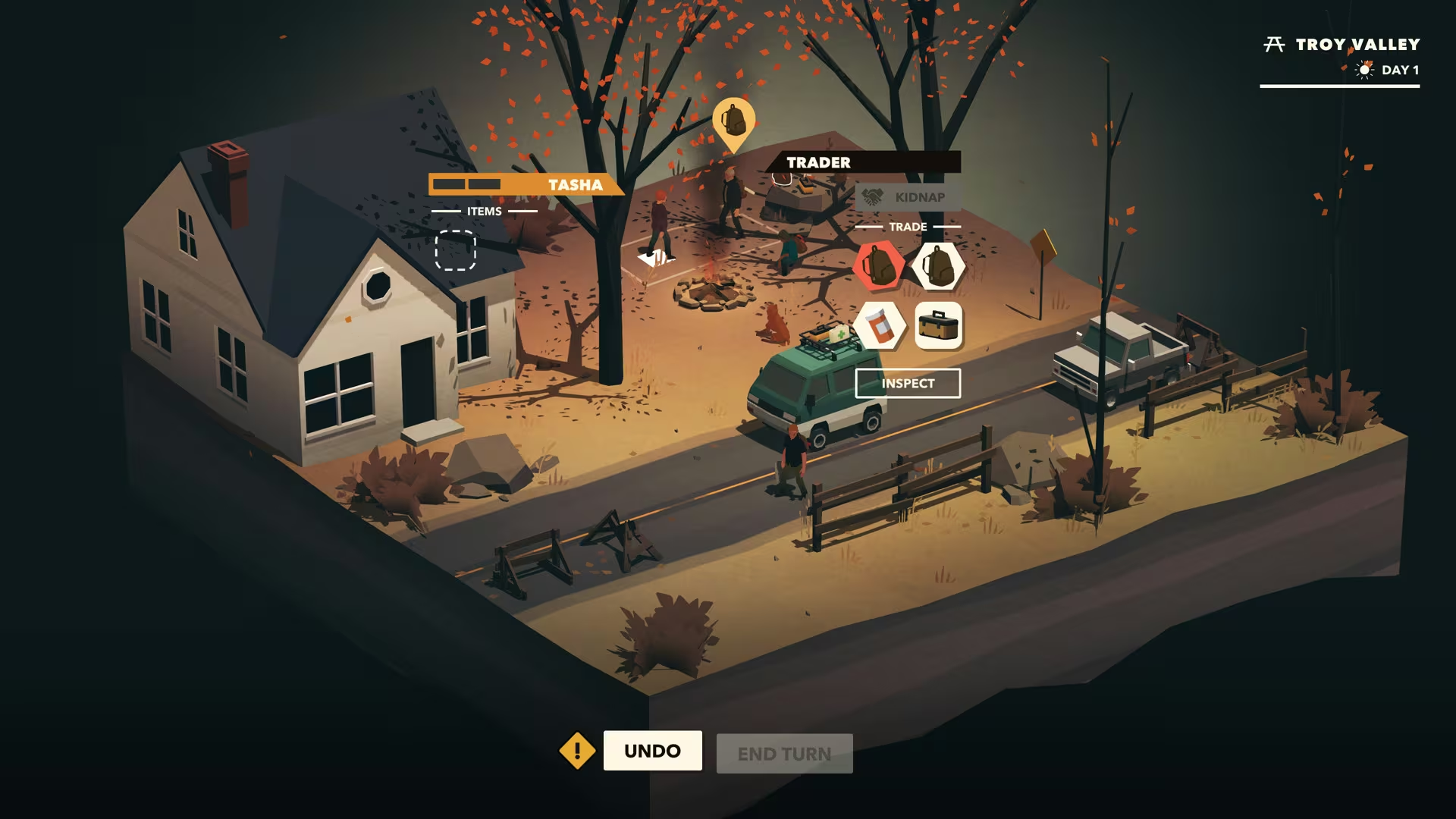
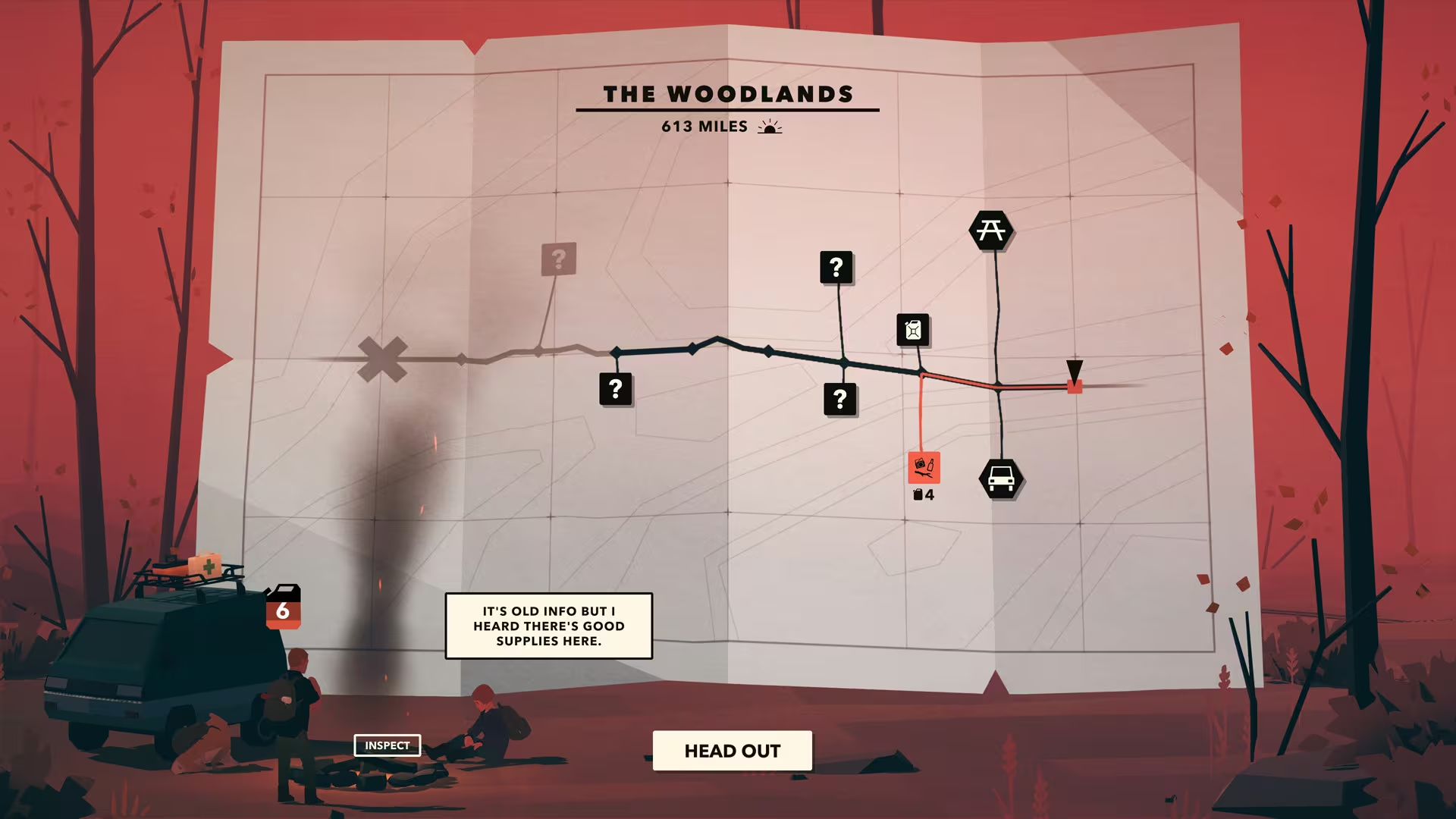
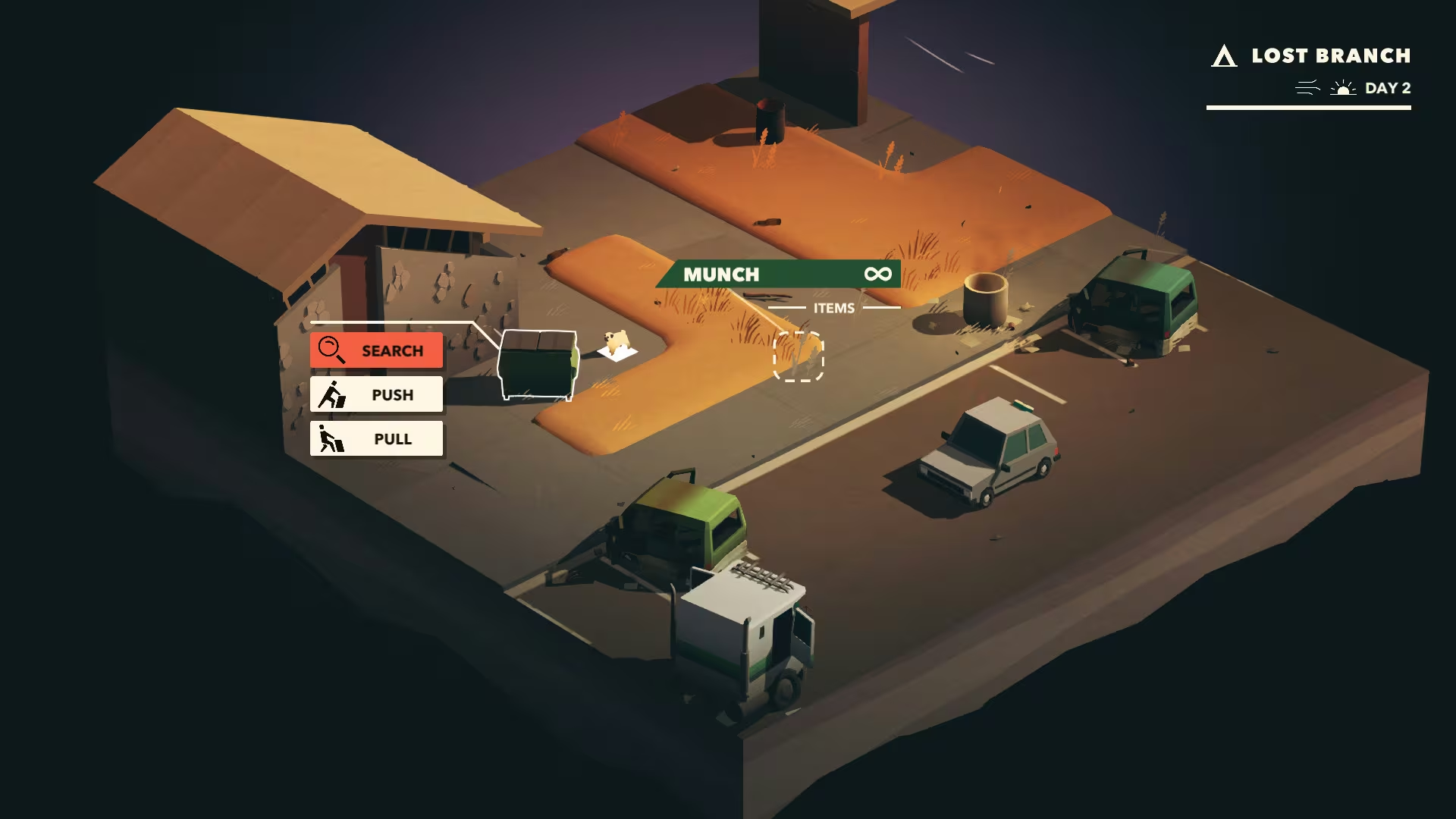
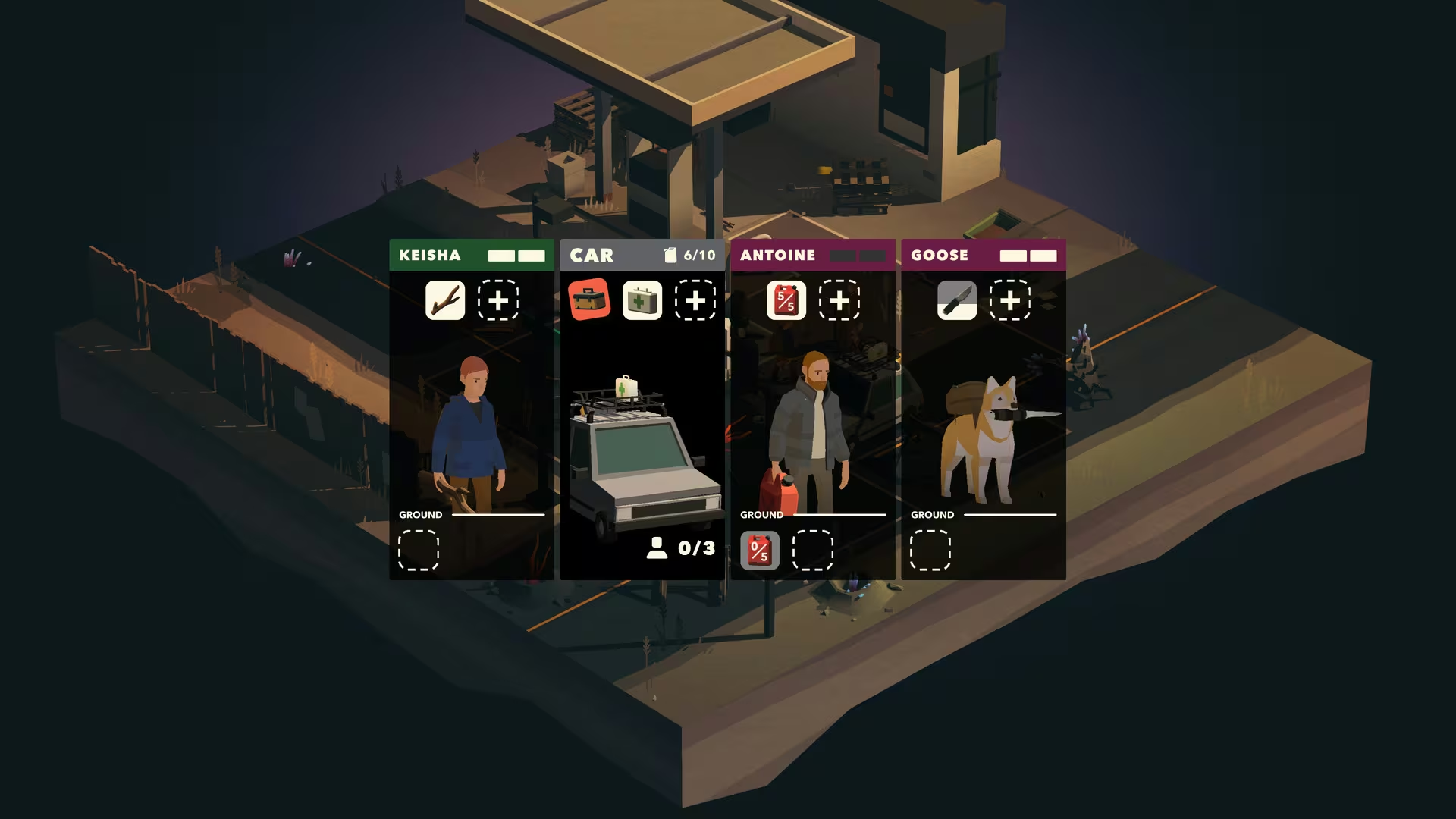
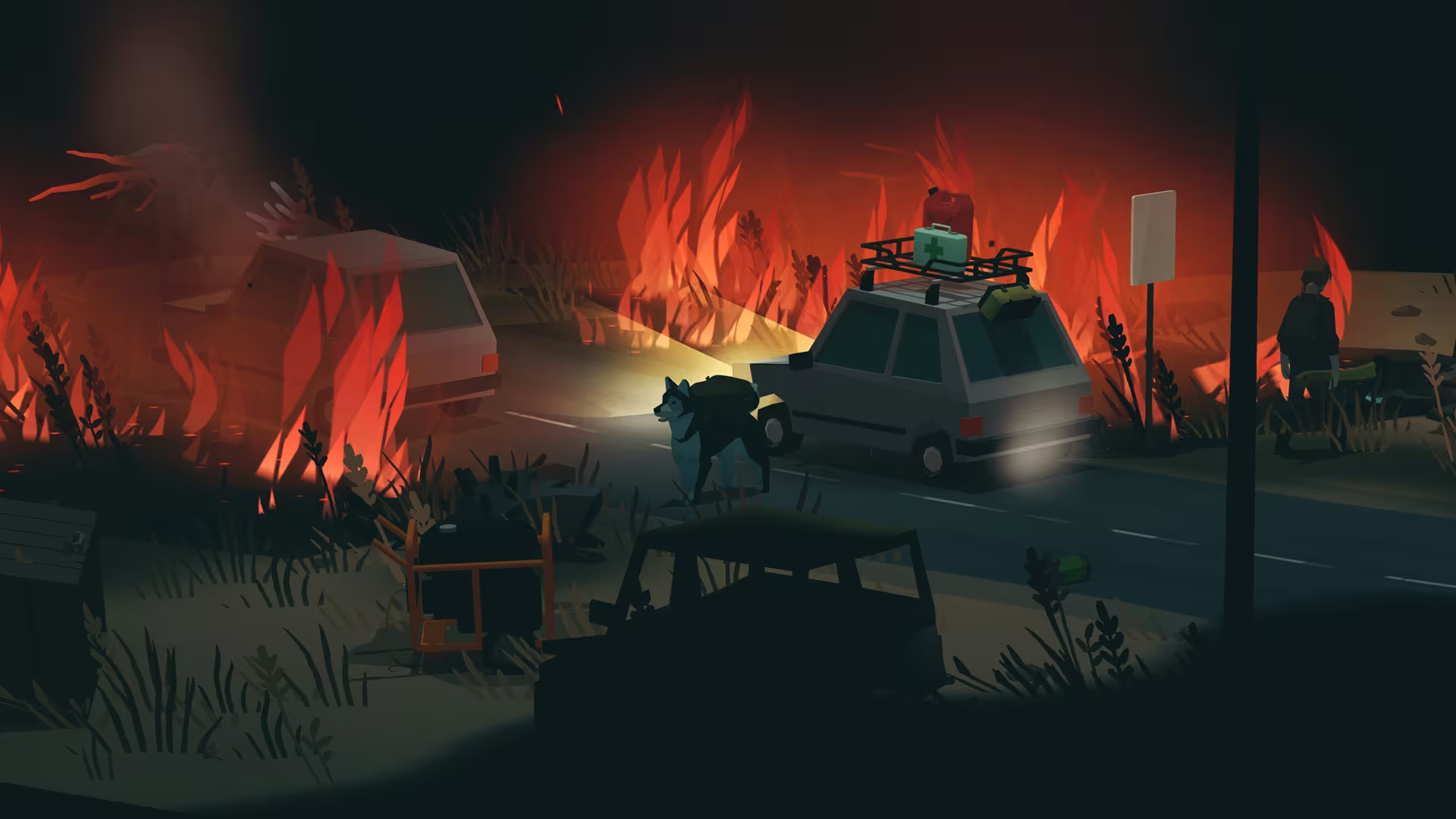
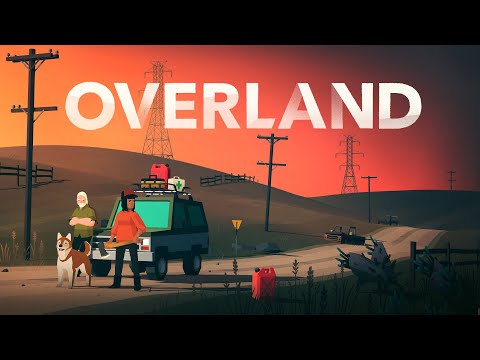
Take care of a group of travelers on a post-apocalyptic road-trip across the United States in this turn-based survival game.

Global score

75/100

Genres

Strategy, Turn-based strategy (TBS), Indie, Tactical

Similar games

    Pros

    • Unique art style and atmosphere
    • Challenging tactical gameplay
    • High replayability with procedural generation
    • Immersive post-apocalyptic setting
    • Meaningful resource and risk management

    Cons

    • Steep learning curve with little tutorial
    • Limited inventory and item variety
    • Some ui and control frustrations
    • Short game length and limited content
    • Minimal story and character development

    Analysis

    Less representative of its motivational profile, with noticeable differences. Motivations that often define this kind of title include Leadership, Survival, Violence, Strategy. It leans lower than usual among comparable games on Violence, Expression, Relaxation.

    How to use the graph
    Similar games map

    Each dot is a game. They are arranged from the same motivation profile as in the “Motivations” section below. Closer dots usually mean more similar reasons to play (exploration, competition, relaxation, etc.)—not that one game is “better” than another.

    • Larger dot with a light outline: the game you are viewing.
    • Colour: groups of games with comparable motivation patterns (statistical clusters).
    • Hover a dot to see the game name; click to open its page.
    • Scroll or double-click the chart to zoom out and see more games.

    Why don’t the axes read like a score? This view uses t-SNE: it only keeps who is close to whom. The scales are not “good to bad” or hours played—they separate groups on the map. Read distance between dots, not the axis numbers.

    Motivations

    • Autonomy
      4

      "Players make strategic decisions on movement, resource management, and risk-taking with freedom to choose paths and tactics."

    • Competence
      4

      "Requires skillful planning, tactical problem solving, and learning enemy behaviors to succeed."

    • Competition
      -3

      "Focuses on personal progress and survival rather than direct competition or leaderboards."

    • Continuation
      3

      "Players tend to replay levels and runs multiple times due to roguelike design and challenge."

    • Cooperation
      -2

      "Gameplay centers on managing a small group but mostly involves individual tactical control rather than multiplayer cooperation."

    • Creativity
      2

      "Players experiment with different tactics and item uses, though within predefined mechanics and limited customization."

    • Domination
      -4

      "Interactions emphasize survival and mutual respect among party members rather than dominance or power over others."

    • Escapism
      4

      "Provides immersive post-apocalyptic experience that allows players to escape real life through atmospheric storytelling."

    • Expectation
      -4

      "Players engage voluntarily out of interest and enjoyment rather than obligation or external pressure."

    • Experimenting
      4

      "Encourages trial and error, learning mechanics through experimentation and adapting strategies."

    • Exploration
      3

      "Players explore procedurally generated maps and discover new items and scenarios each run."

    • Expression
      -2

      "Limited character customization; expression mainly through tactical choices rather than avatar personalization."

    • Fantasy
      3

      "Set in a fictional post-apocalyptic world with alien creatures, blending imaginative fiction with survival themes."

    • Fellowship
      -3

      "Mostly a single-player experience with minimal social or community interaction."

    • Growth
      3

      "Players develop skills and knowledge about game mechanics and enemy behaviors over repeated playthroughs."

    • Health
      -4

      "Primarily sedentary gameplay with no physical activity or health-related mechanics."

    • Idle
      -3

      "Requires focused attention and deliberate planning; not suited for casual or background play."

    • Intimacy
      -3

      "Limited emotional connections mostly with in-game characters; no social or close relationships."

    • Leadership
      2

      "Players manage and direct a small group of survivors, making strategic decisions for the team."

    • Progression
      3

      "Players collect items, recruit survivors, and upgrade vehicles to progress through the game."

    • Relaxation
      -2

      "Tense and challenging gameplay creates sustained pressure rather than relaxation or flow."

    • Sensation
      3

      "Enjoyable art style, sound design, and atmospheric effects provide sensory stimulation."

    • Status
      -4

      "Achievements exist but social recognition or popularity is not a core motivation."

    • Story
      3

      "Narrative emerges through character dialogues and environmental storytelling, though minimal and subtle."

    • Strategy
      5

      "Core gameplay revolves around tactical decision-making, resource management, and problem solving."

    • Thrill
      4

      "High tension and suspense from limited resources, overwhelming enemies, and risk of failure."

    • Value
      1

      "Mixed opinions on price vs content; generally seen as good value on sale but pricey at full price."

    • Violence
      -3

      "Combat is discouraged and noisy; focus is on avoidance and survival rather than destruction."

    • Survival
      5

      "Central theme is managing resources, avoiding threats, and staying alive in hostile environments."

    Last update: 29/04/2026