Rebuild 3: Gangs of Deadsville Thumbnail

Rebuild 3: Gangs of Deadsville similar games & best alternatives
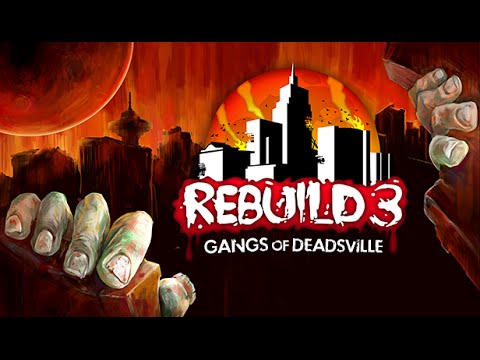
Rebuild 3: Gangs of Deadsville

PC (Microsoft Windows), iOS, Mac, Android • 2015

Related articles

Quick resume

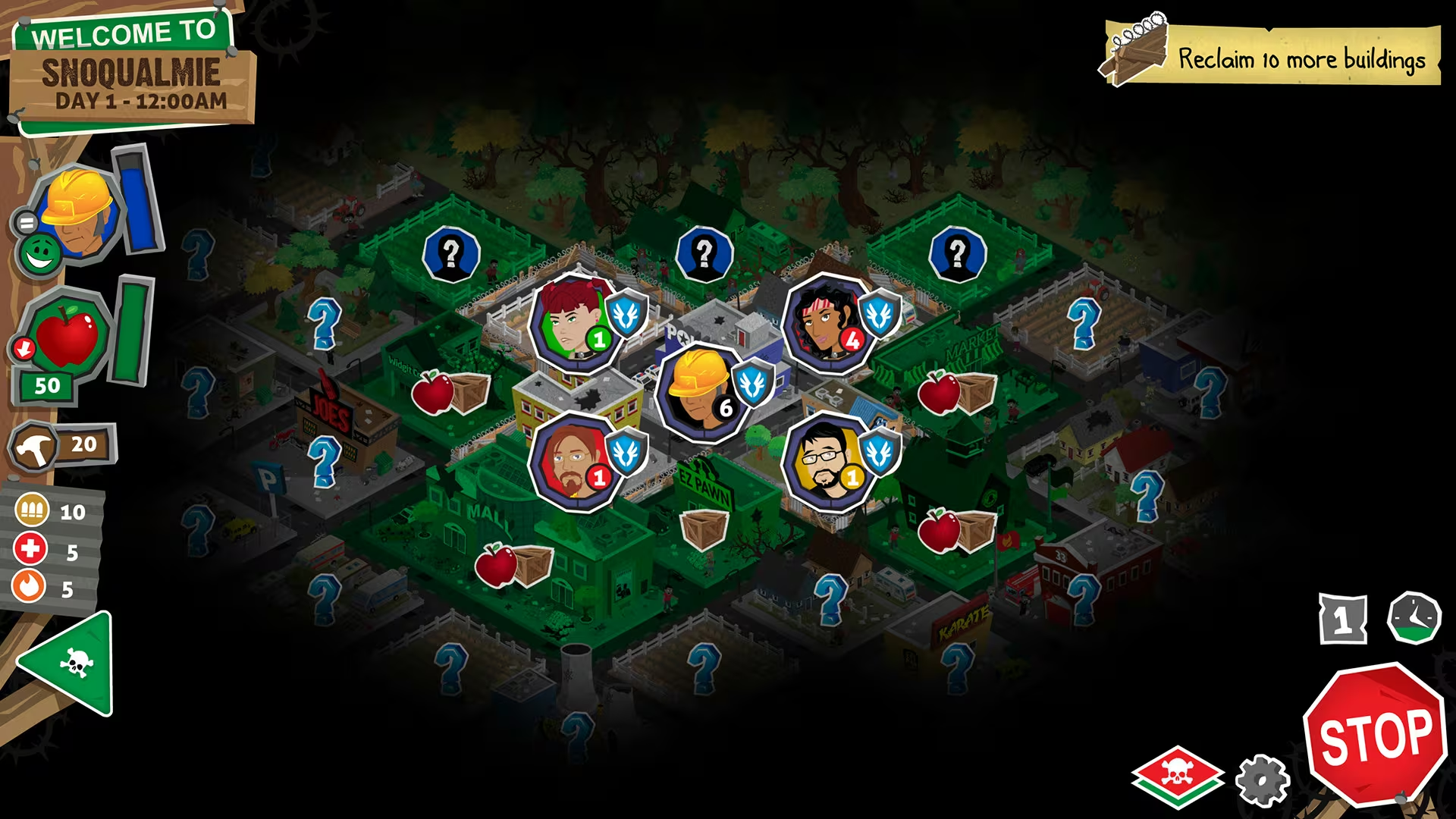
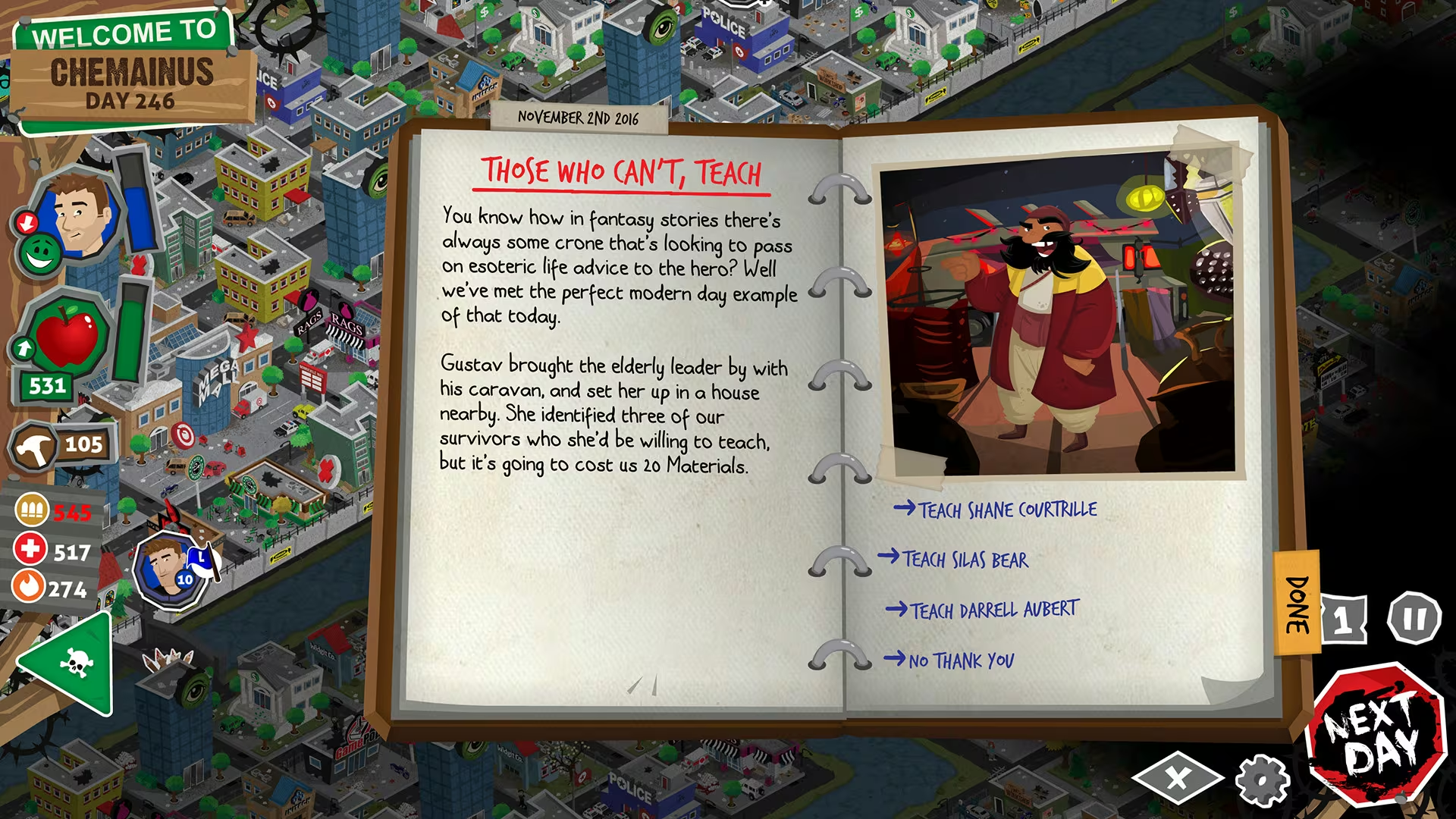
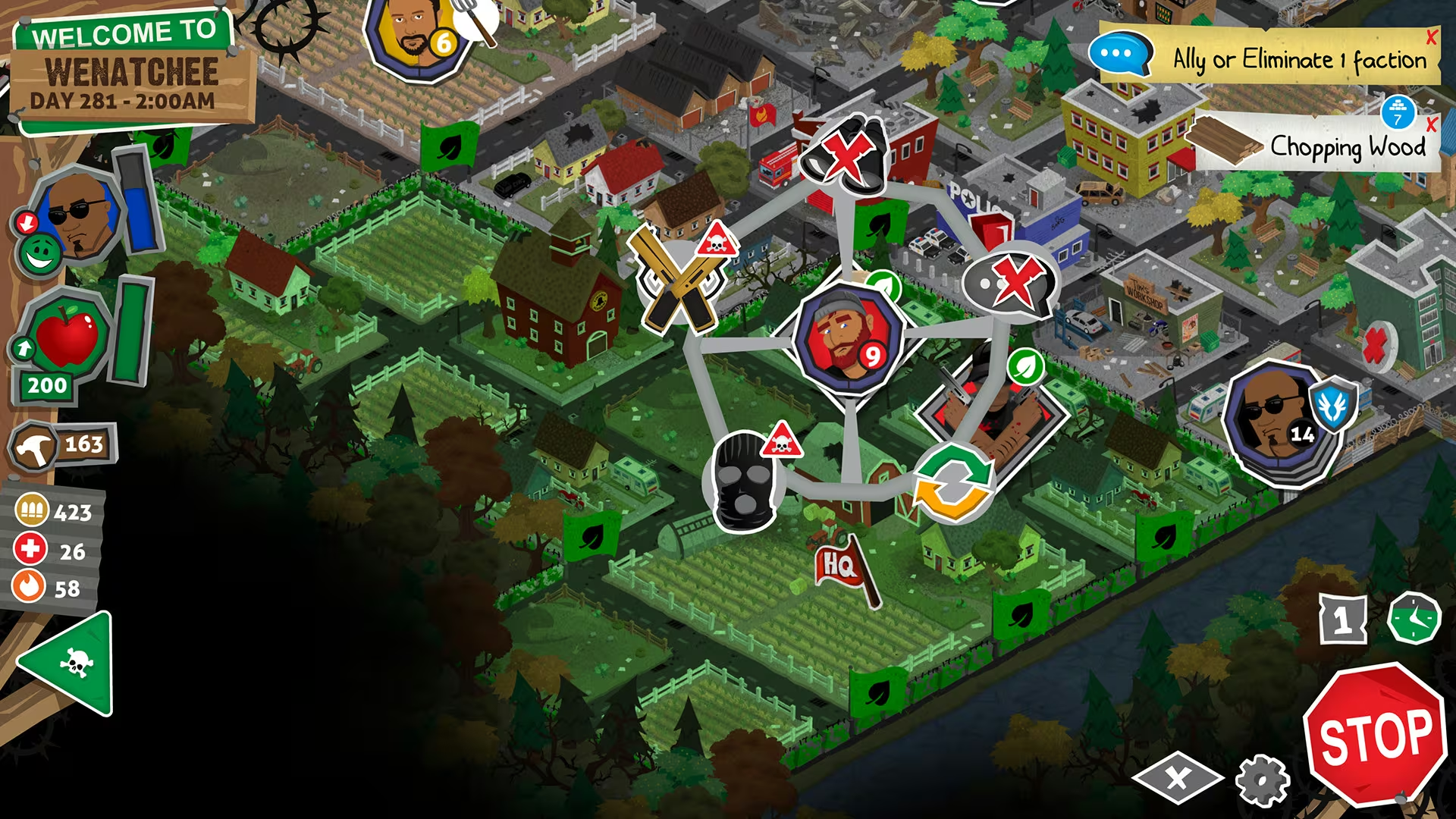
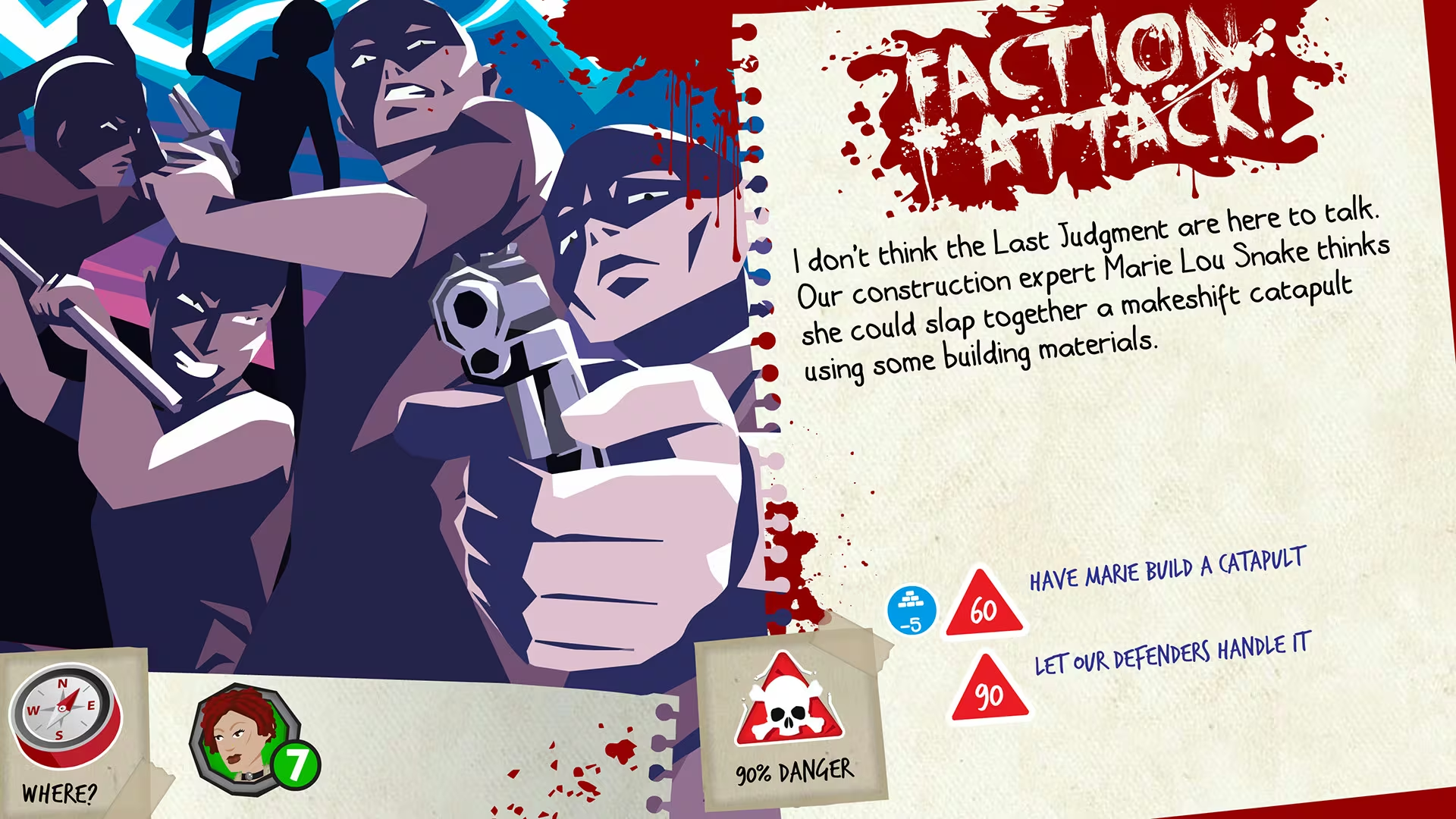
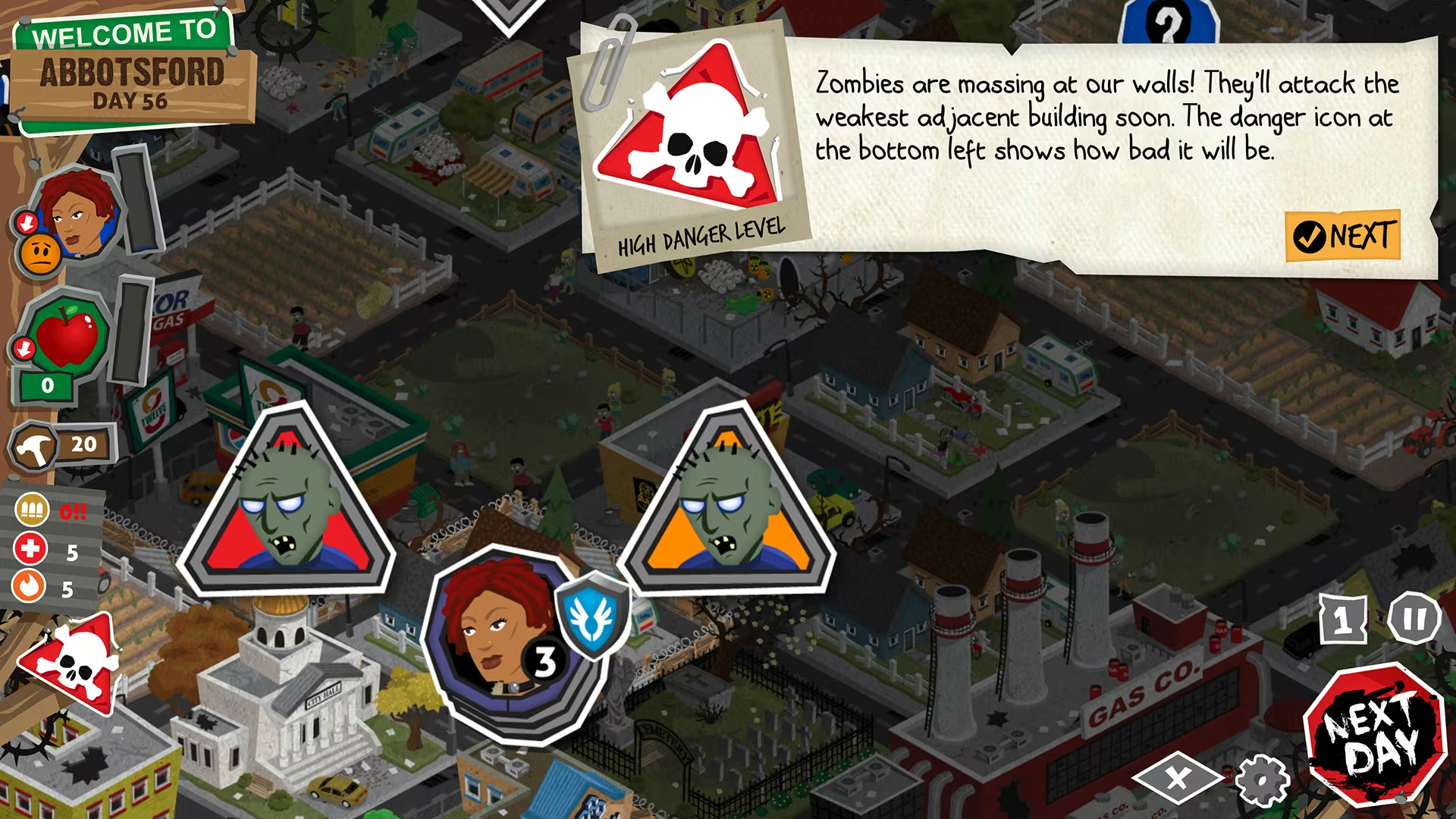
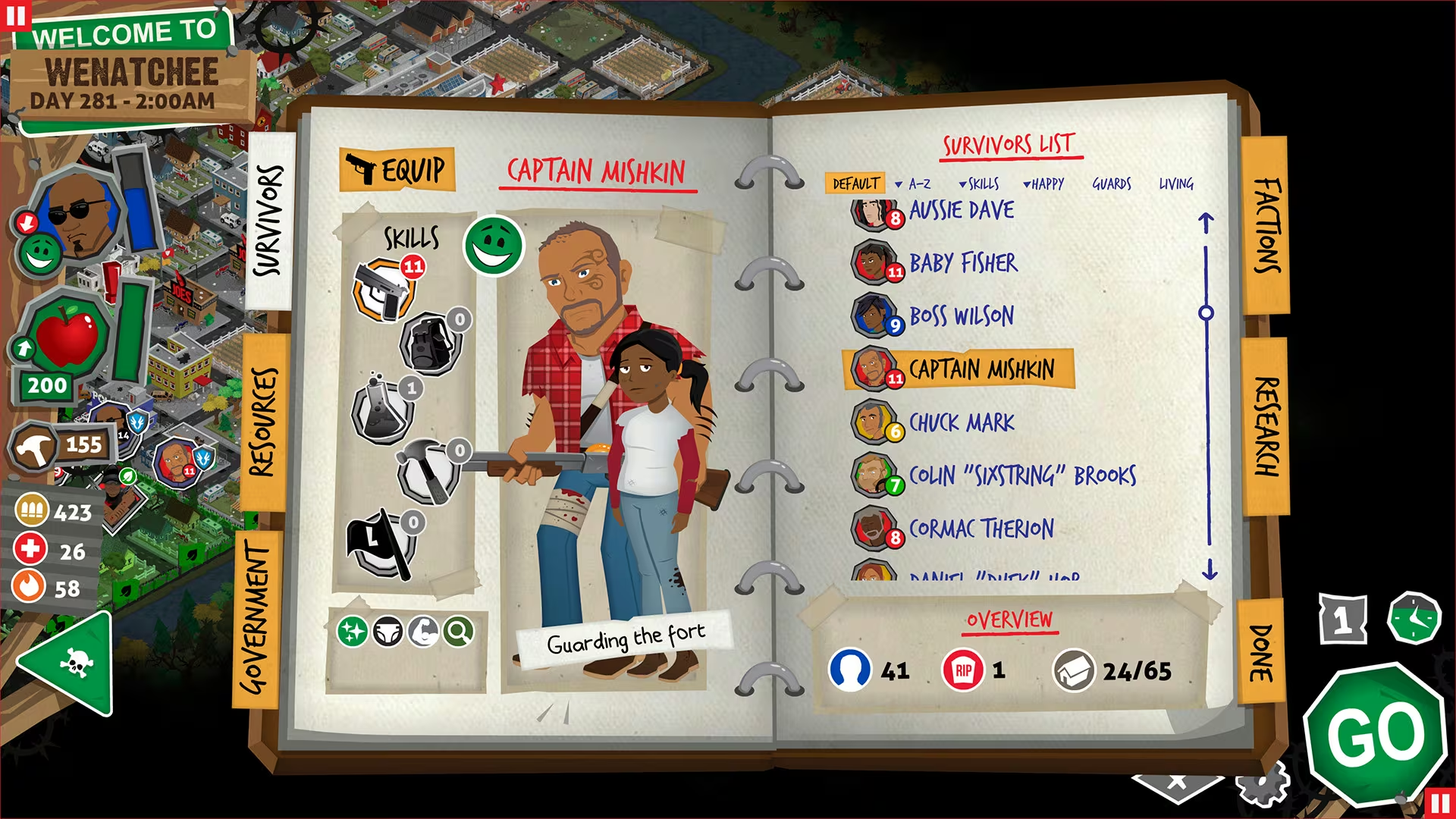
Rebuild a ruined city in this post-apocalyptic mix of strategy and simulation. Manage survivors, scavenge for food and supplies, deal with rival gangs, illness, interpersonal strife and zombie attacks.

Global score

86/100

Genres

Indie, Role-playing (RPG), Simulator, Strategy, Turn-based strategy (TBS)

Similar games

    Pros

    • Deep strategic gameplay
    • Addictive and replayable
    • Engaging survivor and faction stories
    • Flexible pace with turn-based and real-time options
    • Strong community and developer support

    Cons

    • Some repetitive gameplay and events
    • Cartoonish graphics not to all tastes
    • Limited character customization
    • Some bugs and early access unfinished features
    • Lack of multiplayer mode

    Analysis

    Broadly representative of its motivational profile, with a few distinct shifts. Motivations that often define this kind of title include Cooperation, Fellowship, Intimacy, Leadership. Here, the score leans higher than usual among comparable games on Leadership, Competition. It leans lower than usual among comparable games on Sensation.

    How to use the graph
    Similar games map

    Each dot is a game. They are arranged from the same motivation profile as in the “Motivations” section below. Closer dots usually mean more similar reasons to play (exploration, competition, relaxation, etc.)—not that one game is “better” than another.

    • Larger dot with a light outline: the game you are viewing.
    • Colour: groups of games with comparable motivation patterns (statistical clusters).
    • Hover a dot to see the game name; click to open its page.
    • Scroll or double-click the chart to zoom out and see more games.

    Why don’t the axes read like a score? This view uses t-SNE: it only keeps who is close to whom. The scales are not “good to bad” or hours played—they separate groups on the map. Read distance between dots, not the axis numbers.

    Motivations

    • Autonomy
      4

      "Players have significant control over city building, survivor management, faction diplomacy, and strategic decisions."

    • Competence
      3

      "Game involves strategic micromanagement, skill development of survivors, and resource prioritization with increasing complexity."

    • Competition
      2

      "Competition mainly against AI factions for territory; no multiplayer but faction rivalry and war mechanics present."

    • Continuation
      4

      "Highly addictive gameplay with long sessions and replayability through multiple cities and campaigns."

    • Cooperation
      3

      "Players manage groups of survivors cooperating internally; also ally with or fight other factions, involving diplomacy and teamwork."

    • Creativity
      2

      "Some customization in survivor roles, equipment, and city building choices, but within predefined structures."

    • Domination
      -2

      "Interactions with factions and survivors emphasize balanced diplomacy and mutual respect rather than domination."

    • Escapism
      4

      "Players use the game as an immersive escape into a post-apocalyptic zombie world with emergent stories."

    • Expectation
      -4

      "Players engage voluntarily out of intrinsic interest and nostalgia for the series."

    • Experimenting
      3

      "Players try different strategies, faction alliances, and survivor builds to explore game mechanics."

    • Exploration
      3

      "Players discover new city areas, random events, and faction dynamics as they expand territory."

    • Expression
      2

      "Limited character customization and backstory choices allow some self-expression but mostly standardized presentation."

    • Fantasy
      4

      "Strongly set in a fictional zombie apocalypse with imaginative factions and storylines."

    • Fellowship
      3

      "Players feel part of a community managing survivors and interacting with factions, though mostly single-player."

    • Growth
      4

      "Players develop survivor skills, research technologies, and improve city infrastructure over time."

    • Health
      -5

      "Game is sedentary with no physical activity involved."

    • Idle
      -3

      "Requires active micromanagement and attention to multiple systems; not a casual idle game."

    • Intimacy
      2

      "Some emotional connections through survivor relationships and backstories, but limited social interaction."

    • Leadership
      4

      "Players lead groups of survivors, assign roles, and make strategic decisions guiding the community."

    • Progression
      4

      "Strong progression through acquiring resources, upgrading survivors, building infrastructure, and expanding territory."

    • Relaxation
      1

      "Game balances challenge and strategy but can become repetitive and occasionally frustrating."

    • Sensation
      1

      "Visuals are simple and cartoony with minimal sound; sensory stimulation is moderate."

    • Status
      -3

      "Focus is on individual gameplay and story rather than social recognition or leaderboards."

    • Story
      4

      "Narrative immersion with character backstories, faction plots, and multiple endings."

    • Strategy
      4

      "Requires planning, resource management, tactical combat, and diplomatic choices."

    • Thrill
      2

      "Some suspense from zombie attacks and faction wars, but overall predictable outcomes."

    • Value
      4

      "Players report good value for price with many hours of gameplay and replayability."

    • Violence
      3

      "Combat against zombies and factions is central, involving tactical violence and destruction."

    • Survival
      4

      "Core gameplay revolves around managing threats, resource scarcity, and defending against zombies and factions."

    Last update: 29/04/2026