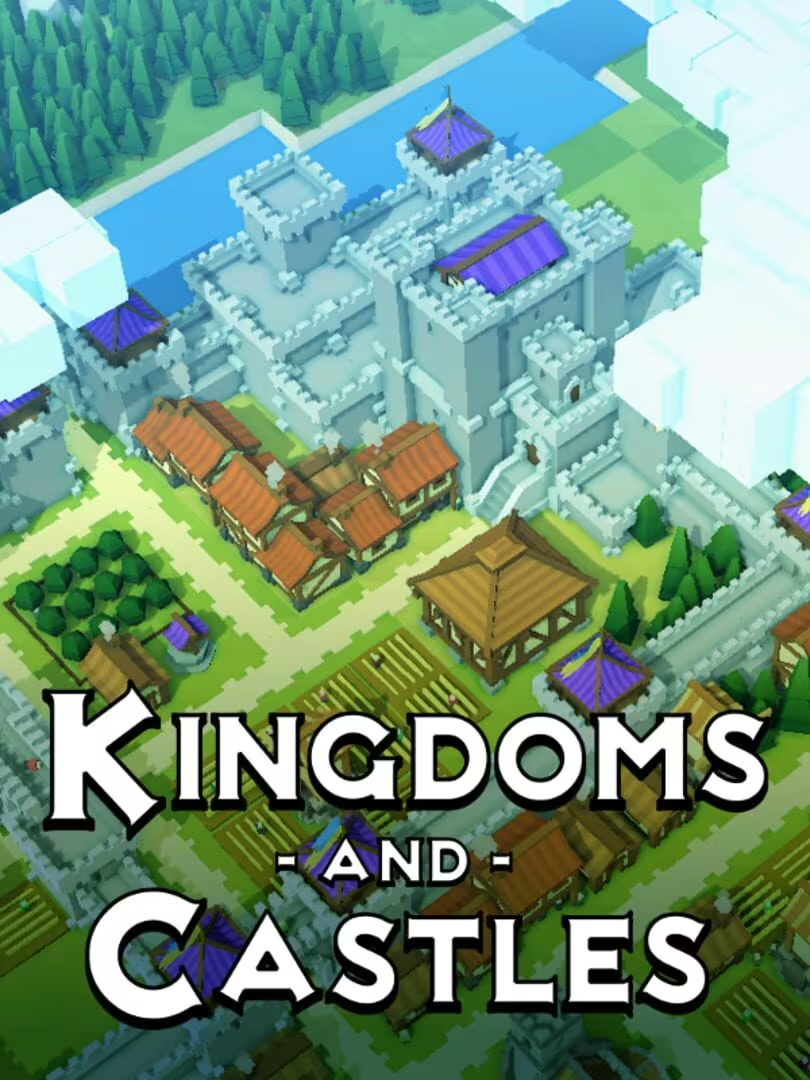
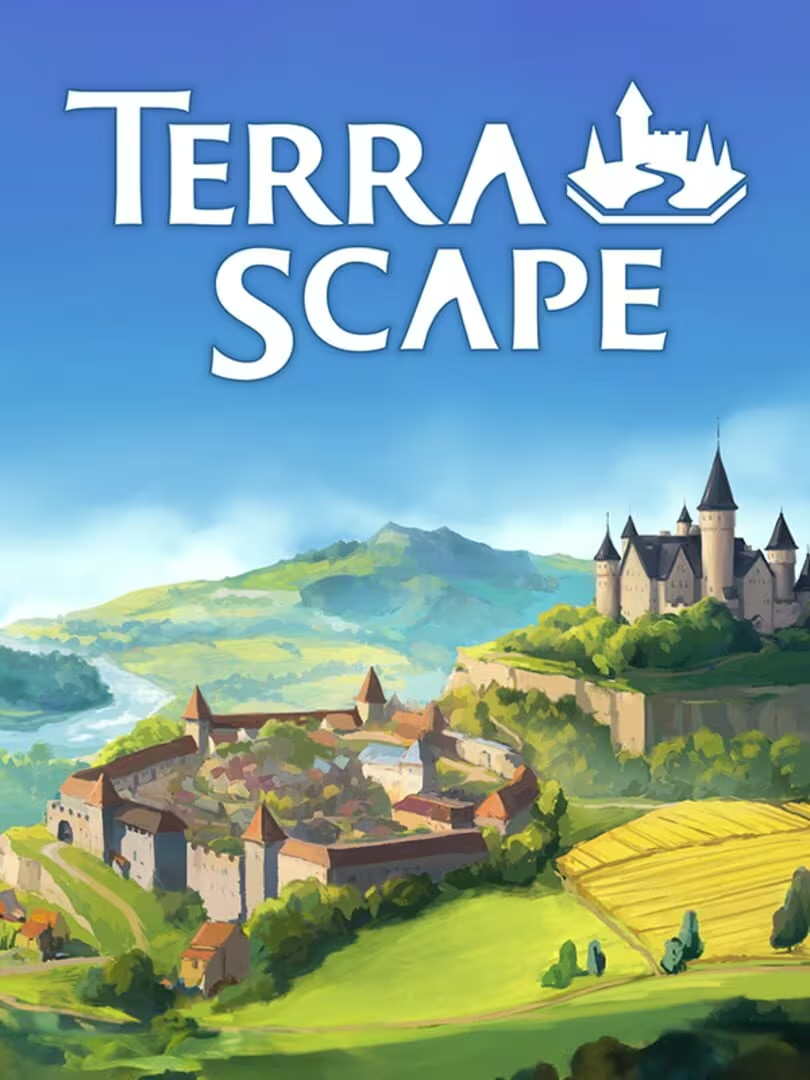
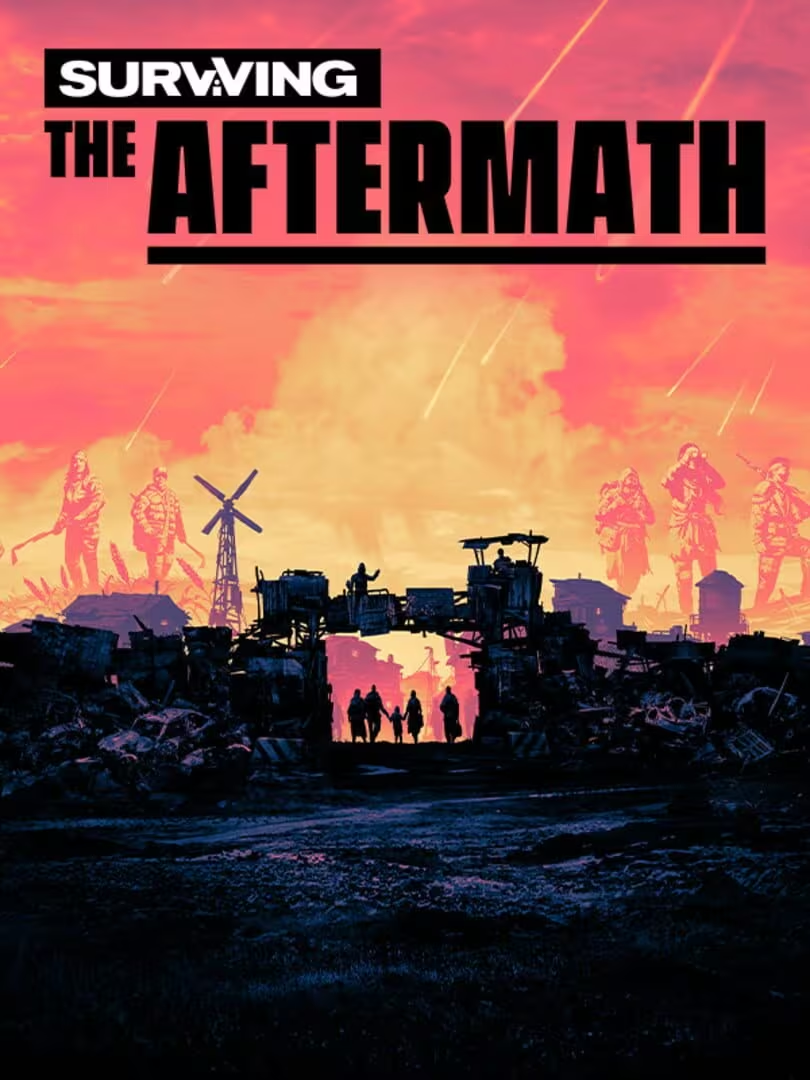
Anno 117: Pax Romana Thumbnail

Anno 117: Pax Romana similar games & best alternatives

Anno 117: Pax Romana

PC (Microsoft Windows), Xbox Series X|S, PlayStation 5 • 2025

Related articles

Quick resume

Shape the Roman Empire in this genre-defining strategic builder game. Build cities while expanding your influence through Roman provinces. Govern using your economic prowess, diplomatic skills, or military might.

Global score

70/100

Genres

Simulator, Strategy, Real Time Strategy (RTS)

Similar games

    Pros

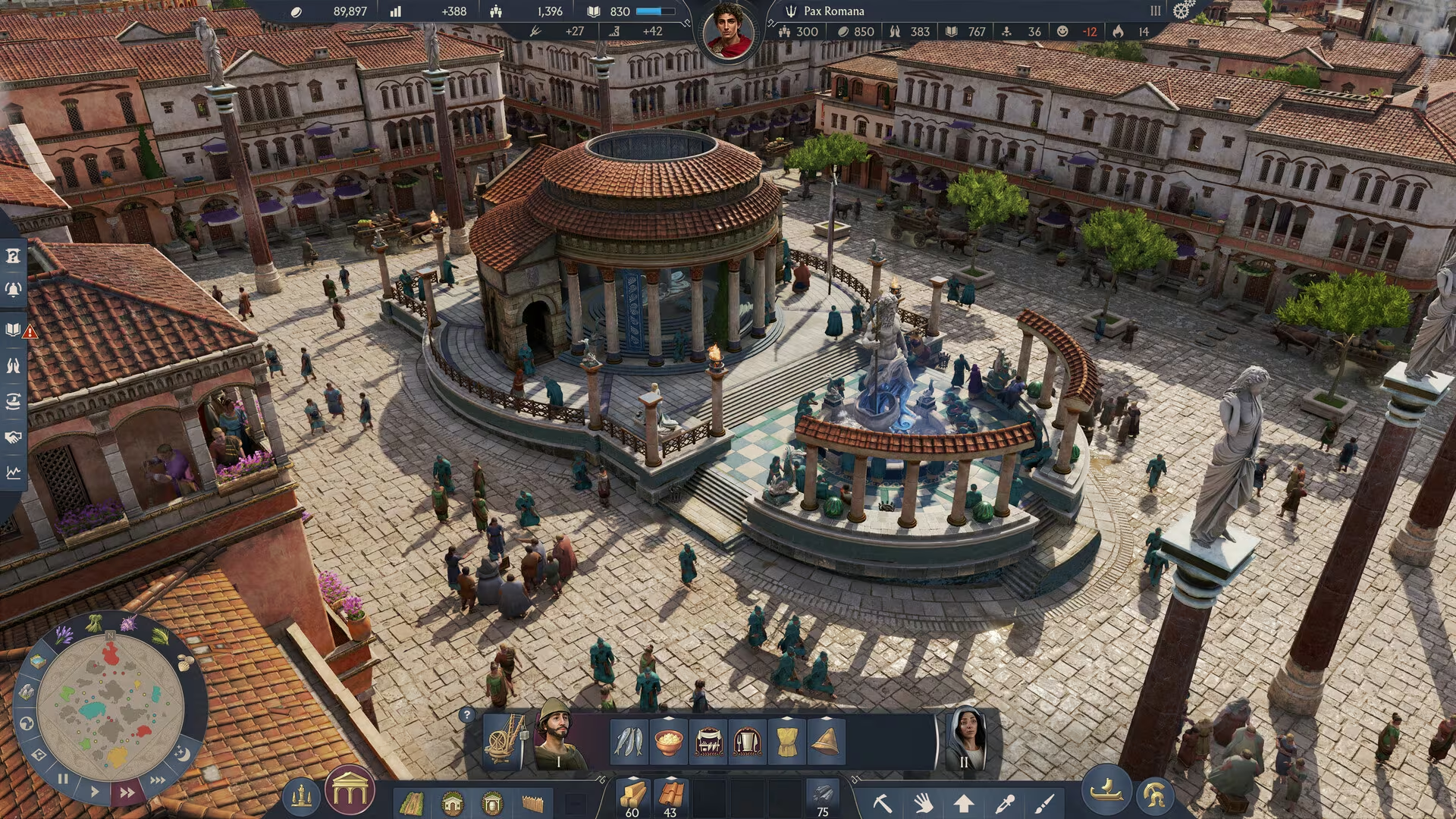
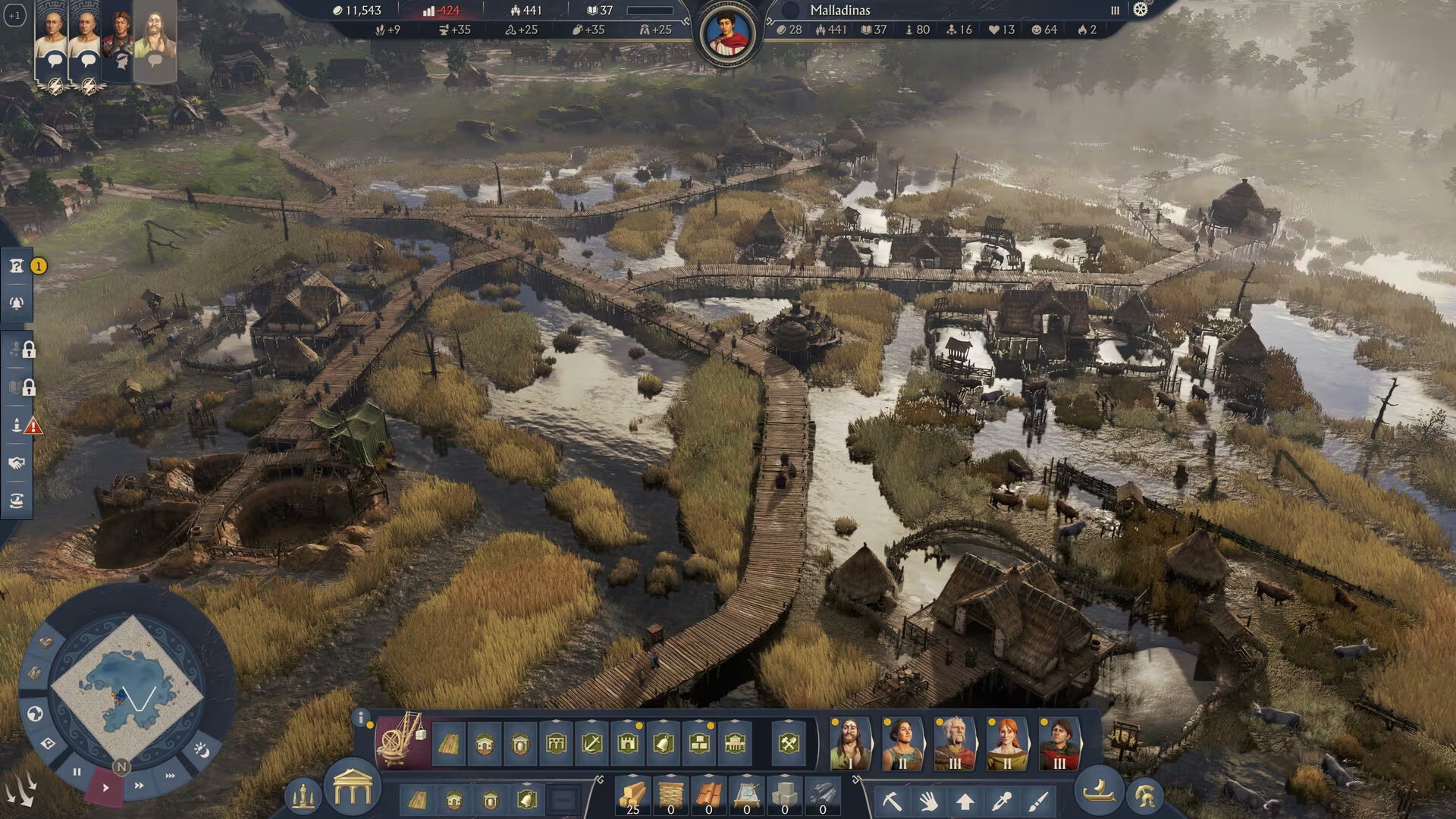
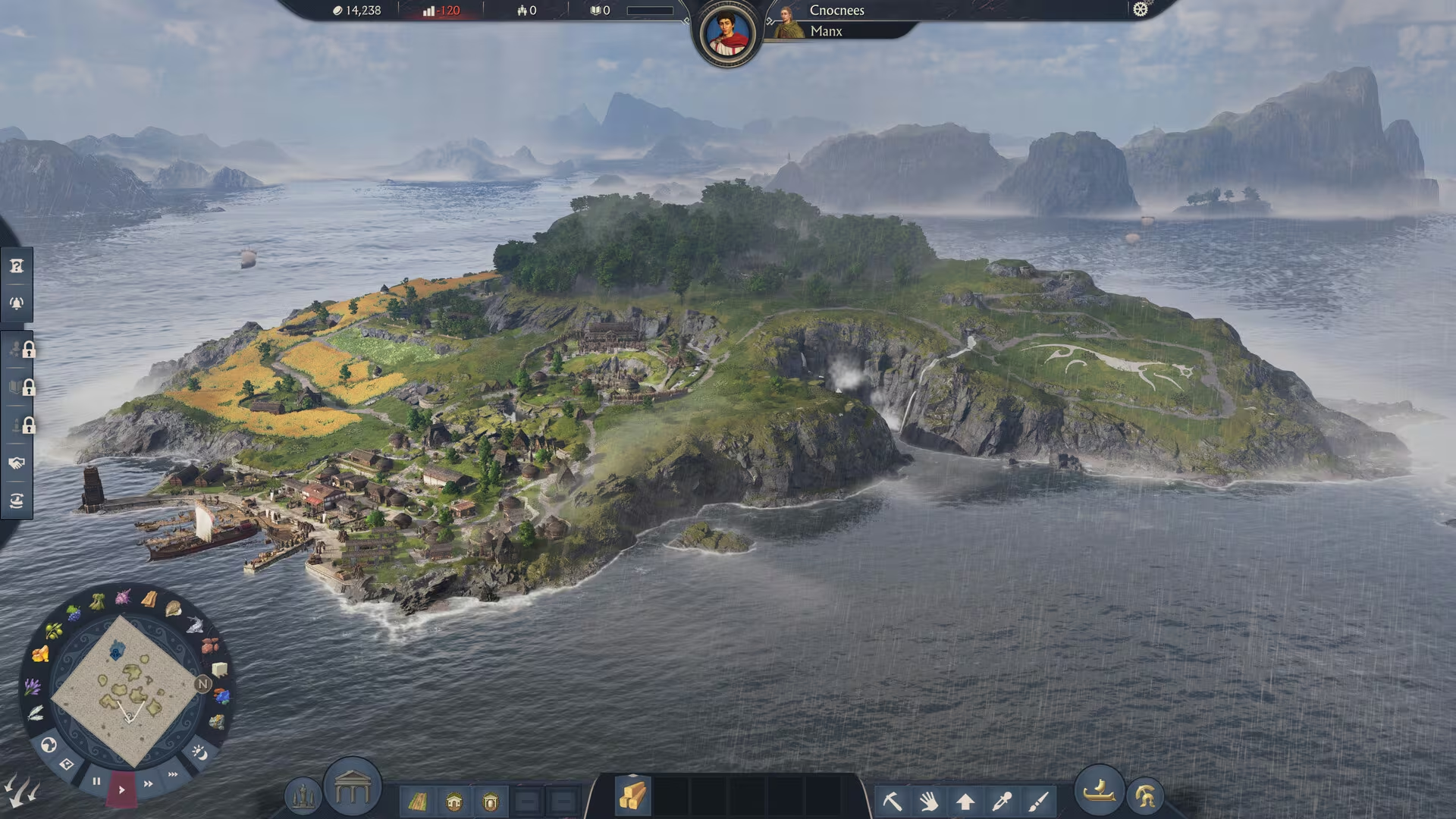
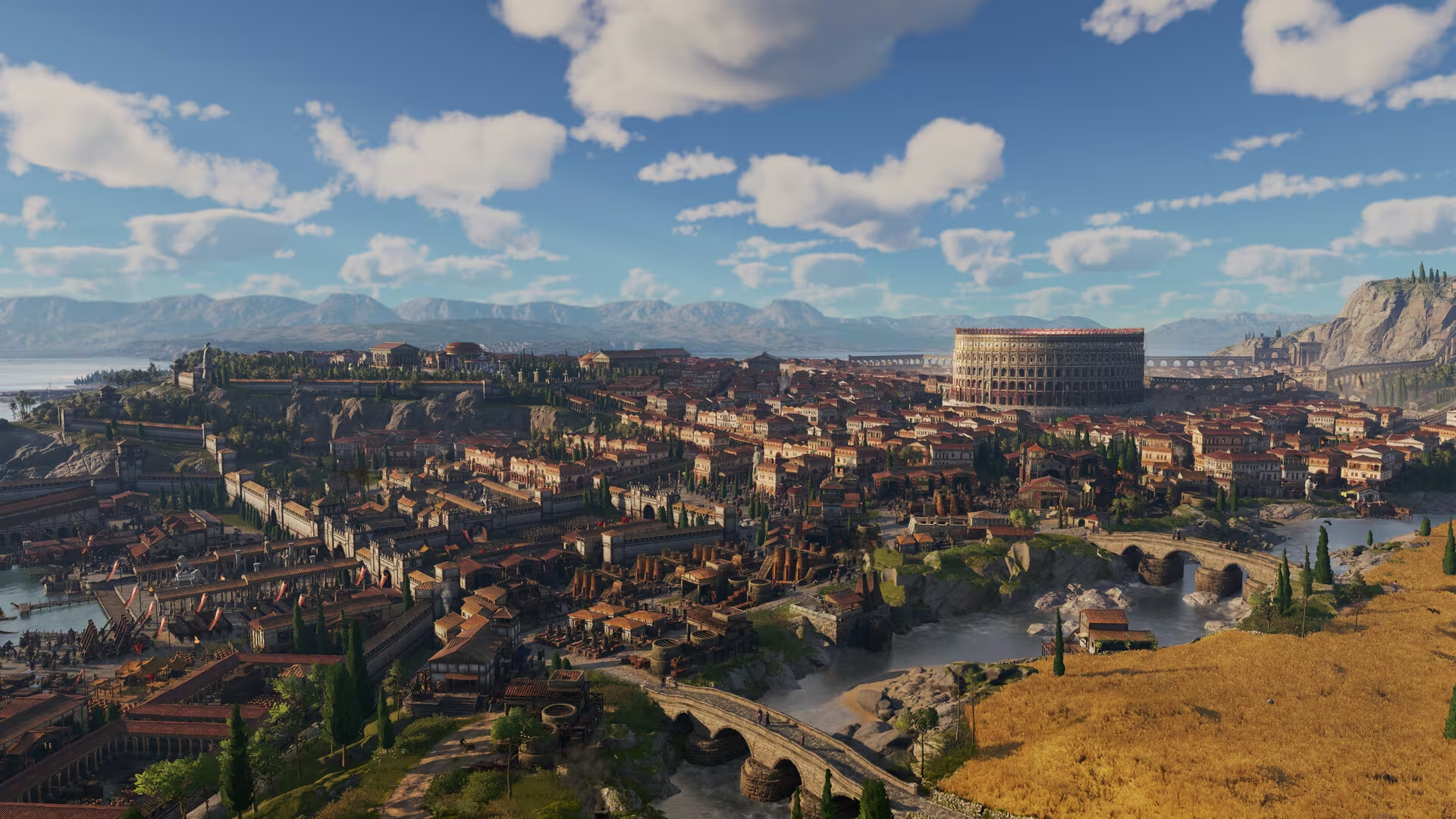
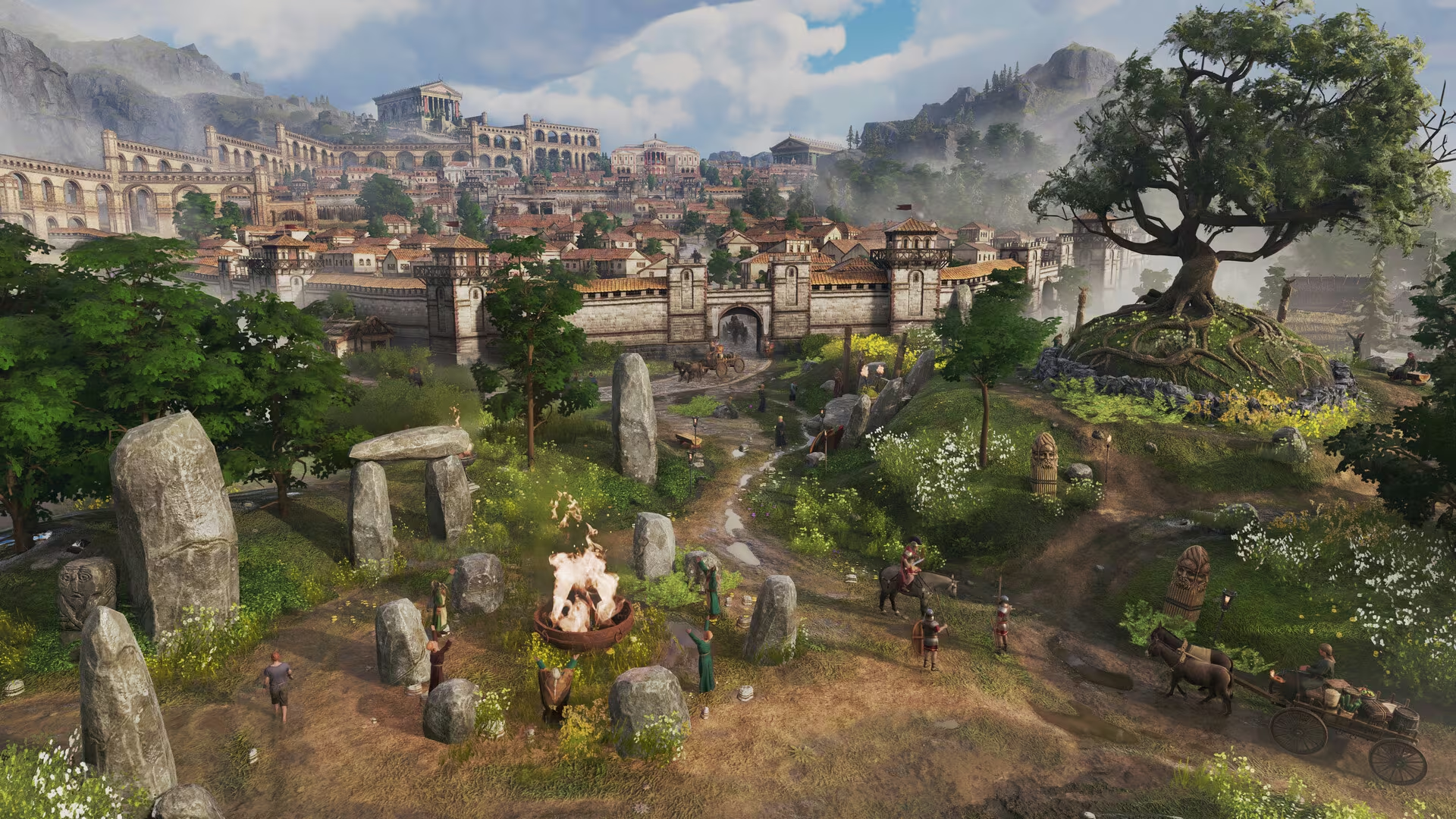
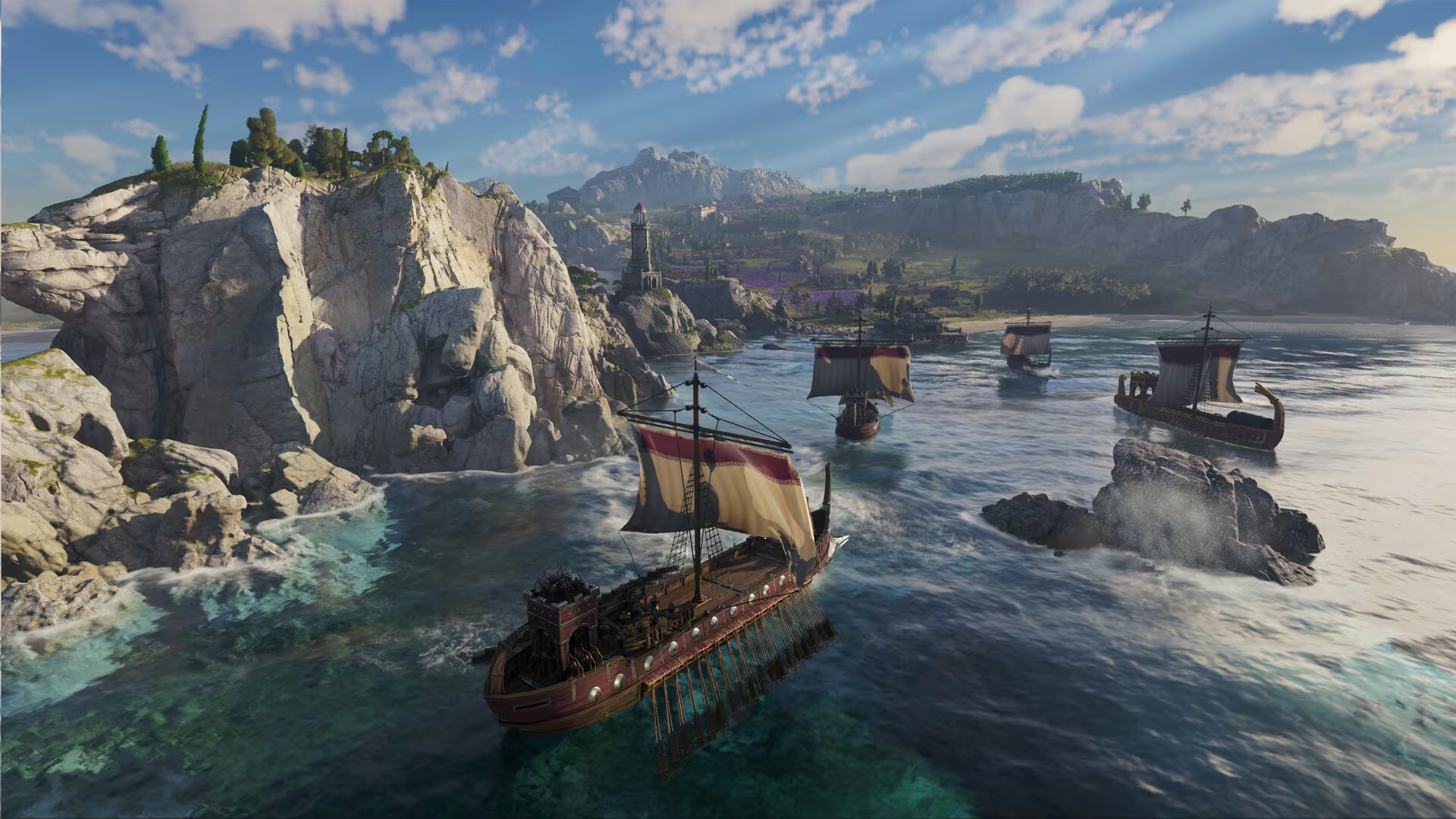
    • Beautiful and detailed graphics
    • Engaging city-building and production mechanics
    • Innovative diagonal roads and building placement
    • Addictive gameplay with long play sessions
    • Rich roman atmosphere and setting

    Cons

    • Campaign is short and ends abruptly
    • Multiplayer is buggy and unstable
    • Some ui and quality-of-life issues
    • Ai opponents sometimes cheat or behave unrealistically
    • Use of ai-generated art criticized

    Analysis

    Less representative of its motivational profile, with noticeable differences. Motivations that often define this kind of title include Leadership, Survival, Violence, Strategy. Here, the score leans higher than usual among comparable games on Cooperation, Fellowship. It leans lower than usual among comparable games on Violence.

    How to use the graph
    Similar games map

    Each dot is a game. They are arranged from the same motivation profile as in the “Motivations” section below. Closer dots usually mean more similar reasons to play (exploration, competition, relaxation, etc.)—not that one game is “better” than another.

    • Larger dot with a light outline: the game you are viewing.
    • Colour: groups of games with comparable motivation patterns (statistical clusters).
    • Hover a dot to see the game name; click to open its page.
    • Scroll or double-click the chart to zoom out and see more games.

    Why don’t the axes read like a score? This view uses t-SNE: it only keeps who is close to whom. The scales are not “good to bad” or hours played—they separate groups on the map. Read distance between dots, not the axis numbers.

    Motivations

    • Autonomy
      4

      "Players have significant control over city building, production chains, and strategic decisions, including assigning patron gods and managing trade and military."

    • Competence
      4

      "The game offers complex production chains, resource management, and strategic planning that challenge player skill and provide feedback on performance."

    • Competition
      -2

      "Focus is primarily on single-player city building and sandbox modes; multiplayer exists but is buggy and not the main draw; limited emphasis on ranked or leaderboard competition."

    • Continuation
      4

      "Many players report long play sessions, habitual engagement, and repeated playthroughs with city optimization and DLC anticipation."

    • Cooperation
      1

      "Multiplayer co-op is available but currently buggy; most player experiences and reviews focus on solo play."

    • Creativity
      4

      "Strong emphasis on city design with diagonal roads, building placement, and customization of production layouts."

    • Domination
      -3

      "Interactions with AI opponents are mostly balanced with no strong emphasis on exerting dominance; multiplayer is cooperative or independent rather than competitive dominance."

    • Escapism
      4

      "Players use the game as a relaxing and immersive escape into a detailed Roman world, often losing track of time."

    • Expectation
      -3

      "Players engage out of personal desire and intrinsic interest; some frustration with bugs but overall voluntary and enthusiastic participation."

    • Experimenting
      3

      "Players experiment with new mechanics like diagonal roads, patron gods, and production layouts, exploring different strategies."

    • Exploration
      2

      "Exploration of different regions (Latium, Albion) and unlocking new tiers; some discovery but limited by current content."

    • Expression
      3

      "Players customize city layouts and aesthetics, though some desire more ornaments and building variety."

    • Fantasy
      3

      "Set in a stylized Roman Empire with mythological patron gods and historical fiction elements."

    • Fellowship
      0

      "Community aspects exist but are limited; most play is solo with minimal social connection."

    • Growth
      3

      "Players develop skills in city management, resource optimization, and strategic planning over time."

    • Health
      -5

      "Typical sedentary city-builder gameplay with no physical activity component."

    • Idle
      -3

      "Requires continuous attention and micromanagement rather than idle or background play."

    • Intimacy
      -4

      "Social interactions are minimal and surface-level; no evidence of close relationships formed in-game."

    • Leadership
      2

      "Players lead their cities and armies, managing multiple islands and populations, though no multiplayer leadership roles emphasized."

    • Progression
      4

      "Strong progression through population tiers, technology trees, and unlocking new buildings and bonuses."

    • Relaxation
      3

      "Many players find the game relaxing and immersive despite some micromanagement challenges."

    • Sensation
      3

      "Enjoyable visuals, sound design, and animations provide sensory stimulation and aesthetic pleasure."

    • Status
      -2

      "Limited social recognition or status elements; achievements exist but social visibility is low."

    • Story
      1

      "Campaign exists but is short and considered incomplete; most players focus on sandbox mode."

    • Strategy
      4

      "Requires mental challenge in resource management, city planning, and military tactics."

    • Thrill
      1

      "Some tension from managing resources and combat, but overall a controlled and steady experience."

    • Value
      3

      "Players feel the game offers good value for time spent, with many hours of gameplay and ongoing DLC support."

    • Violence
      -1

      "Combat exists but is not the primary focus; more emphasis on constructive city-building."

    • Survival
      2

      "Players manage threats and resource scarcity, but the game is generally stable with manageable risks."

    Last update: 29/04/2026