Solium Infernum Thumbnail

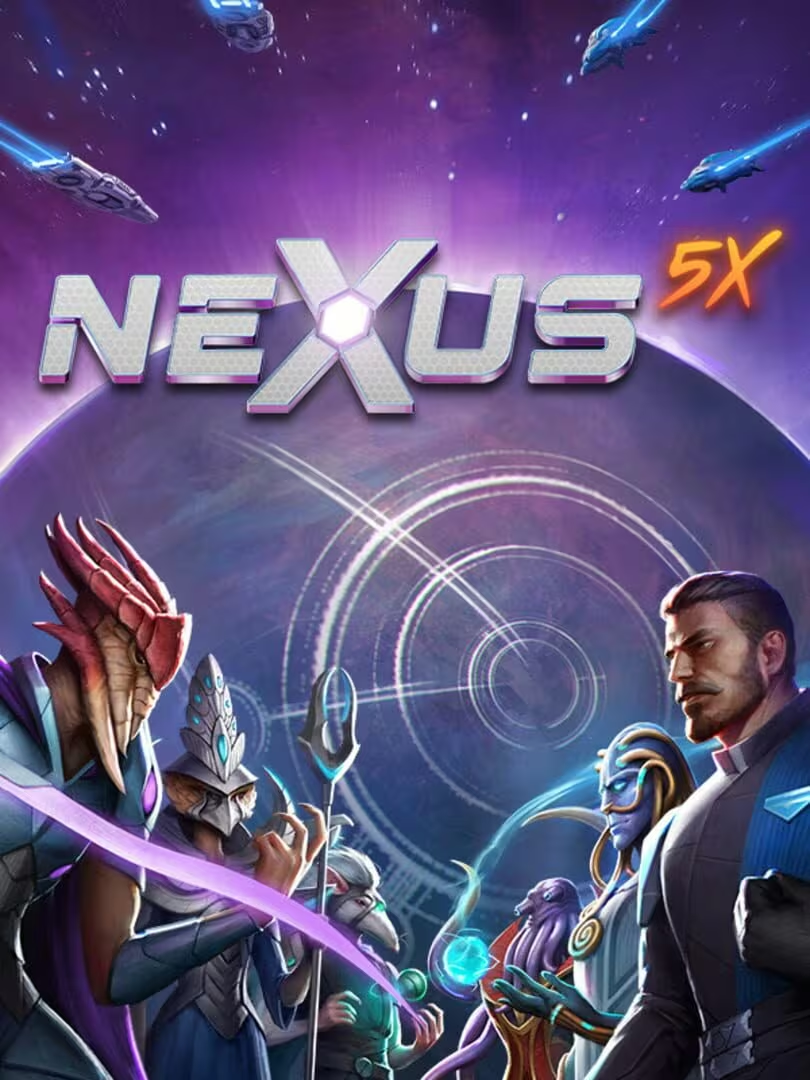
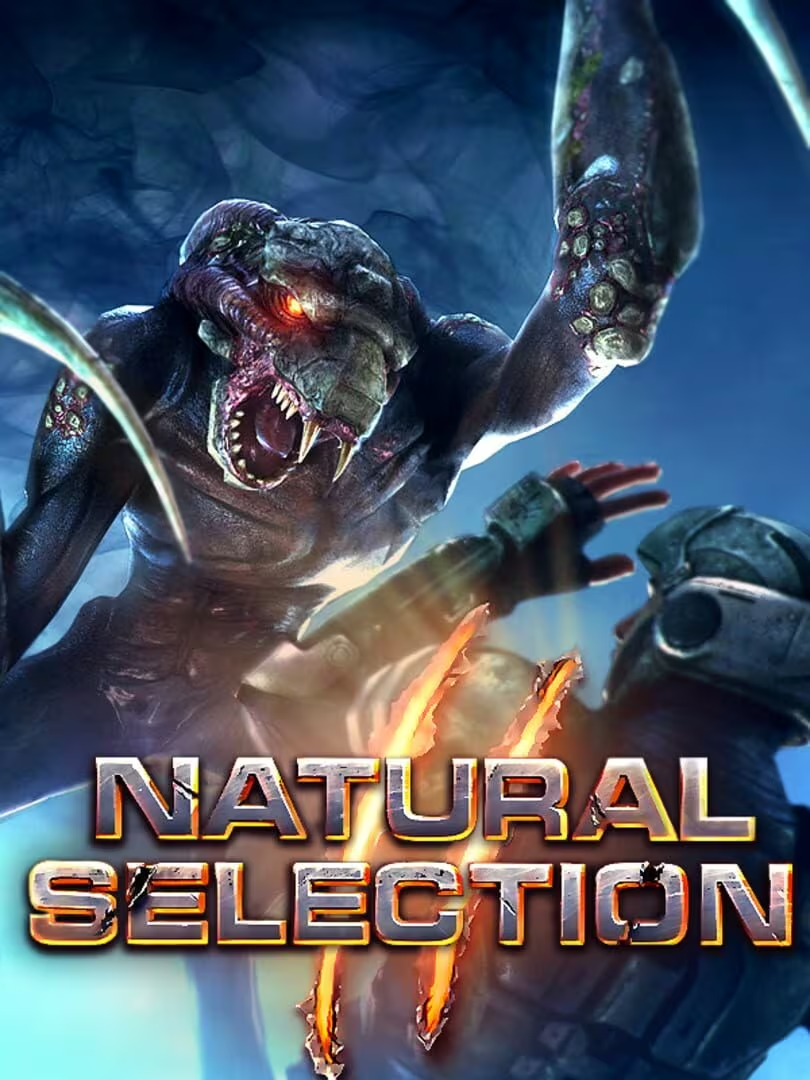
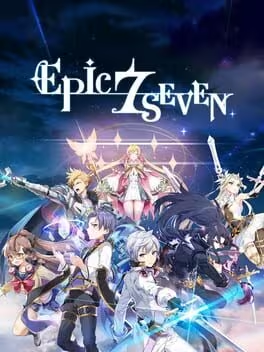
Solium Infernum similar games & best alternatives

Solium Infernum

PC (Microsoft Windows) • 2024

Related articles

Quick resume

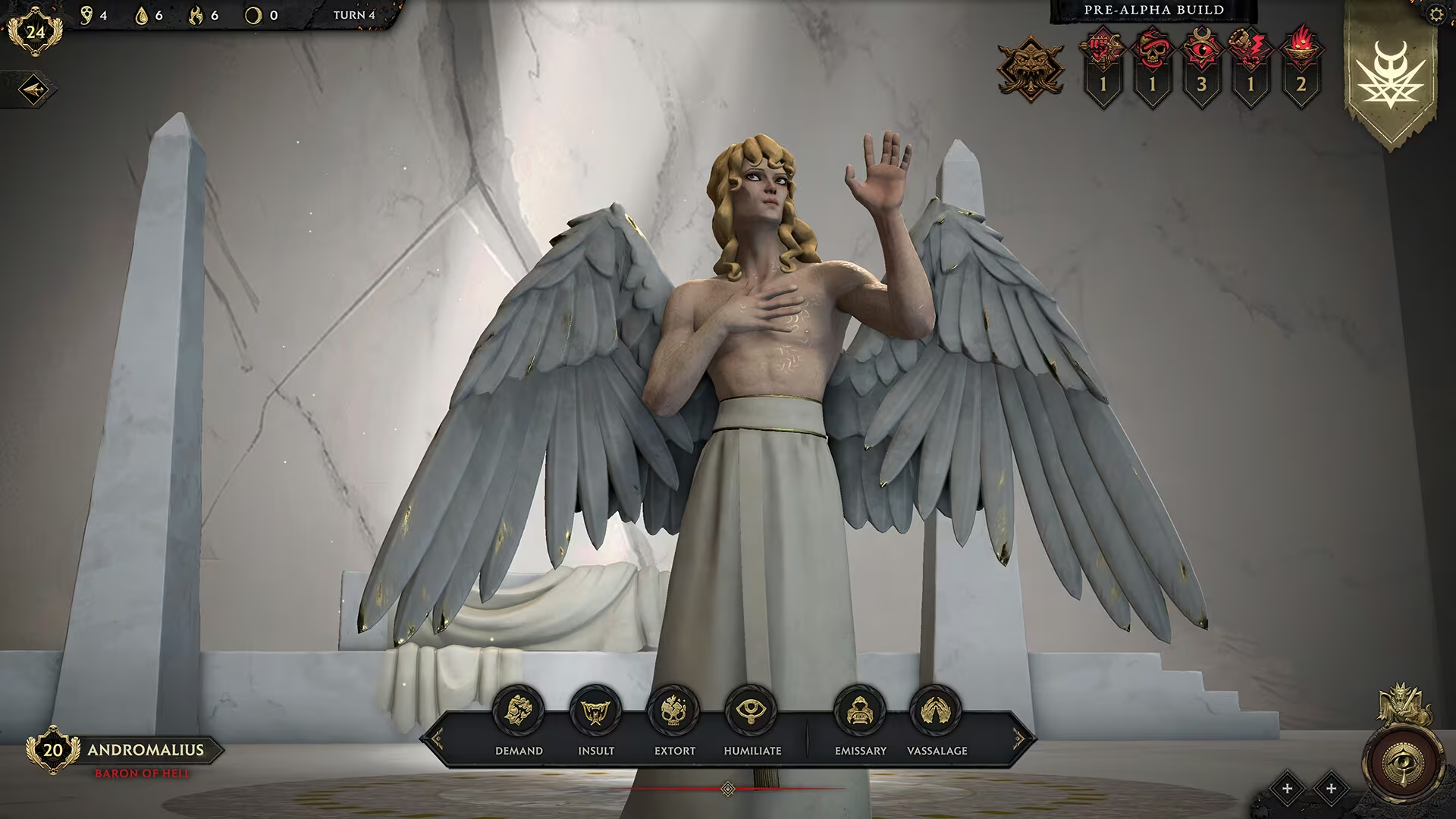
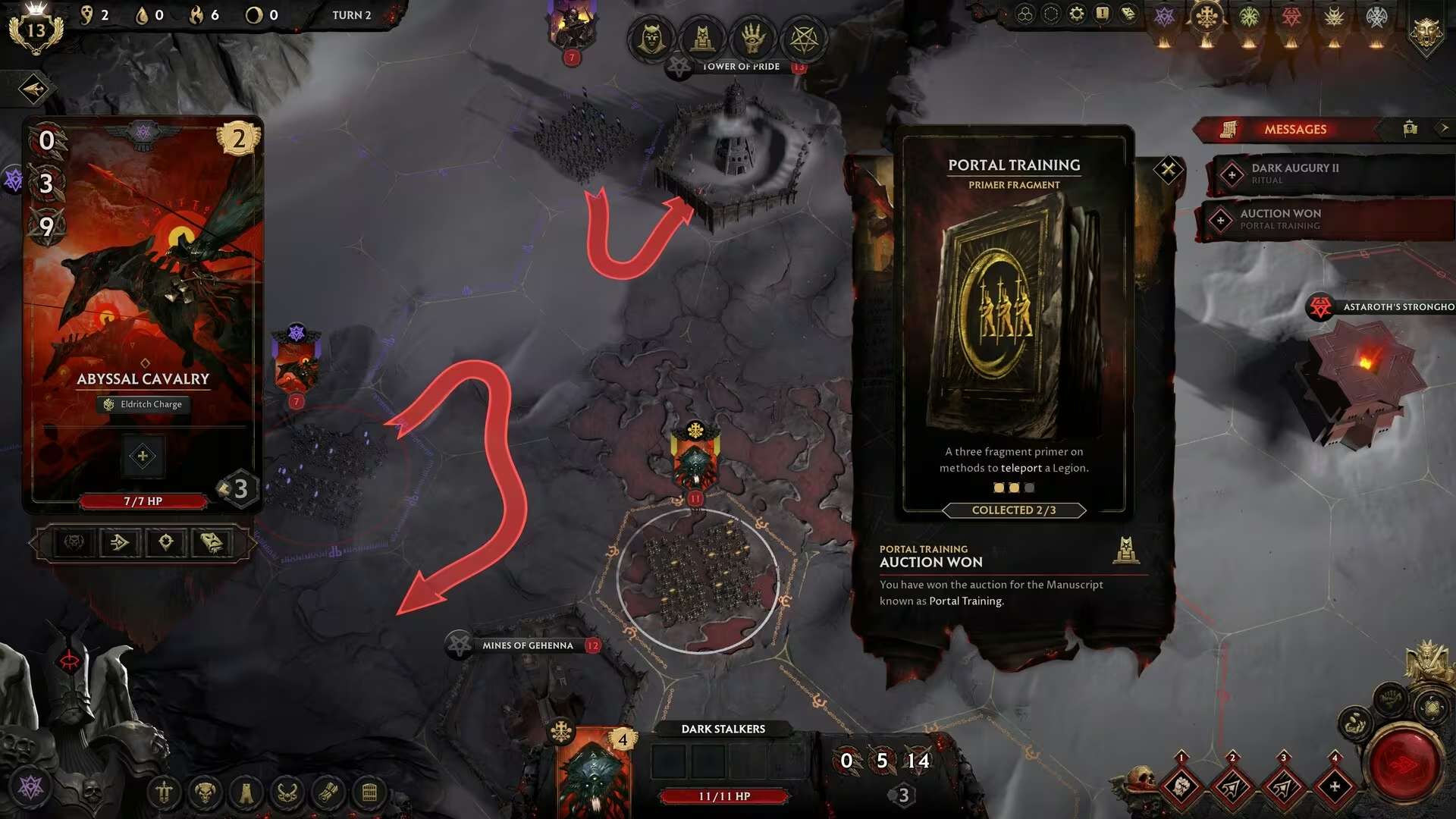
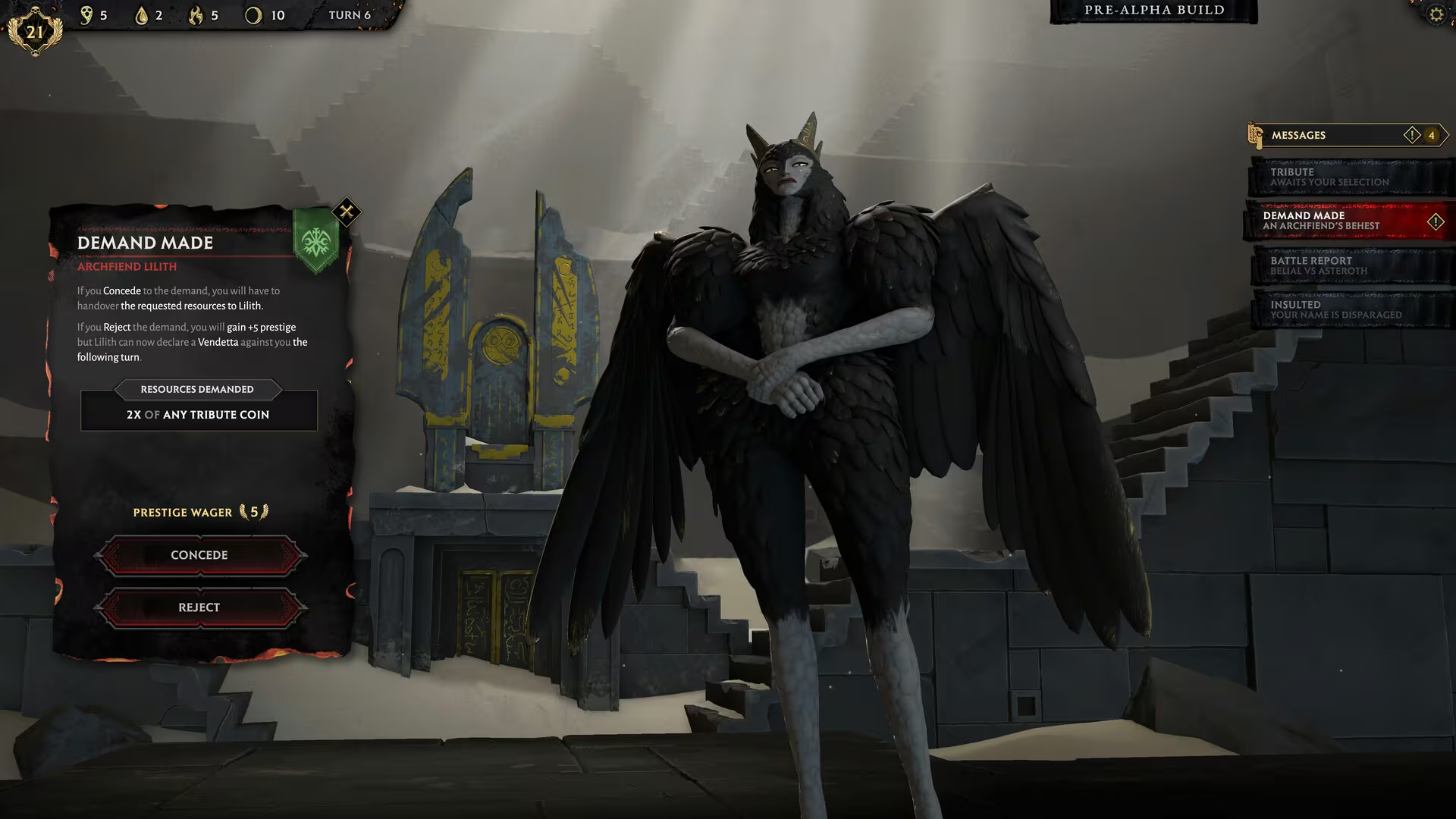
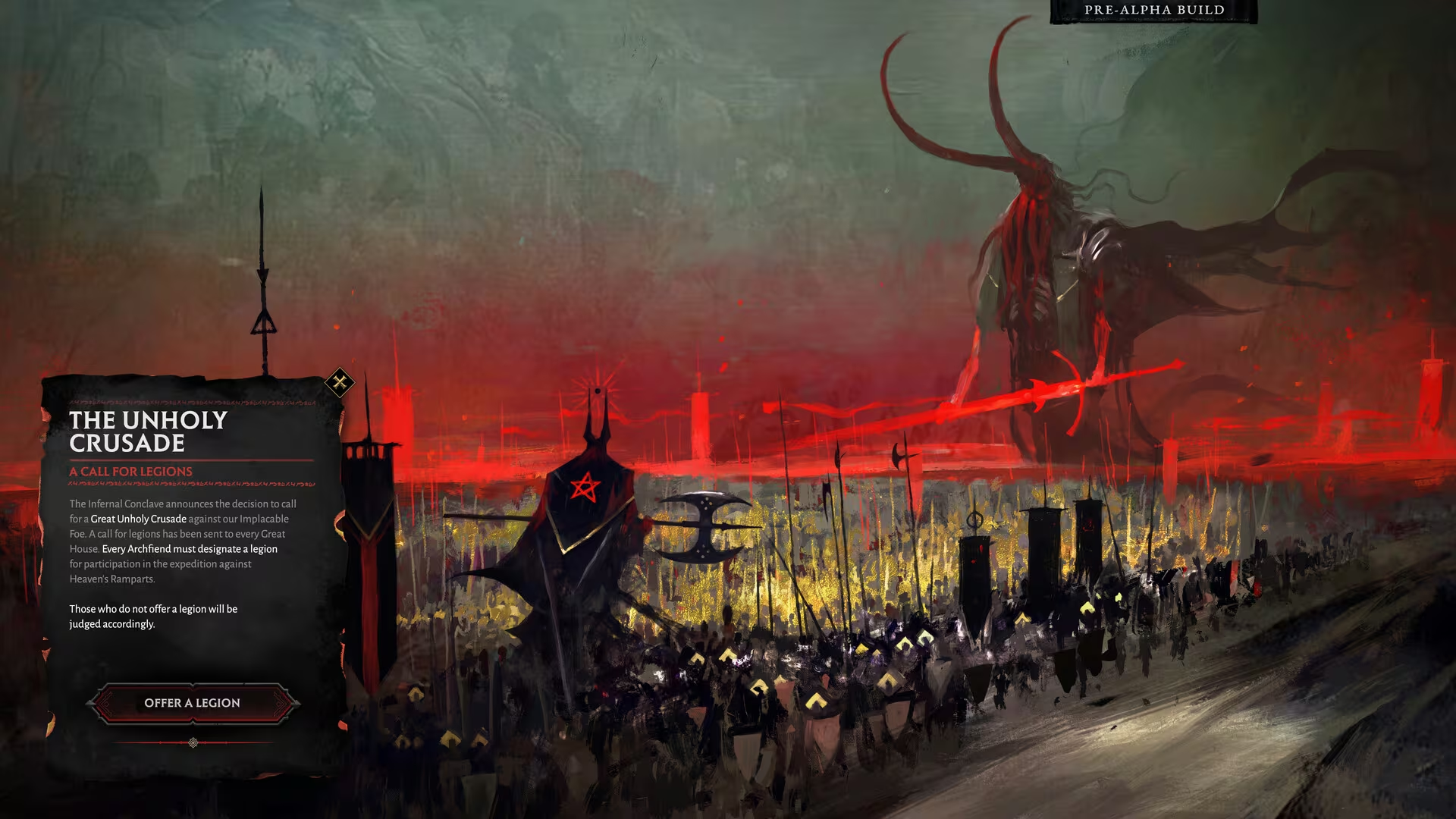
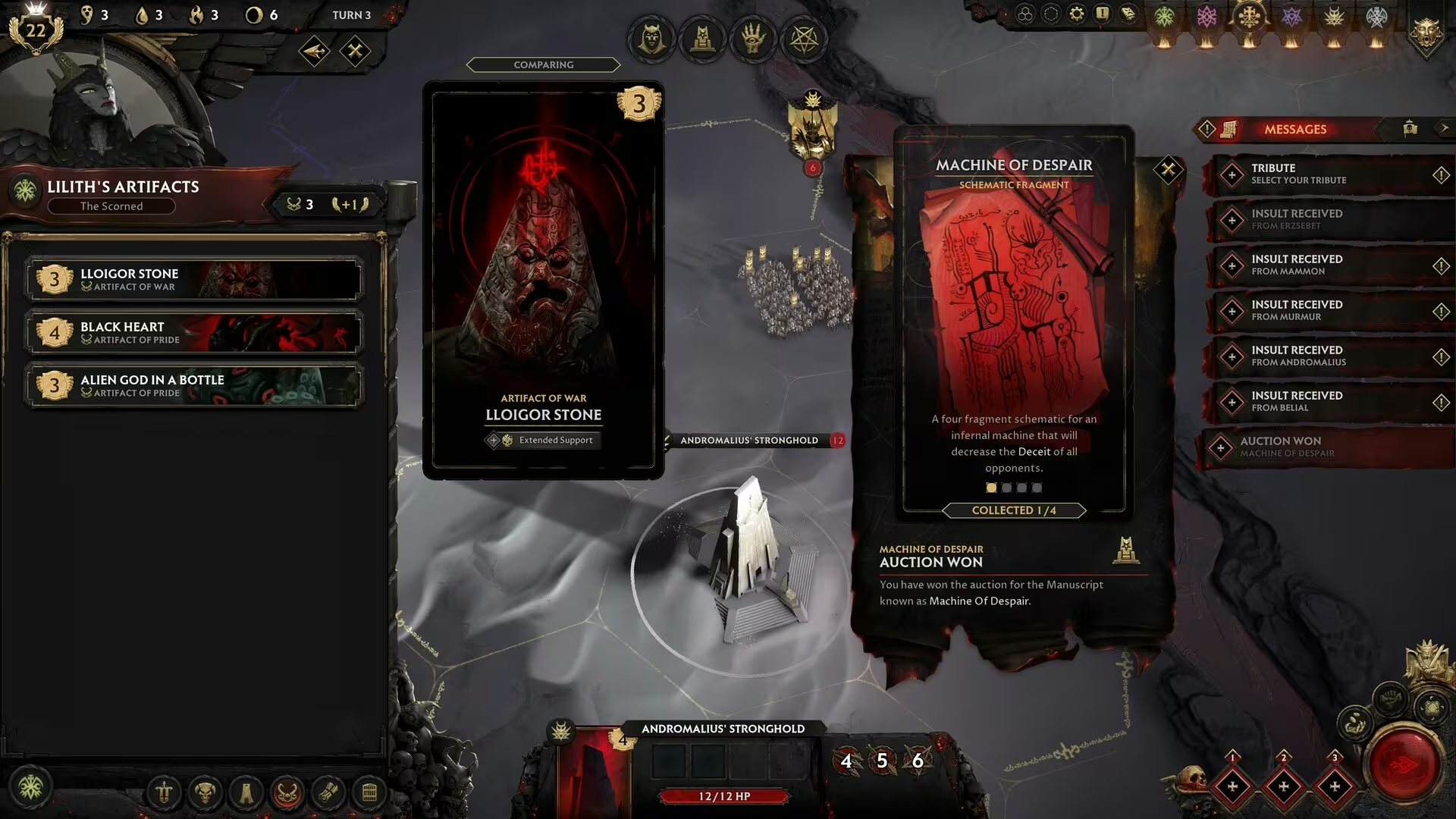
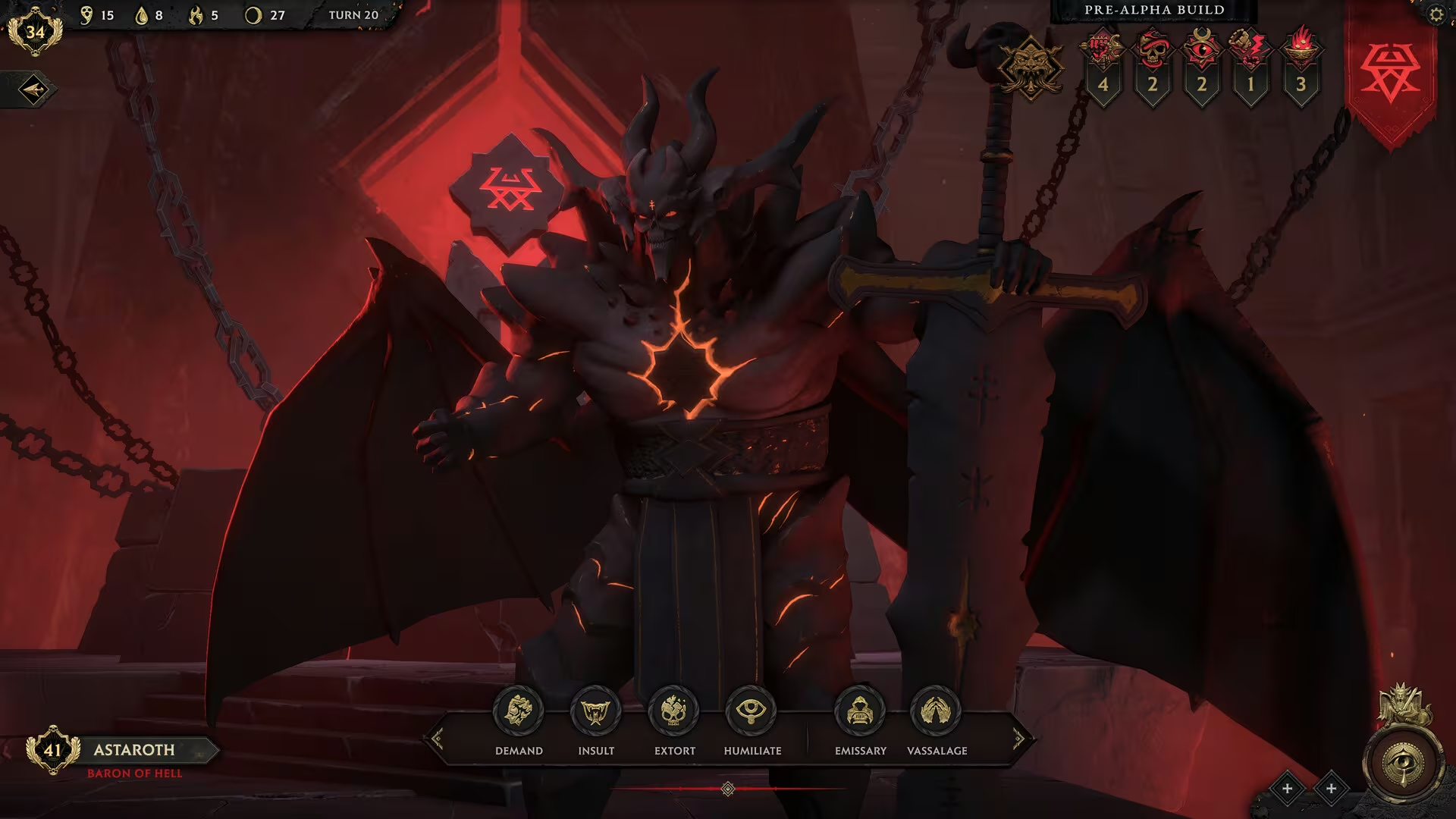
Take the Infernal Throne in this hellish turn-based grand strategy game. The Prince of Darkness has vanished, leaving Archfiends to conspire: muster your legions while intoning dark sorceries, devilish schemes, and machiavellian plots. Who will be the new ruler of Hell and ascend the Throne?

Global score

88/100

Genres

Indie, Strategy, Card & Board Game

Similar games

    Pros

    • Deep and unique strategic gameplay
    • Engaging multiplayer with asynchronous turns
    • Rich thematic setting and art
    • Meaningful diplomacy and political intrigue
    • High replayability with multiple strategies

    Cons

    • Steep learning curve and complex mechanics
    • Limited single player challenge due to weak ai
    • Small player base limits multiplayer availability
    • Some ui and documentation gaps
    • Long game sessions can be slow for some players

    Analysis

    Less representative of its motivational profile, with noticeable differences. Motivations that often define this kind of title include Competition, Fellowship, Domination, Status. Here, the score leans higher than usual among comparable games on Idle, Domination. It leans lower than usual among comparable games on Exploration.

    How to use the graph
    Similar games map

    Each dot is a game. They are arranged from the same motivation profile as in the “Motivations” section below. Closer dots usually mean more similar reasons to play (exploration, competition, relaxation, etc.)—not that one game is “better” than another.

    • Larger dot with a light outline: the game you are viewing.
    • Colour: groups of games with comparable motivation patterns (statistical clusters).
    • Hover a dot to see the game name; click to open its page.
    • Scroll or double-click the chart to zoom out and see more games.

    Why don’t the axes read like a score? This view uses t-SNE: it only keeps who is close to whom. The scales are not “good to bad” or hours played—they separate groups on the map. Read distance between dots, not the axis numbers.

    Motivations

    • Autonomy
      4

      "Players have meaningful choices in actions, strategies, and diplomatic maneuvers with freedom to direct their own plans."

    • Competence
      4

      "The game rewards skillful planning, strategic thinking, and mastering complex mechanics with clear feedback on performance."

    • Competition
      5

      "Strong emphasis on competing against other players for prestige and dominance, with multiplayer as the main mode."

    • Continuation
      3

      "Players engage in long sessions and asynchronous multiplayer encourages habitual play over extended periods."

    • Cooperation
      3

      "Diplomacy, alliances, and negotiation are key, encouraging working with others temporarily to achieve goals."

    • Creativity
      3

      "Players customize archfiends, relics, and strategies, and create unique plans and schemes in gameplay."

    • Domination
      4

      "The game encourages exerting superiority through manipulation, backstabbing, and political power plays."

    • Escapism
      4

      "The dark fantasy hell setting and immersive theme provide strong escapism from real life."

    • Expectation
      -4

      "Players engage voluntarily out of intrinsic interest and enjoyment rather than obligation or pressure."

    • Experimenting
      4

      "The game encourages trying new strategies, testing mechanics, and exploring different diplomatic and combat options."

    • Exploration
      -2

      "Gameplay focuses on known maps and strategic positions rather than discovering new areas or secrets."

    • Expression
      3

      "Players customize archfiends and relic loadouts, expressing their playstyle and personality."

    • Fantasy
      5

      "Strongly rooted in imaginative fiction with demons, hellish politics, rituals, and supernatural elements."

    • Fellowship
      4

      "Multiplayer and community interaction, including roleplaying and messaging, foster a sense of belonging."

    • Growth
      4

      "Players learn complex systems, improve strategic skills, and develop mastery over time."

    • Health
      -4

      "Primarily sedentary gameplay with no physical activity or health-related features."

    • Idle
      3

      "Asynchronous multiplayer allows for intermittent play and fitting turns into daily schedules."

    • Intimacy
      2

      "Some social interaction and camaraderie in multiplayer, but limited to strategic communication rather than close relationships."

    • Leadership
      3

      "Players lead their archfiends and legions, making authoritative decisions in pursuit of victory."

    • Progression
      4

      "Players accumulate prestige, resources, legions, and upgrades to strengthen their position."

    • Relaxation
      -1

      "While some find it engaging and rewarding, the game can be tense and requires careful planning."

    • Sensation
      3

      "Enjoyable art, music, and thematic elements provide sensory stimulation and emotional engagement."

    • Status
      4

      "Recognition through multiplayer victories, prestige rankings, and community reputation."

    • Story
      3

      "Narrative flavor and lore enrich the experience, though gameplay is not heavily story-driven."

    • Strategy
      5

      "Core gameplay revolves around deep strategic thinking, planning, and problem solving."

    • Thrill
      3

      "Tense moments and suspense arise from political intrigue, battles, and uncertain outcomes."

    • Value
      3

      "Players perceive good value in replayability, depth, and multiplayer engagement despite niche appeal."

    • Violence
      3

      "Combat and destruction of rival legions are important gameplay elements."

    • Survival
      3

      "Players must manage threats, resources, and strategic defense to avoid defeat."

    Last update: 29/04/2026