The friends of Ringo Ishikawa similar games & best alternatives
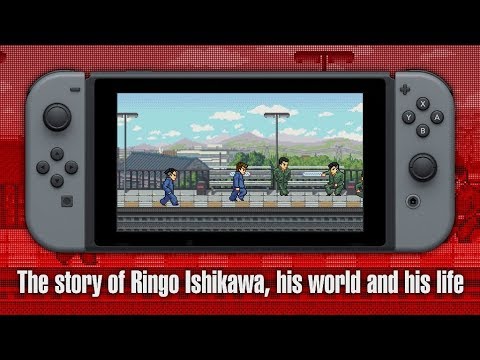
The friends of Ringo Ishikawa
2018
Related articles
Quick resume
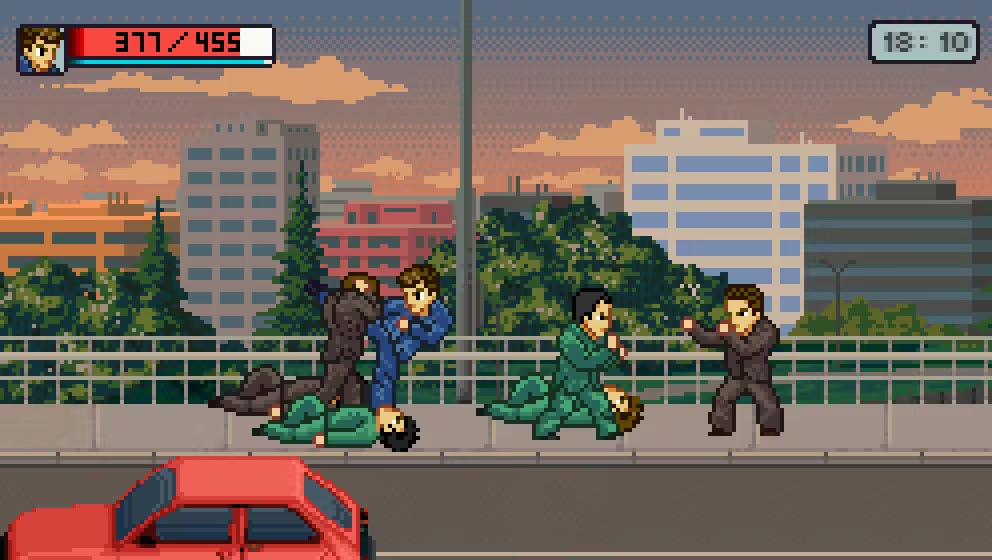
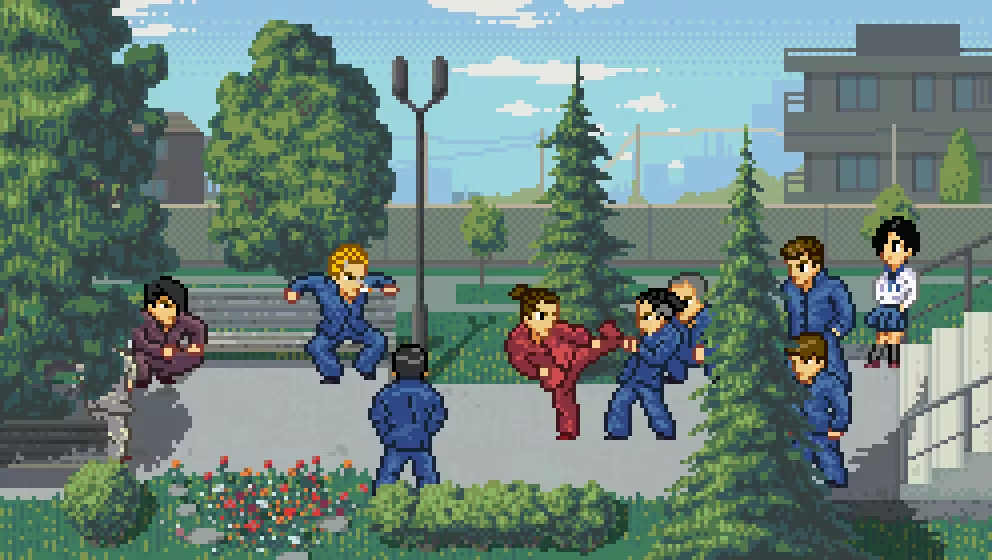
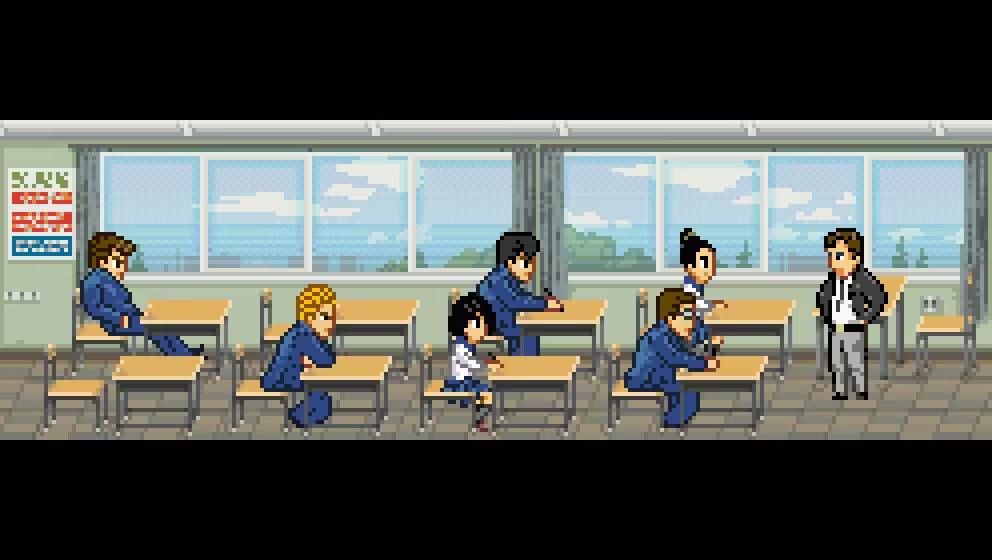
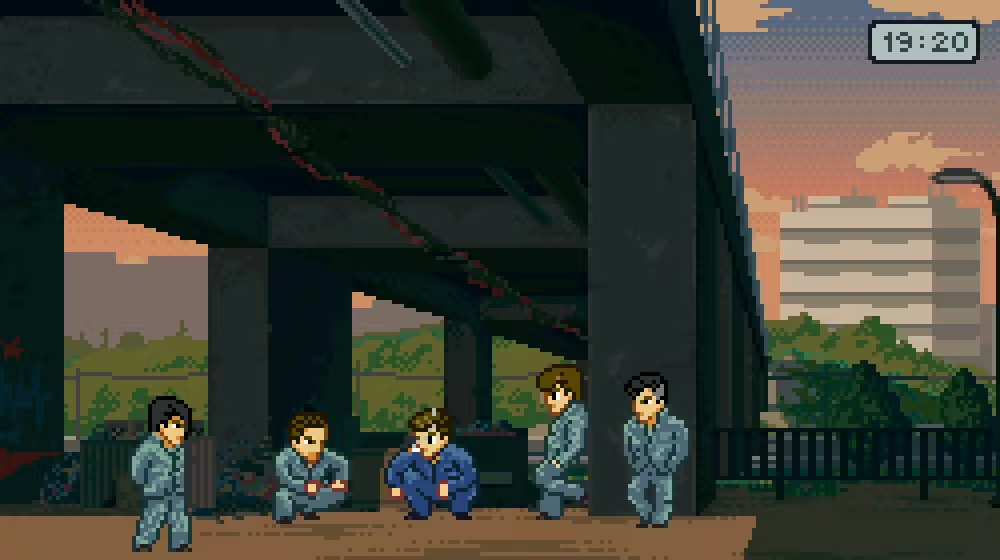
A highschool gang leader Ringo Ishikawa trying to live through his last autumn before graduation. With his best friends.
Global score
89/100
Genres
Action, Adventure, Indie, Role-playing (RPG), Fighting
Similar games
Pros
- Deep, existential story and atmosphere
- Open world with freedom of choice
- Well-written characters and dialogue
- Engaging combat with skill progression
- Excellent chill lo-fi soundtrack
Cons
- Lack of tutorials or guidance
- Some cryptic or vague mechanics
- Single ending with abrupt conclusion
- Minor bugs and control quirks
- No map or navigation aid
Analysis
Less representative of its motivational profile, with noticeable differences. Motivations that often define this kind of title include Cooperation, Fellowship, Intimacy, Leadership. Here, the score leans higher than usual among comparable games on Idle. It leans lower than usual among comparable games on Fantasy, Expression.
How to use the graph
Similar games map
Each dot is a game. They are arranged from the same motivation profile as in the “Motivations” section below. Closer dots usually mean more similar reasons to play (exploration, competition, relaxation, etc.)—not that one game is “better” than another.
- Larger dot with a light outline: the game you are viewing.
- Colour: groups of games with comparable motivation patterns (statistical clusters).
- Hover a dot to see the game name; click to open its page.
- Scroll or double-click the chart to zoom out and see more games.
Why don’t the axes read like a score? This view uses t-SNE: it only keeps who is close to whom. The scales are not “good to bad” or hours played—they separate groups on the map. Read distance between dots, not the axis numbers.
Motivations
-
Autonomy5
"Players have full freedom to choose daily activities, explore the open world, and decide how to spend time without handholding or forced objectives."
-
Competence3
"Combat requires skill and progression through training; players improve stats and learn moves, though some aspects are cryptic and challenging."
-
Competition-3
"Focus is on personal progression and story rather than competing against others; no ranked modes or leaderboards."
-
Continuation3
"Players often engage in repeated playthroughs to discover new events and explore the world; some find it addictive and immersive."
-
Cooperation2
"Players can recruit and fight alongside gang members, encouraging some teamwork, but much gameplay is solo."
-
Creativity1
"Limited customization or creation; players can choose activities and approach but mostly use predefined structures."
-
Domination-4
"Interactions emphasize equal relationships and mutual respect; no evidence of exerting control or superiority over others."
-
Escapism4
"Players use the game as a meditative escape from real life, appreciating its atmosphere and existential themes."
-
Expectation-4
"Players engage voluntarily out of personal interest and intrinsic motivation rather than obligation or pressure."
-
Experimenting3
"Players explore mechanics, discover hidden events, and experiment with different playstyles and routines."
-
Exploration4
"Open world encourages discovering new areas, secrets, and events; exploration is a key part of the experience."
-
Expression-2
"Minimal character customization; expression mainly through choices and interactions rather than visual personalization."
-
Fantasy-3
"Grounded in realistic, slice-of-life scenarios and Japanese delinquent culture; no fantastical or improbable elements."
-
Fellowship3
"Strong sense of community and friendship among characters; players experience group dynamics and social bonds."
-
Growth4
"Focus on learning new moves, improving stats, studying, and personal development throughout the game."
-
Health-3
"Sedentary gameplay with smoking and fighting; no physical activity beyond in-game training simulations."
-
Idle3
"Some activities involve waiting or slow progression, such as reading or studying, allowing for relaxed play sessions."
-
Intimacy3
"Players form close relationships with friends and NPCs through meaningful dialogue and shared experiences."
-
Leadership3
"Player leads a gang and makes decisions affecting group dynamics, though leadership is informal and collaborative."
-
Progression4
"Players accumulate stats, learn new combat moves, gain money, and improve academic performance over time."
-
Relaxation4
"Calm, lo-fi music and atmospheric environments promote relaxation and contemplative flow states."
-
Sensation3
"Enjoyable pixel art visuals and chill soundtrack provide sensory pleasure and emotional engagement."
-
Status-2
"Recognition is limited to in-game social circles; no broader social status or visibility systems."
-
Story5
"Strong narrative immersion with well-written characters and existential themes driving player engagement."
-
Strategy2
"Combat and time management require planning and tactical thinking, though not highly complex."
-
Thrill1
"Some tension in combat and story, but overall experience is more contemplative than suspenseful."
-
Value4
"Players report high emotional and experiential value, with many hours of meaningful engagement."
-
Violence2
"Combat and fighting are central mechanics, though violence is stylized and contextualized within story."
-
Survival1
"Some resource management (hunger, health) and avoiding defeat in fights, but low-risk overall."
Last update: 29/04/2026