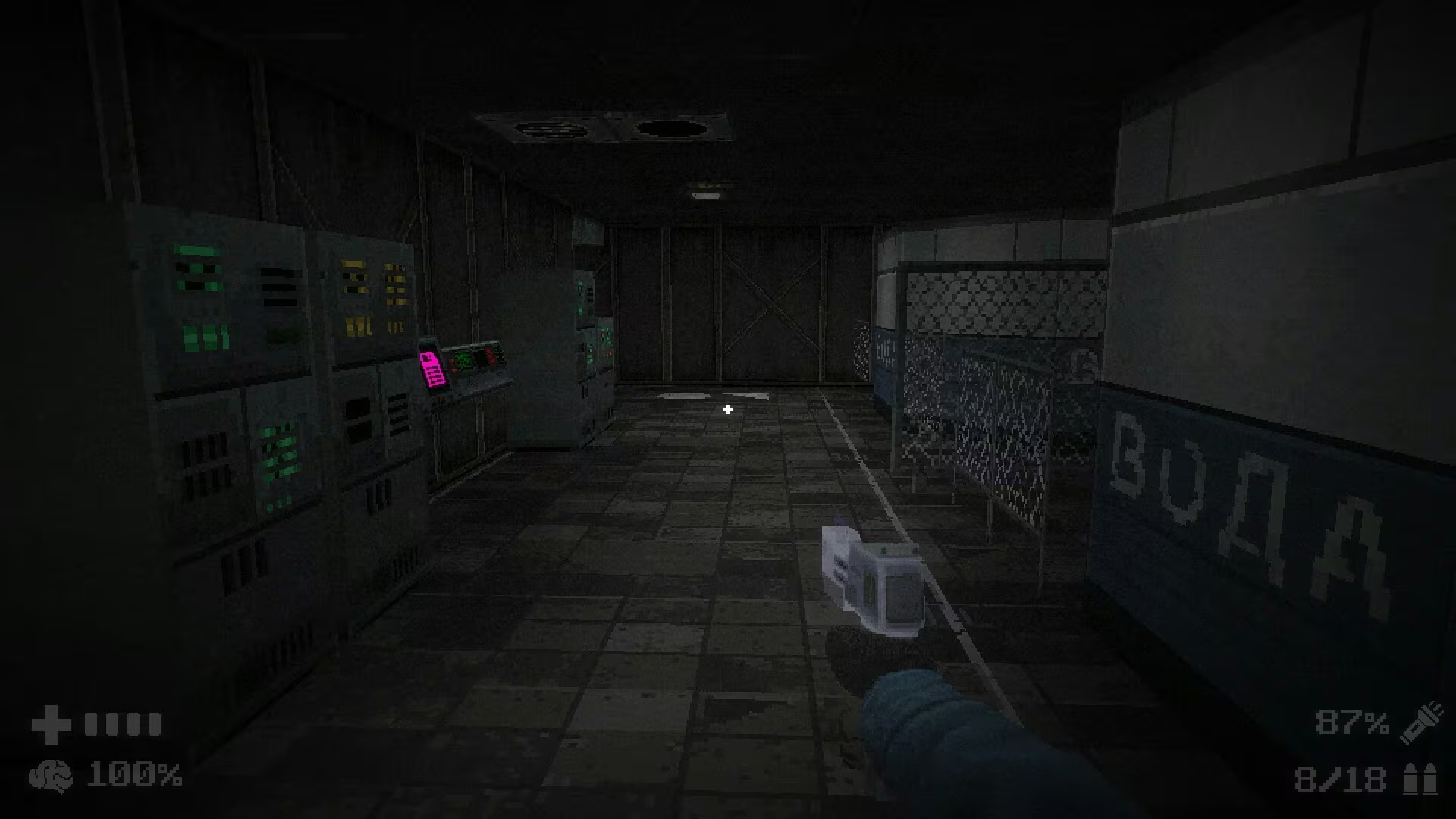
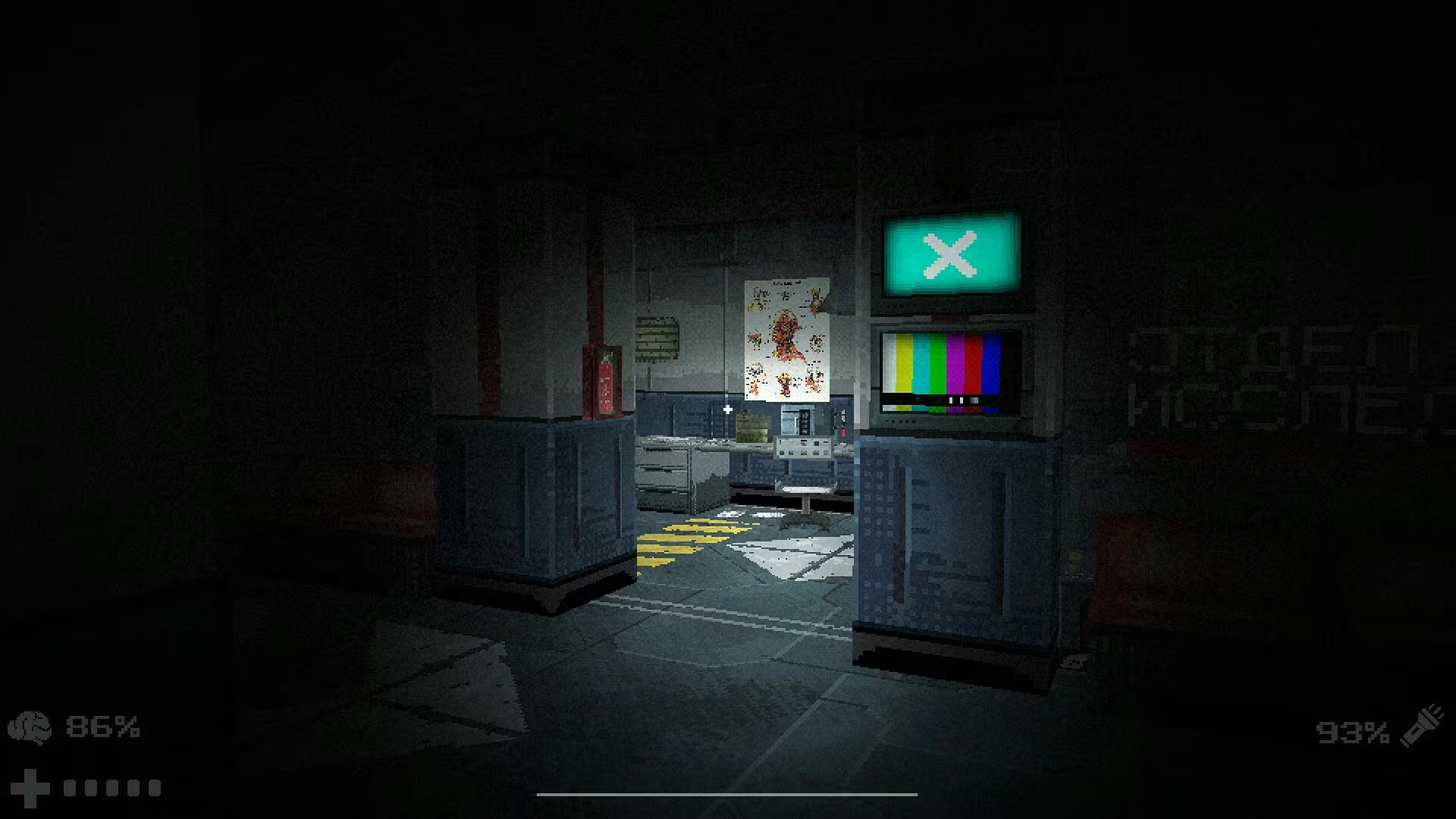
ZERO PROTOCOL Thumbnail

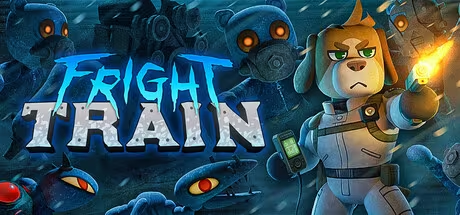
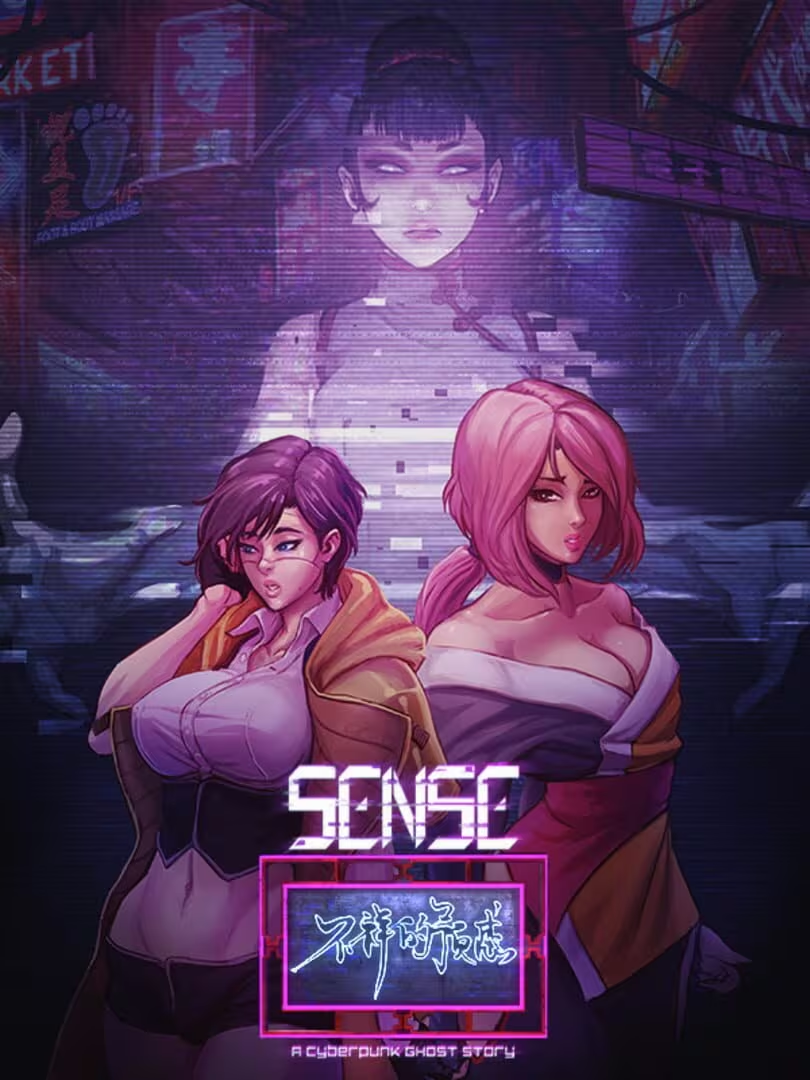
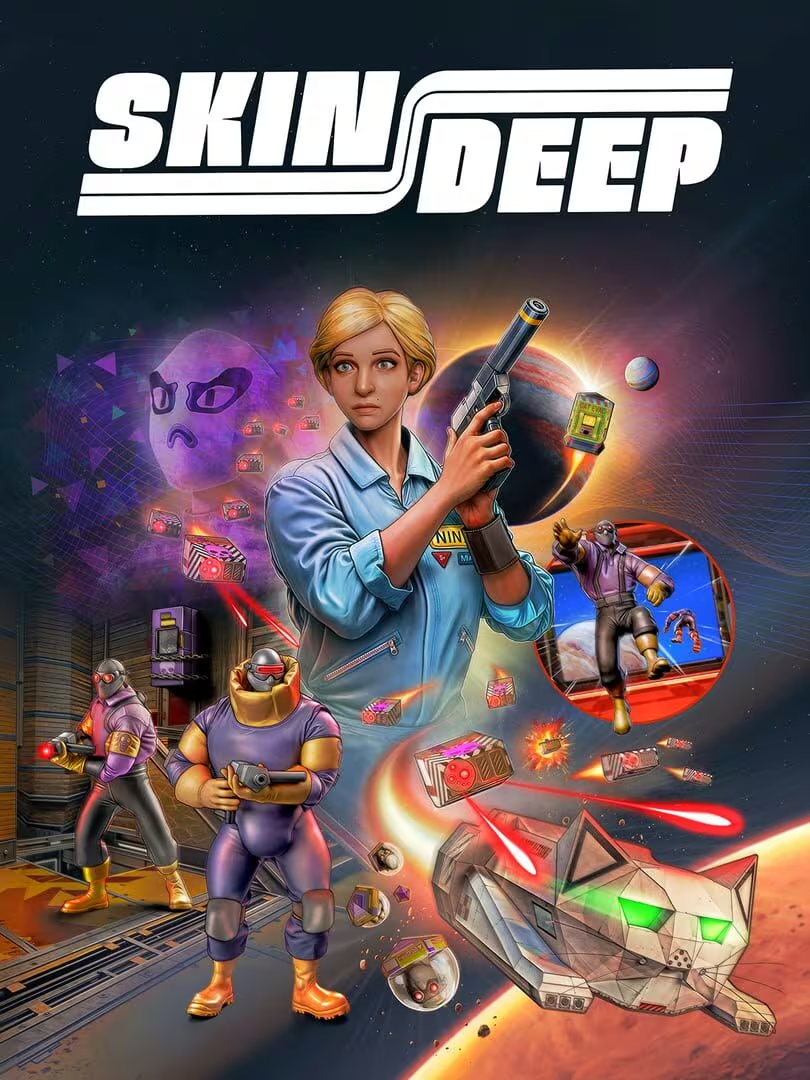
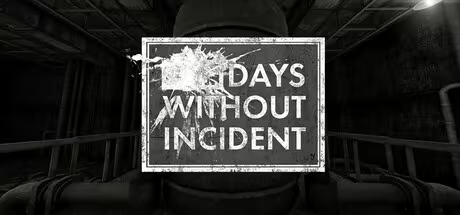
ZERO PROTOCOL similar games & best alternatives
ZERO PROTOCOL

PC (Microsoft Windows) • 2024

Related articles

Quick resume

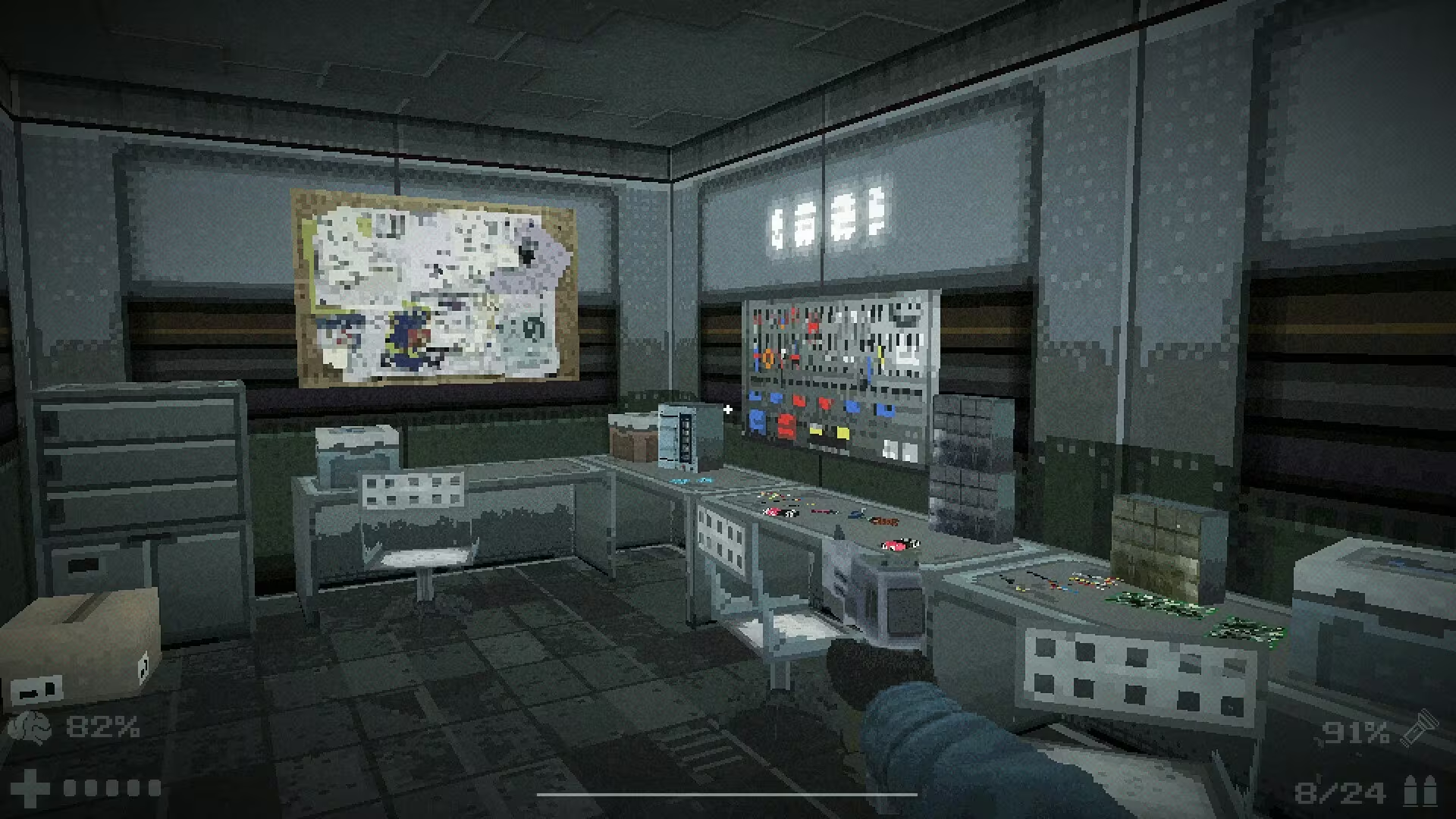
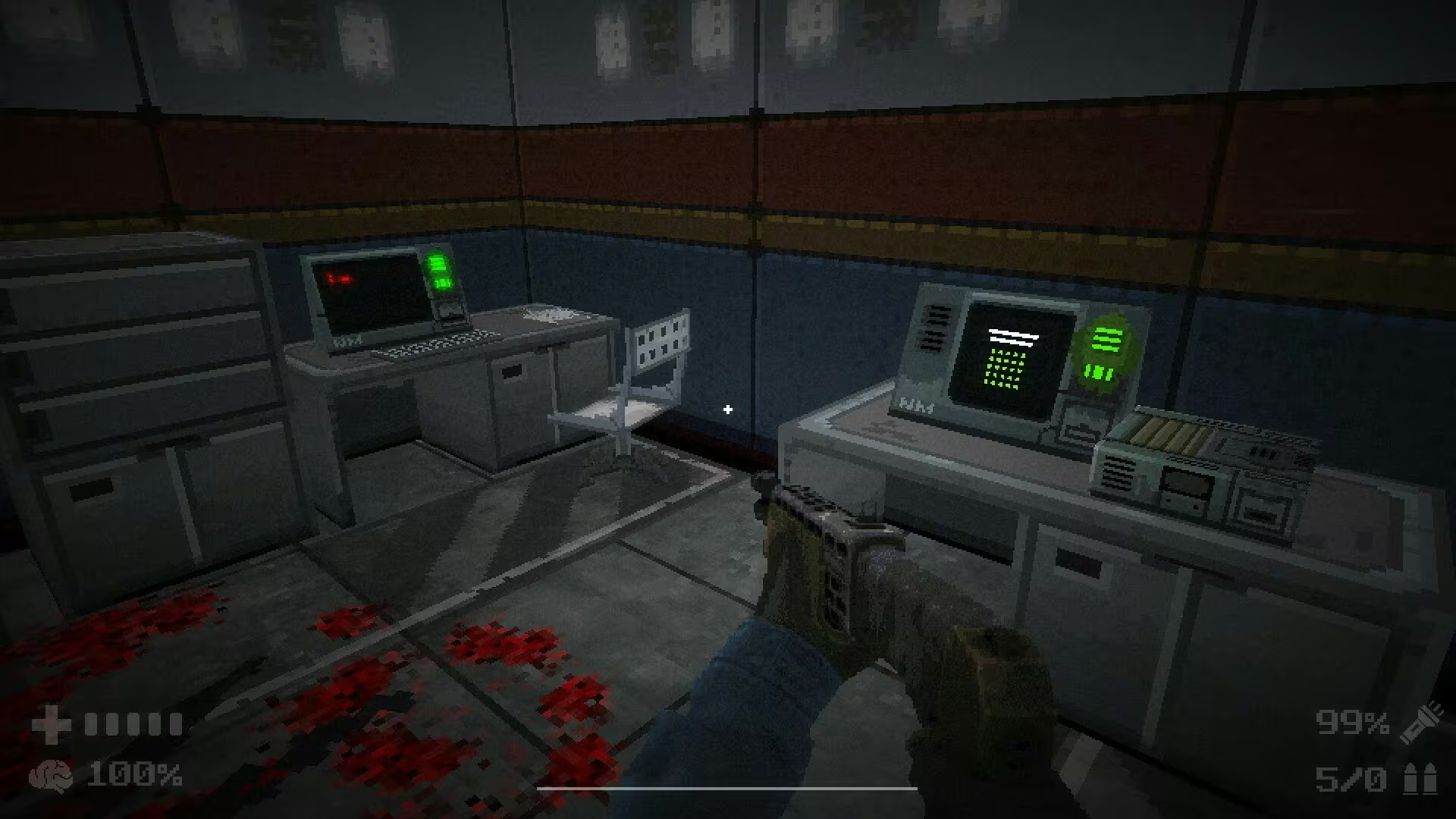
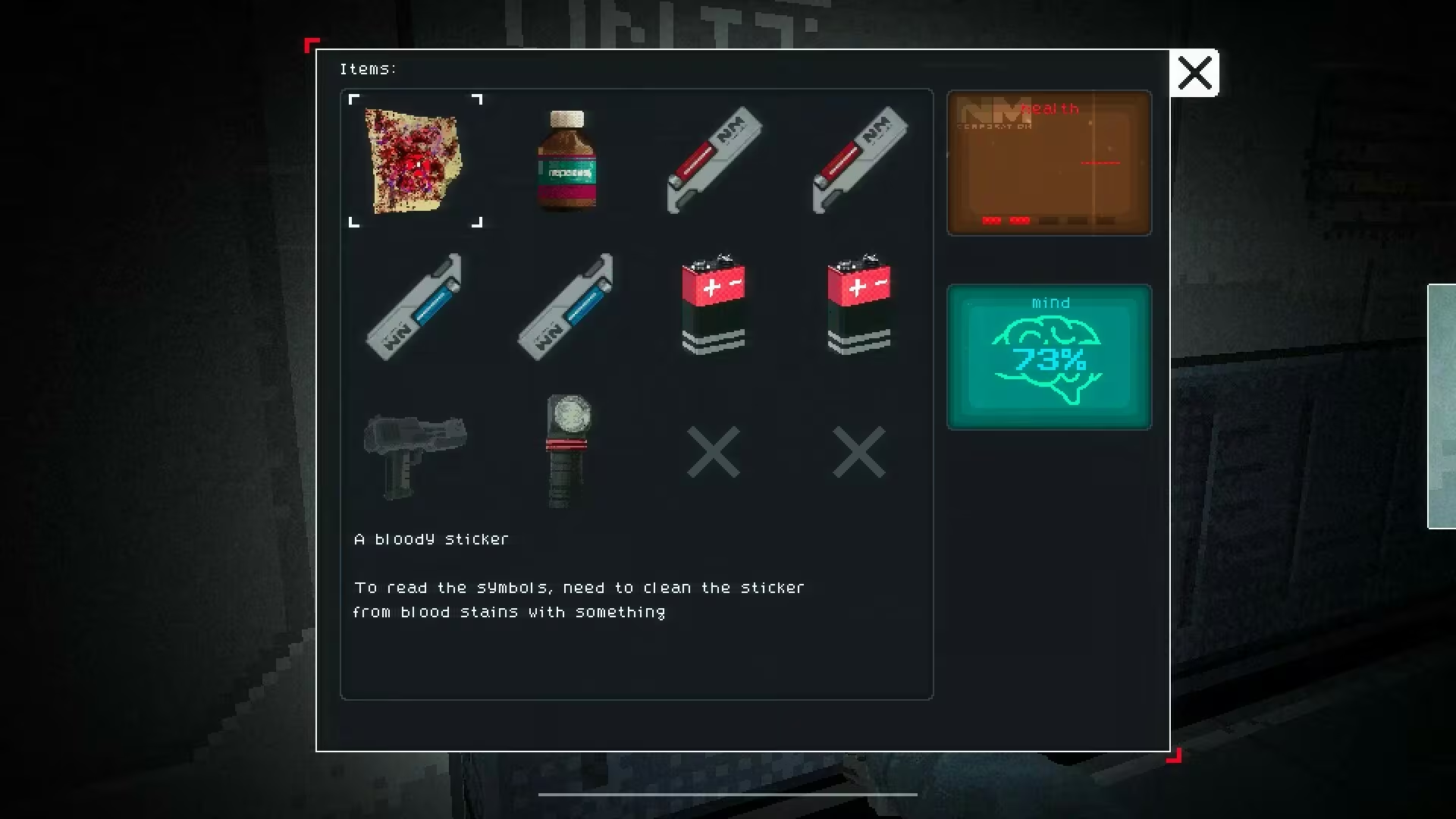
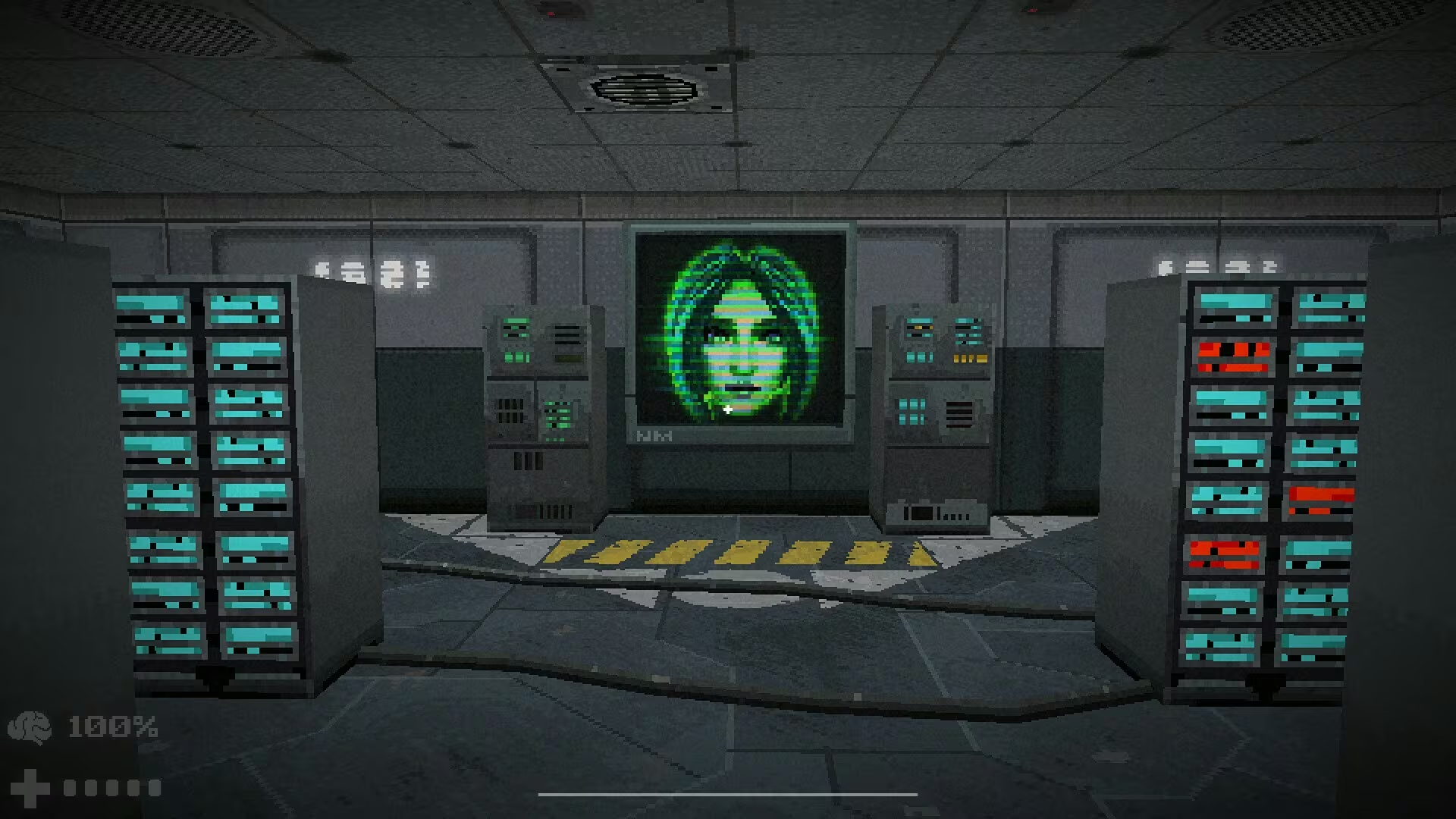
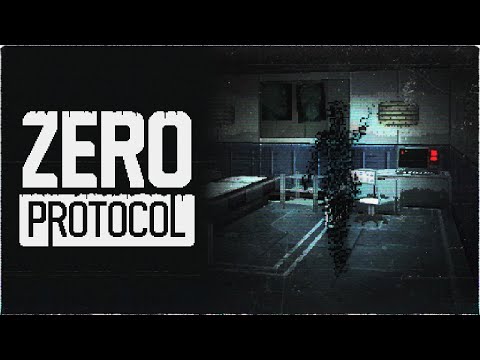
In this immersive sci-fi thriller, you will experience the atmosphere of classic 3D games as you solve puzzles, follow an intriguing non-linear storyline, and engage in battles with monsters.

Global score

84/100

Genres

Action, Adventure

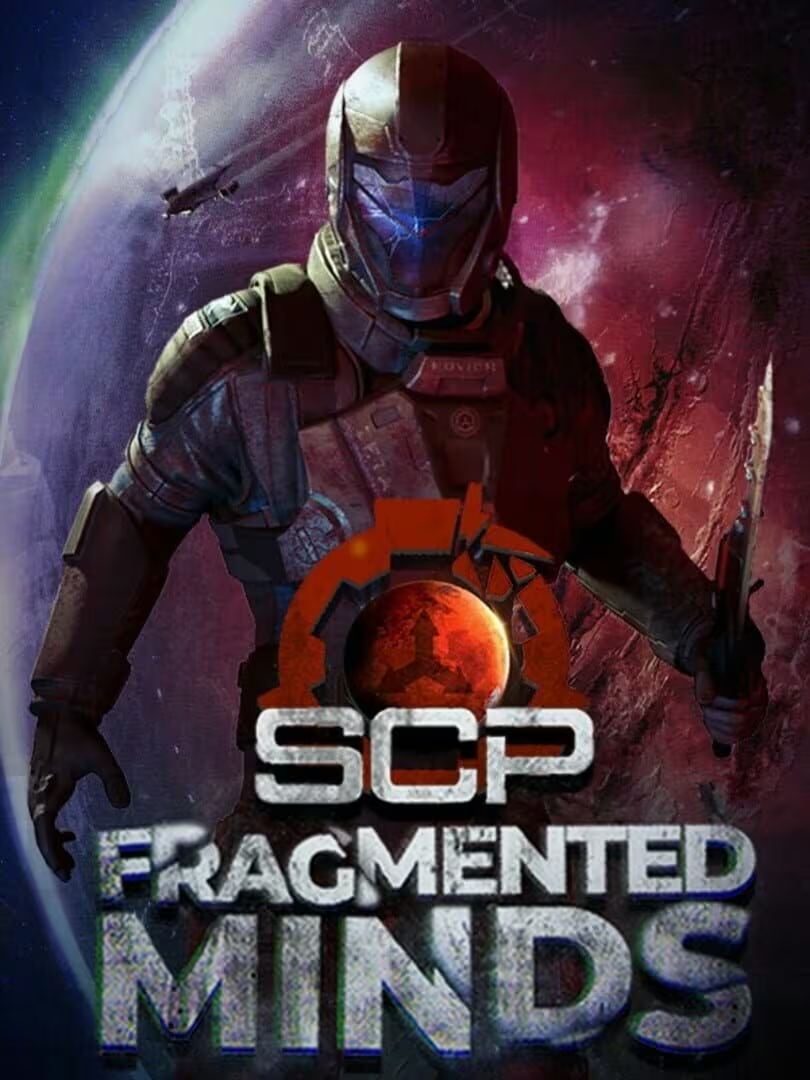
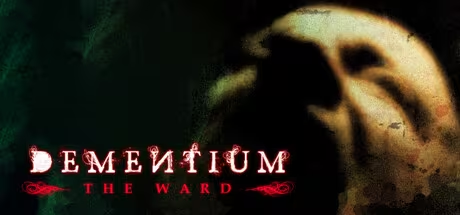
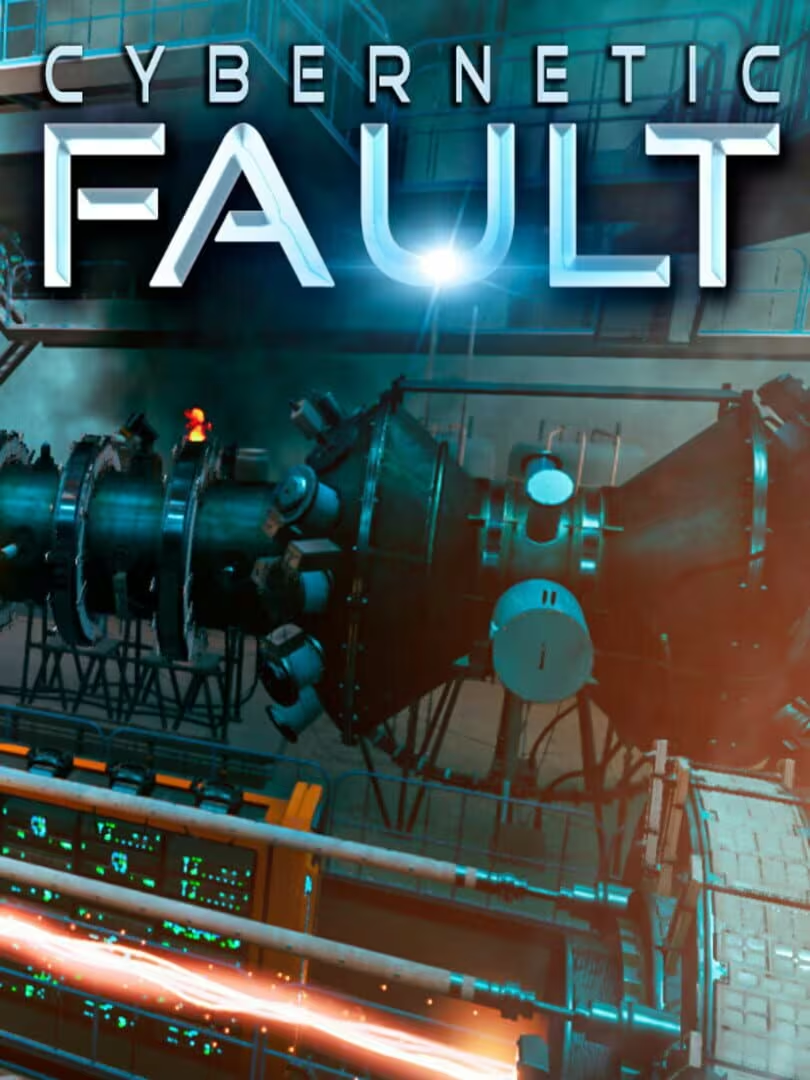
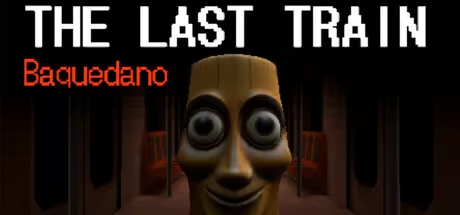
Similar games

    Pros

    • Great atmosphere and sound design
    • Engaging puzzles and multiple endings
    • Short and well-paced
    • Nostalgic retro aesthetic
    • Solid story and lore

    Cons

    • Limited enemy variety and basic combat
    • Annoying spider enemies
    • Some puzzles can be obscure
    • Short length
    • Minor technical issues and ui quirks

    Analysis

    A very typical example of its motivational profile. Motivations that often define this kind of title include Expression, Fellowship, Cooperation, Competition. Here, the score leans higher than usual among comparable games on Thrill. It leans lower than usual among comparable games on Expression, Intimacy.

    How to use the graph
    Similar games map

    Each dot is a game. They are arranged from the same motivation profile as in the “Motivations” section below. Closer dots usually mean more similar reasons to play (exploration, competition, relaxation, etc.)—not that one game is “better” than another.

    • Larger dot with a light outline: the game you are viewing.
    • Colour: groups of games with comparable motivation patterns (statistical clusters).
    • Hover a dot to see the game name; click to open its page.
    • Scroll or double-click the chart to zoom out and see more games.

    Why don’t the axes read like a score? This view uses t-SNE: it only keeps who is close to whom. The scales are not “good to bad” or hours played—they separate groups on the map. Read distance between dots, not the axis numbers.

    Motivations

    • Autonomy
      3

      "Players can explore levels, solve puzzles, and choose paths leading to multiple endings, indicating moderate player control over decisions."

    • Competence
      3

      "Puzzles require deduction and some trial and error; combat is basic but requires resource management and aiming skills."

    • Competition
      -5

      "No evidence of competitive modes or player comparison; focus is on individual exploration and puzzle solving."

    • Continuation
      2

      "Multiple endings and replayability encourage continued play, though the game is short and some players do not replay extensively."

    • Cooperation
      -5

      "Entirely single-player experience with no cooperative elements mentioned."

    • Creativity
      2

      "Players use snapshot mechanic and puzzle solving creatively, but mostly work within predefined level designs and puzzles."

    • Domination
      -5

      "No evidence of exerting control or superiority over others; single-player focused."

    • Escapism
      4

      "Strong atmospheric horror and immersive story provide escape from real life; players report being spooked and absorbed."

    • Expectation
      -4

      "Players engage voluntarily for enjoyment and nostalgia; no indication of obligation or pressure."

    • Experimenting
      2

      "Some experimentation with puzzle solutions and sanity mechanic, but largely follows established gameplay routines."

    • Exploration
      3

      "Players explore multiple floors, uncover secrets, and find hidden notes and codes."

    • Expression
      -5

      "No customization or avatar personalization; uses standardized presentation."

    • Fantasy
      3

      "Sci-fi horror setting with supernatural elements like sanity effects and hallucinations, blending imaginative fiction."

    • Fellowship
      -5

      "No social or community features; strictly single-player."

    • Growth
      3

      "Players learn puzzle solutions, manage resources, and improve combat skills over playthroughs."

    • Health
      -5

      "Sedentary gameplay with no physical activity or rehab elements."

    • Idle
      -3

      "Requires focused attention on puzzles, combat, and exploration; not suited for background play."

    • Intimacy
      -5

      "No evidence of forming close relationships or emotional social interactions."

    • Leadership
      -5

      "No leadership or group management roles; single-player experience."

    • Progression
      3

      "Players collect items, keycards, and unlock new areas; multiple endings encourage progression."

    • Relaxation
      2

      "Atmosphere creates tension but also moments of flow; some players find it relaxing despite scares."

    • Sensation
      3

      "Strong sensory stimulation through atmospheric audio, lighting, and horror elements."

    • Status
      -5

      "No social recognition or status systems present."

    • Story
      4

      "Narrative immersion through environmental storytelling, notes, multiple endings, and lore exploration."

    • Strategy
      3

      "Requires planning resource use, puzzle solving, and combat tactics."

    • Thrill
      4

      "Jump scares, tense atmosphere, and sanity mechanics create suspense and thrill."

    • Value
      3

      "Players generally feel the game offers fair value for its price and length."

    • Violence
      2

      "Combat involves shooting and melee attacks on enemies; some players find combat basic but present."

    • Survival
      3

      "Resource management, health and sanity meters, and enemy threats require survival tactics."

    Last update: 29/04/2026