Tomb Raider V: Chronicles (2000) Thumbnail

Tomb Raider V: Chronicles (2000) similar games & best alternatives

Tomb Raider V: Chronicles (2000)

PC (Microsoft Windows) • 2012

Related articles

Quick resume

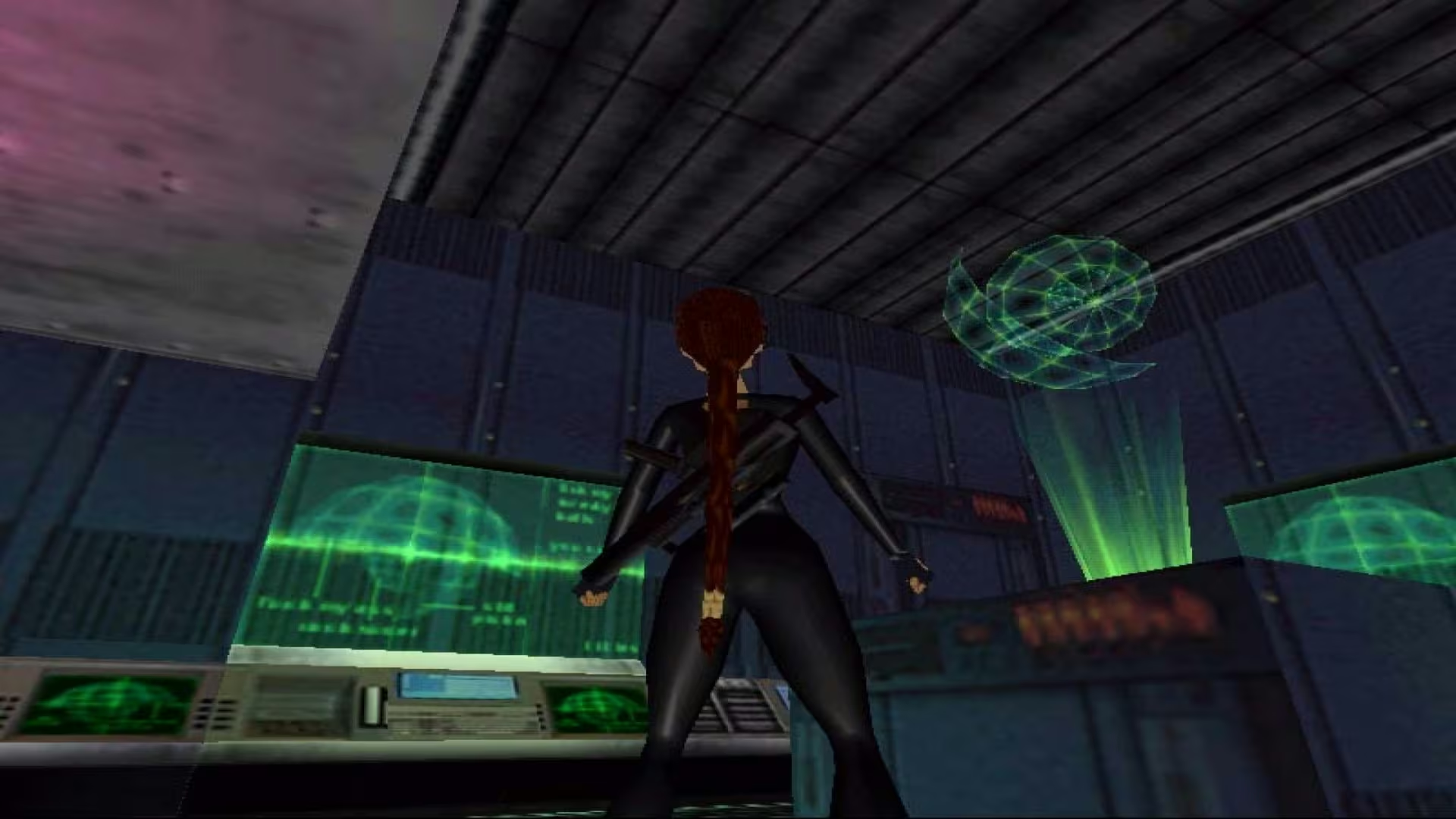
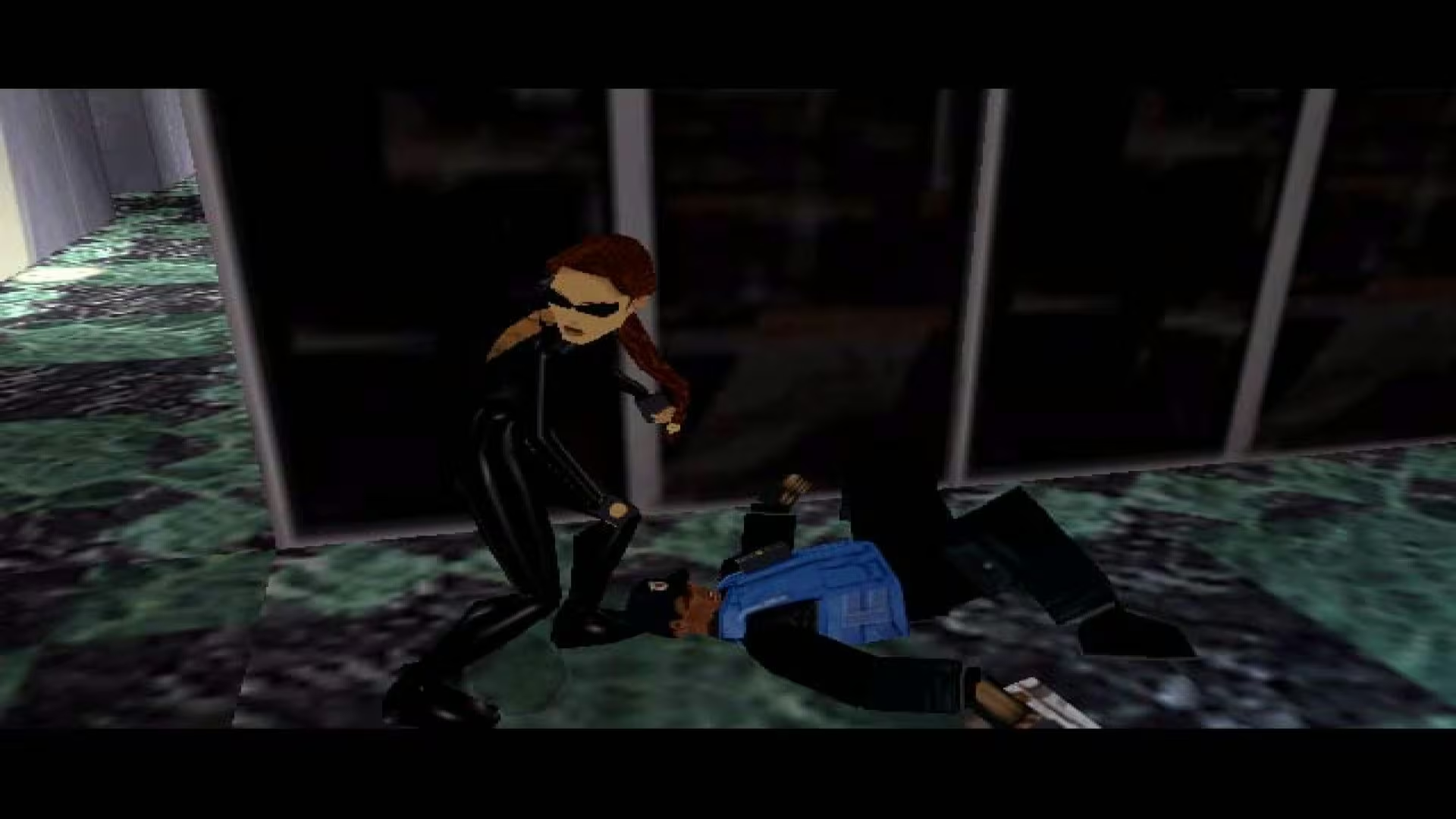
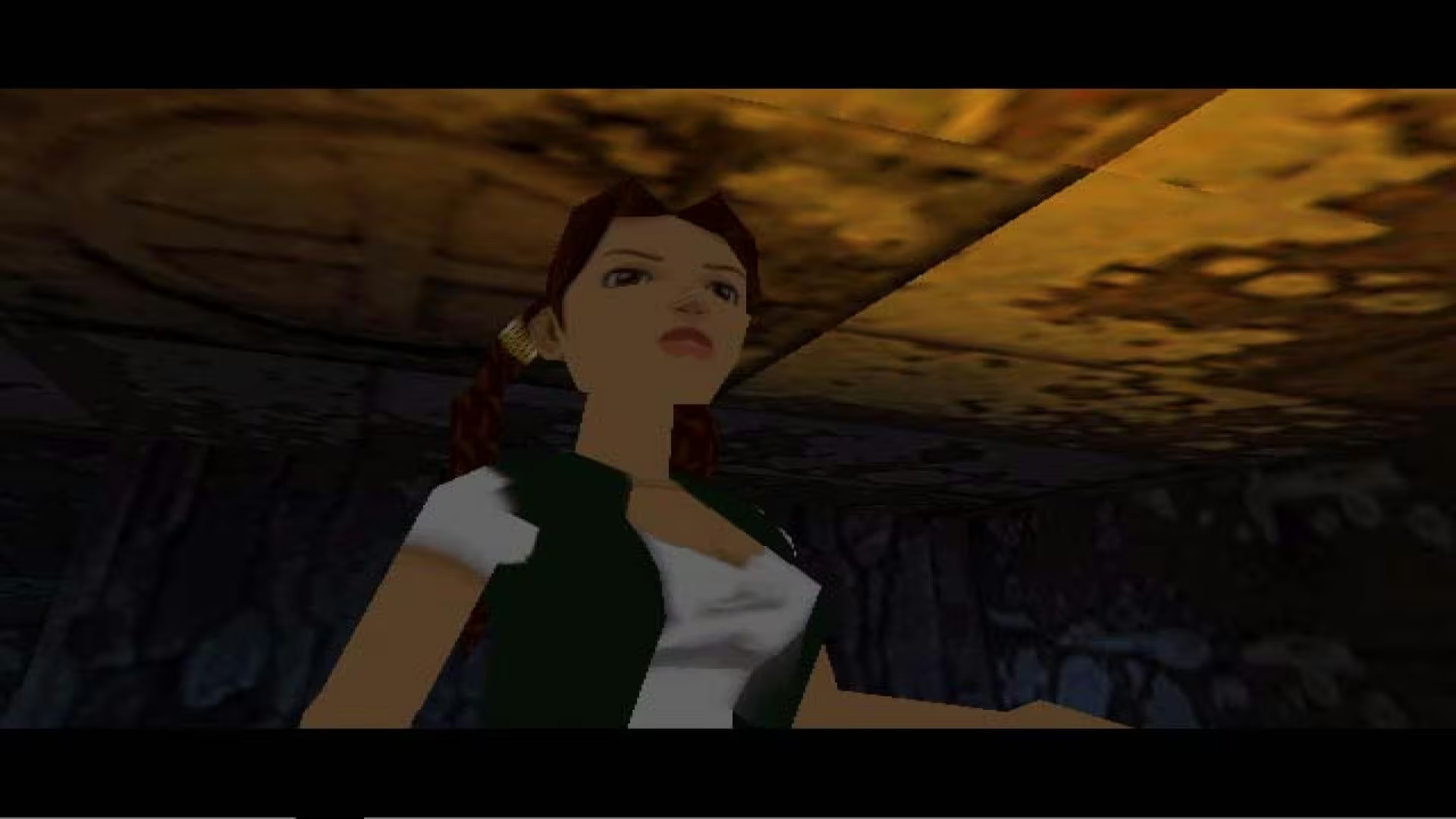
Lara Croft is missing in Egypt - presumed dead. Those closest to her gather together at the Croft Estate on a grey, rainy day for a memorial service in her honour. Afterwards, the friends sit quietly together in the study of the Croft Mansion and reminisce about Lara's past exploits; exploits that have until now remained a secret..

Global score

73/100

Genres

Action, Adventure

Similar games

    Pros

    • Nostalgic classic tomb raider gameplay
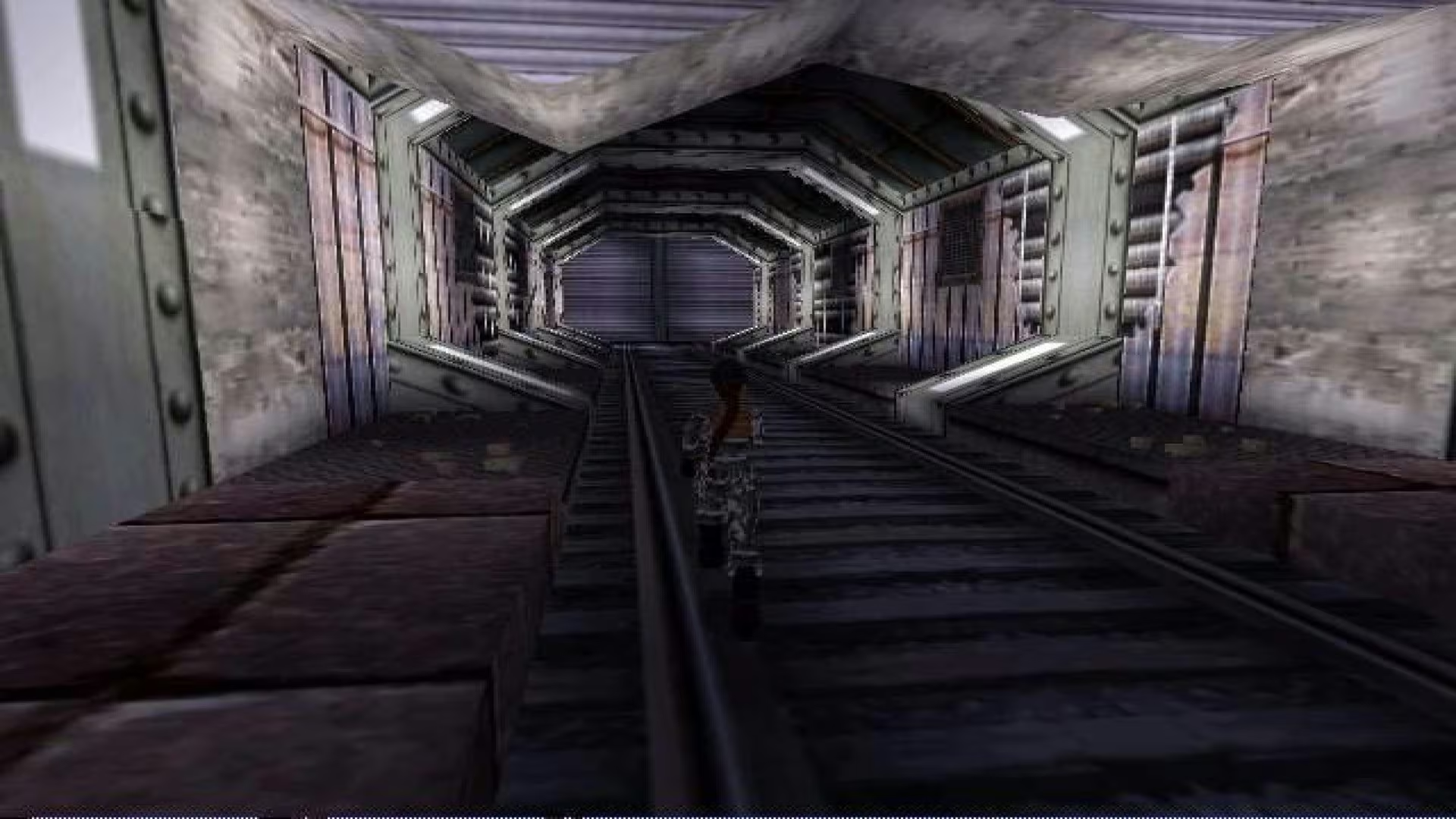
    • Varied level settings and atmospheres
    • Challenging puzzles and platforming
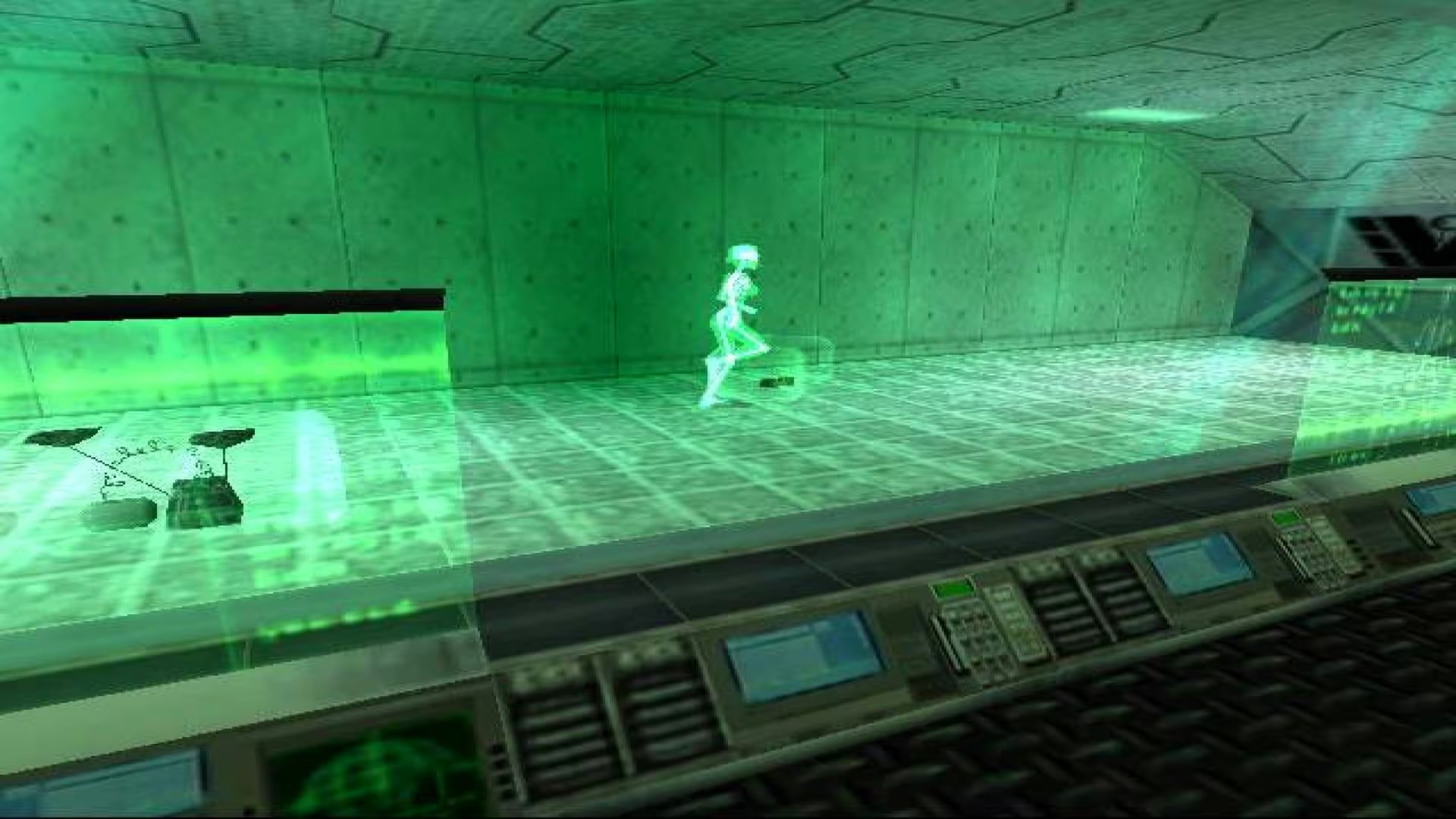
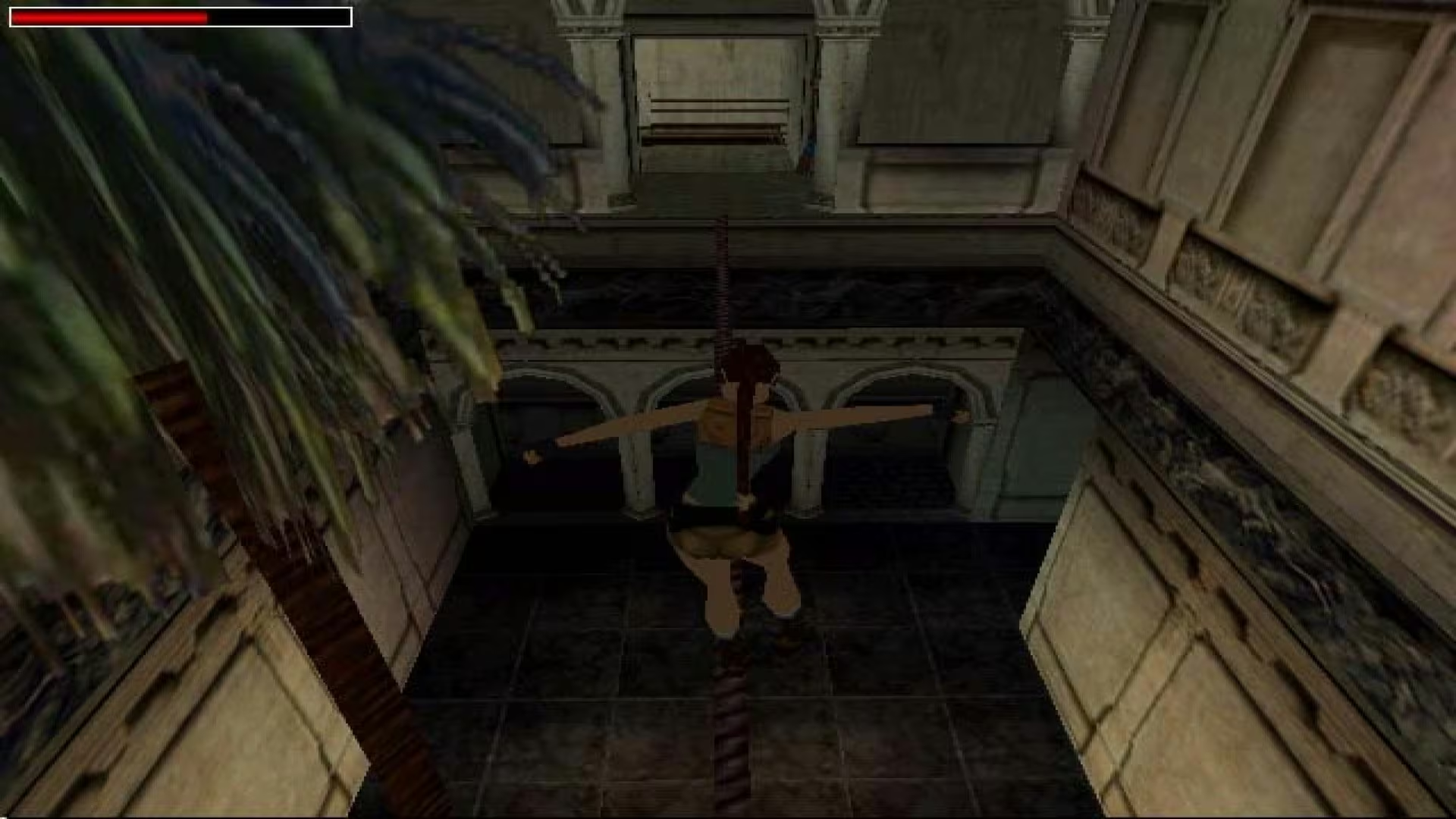
    • Introduction of stealth and new moves
    • Level editor included on second cd

    Cons

    • Short game length
    • Bugs and glitches especially in final levels
    • Outdated graphics and controls
    • Fragmented episodic story lacking cohesion
    • No multiplayer or social features

    Analysis

    A very typical example of its motivational profile. Motivations that often define this kind of title include Expression, Fellowship, Cooperation, Competition. Here, the score leans higher than usual among comparable games on Expression, Exploration. It leans lower than usual among comparable games on Intimacy.

    How to use the graph
    Similar games map

    Each dot is a game. They are arranged from the same motivation profile as in the “Motivations” section below. Closer dots usually mean more similar reasons to play (exploration, competition, relaxation, etc.)—not that one game is “better” than another.

    • Larger dot with a light outline: the game you are viewing.
    • Colour: groups of games with comparable motivation patterns (statistical clusters).
    • Hover a dot to see the game name; click to open its page.
    • Scroll or double-click the chart to zoom out and see more games.

    Why don’t the axes read like a score? This view uses t-SNE: it only keeps who is close to whom. The scales are not “good to bad” or hours played—they separate groups on the map. Read distance between dots, not the axis numbers.

    Motivations

    • Autonomy
      3

      "Players control Lara Croft through various levels with freedom to explore and solve puzzles, though within linear level design."

    • Competence
      3

      "The game offers challenging puzzles and platforming requiring skill and problem solving, though some parts are easier than previous titles."

    • Competition
      -5

      "Single-player experience focused on personal progression without competitive elements or player comparison."

    • Continuation
      2

      "Fans show nostalgia and replay value, but the game is relatively short and some players report frustration with bugs."

    • Cooperation
      -5

      "Entirely single-player with no cooperative or multiplayer features."

    • Creativity
      2

      "Includes new gameplay mechanics like tightrope walking and stealth, plus level editor on second CD, but mostly follows established Tomb Raider formula."

    • Domination
      -5

      "No evidence of dominance or power over others; gameplay is solo and narrative-driven."

    • Escapism
      4

      "Players use the game to immerse in adventurous and suspenseful settings, escaping real life through exploration and puzzles."

    • Expectation
      -3

      "Players engage out of personal desire and nostalgia, though some mention obligation to complete the series."

    • Experimenting
      1

      "Some experimentation with new moves and stealth mechanics, but largely follows familiar gameplay routines."

    • Exploration
      3

      "Emphasis on exploring varied environments and uncovering secrets across multiple distinct levels."

    • Expression
      1

      "Some character customization with different Lara outfits per episode, but limited overall expression."

    • Fantasy
      3

      "Features imaginative fiction with supernatural elements, ancient myths, and adventurous scenarios."

    • Fellowship
      -5

      "No social or community features; strictly single-player experience."

    • Growth
      2

      "Players develop skills in platforming and puzzle solving, though learning curve is moderate."

    • Health
      -5

      "Sedentary gameplay with no physical activity or health-related features."

    • Idle
      -3

      "Requires focused attention and continuous engagement due to puzzles and platforming challenges."

    • Intimacy
      -5

      "No close social interactions or relationship building; solo gameplay."

    • Leadership
      -5

      "No leadership or group management roles present."

    • Progression
      2

      "Players collect items and secrets within levels, but inventory resets between episodes limiting long-term accumulation."

    • Relaxation
      1

      "Some moments of flow and atmosphere, but also frustration from difficulty spikes and bugs."

    • Sensation
      2

      "Atmospheric sound and visuals provide sensory engagement, though graphics are dated."

    • Status
      -5

      "No social recognition or status systems."

    • Story
      2

      "Narrative told through episodic flashbacks with some immersion, but lacks a cohesive overarching plot."

    • Strategy
      2

      "Requires problem solving and planning to overcome puzzles and navigate levels."

    • Thrill
      2

      "Includes suspenseful and tense moments, especially in stealth and survival sections."

    • Value
      2

      "Offers reasonable entertainment value especially for fans and collectors at low price points."

    • Violence
      2

      "Contains combat and enemy encounters, but less emphasis on violence compared to exploration and puzzles."

    • Survival
      2

      "Some survival elements in stealth and avoiding enemies, though not a core focus."

    Last update: 29/04/2026