Black Book similar games & best alternatives
Black Book
2021
Related articles
Quick resume
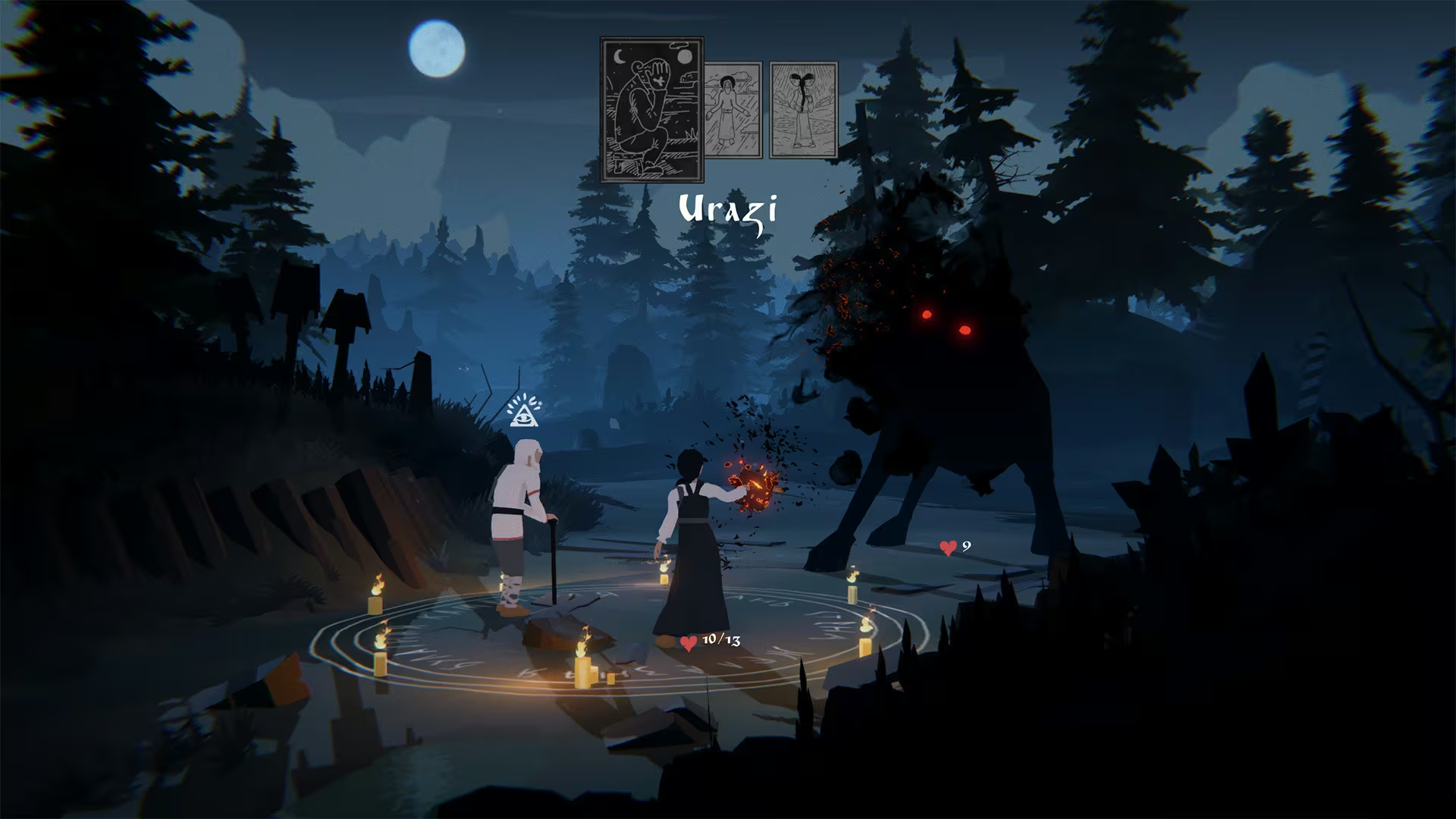
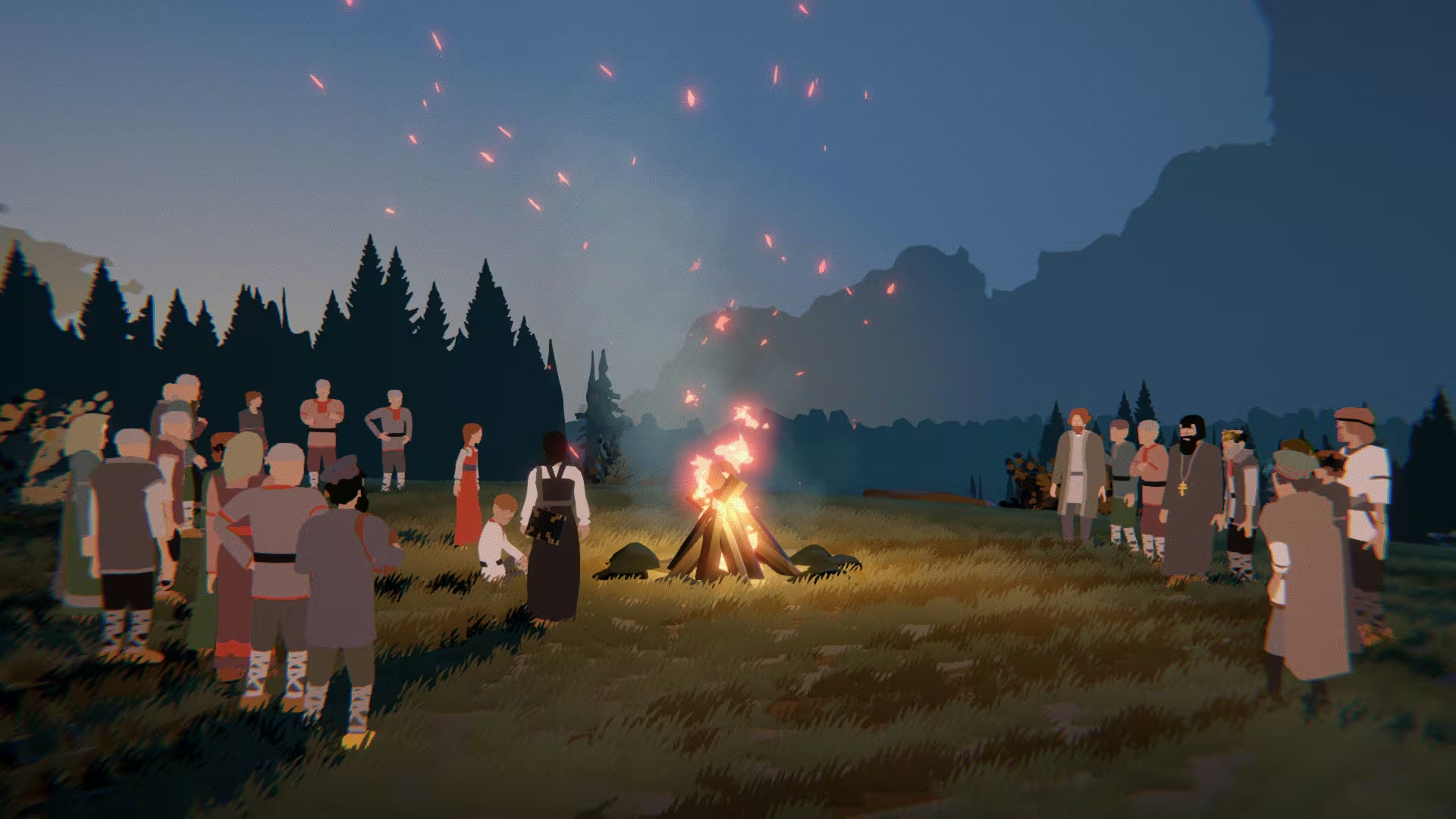
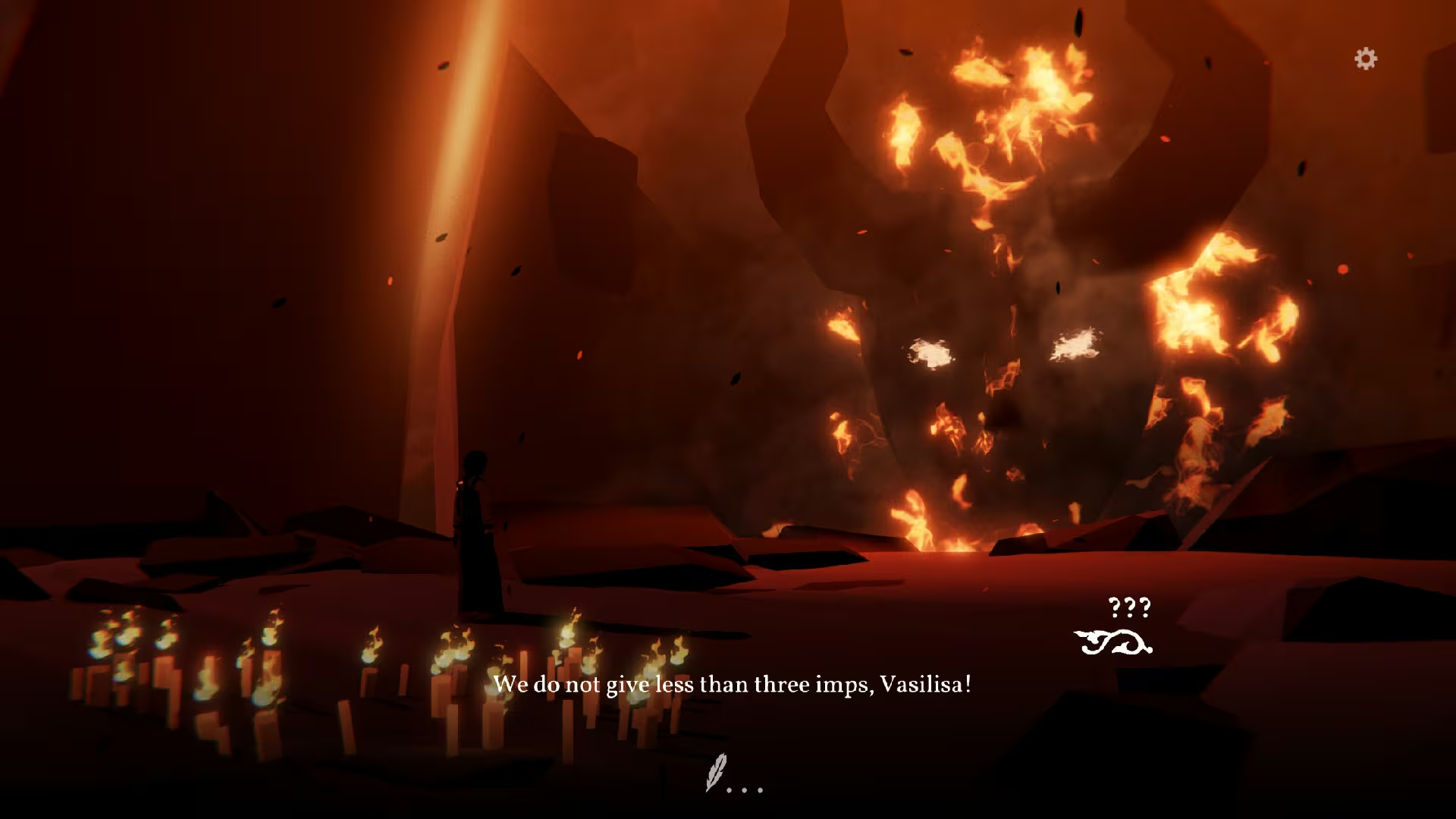
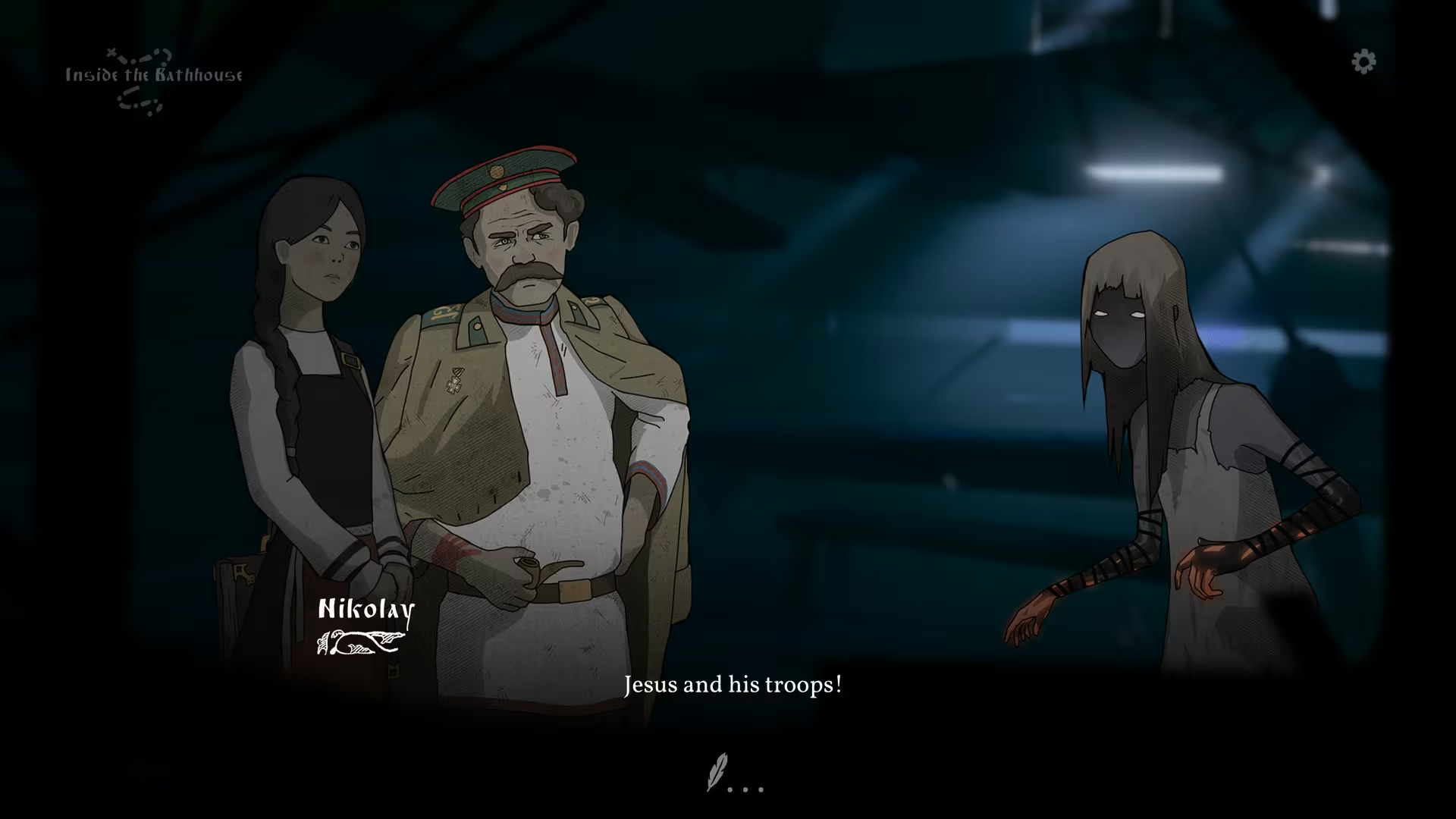
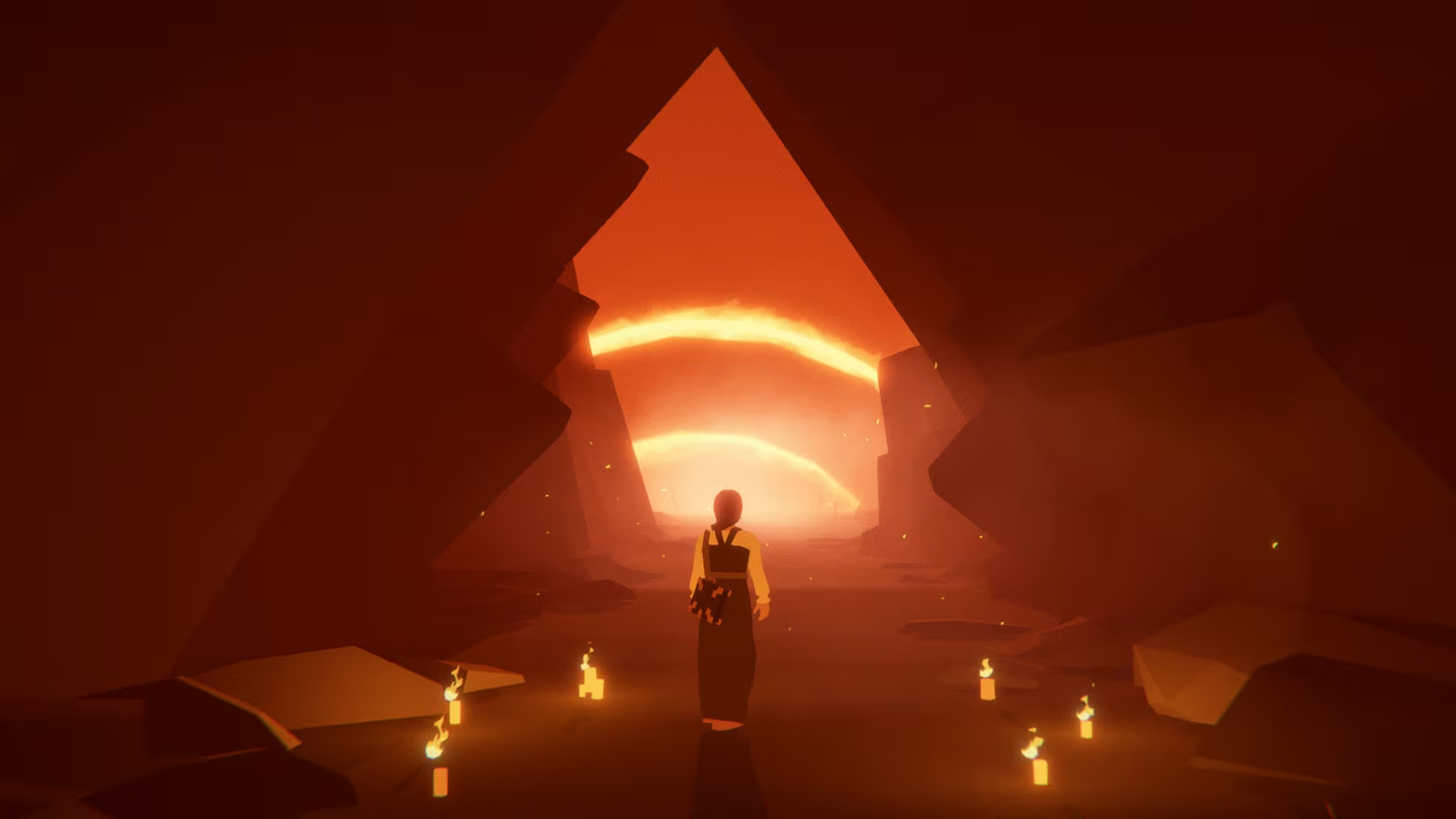
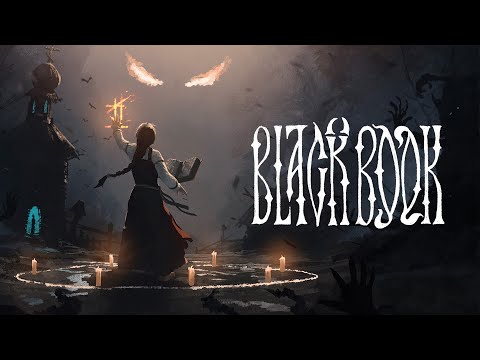
“Black Book” is a dark RPG Adventure, based on Slavic myths, in which you play as a young sorceress. Fight evil forces in card-based battles and explore the world, where humans live alongside mythological creatures.
Global score
92/100
Genres
Adventure, Indie, Role-playing (RPG), Strategy, Turn-based strategy (TBS), Card & Board Game
Similar games
Pros
- Rich slavic folklore and mythology
- Engaging story with meaningful choices
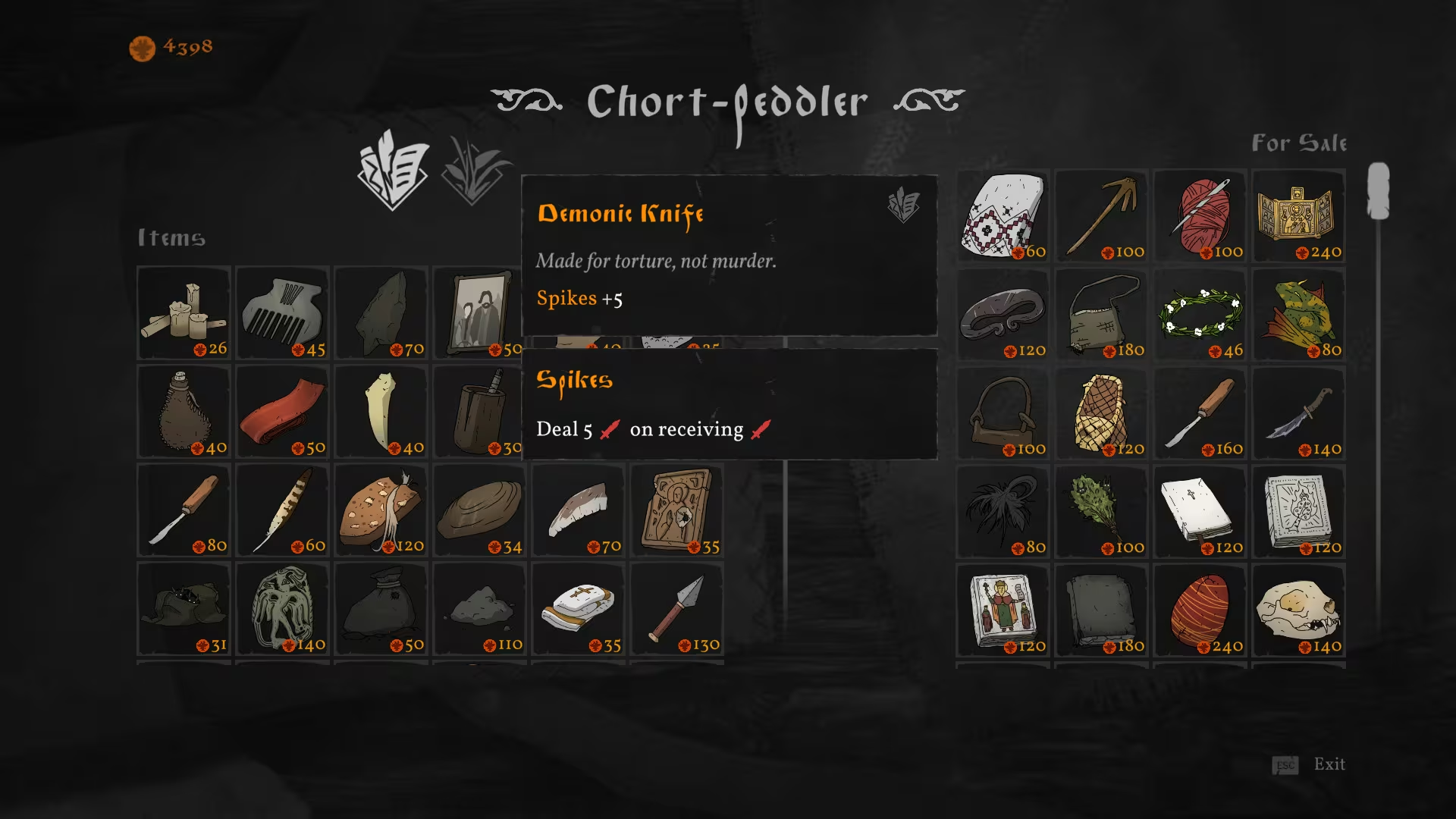
- Strategic and varied deck-building combat
- Immersive atmosphere and music
- Long playtime with replayability
Cons
- Clunky movement and navigation
- Some localization and voice acting issues
- Save system can be frustrating
- Combat balance can become easy late game
- Linear exploration and pacing issues
Analysis
A very typical example of its motivational profile. Motivations that often define this kind of title include Fellowship, Cooperation, Leadership, Violence. Here, the score leans higher than usual among comparable games on Story, Fantasy. It leans lower than usual among comparable games on Sensation.
How to use the graph
Similar games map
Each dot is a game. They are arranged from the same motivation profile as in the “Motivations” section below. Closer dots usually mean more similar reasons to play (exploration, competition, relaxation, etc.)—not that one game is “better” than another.
- Larger dot with a light outline: the game you are viewing.
- Colour: groups of games with comparable motivation patterns (statistical clusters).
- Hover a dot to see the game name; click to open its page.
- Scroll or double-click the chart to zoom out and see more games.
Why don’t the axes read like a score? This view uses t-SNE: it only keeps who is close to whom. The scales are not “good to bad” or hours played—they separate groups on the map. Read distance between dots, not the axis numbers.
Motivations
-
Autonomy3
"Players have some freedom in deck building, dialogue choices, and multiple ways to solve problems, though overall story progression is relatively linear."
-
Competence3
"Combat involves strategic deck building and tactical card play with puzzle battles requiring skillful solutions; some players find combat easy after mastering mechanics."
-
Competition-3
"Focus is on single-player experience with no evidence of competitive multiplayer or leaderboards; gameplay centers on personal progress and choices."
-
Continuation4
"Many players report long play sessions (20-40 hours), strong attachment to story and lore, and repeated engagement with the game."
-
Cooperation-4
"Gameplay is primarily single-player with no cooperative multiplayer; players manage their own decks and demons independently."
-
Creativity4
"Players customize decks, experiment with various card synergies and builds, and make meaningful choices affecting story and gameplay."
-
Domination-4
"No evidence of exerting control or superiority over other players; interactions are narrative-driven and personal."
-
Escapism5
"Strong immersion in Slavic folklore, mythology, and atmospheric storytelling provides a deep escape from reality."
-
Expectation-4
"Players engage voluntarily out of interest in folklore, story, and gameplay; no indication of obligation or external pressure."
-
Experimenting4
"Players try different deck builds, strategies, and approaches to combat and puzzles; game encourages exploration of mechanics."
-
Exploration2
"Some light exploration of locations and lore entries, though environments are relatively linear and limited in scope."
-
Expression2
"Players customize decks and choose dialogue options, but no avatar customization or cosmetic personalization."
-
Fantasy5
"Game deeply rooted in Slavic mythology, folklore, and supernatural themes with witches, demons, and magic."
-
Fellowship-4
"Single-player experience with minimal social interaction or community involvement."
-
Growth4
"Players learn lore, develop deck-building skills, and improve strategic thinking throughout the game."
-
Health-5
"Typical sedentary gameplay with no physical activity or health-related features."
-
Idle-3
"Requires focused attention on story, combat, and decision-making; no evidence of casual or background play."
-
Intimacy-4
"Interactions are mostly surface-level narrative choices; no evidence of forming close social relationships."
-
Leadership-4
"No leadership or group management roles; player acts independently."
-
Progression4
"Players accumulate cards, items, and abilities; story progression and character development occur."
-
Relaxation3
"Atmosphere and music promote immersion and mood; some players find pacing slow but relaxing."
-
Sensation2
"Visuals and music create atmospheric sensory experience, though graphics are simple and low-poly."
-
Status-4
"No social recognition or ranking systems; achievements are personal and narrative-based."
-
Story5
"Strong narrative focus with deep lore, character development, and multiple endings influenced by player choices."
-
Strategy4
"Combat and deck building require planning, problem solving, and tactical decision-making."
-
Thrill2
"Some suspense in story and boss battles, but overall gameplay is controlled and predictable."
-
Value4
"Players report long playtime and rich content for price; some mention minor bugs but overall good value."
-
Violence2
"Combat involves battling demons with spells; violence is stylized and tied to folklore themes."
-
Survival2
"Players manage health and status effects in combat; some difficulty spikes but no extreme survival mechanics."
Last update: 29/04/2026