Burden of Command™ Thumbnail

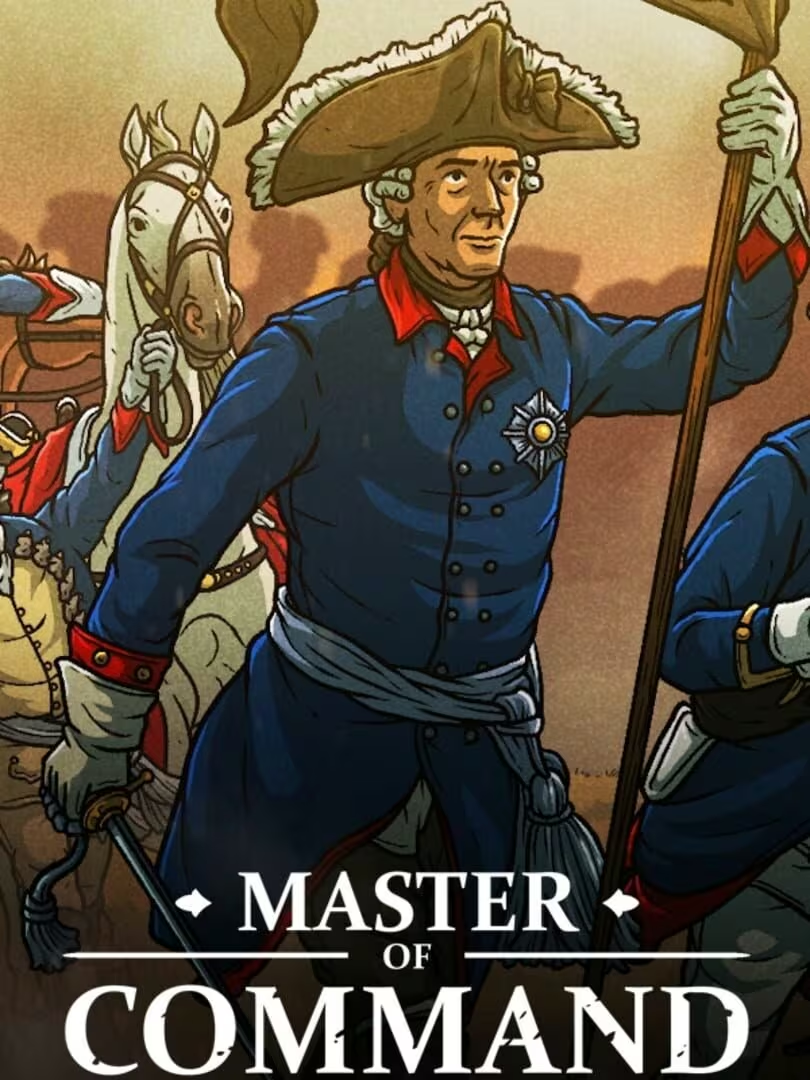
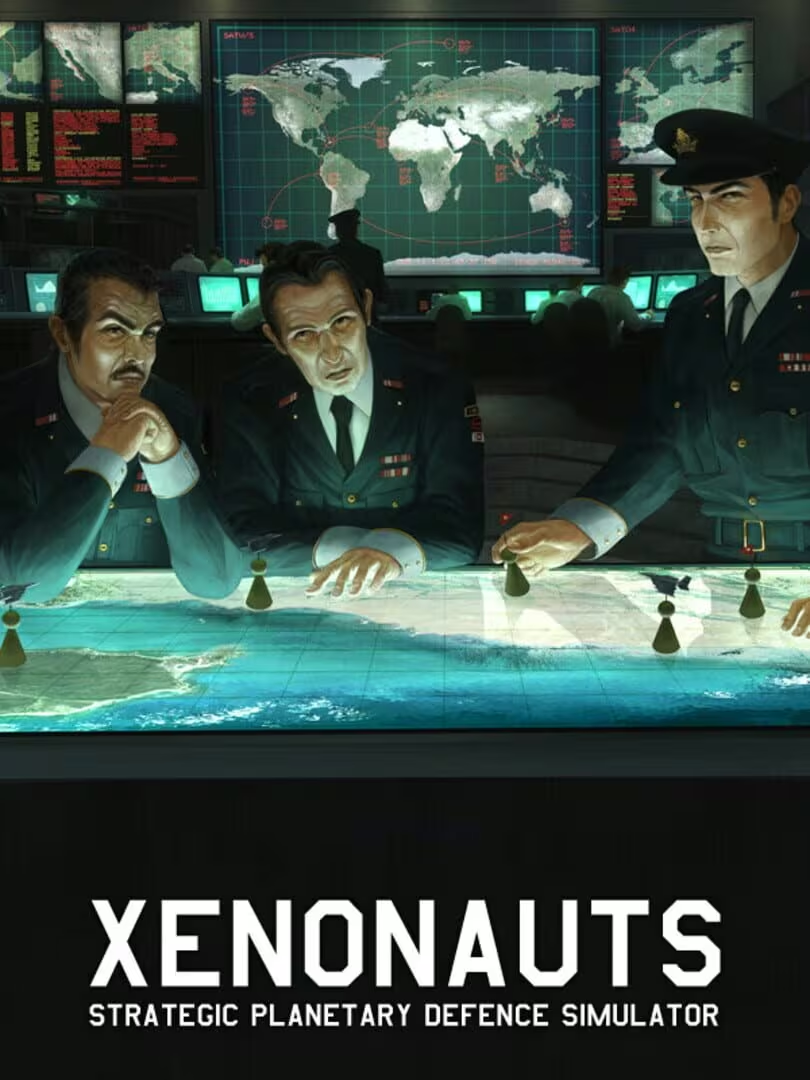
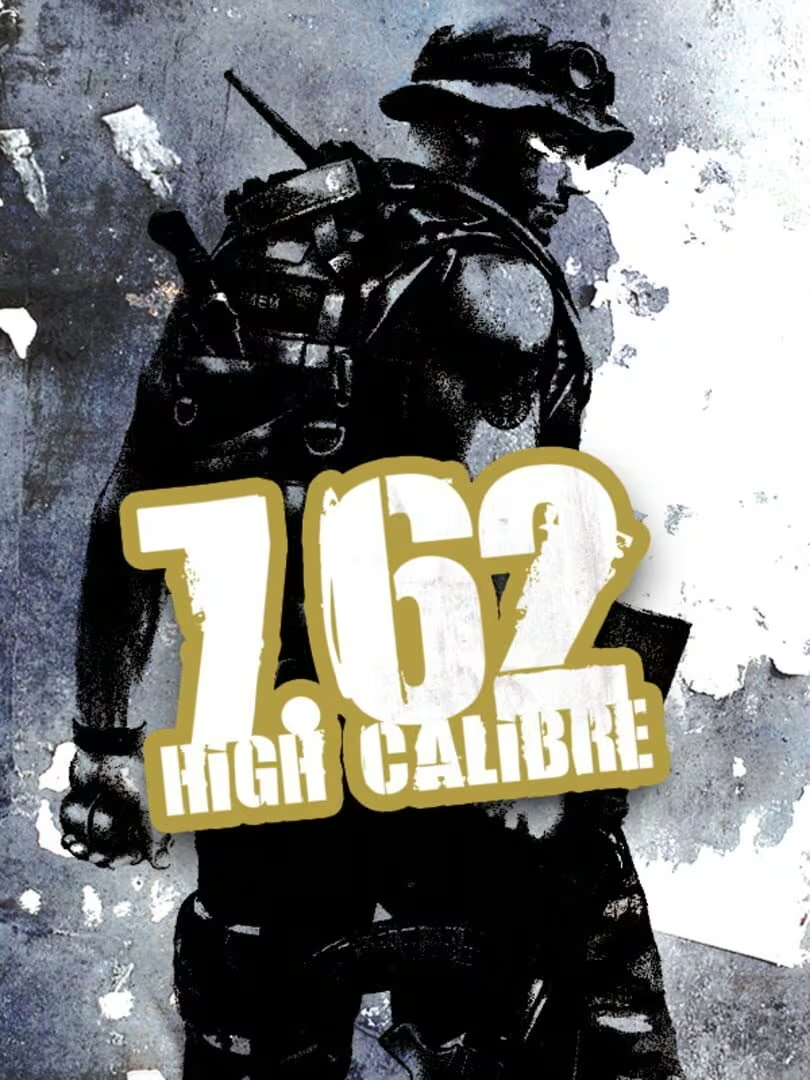
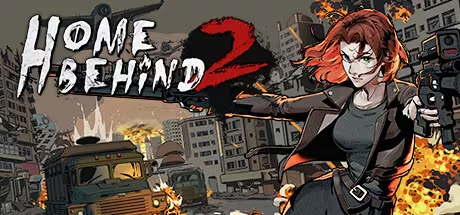
Burden of Command™ similar games & best alternatives
Burden of Command™

PC (Microsoft Windows) • 2025

Related articles

Quick resume

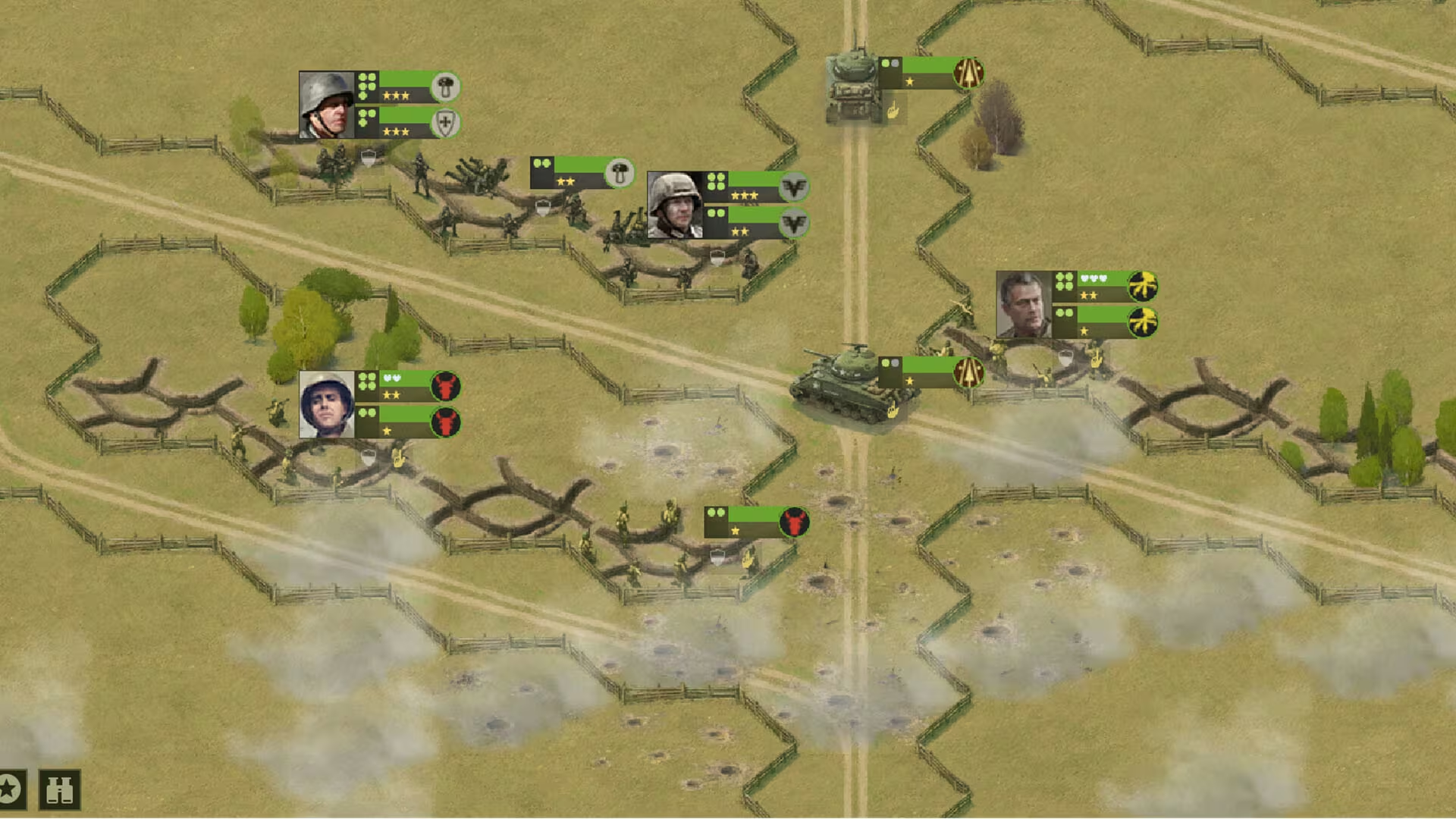
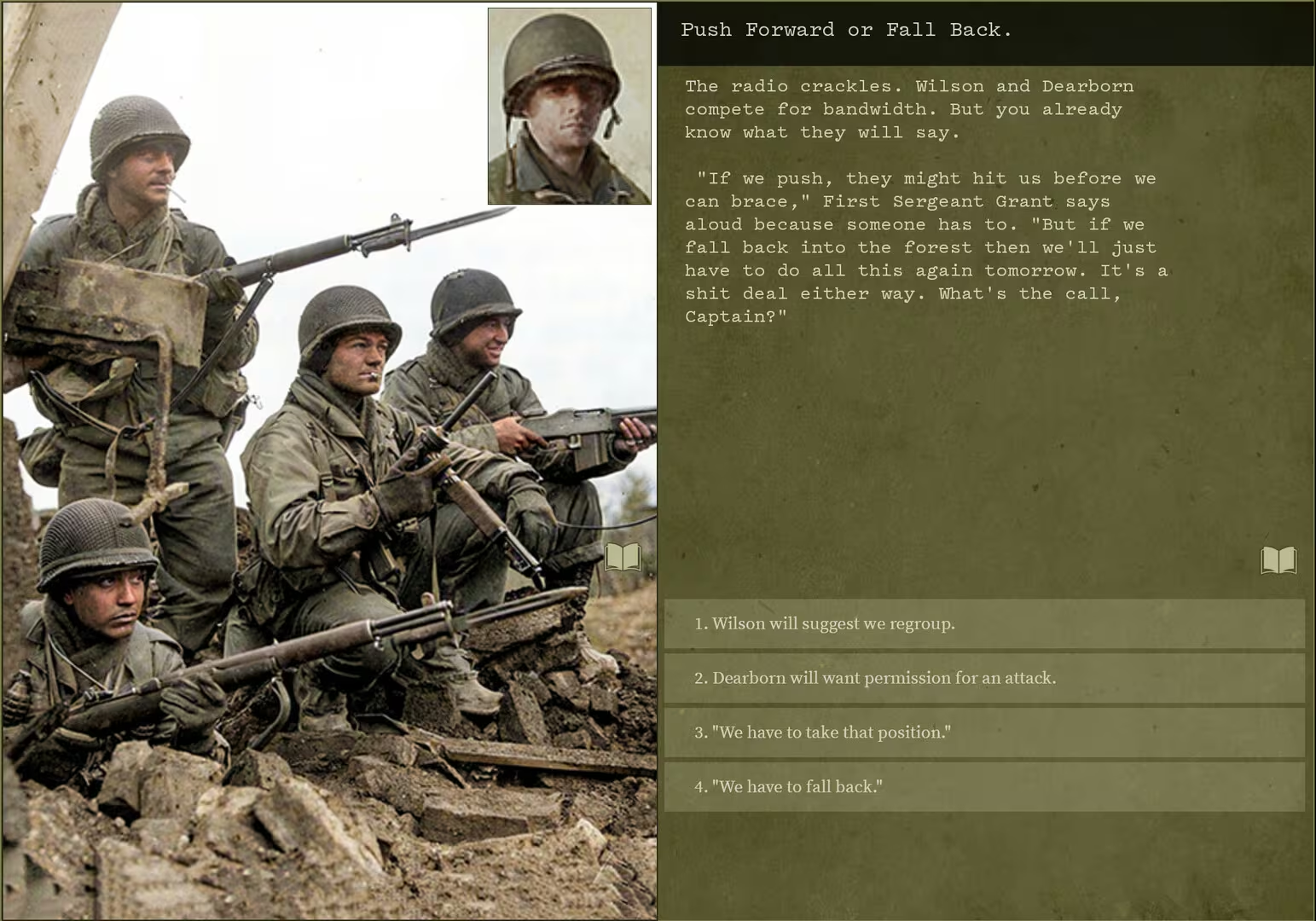
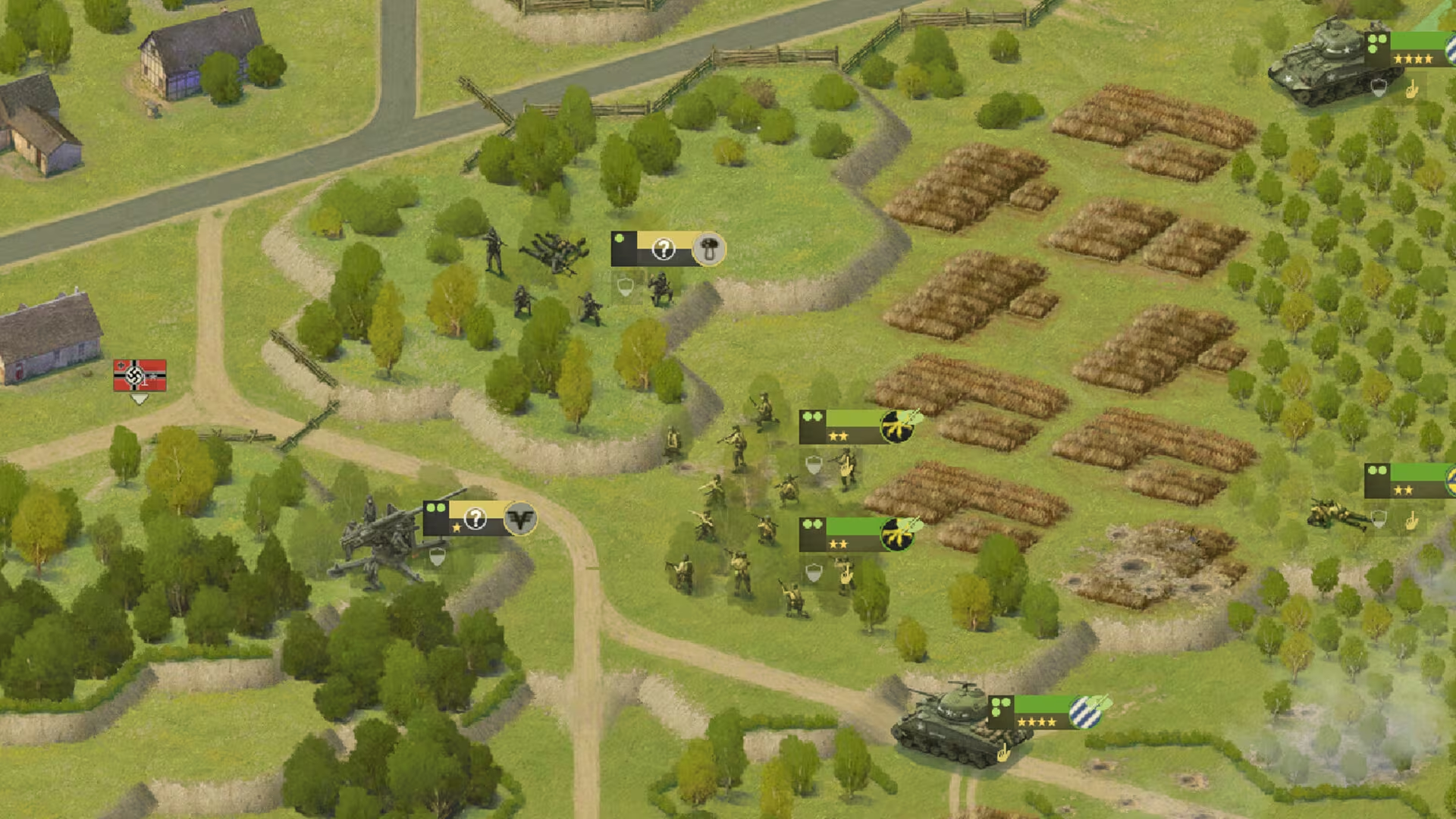
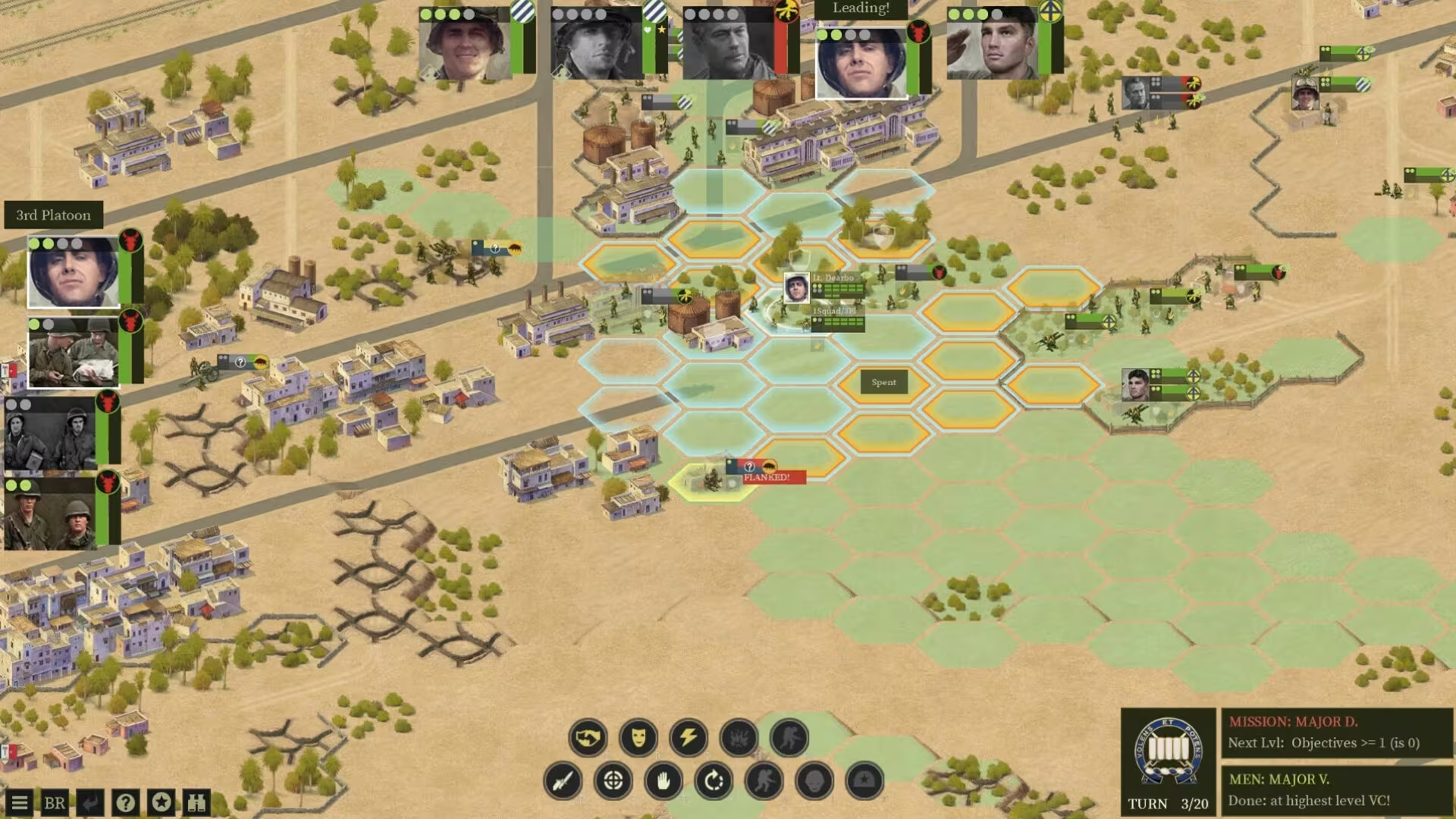
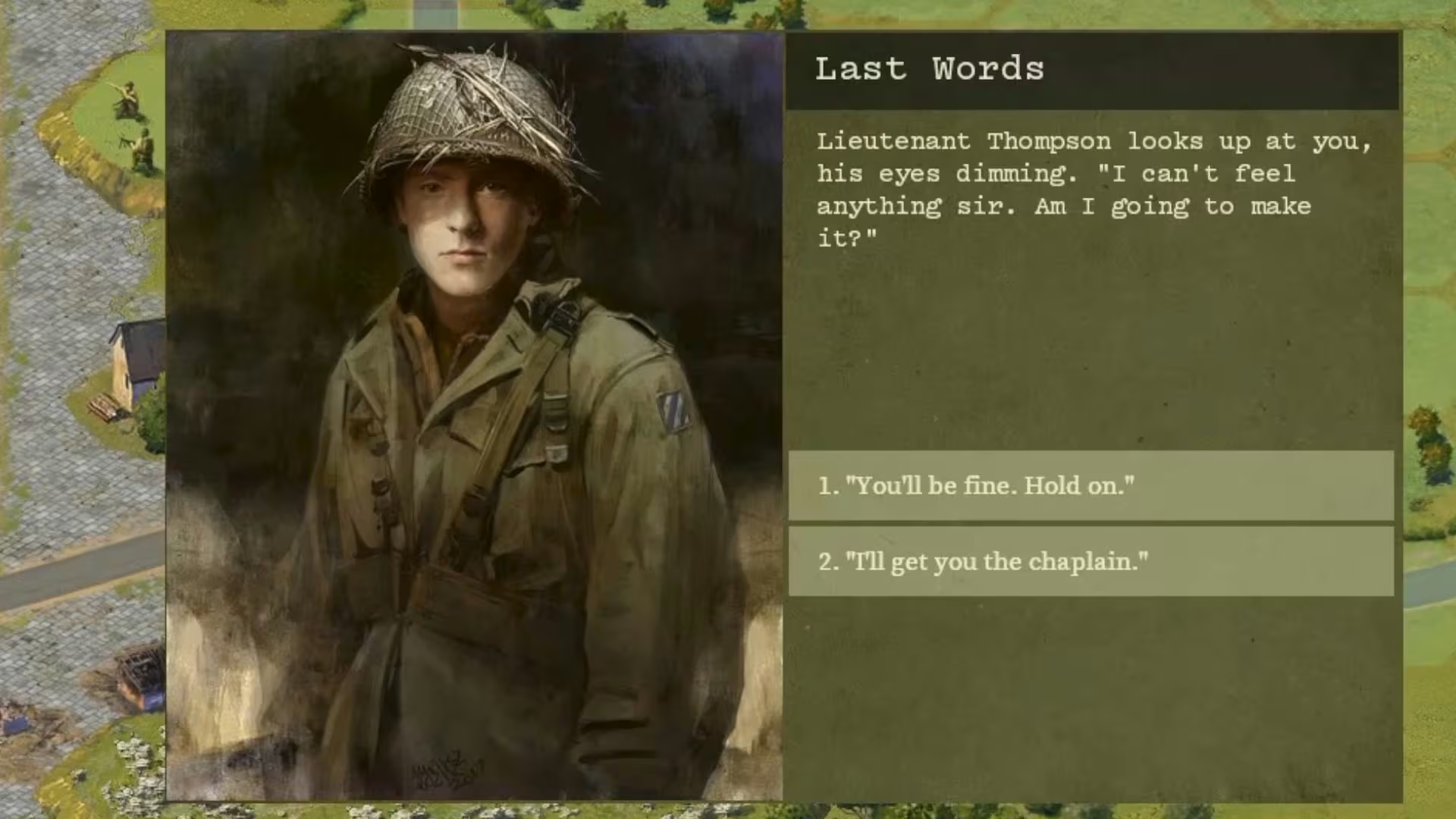
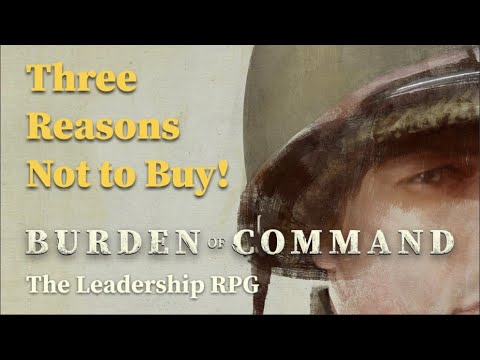
Can you lead? Burden of Command is an emotionally authentic tactical leadership RPG. You’re a company Captain in the historical Cottonbalers. Fighting psychology as much as bullets, you must build respect, trust, and battlefield experience to bring your brothers safely home.

Global score

84/100

Genres

Indie, Role-playing (RPG), Strategy

Similar games

    Pros

    • Unique blend of tactical combat and rpg narrative
    • Deep leadership and morale mechanics
    • Immersive historical storytelling
    • Emotional connection to characters
    • Active developer support and updates

    Cons

    • Lengthy and sometimes tedious tutorial
    • Clunky ui and camera controls
    • Performance issues and bugs reported
    • Slow pacing in some combat scenarios
    • Lack of save scumming frustrates some players

    Analysis

    Less representative of its motivational profile, with noticeable differences. Motivations that often define this kind of title include Leadership, Survival, Violence, Strategy. Here, the score leans higher than usual among comparable games on Intimacy. It leans lower than usual among comparable games on Fantasy, Relaxation.

    How to use the graph
    Similar games map

    Each dot is a game. They are arranged from the same motivation profile as in the “Motivations” section below. Closer dots usually mean more similar reasons to play (exploration, competition, relaxation, etc.)—not that one game is “better” than another.

    • Larger dot with a light outline: the game you are viewing.
    • Colour: groups of games with comparable motivation patterns (statistical clusters).
    • Hover a dot to see the game name; click to open its page.
    • Scroll or double-click the chart to zoom out and see more games.

    Why don’t the axes read like a score? This view uses t-SNE: it only keeps who is close to whom. The scales are not “good to bad” or hours played—they separate groups on the map. Read distance between dots, not the axis numbers.

    Motivations

    • Autonomy
      4

      "Players make meaningful decisions affecting combat and narrative outcomes, with freedom to choose leadership styles and tactical approaches."

    • Competence
      4

      "The game challenges players with complex tactical combat and leadership mechanics requiring skill and adaptation."

    • Competition
      -3

      "Focus is on personal progression and narrative rather than competing against others or leaderboards."

    • Continuation
      4

      "Players report long sessions and strong attachment to characters and story, encouraging continued play despite difficulty."

    • Cooperation
      -4

      "Gameplay centers on individual command and decision-making with limited multiplayer or cooperative elements."

    • Creativity
      3

      "Players customize leadership styles and make narrative choices, though tactical combat follows structured hex-based rules."

    • Domination
      -4

      "Interactions emphasize shared leadership and mutual respect rather than exerting control or superiority over others."

    • Escapism
      3

      "Immersive narrative and historical context provide escape from real life through engaging storytelling."

    • Expectation
      -4

      "Players engage voluntarily out of interest and passion for history and tactical RPGs, not obligation or pressure."

    • Experimenting
      3

      "Players explore different leadership mindsets and tactical approaches, though within a defined game structure."

    • Exploration
      1

      "Some discovery through narrative branches and tactical scenarios, but mostly structured campaign progression."

    • Expression
      3

      "Players express themselves through leadership choices, dialogue options, and character development."

    • Fantasy
      -4

      "Strong emphasis on historical accuracy and realistic WWII combat and leadership experiences."

    • Fellowship
      -3

      "Focus is on individual command experience with limited social or community interaction."

    • Growth
      4

      "Players develop leadership skills, learn tactical mechanics, and experience character progression."

    • Health
      Insufficient data
    • Idle
      -3

      "Requires focused attention and deliberate decision-making during tactical combat and narrative choices."

    • Intimacy
      3

      "Narrative fosters emotional connection to characters and their struggles, creating a sense of closeness."

    • Leadership
      5

      "Core gameplay revolves around leading troops, managing morale, and making command decisions."

    • Progression
      4

      "Players experience character development, unit experience gain, and campaign advancement."

    • Relaxation
      -2

      "Gameplay involves sustained tension and challenge, with emotional strain from leadership decisions."

    • Sensation
      2

      "Audio and visual elements provide immersive atmosphere but are not focused on sensory excitement."

    • Status
      -3

      "Game emphasizes personal narrative and leadership rather than social recognition or popularity."

    • Story
      5

      "Strong narrative immersion with evolving plot, character development, and historical context."

    • Strategy
      4

      "Requires mental challenge, tactical planning, and problem solving in combat and leadership."

    • Thrill
      3

      "Tense combat and high stakes leadership decisions create suspense and emotional engagement."

    • Value
      4

      "Players report good return on investment through deep gameplay, narrative, and replayability."

    • Violence
      3

      "Combat involves realistic violence and destruction consistent with WWII tactical warfare."

    • Survival
      4

      "Gameplay focuses on managing threats, morale, and resourceful tactics to keep units alive."

    Last update: 29/04/2026