[Chilla's Art] Stigmatized Property | 事故物件 similar games & best alternatives
No screenshot has been retrieved yet
![[Chilla's Art] Stigmatized Property | 事故物件 - chilla-s-art-stigmatized-property_1.avif](https://d2eatnf6sujjgc.cloudfront.net/gameaton-data/chilla-s-art-stigmatized-property/screenshots/chilla-s-art-stigmatized-property_1.avif)
![[Chilla's Art] Stigmatized Property | 事故物件 - chilla-s-art-stigmatized-property_2.avif](https://d2eatnf6sujjgc.cloudfront.net/gameaton-data/chilla-s-art-stigmatized-property/screenshots/chilla-s-art-stigmatized-property_2.avif)
![[Chilla's Art] Stigmatized Property | 事故物件 - chilla-s-art-stigmatized-property_3.avif](https://d2eatnf6sujjgc.cloudfront.net/gameaton-data/chilla-s-art-stigmatized-property/screenshots/chilla-s-art-stigmatized-property_3.avif)
![[Chilla's Art] Stigmatized Property | 事故物件 - chilla-s-art-stigmatized-property_4.avif](https://d2eatnf6sujjgc.cloudfront.net/gameaton-data/chilla-s-art-stigmatized-property/screenshots/chilla-s-art-stigmatized-property_4.avif)
![[Chilla's Art] Stigmatized Property | 事故物件 - chilla-s-art-stigmatized-property_5.avif](https://d2eatnf6sujjgc.cloudfront.net/gameaton-data/chilla-s-art-stigmatized-property/screenshots/chilla-s-art-stigmatized-property_5.avif)
![[Chilla's Art] Stigmatized Property | 事故物件 - chilla-s-art-stigmatized-property_6.avif](https://d2eatnf6sujjgc.cloudfront.net/gameaton-data/chilla-s-art-stigmatized-property/screenshots/chilla-s-art-stigmatized-property_6.avif)
Should you play it?
Stigmatized Property, 事故物件 (Jiko bukken) is a horror game inspired by haunted apartment rooms in Japan. These properties are known to have cheap rents and you play to find out the exact reason why.
What works
- Strong atmospheric and immersive horror experience
- Unique vhs-style visuals and sound design
- Effective pacing and tension building
- Multiple endings providing some replay value
- Good value for price
Things to keep in mind
- Very short gameplay length
- Limited puzzle complexity
- Some visibility and control issues
- Minimal story depth and character development
- Lack of save system and inventory limitations
What to play next
Top picks
Games that feel the closest overall
More continuation-driven
Games that feels like [Chilla's Art] Stigmatized Property | 事故物件 but with an even stronger pull to keep playing · 23 games
-
Fear the Timeloop - Prologue
-
Dark Fracture: Prologue
-
SCP: Daybreak
-
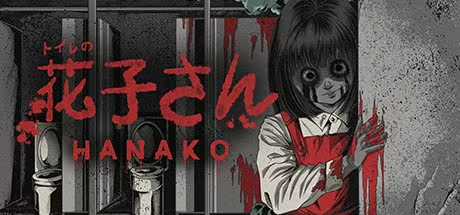
[Chilla's Art] Hanako | 花子さん
-
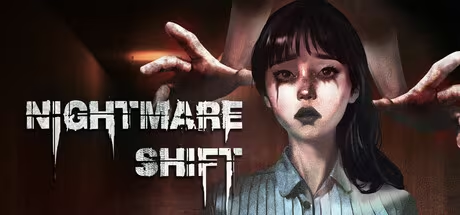
Nightmare Shift
-
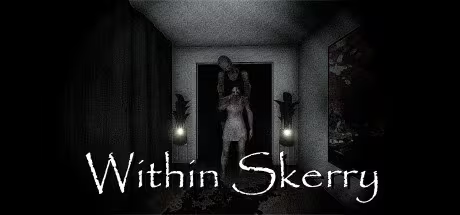
Within Skerry
-
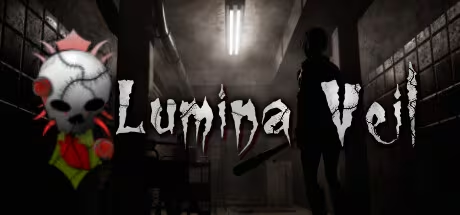
Lumina Veil
-
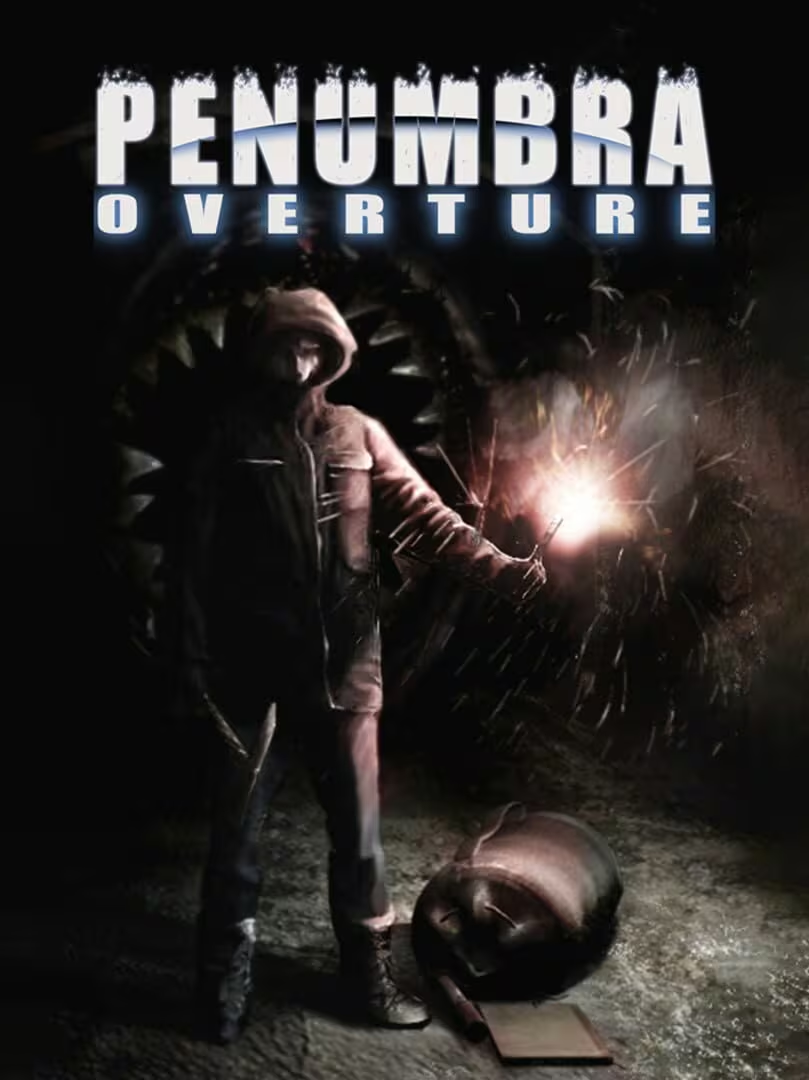
Penumbra Overture
-
Lazaret
-
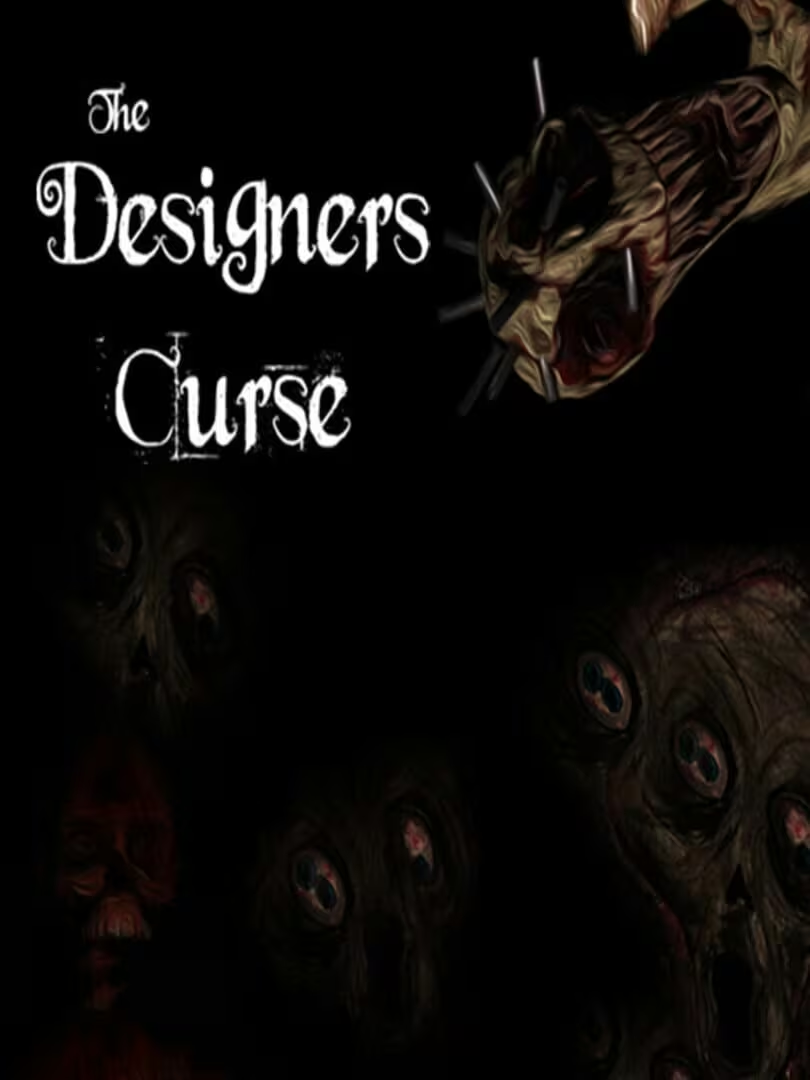
The Designer's Curse
-
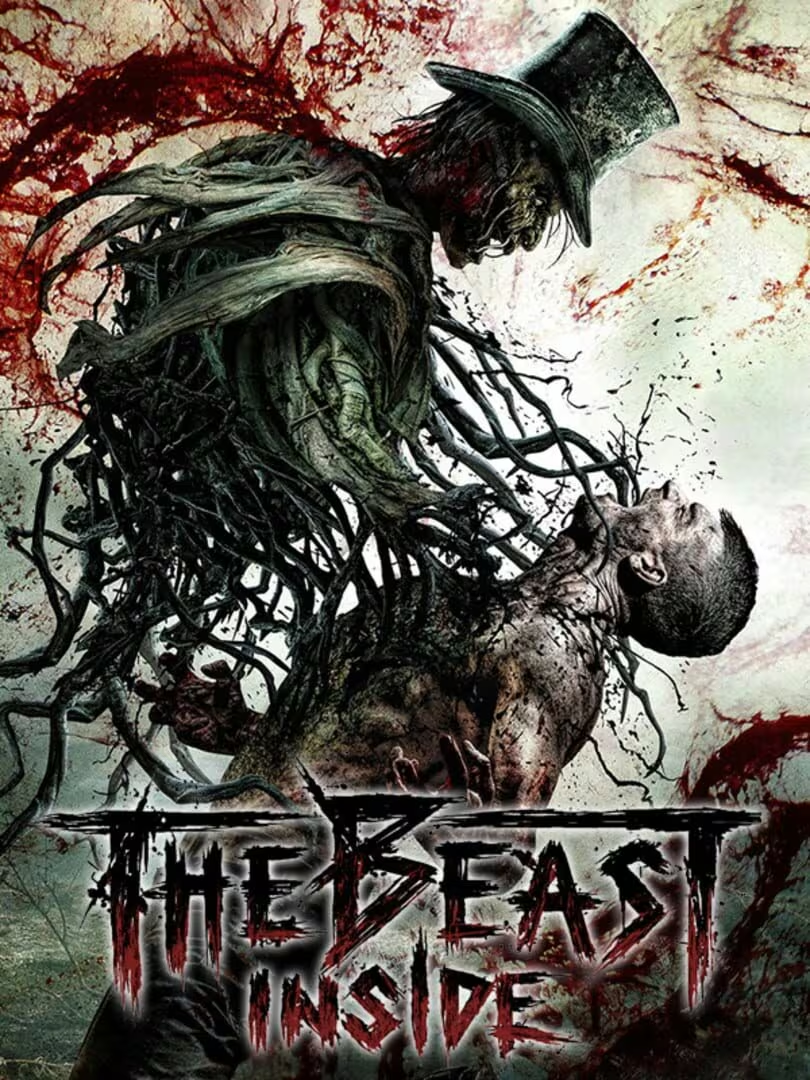
The Beast Inside
-

Rewind Or Die
-
From The Darkness
-
[Chilla's Art] Night Security | 夜間警備
-
[Chilla's Art] Night Delivery | 例外配達
-
Suite 776
-
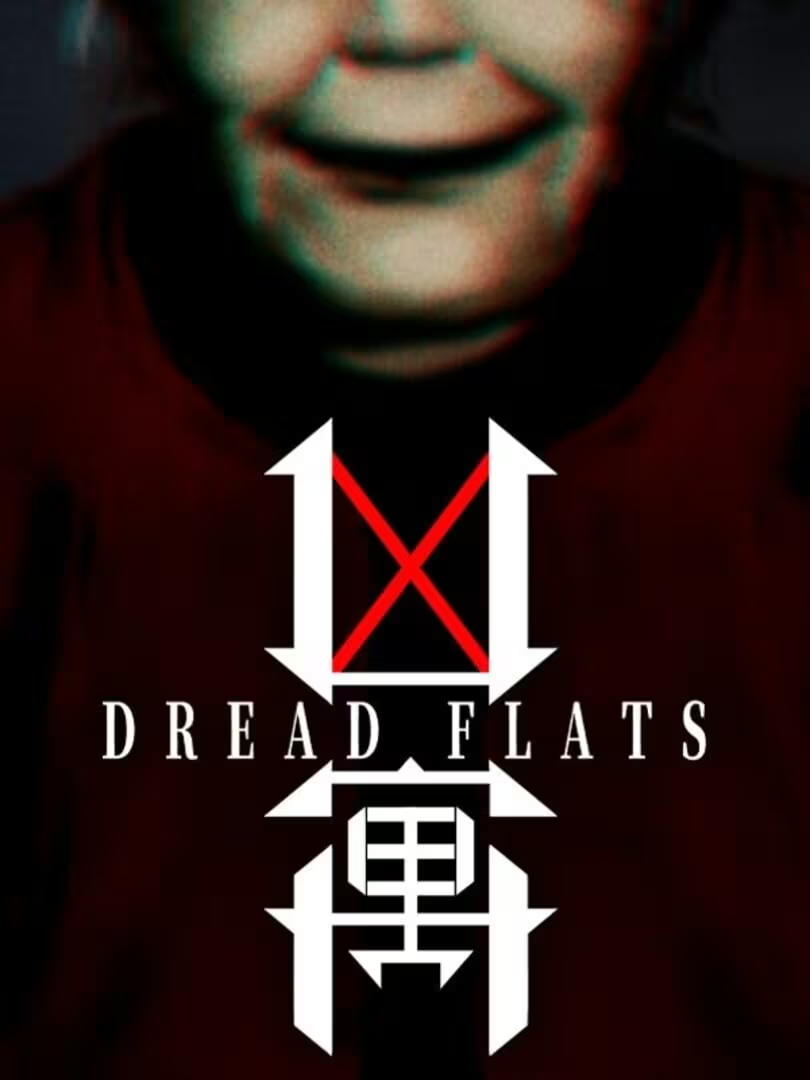
Dread Flats
-
[Chilla's Art] Inunaki Tunnel | 犬鳴トンネル
-
JANITOR BLEEDS
-
You Must
-

You Deserve
-
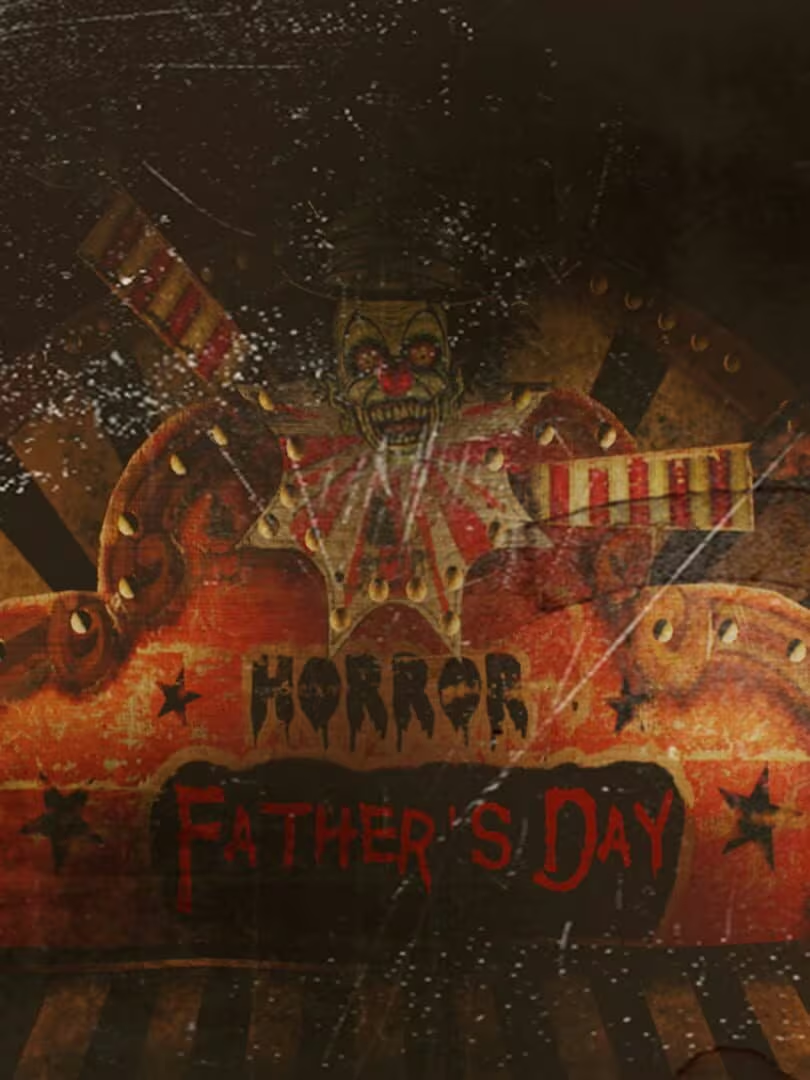
Father's Day
-
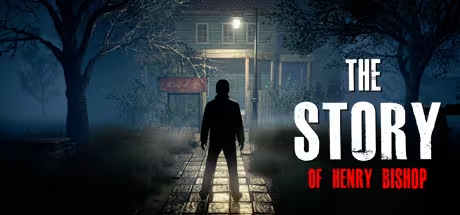
The Story of Henry Bishop
Less violent
Games that feels like [Chilla's Art] Stigmatized Property | 事故物件 but with less combat and destruction · 6 games
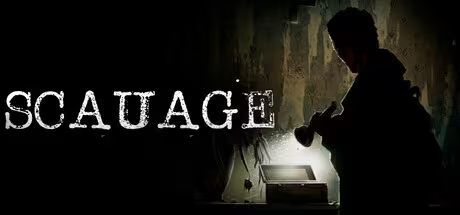
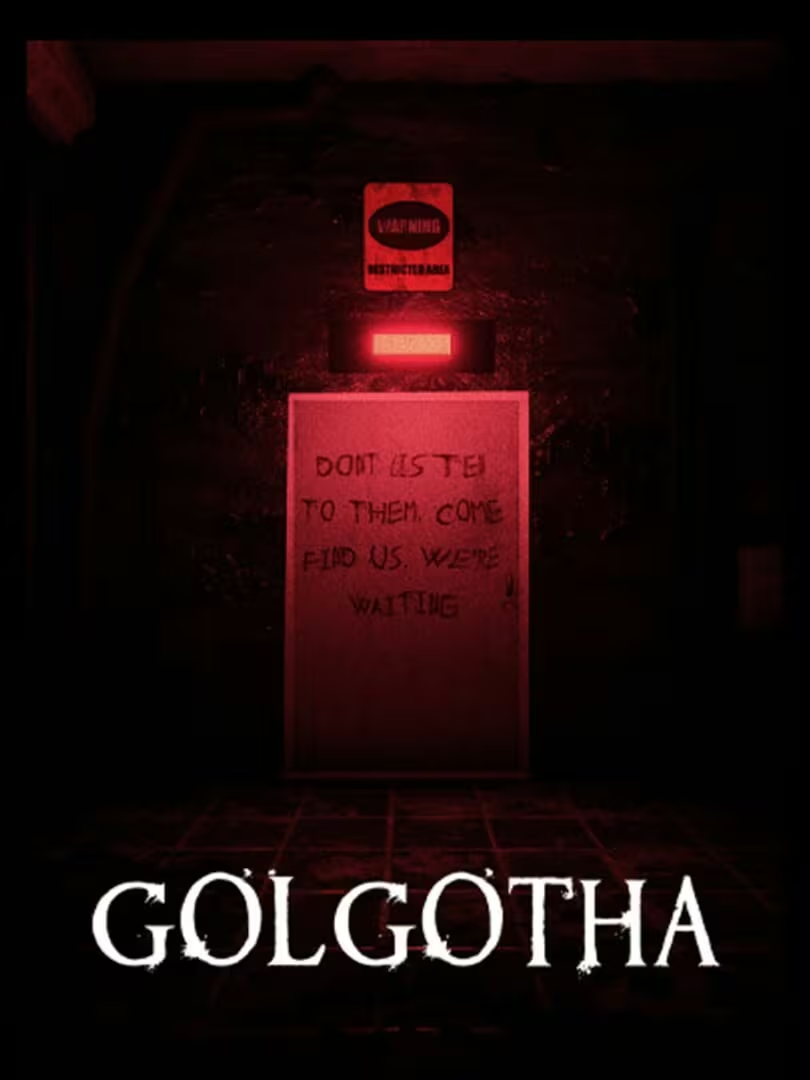

Less survival-focused
Games that feels like [Chilla's Art] Stigmatized Property | 事故物件 but with less survival pressure · 5 games



Less exploratory
Games that feels like [Chilla's Art] Stigmatized Property | 事故物件 but with less exploration of areas and secrets · 1 game
Others
Other games that might remind you of [Chilla's Art] Stigmatized Property | 事故物件 · 6 games

Last update: 06/10/2026