Computer Tycoon similar games & best alternatives

Computer Tycoon
2017
Related articles
Quick resume
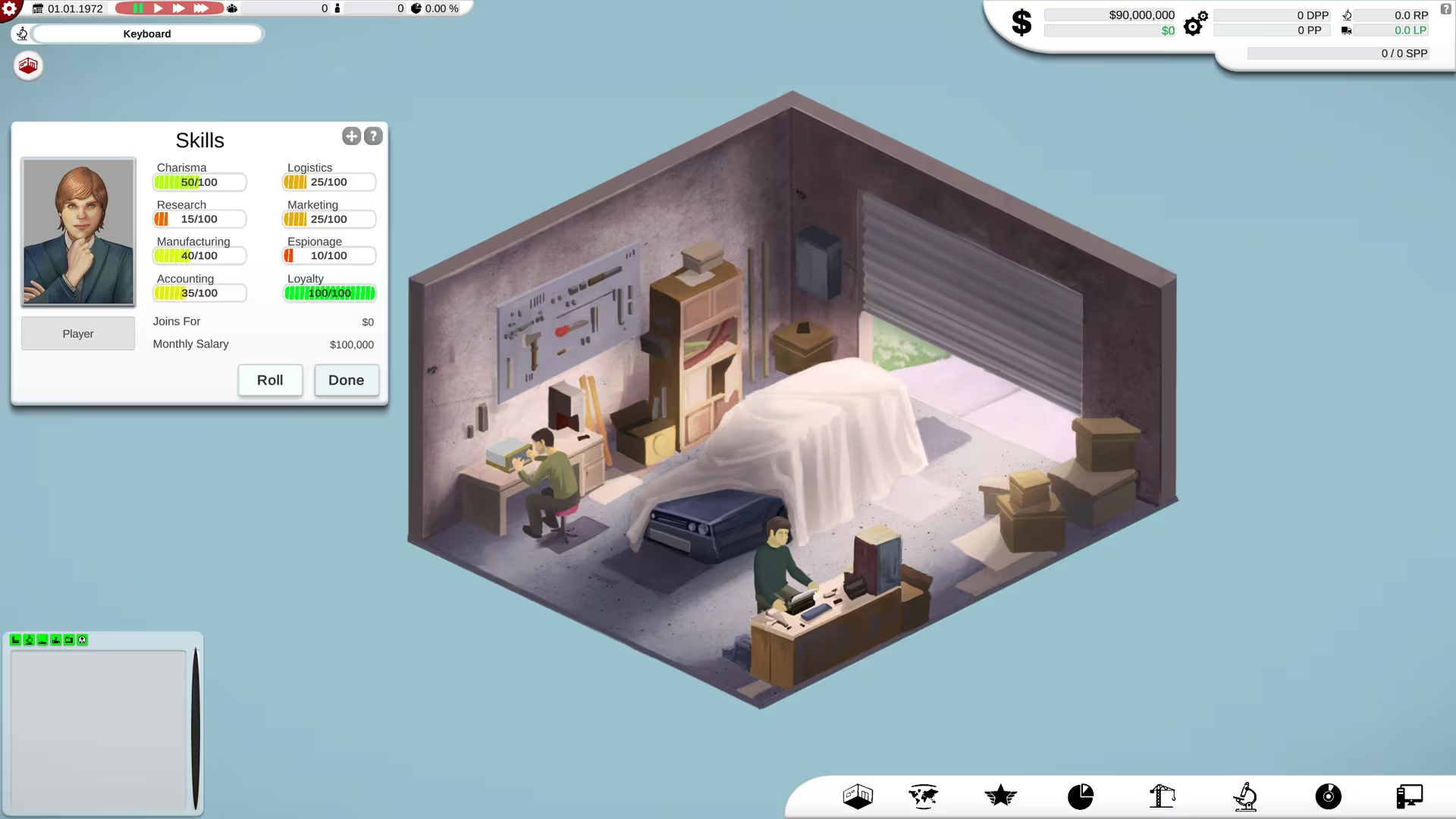
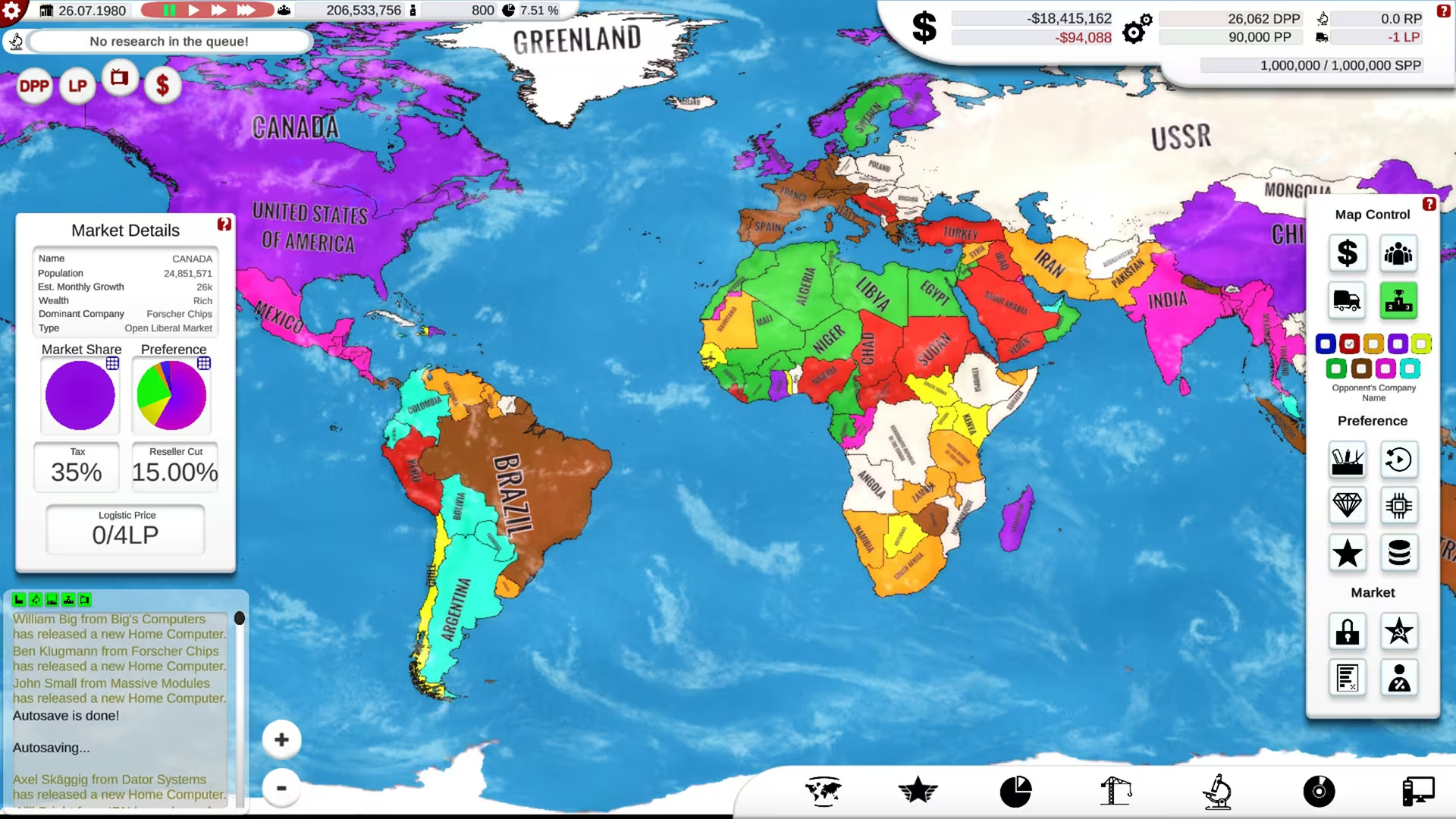
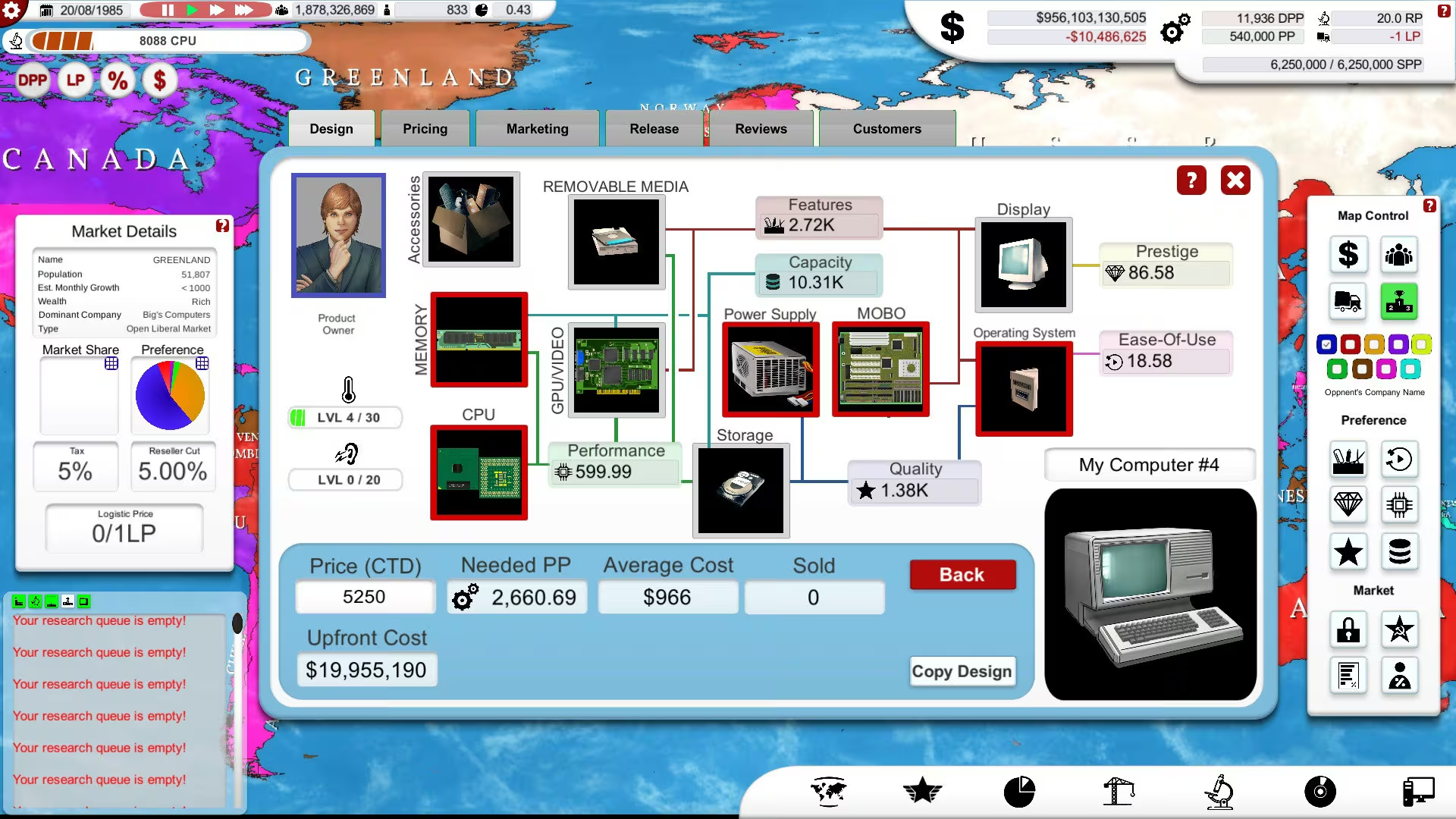
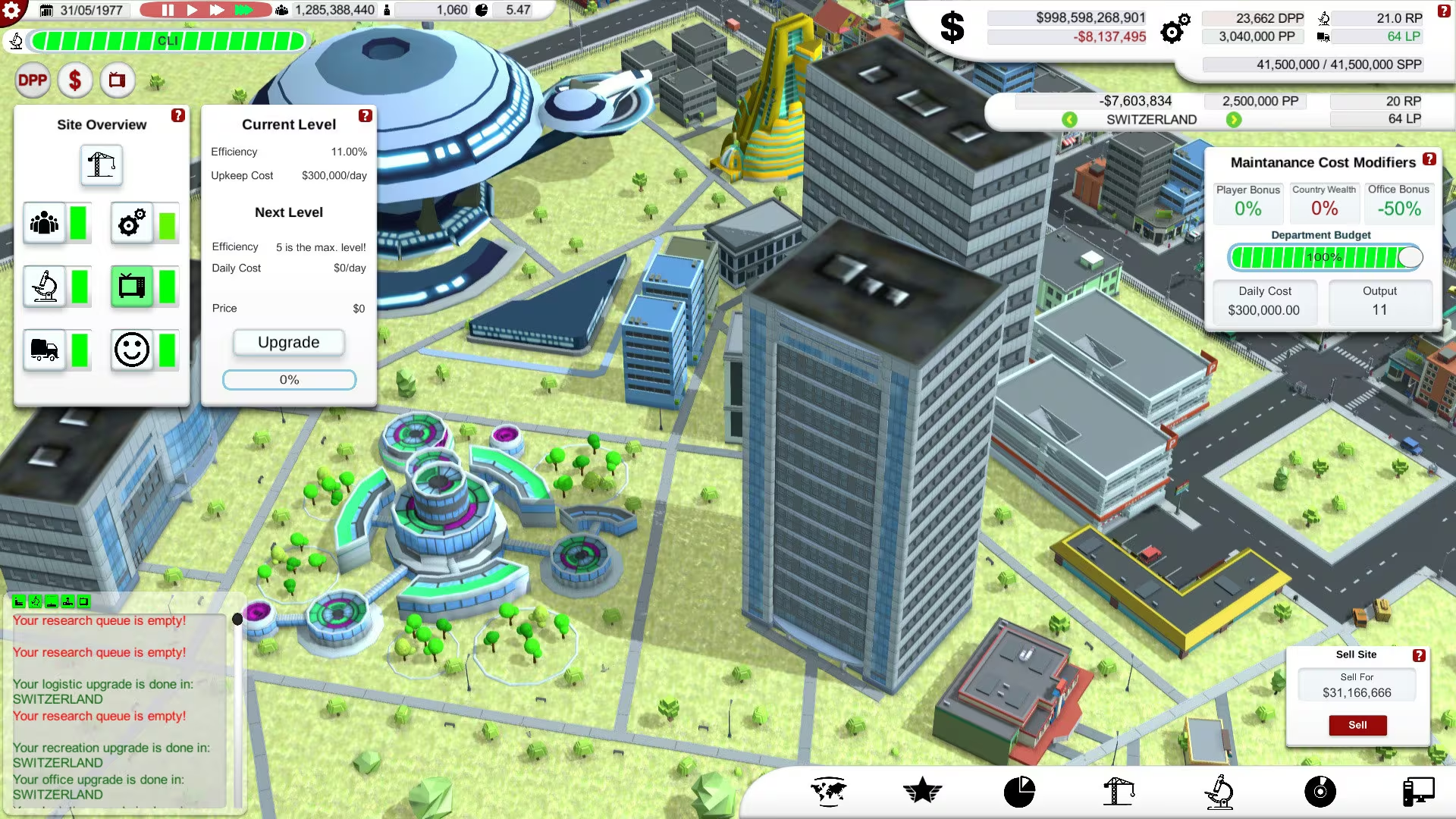
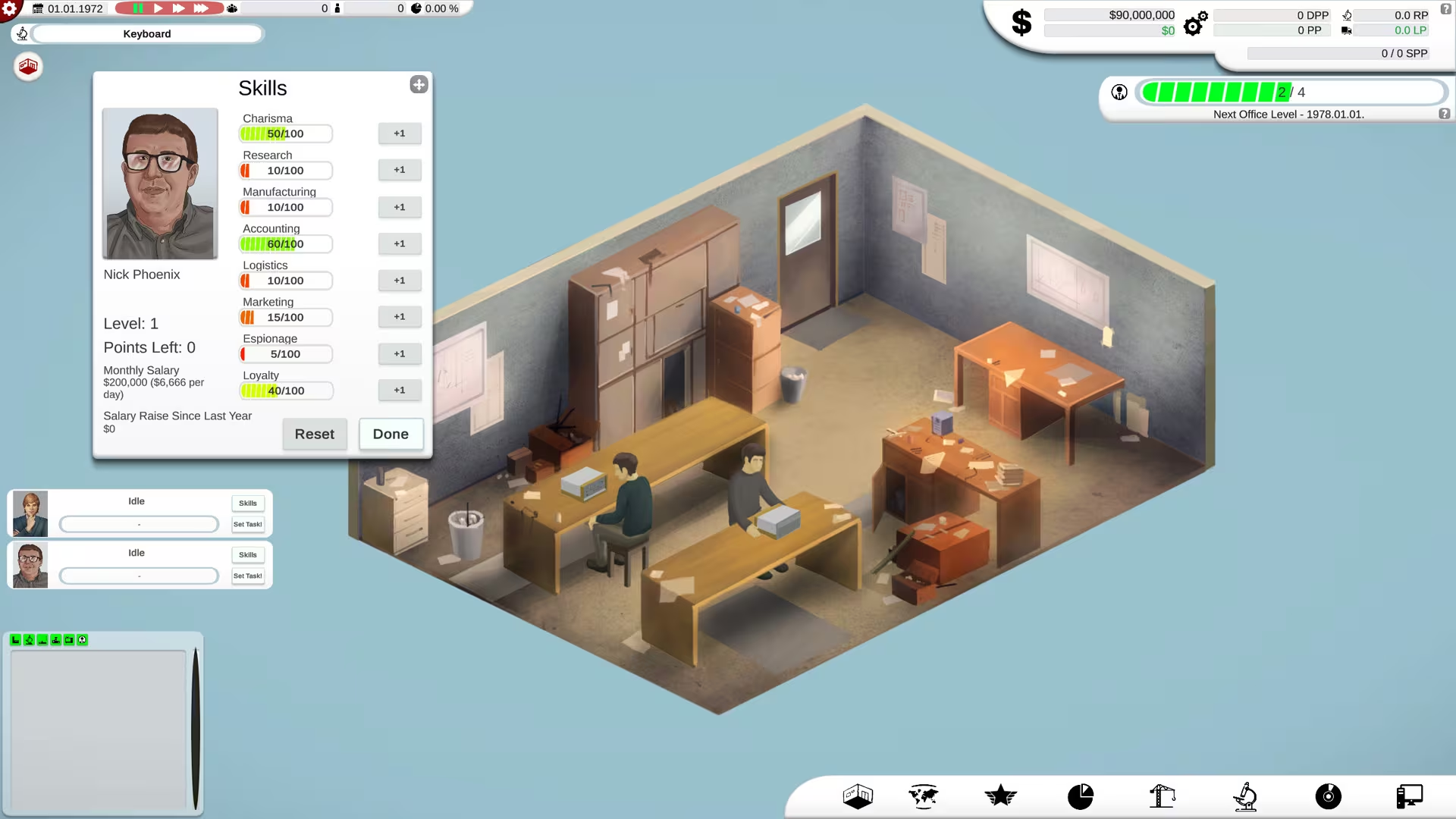
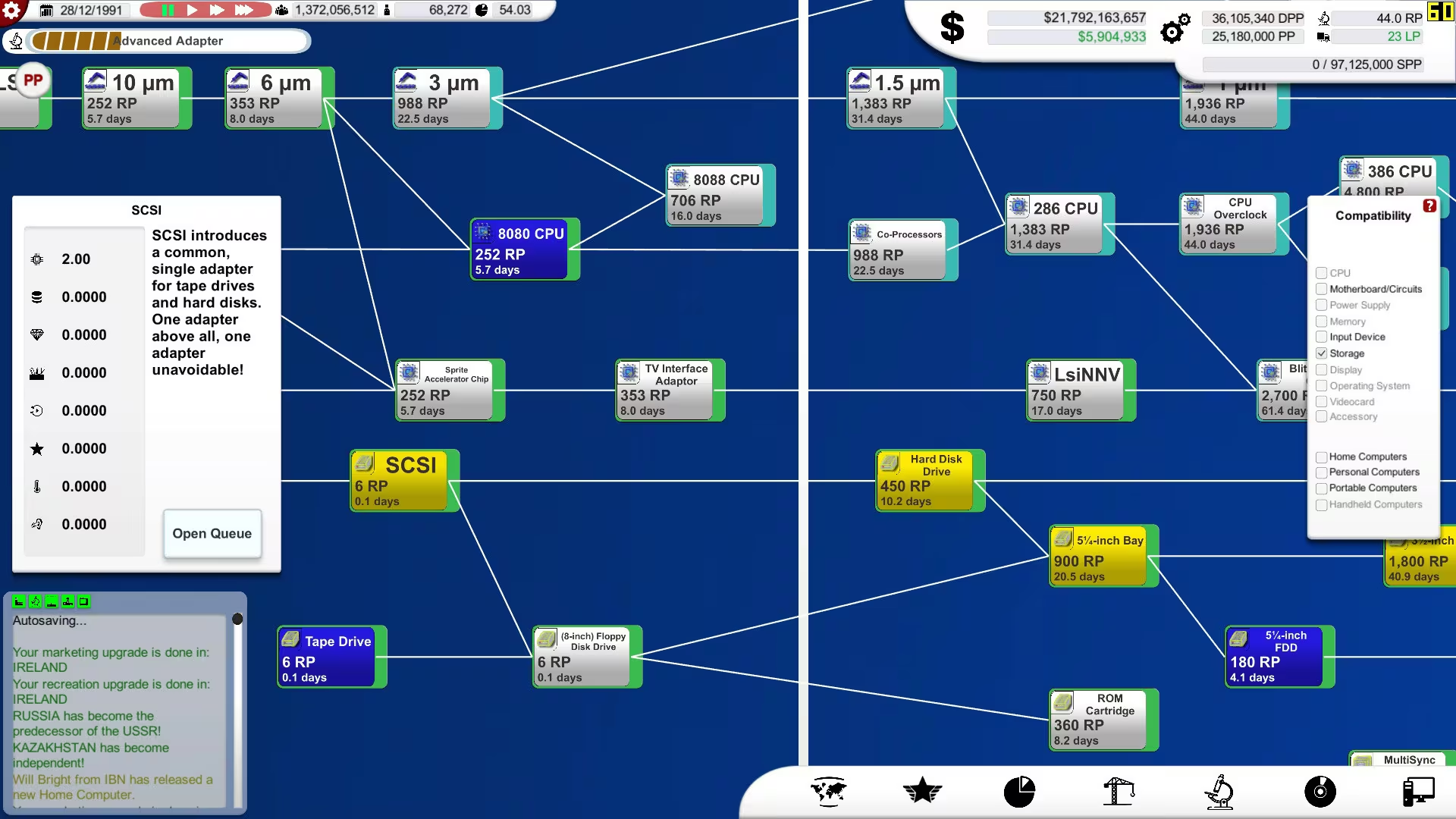
Computer Tycoon is a fairly complex Business Grand Strategy game about Computer Evolution. Start in the 70s, invent until 2034, create the best computer systems, upgrade your infrastructure, lead a team, and alter computer history! It is time to "Think Different"
Global score
85/100
Genres
Indie, Simulator, Strategy, Early Access
Similar games
Pros
- Deep and detailed computer industry simulation
- Extensive research and customization options
- Engaging strategic gameplay
- Active and responsive solo developer
- Historical context and evolving tech timeline
Cons
- Late-game repetition and slow pacing
- Clunky and sometimes confusing ui
- Some bugs and polish issues due to early access
- Lack of multiplayer or cooperative features
- Ai competitors sometimes feel unbalanced
Analysis
Less representative of its motivational profile, with noticeable differences. Motivations that often define this kind of title include Competition, Fellowship, Domination, Status. It leans lower than usual among comparable games on Violence, Fellowship, Cooperation.
How to use the graph
Similar games map
Each dot is a game. They are arranged from the same motivation profile as in the “Motivations” section below. Closer dots usually mean more similar reasons to play (exploration, competition, relaxation, etc.)—not that one game is “better” than another.
- Larger dot with a light outline: the game you are viewing.
- Colour: groups of games with comparable motivation patterns (statistical clusters).
- Hover a dot to see the game name; click to open its page.
- Scroll or double-click the chart to zoom out and see more games.
Why don’t the axes read like a score? This view uses t-SNE: it only keeps who is close to whom. The scales are not “good to bad” or hours played—they separate groups on the map. Read distance between dots, not the axis numbers.
Motivations
-
Autonomy4
"Players have significant control over research, product design, marketing, and expansion decisions, allowing for strategic freedom."
-
Competence4
"The game challenges players to manage complex systems, optimize production, and compete effectively, requiring skill and strategic thinking."
-
Competition4
"Strong emphasis on competing against AI companies for market share and technological superiority."
-
Continuation3
"Players report addictive gameplay with long sessions, though some late-game repetition and slow pacing can reduce engagement."
-
Cooperation-3
"Gameplay is primarily single-player and focused on individual company management with limited or no multiplayer cooperation."
-
Creativity3
"Players can customize and design computer components and products extensively, though within predefined tech trees."
-
Domination3
"Players aim to dominate markets and bankrupt competitors, exerting control over the industry landscape."
-
Escapism3
"Players enjoy immersion in a historical and strategic simulation that provides distraction and engagement."
-
Expectation-4
"Players engage voluntarily out of interest and passion for computers and business simulation, not obligation."
-
Experimenting3
"Players experiment with different strategies, product designs, and market approaches to succeed."
-
Exploration2
"Players explore different countries and markets with varying economic conditions, though the map is mostly known."
-
Expression2
"Some self-expression through naming and customizing products, but limited avatar or environment personalization."
-
Fantasy-2
"The game focuses on realistic historical computer industry simulation rather than imaginative fiction."
-
Fellowship-4
"Primarily a solo experience with minimal social or community interaction within gameplay."
-
Growth4
"Players learn complex systems, improve strategies, and develop skills in managing a tech business."
-
Health-5
"Sedentary gameplay typical of PC tycoon games with no physical activity involved."
-
Idle-3
"Requires active management and continuous attention to multiple systems; not suitable for idle play."
-
Intimacy-5
"No close social or emotional relationships formed within gameplay; limited to solo play."
-
Leadership3
"Players lead their company and make strategic decisions guiding growth and competition."
-
Progression4
"Strong progression through research, product development, market expansion, and company growth."
-
Relaxation1
"Some players find the game relaxing and engaging, though others note late-game repetition and slow pacing."
-
Sensation1
"Visuals and music provide moderate sensory stimulation; not a focus of the game."
-
Status3
"Players gain recognition through market dominance and competitive success."
-
Story3
"Narrative immersion through historical context and evolving computer industry timeline."
-
Strategy5
"Heavy emphasis on strategic planning, problem solving, and resource management."
-
Thrill2
"Some suspense in competing and managing risks, but overall controlled and predictable gameplay."
-
Value4
"Players perceive good value for time and money, praising depth and developer engagement."
-
Violence-5
"No combat or destruction; gameplay focuses on constructive business management."
-
Survival3
"Players must avoid bankruptcy and manage threats from competitors and market conditions."
Last update: 29/04/2026