ADOM (Ancient Domains Of Mystery) Thumbnail

ADOM (Ancient Domains Of Mystery) similar games & best alternatives

ADOM (Ancient Domains Of Mystery)

PC (Microsoft Windows) • 2015

Related articles

Quick resume

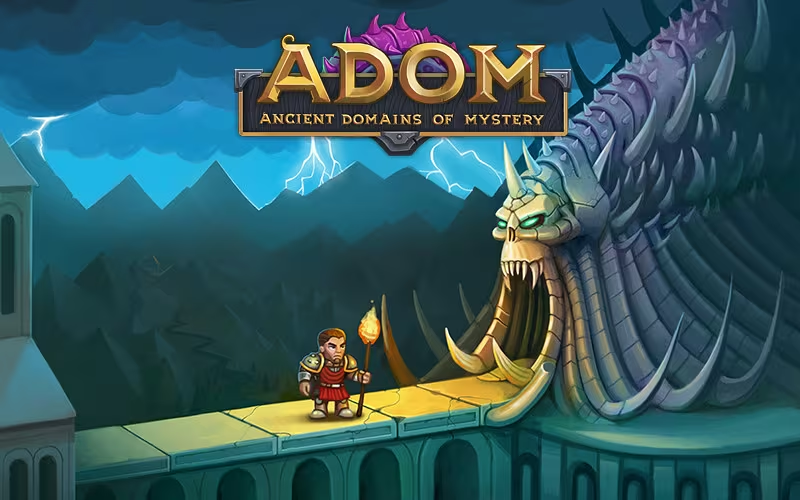
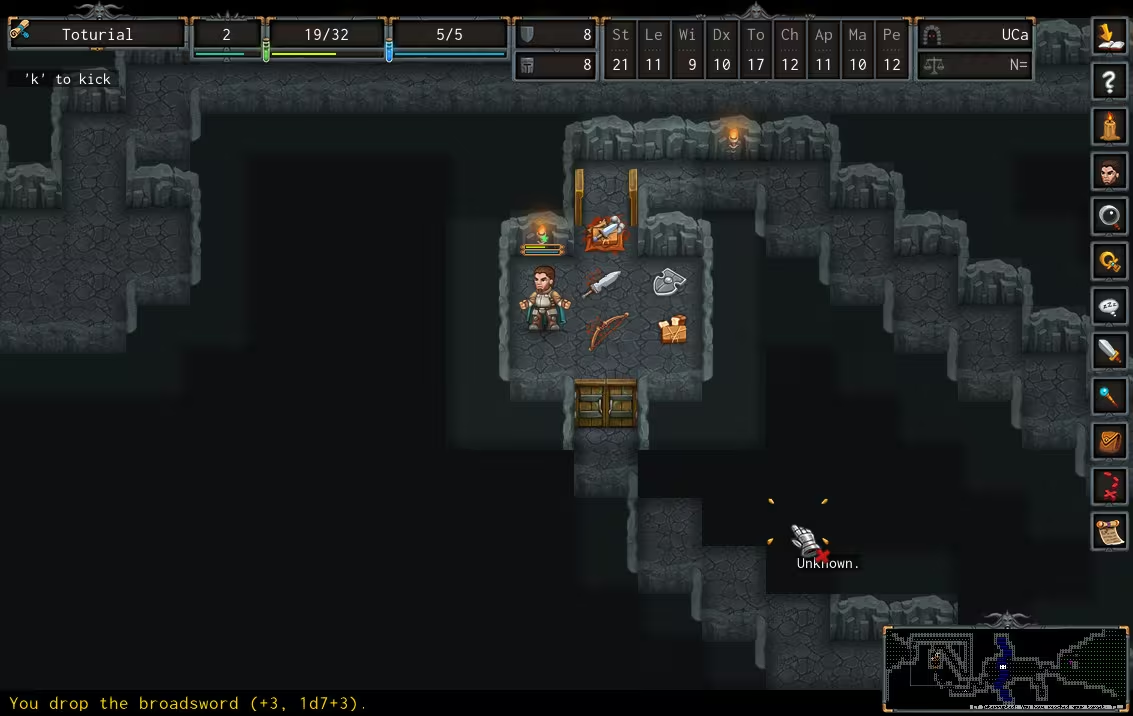
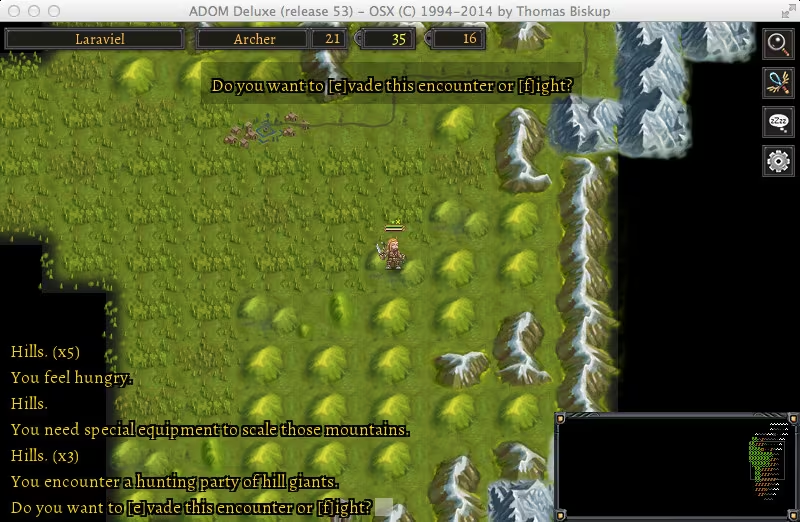
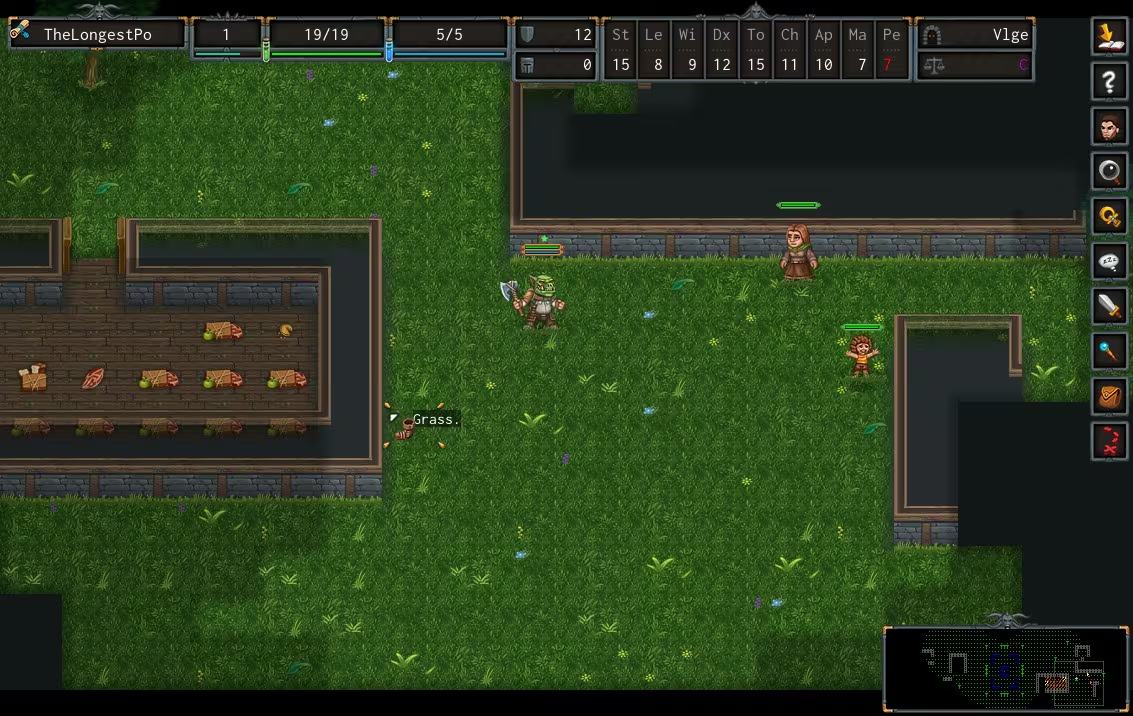
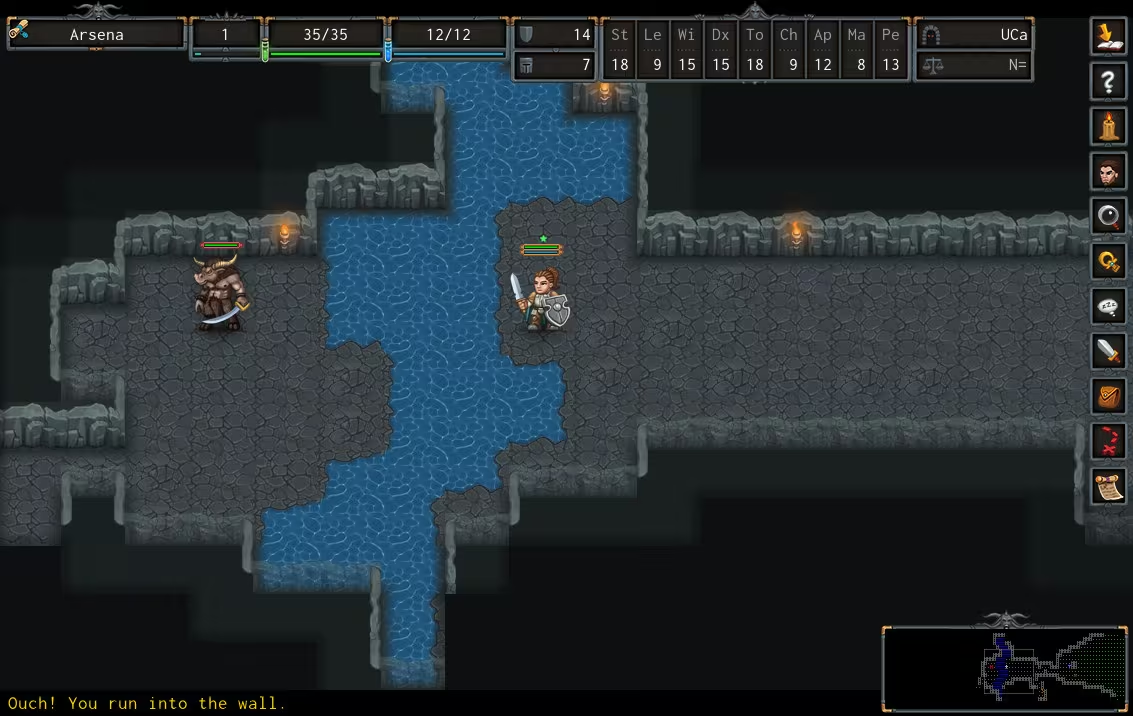
ADOM (Ancient Domains Of Mystery) is one of the most successful roguelike games ever created, boasting a brilliant mix of story, RPG, exploration, and intensely strategic & flexible combat. The Steam version adds various features like achievements, difficulty level customization & play modes.

Global score

84/100

Genres

Adventure, Indie, Role-playing (RPG), Strategy

Similar games

    Pros

    • Extremely deep and complex gameplay
    • High replayability with many character options
    • Rich fantasy world with story and quests
    • Challenging and rewarding experience
    • Active development and community support

    Cons

    • Steep learning curve and high difficulty
    • Archaic and complex controls
    • Single-player only, no social features
    • Some ui and crash issues reported
    • Not beginner-friendly without external guides

    Analysis

    Less representative of its motivational profile, with noticeable differences. Motivations that often define this kind of title include Fellowship, Cooperation, Leadership, Violence. Here, the score leans higher than usual among comparable games on Survival, Exploration. It leans lower than usual among comparable games on Sensation.

    How to use the graph
    Similar games map

    Each dot is a game. They are arranged from the same motivation profile as in the “Motivations” section below. Closer dots usually mean more similar reasons to play (exploration, competition, relaxation, etc.)—not that one game is “better” than another.

    • Larger dot with a light outline: the game you are viewing.
    • Colour: groups of games with comparable motivation patterns (statistical clusters).
    • Hover a dot to see the game name; click to open its page.
    • Scroll or double-click the chart to zoom out and see more games.

    Why don’t the axes read like a score? This view uses t-SNE: it only keeps who is close to whom. The scales are not “good to bad” or hours played—they separate groups on the map. Read distance between dots, not the axis numbers.

    Motivations

    • Autonomy
      5

      "Players have full freedom to choose races, classes, playstyles, and make meaningful decisions affecting gameplay and story."

    • Competence
      5

      "The game is highly challenging with complex mechanics requiring skill, learning, and mastery."

    • Competition
      -3

      "Focus is primarily on personal progression and survival rather than direct competition with others."

    • Continuation
      5

      "Players report hundreds to thousands of hours, with repeated returns over decades indicating strong attachment."

    • Cooperation
      -5

      "Single-player experience with no multiplayer or cooperative elements."

    • Creativity
      4

      "Extensive character customization, multiple classes, races, skills, and emergent gameplay encourage creative approaches."

    • Domination
      -5

      "No evidence of dominance or power over others; interactions are single-player focused."

    • Escapism
      4

      "Players use the game as a deep immersive escape and mental challenge, often for relaxation and stress relief."

    • Expectation
      -4

      "Players engage voluntarily out of intrinsic interest and passion for the genre and game."

    • Experimenting
      5

      "High replayability with new character builds, strategies, and exploration of mechanics encouraged."

    • Exploration
      5

      "Large world, many dungeons, secrets, and quests drive curiosity and discovery."

    • Expression
      3

      "Character customization and choice of race/class allow personal expression, though limited cosmetic modification."

    • Fantasy
      5

      "Strong fantasy setting with magic, gods, demons, and mythical creatures."

    • Fellowship
      -5

      "Single-player game with minimal social interaction."

    • Growth
      5

      "Players learn complex systems, improve skills, and develop strategies over many hours."

    • Health
      -3

      "Primarily sedentary gameplay with no physical activity elements."

    • Idle
      -4

      "Requires focused attention and strategic thinking; not a casual or background game."

    • Intimacy
      -5

      "No evidence of close social relationships or emotional sharing in gameplay."

    • Leadership
      -5

      "No multiplayer or group leadership roles."

    • Progression
      5

      "Strong emphasis on leveling, item acquisition, skill development, and unlocking content."

    • Relaxation
      2

      "Some players find it relaxing and mentally engaging despite difficulty and tension."

    • Sensation
      1

      "Graphical tiles and sound add sensory stimulation, but gameplay is primarily cognitive."

    • Status
      -4

      "Focus is on personal achievement rather than social recognition or popularity."

    • Story
      4

      "Game features an overarching plot, quests, and narrative elements integrated with gameplay."

    • Strategy
      5

      "Requires planning, risk management, and problem solving."

    • Thrill
      4

      "High tension and suspense from permadeath, random events, and difficult encounters."

    • Value
      5

      "Players report thousands of hours of gameplay and high replayability for a low price."

    • Violence
      3

      "Combat and defeating monsters are core gameplay elements, though not gratuitous."

    • Survival
      5

      "Strong survival mechanics including resource management, avoiding death, and overcoming threats."

    Last update: 29/04/2026