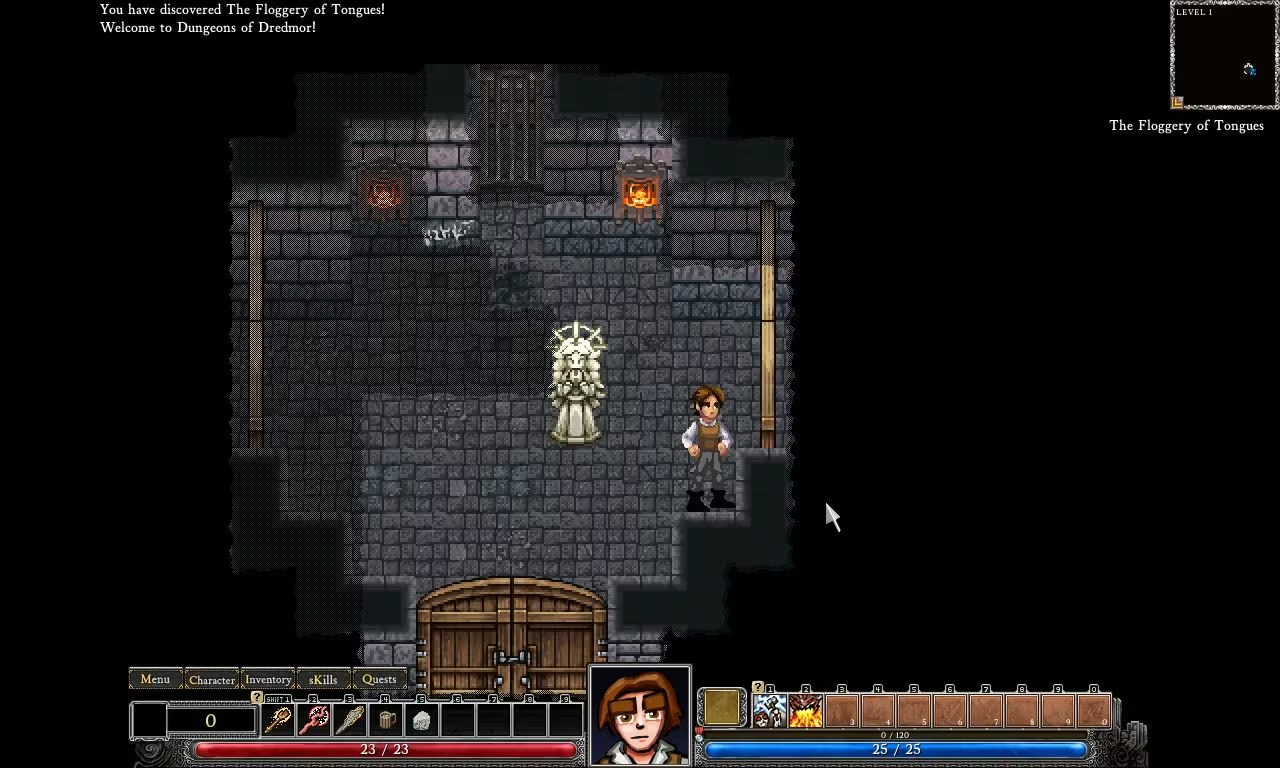
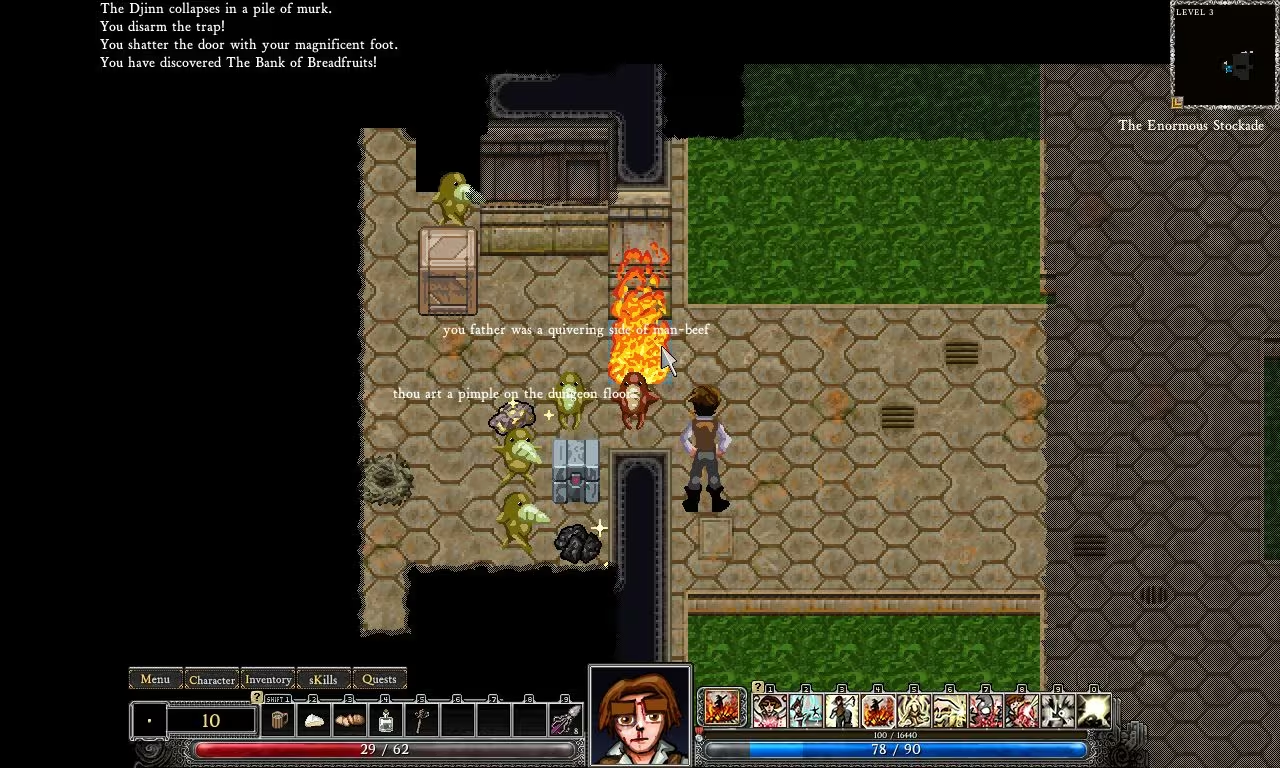
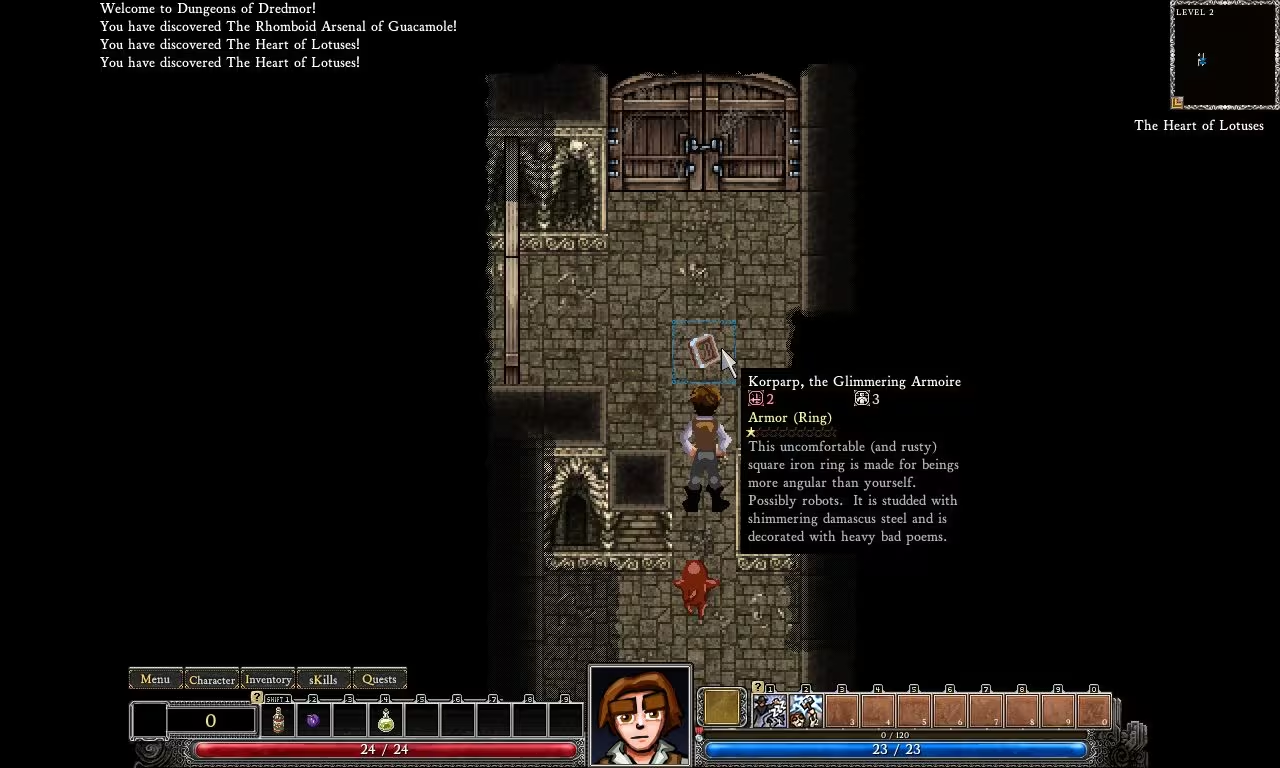
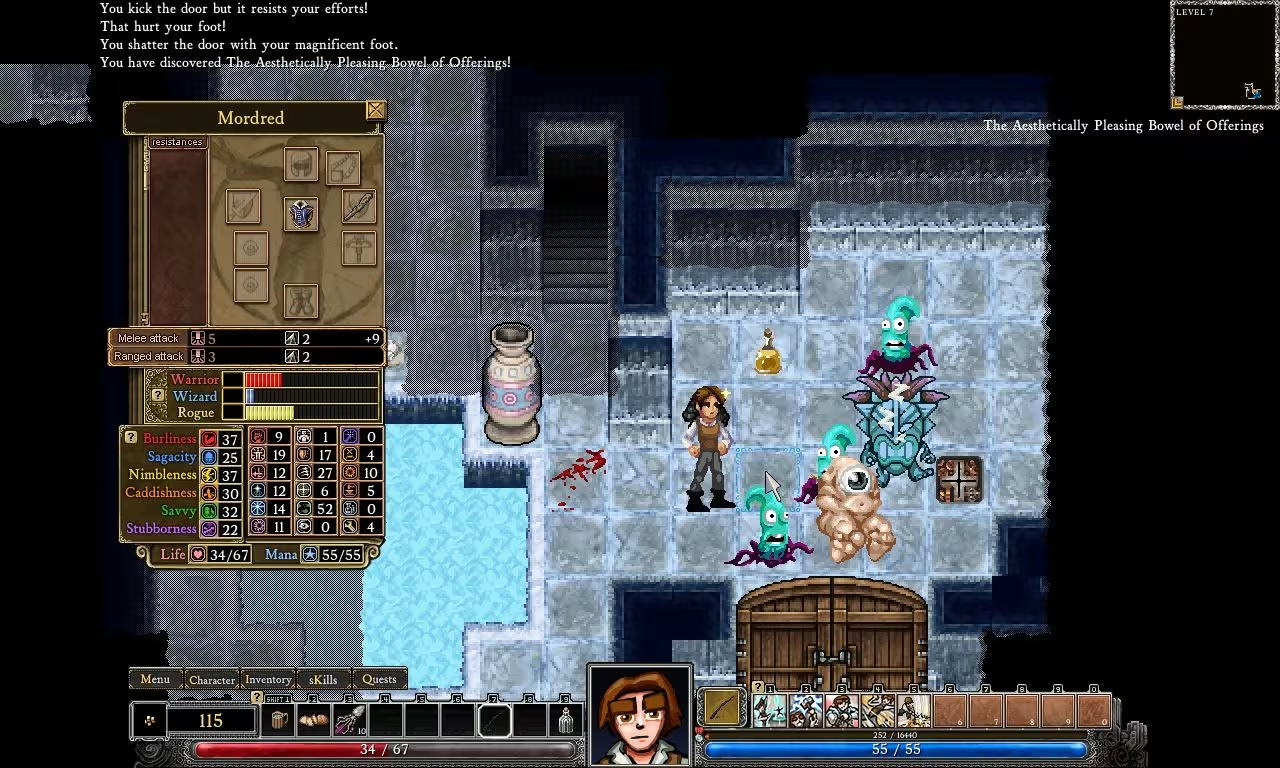
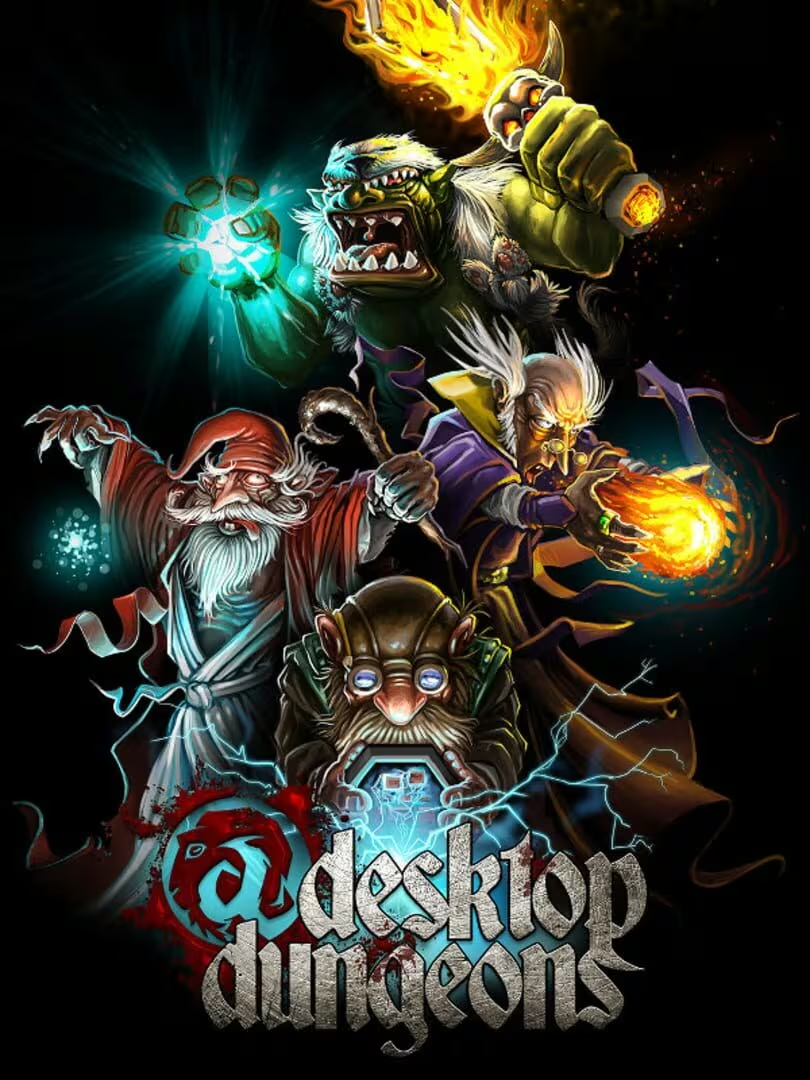
Dungeons of Dredmor Thumbnail

Dungeons of Dredmor similar games & best alternatives
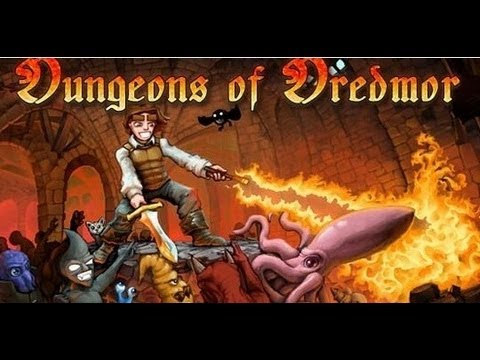
Dungeons of Dredmor

PC (Microsoft Windows), Mac, Linux • 2011

Related articles

Quick resume

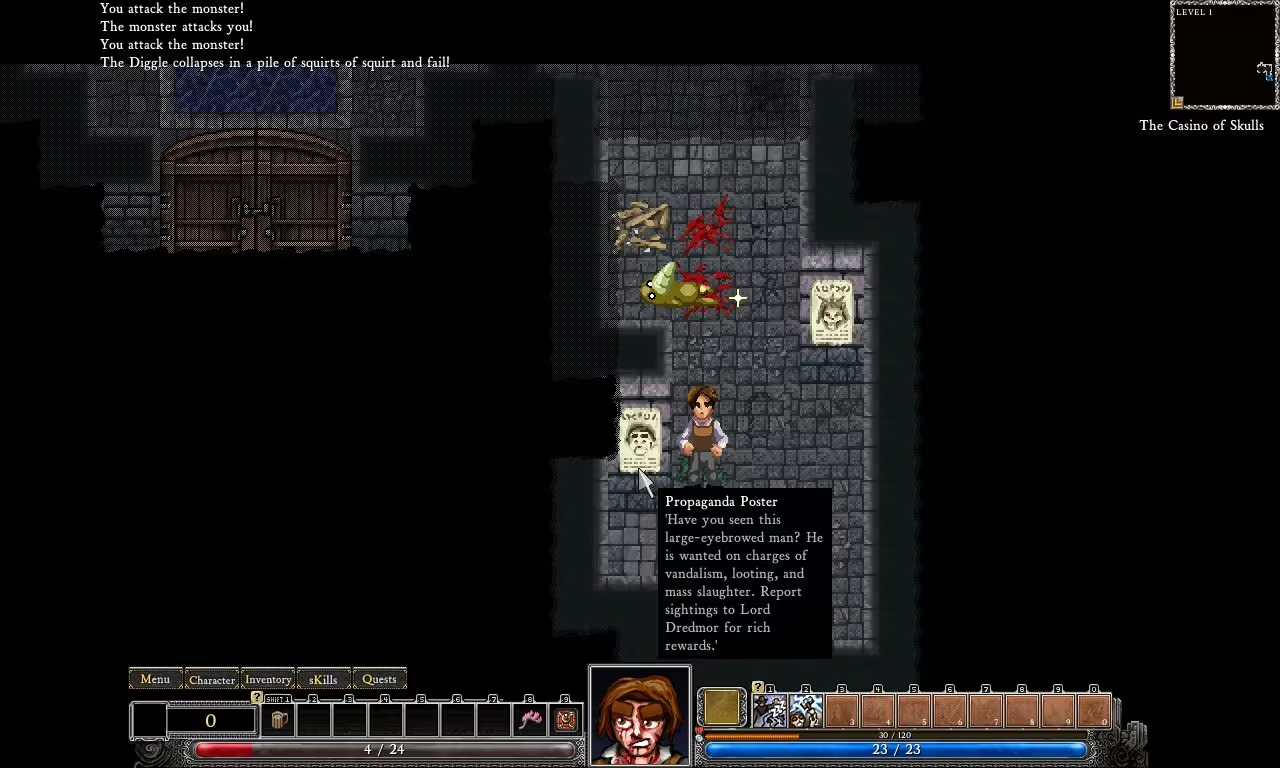
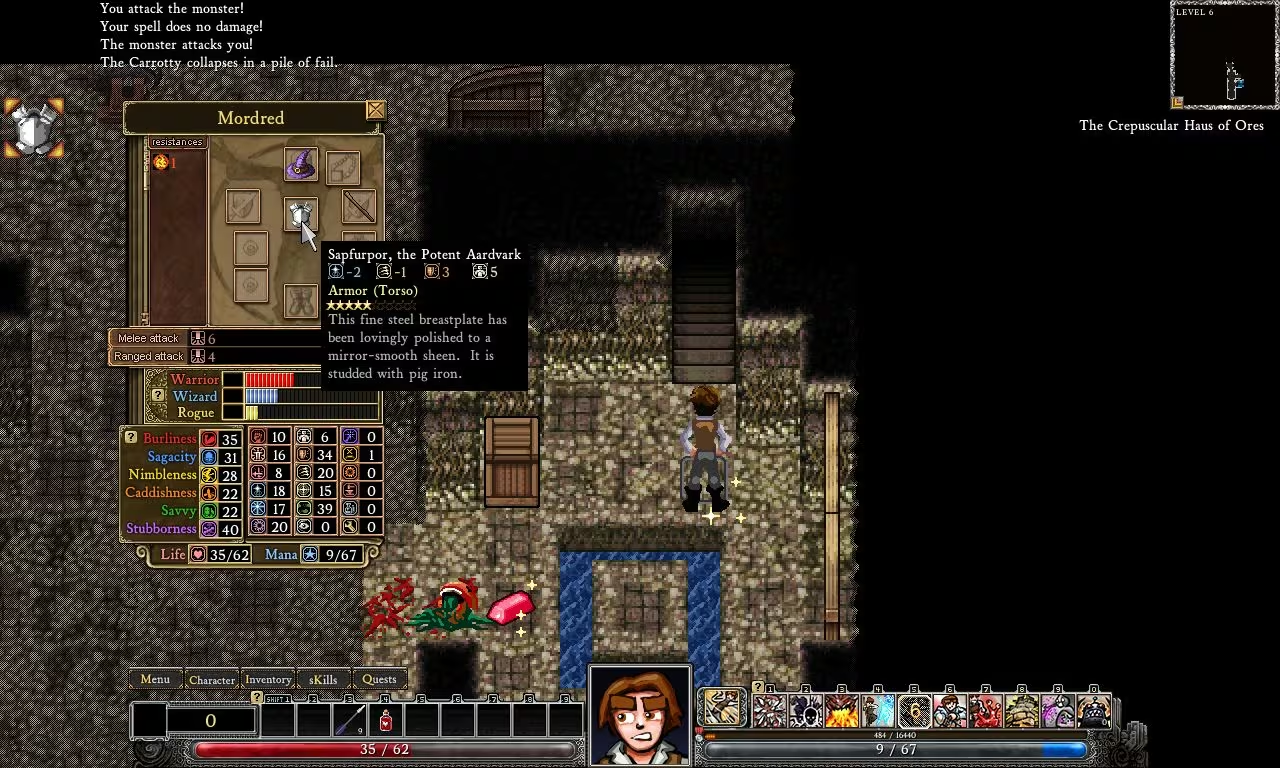
Test your luck and cunning in this exciting RPG as you craft, cast, and pillage your way through Lord Dredmor's Dungeons.

Global score

94/100

Genres

Casual, Indie, Role-playing (RPG), Turn-based strategy (TBS)

Similar games

    Pros

    • Extensive character customization and skill variety
    • Challenging and rewarding gameplay
    • High replayability with procedural generation
    • Humorous writing and quirky art style
    • Affordable price with dlc and mod support

    Cons

    • No multiplayer or cooperative modes
    • Inventory management can be cumbersome
    • Graphics and character visuals are simple and unchanging
    • Some rng elements can be frustrating
    • Game can be punishing and difficult for newcomers

    Analysis

    Broadly representative of its motivational profile, with a few distinct shifts. Motivations that often define this kind of title include Relaxation, Survival, Violence, Fellowship. Here, the score leans higher than usual among comparable games on Creativity, Experimenting. It leans lower than usual among comparable games on Expression.

    How to use the graph
    Similar games map

    Each dot is a game. They are arranged from the same motivation profile as in the “Motivations” section below. Closer dots usually mean more similar reasons to play (exploration, competition, relaxation, etc.)—not that one game is “better” than another.

    • Larger dot with a light outline: the game you are viewing.
    • Colour: groups of games with comparable motivation patterns (statistical clusters).
    • Hover a dot to see the game name; click to open its page.
    • Scroll or double-click the chart to zoom out and see more games.

    Why don’t the axes read like a score? This view uses t-SNE: it only keeps who is close to whom. The scales are not “good to bad” or hours played—they separate groups on the map. Read distance between dots, not the axis numbers.

    Motivations

    • Autonomy
      4

      "Players have extensive freedom to customize characters with 7 skill trees chosen from dozens, enabling unique builds and playstyles."

    • Competence
      4

      "The game offers challenging combat, skill mastery, crafting complexity, and requires strategic thinking to progress."

    • Competition
      -3

      "Focus is on individual runs and personal progression rather than direct competition or leaderboards."

    • Continuation
      5

      "Highly addictive with strong replay value; players report repeatedly returning for new runs and builds."

    • Cooperation
      -5

      "Single-player focused with no multiplayer or cooperative gameplay elements."

    • Creativity
      5

      "Extensive character customization, crafting system, and mod support encourage creative experimentation."

    • Domination
      -5

      "No evidence of dominance or power over other players; gameplay is solitary and self-directed."

    • Escapism
      4

      "Players use the game for immersive, humorous fantasy escapism and stress relief."

    • Expectation
      -4

      "Players engage voluntarily out of intrinsic interest and enjoyment rather than obligation."

    • Experimenting
      5

      "Encourages trying new skill combinations, builds, and strategies; random generation supports novelty."

    • Exploration
      3

      "Procedurally generated dungeons and secret areas promote discovery, though environments share themes."

    • Expression
      -2

      "Limited visual customization; character appearance does not reflect equipment, but skill builds allow expression."

    • Fantasy
      5

      "Strong fantasy setting with imaginative monsters, magic, and humorous lore."

    • Fellowship
      -5

      "No social or community gameplay within the game; interaction limited to external forums and modding."

    • Growth
      5

      "Players develop skills, learn mechanics, and improve strategies through repeated play."

    • Health
      -5

      "Typical sedentary gameplay with no physical activity or health-related features."

    • Idle
      -4

      "Requires focused attention and strategic planning; not suited for casual or background play."

    • Intimacy
      -5

      "No close social relationships or emotional sharing within gameplay."

    • Leadership
      -5

      "No leadership or group management roles; gameplay is individual."

    • Progression
      5

      "Strong emphasis on leveling up, acquiring loot, crafting, and character development."

    • Relaxation
      -2

      "Game is challenging and punishing, creating tension rather than pure relaxation."

    • Sensation
      2

      "Bright, quirky graphics and humorous audio provide sensory stimulation and emotional fun."

    • Status
      -4

      "No social recognition or status systems; achievements are personal and offline."

    • Story
      1

      "Minimal narrative with light humor and lore; gameplay focuses on mechanics over story."

    • Strategy
      5

      "Requires careful planning, skill synergy, resource management, and tactical combat decisions."

    • Thrill
      3

      "Permadeath and random dangers create suspense and tension during runs."

    • Value
      5

      "Highly praised for extensive content and replayability at a low price point."

    • Violence
      3

      "Combat involves defeating monsters with weapons and magic; violence is cartoonish and humorous."

    • Survival
      4

      "Players must avoid death, manage resources, and overcome increasingly difficult threats."

    Last update: 29/04/2026