Growing Up Thumbnail

Growing Up similar games & best alternatives

Growing Up

PC (Microsoft Windows), Web browser, Mac, Linux • 2021

Related articles

Quick resume

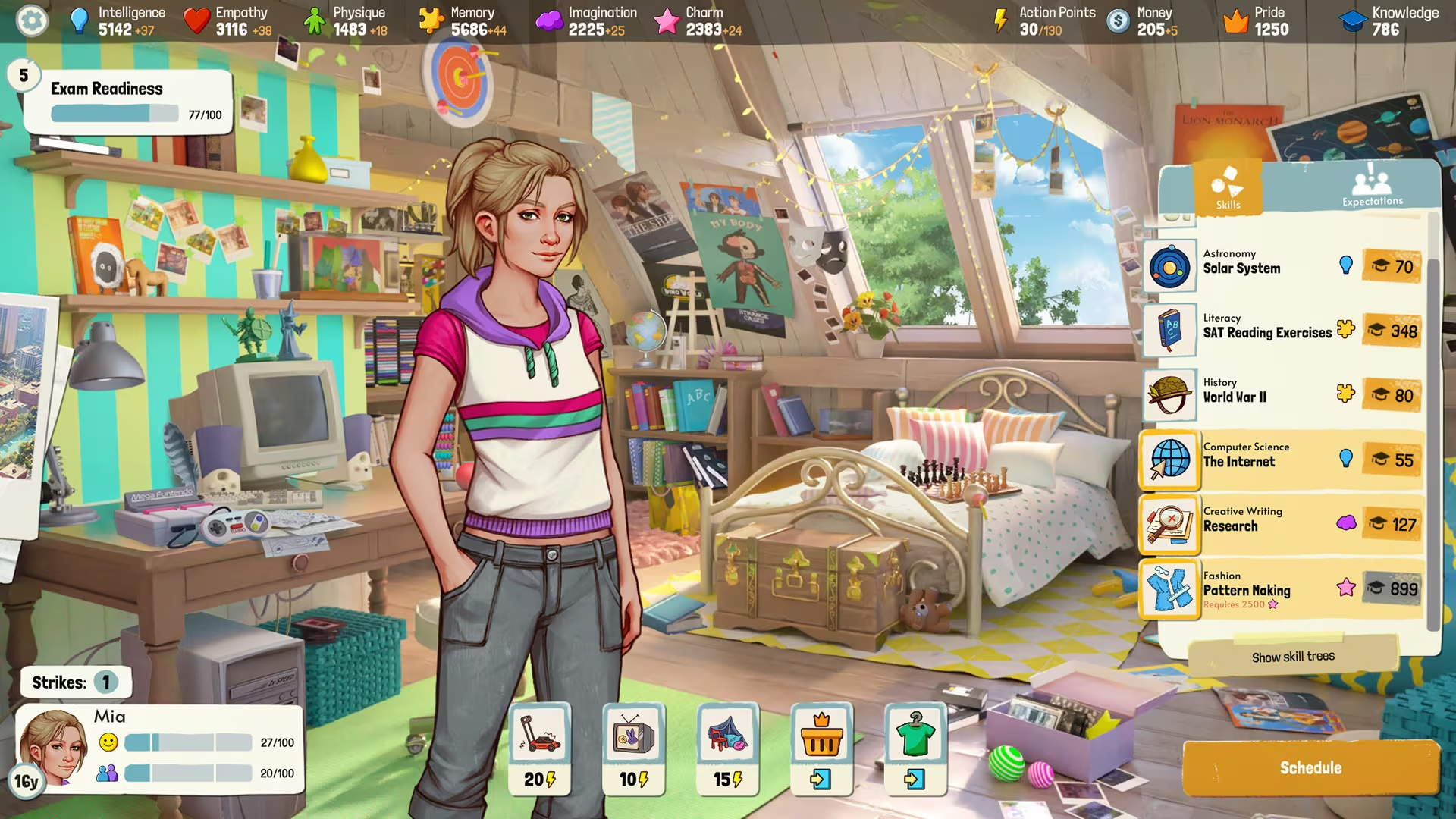
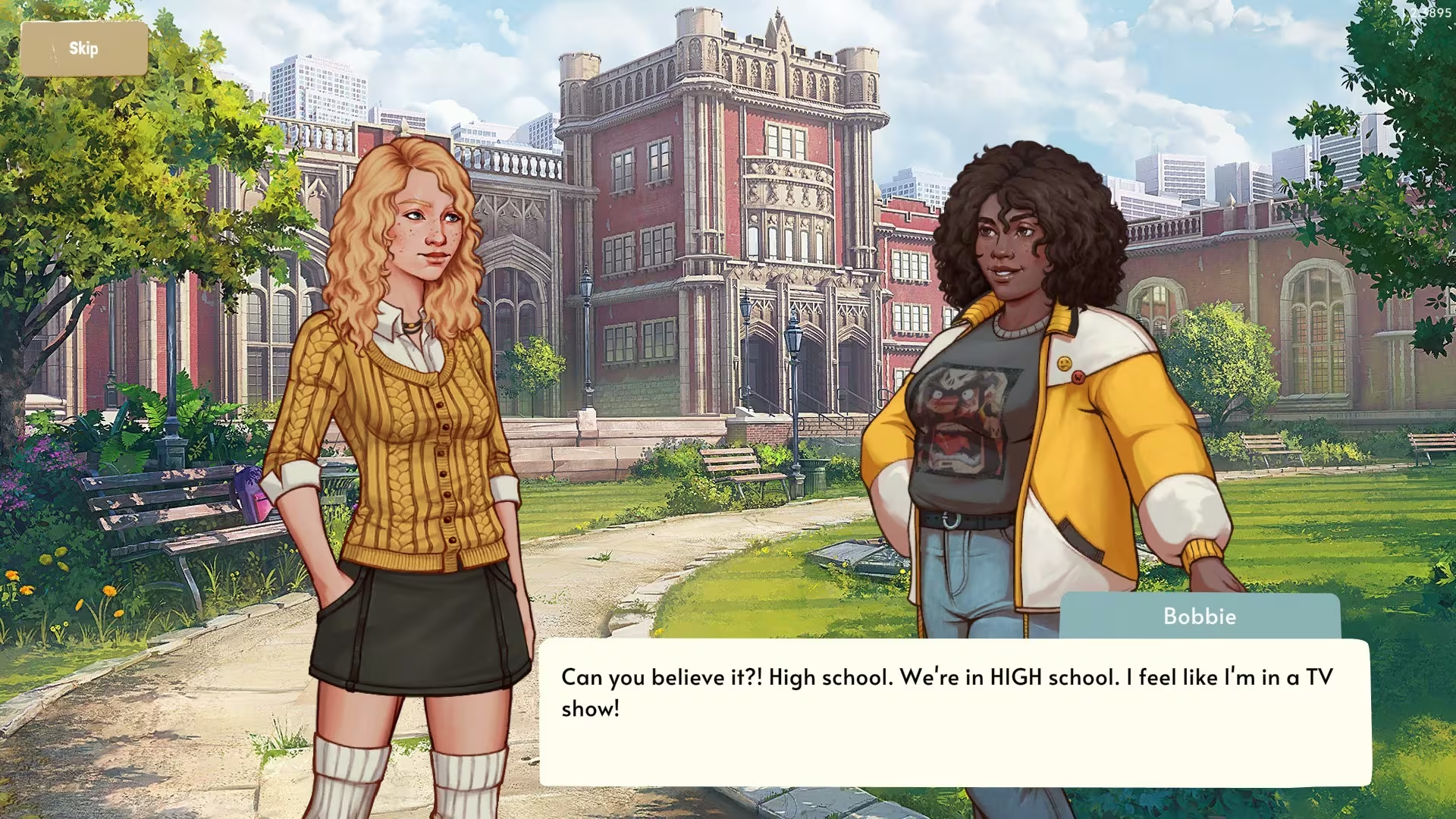
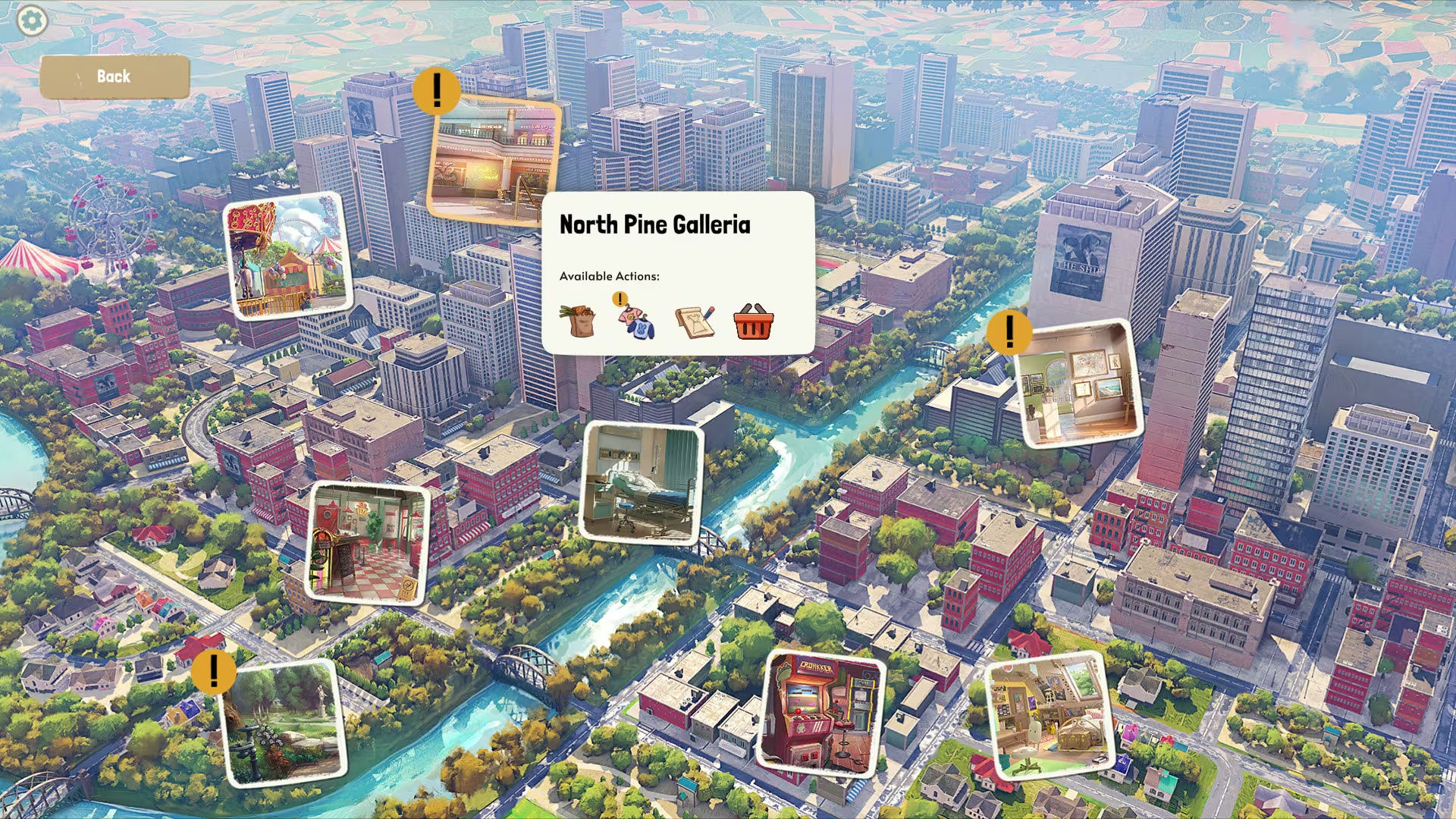
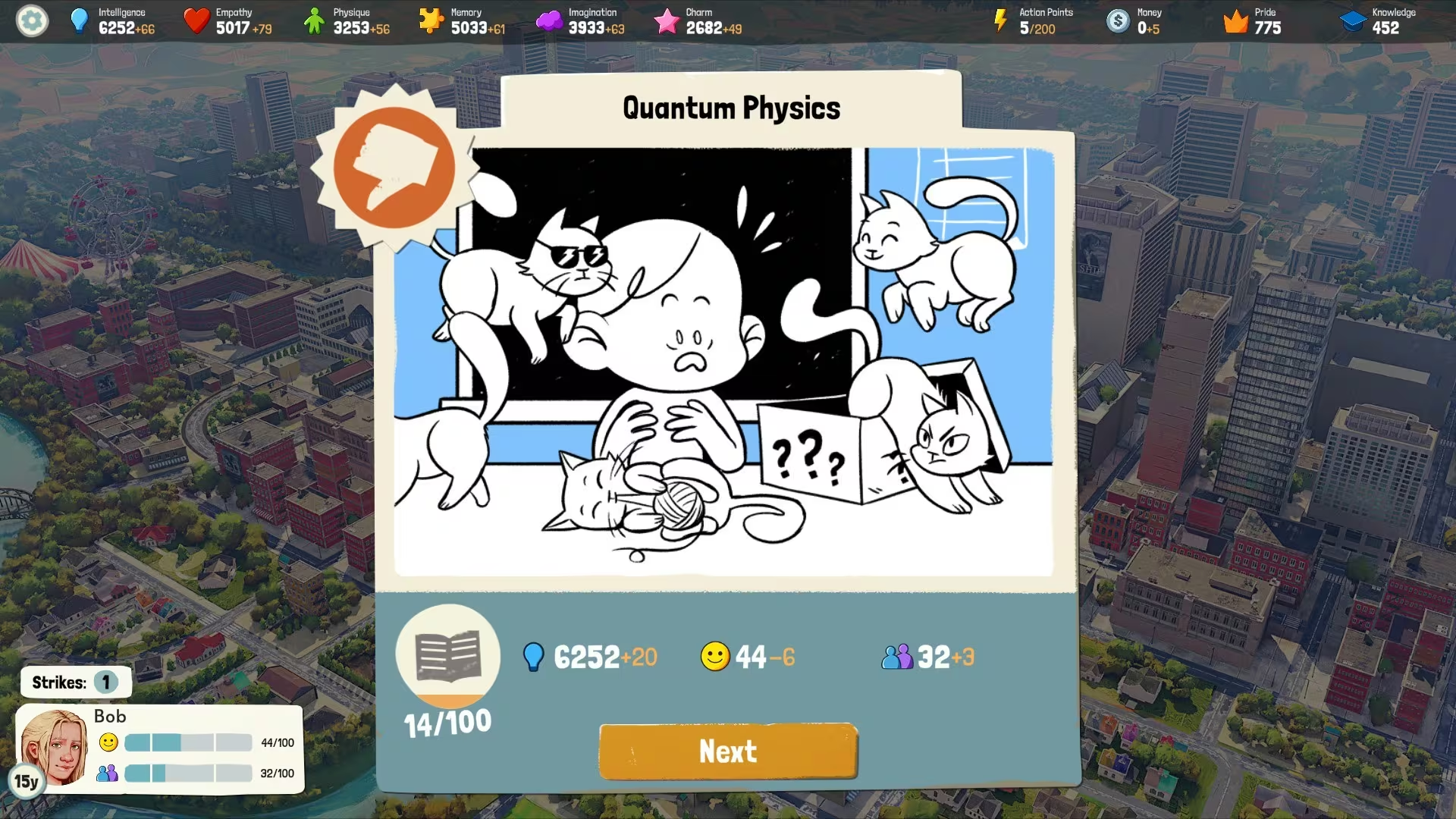
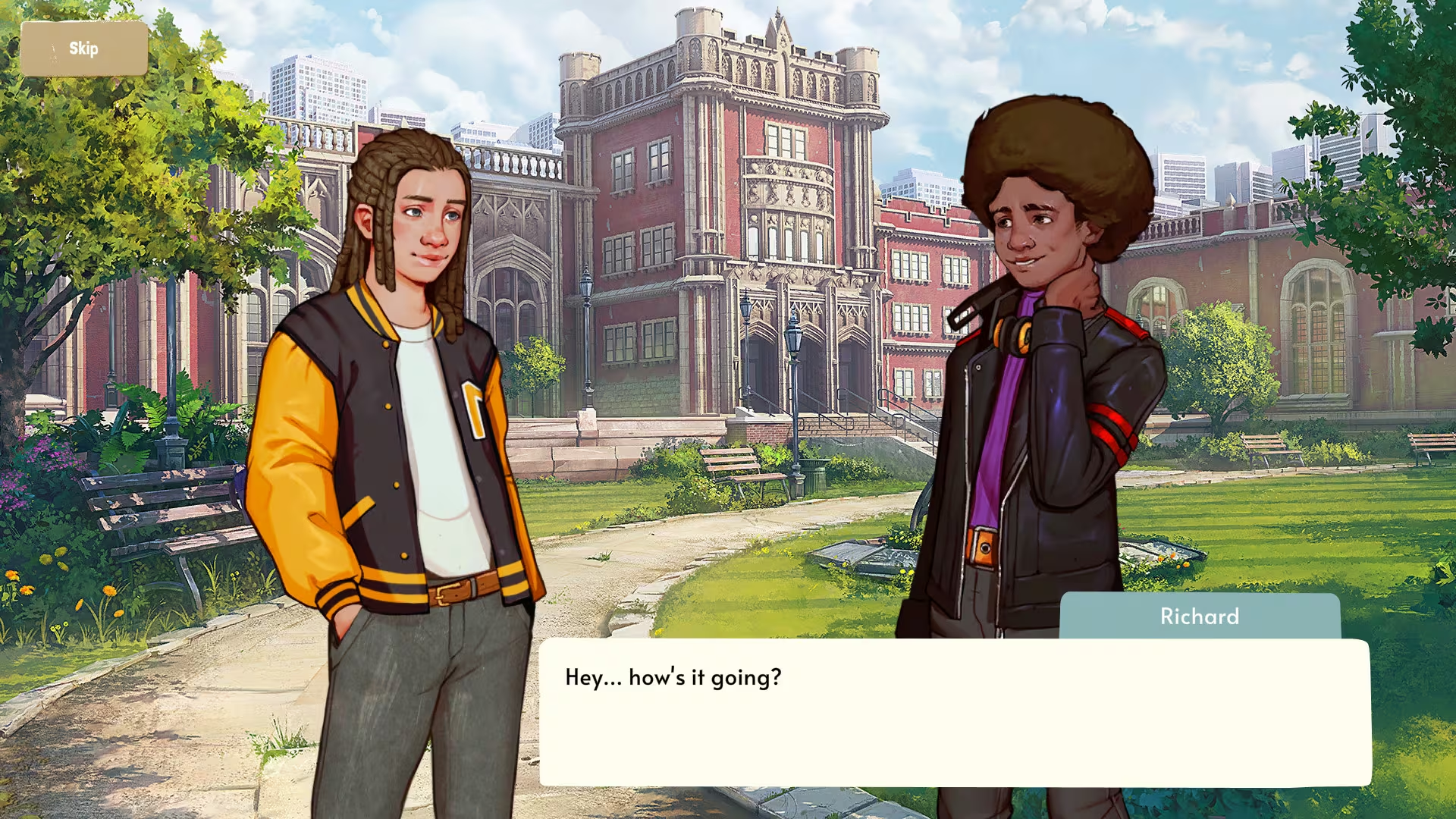
This is the story of your life. Experience the entire journey from toddler to adulthood. Go to schools, learn new things, meet new friends, and have wild adventures! Every choice you make will influence your future career, and decide who your romantic partner will be. Who will you become?

Global score

88/100

Genres

Adventure, Casual, Indie, Role-playing (RPG), Simulator, Strategy, Visual Novel

Similar games

    Pros

    • Engaging character stories
    • Relaxing and accessible gameplay
    • High replayability with varied outcomes
    • Beautiful art and music
    • Meaningful personal growth mechanics

    Cons

    • Repetitive content and limited character variety
    • Heavy rng affecting progression
    • Short playtime ending at age 18
    • Limited player agency in story choices
    • Parental approval system can feel punishing or inconsistent

    Analysis

    A very typical example of its motivational profile. Motivations that often define this kind of title include Intimacy, Survival, Violence, Competition. Here, the score leans higher than usual among comparable games on Fellowship, Strategy. It leans lower than usual among comparable games on Fantasy.

    How to use the graph
    Similar games map

    Each dot is a game. They are arranged from the same motivation profile as in the “Motivations” section below. Closer dots usually mean more similar reasons to play (exploration, competition, relaxation, etc.)—not that one game is “better” than another.

    • Larger dot with a light outline: the game you are viewing.
    • Colour: groups of games with comparable motivation patterns (statistical clusters).
    • Hover a dot to see the game name; click to open its page.
    • Scroll or double-click the chart to zoom out and see more games.

    Why don’t the axes read like a score? This view uses t-SNE: it only keeps who is close to whom. The scales are not “good to bad” or hours played—they separate groups on the map. Read distance between dots, not the axis numbers.

    Motivations

    • Autonomy
      3

      "Players can schedule activities and make some story choices, but overall progression is constrained by game mechanics and RNG."

    • Competence
      3

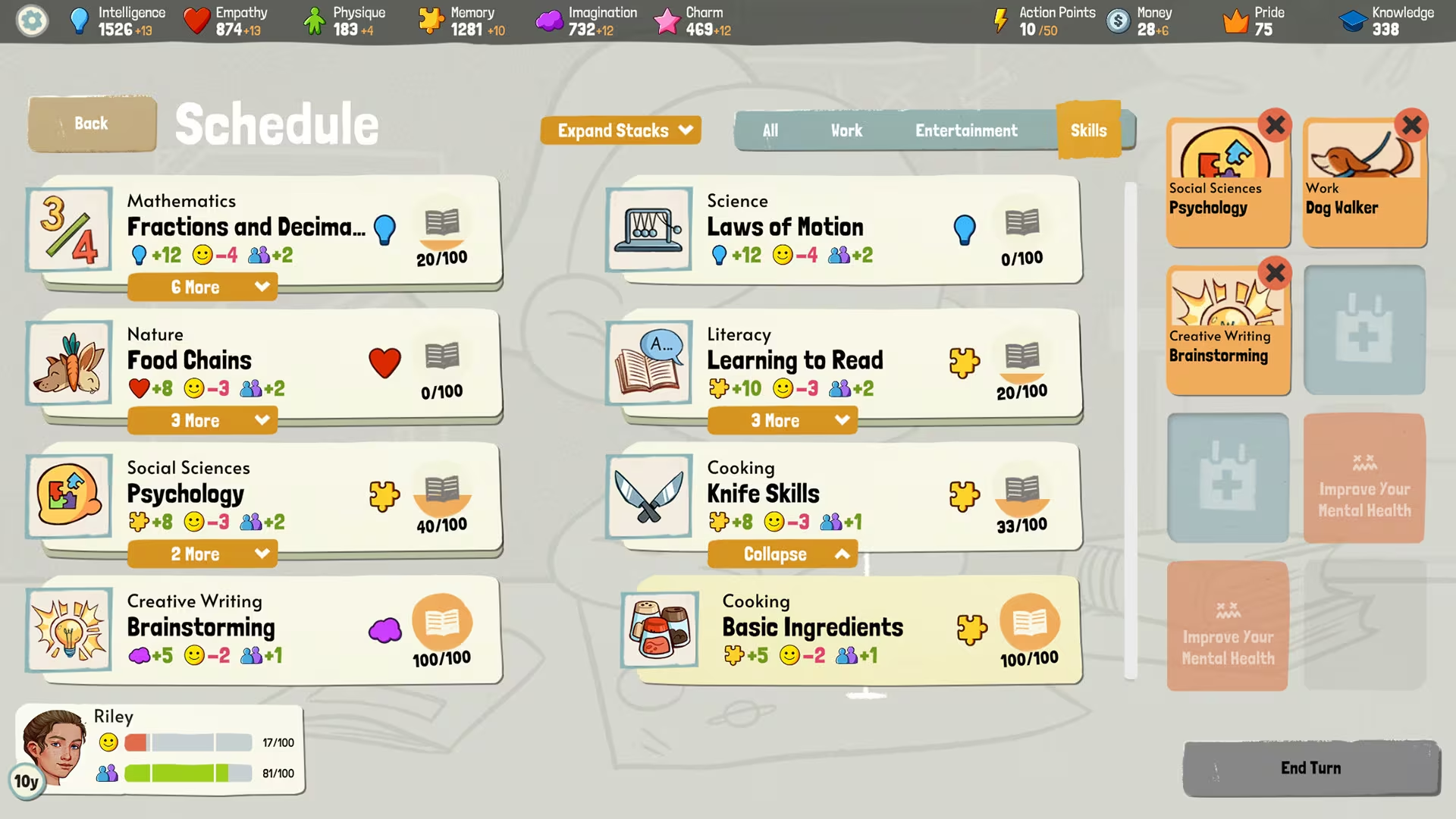
      "Players engage in skill-building mini-games and exams that require some strategy and mastery, though some randomness affects outcomes."

    • Competition
      -3

      "Focus is on personal growth and story progression without leaderboards or direct competition with others."

    • Continuation
      4

      "Many players report addictive gameplay with multiple playthroughs and long sessions despite some repetitiveness."

    • Cooperation
      -4

      "Gameplay centers on individual character development and personal storylines with limited player collaboration."

    • Creativity
      2

      "Players can customize character appearance and choose skill paths, but overall structure and storylines are preset."

    • Domination
      -5

      "No evidence of exerting control or superiority over others; interactions are balanced and respectful."

    • Escapism
      4

      "Players use the game as a relaxing distraction and emotional experience, escaping real-life stress."

    • Expectation
      -4

      "Players engage voluntarily out of personal interest and enjoyment rather than obligation or pressure."

    • Experimenting
      3

      "Players explore different storylines, skill builds, and friend combinations across multiple playthroughs."

    • Exploration
      2

      "Some discovery of new characters and story branches, but limited by fixed environments and repeated settings."

    • Expression
      2

      "Some character customization and choices allow self-expression, though options are somewhat limited."

    • Fantasy
      -2

      "Game simulates a realistic childhood experience in a 1990s American setting with grounded characters."

    • Fellowship
      3

      "Players experience social connections through friendships and relationships with NPCs, fostering community feeling."

    • Growth
      4

      "Strong emphasis on learning skills, personal development, and progressing through life stages."

    • Health
      Insufficient data
    • Idle
      -3

      "Game requires focused attention on scheduling, resource management, and mini-games without idle periods."

    • Intimacy
      3

      "Players form meaningful relationships and romantic connections with NPCs, with emotional storylines."

    • Leadership
      -4

      "Players do not lead others but focus on their own character's development and story."

    • Progression
      4

      "Players accumulate skills, improve stats, and unlock story content through progression mechanics."

    • Relaxation
      4

      "Many players find the game relaxing and a good way to unwind with balanced challenge and flow."

    • Sensation
      3

      "Enjoyable art, music, and animations provide sensory pleasure and emotional engagement."

    • Status
      -3

      "Game lacks social status or popularity mechanics; focus is on personal experience and story."

    • Story
      4

      "Strong narrative immersion with character-driven plots and branching storylines."

    • Strategy
      3

      "Players must plan skill development, resource allocation, and scheduling to succeed."

    • Thrill
      -2

      "Game is low risk and predictable with minimal suspense or tension."

    • Value
      3

      "Players perceive good value for time spent, especially given replayability and emotional engagement."

    • Violence
      -5

      "No enjoyment of combat or destruction; game focuses on constructive life simulation."

    • Survival
      -3

      "Game operates in stable conditions without threats or failure states beyond parental approval."

    Last update: 29/04/2026