[Chilla's Art] Missing Children | 行方不明 similar games & best alternatives
No screenshot has been retrieved yet
![[Chilla's Art] Missing Children | 行方不明 - chilla-s-art-missing-children_1.avif](https://d2eatnf6sujjgc.cloudfront.net/gameaton-data/chilla-s-art-missing-children/screenshots/chilla-s-art-missing-children_1.avif)
![[Chilla's Art] Missing Children | 行方不明 - chilla-s-art-missing-children_2.avif](https://d2eatnf6sujjgc.cloudfront.net/gameaton-data/chilla-s-art-missing-children/screenshots/chilla-s-art-missing-children_2.avif)
![[Chilla's Art] Missing Children | 行方不明 - chilla-s-art-missing-children_3.avif](https://d2eatnf6sujjgc.cloudfront.net/gameaton-data/chilla-s-art-missing-children/screenshots/chilla-s-art-missing-children_3.avif)
![[Chilla's Art] Missing Children | 行方不明 - chilla-s-art-missing-children_4.avif](https://d2eatnf6sujjgc.cloudfront.net/gameaton-data/chilla-s-art-missing-children/screenshots/chilla-s-art-missing-children_4.avif)
![[Chilla's Art] Missing Children | 行方不明 - chilla-s-art-missing-children_5.avif](https://d2eatnf6sujjgc.cloudfront.net/gameaton-data/chilla-s-art-missing-children/screenshots/chilla-s-art-missing-children_5.avif)
![[Chilla's Art] Missing Children | 行方不明 - chilla-s-art-missing-children_6.avif](https://d2eatnf6sujjgc.cloudfront.net/gameaton-data/chilla-s-art-missing-children/screenshots/chilla-s-art-missing-children_6.avif)
Should you play it?
Missing Children | 行方不明 is a Japanese horror-themed adventure game about a bully detective searching for reported missing children.
What works
- Strong atmospheric horror and mystery
- Engaging story with multiple endings
- Affordable price and good value
- Interesting exploration and puzzle solving
- Unique art style and character design
Things to keep in mind
- Short game length
- Some bugs and technical issues reported
- Limited scare factor for horror fans
- Minimal player customization or expression
- Some narrative elements feel underdeveloped
What to play next
Top picks
Games that feel the closest overall

More survival-focused
Games that feels like [Chilla's Art] Missing Children | 行方不明 but with a stronger survival pressure · 24 games
-
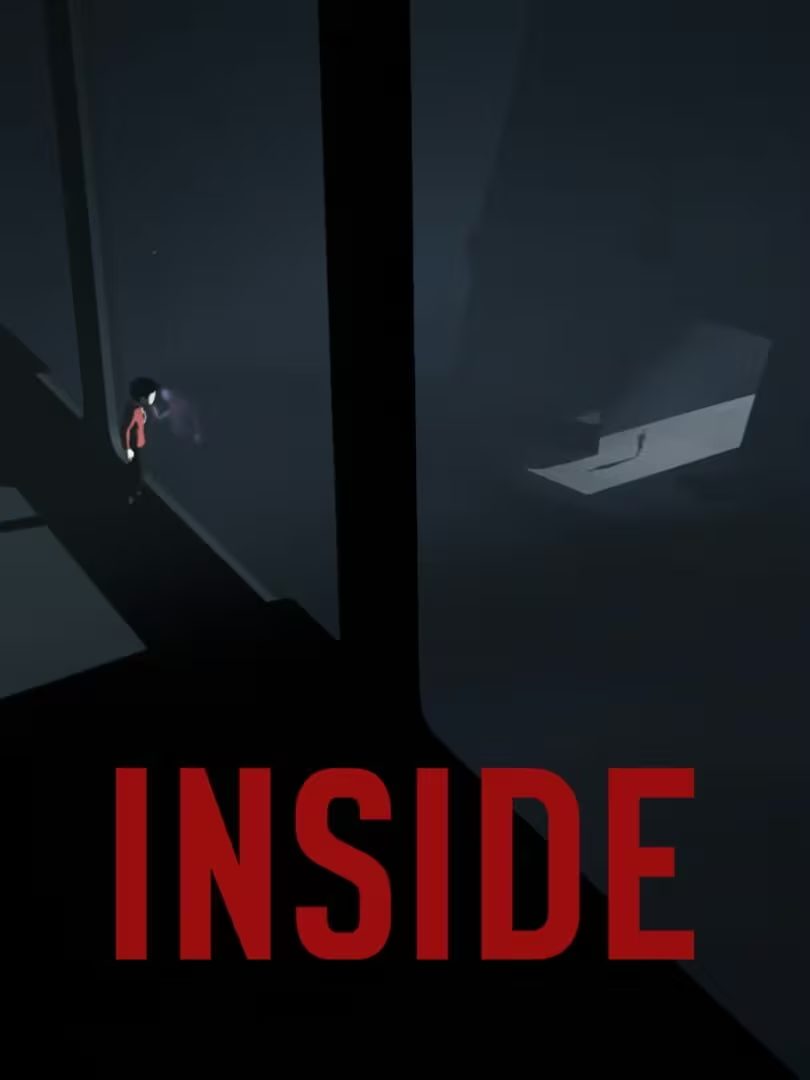
INSIDE
-
HELLSEED: All Chapters
-
[Chilla's Art] The Ghost Train | 幽霊列車
-
The Story of Henry Bishop
-
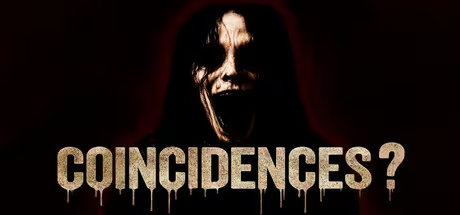
Coincidences?
-
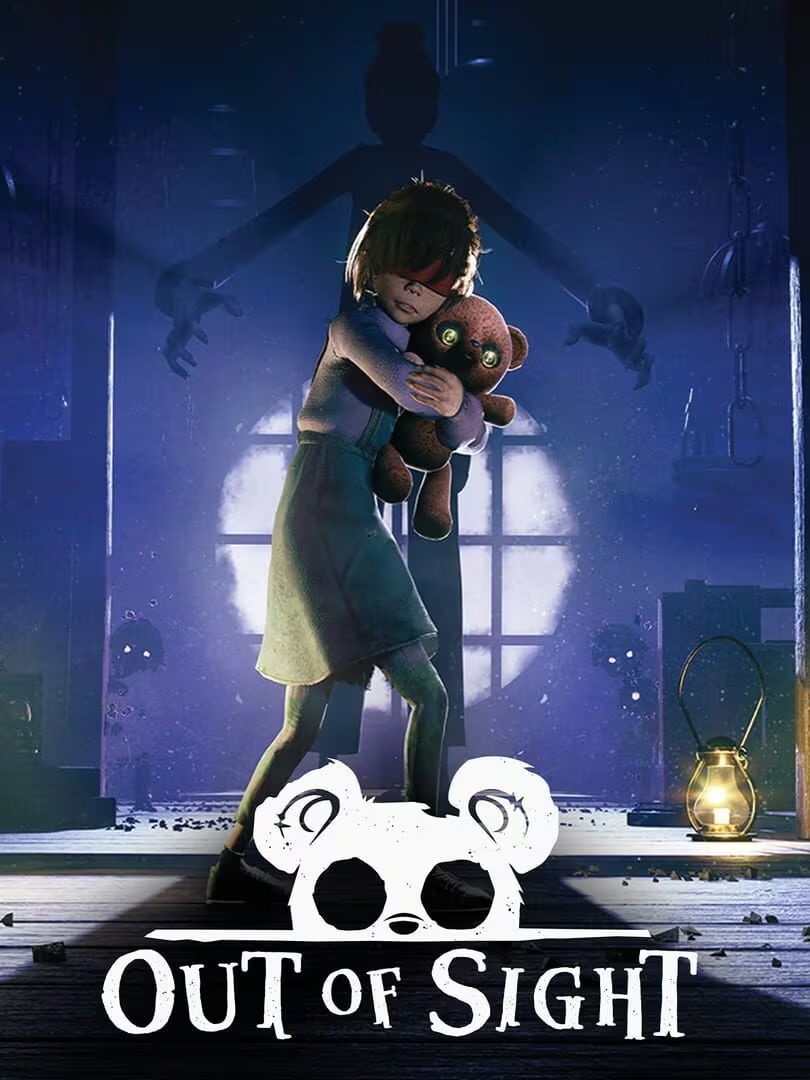
Out of Sight
-
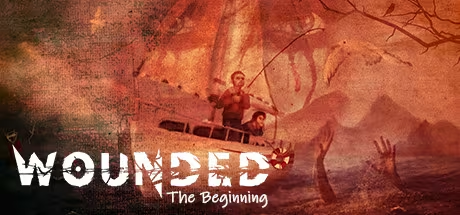
Wounded - The Beginning
-
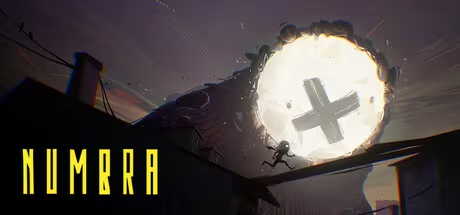
Numbra
-
The Bridge Curse 2: The Extrication
-
The Beast Inside
-
Kona
-
Nightmare Shift
-
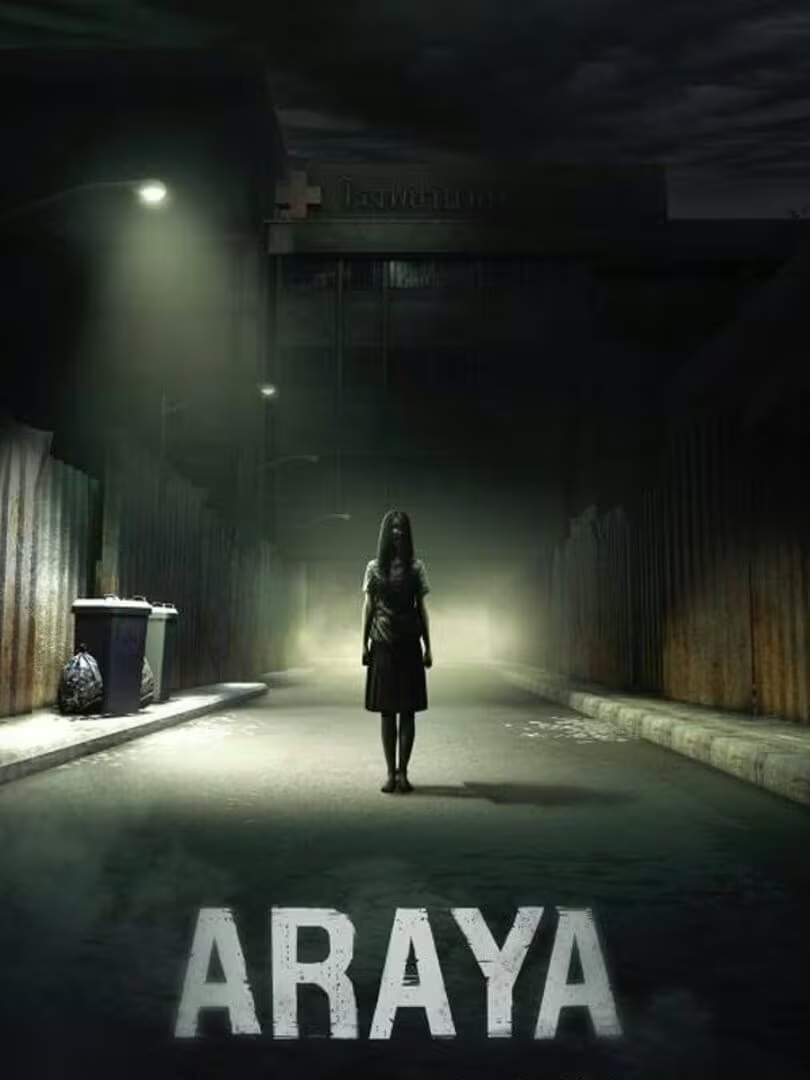
ARAYA
-
Scauage
-
ColdSide
-
Within Skerry
-
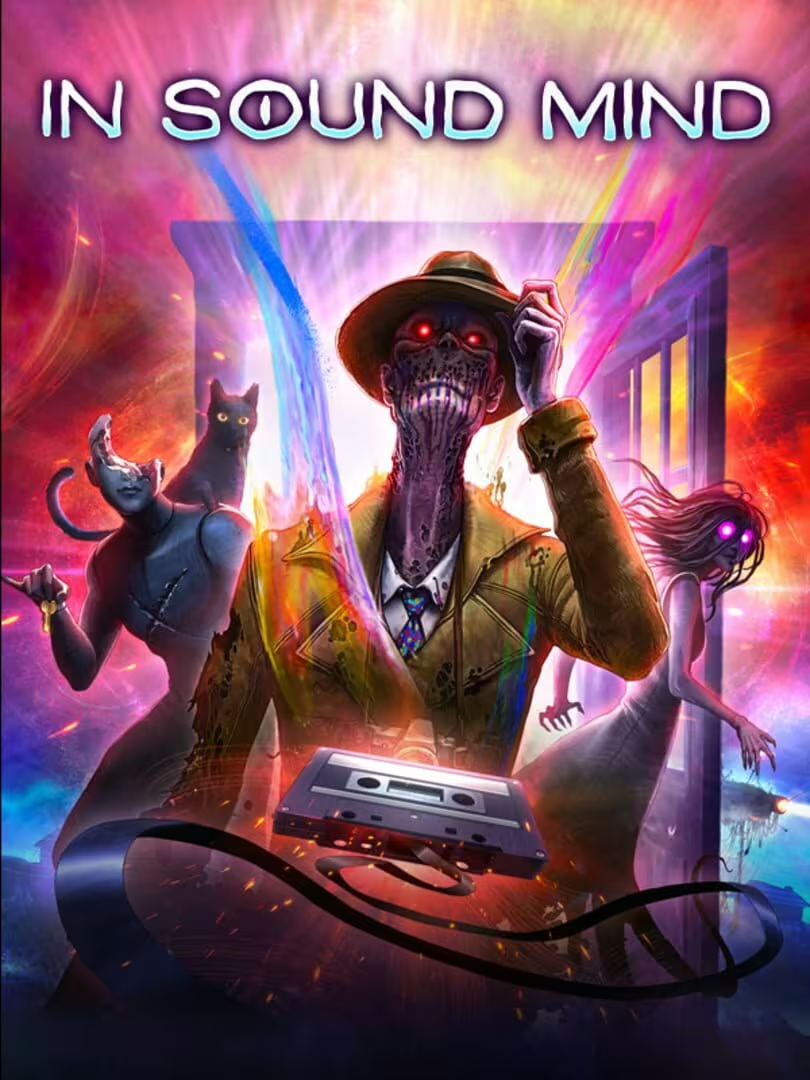
In Sound Mind
-
Mirages
-
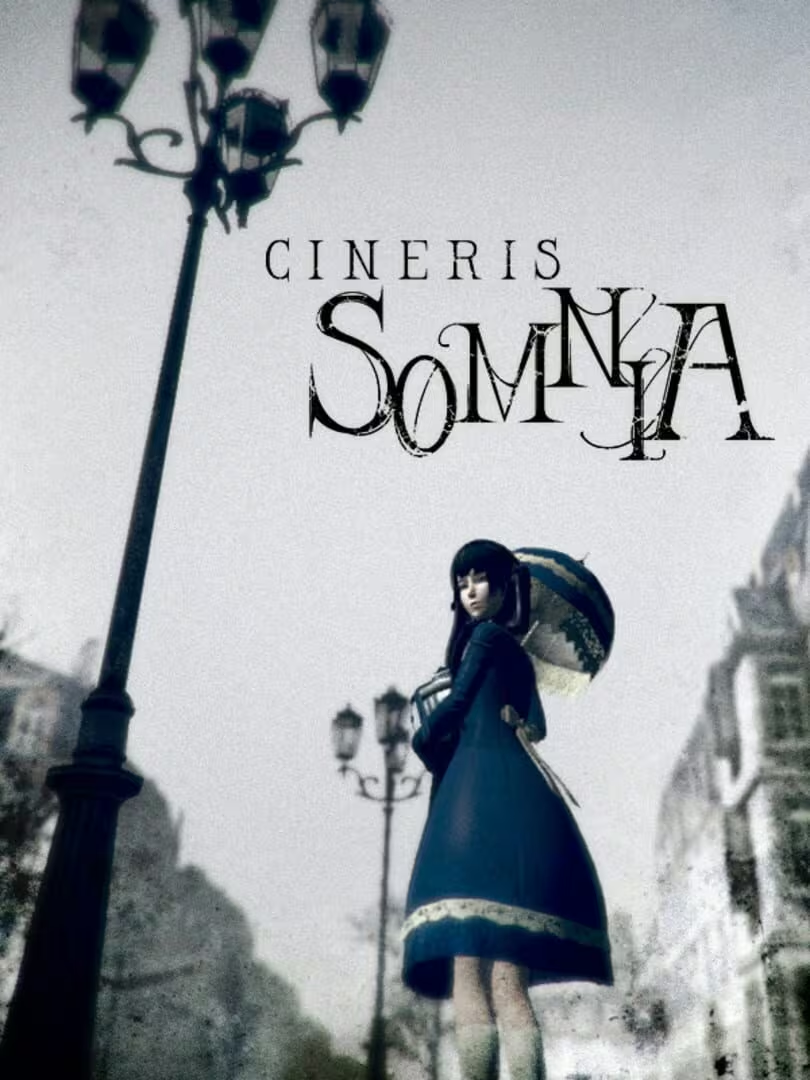
CINERIS SOMNIA
-
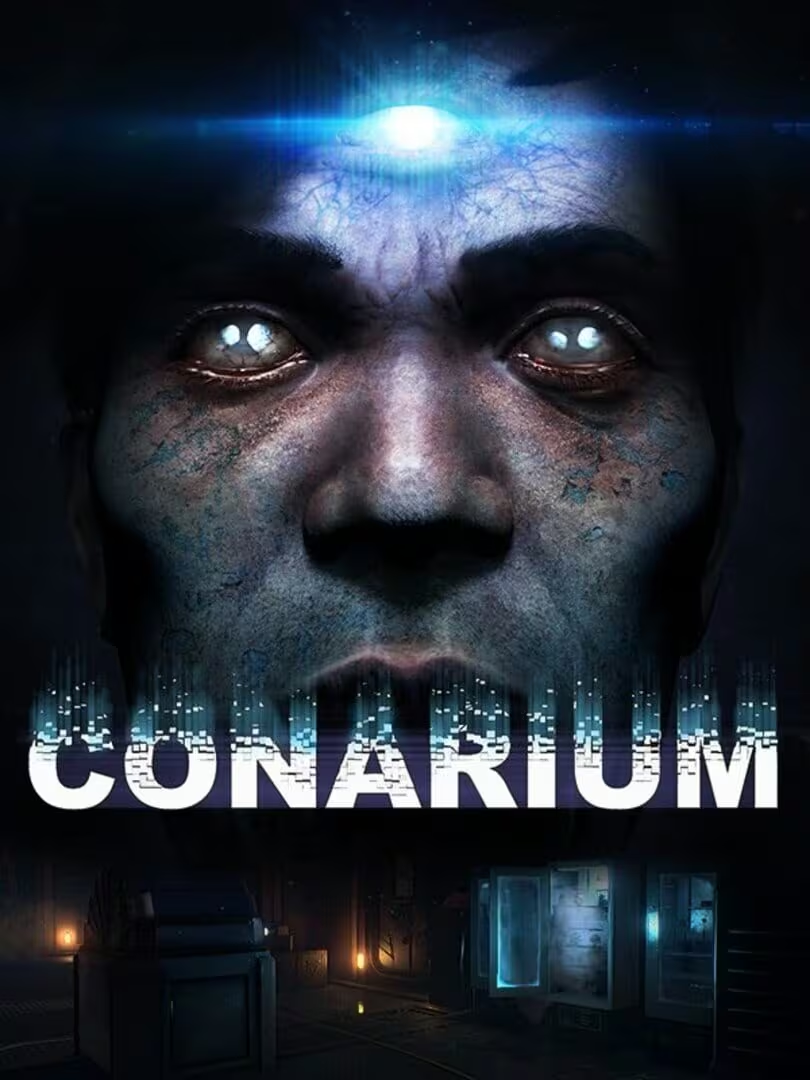
Conarium
-
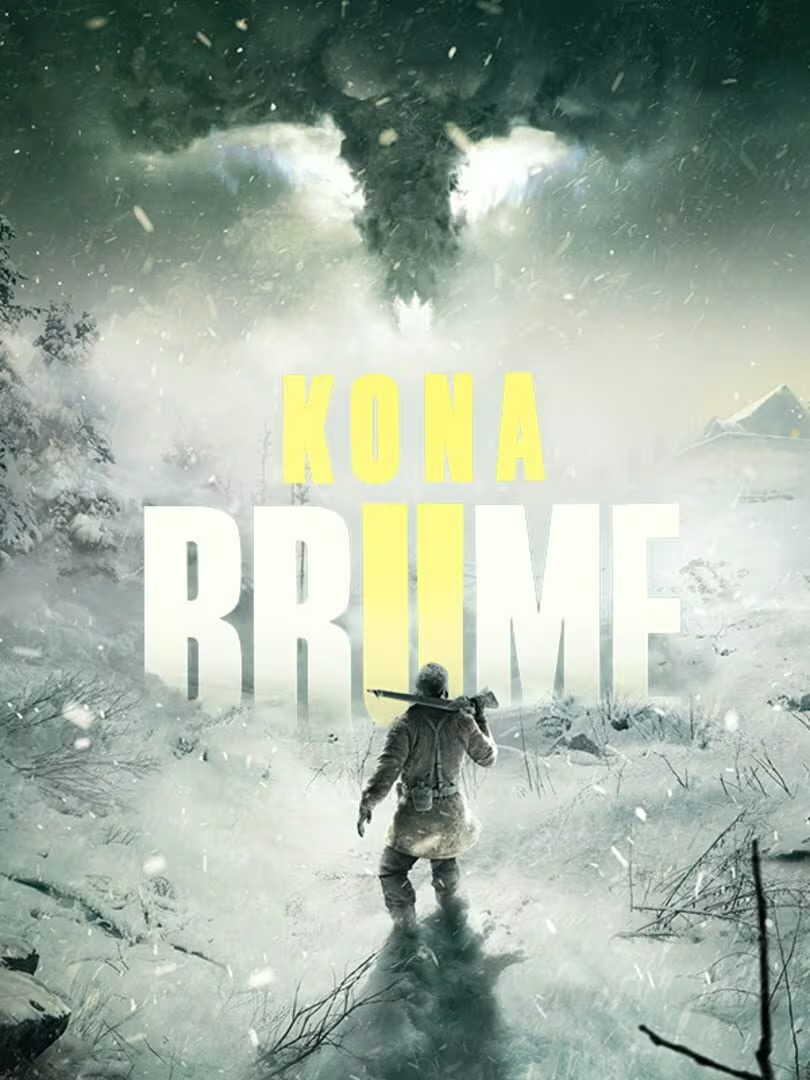
Kona II: Brume
-
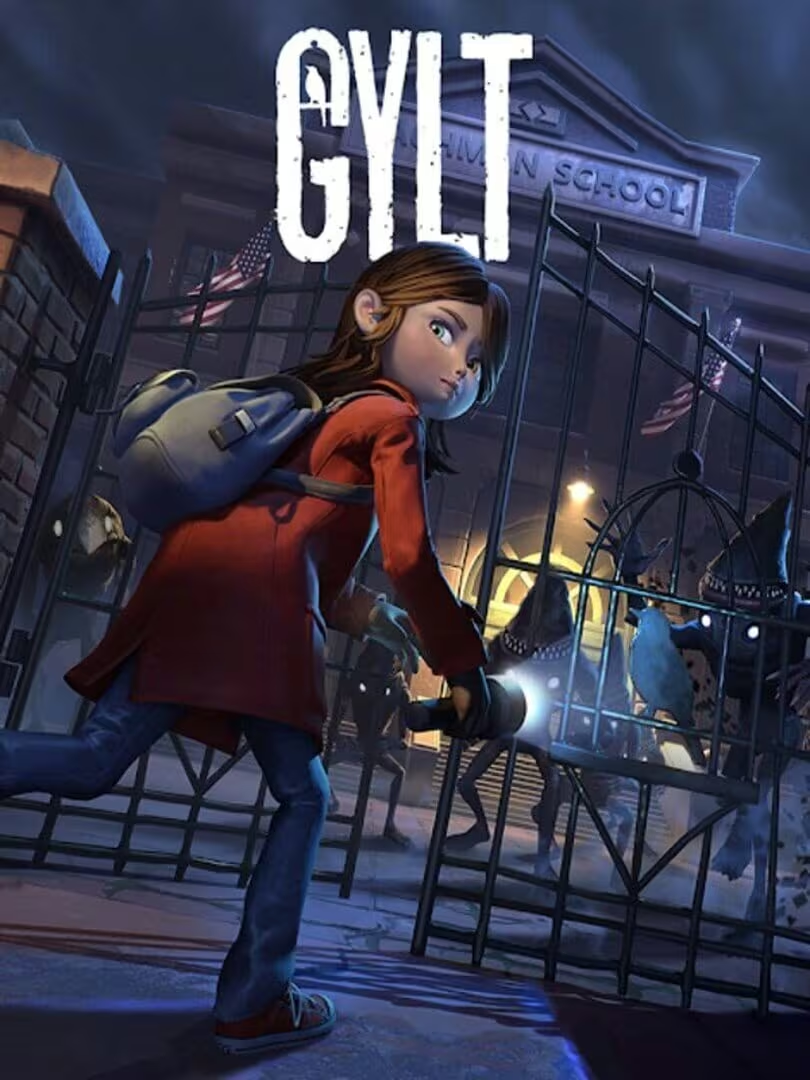
GYLT
-
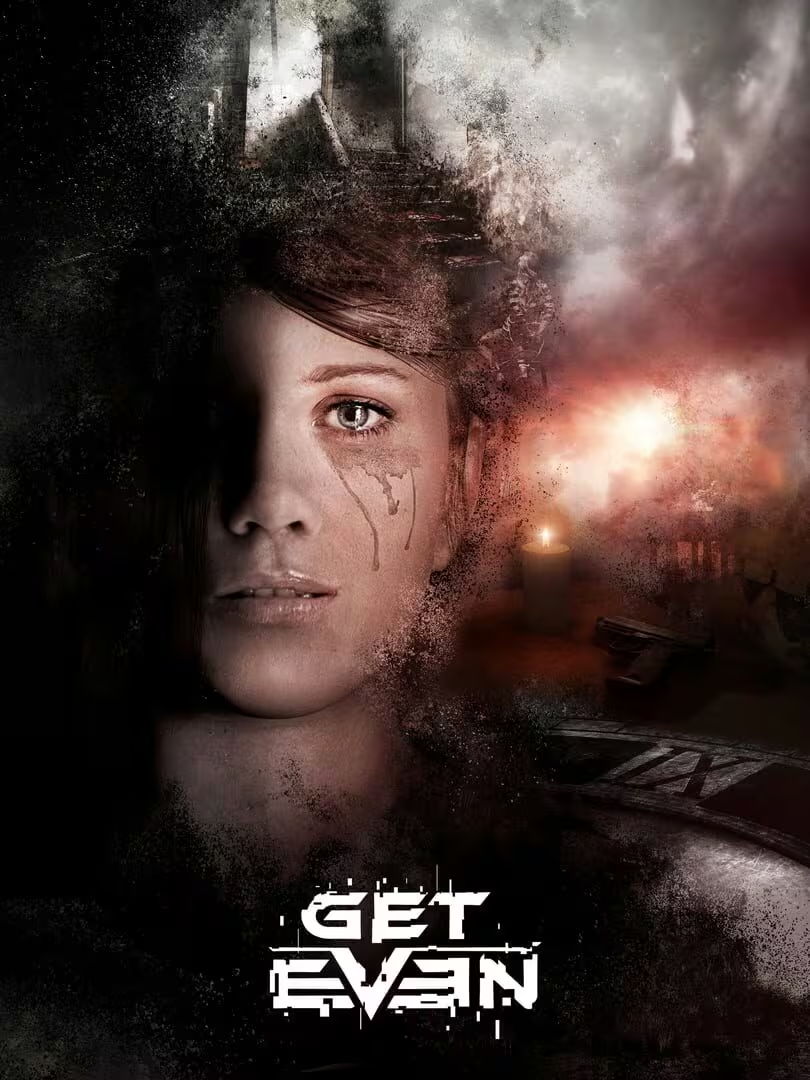
GET EVEN
-
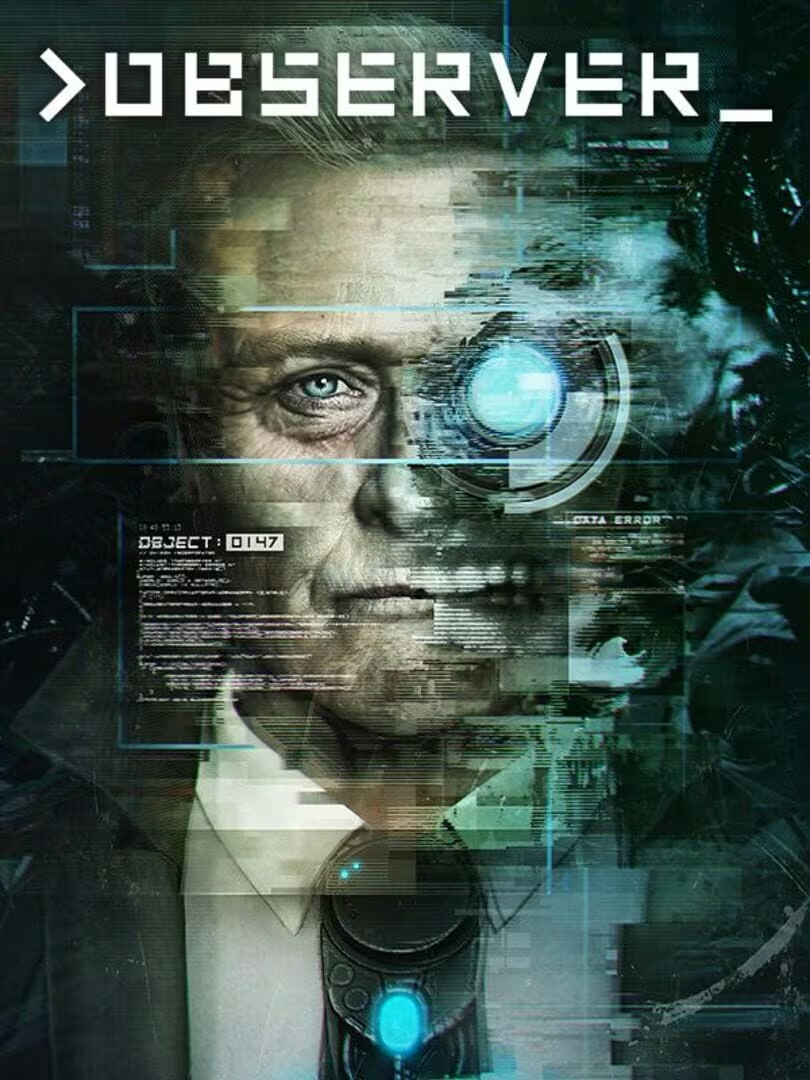
>observer_
More violent
Games that feels like [Chilla's Art] Missing Children | 行方不明 but with more combat and destruction · 8 games



More intimate
Games that feels like [Chilla's Art] Missing Children | 行方不明 but with more focus on close relationships · 2 games
Less value-seeking
Games that feels like [Chilla's Art] Missing Children | 行方不明 but with less emphasis on value for time or money · 2 games
Others
Other games that might remind you of [Chilla's Art] Missing Children | 行方不明 · 5 games
Last update: 06/10/2026