Mars: War Logs Thumbnail

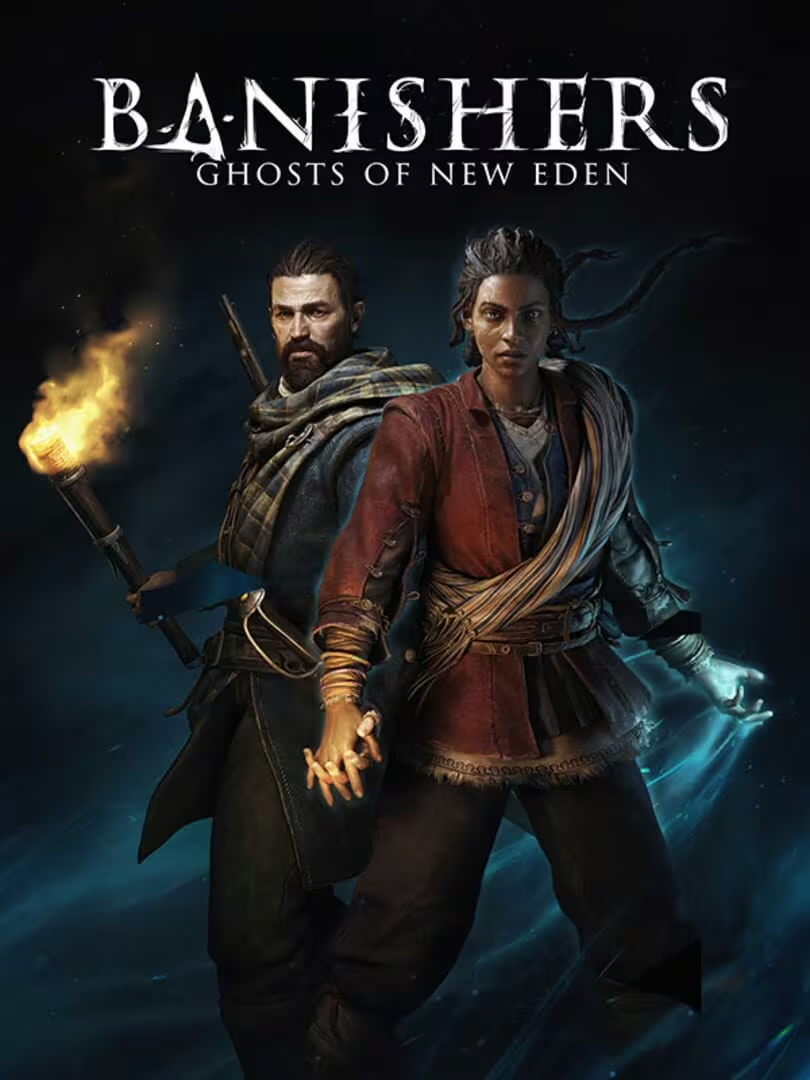
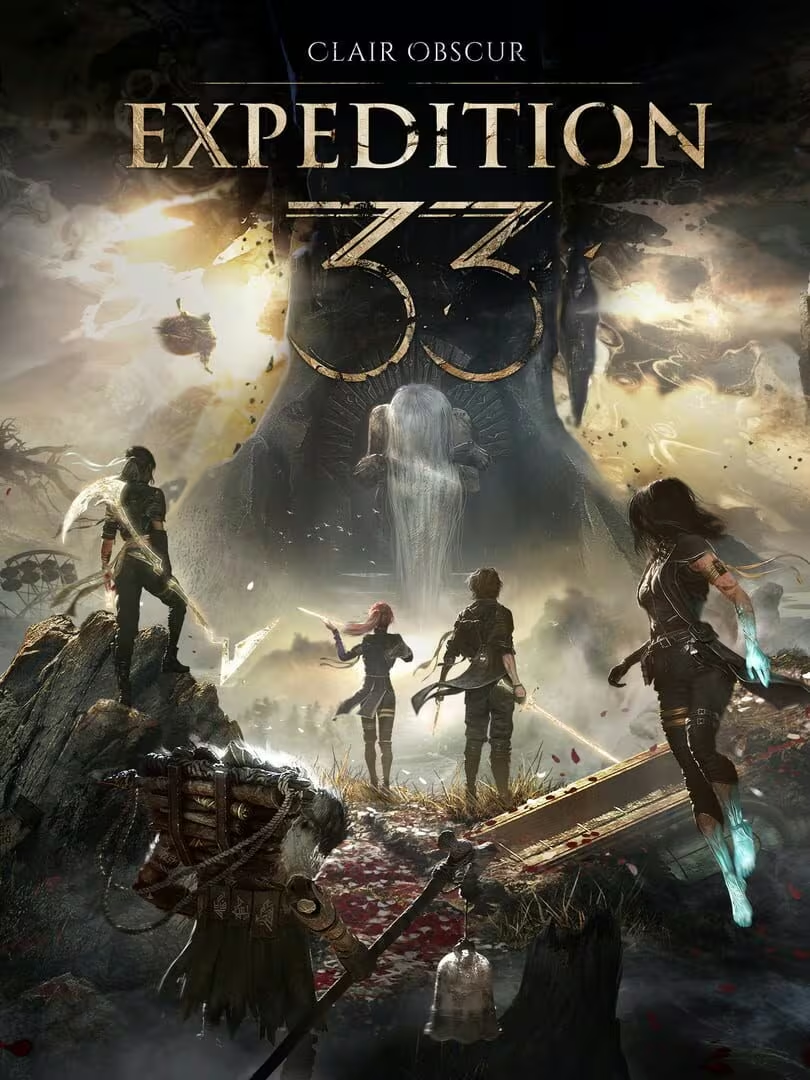
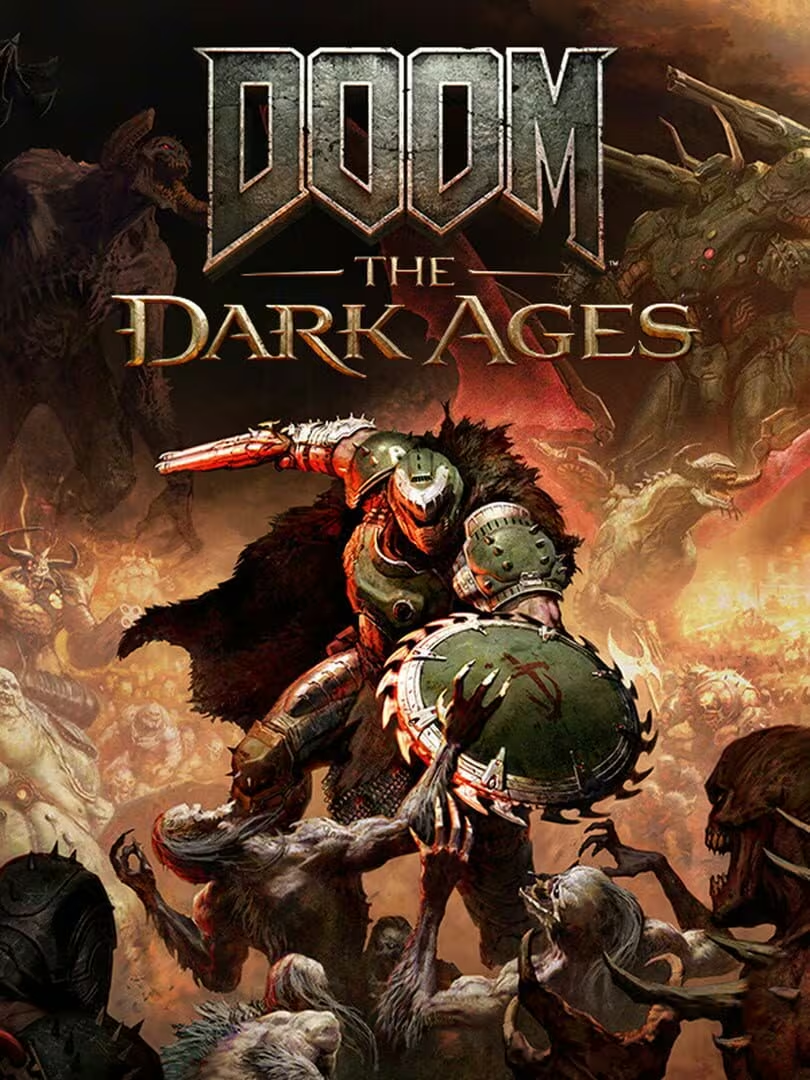
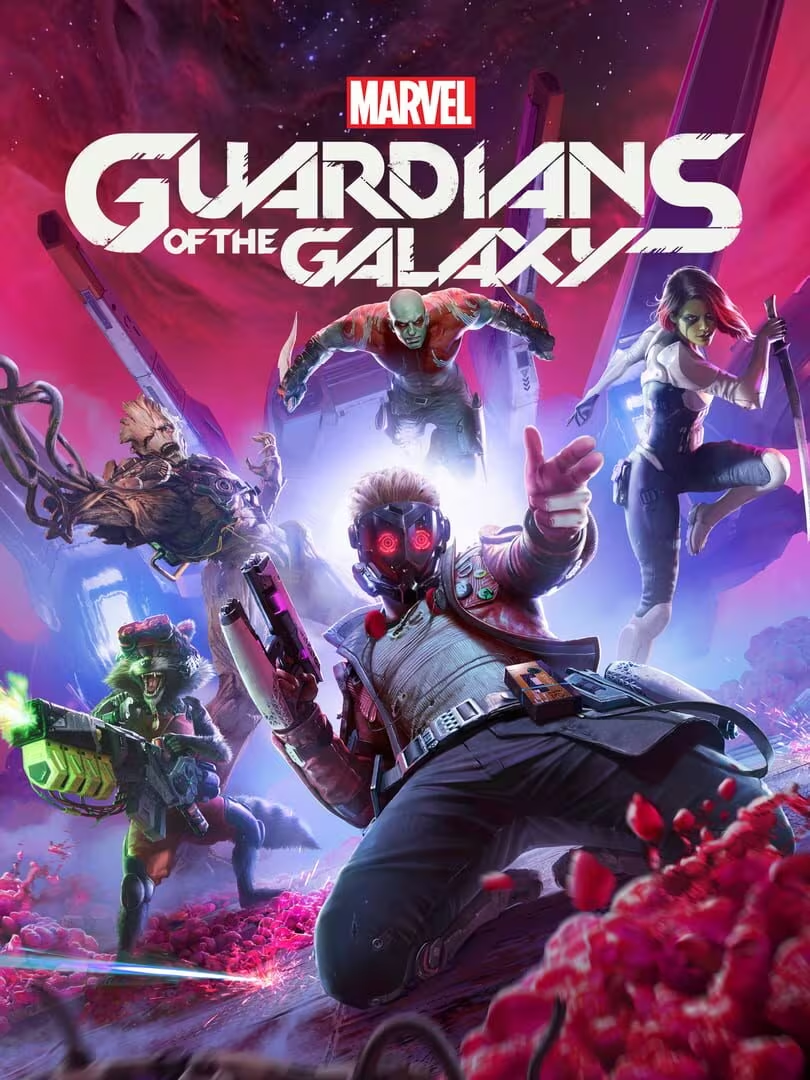
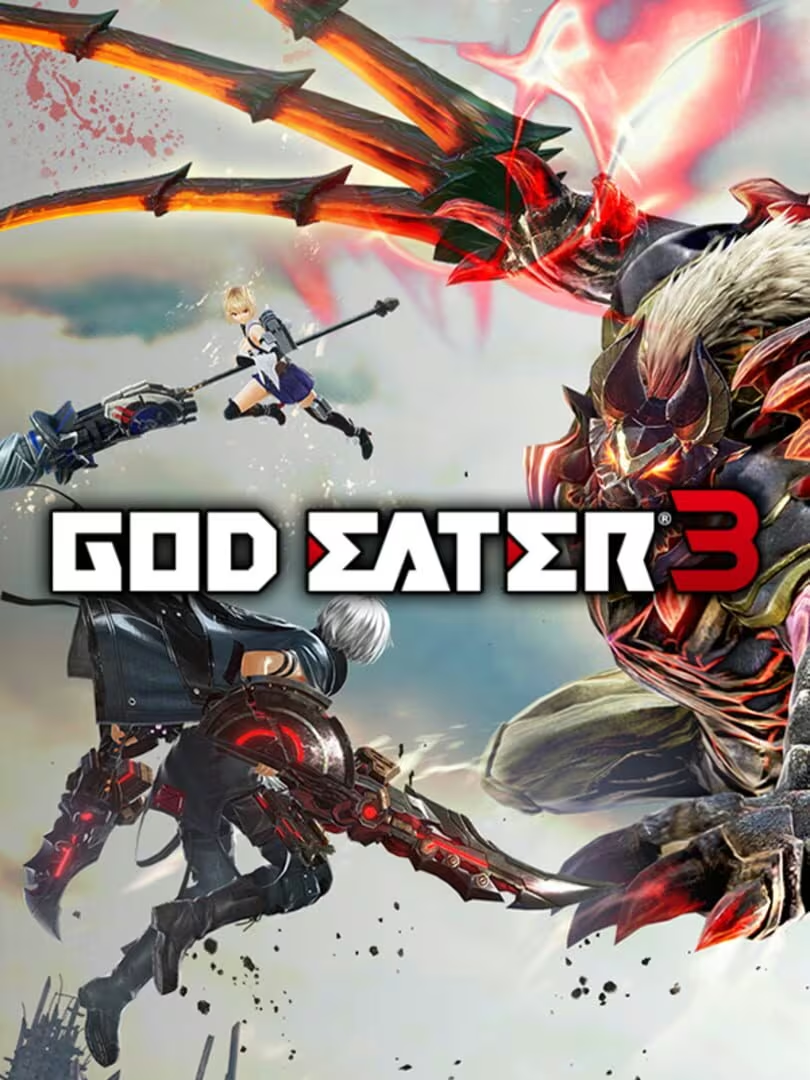
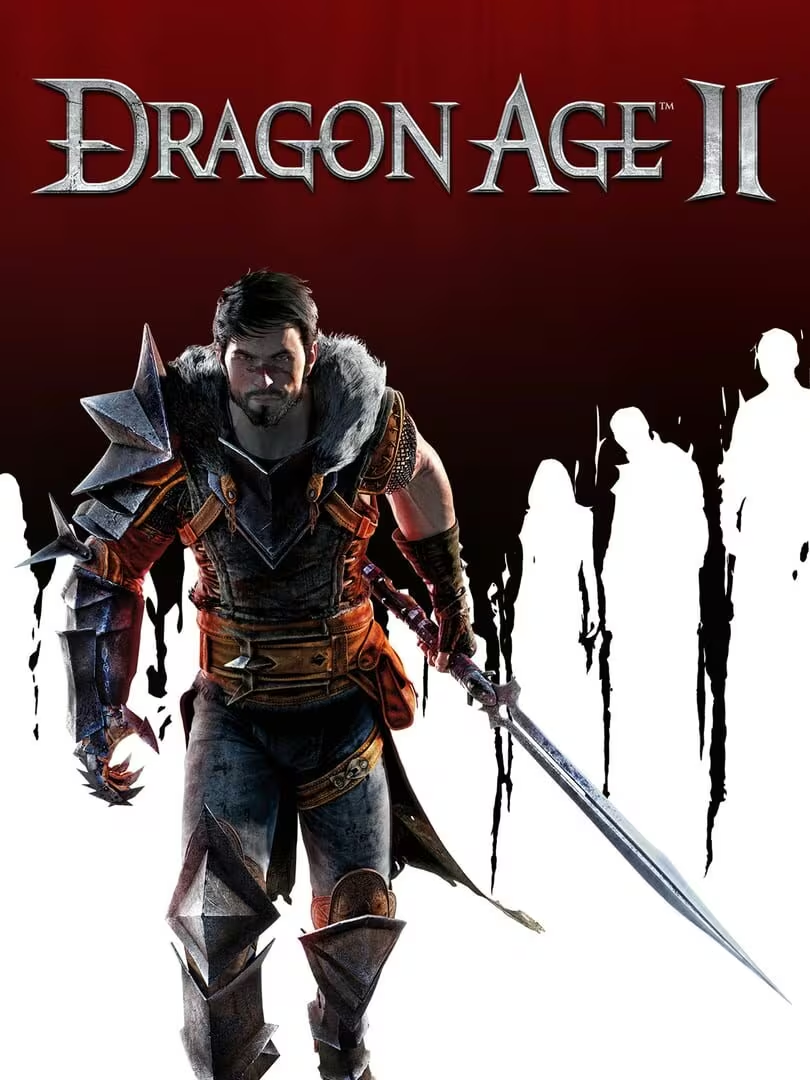
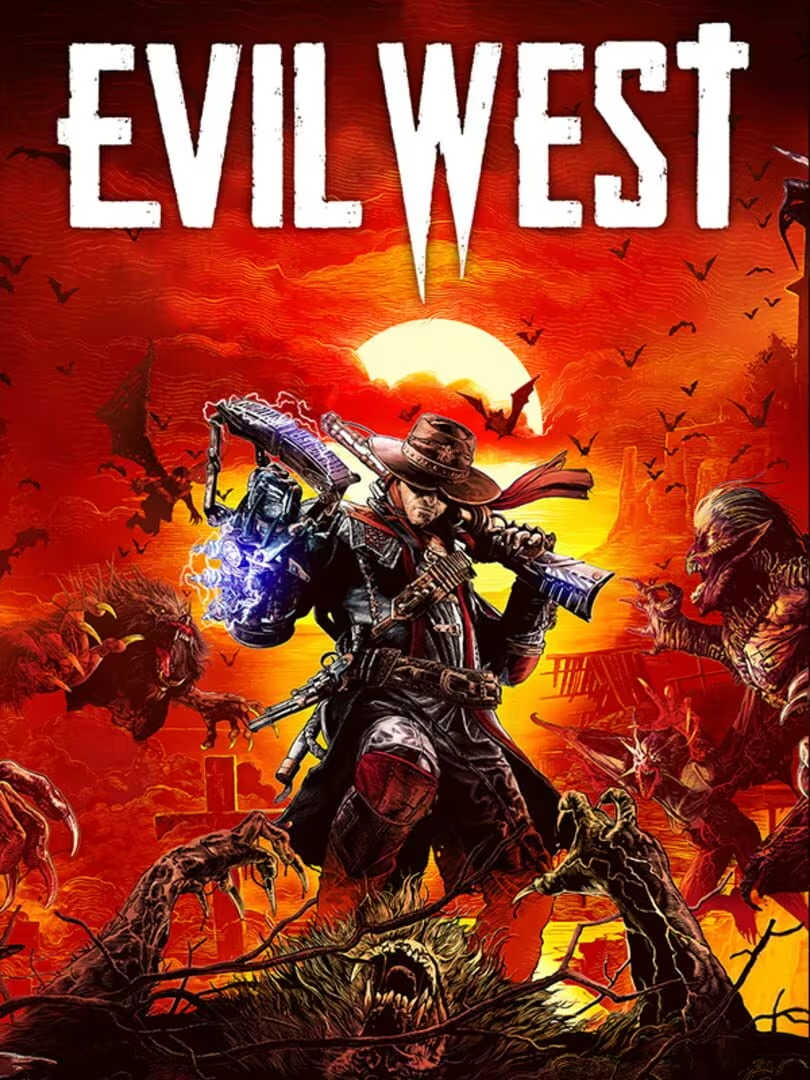
Mars: War Logs similar games & best alternatives

Mars: War Logs

PC (Microsoft Windows), Xbox 360, PlayStation 3 • 2013

Related articles

Quick resume

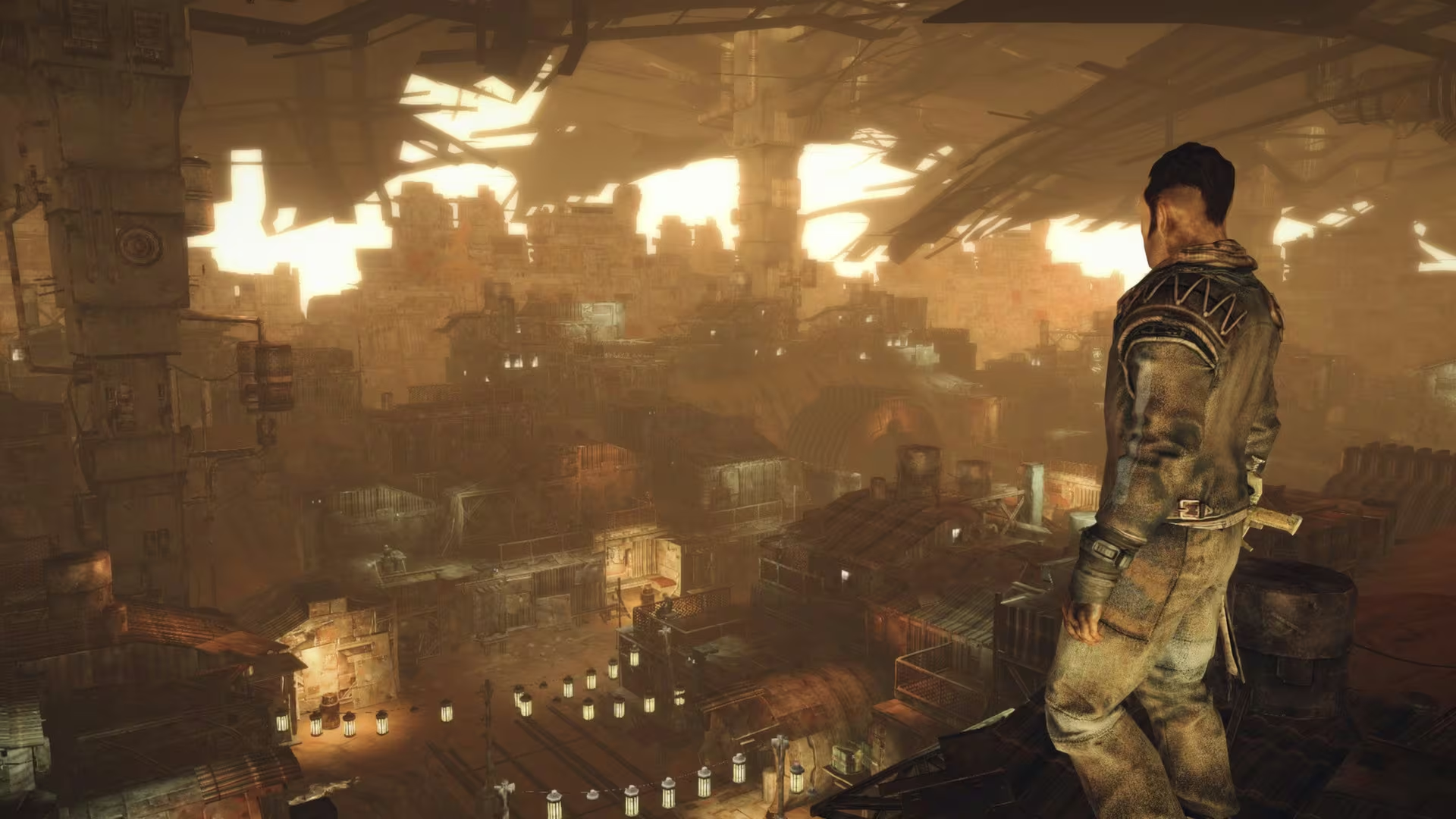
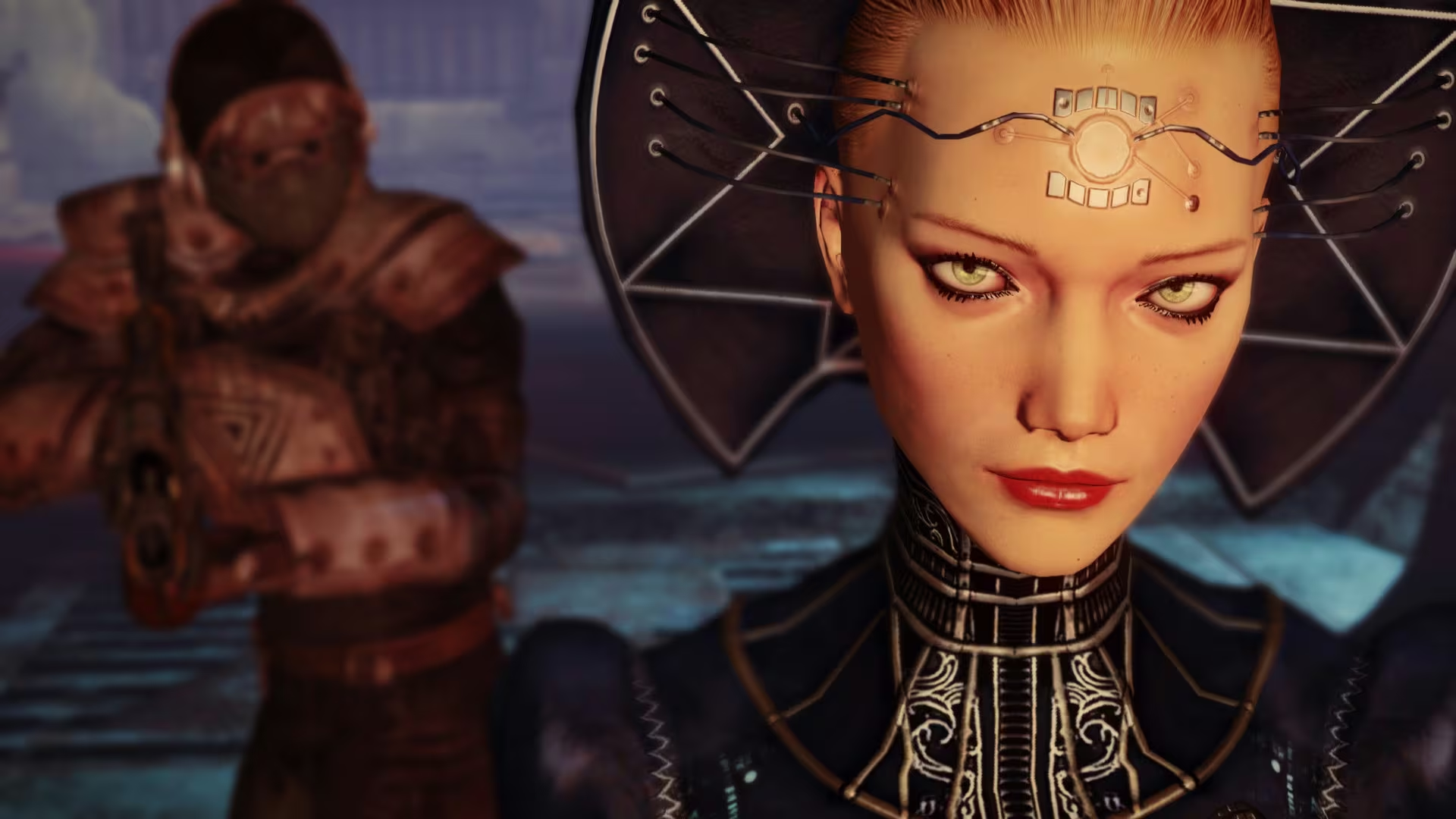
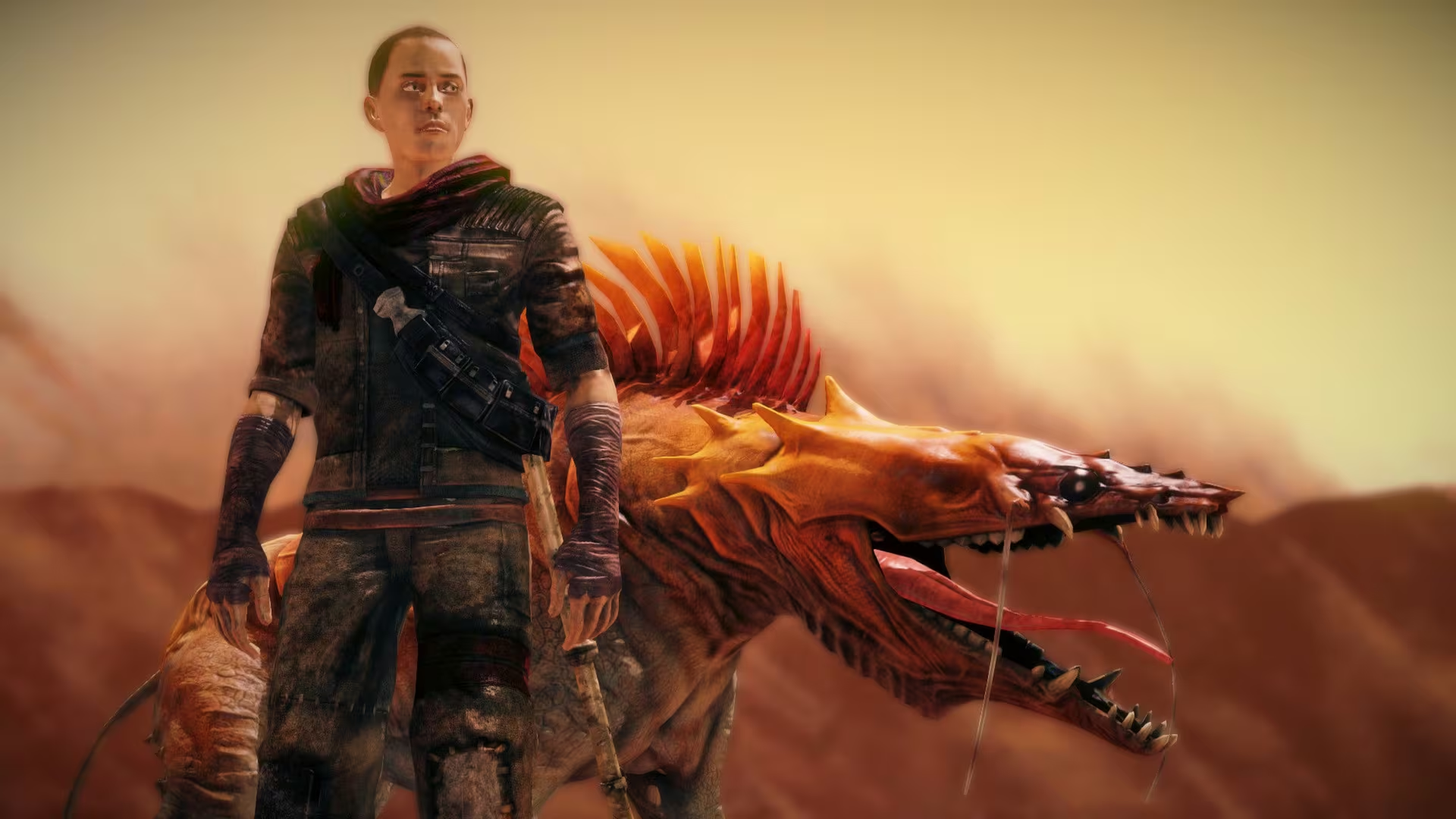
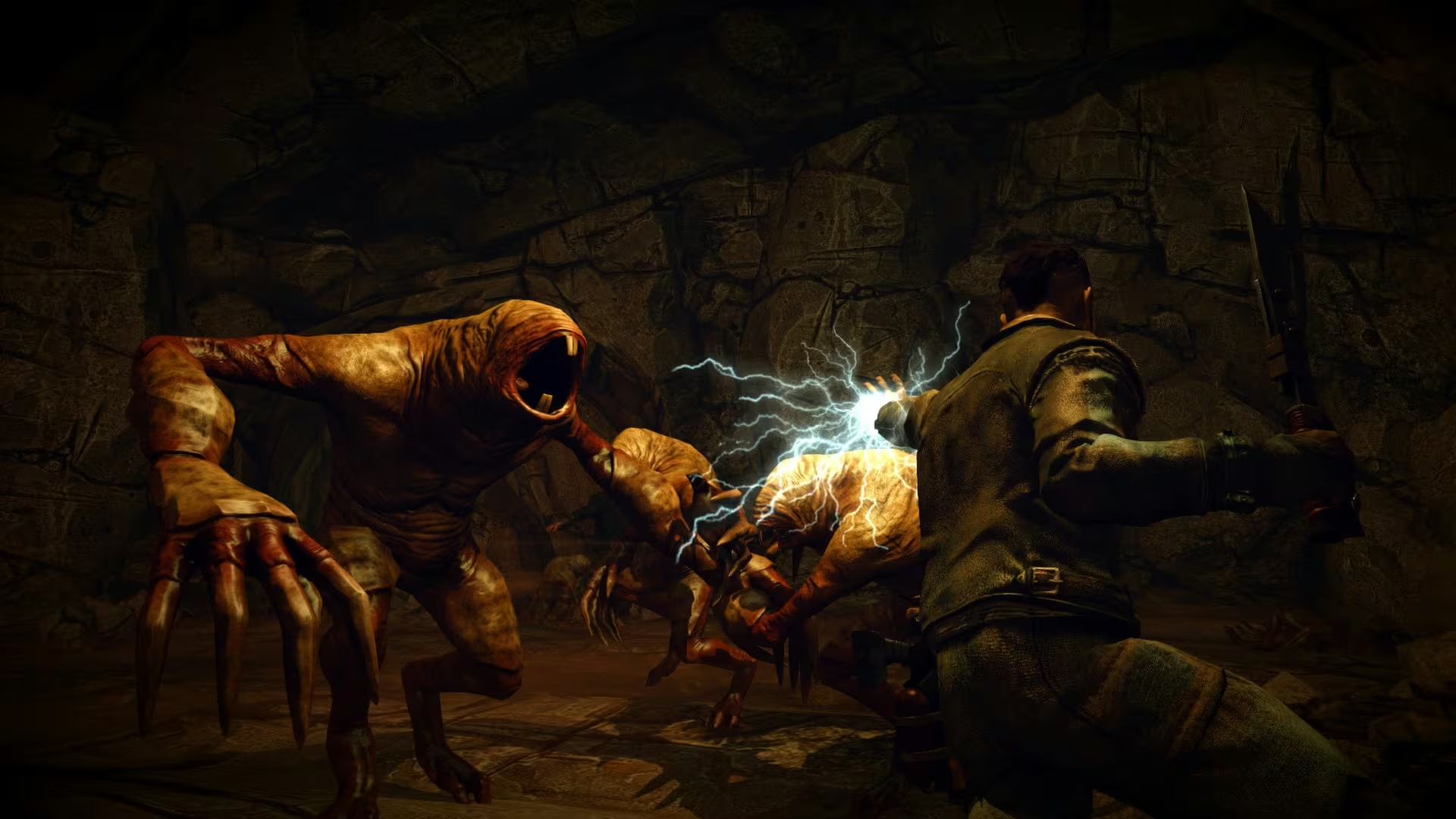
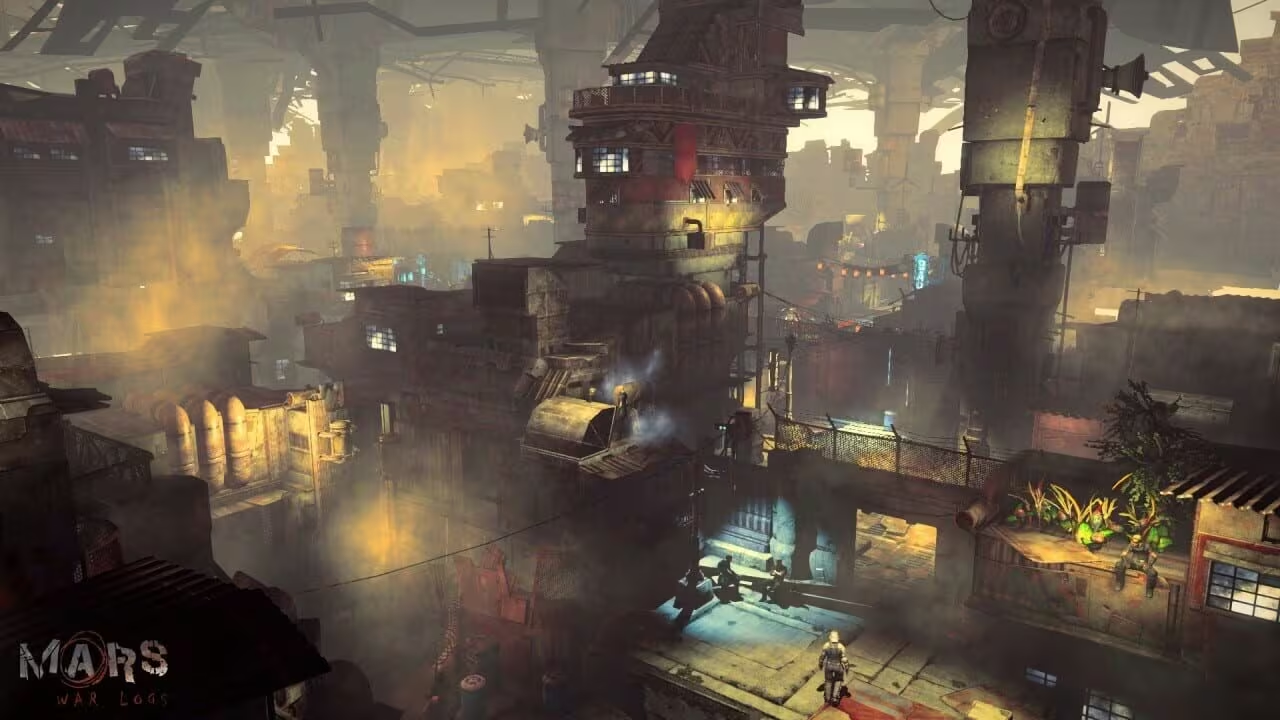
An Intense Cyberpunk Rpg On the Red Planet! Mars War Logs takes you to Mars, nearly a century after the cataclysm that threw the planet and its colonists into chaos. Water has become the most precious resource on the arid red planet, with a few companies fighting a perpetual war for its control.

Global score

75/100

Genres

Action, Role-playing (RPG), Adventure

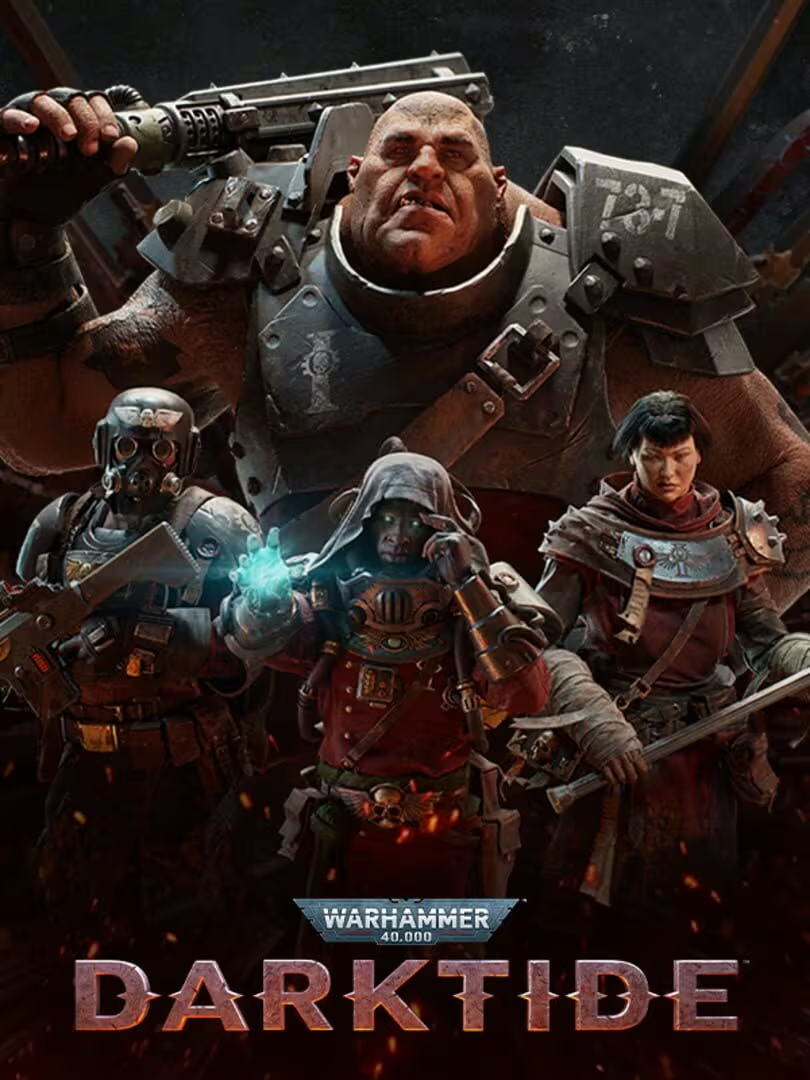
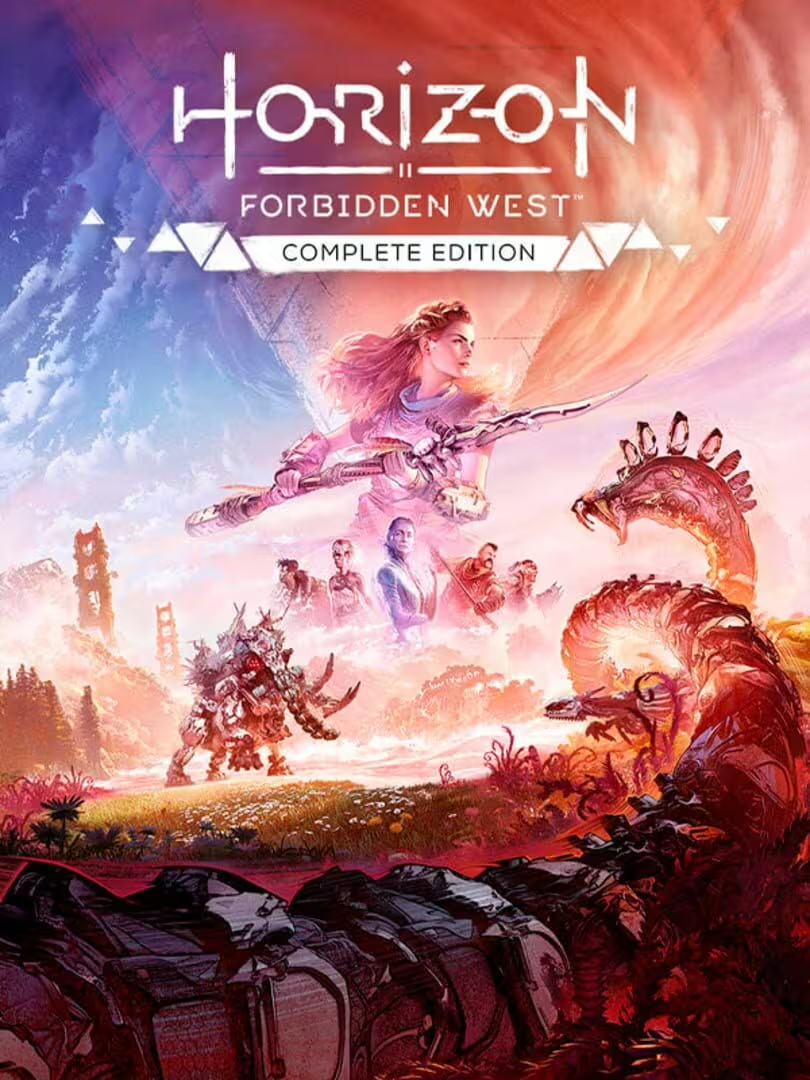
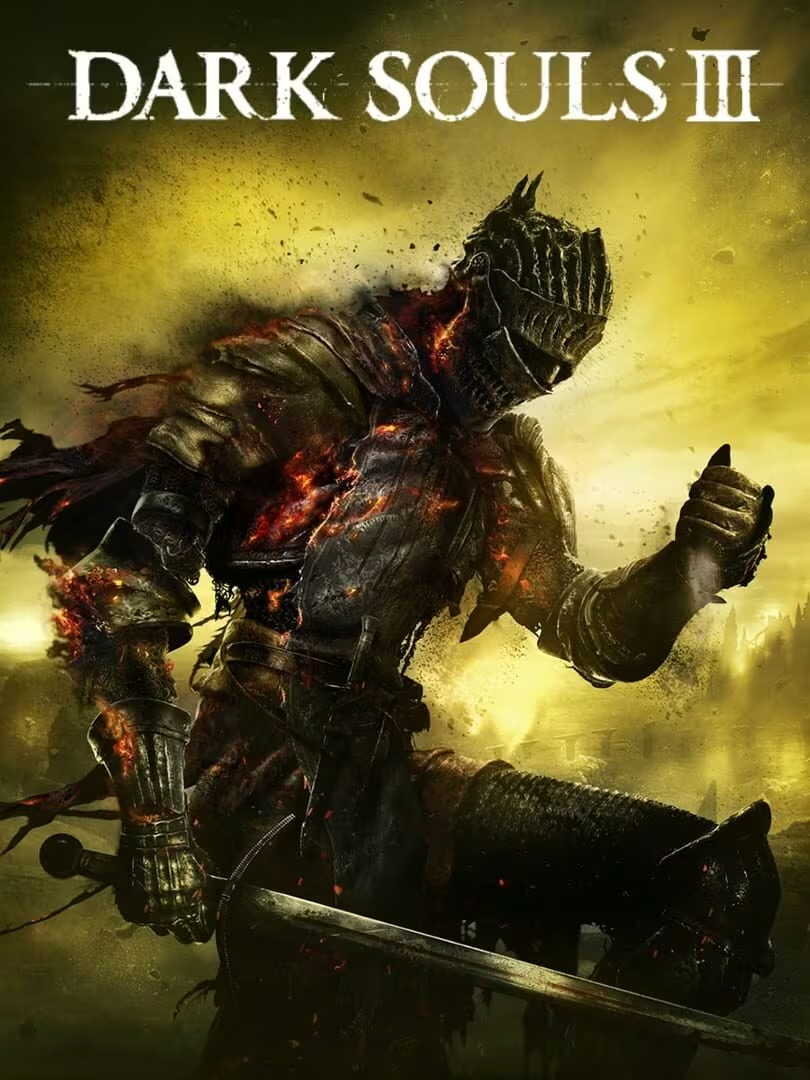
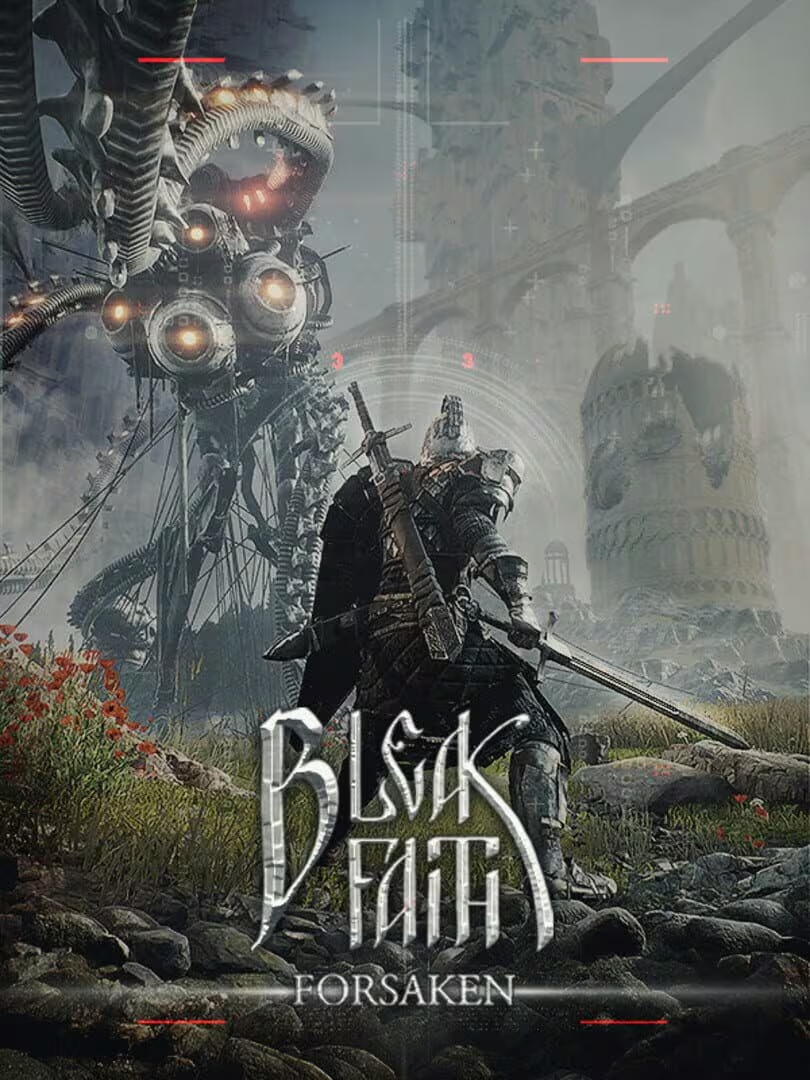
Similar games

    Pros

    • Engaging story with meaningful choices
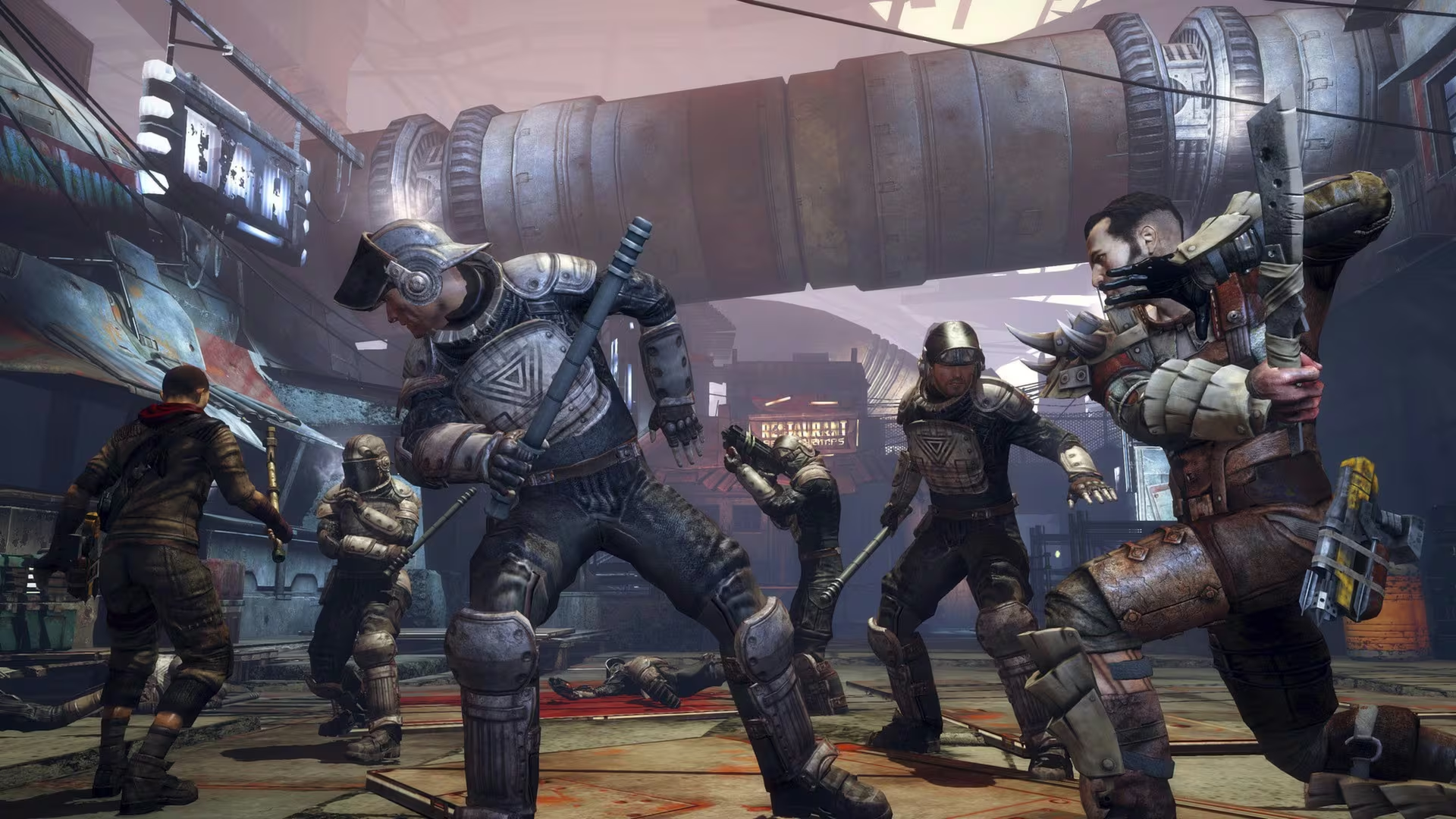
    • Challenging and tactical combat
    • Immersive sci-fi mars setting
    • Character progression and crafting
    • Good value especially on sale

    Cons

    • Linear and corridor-like level design
    • Limited companion control
    • Dated graphics and animations
    • Some clunky controls and camera issues
    • Short game length

    Analysis

    Less representative of its motivational profile, with noticeable differences. Motivations that often define this kind of title include Leadership, Survival, Violence, Strategy. Here, the score leans higher than usual among comparable games on Intimacy. It leans lower than usual among comparable games on Exploration, Leadership.

    How to use the graph
    Similar games map

    Each dot is a game. They are arranged from the same motivation profile as in the “Motivations” section below. Closer dots usually mean more similar reasons to play (exploration, competition, relaxation, etc.)—not that one game is “better” than another.

    • Larger dot with a light outline: the game you are viewing.
    • Colour: groups of games with comparable motivation patterns (statistical clusters).
    • Hover a dot to see the game name; click to open its page.
    • Scroll or double-click the chart to zoom out and see more games.

    Why don’t the axes read like a score? This view uses t-SNE: it only keeps who is close to whom. The scales are not “good to bad” or hours played—they separate groups on the map. Read distance between dots, not the axis numbers.

    Motivations

    • Autonomy
      3

      "Players can make meaningful choices affecting story, character relationships, and endings, though gameplay is somewhat linear and corridor-like."

    • Competence
      3

      "Combat requires skillful timing, use of abilities, and tactical thinking, especially at higher difficulties."

    • Competition
      -4

      "Focus is on single-player experience with no evidence of player-vs-player or competitive modes."

    • Continuation
      2

      "Players report engaging story and combat that encourage replaying for different endings, though game is relatively short."

    • Cooperation
      1

      "Players have a single companion with limited control, providing some cooperative combat support but mostly solo play."

    • Creativity
      2

      "Crafting and weapon/armor modification systems allow some customization and creative problem solving."

    • Domination
      -3

      "Interactions emphasize roleplaying and choices rather than exerting control or superiority over others."

    • Escapism
      4

      "Immersive sci-fi setting and story provide a strong escape from real life."

    • Expectation
      -4

      "Players engage voluntarily for intrinsic interest in story and gameplay without obligation or external pressure."

    • Experimenting
      2

      "Skill trees and combat styles encourage trying different builds and tactics."

    • Exploration
      -3

      "Game world is composed of linear, corridor-like maps with limited open exploration."

    • Expression
      2

      "Players can customize weapons and armor appearance through crafting and upgrades."

    • Fantasy
      3

      "Fictional sci-fi setting with technomancy powers and post-apocalyptic Mars environment."

    • Fellowship
      -3

      "Primarily a single-player experience with minimal social or community features."

    • Growth
      3

      "Character progression through skill trees and equipment upgrades supports learning and development."

    • Health
      -4

      "Typical sedentary gameplay with no physical activity elements."

    • Idle
      -3

      "Requires focused attention during combat and story progression; not a casual or background game."

    • Intimacy
      1

      "Includes limited romantic interactions and companion relationships but no deep social bonding."

    • Leadership
      -2

      "Player leads their own character but companion control is limited and cooperative."

    • Progression
      3

      "Experience points, skill trees, crafting, and equipment upgrades provide clear progression."

    • Relaxation
      0

      "Mixed reports: some find combat challenging and tense, others find it enjoyable and engaging."

    • Sensation
      1

      "Atmosphere and music contribute to immersive experience but graphics and animations are dated."

    • Status
      -4

      "No social recognition or ranking systems; focus is on individual story experience."

    • Story
      4

      "Narrative-driven game with branching dialogue, character development, and multiple endings."

    • Strategy
      3

      "Combat and skill choices require tactical planning and problem solving."

    • Thrill
      2

      "Combat difficulty and tactical encounters provide moments of suspense and challenge."

    • Value
      4

      "Players find good value especially when purchased on sale for the amount of content and enjoyment."

    • Violence
      3

      "Combat involves melee, ranged attacks, and disabling enemies, with options to kill or incapacitate."

    • Survival
      3

      "Game involves managing health, resources, and overcoming combat threats to survive."

    Last update: 29/04/2026