PROJECT: PLAYTIME similar games & best alternatives
PROJECT: PLAYTIME
2022
Related articles
Quick resume
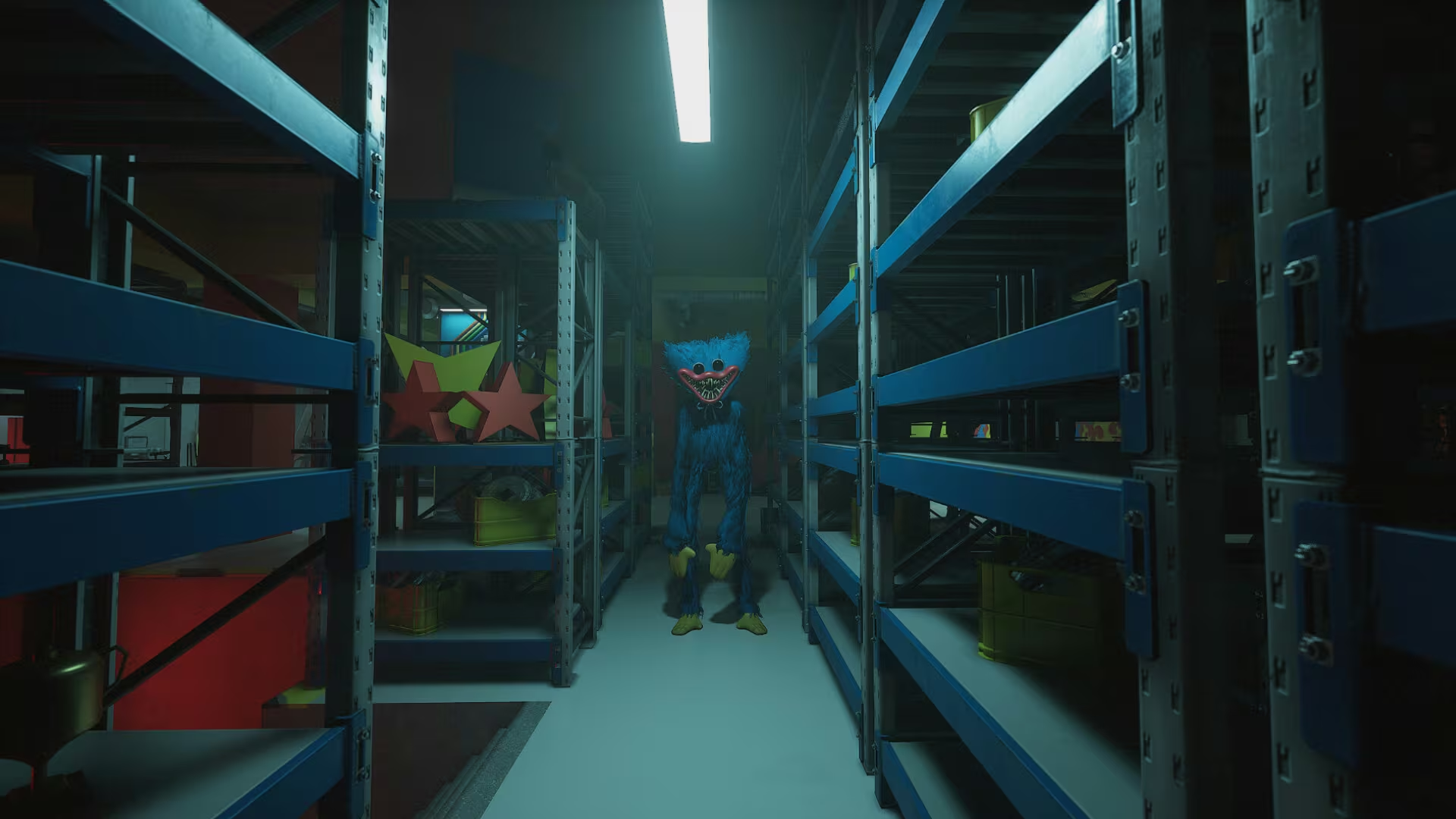
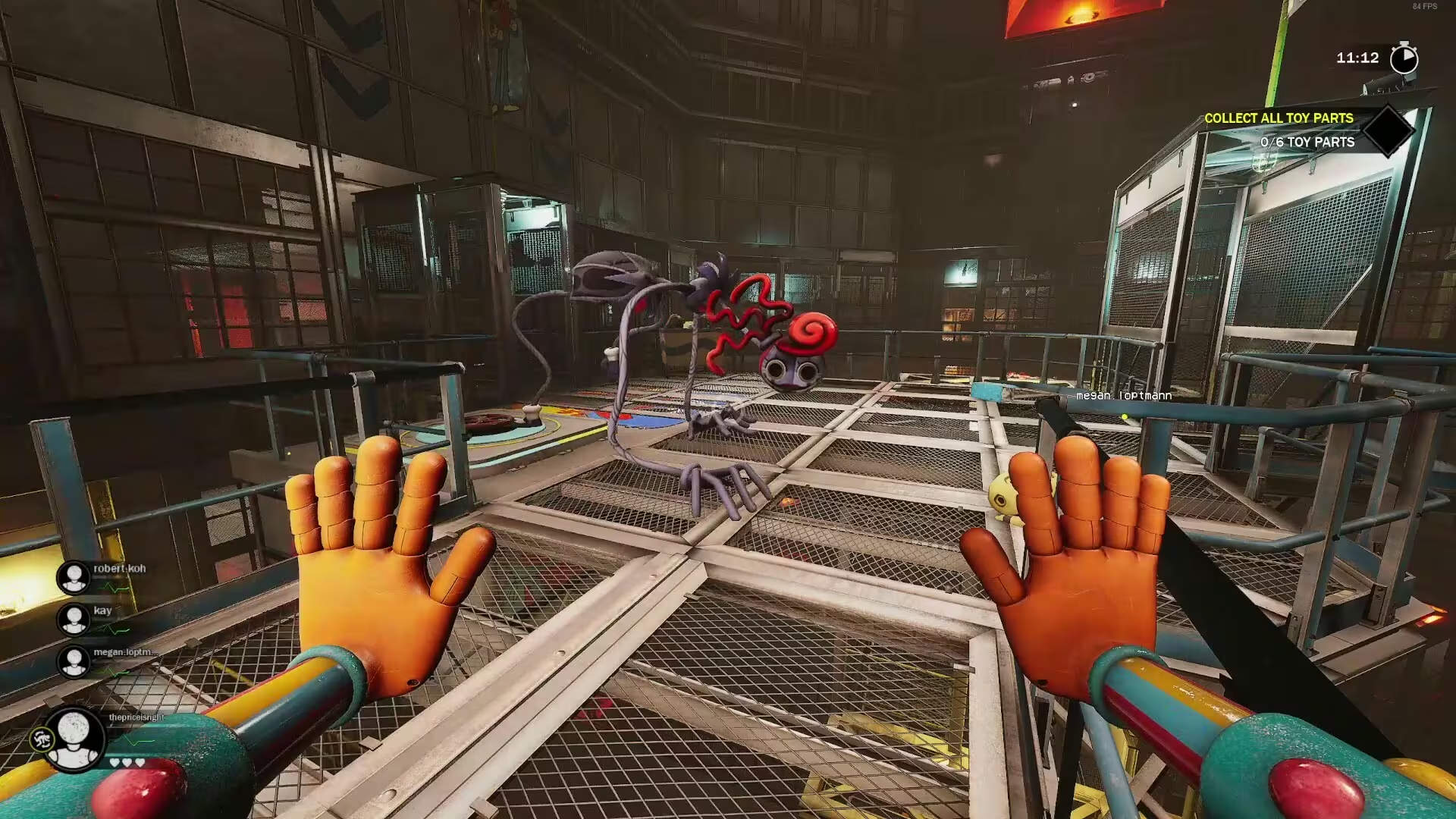
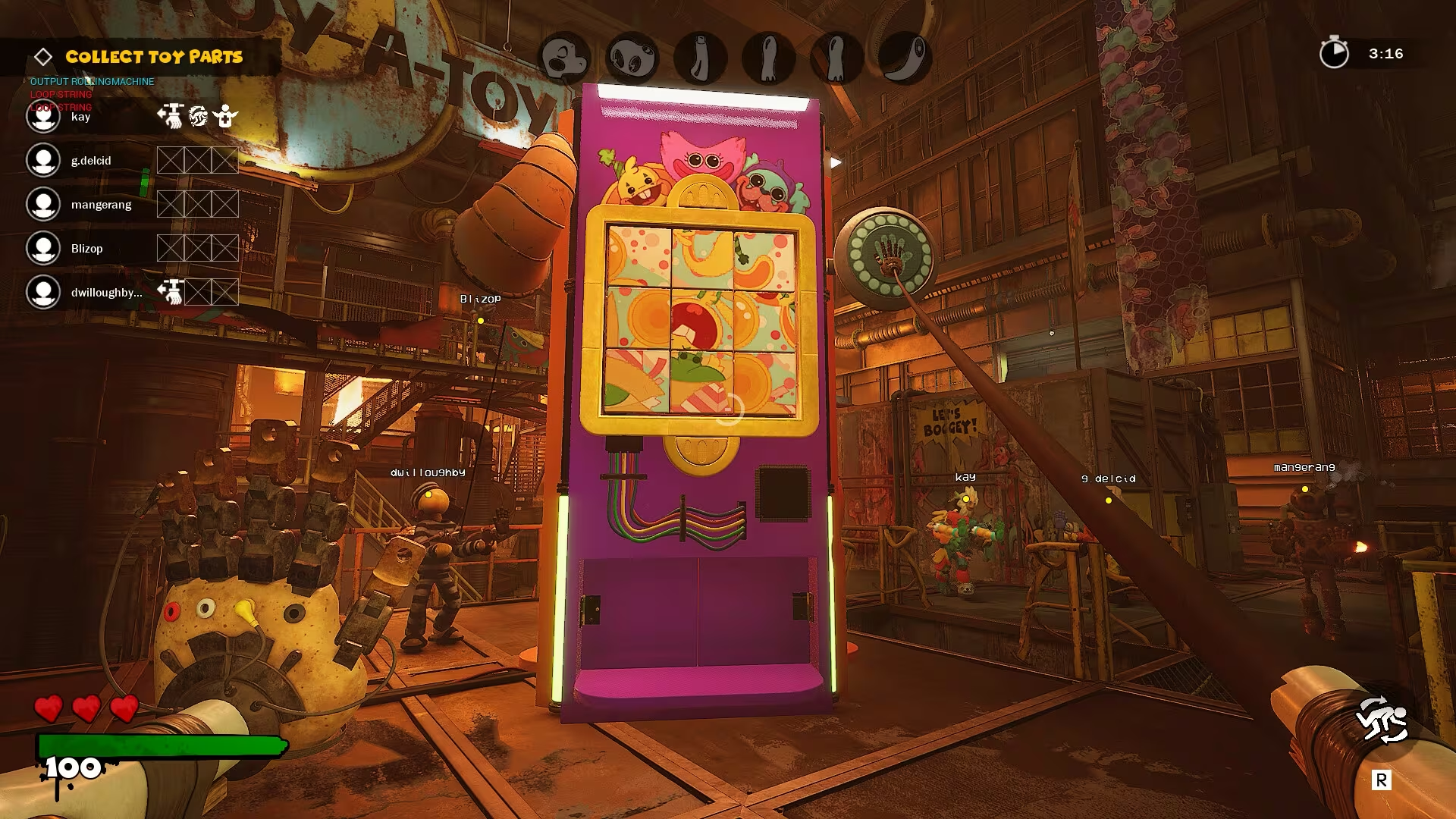
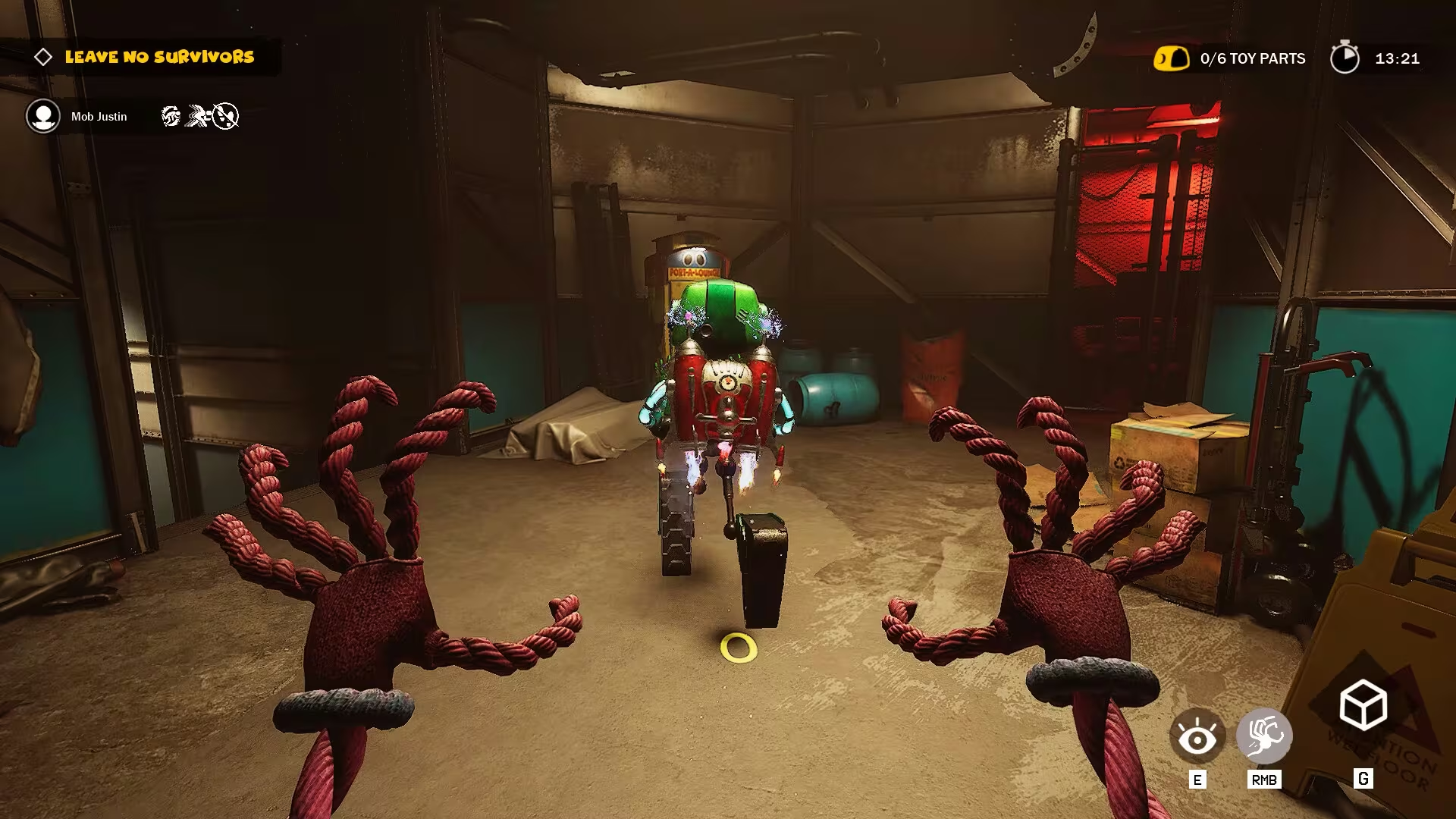
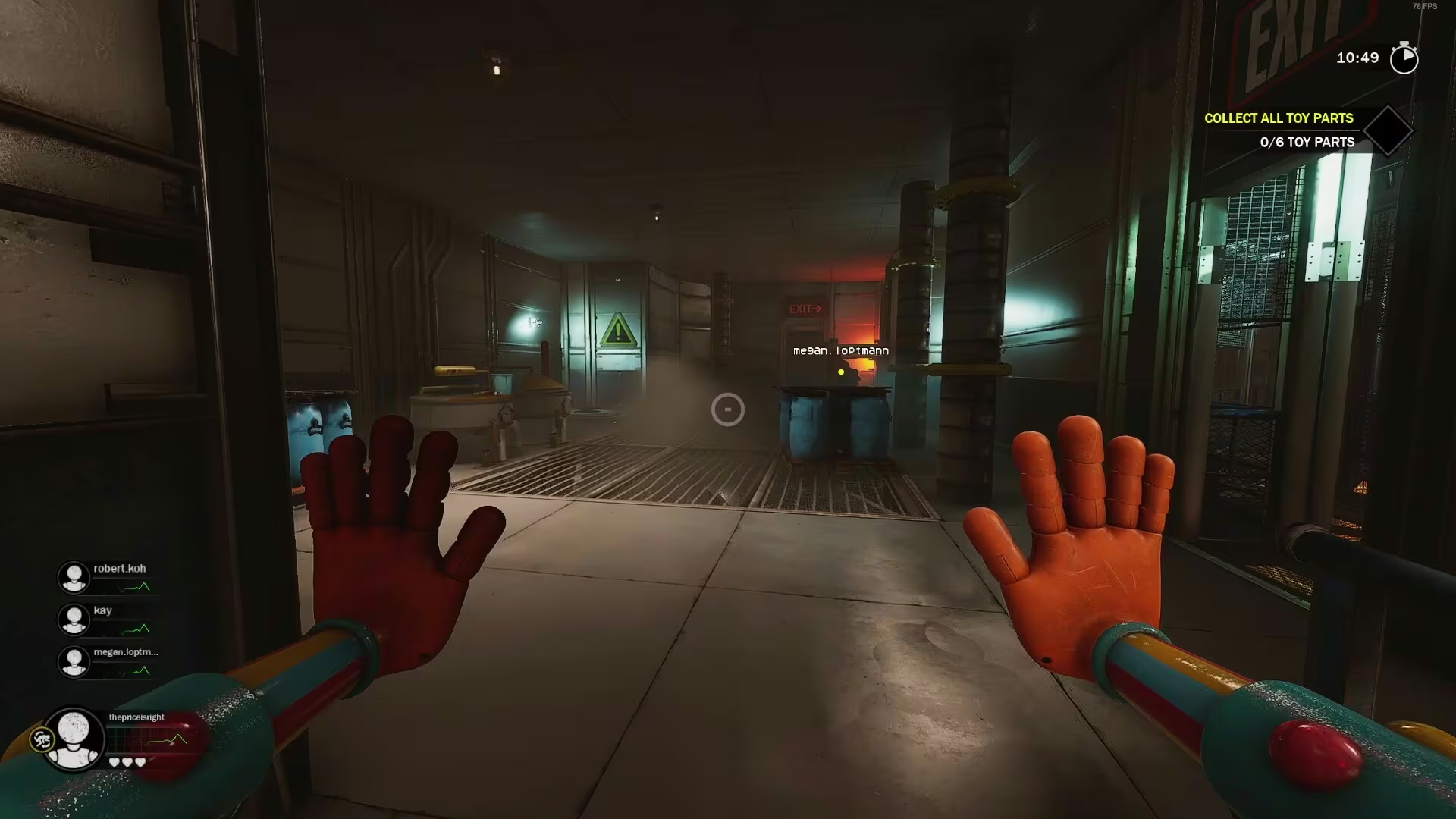
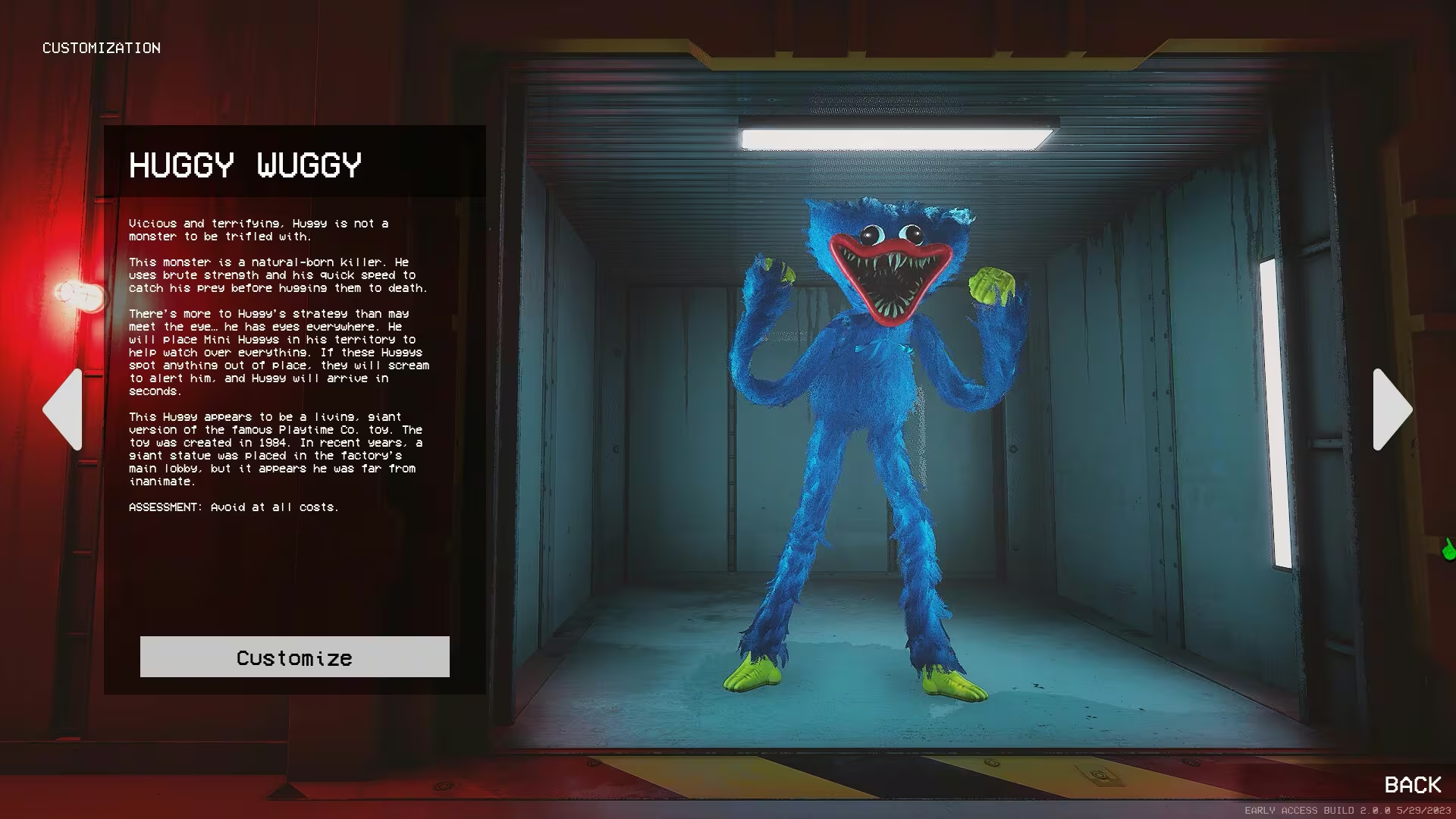
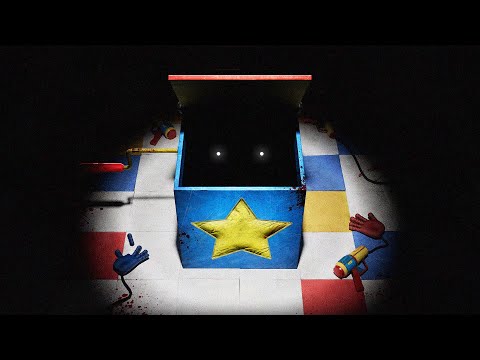
PROJECT: PLAYTIME is a Free-to-Play multiplayer horror game where six players attempt to create one giant toy while surviving a terrifying monster that roams the toy factory. A seventh player controls the monster and is given only one goal: Find and kill everyone.
Global score
79/100
Genres
Action, Indie, Free To Play, Early Access
Similar games
Pros
- Fun and thrilling asymmetrical multiplayer gameplay
- Strong teamwork and cooperation elements
- Free to play with engaging monster and specialist roles
- Good puzzle mechanics and map variety
- Unique fantasy horror theme with creative monster designs
Cons
- Lack of updates and developer support leading to declining player base
- Matchmaking and server issues causing long wait times
- Removal of popular features like private lobbies and tutorials
- Bugs and glitches affecting gameplay experience
- Grind and monetization balance concerns
Analysis
Broadly representative of its motivational profile, with a few distinct shifts. Motivations that often define this kind of title include Competition, Fellowship, Domination, Status. Here, the score leans higher than usual among comparable games on Intimacy, Fantasy. It leans lower than usual among comparable games on Continuation.
How to use the graph
Similar games map
Each dot is a game. They are arranged from the same motivation profile as in the “Motivations” section below. Closer dots usually mean more similar reasons to play (exploration, competition, relaxation, etc.)—not that one game is “better” than another.
- Larger dot with a light outline: the game you are viewing.
- Colour: groups of games with comparable motivation patterns (statistical clusters).
- Hover a dot to see the game name; click to open its page.
- Scroll or double-click the chart to zoom out and see more games.
Why don’t the axes read like a score? This view uses t-SNE: it only keeps who is close to whom. The scales are not “good to bad” or hours played—they separate groups on the map. Read distance between dots, not the axis numbers.
Motivations
-
Autonomy3
"Players can choose to play as specialists or monsters with different abilities and can decide how to approach puzzles or chases, indicating moderate player control."
-
Competence3
"Game involves puzzle solving, teamwork, and monster hunting with skill elements; some players mention learning tricks and mastering gameplay."
-
Competition2
"Some competitive elements exist such as leaderboards and ranks, but many players focus on casual or cooperative play."
-
Continuation-1
"Players report difficulty finding matches and declining player base, leading to less habitual play and some disengagement."
-
Cooperation4
"Strong emphasis on teamwork to solve puzzles and survive; cooperation is key to success and enjoyment."
-
Creativity1
"Some customization with skins and cosmetic items, but core gameplay follows established structures with limited creation."
-
Domination2
"Playing as monsters involves exerting control over others, but community feedback suggests balanced interactions are preferred."
-
Escapism4
"Players use the game as a fun, thrilling distraction and stress relief, enjoying immersive horror and chase experiences."
-
Expectation-4
"Players engage voluntarily for fun and social reasons, with no indication of obligation or pressure."
-
Experimenting2
"Players enjoy trying different monsters and strategies, though some mention repetitive gameplay due to lack of updates."
-
Exploration1
"Maps offer some variety and puzzle discovery, but limited new content and repeated environments reduce novelty."
-
Expression2
"Customization options like skins and emotes allow personal expression, though some lament removal of previous cosmetic content."
-
Fantasy4
"Game features imaginative horror themes with monster characters and fictional settings, providing strong fantasy experience."
-
Fellowship4
"Community and social play are important; many players emphasize playing with friends and shared experiences."
-
Growth2
"Players develop skills in puzzle solving, monster evasion, and teamwork, though limited updates constrain ongoing learning."
-
Health-5
"No indication of physical activity; sedentary gameplay typical of PC multiplayer games."
-
Idle-3
"Requires focused attention during matches; some frustration with waiting times but gameplay demands active engagement."
-
Intimacy2
"Social interactions occur mainly through cooperative gameplay and community, but limited direct emotional sharing."
-
Leadership1
"Some players take initiative in teamwork, but no strong emphasis on formal leadership roles."
-
Progression2
"Players collect tickets and unlock skins and upgrades, though grind and monetization are noted as issues."
-
Relaxation-1
"Gameplay is often tense and thrilling rather than purely relaxing, with moments of flow during puzzle solving."
-
Sensation3
"Visuals, sound design, and jump scares provide sensory stimulation and emotional excitement."
-
Status1
"Leaderboards and ranks exist but social recognition is not a dominant motivation."
-
Story1
"Some lore and narrative elements exist, but the game is primarily focused on multiplayer gameplay rather than story immersion."
-
Strategy3
"Players use tactics in puzzle solving, monster evasion, and hunting, requiring planning and problem solving."
-
Thrill4
"High suspense and adrenaline from monster chases and survival under pressure are core to the experience."
-
Value3
"Free-to-play model with optional purchases; players appreciate the value but note grind and monetization concerns."
-
Violence3
"Combat and monster attacks are central gameplay elements involving destruction and elimination of opponents."
-
Survival4
"Survival against monsters and completing objectives under threat is a primary game focus."
Last update: 29/04/2026