Quest for the Golden Candelabra Thumbnail

Quest for the Golden Candelabra similar games & best alternatives

Quest for the Golden Candelabra

PC (Microsoft Windows) • 2023

Related articles

Quick resume

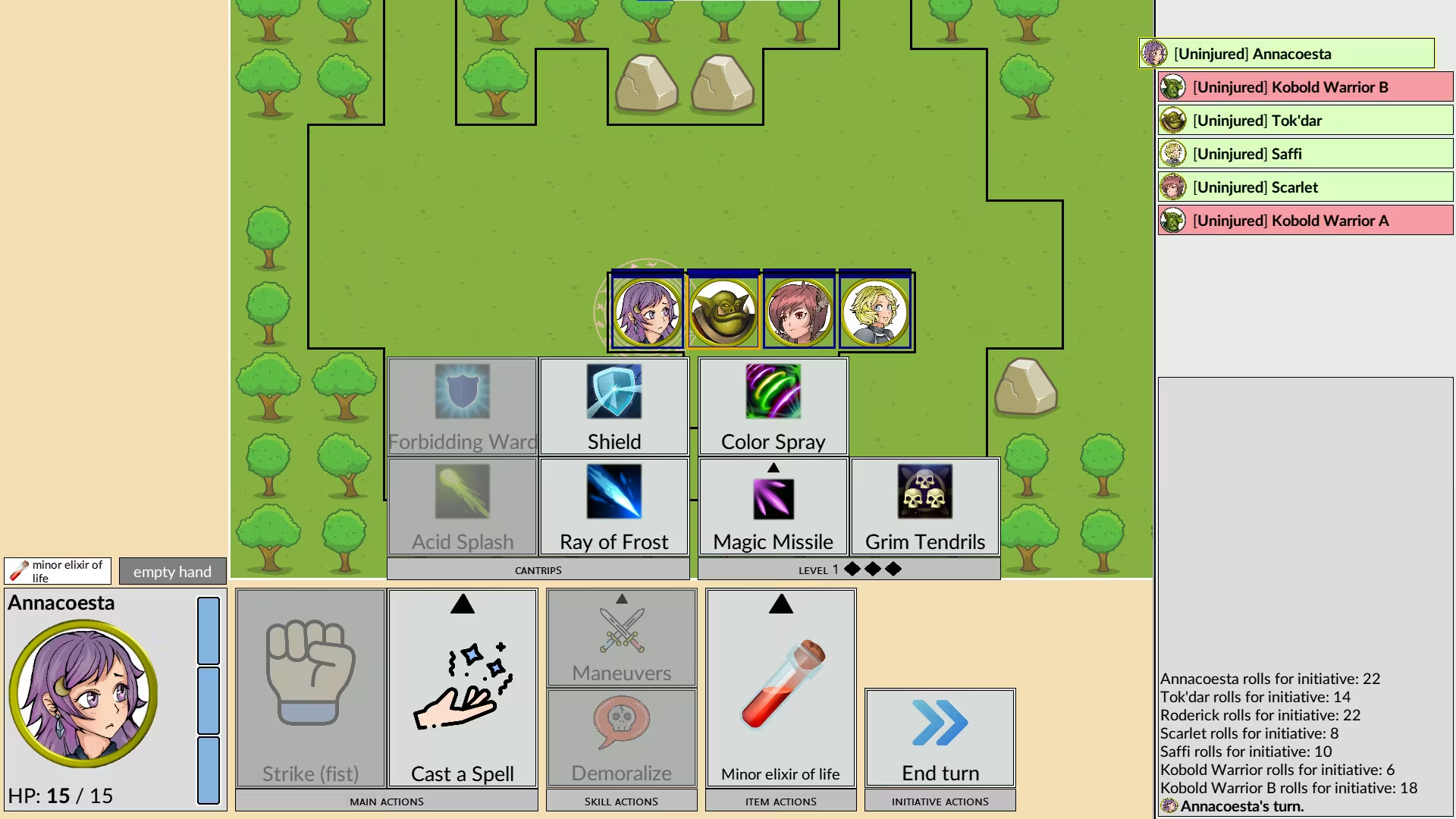
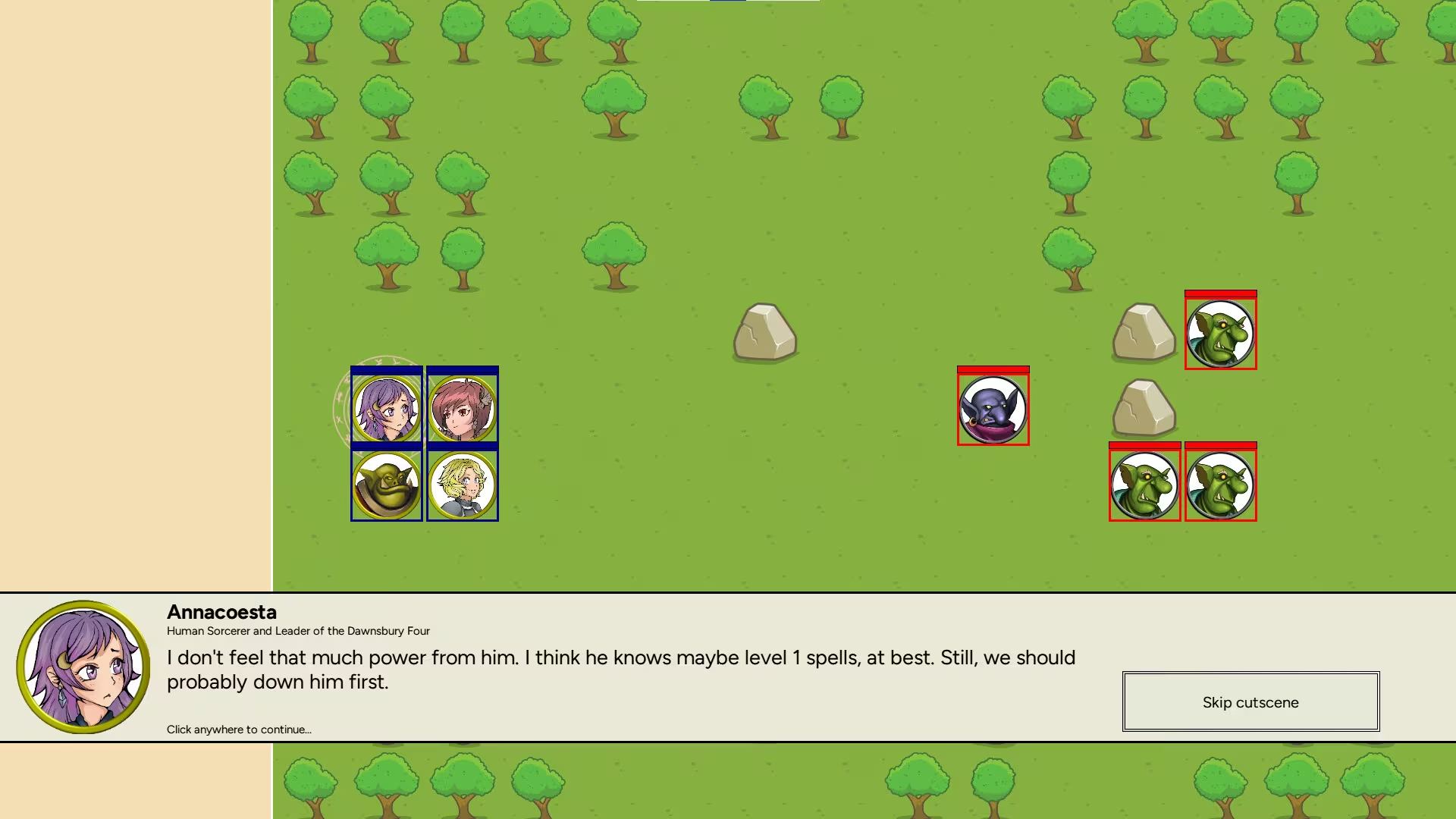
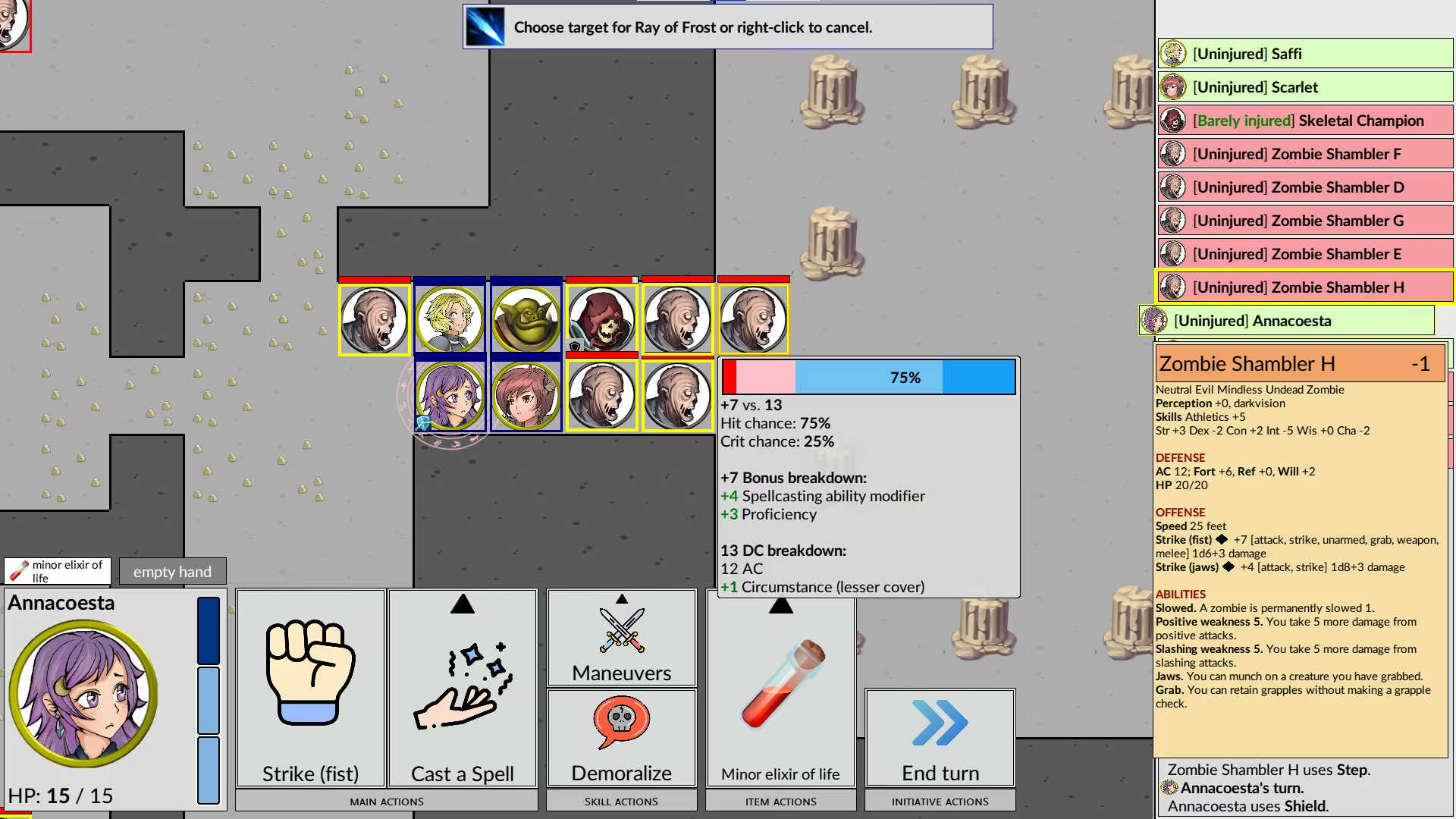
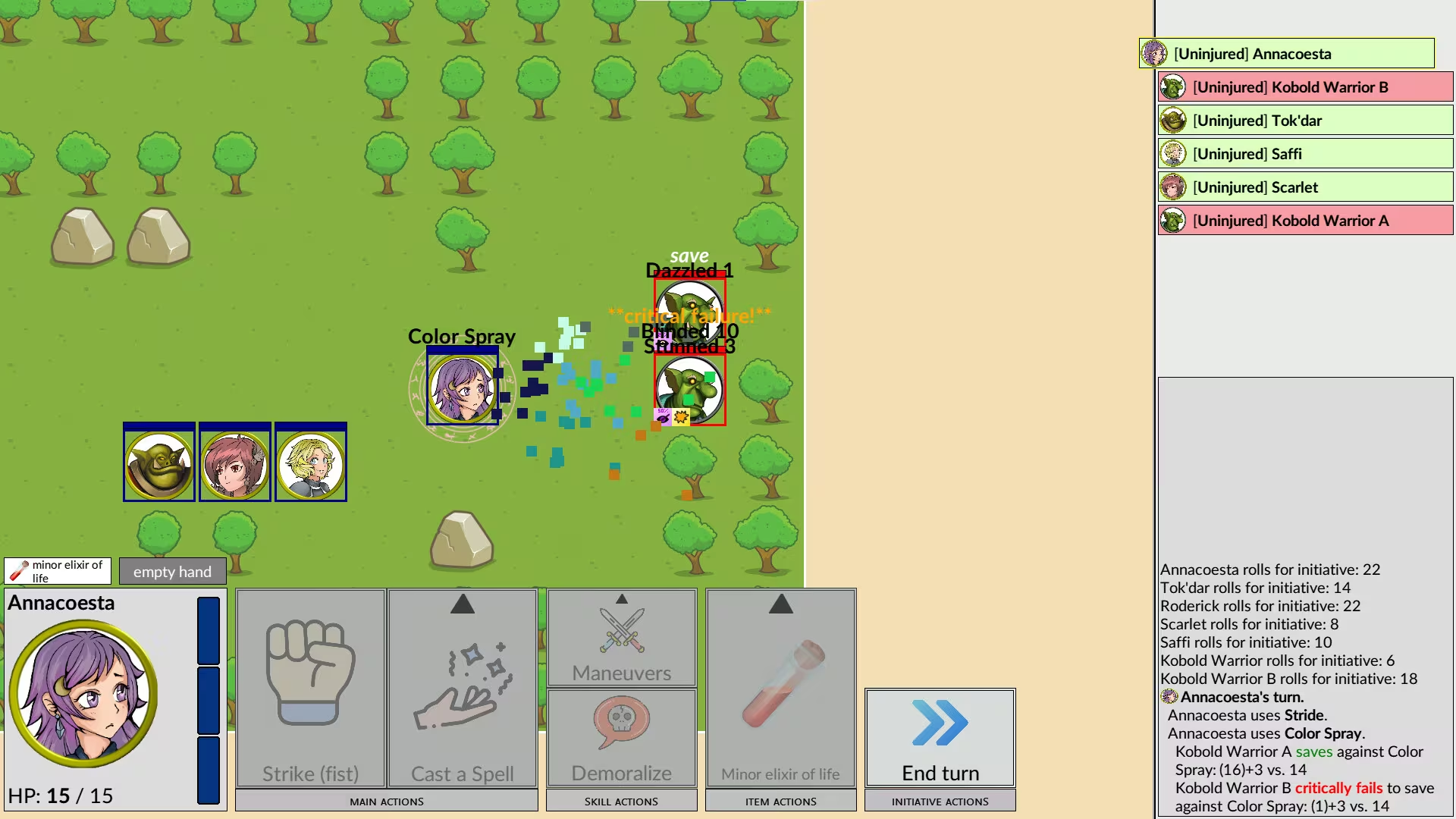
Lead a group of childhood friends in a series of difficult encounters played under the rules of PF2E, the second edition of a powerful tabletop OGL ruleset.

Global score

98/100

Genres

Role-playing (RPG), Strategy, Turn-based strategy (TBS), Indie, Tactical

Similar games

    Pros

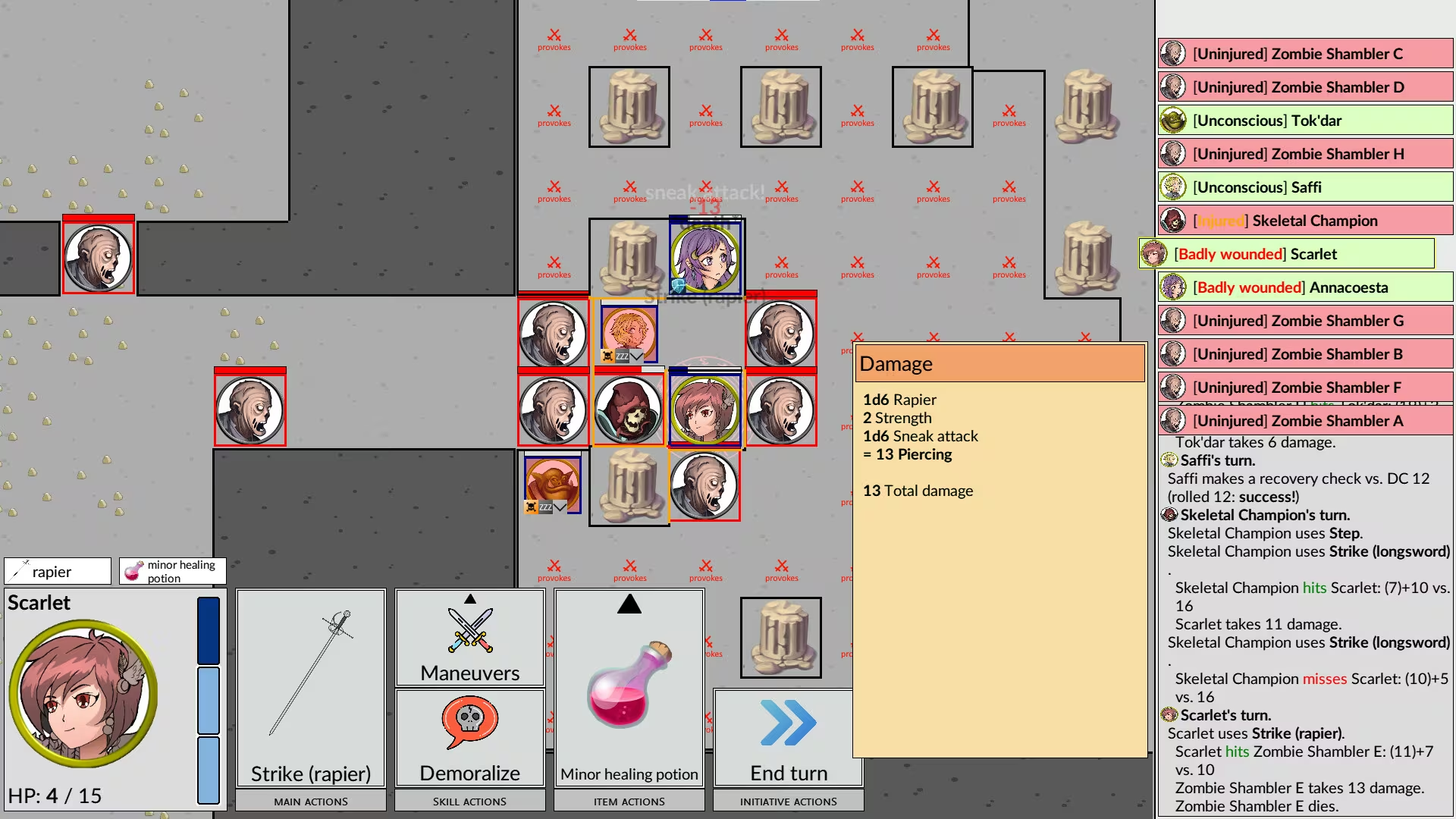
    • Faithful and accurate adaptation of pathfinder 2e combat rules
    • Engaging tactical combat with meaningful decision making
    • Free to play and accessible introduction to pf2e
    • Charming and heartful presentation with voice acting
    • Clean and intuitive user interface

    Cons

    • Very short gameplay length with limited content
    • Lack of character customization and progression
    • Variable quality in voice acting and audio
    • Minimal story and exploration elements
    • No multiplayer or social features

    Analysis

    Broadly representative of its motivational profile, with a few distinct shifts. Motivations that often define this kind of title include Creativity, Exploration, Expression, Story. Here, the score leans higher than usual among comparable games on Cooperation, Leadership. It leans lower than usual among comparable games on Continuation.

    How to use the graph
    Similar games map

    Each dot is a game. They are arranged from the same motivation profile as in the “Motivations” section below. Closer dots usually mean more similar reasons to play (exploration, competition, relaxation, etc.)—not that one game is “better” than another.

    • Larger dot with a light outline: the game you are viewing.
    • Colour: groups of games with comparable motivation patterns (statistical clusters).
    • Hover a dot to see the game name; click to open its page.
    • Scroll or double-click the chart to zoom out and see more games.

    Why don’t the axes read like a score? This view uses t-SNE: it only keeps who is close to whom. The scales are not “good to bad” or hours played—they separate groups on the map. Read distance between dots, not the axis numbers.

    Motivations

    • Autonomy
      3

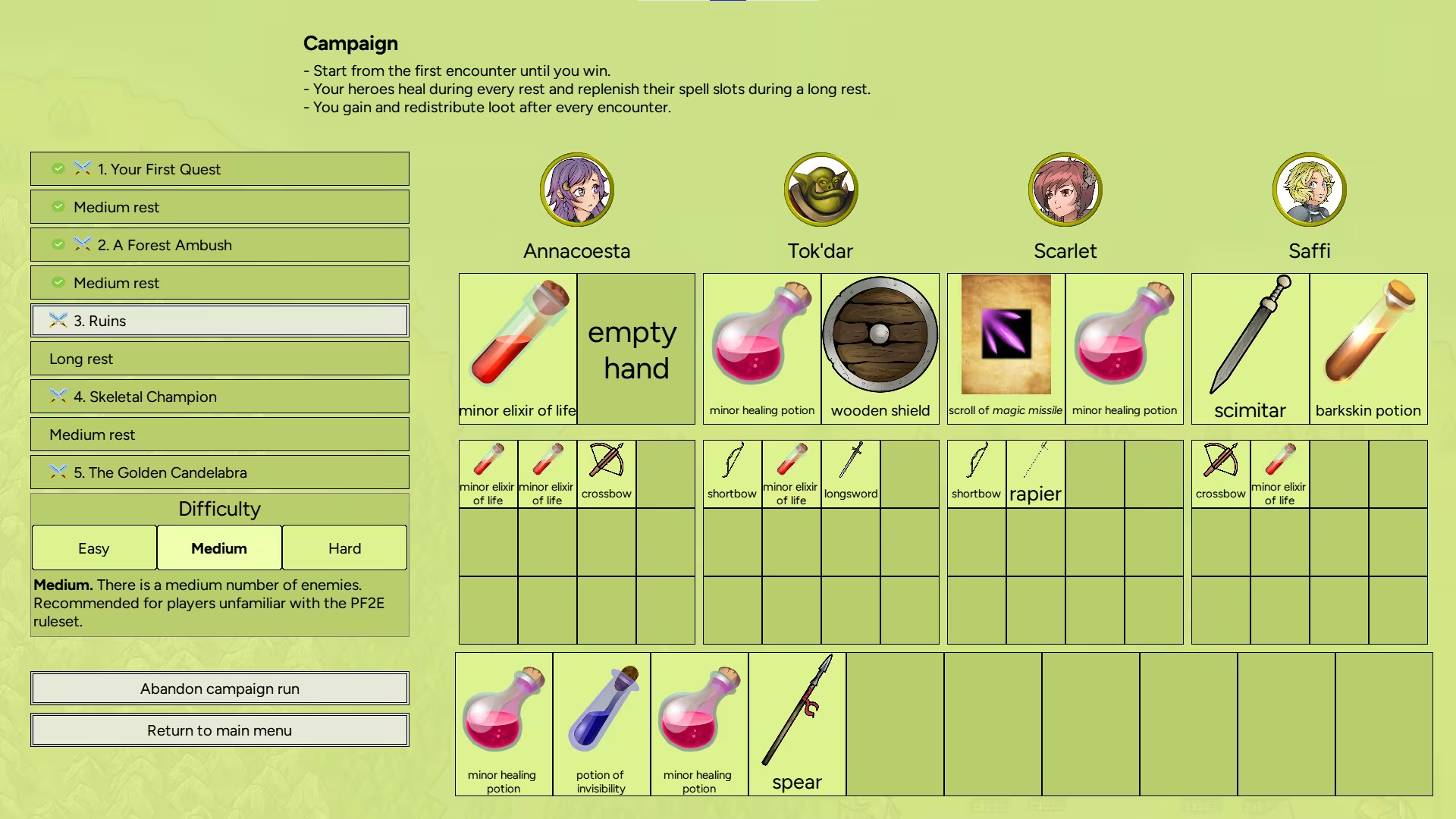
      "Players control a fixed party with limited customization but can choose tactical actions freely during combat."

    • Competence
      4

      "The game challenges players with tactical combat requiring skillful use of Pathfinder 2e mechanics and provides detailed feedback."

    • Competition
      -4

      "Focus is on solo play and personal mastery of combat mechanics without player-vs-player or leaderboard elements."

    • Continuation
      -3

      "Short playtime (~30-60 minutes) and limited content reduce habitual or long session play, though some replay for difficulty is noted."

    • Cooperation
      4

      "Players manage a party of four characters working together tactically to overcome encounters."

    • Creativity
      -2

      "No character creation or deep customization; players can swap equipment but overall follow a fixed structure."

    • Domination
      -4

      "No evidence of exerting control over other players; gameplay is cooperative within a fixed party."

    • Escapism
      3

      "Players enjoy immersion in a fantasy tactical RPG setting, providing a break from real life."

    • Expectation
      -4

      "Players engage voluntarily out of interest and enjoyment, not obligation or external pressure."

    • Experimenting
      3

      "Players can try different tactical approaches and experiment with Pathfinder 2e combat mechanics."

    • Exploration
      -3

      "Gameplay is focused on combat encounters with limited story and no open-world exploration."

    • Expression
      -3

      "Limited to no avatar or party customization; fixed characters and minimal cosmetic options."

    • Fantasy
      5

      "Strong fantasy theme based on Pathfinder 2e tabletop RPG with magical spells, fantasy races, and lore."

    • Fellowship
      -3

      "Single-player experience with minimal social or community interaction."

    • Growth
      2

      "Players learn and improve understanding of Pathfinder 2e combat rules and tactics."

    • Health
      -5

      "No physical activity involved; traditional sedentary video game."

    • Idle
      -4

      "Requires focused attention during tactical combat; not designed for passive or background play."

    • Intimacy
      -4

      "No social or emotional relationship building; interactions limited to scripted party dialogue."

    • Leadership
      3

      "Player leads and directs a party of four characters in combat strategy."

    • Progression
      1

      "Some loot and equipment upgrades, but no character leveling or deep progression systems."

    • Relaxation
      1

      "Gameplay can be thoughtful and engaging but also challenging; some tension in combat."

    • Sensation
      2

      "Enjoyable audio and visual feedback, though graphics and voice acting are modest and variable."

    • Status
      -4

      "No social recognition or ranking systems; focus is on personal gameplay experience."

    • Story
      1

      "Simple, light story with some character dialogue; story is not the main focus."

    • Strategy
      5

      "Heavy emphasis on tactical combat, positioning, and use of Pathfinder 2e rules requiring planning."

    • Thrill
      2

      "Combat encounters provide some suspense and challenge, especially on higher difficulties."

    • Value
      5

      "Free to play with high value as a Pathfinder 2e combat tutorial and proof of concept."

    • Violence
      3

      "Combat-focused gameplay with attacks, spells, and tactical battles."

    • Survival
      3

      "Players must manage health and resources to survive challenging encounters."

    Last update: 29/04/2026