Risen Thumbnail

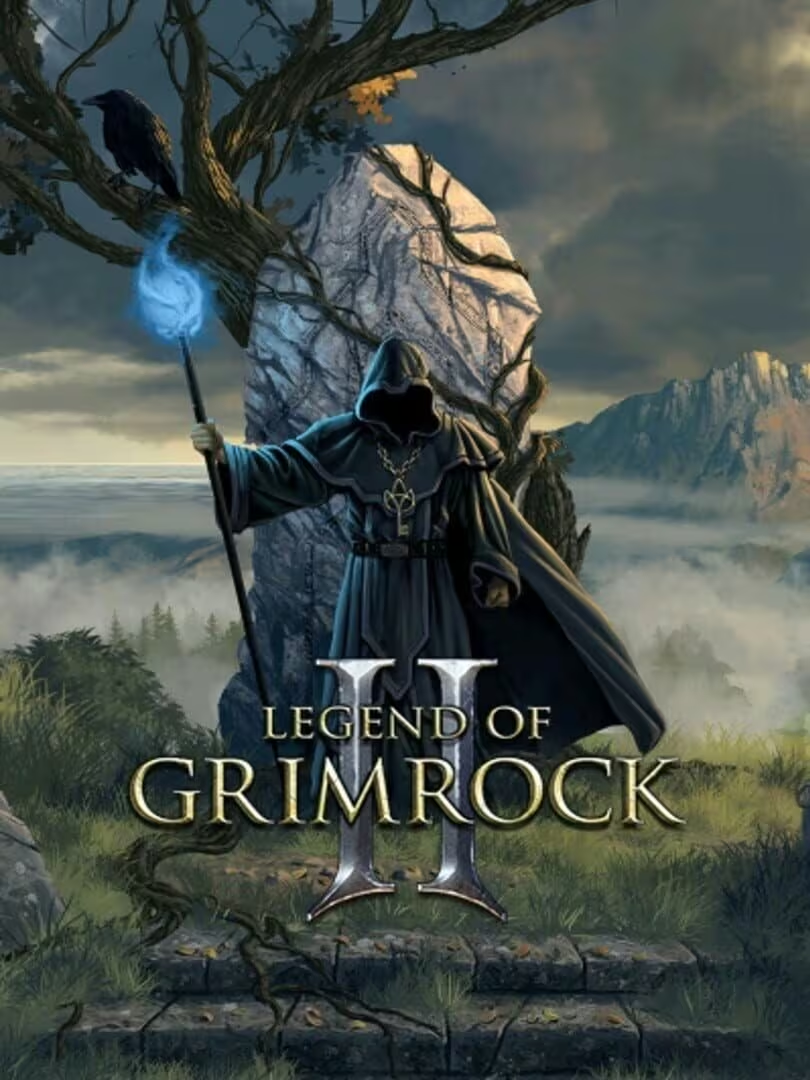
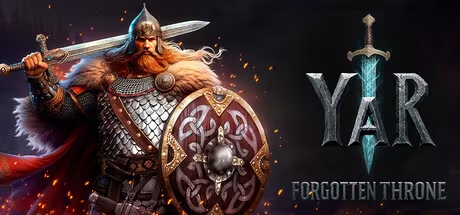
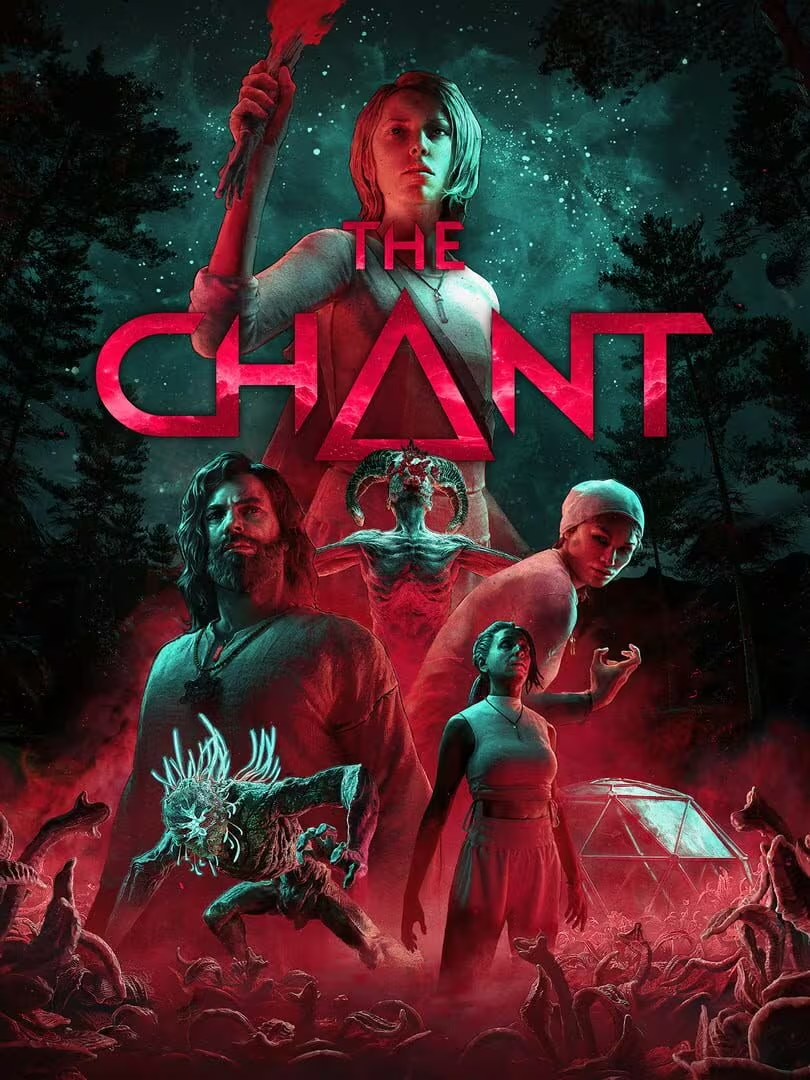
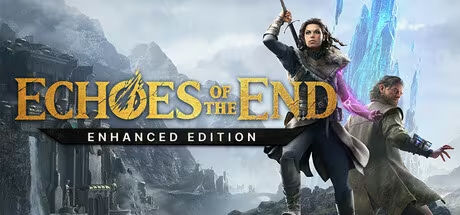
Risen similar games & best alternatives

Risen

PC (Microsoft Windows), Xbox 360 • 2009

Related articles

Quick resume

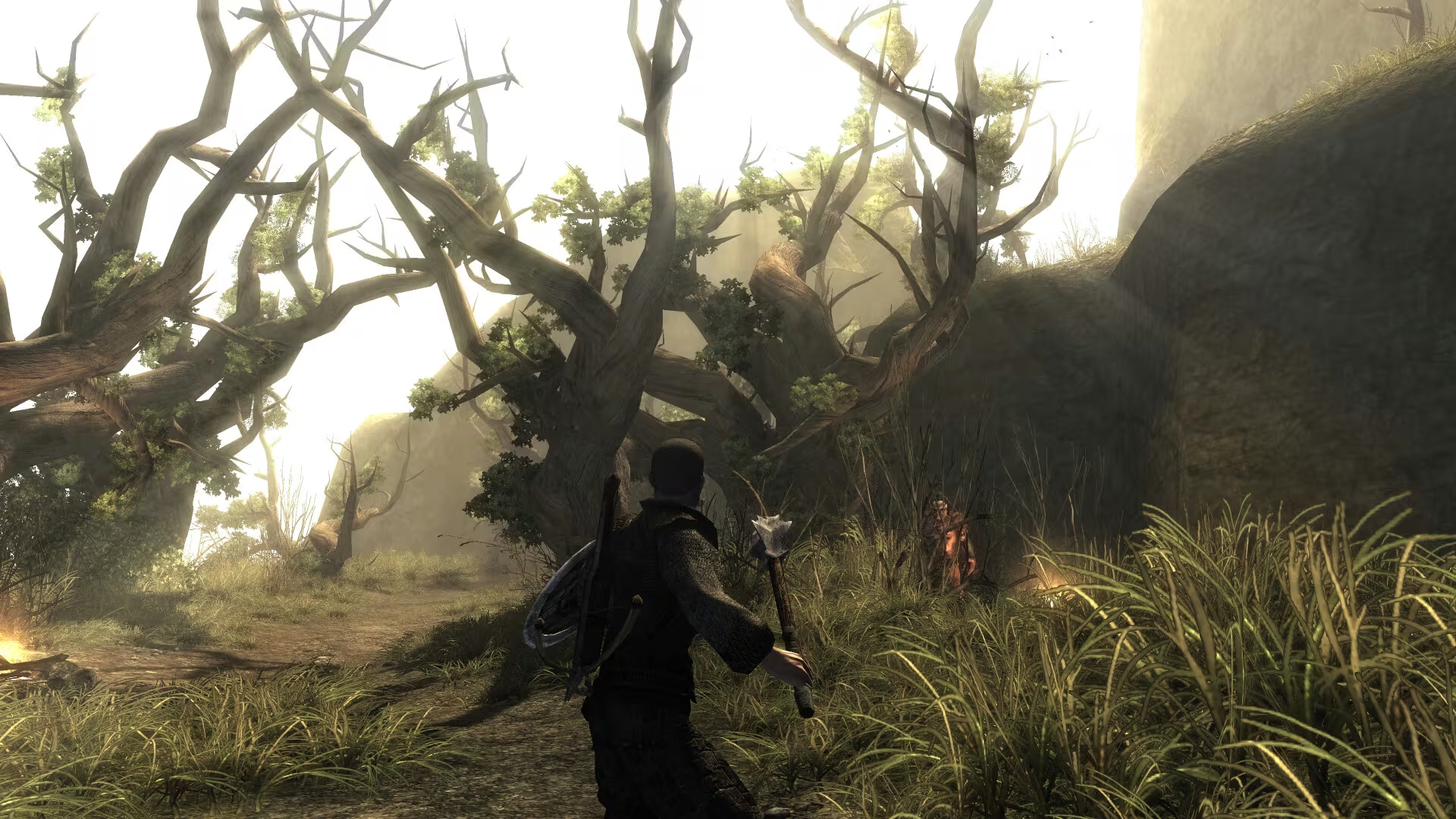
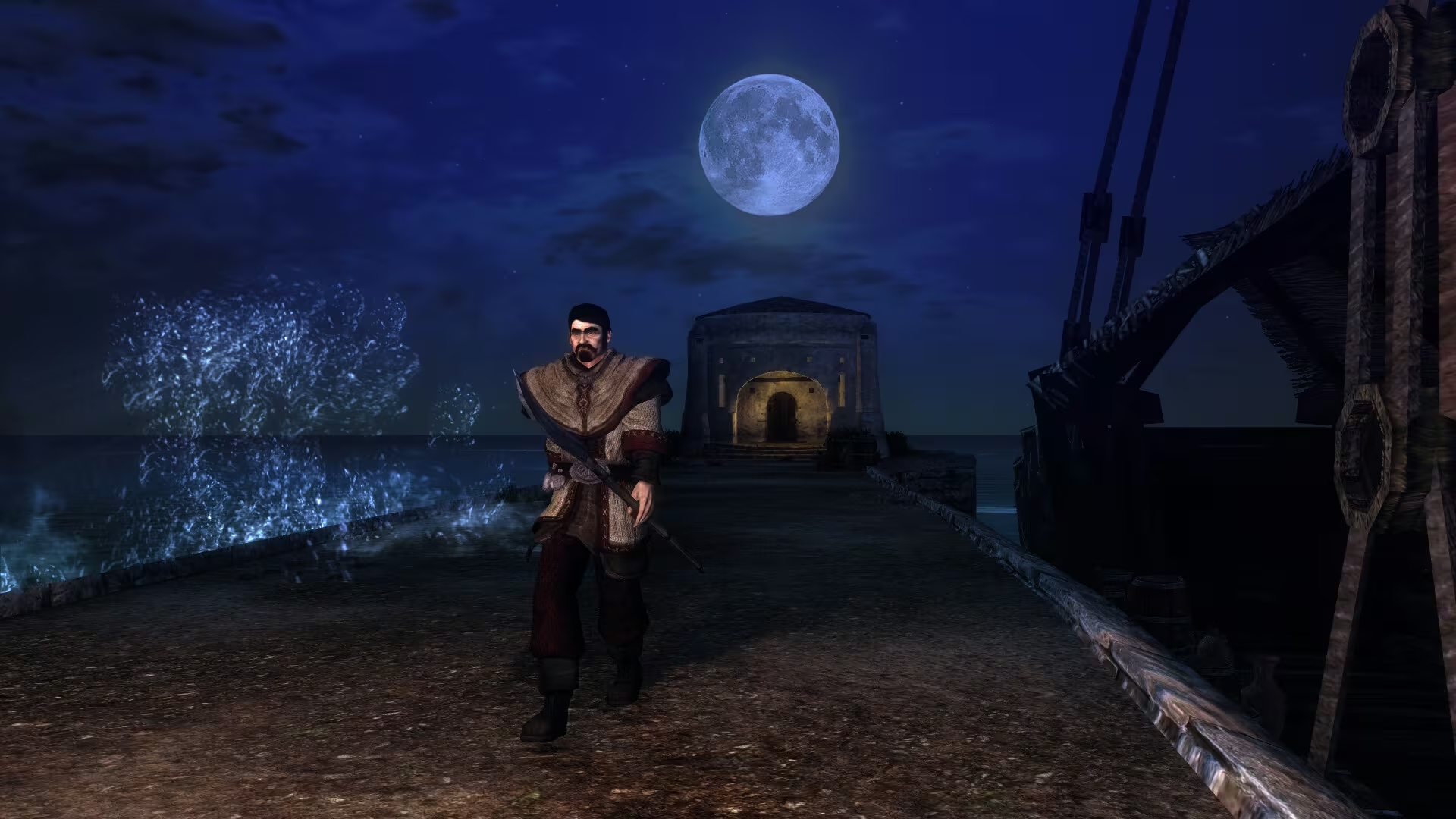
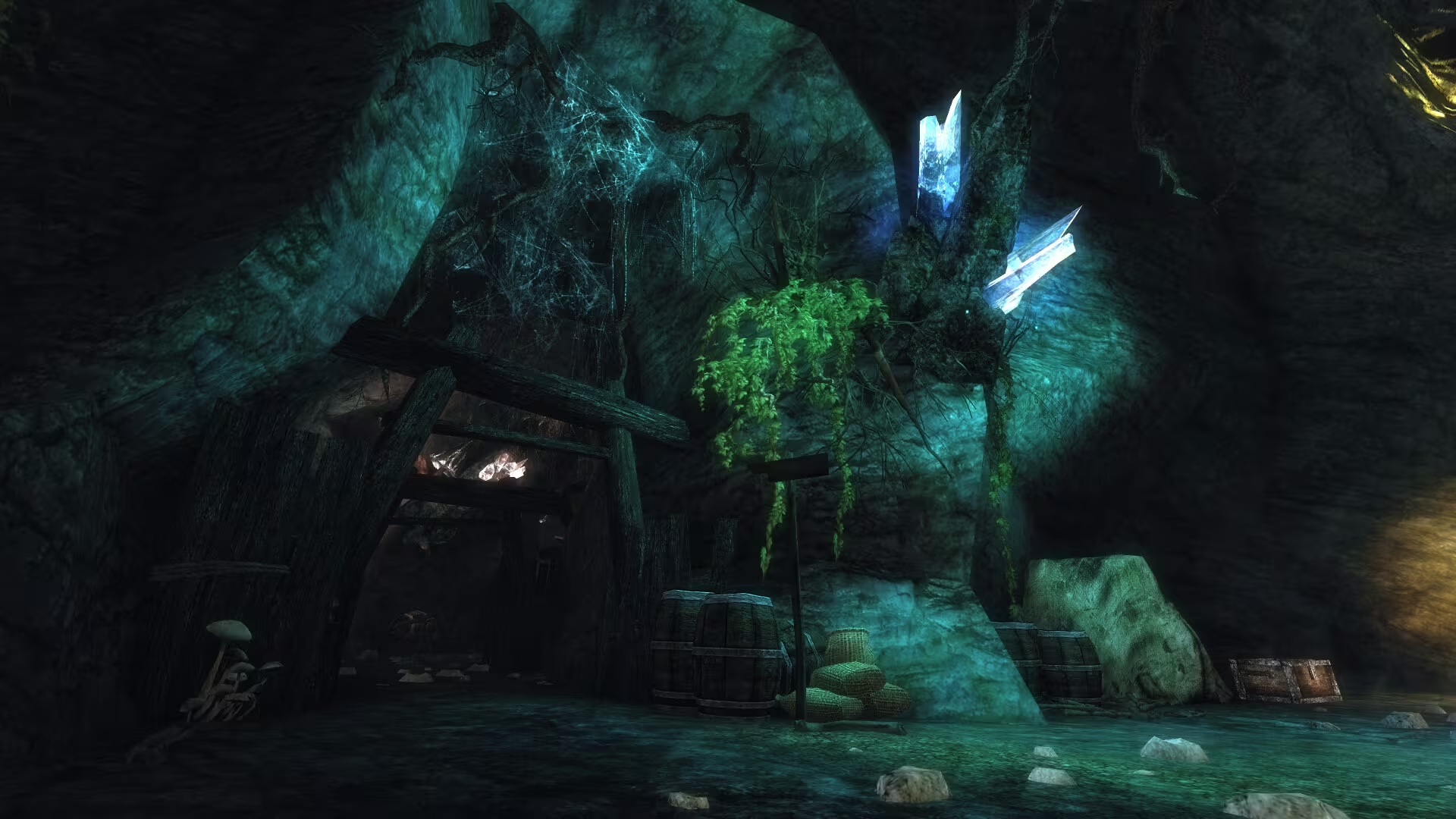
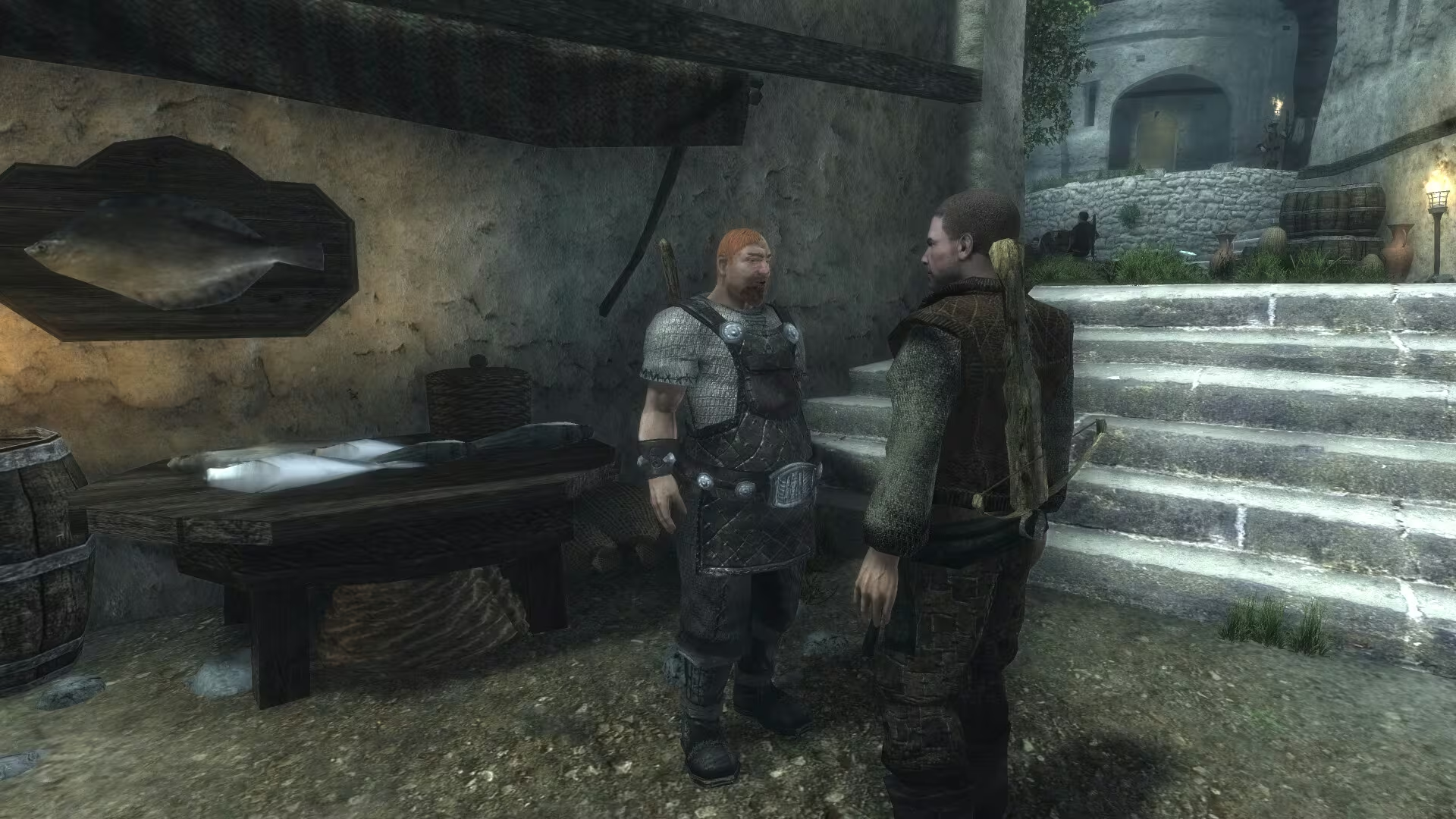
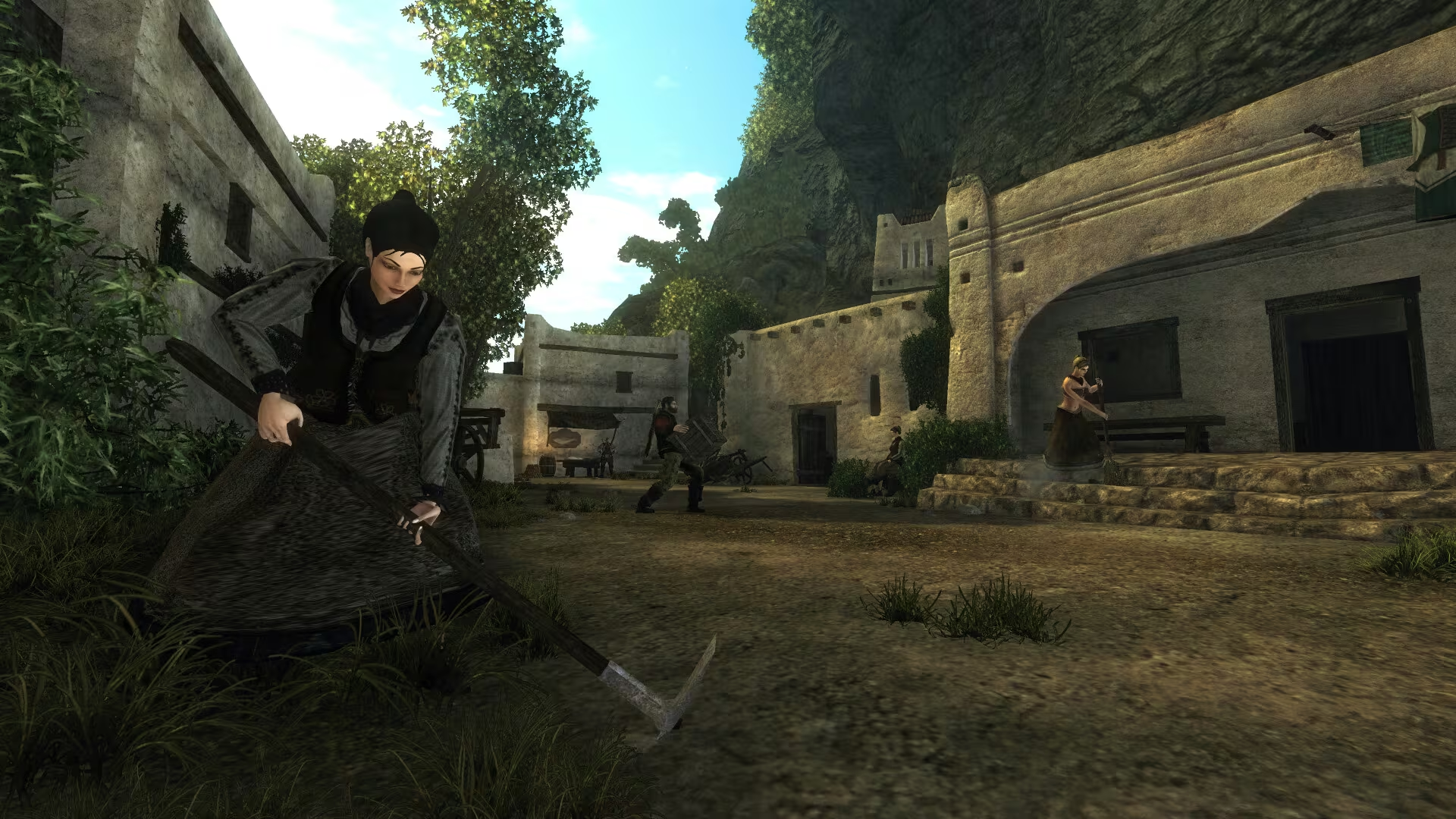
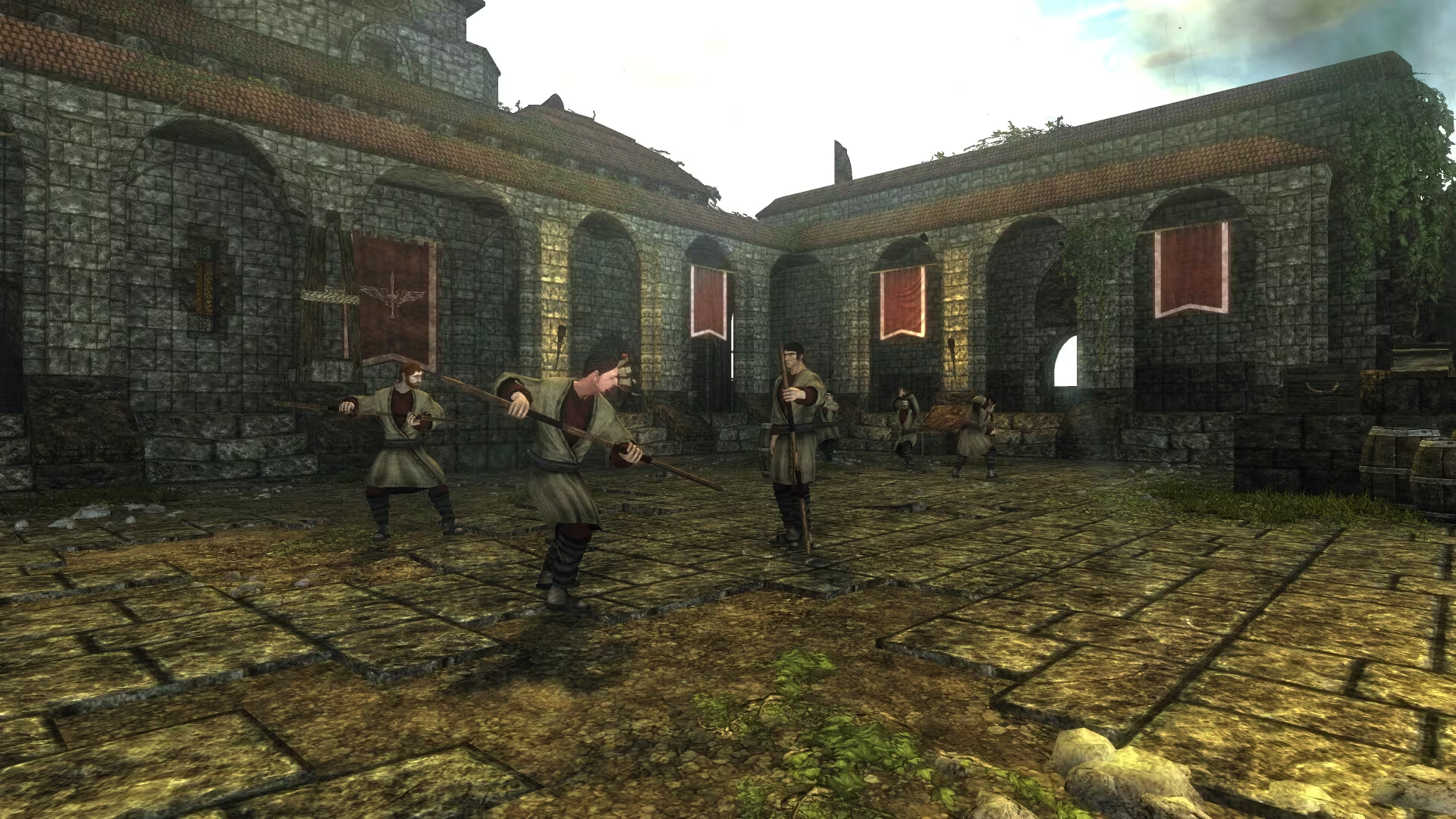
Delve into a gritty, raw and atmospheric fantasy world in which every action has a consequence. In the epic world of Risen, filled with mysterious earthquakes, fearsome monsters and unimaginable treasures, forge your path with the sword, learn the art of staff fighting or become a powerful mage.

Global score

89/100

Genres

Role-playing (RPG), Adventure, Hack and slash/Beat 'em up

Similar games

    Pros

    • Strong immersion and atmosphere
    • Challenging and rewarding combat
    • Meaningful character progression
    • Handcrafted exploration-rich world
    • Multiple factions and quest solutions

    Cons

    • Dated graphics and animation
    • Clunky combat controls for some
    • Some repetitive enemies and quests
    • Technical bugs especially with jumping
    • Storyline can be predictable or simple

    Analysis

    Broadly representative of its motivational profile, with a few distinct shifts. Motivations that often define this kind of title include Fellowship, Cooperation, Leadership, Violence. Here, the score leans higher than usual among comparable games on Violence, Exploration, Health.

    How to use the graph
    Similar games map

    Each dot is a game. They are arranged from the same motivation profile as in the “Motivations” section below. Closer dots usually mean more similar reasons to play (exploration, competition, relaxation, etc.)—not that one game is “better” than another.

    • Larger dot with a light outline: the game you are viewing.
    • Colour: groups of games with comparable motivation patterns (statistical clusters).
    • Hover a dot to see the game name; click to open its page.
    • Scroll or double-click the chart to zoom out and see more games.

    Why don’t the axes read like a score? This view uses t-SNE: it only keeps who is close to whom. The scales are not “good to bad” or hours played—they separate groups on the map. Read distance between dots, not the axis numbers.

    Motivations

    • Autonomy
      4

      "Players have freedom to choose factions, character development paths, and multiple quest solutions, allowing personal decision-making."

    • Competence
      4

      "Combat is challenging and skill-based, requiring mastery of blocking, parrying, and timing; progression is meaningful and rewarding."

    • Competition
      -3

      "Focus is on personal progression and exploration without competitive multiplayer or leaderboards."

    • Continuation
      4

      "Players report long playtimes, replayability with different factions and builds, and strong attachment to the game world."

    • Cooperation
      -4

      "Single-player RPG with limited social interaction; gameplay centers on individual quests and character development."

    • Creativity
      3

      "Players can customize character skills, choose factions, and solve quests in multiple ways; crafting and alchemy add creative elements."

    • Domination
      -4

      "Interactions with NPCs emphasize mutual respect and role-playing rather than exerting control or superiority."

    • Escapism
      5

      "Strong immersion in a fantasy world with exploration, story, and atmosphere providing escape from real life."

    • Expectation
      -4

      "Players engage voluntarily out of intrinsic interest and love for the genre and developer style."

    • Experimenting
      3

      "Players try different builds, factions, and quest approaches, exploring game mechanics and progression."

    • Exploration
      5

      "Handcrafted island world with many secrets, caves, and locations encourages thorough exploration."

    • Expression
      3

      "Character development and skill choices allow some expression; however, no character customization or avatar personalization."

    • Fantasy
      5

      "Set in a fantasy world with magic, mythical creatures, and an epic storyline involving titans and factions."

    • Fellowship
      -4

      "Primarily a solo experience with limited social or community interaction."

    • Growth
      5

      "Strong emphasis on learning skills, improving combat, crafting, and character progression."

    • Health
      -3

      "Typical sedentary gameplay with no physical activity elements."

    • Idle
      -4

      "Requires focused attention and continuous engagement; combat and exploration demand player involvement."

    • Intimacy
      -4

      "Limited emotional or social bonding; NPCs have scripted interactions but no deep relationships."

    • Leadership
      -4

      "No player leadership roles; player acts independently without managing groups or directing others."

    • Progression
      5

      "Character levels up, gains skills, acquires equipment, and crafts items; progression is core to gameplay."

    • Relaxation
      2

      "Atmospheric and immersive, but combat difficulty and some frustrations reduce pure relaxation."

    • Sensation
      2

      "Visuals and sound design praised for atmosphere; combat and exploration provide moderate sensory stimulation."

    • Status
      -4

      "No social status or recognition systems; achievements added late but not central to experience."

    • Story
      3

      "Narrative is engaging with faction choices and questlines, though some find it predictable or simple."

    • Strategy
      3

      "Combat and quest solutions require tactical thinking, skill timing, and planning character builds."

    • Thrill
      3

      "Combat difficulty and exploration of dangerous areas create suspense and tension."

    • Value
      4

      "Players find the game worth the price due to depth, length, and replayability."

    • Violence
      4

      "Combat against monsters and enemies is a core gameplay element with melee, ranged, and magic attacks."

    • Survival
      3

      "Early game emphasizes survival against tough enemies; resource management and skill learning are important."

    Last update: 29/04/2026