Space Food Truck Thumbnail

Space Food Truck similar games & best alternatives

Space Food Truck

PC (Microsoft Windows), Mac, Linux • 2016

Related articles

Quick resume

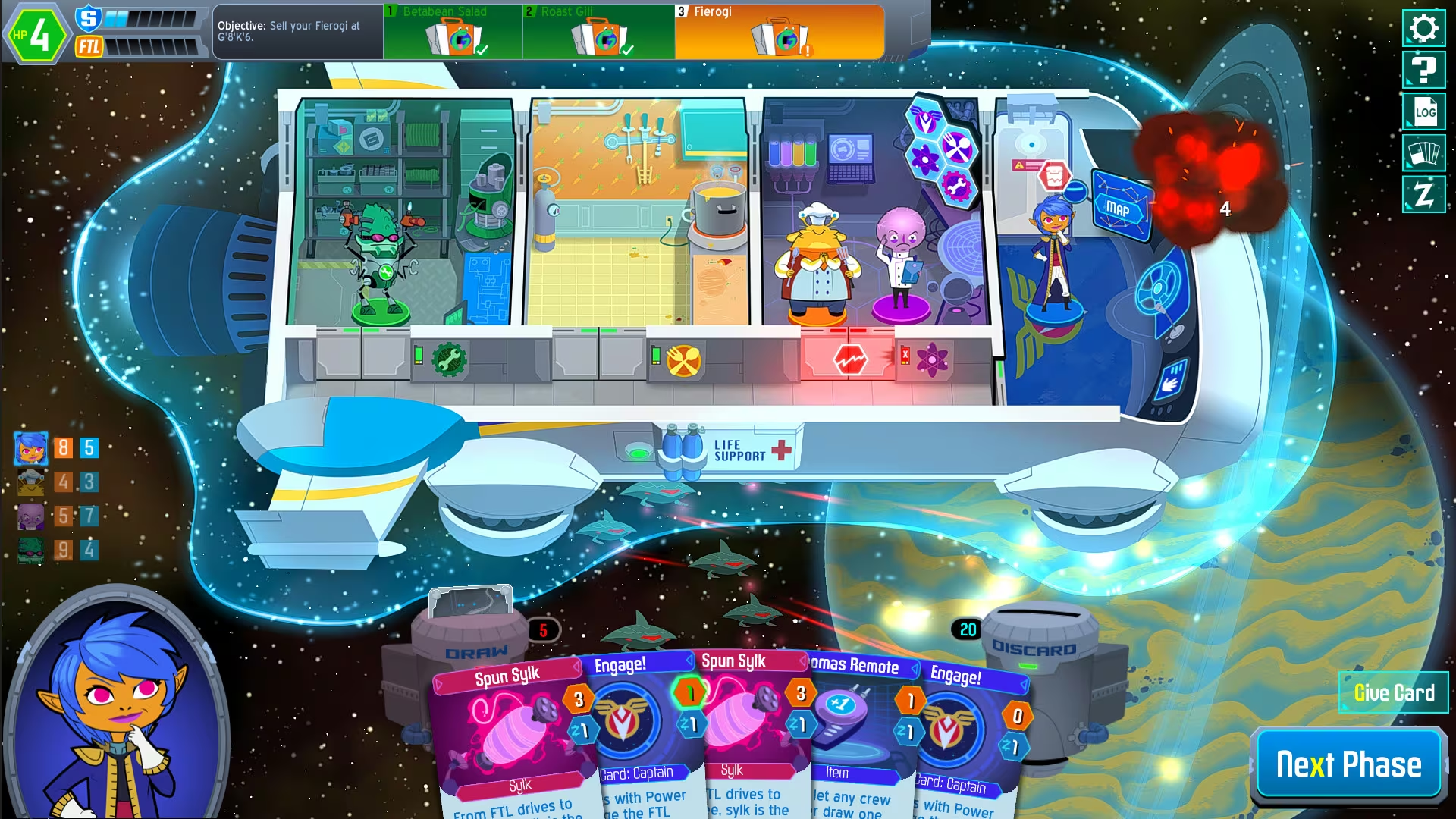
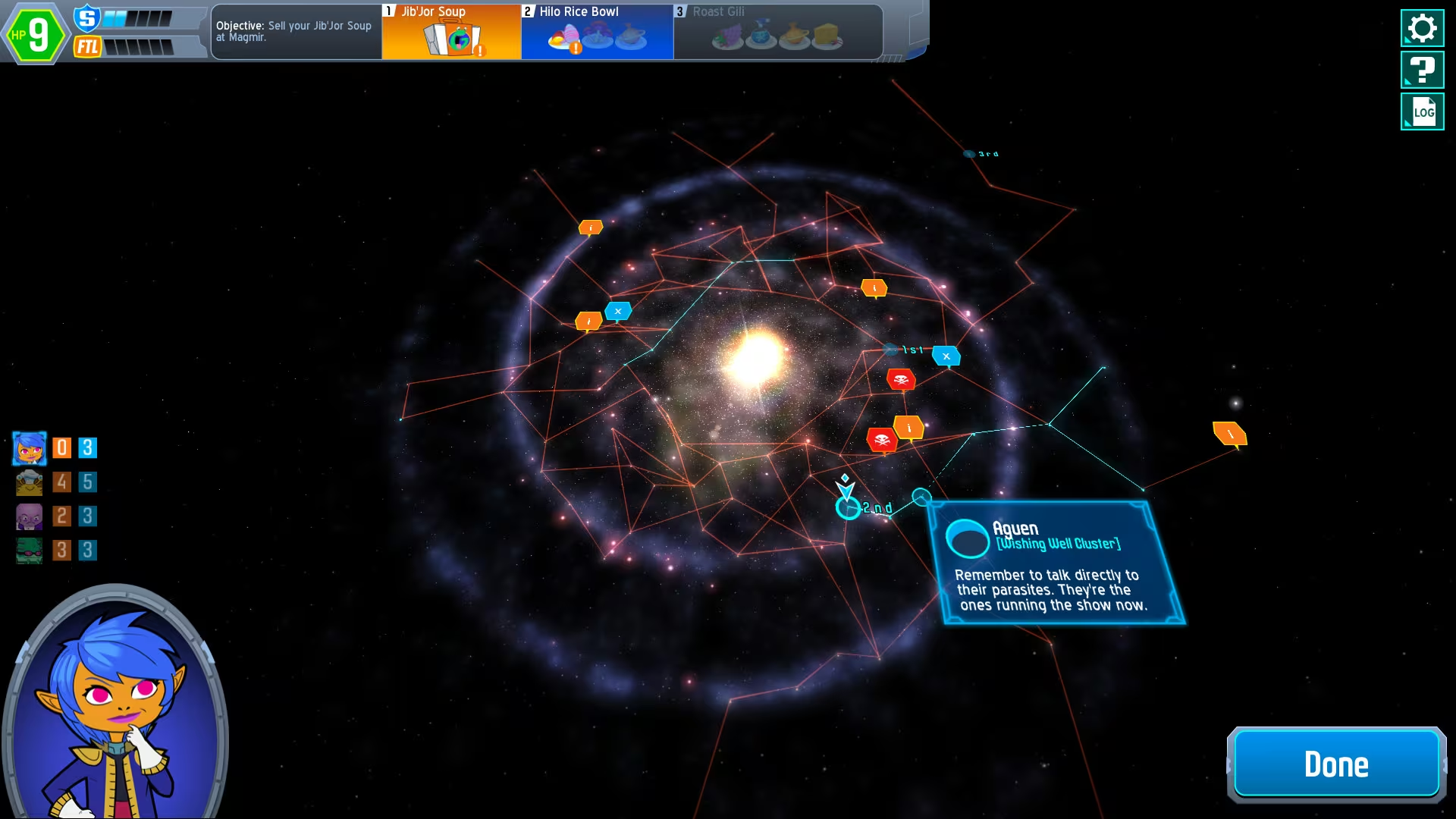
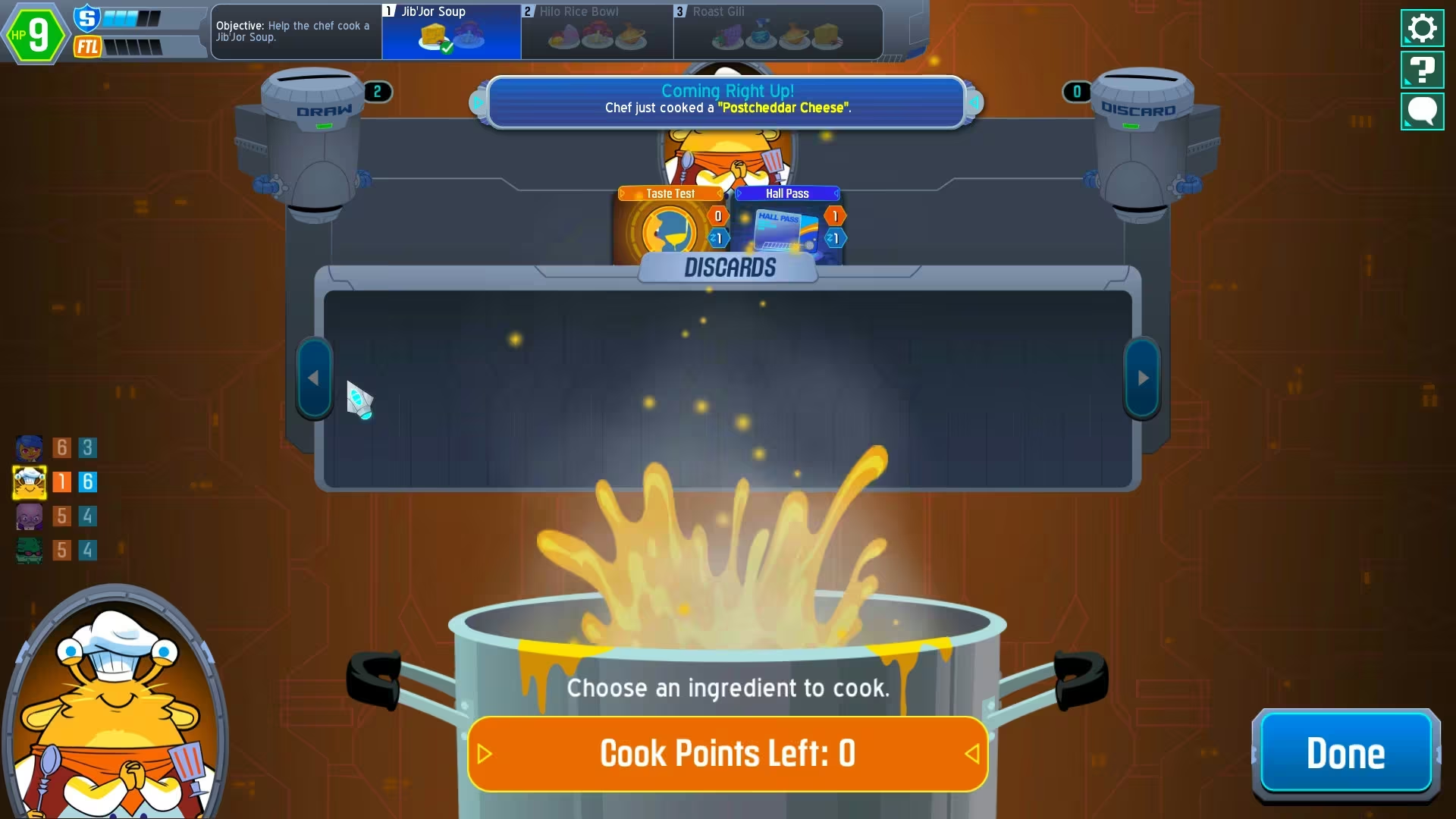
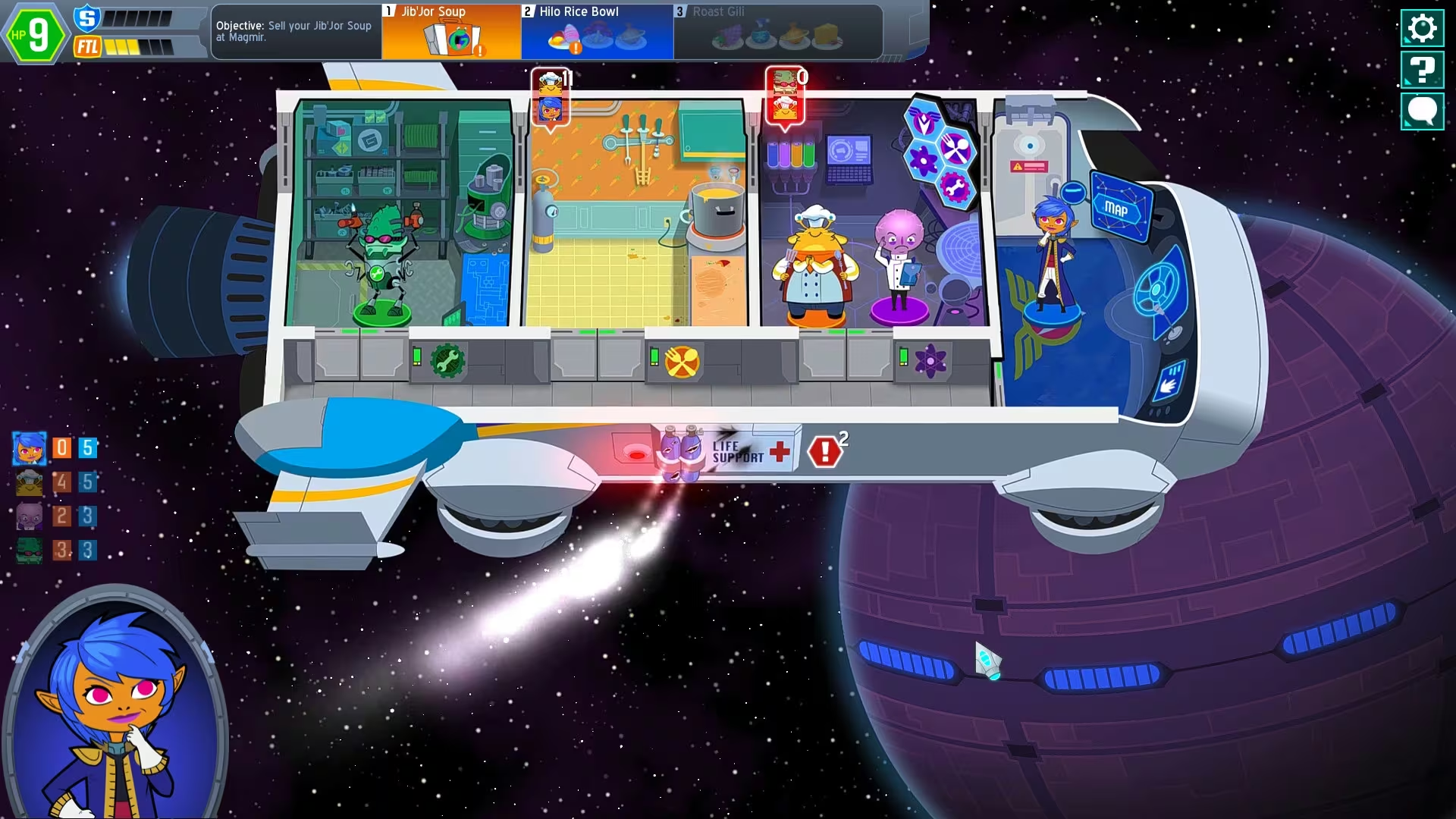
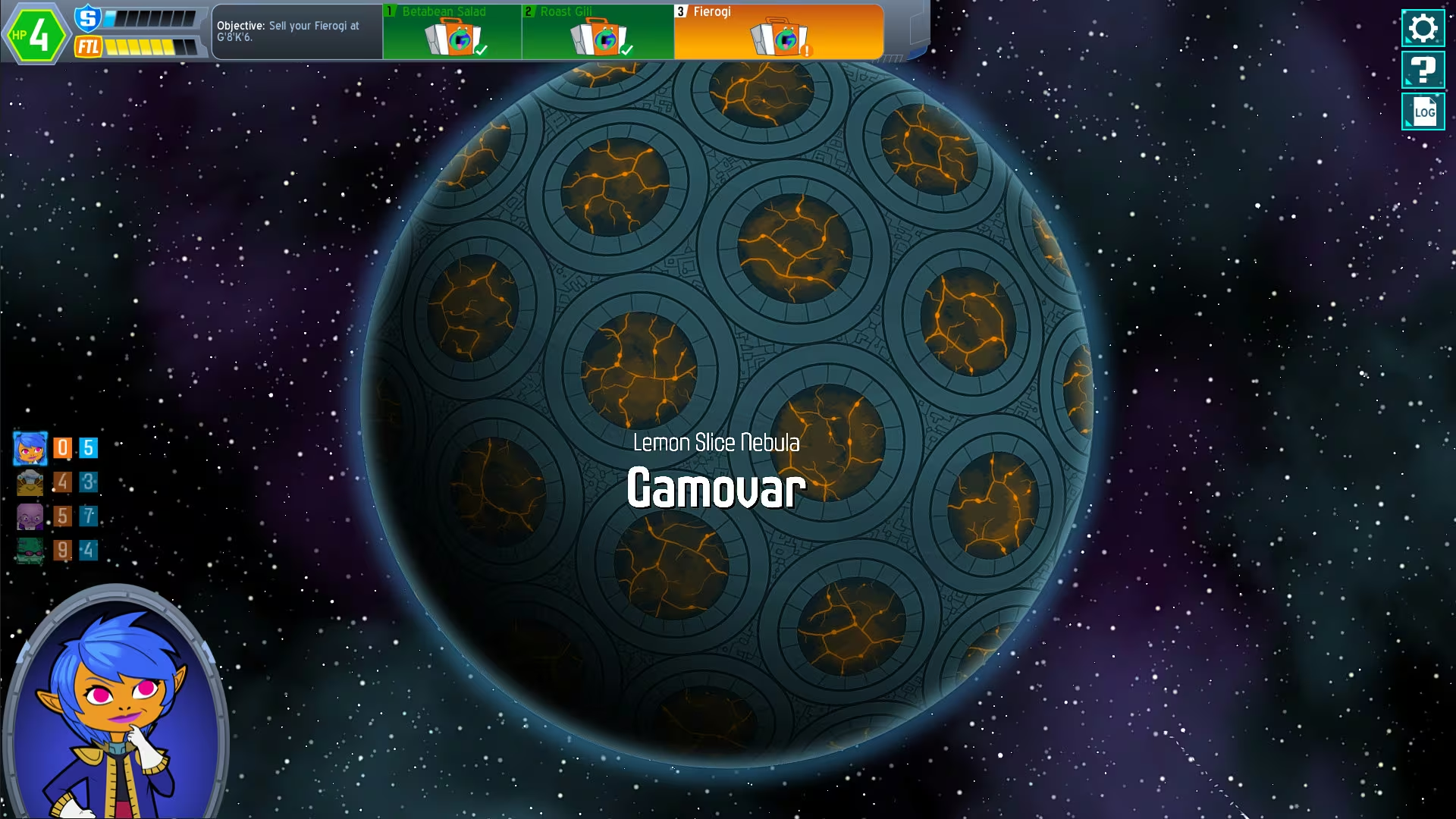
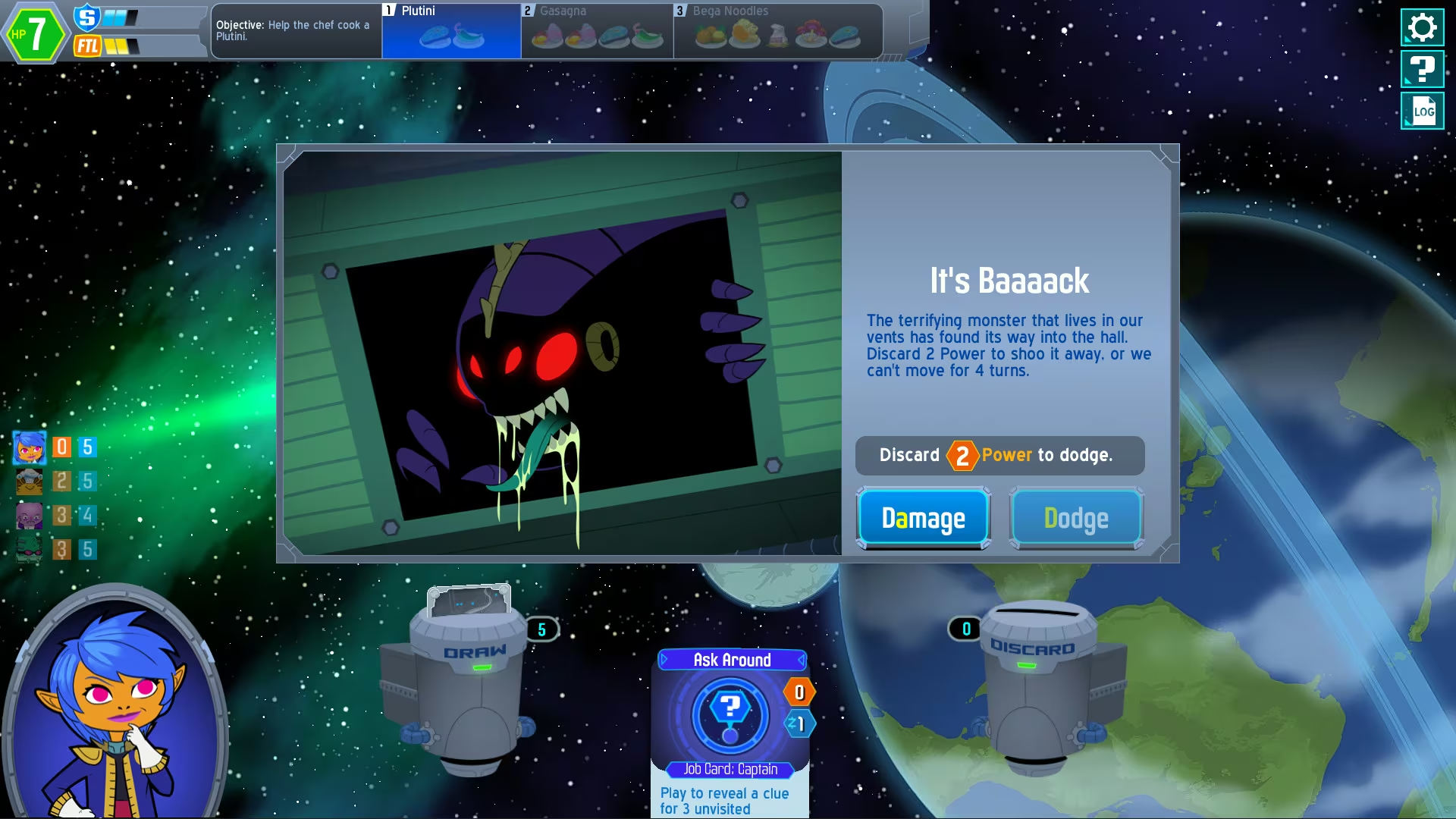
Space Food Truck is a cooperative, culinary scifi adventure. 1-4 players take on unique roles aboard the Galaxy Gourmet. Their mission: explore a vast, procedurally-generated galaxy in search of exotic ingredients, craft delicious recipes, and withstand the untold dangers of deep space.

Global score

72/100

Genres

Indie, Strategy, Turn-based strategy (TBS)

Similar games

    Pros

    • Unique cooperative deck building with asymmetrical roles
    • Challenging and strategic gameplay
    • Humorous sci-fi theme and art style
    • High replayability with procedural galaxy and events
    • Supports solo and multiplayer modes

    Cons

    • High difficulty and punishing rng can frustrate players
    • Some ui bugs and occasional game freezes reported
    • Multiplayer matchmaking and lobby system limited
    • Limited content variety may reduce long-term replay
    • Some players find pacing slow due to forced card buys and deck bloat

    Analysis

    Broadly representative of its motivational profile, with a few distinct shifts. Motivations that often define this kind of title include Cooperation, Fellowship, Intimacy, Leadership. It leans lower than usual among comparable games on Violence, Relaxation, Competition.

    How to use the graph
    Similar games map

    Each dot is a game. They are arranged from the same motivation profile as in the “Motivations” section below. Closer dots usually mean more similar reasons to play (exploration, competition, relaxation, etc.)—not that one game is “better” than another.

    • Larger dot with a light outline: the game you are viewing.
    • Colour: groups of games with comparable motivation patterns (statistical clusters).
    • Hover a dot to see the game name; click to open its page.
    • Scroll or double-click the chart to zoom out and see more games.

    Why don’t the axes read like a score? This view uses t-SNE: it only keeps who is close to whom. The scales are not “good to bad” or hours played—they separate groups on the map. Read distance between dots, not the axis numbers.

    Motivations

    • Autonomy
      4

      "Players control multiple characters with unique roles and must make strategic decisions about deck building and actions each turn, showing high player agency."

    • Competence
      4

      "Game challenges players to manage decks, coordinate roles, and overcome random events, requiring skillful planning and adaptation."

    • Competition
      -4

      "Focus is on cooperative play and personal/team progress rather than competing against others."

    • Continuation
      3

      "Players often engage in multiple sessions, replaying to improve strategy and overcome difficulty despite frustration from RNG."

    • Cooperation
      5

      "Strong cooperative gameplay with distinct roles requiring teamwork and communication to succeed."

    • Creativity
      3

      "Players customize decks and manage card composition creatively to optimize performance and counter randomness."

    • Domination
      -5

      "Gameplay emphasizes equal participation and collaboration rather than dominance or power over others."

    • Escapism
      4

      "Players enjoy escaping into a humorous sci-fi setting with engaging challenges and thematic immersion."

    • Expectation
      -4

      "Players engage voluntarily out of interest and enjoyment rather than obligation or external pressure."

    • Experimenting
      4

      "Players experiment with deck building strategies, role coordination, and adapting to random events."

    • Exploration
      3

      "Players explore a procedurally generated galaxy map with new planets and events each playthrough."

    • Expression
      2

      "Some character uniqueness and deck customization allow for limited self-expression within gameplay."

    • Fantasy
      4

      "Strong sci-fi fantasy theme with imaginative characters, events, and setting."

    • Fellowship
      4

      "Players feel part of a cooperative community through shared goals and teamwork."

    • Growth
      4

      "Players learn deck building, role strategies, and improve skills over multiple playthroughs."

    • Health
      -5

      "Sedentary gameplay typical of digital card games with no physical activity."

    • Idle
      -3

      "Requires focused attention and strategic thinking each turn; not suited for casual or background play."

    • Intimacy
      3

      "Cooperative multiplayer fosters social interaction and bonding among players."

    • Leadership
      2

      "Some players may take lead in coordinating team strategy but overall balanced roles."

    • Progression
      4

      "Players accumulate cards, upgrades, and improve decks to progress through the game."

    • Relaxation
      -2

      "Game is challenging and often stressful due to difficulty and randomness, limiting relaxation."

    • Sensation
      3

      "Enjoyable cartoonish graphics, sound, and humorous writing provide sensory and emotional engagement."

    • Status
      -3

      "Little emphasis on social recognition or status; focus is on cooperative achievement."

    • Story
      3

      "Humorous narrative and character dialogue provide light story immersion."

    • Strategy
      5

      "High strategic depth in deck building, resource management, and cooperative planning."

    • Thrill
      3

      "Random events and high stakes create suspense and tension during gameplay."

    • Value
      3

      "Players report good value for time spent, especially on sale, with many hours of gameplay."

    • Violence
      -4

      "Focus on constructive actions like cooking, repairing, and teamwork rather than combat or destruction."

    • Survival
      4

      "Core gameplay involves managing threats, avoiding failure, and keeping the ship operational."

    Last update: 29/04/2026