Steel Division: Normandy 44 Thumbnail

Steel Division: Normandy 44 similar games & best alternatives
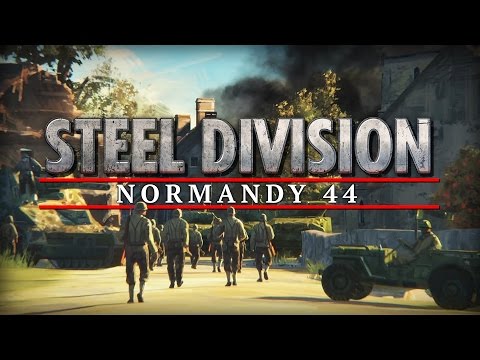
Steel Division: Normandy 44

PC (Microsoft Windows) • 2017

Related articles

Quick resume

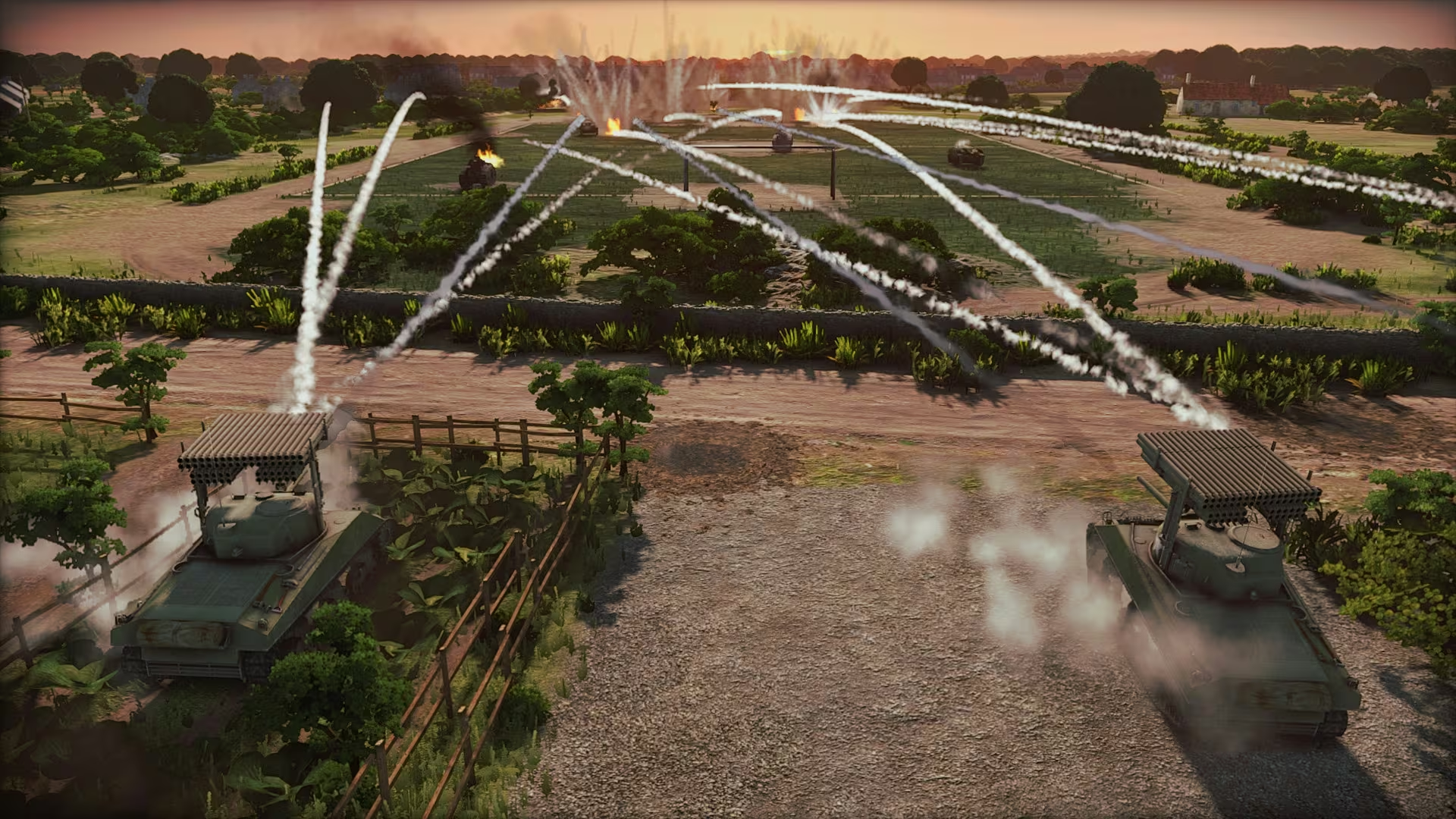
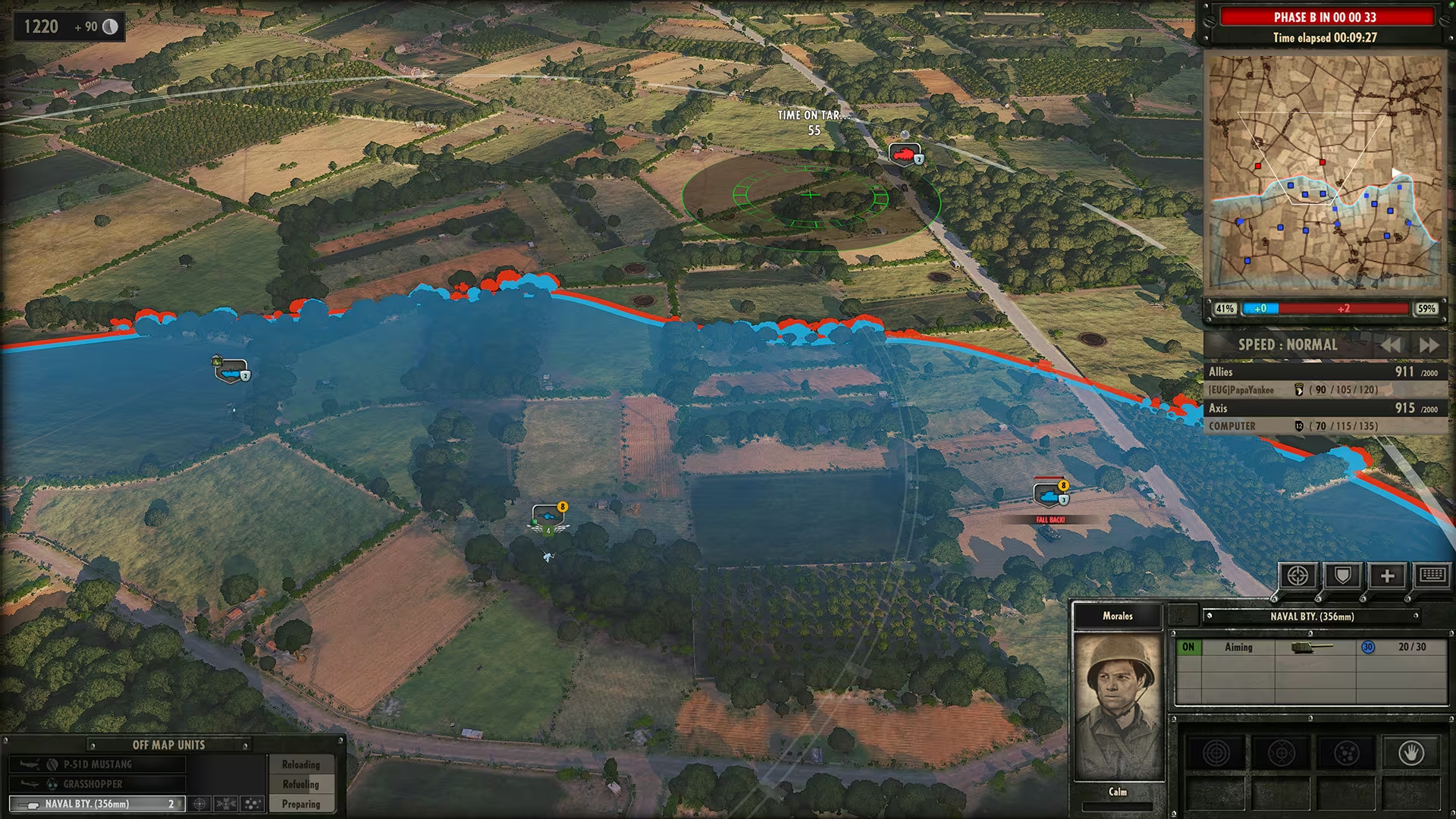
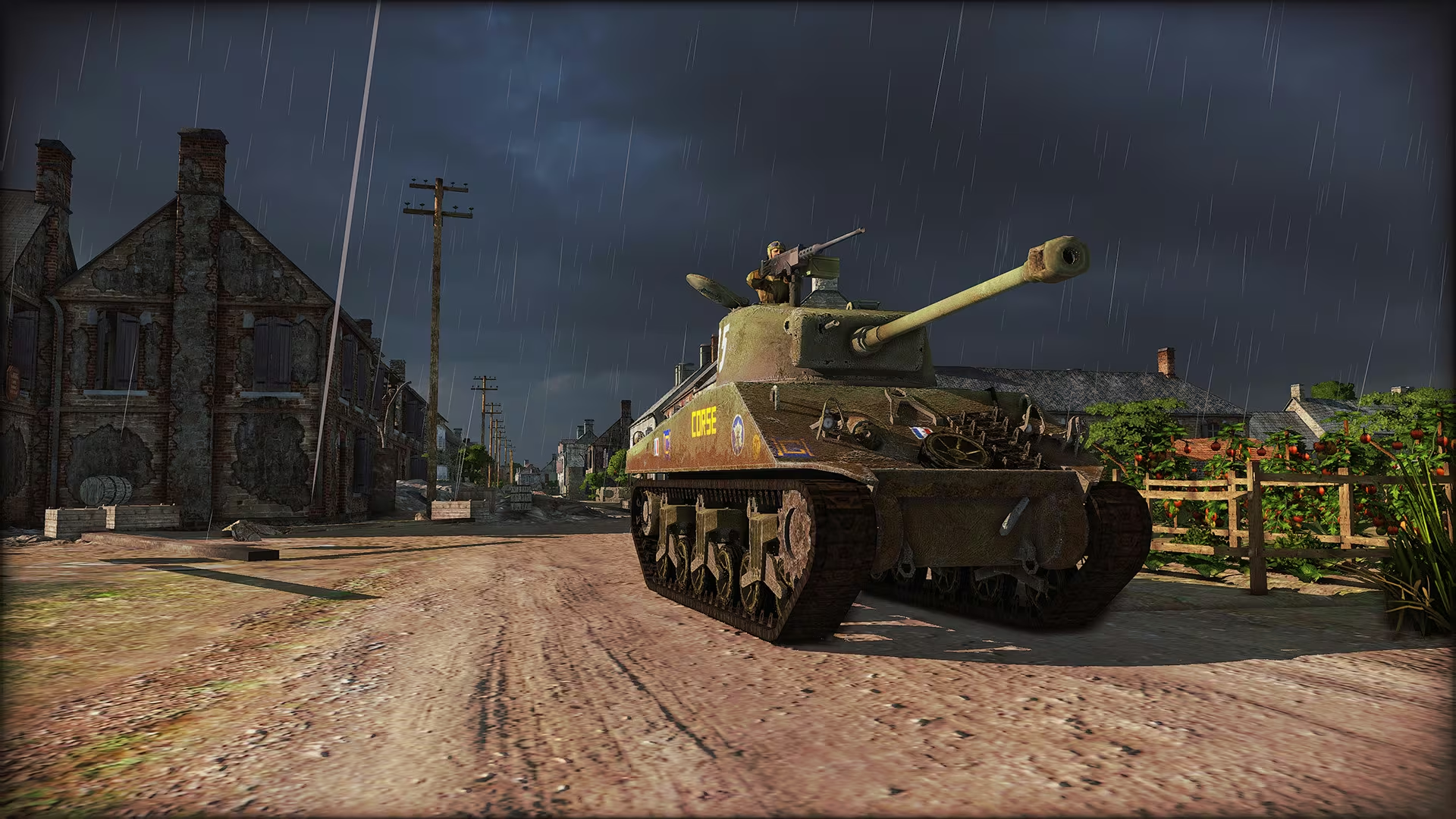
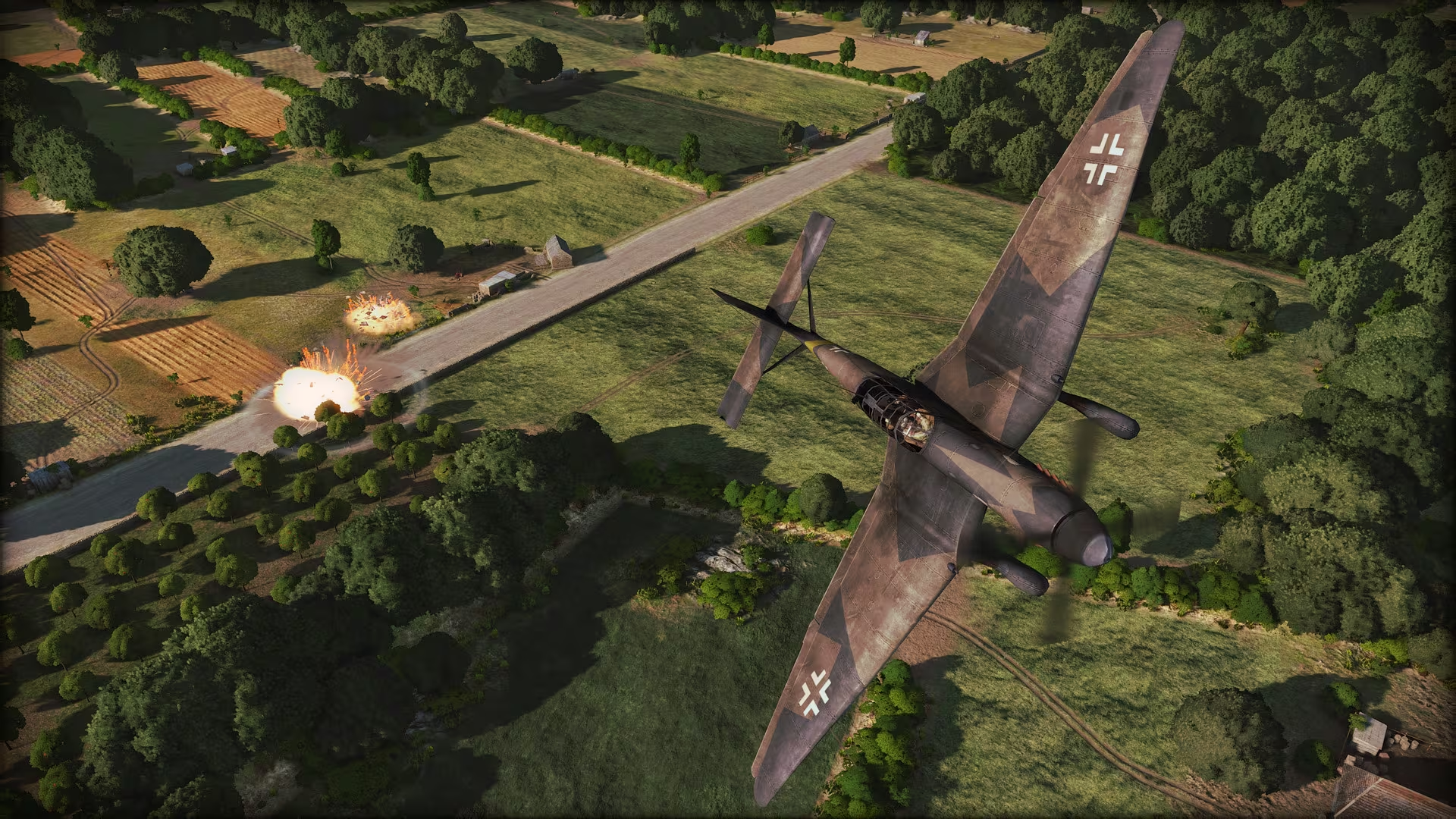
Steel Division: Normandy is a tactical real-time strategy (RTS) game that pits players against AI enemies in a single-player campaign -- or against several opponents in massive 10-on-10 multiplayer battles.

Global score

74/100

Genres

Action, Simulator, Strategy, Real Time Strategy (RTS), Tactical

Similar games

    Pros

    • Historical authenticity and detail
    • Deep tactical gameplay
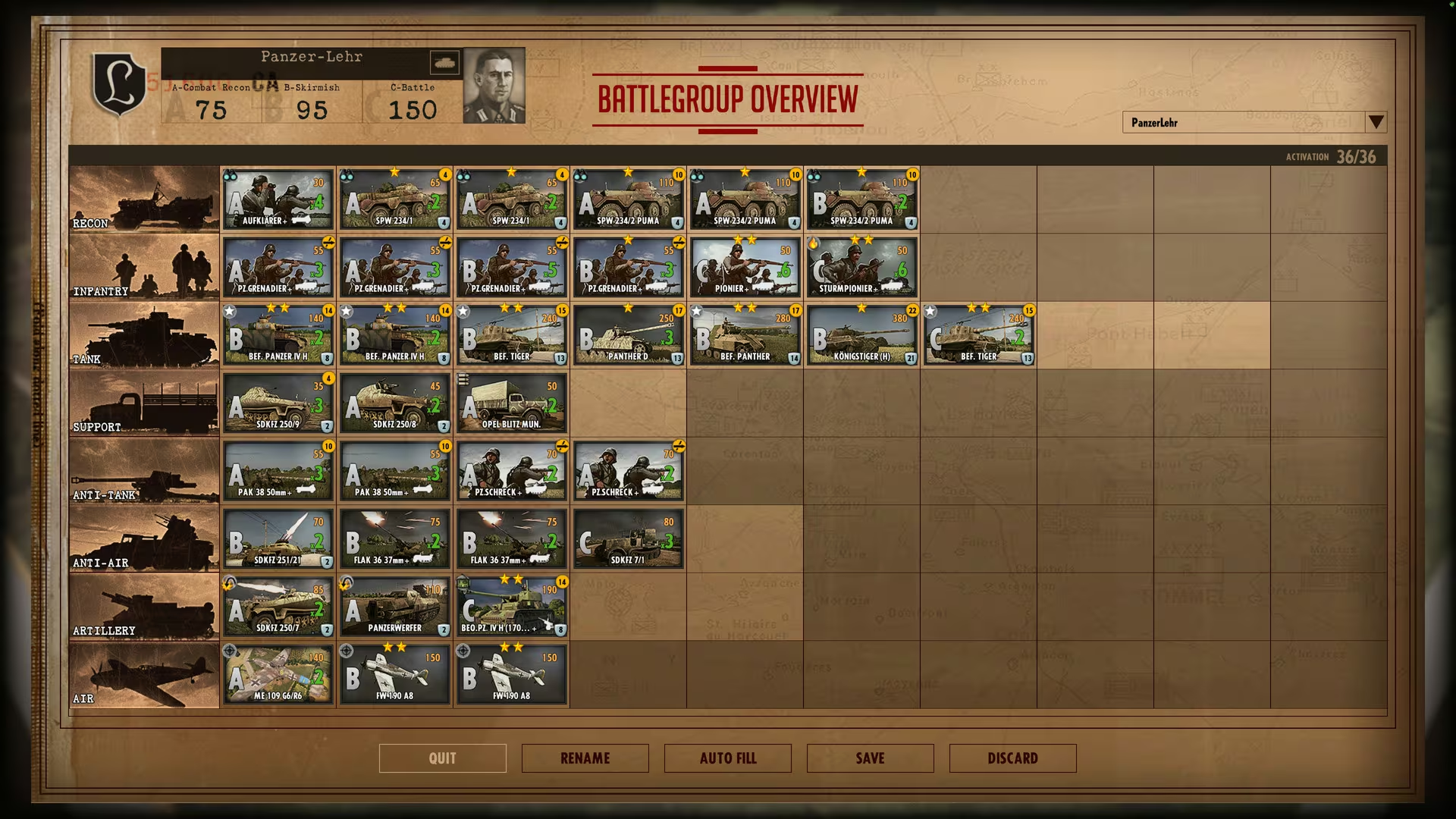
    • Customizable battlegroups
    • Engaging multiplayer team play
    • Realistic frontline and morale systems

    Cons

    • Small multiplayer community
    • Steep learning curve for new players
    • Short and simple campaigns
    • Some balance and ai issues
    • Graphics and sound not top-tier

    Analysis

    Broadly representative of its motivational profile, with a few distinct shifts. Motivations that often define this kind of title include Competition, Fellowship, Domination, Status. It leans lower than usual among comparable games on Fantasy, Domination, Intimacy.

    How to use the graph
    Similar games map

    Each dot is a game. They are arranged from the same motivation profile as in the “Motivations” section below. Closer dots usually mean more similar reasons to play (exploration, competition, relaxation, etc.)—not that one game is “better” than another.

    • Larger dot with a light outline: the game you are viewing.
    • Colour: groups of games with comparable motivation patterns (statistical clusters).
    • Hover a dot to see the game name; click to open its page.
    • Scroll or double-click the chart to zoom out and see more games.

    Why don’t the axes read like a score? This view uses t-SNE: it only keeps who is close to whom. The scales are not “good to bad” or hours played—they separate groups on the map. Read distance between dots, not the axis numbers.

    Motivations

    • Autonomy
      4

      "Players have freedom to build custom battlegroups and choose deployment strategies; game rewards tactical decision-making and personal control."

    • Competence
      4

      "Game challenges players with complex unit management, tactical positioning, and adapting to evolving battle conditions."

    • Competition
      3

      "Multiplayer with ranked and team matches encourages comparison and competition, though player base is small."

    • Continuation
      3

      "Players report long playtimes and continued engagement, with some habitual multiplayer and skirmish play."

    • Cooperation
      3

      "Team-based multiplayer modes (up to 10v10) require coordination and joint strategy among players."

    • Creativity
      4

      "Deck/battlegroup building and tactical deployment allow creative expression in army composition and tactics."

    • Domination
      -3

      "Community described as sometimes toxic but gameplay emphasizes balanced team play and mutual respect."

    • Escapism
      3

      "Players use the game as immersive distraction and stress relief through strategic challenge and historical setting."

    • Expectation
      -4

      "Players engage voluntarily out of interest and intrinsic motivation; no evidence of obligation or pressure."

    • Experimenting
      4

      "Players experiment with different divisions, decks, and tactics; game encourages trying new strategies."

    • Exploration
      2

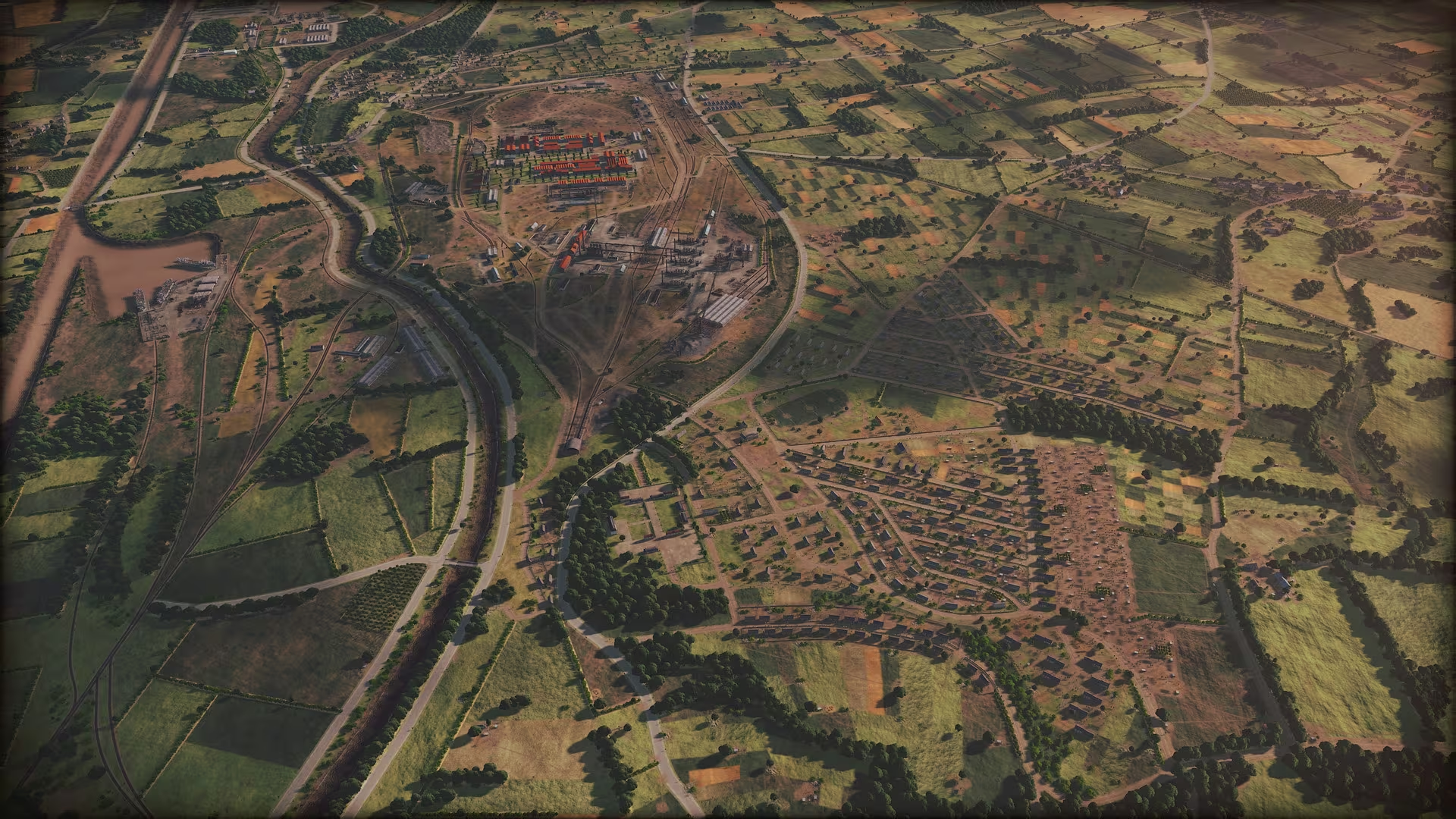
      "Maps are based on real WWII recon photos; players explore varied terrain and tactical positions."

    • Expression
      3

      "Customization of battlegroups and tactical choices allow personal expression within historical constraints."

    • Fantasy
      -4

      "Strong emphasis on historical realism and plausible WWII scenarios; minimal fantasy elements."

    • Fellowship
      2

      "Community and team play foster group identity, though multiplayer population is limited."

    • Growth
      4

      "Steep learning curve and tactical depth promote skill acquisition and personal development."

    • Health
      -4

      "Typical sedentary gameplay with no physical activity or health-related features."

    • Idle
      -3

      "Requires focused attention and continuous engagement during matches; not suited for passive play."

    • Intimacy
      -3

      "Social interactions are mostly surface-level competitive or cooperative play; limited close relationships."

    • Leadership
      3

      "Players lead their own divisions and coordinate with teammates, assuming command roles."

    • Progression
      3

      "Players accumulate units and upgrades through deck building and in-match reinforcements."

    • Relaxation
      1

      "Slower paced than other RTS games, allowing some flow and tension release, but still challenging."

    • Sensation
      2

      "Visual and auditory feedback of battles provide moderate sensory stimulation and excitement."

    • Status
      1

      "Some recognition through multiplayer rankings and community, but limited by small player base."

    • Story
      1

      "Campaigns provide some narrative context but are short and not deeply immersive."

    • Strategy
      5

      "Core gameplay revolves around complex mental challenge, planning, and tactical problem solving."

    • Thrill
      2

      "Tense moments in battle and risk of losing units provide moderate thrill and suspense."

    • Value
      3

      "Players feel the game offers good value for time spent, especially with multiplayer and skirmish modes."

    • Violence
      3

      "Combat and destruction of units is central to gameplay, with realistic depiction of warfare."

    • Survival
      3

      "Players must manage unit survival and avoid defeat through strategic defense and resource management."

    Last update: 29/04/2026