Field of Glory II: Medieval Thumbnail

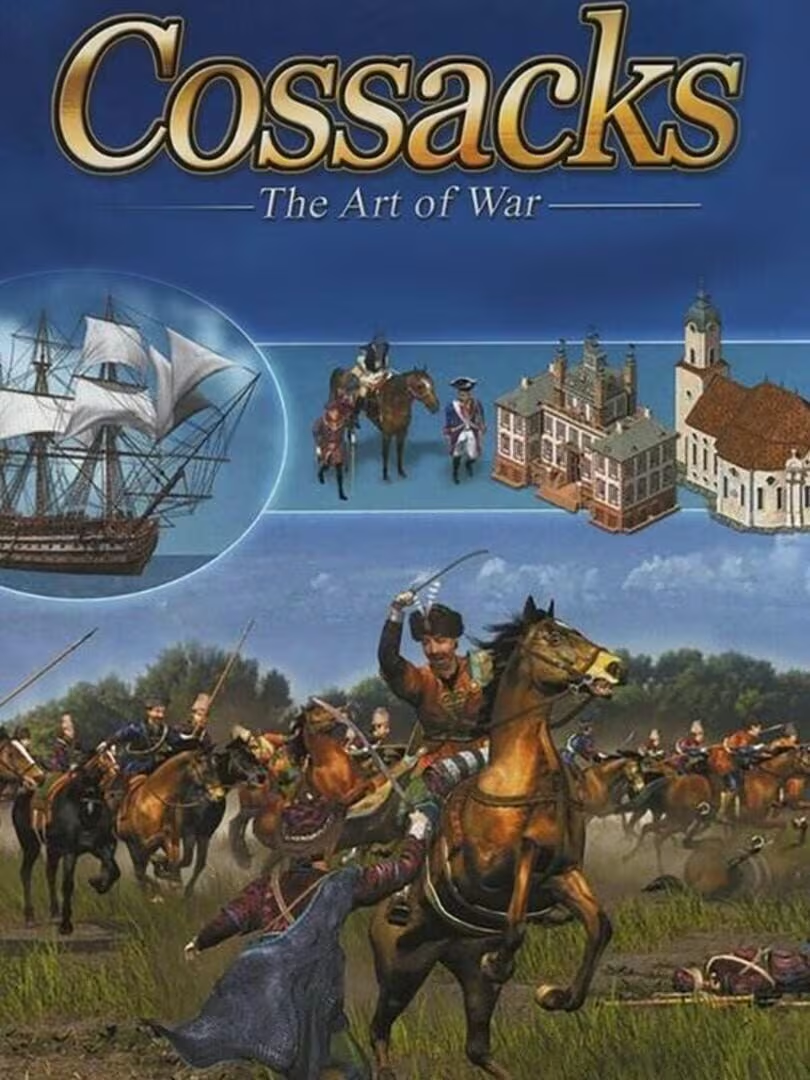
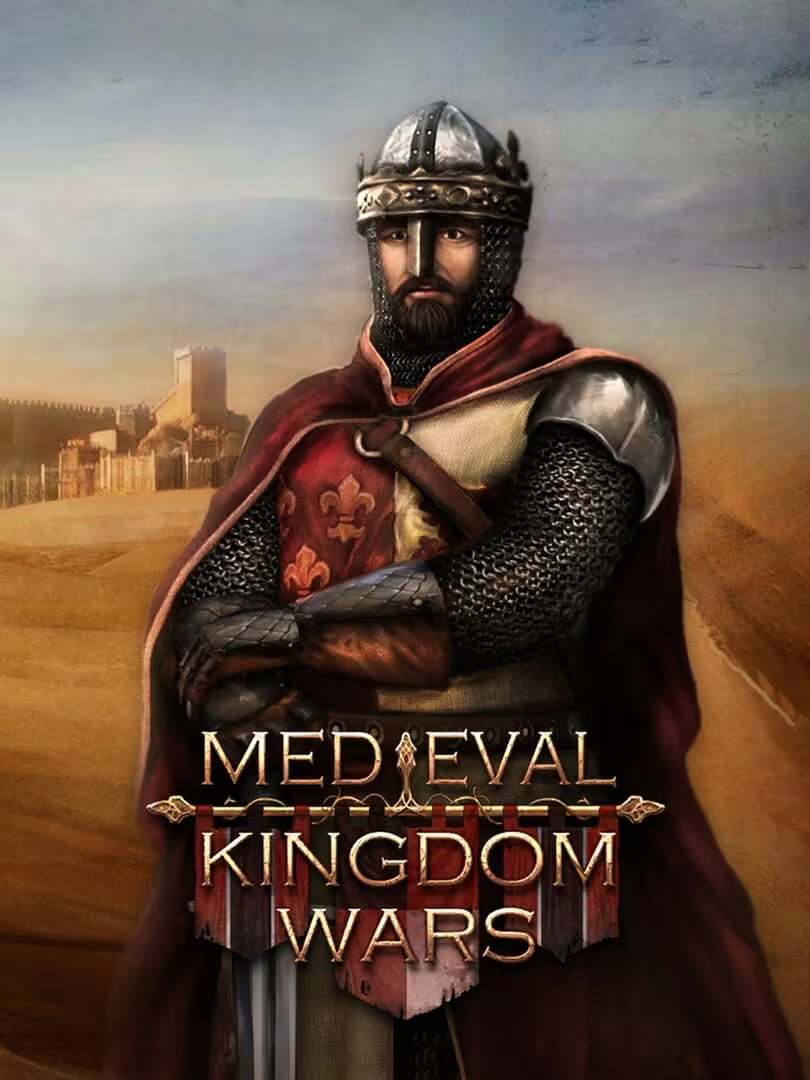
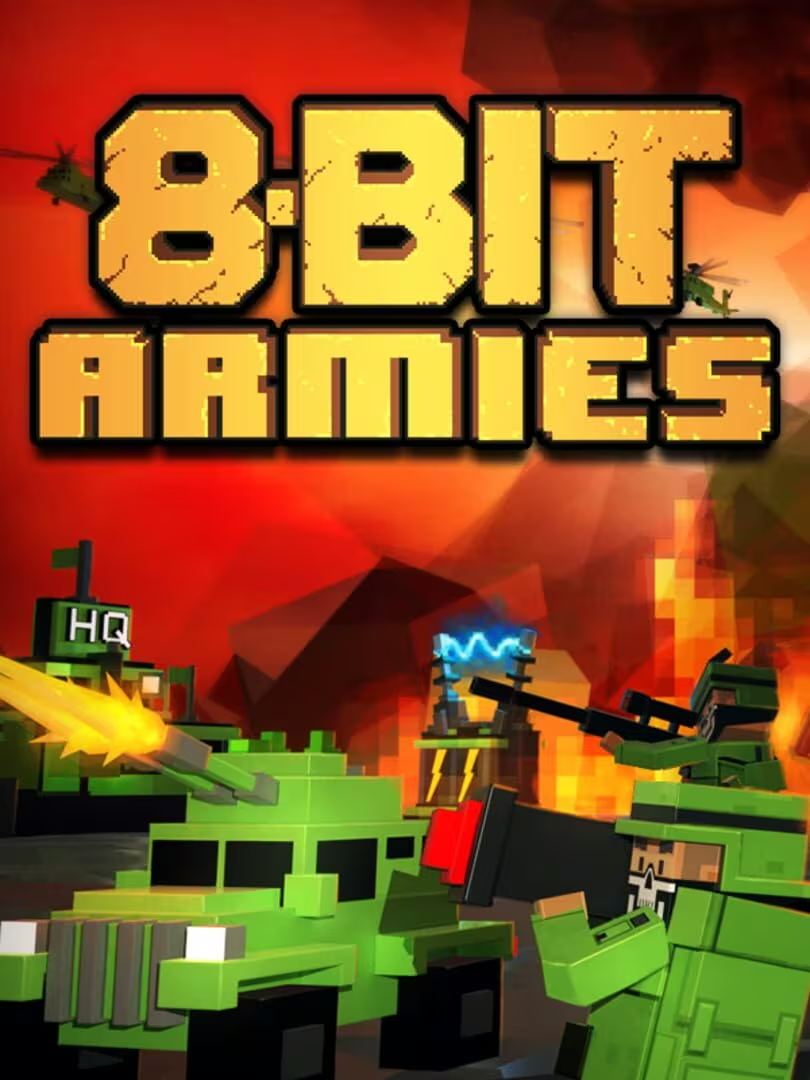
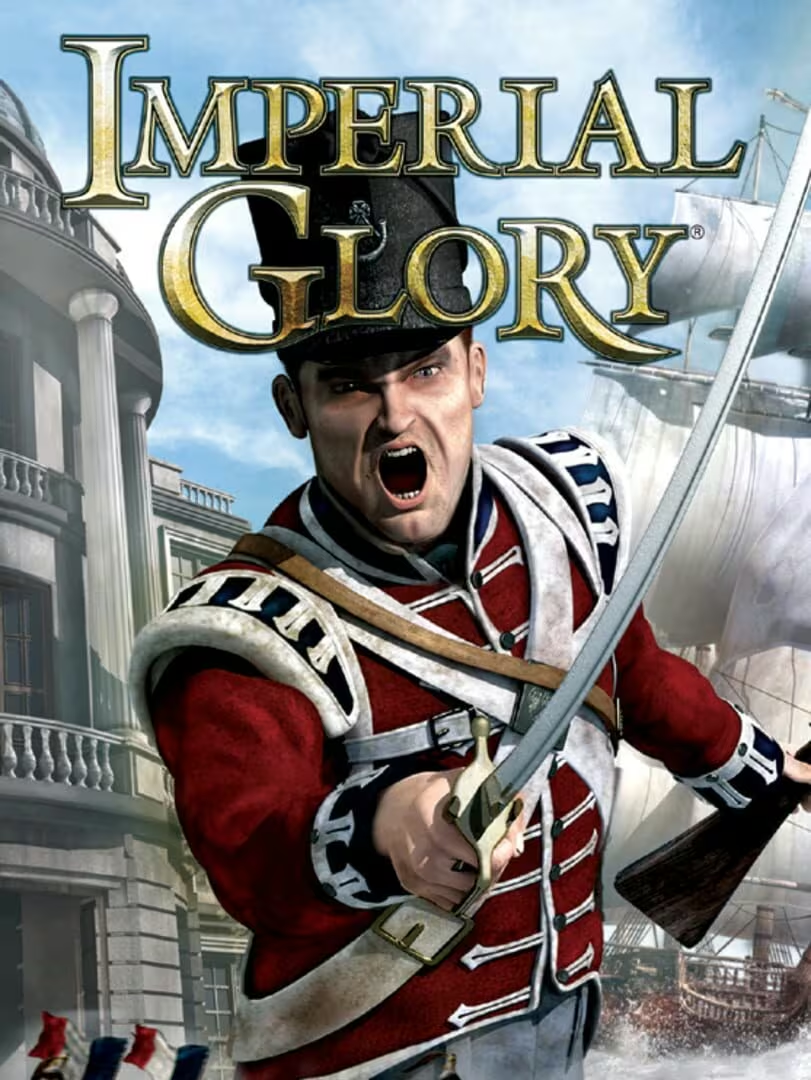
Field of Glory II: Medieval similar games & best alternatives
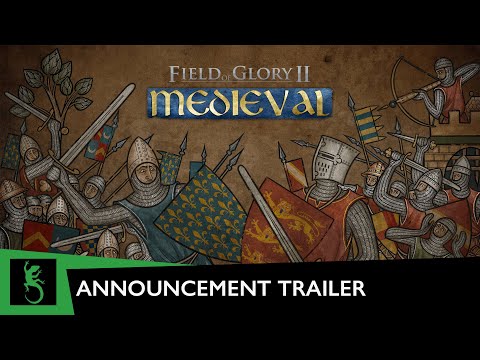
Field of Glory II: Medieval

PC (Microsoft Windows) • 2021

Related articles

Quick resume

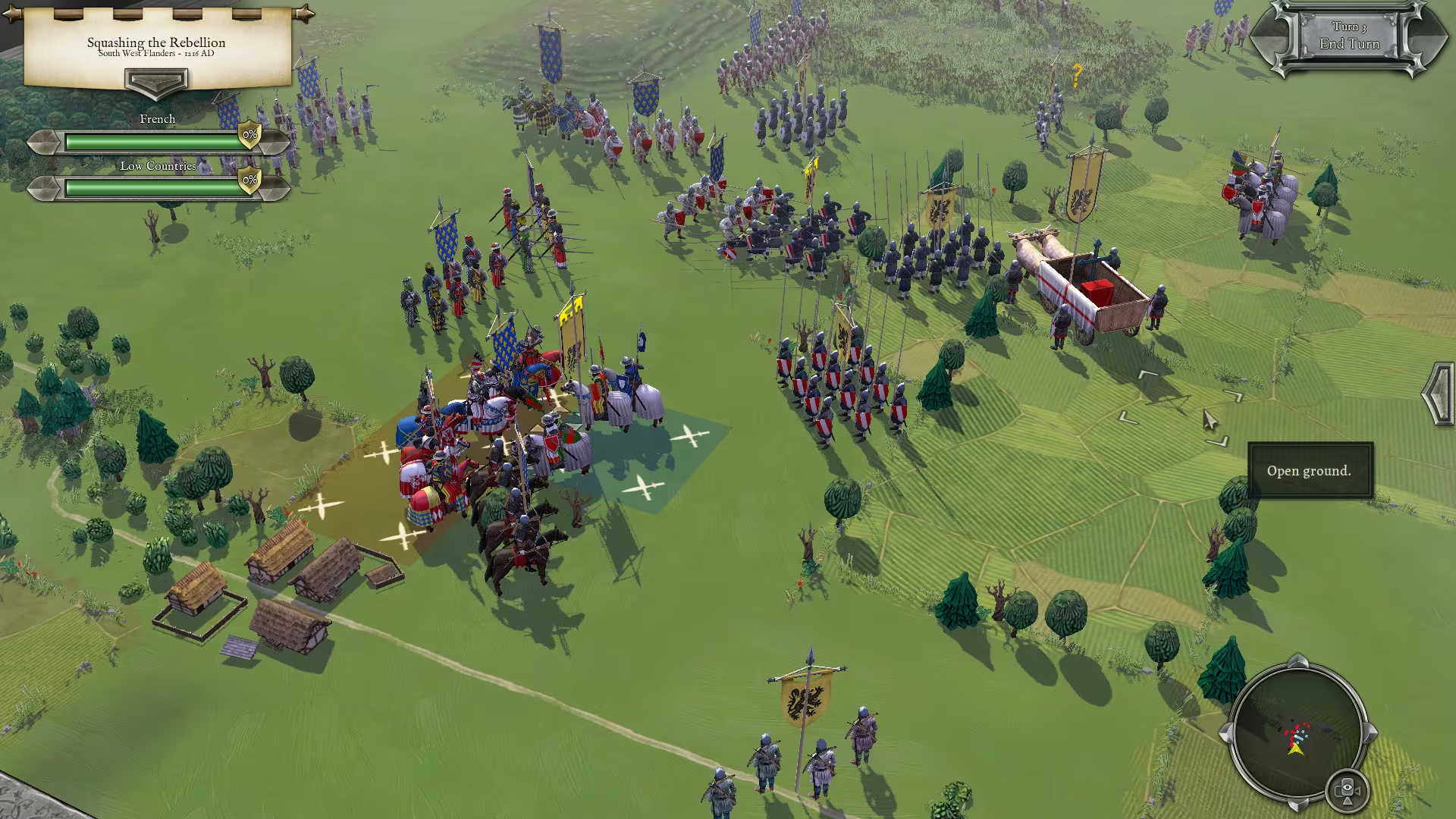
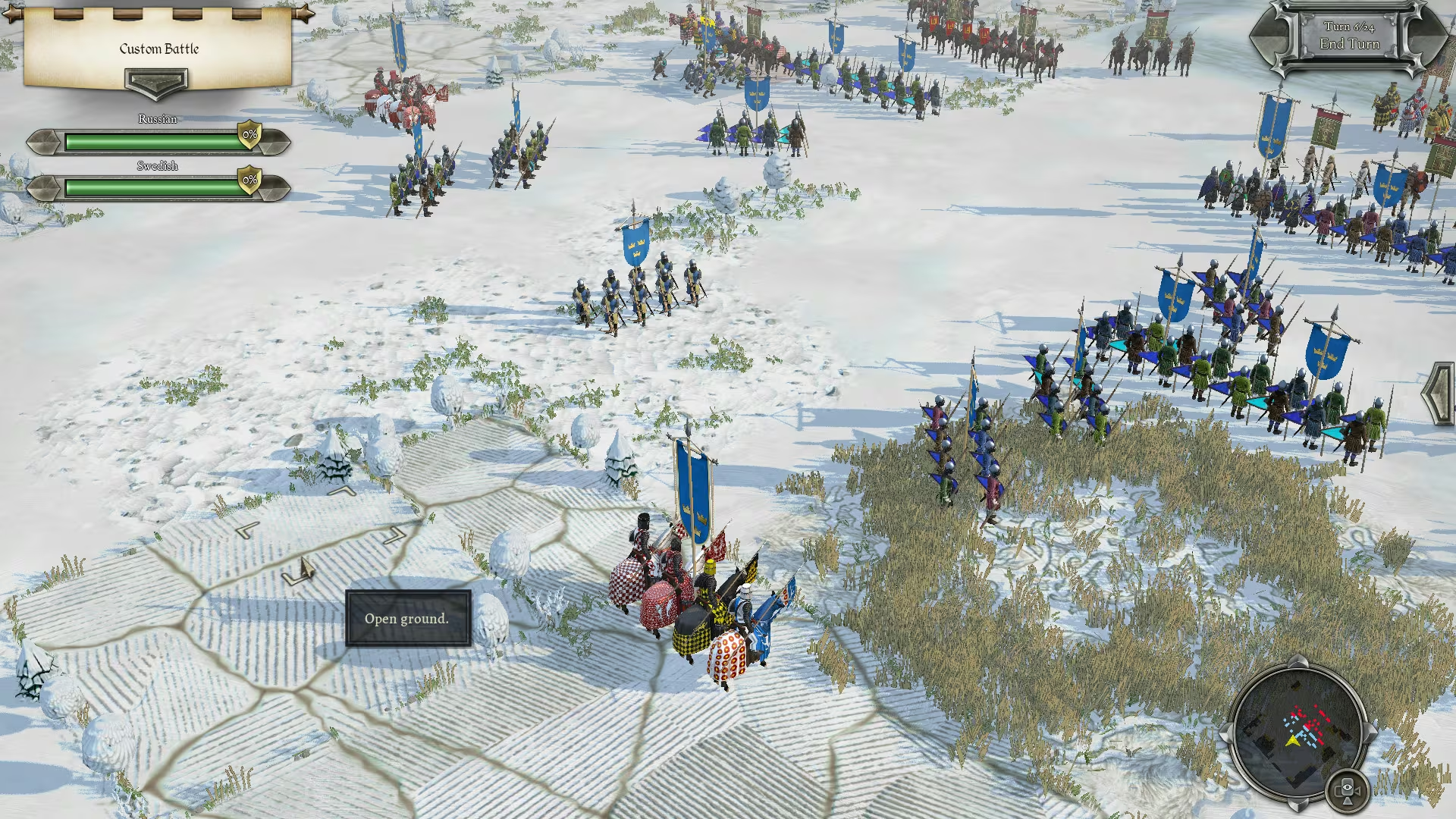
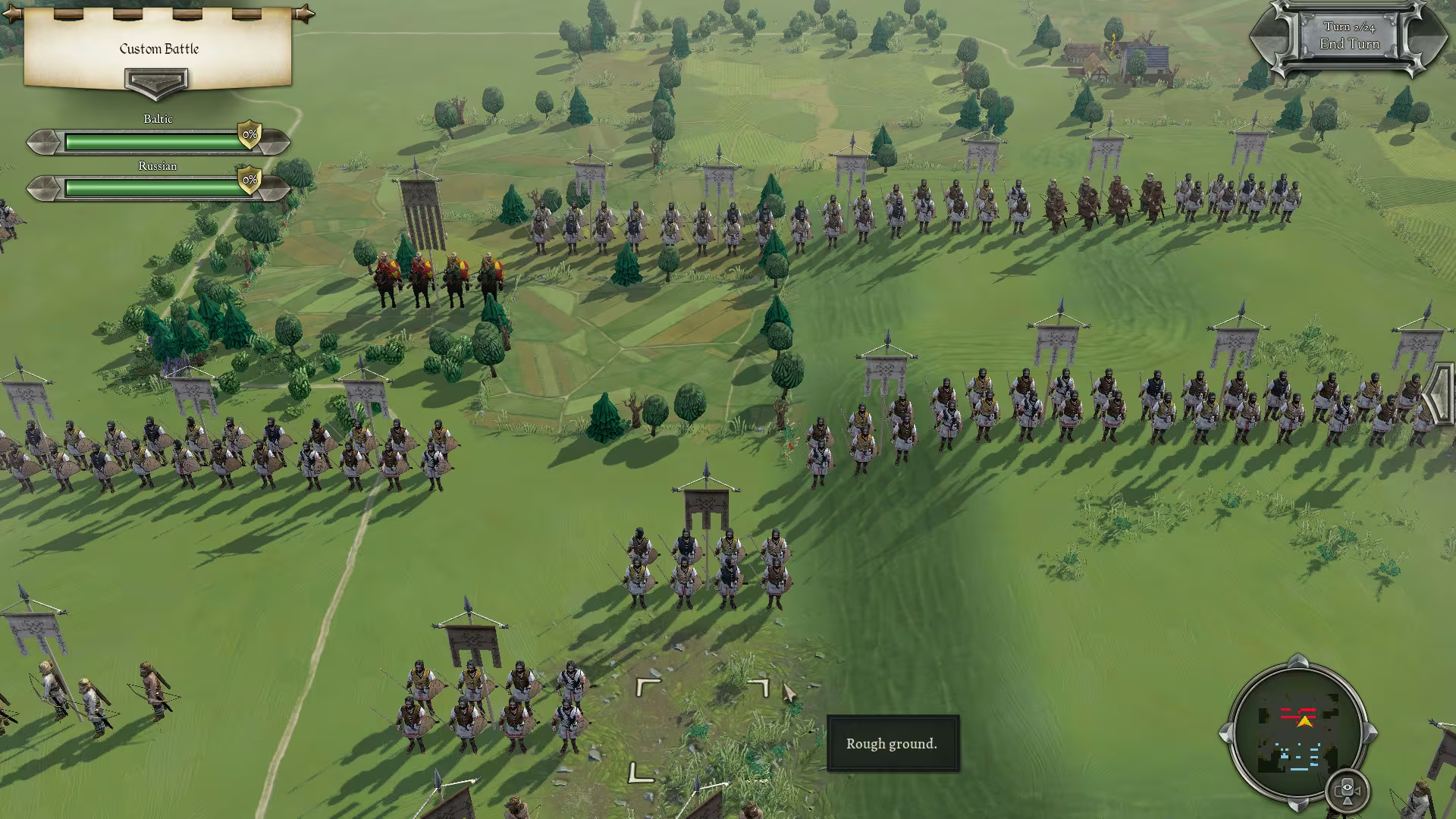
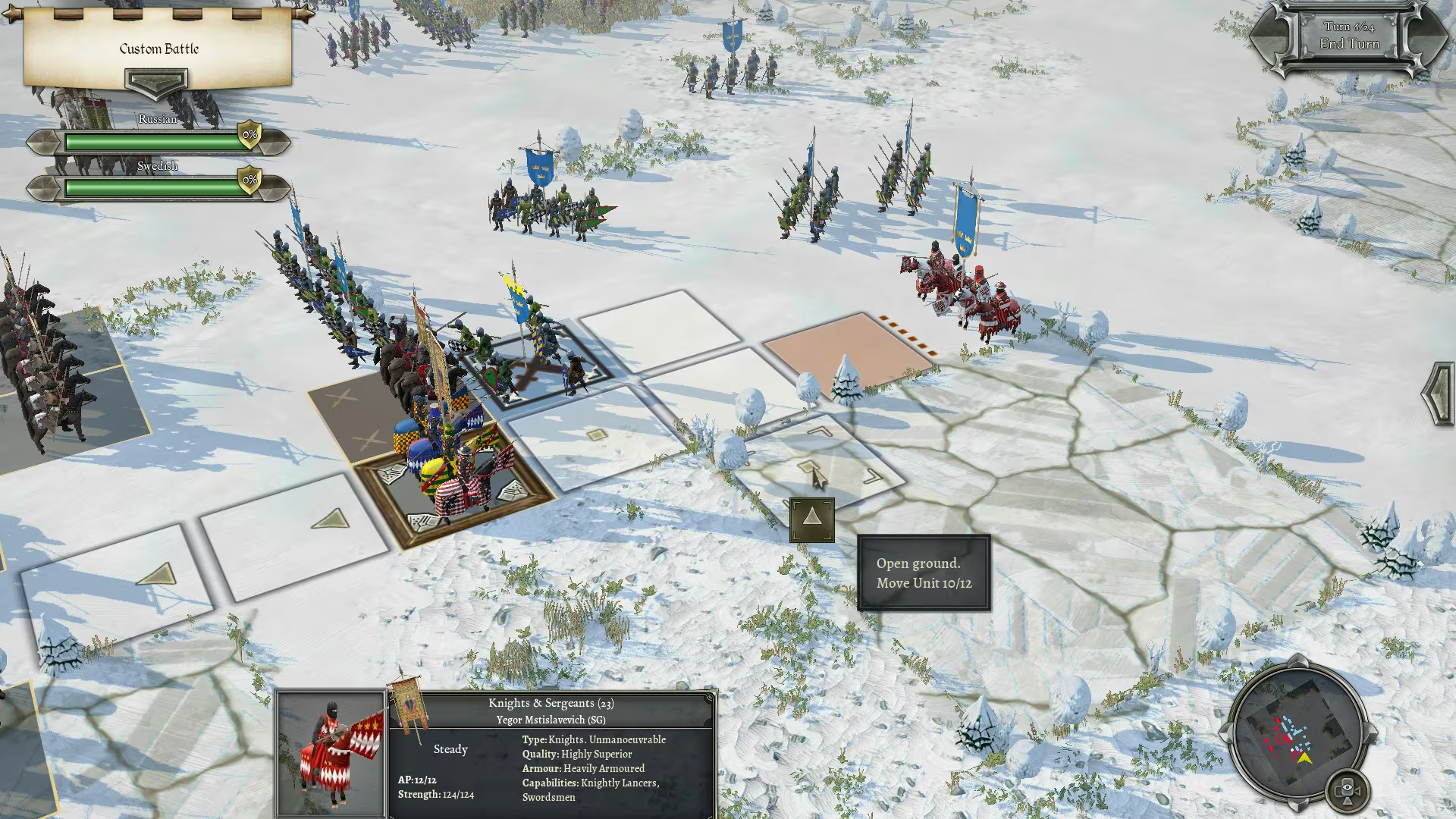
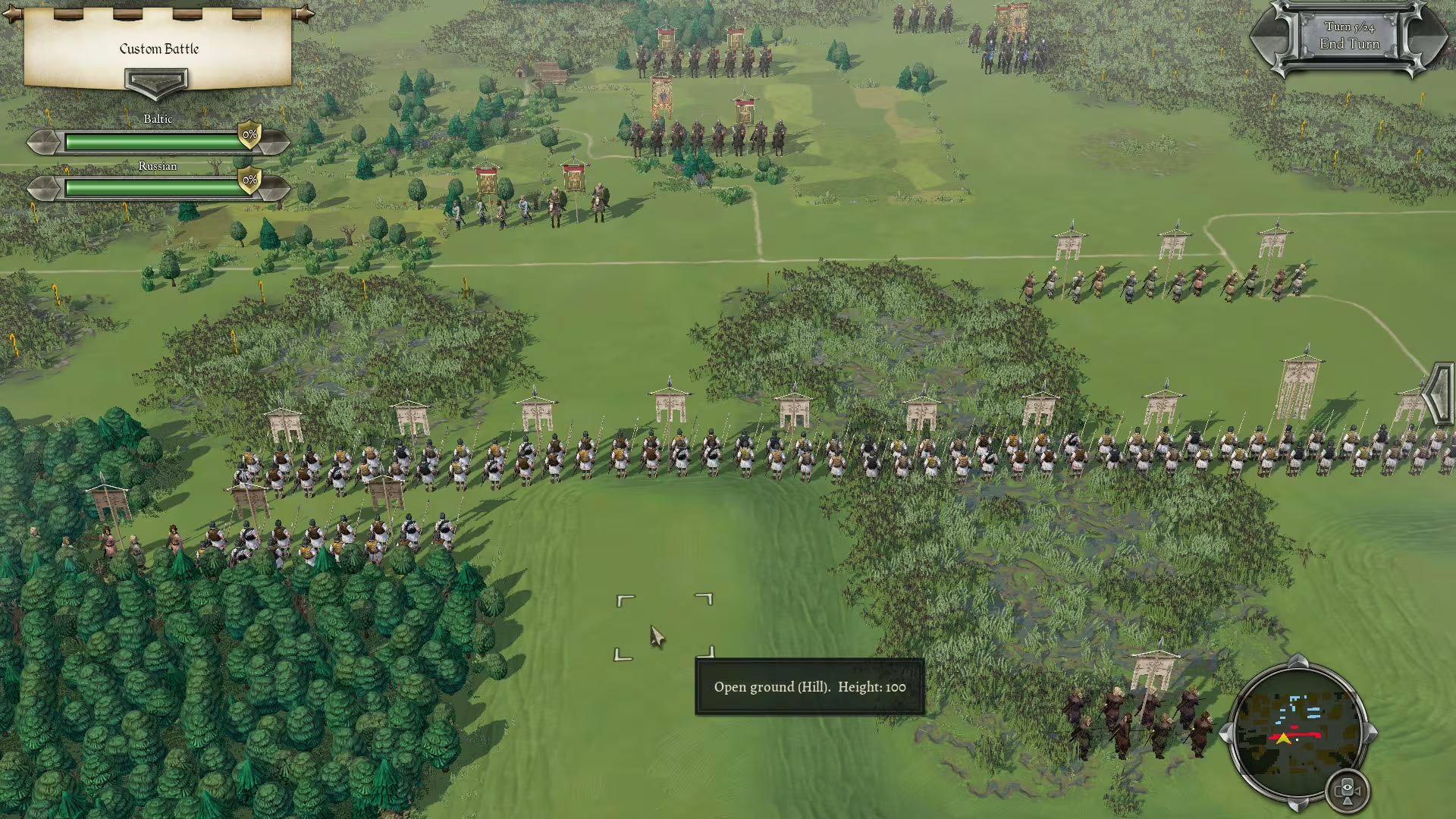
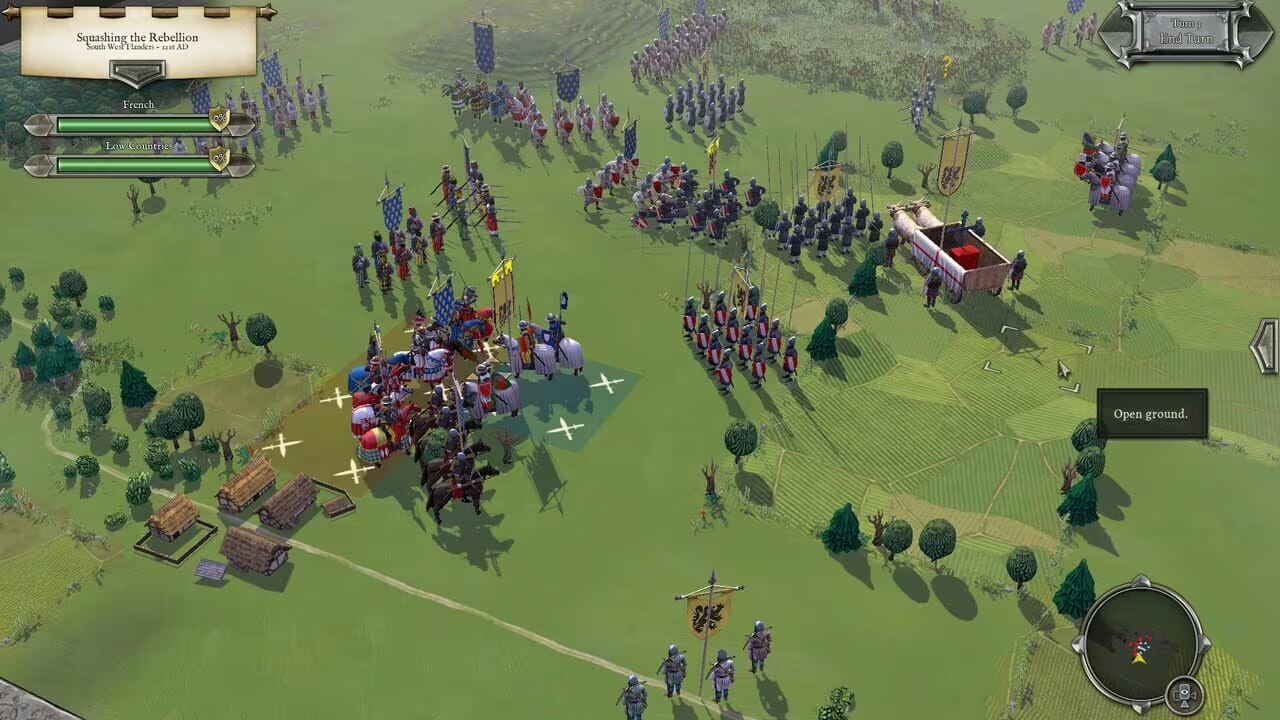
Field of Glory II Medieval is a turn-based tactical game set in the High Middle Ages from 1040 AD to 1270 AD. Developed by legendary designer Richard Bodley Scott it brings the best from the tabletop world into the best digital framework.

Global score

77/100

Genres

Simulator, Strategy, Turn-based strategy (TBS), Tactical

Similar games

    Pros

    • Deep and historically authentic tactical gameplay
    • Challenging ai and multiplayer competition
    • Extensive content with campaigns and dlc
    • Robust scenario and custom battle creation
    • Active community and tournament scene

    Cons

    • Steep learning curve and complex mechanics
    • Limited campaign depth and grand strategy layer
    • Some ui and presentation aspects could improve
    • Multiplayer can be slow due to pbem format
    • Some players report frustrating rng effects

    Analysis

    Broadly representative of its motivational profile, with a few distinct shifts. Motivations that often define this kind of title include Competition, Fellowship, Domination, Status. It leans lower than usual among comparable games on Fantasy, Expression, Intimacy.

    How to use the graph
    Similar games map

    Each dot is a game. They are arranged from the same motivation profile as in the “Motivations” section below. Closer dots usually mean more similar reasons to play (exploration, competition, relaxation, etc.)—not that one game is “better” than another.

    • Larger dot with a light outline: the game you are viewing.
    • Colour: groups of games with comparable motivation patterns (statistical clusters).
    • Hover a dot to see the game name; click to open its page.
    • Scroll or double-click the chart to zoom out and see more games.

    Why don’t the axes read like a score? This view uses t-SNE: it only keeps who is close to whom. The scales are not “good to bad” or hours played—they separate groups on the map. Read distance between dots, not the axis numbers.

    Motivations

    • Autonomy
      4

      "Players have control over unit deployment, positioning, and tactical decisions on the battlefield, requiring strategic planning and adaptation."

    • Competence
      4

      "The game has a steep learning curve with complex tactical mechanics and a challenging AI that punishes mistakes, rewarding skillful play."

    • Competition
      3

      "Strong multiplayer presence with tournaments and PBEM mode encourages comparison and competition among players."

    • Continuation
      4

      "Players report habitual and long-term engagement with the game and its expansions, often returning for repeated battles and campaigns."

    • Cooperation
      1

      "While multiplayer is mostly competitive, some cooperative elements exist in community tournaments and shared learning, but limited direct cooperation."

    • Creativity
      2

      "Players can create custom battles and scenarios, but gameplay mostly follows established tactical rules and historical army lists."

    • Domination
      -2

      "Multiplayer emphasizes fair competition and balanced play rather than exerting control or superiority through unfair means."

    • Escapism
      3

      "The historical setting and tactical depth provide an immersive escape into medieval warfare for history and strategy enthusiasts."

    • Expectation
      -4

      "Players engage voluntarily out of personal interest and passion for historical wargaming, not due to obligation or external pressure."

    • Experimenting
      3

      "Players experiment with unit combinations, terrain use, and tactical maneuvers to find effective strategies in battles."

    • Exploration
      1

      "Some exploration of different historical battles and scenarios, but mostly within known maps and established settings."

    • Expression
      -1

      "Limited customization mostly restricted to army selection and scenario creation; no deep avatar or environment personalization."

    • Fantasy
      -4

      "Strong focus on historical accuracy and realistic medieval warfare rather than imaginative or fictional elements."

    • Fellowship
      2

      "Active community and multiplayer scene foster a sense of belonging and shared interest among players."

    • Growth
      4

      "Players develop tactical skills and historical knowledge through gameplay and studying game mechanics."

    • Health
      -4

      "Primarily a sedentary, screen-based strategy game with no physical activity components."

    • Idle
      -3

      "Requires focused attention and strategic thinking; not designed for casual or background play."

    • Intimacy
      -3

      "Social interactions are mostly competitive and surface-level; limited evidence of close personal relationships formed."

    • Leadership
      3

      "Players act as commanders directing armies and making strategic decisions, embodying leadership roles."

    • Progression
      3

      "Campaigns and battles allow for army progression and experience accumulation, though limited character development."

    • Relaxation
      1

      "Some players find the tactical gameplay engaging and satisfying, though the challenge can create tension."

    • Sensation
      1

      "Visuals and sound provide moderate sensory stimulation appropriate to the historical setting."

    • Status
      2

      "Multiplayer tournaments and community recognition provide opportunities for social status and appreciation."

    • Story
      1

      "Campaigns provide historical context and narrative framing, but gameplay focuses on isolated battles."

    • Strategy
      5

      "Core gameplay revolves around deep tactical planning, problem solving, and strategic maneuvering."

    • Thrill
      2

      "Players experience suspense and excitement from unpredictable battle outcomes and tactical gambits."

    • Value
      3

      "Players feel the game offers good value through extensive content, replayability, and multiplayer features."

    • Violence
      4

      "Enjoyment of medieval combat and destruction is central, with detailed tactical battles and unit engagements."

    • Survival
      3

      "Players focus on avoiding defeat and managing unit cohesion and morale to survive battles."

    Last update: 29/04/2026