Styx: Shards of Darkness Thumbnail

Styx: Shards of Darkness similar games & best alternatives
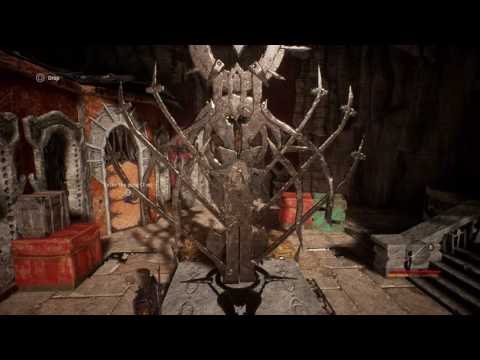
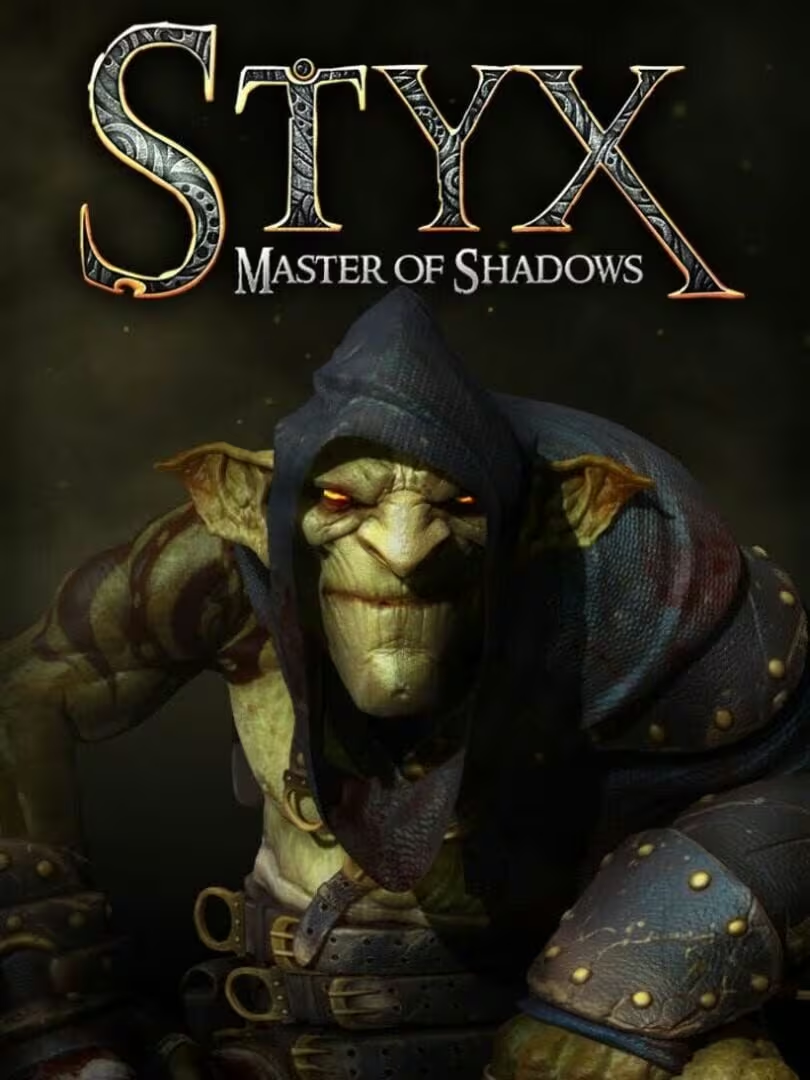
Styx: Shards of Darkness

PC (Microsoft Windows), Xbox One, PlayStation 4 • 2017

Related articles

Quick resume

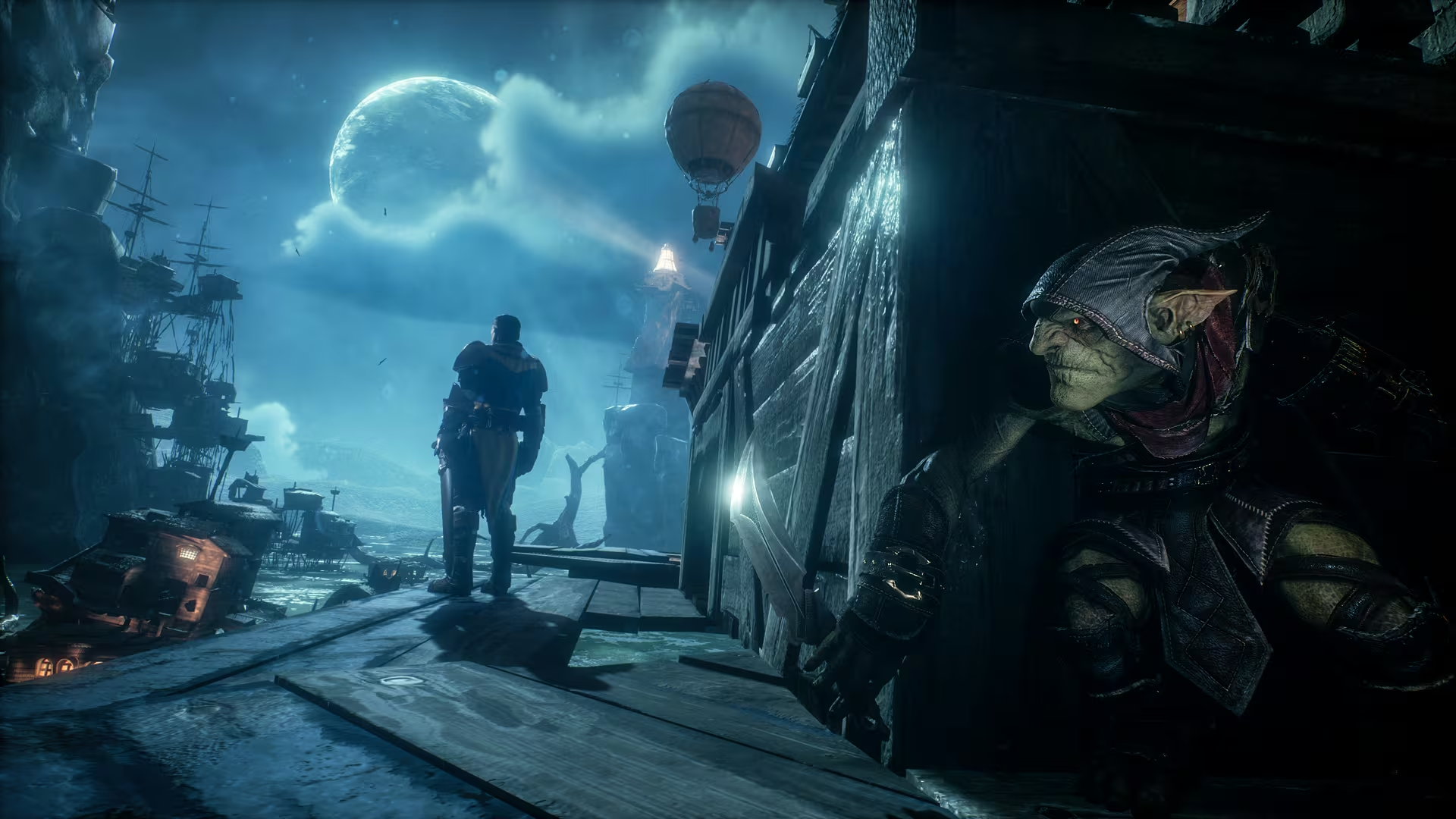
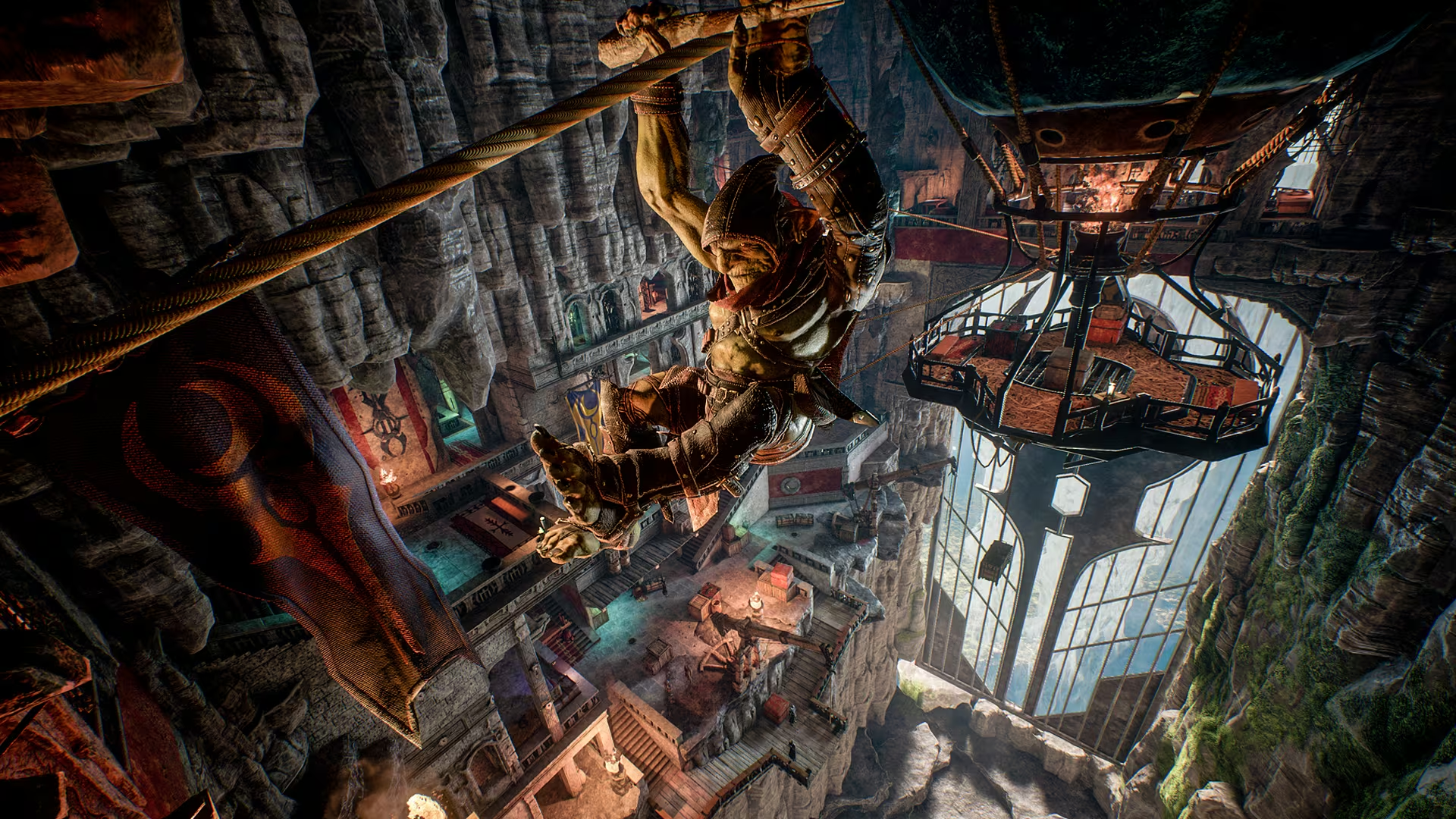
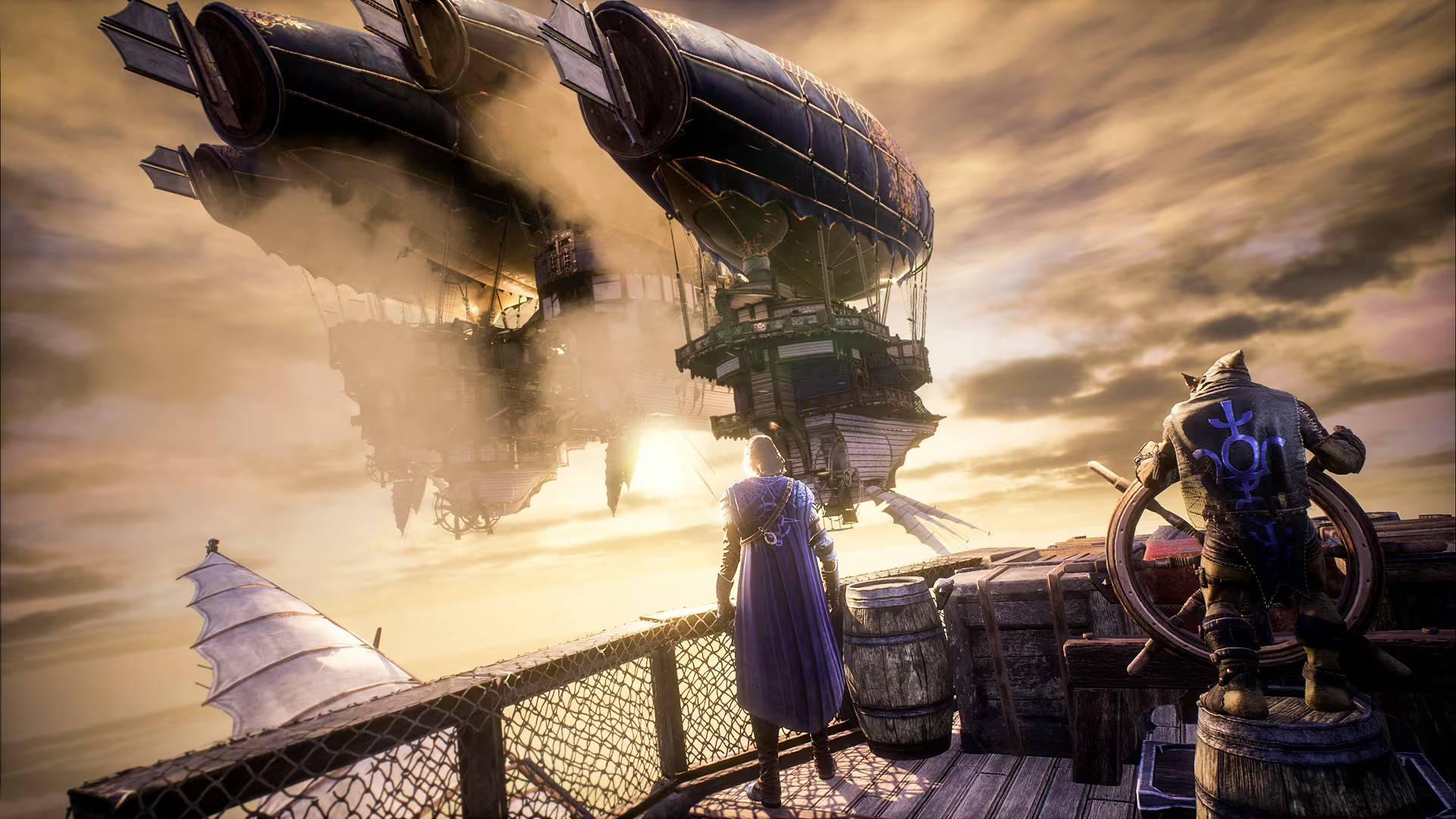
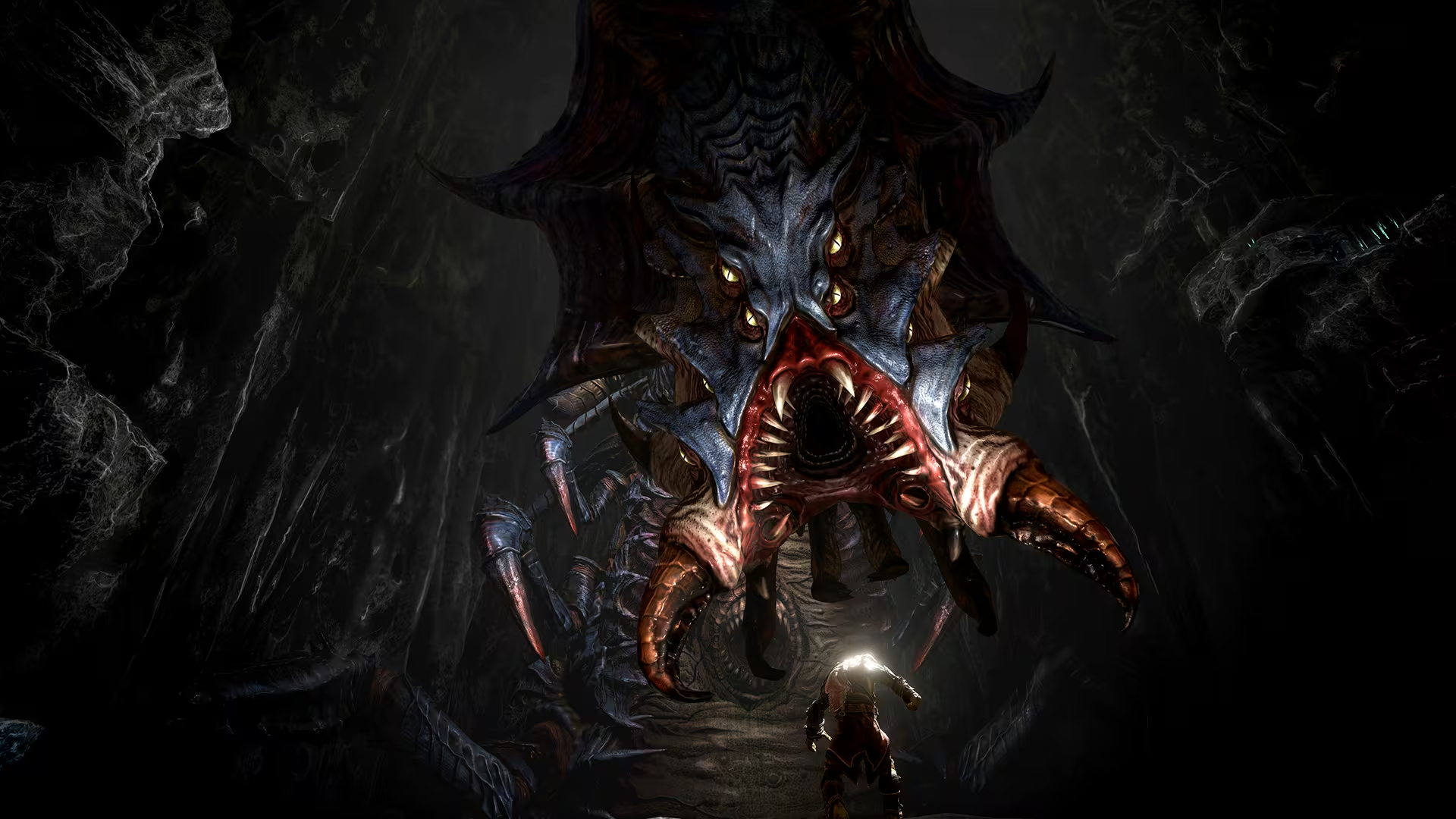
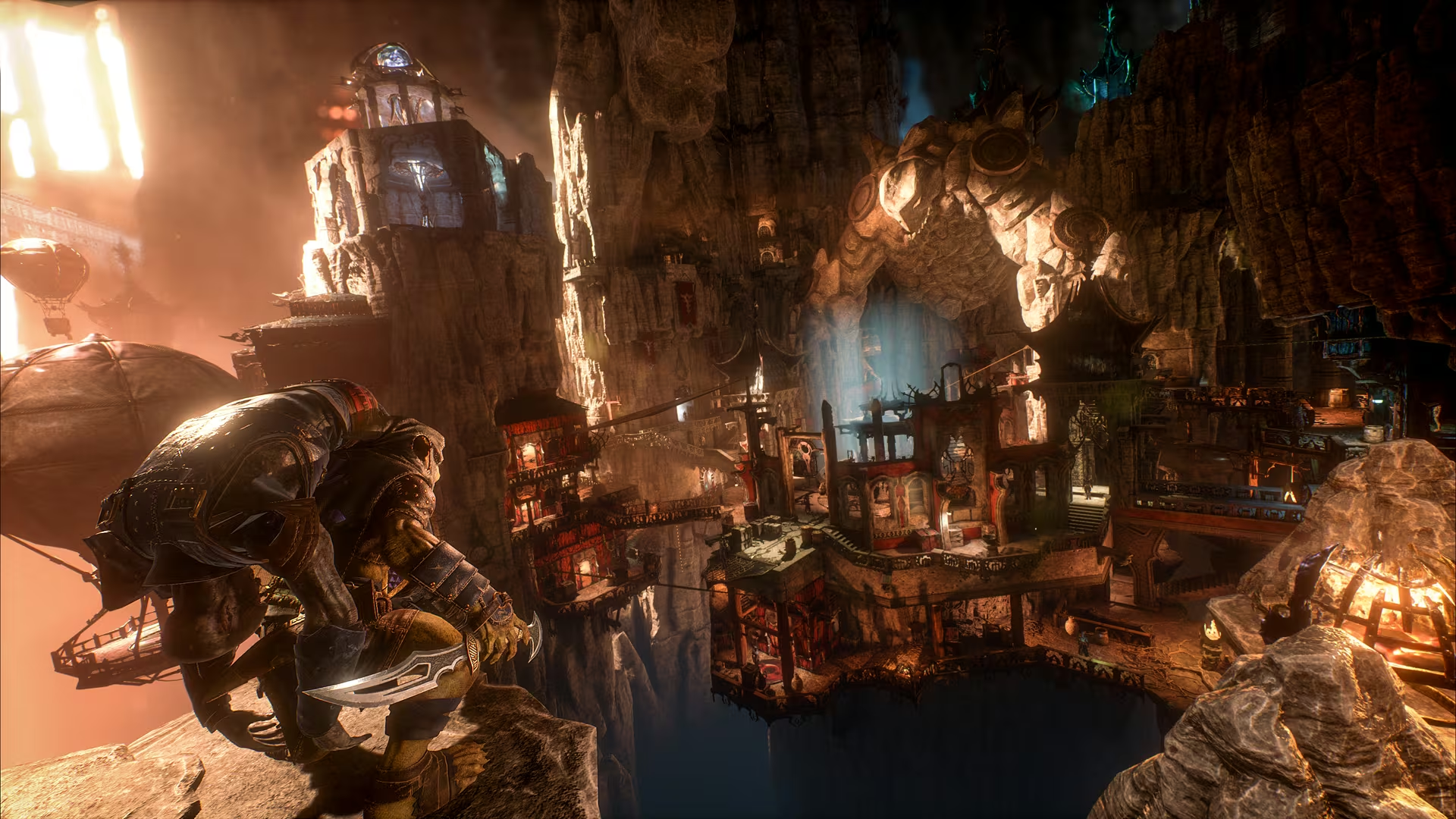
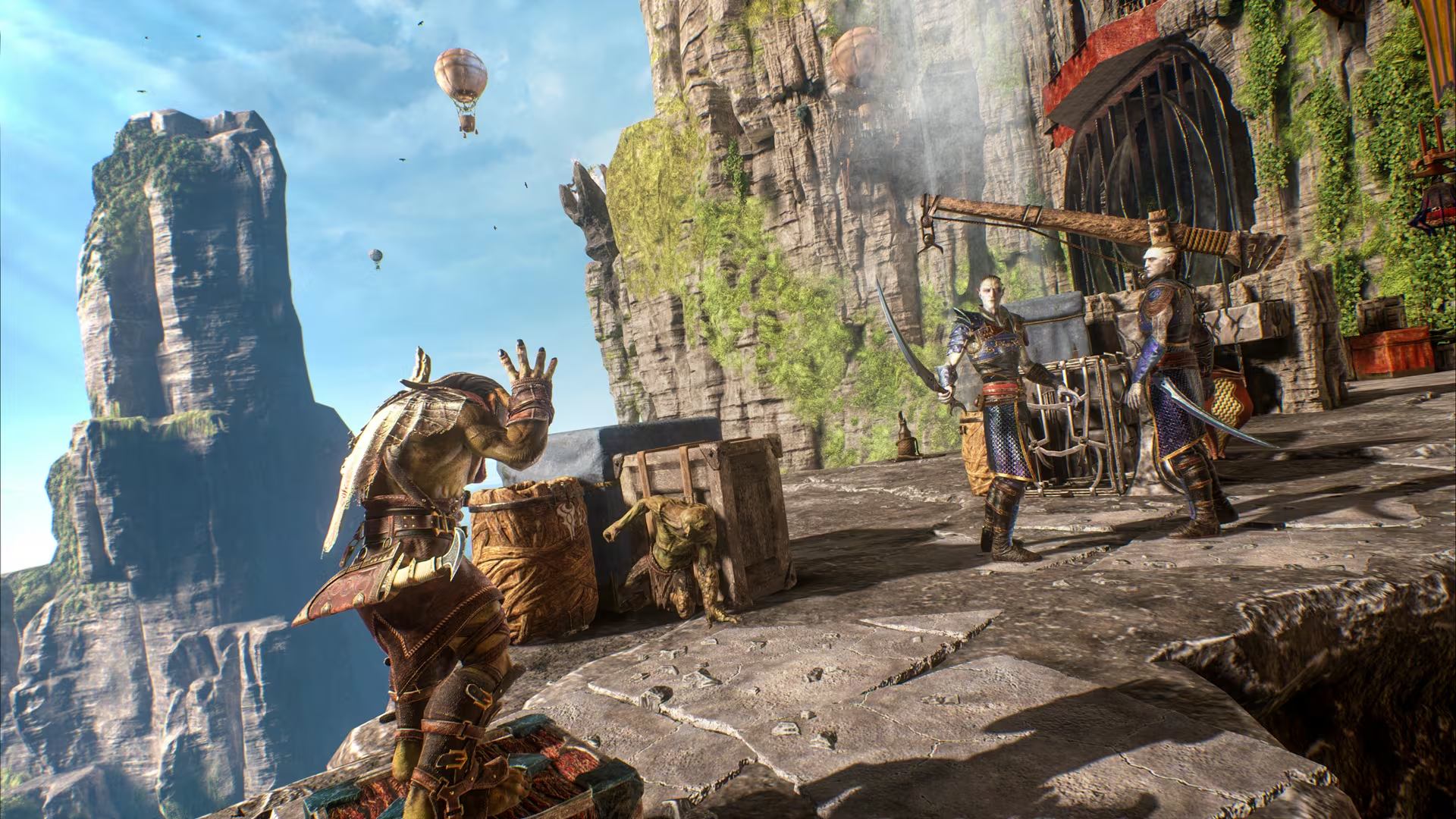
Styx returns in a new stealth adventure! Explore and master huge open environments, sneak past or assassinate new enemies and bosses, and experiment with the new array of lethal abilities and weapons in our goblin assassin's arsenal.

Global score

83/100

Genres

Action, Adventure, Role-playing (RPG)

Similar games

    Pros

    • Challenging and rewarding stealth gameplay
    • Large, vertical, and varied level design
    • Humorous and charismatic protagonist
    • Cooperative multiplayer mode
    • Skill trees and crafting add depth

    Cons

    • Some ai and animation bugs
    • Repetition of levels in second half
    • Combat is weak and frustrating
    • Story is weaker and ends abruptly
    • Climbing and jumping controls can be imprecise

    Analysis

    Broadly representative of its motivational profile, with a few distinct shifts. Motivations that often define this kind of title include Cooperation, Fellowship, Intimacy, Leadership. It leans lower than usual among comparable games on Intimacy, Violence, Leadership.

    How to use the graph
    Similar games map

    Each dot is a game. They are arranged from the same motivation profile as in the “Motivations” section below. Closer dots usually mean more similar reasons to play (exploration, competition, relaxation, etc.)—not that one game is “better” than another.

    • Larger dot with a light outline: the game you are viewing.
    • Colour: groups of games with comparable motivation patterns (statistical clusters).
    • Hover a dot to see the game name; click to open its page.
    • Scroll or double-click the chart to zoom out and see more games.

    Why don’t the axes read like a score? This view uses t-SNE: it only keeps who is close to whom. The scales are not “good to bad” or hours played—they separate groups on the map. Read distance between dots, not the axis numbers.

    Motivations

    • Autonomy
      4

      "Players have multiple paths and approaches to objectives, skill trees allow different playstyles, crafting adds freedom."

    • Competence
      3

      "Challenging stealth gameplay requiring timing, planning, and skillful execution, with some frustration due to controls and AI."

    • Competition
      -3

      "Focus is on personal stealth performance and self-set challenges rather than competing against others."

    • Continuation
      3

      "Players engage in replaying levels for achievements, collectibles, and skill points, showing attachment and habitual play."

    • Cooperation
      3

      "Includes cooperative mode where players work together using clone mechanics to complete missions."

    • Creativity
      3

      "Players can craft items, customize equipment, and choose different skill builds and approaches."

    • Domination
      -4

      "Gameplay emphasizes stealth and equal challenge rather than exerting control over others or power dynamics."

    • Escapism
      4

      "Players use the game as a challenging fantasy stealth experience with humor and immersion, escaping real life."

    • Expectation
      -4

      "Players engage voluntarily out of intrinsic interest and enjoyment of stealth gameplay and Styx's character."

    • Experimenting
      3

      "Encouraged to try different routes, skills, and crafting options to solve levels and challenges."

    • Exploration
      4

      "Large, vertical, multi-path levels with hidden collectibles and side objectives encourage discovery."

    • Expression
      3

      "Players can customize Styx's costumes and weapons, expressing different playstyles and aesthetics."

    • Fantasy
      4

      "Set in a dark fantasy world with goblins, elves, dwarves, and supernatural elements."

    • Fellowship
      1

      "Some community interaction and cooperative play, but mostly single player focused."

    • Growth
      4

      "Skill trees and progression systems encourage learning and personal development in stealth tactics."

    • Health
      -4

      "Primarily sedentary gameplay with no physical activity or health-related features."

    • Idle
      -3

      "Requires focused attention and precise control; not a casual or background game."

    • Intimacy
      -4

      "Limited social interaction beyond cooperative gameplay; mostly individual experience."

    • Leadership
      -3

      "Co-op play involves shared roles rather than clear leadership or authority."

    • Progression
      4

      "Players accumulate skill points, crafting materials, and unlock upgrades through gameplay."

    • Relaxation
      1

      "Some players find humor and flow, but the game also induces tension and frustration."

    • Sensation
      2

      "Visuals and sound design provide atmospheric and sensory stimulation fitting the stealth genre."

    • Status
      -3

      "Focus on personal achievement and gameplay rather than social recognition or popularity."

    • Story
      1

      "Story is present and engaging but considered weaker and less immersive than the first game."

    • Strategy
      4

      "Requires planning, timing, and problem solving to navigate levels and avoid detection."

    • Thrill
      3

      "Tension from stealth mechanics and risk of detection creates suspense and excitement."

    • Value
      3

      "Generally considered good value especially when purchased on sale with replayability."

    • Violence
      -3

      "Stealth and avoidance are encouraged over combat; killing is possible but discouraged."

    • Survival
      3

      "Players must avoid detection and death, managing resources and stealth to survive threats."

    Where to buy

    Last update: 29/04/2026