The Huntsman: Winter's Curse Thumbnail

The Huntsman: Winter's Curse similar games & best alternatives
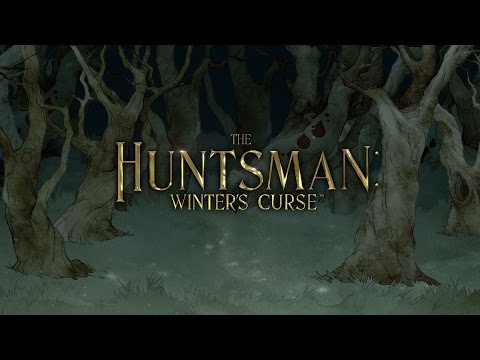
The Huntsman: Winter's Curse

PC (Microsoft Windows), PlayStation 4, Mac • 2016

Related articles

Quick resume

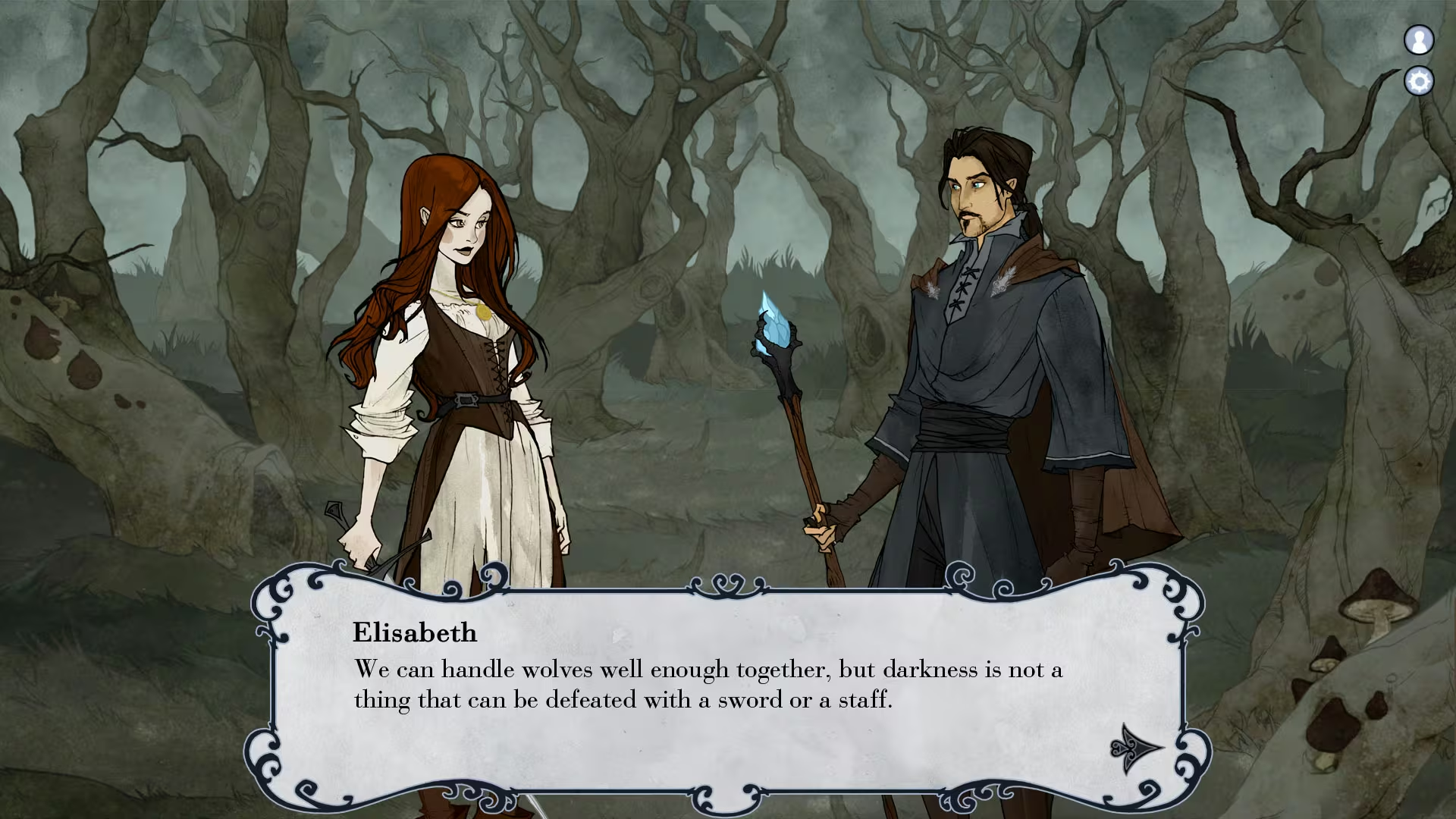
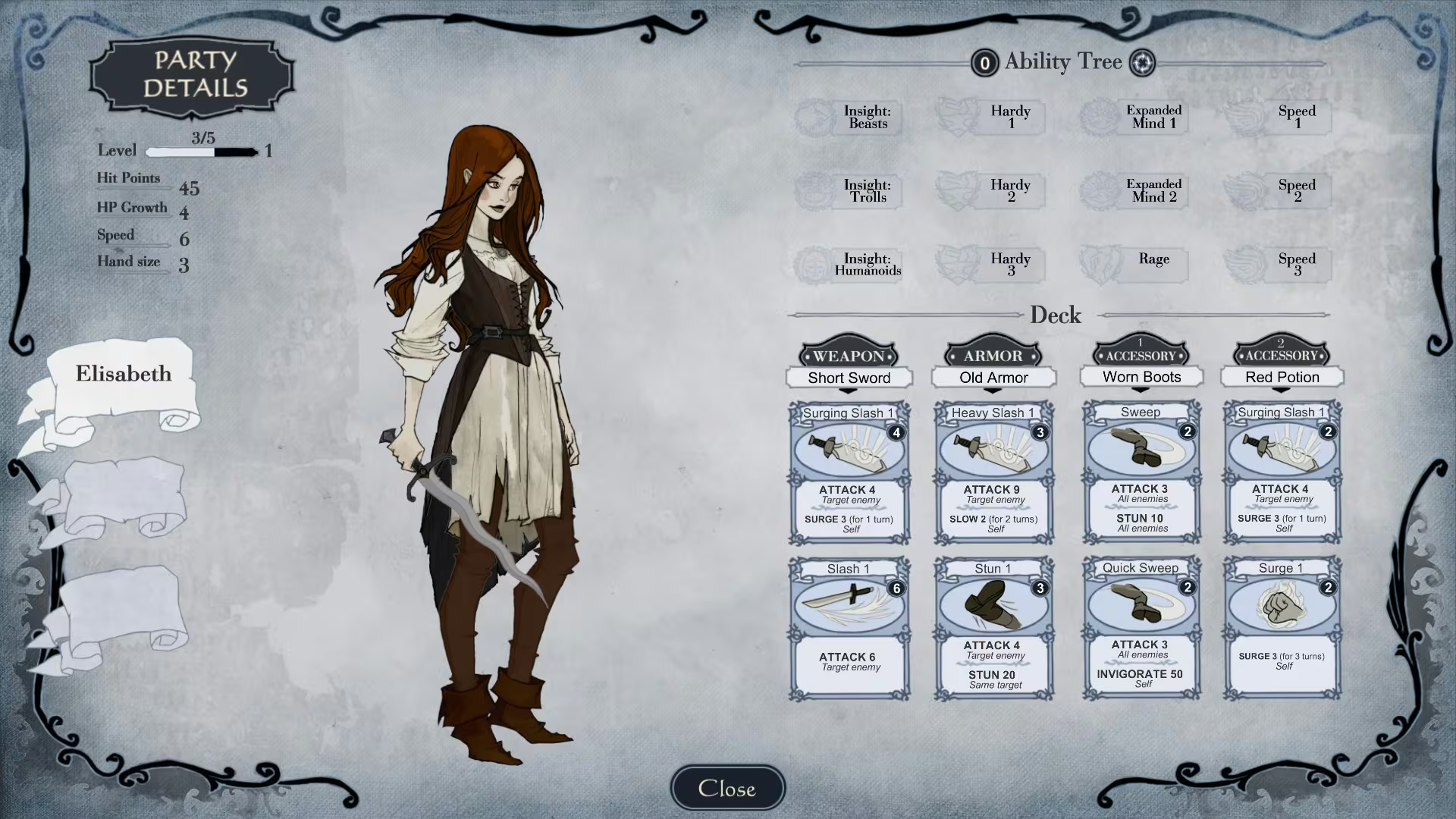
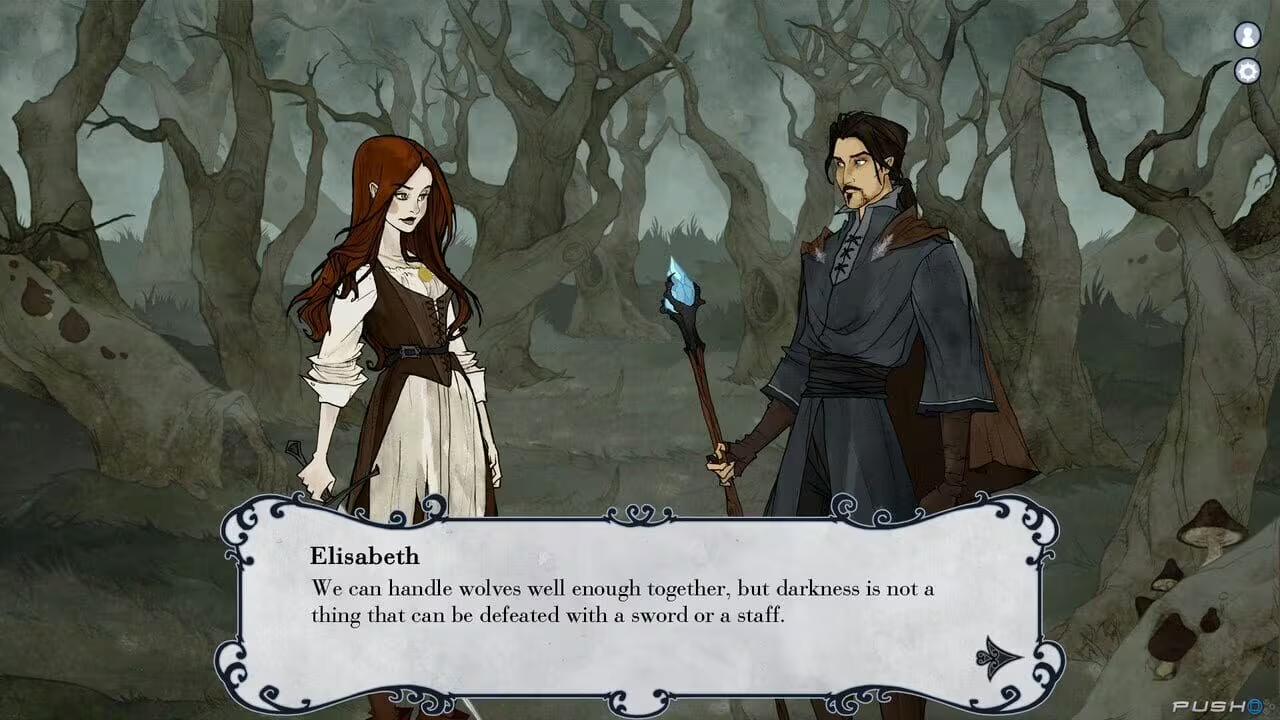
The Huntsman: Winter’s Curse is a narrative-driven, interactive fantasy fiction game with a card based combat system set in the universe of Snow White and the Huntsman.

Global score

72/100

Genres

Adventure, Casual, Indie, Role-playing (RPG)

Similar games

    Pros

    • Beautiful and unique art style
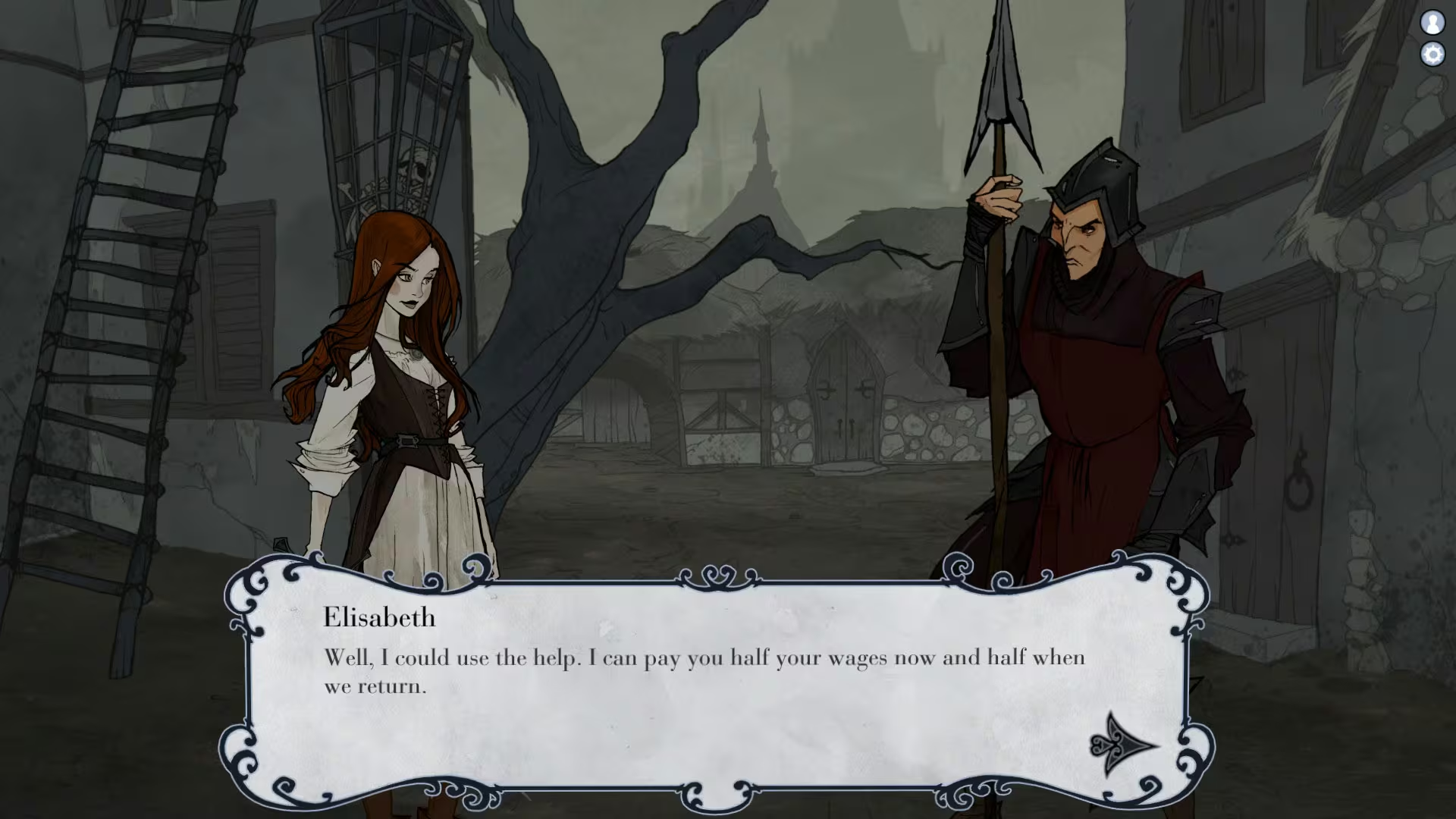
    • Engaging fairy tale story with meaningful choices
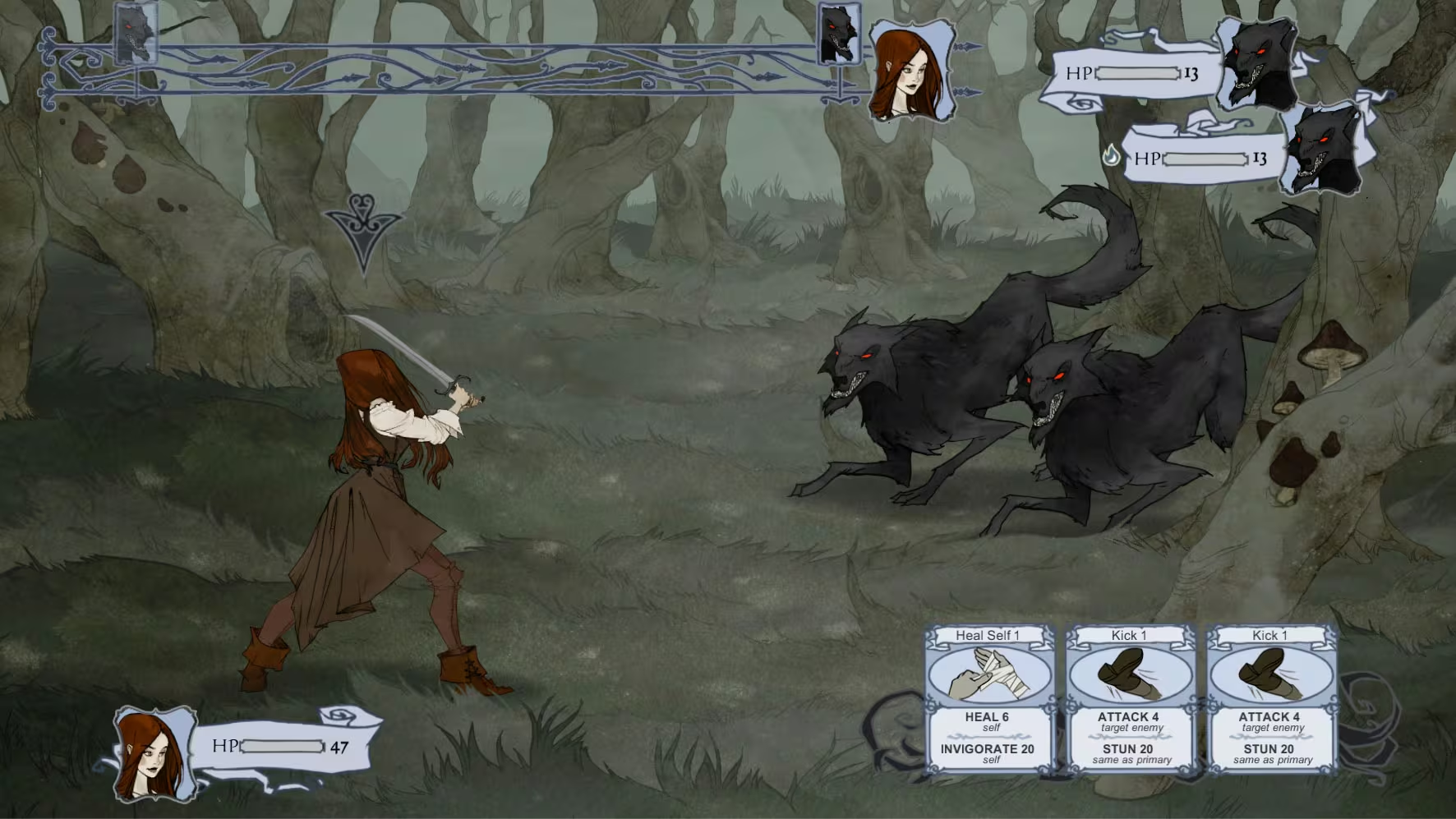
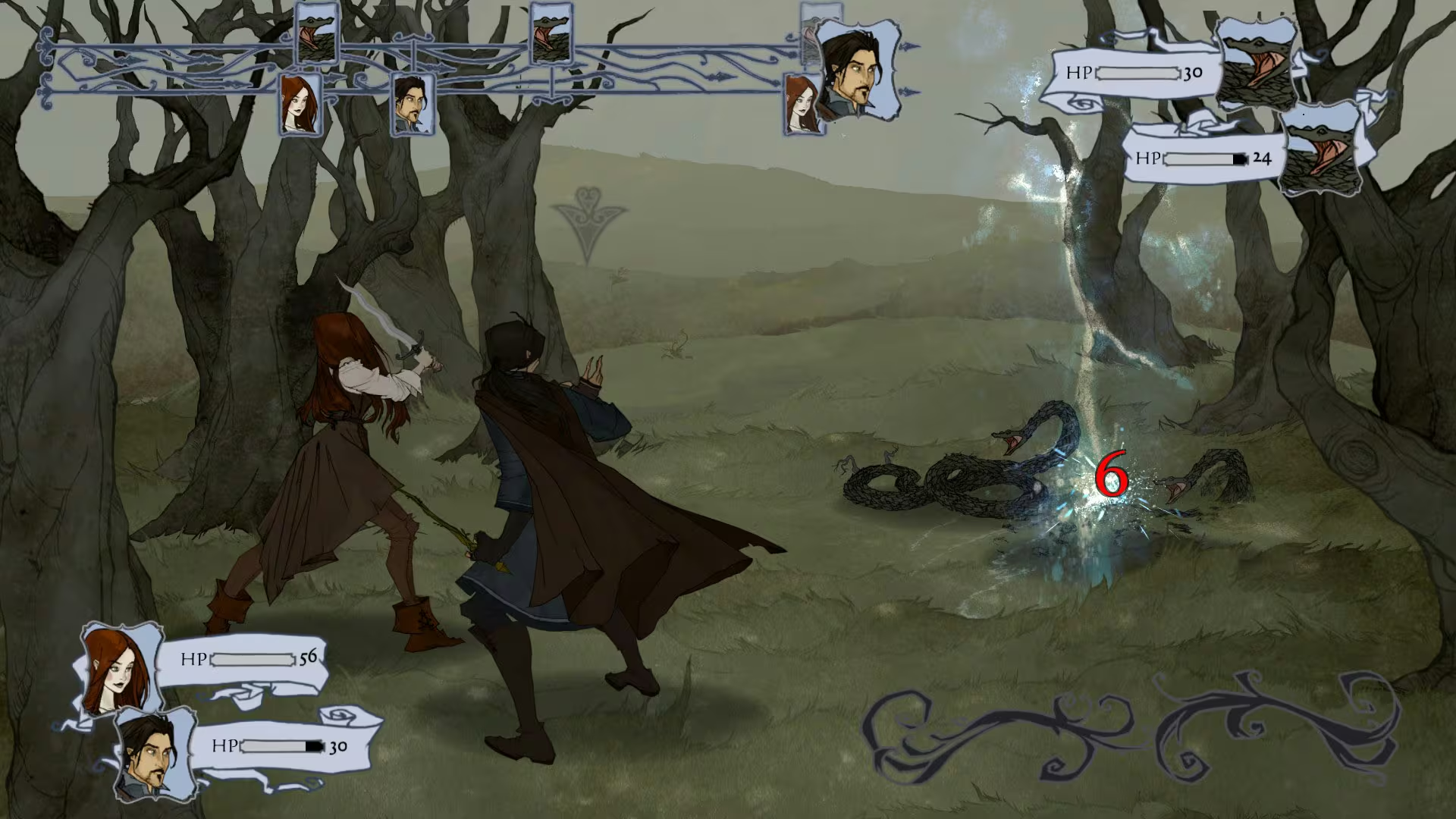
    • Strategic turn-based card combat
    • Character customization via equipment and skills
    • Free first chapter to try

    Cons

    • Short length of chapters and overall game
    • Repetitive combat and limited enemy variety
    • Paid dlc model can be costly for full story
    • Linear gameplay with limited exploration
    • No multiplayer or social features

    Analysis

    Broadly representative of its motivational profile, with a few distinct shifts. Motivations that often define this kind of title include Expression, Fellowship, Cooperation, Competition. Here, the score leans higher than usual among comparable games on Expression, Relaxation. It leans lower than usual among comparable games on Exploration.

    How to use the graph
    Similar games map

    Each dot is a game. They are arranged from the same motivation profile as in the “Motivations” section below. Closer dots usually mean more similar reasons to play (exploration, competition, relaxation, etc.)—not that one game is “better” than another.

    • Larger dot with a light outline: the game you are viewing.
    • Colour: groups of games with comparable motivation patterns (statistical clusters).
    • Hover a dot to see the game name; click to open its page.
    • Scroll or double-click the chart to zoom out and see more games.

    Why don’t the axes read like a score? This view uses t-SNE: it only keeps who is close to whom. The scales are not “good to bad” or hours played—they separate groups on the map. Read distance between dots, not the axis numbers.

    Motivations

    • Autonomy
      3

      "Players make choices affecting experience, items, and encounters, with equipment and skill tree customization allowing personal strategy."

    • Competence
      3

      "Combat requires strategic card selection and equipment management, offering a moderate challenge especially on higher difficulties."

    • Competition
      -4

      "Focus is on single-player story and personal progression without multiplayer or leaderboard competition."

    • Continuation
      2

      "Players express interest in continuing through episodic chapters and replaying for different choices, though some find combat repetitive."

    • Cooperation
      -5

      "Game is single-player with no cooperative multiplayer elements."

    • Creativity
      3

      "Customization of characters via equipment and skill trees influences combat style and strategy."

    • Domination
      -5

      "No evidence of dominance or power over other players; interactions are narrative-driven and cooperative in story only."

    • Escapism
      4

      "Players use the game as a relaxing, immersive fairy tale escape with engaging story and art."

    • Expectation
      -4

      "Players engage voluntarily for enjoyment and story interest, with no obligation or external pressure noted."

    • Experimenting
      3

      "Players try different equipment and skill combinations to find effective strategies in combat."

    • Exploration
      -3

      "Game is mostly linear with limited side quests and no open-world exploration."

    • Expression
      2

      "Character appearance changes with equipment, allowing some visual customization."

    • Fantasy
      5

      "Set in a dark fairy tale universe with fantasy characters, magic, and mythical creatures."

    • Fellowship
      -5

      "No social or community features; gameplay is solitary."

    • Growth
      3

      "Players develop characters via leveling, skill trees, and equipment upgrades."

    • Health
      -5

      "Standard sedentary gameplay with no physical activity or health-related features."

    • Idle
      -3

      "Requires focused attention during combat and story progression; not designed for idle play."

    • Intimacy
      -5

      "No close social or emotional relationships formed with other players; narrative interactions only."

    • Leadership
      -5

      "No leadership or group management mechanics present."

    • Progression
      4

      "Character progression through experience, skill perks, and acquiring new equipment."

    • Relaxation
      3

      "Many players find the game relaxing and enjoyable, with a pleasant art style and music."

    • Sensation
      2

      "Visuals and music provide sensory enjoyment, though combat is slower paced and less intense."

    • Status
      -5

      "No social recognition or status systems; achievements are personal."

    • Story
      4

      "Strong narrative focus with character-driven plot and player choices influencing story elements."

    • Strategy
      4

      "Combat involves strategic card play, equipment selection, and turn order manipulation."

    • Thrill
      1

      "Some tension in combat and boss fights, but overall gameplay is calm and story-driven."

    • Value
      0

      "Mixed opinions on value; free first chapter praised, but paid DLC considered short and pricey by some."

    • Violence
      1

      "Combat involves fighting enemies with cards and weapons, but violence is mild and stylized."

    • Survival
      0

      "Combat requires managing health and turn order but no complex survival mechanics."

    Last update: 29/04/2026