Metaphobia Thumbnail

Metaphobia similar games & best alternatives

Metaphobia

PC (Microsoft Windows) • 2020

Related articles

Quick resume

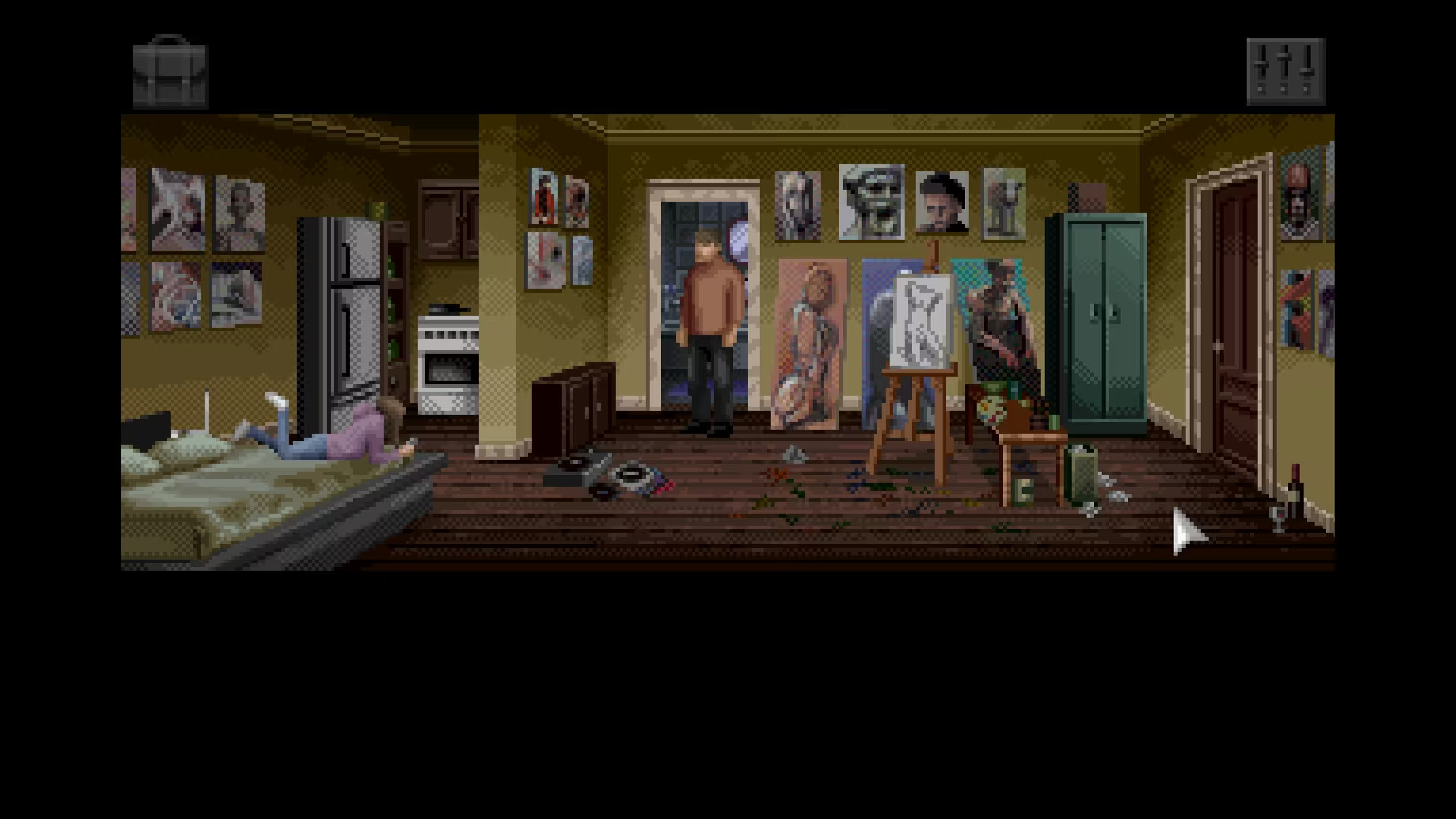
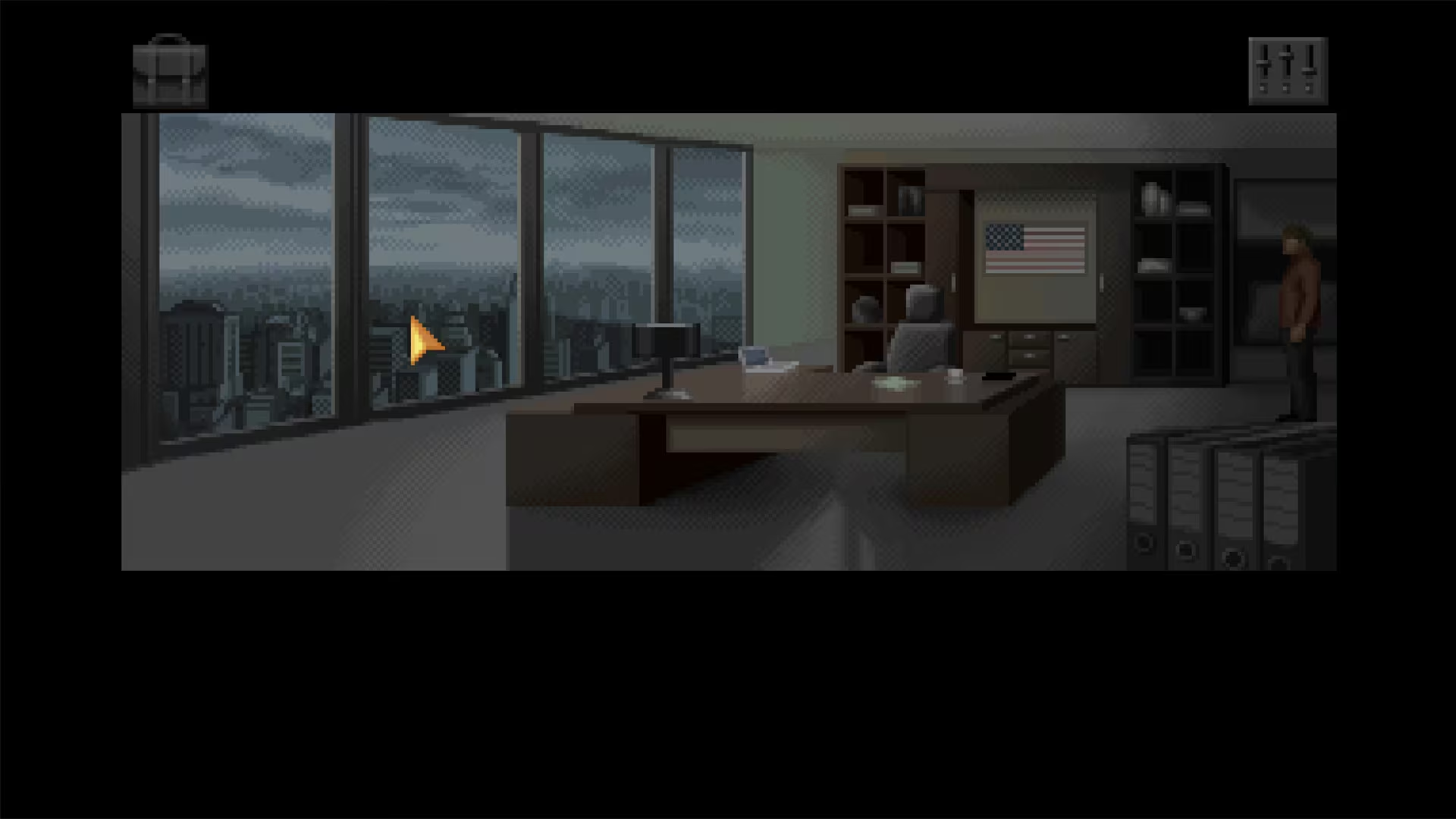
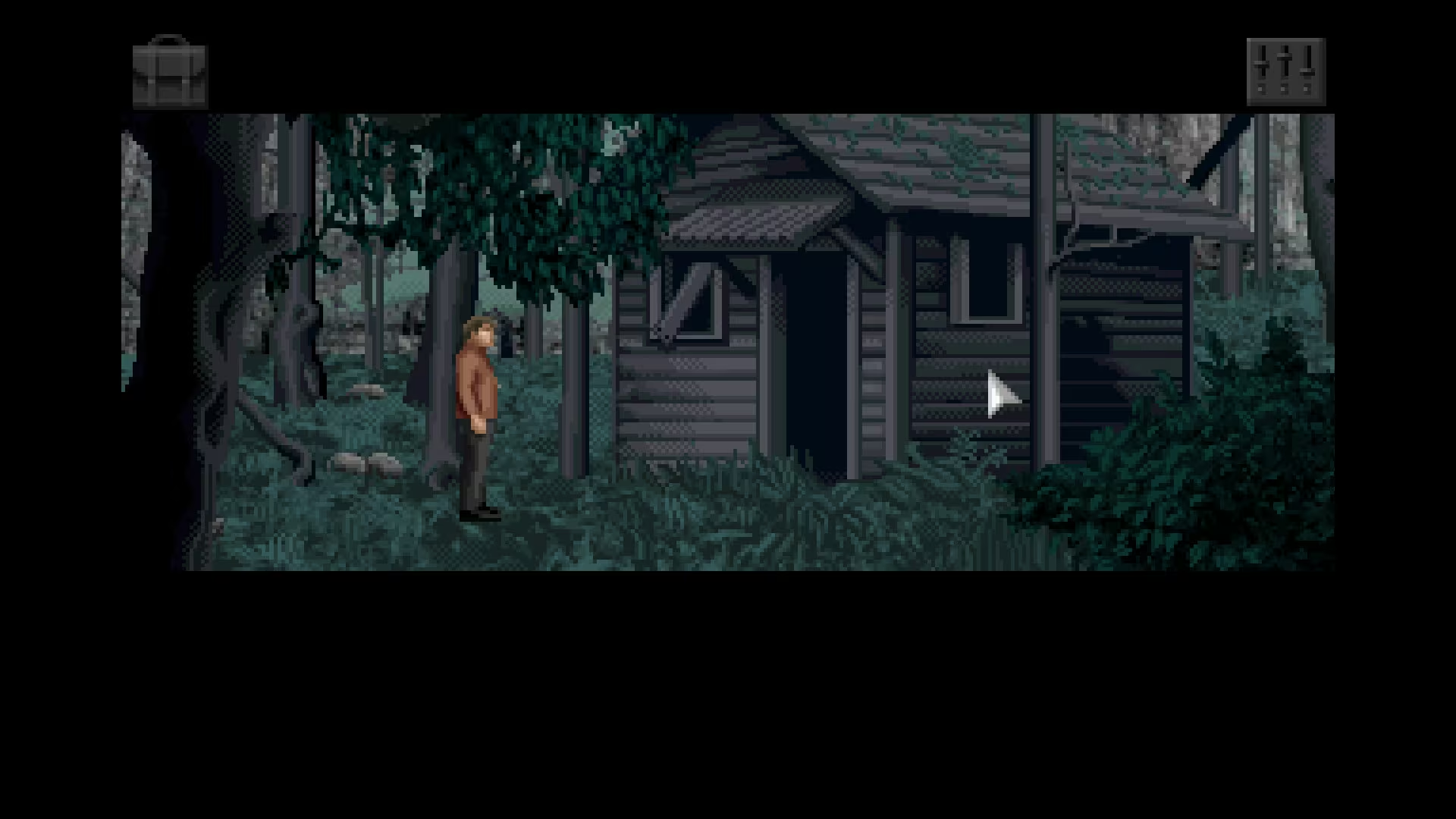
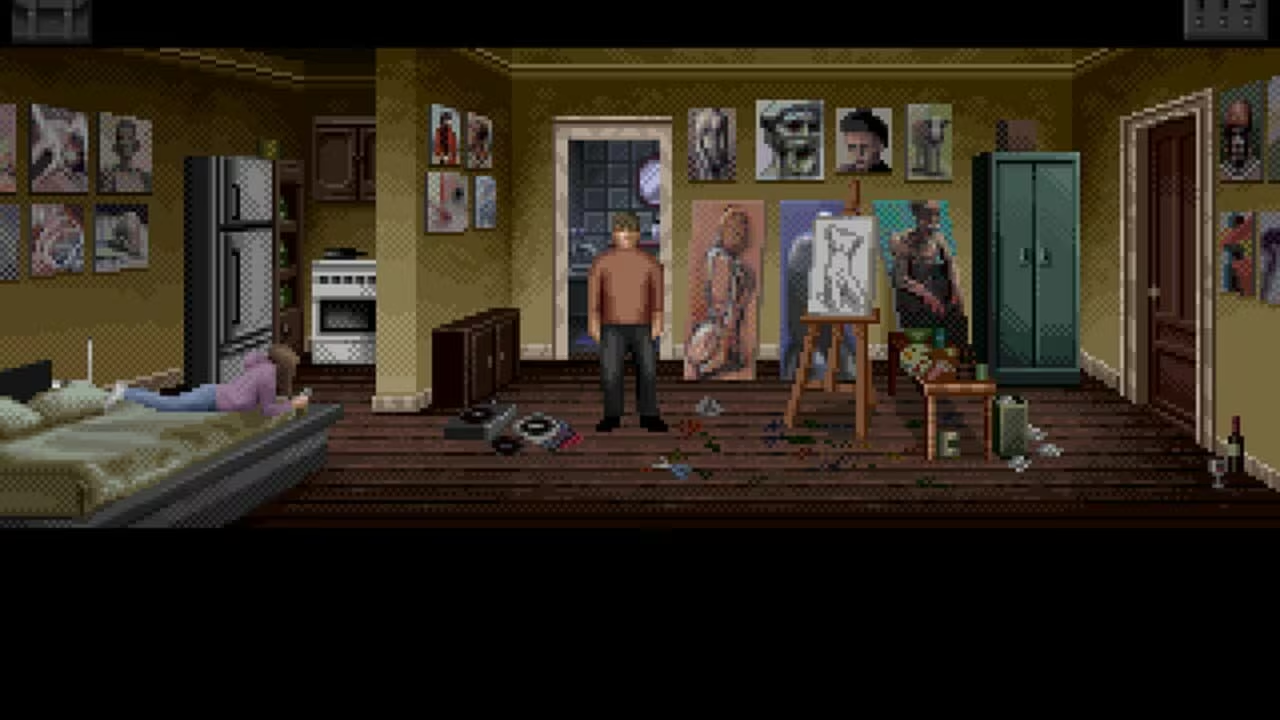
Metaphobia is an investigative mystery game in the style of classic 1990’s point-and-click adventures. Take control of Richard Elmstat in his journey to solve his father's murder.

Global score

85/100

Genres

Adventure, Free To Play, Indie, Point-and-click

Similar games

    Pros

    • Free with high production values
    • Engaging mystery story with voice acting
    • Classic point-and-click gameplay with varied puzzles
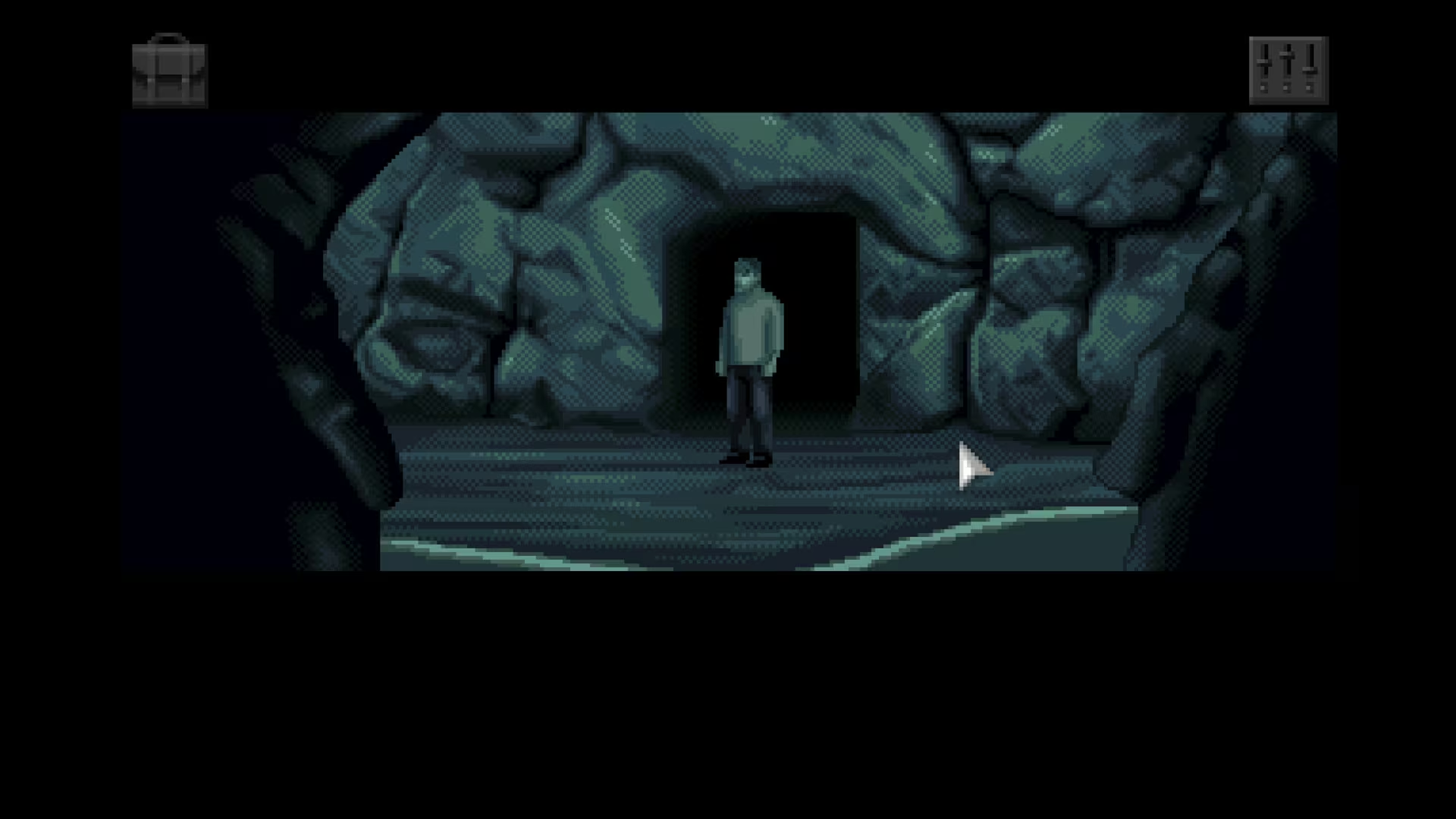
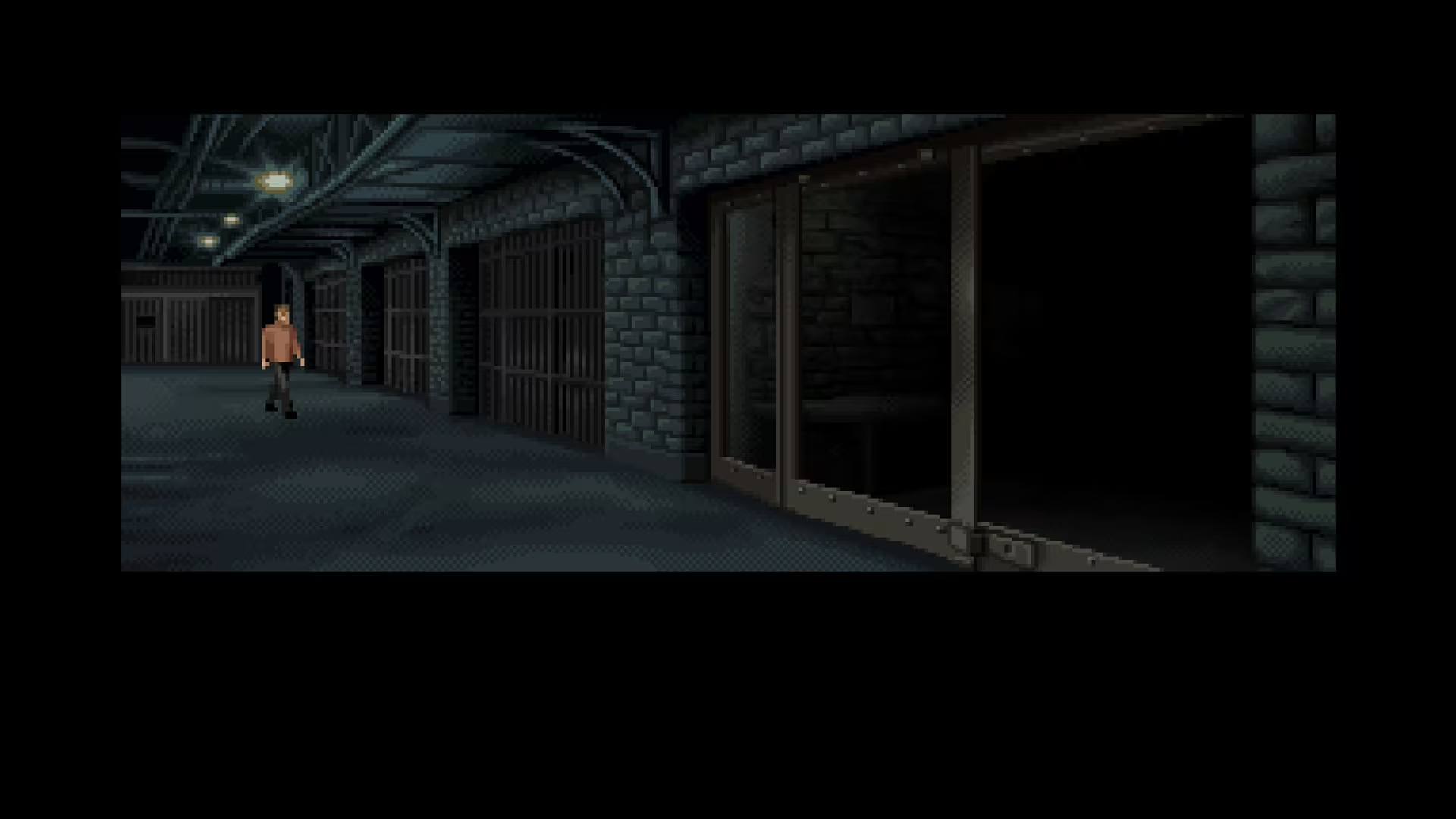
    • Atmospheric pixel art and rotoscoped animations
    • Good soundtrack and sound design

    Cons

    • Some puzzles involve pixel hunting and unintuitive solutions
    • Linear gameplay with limited player freedom
    • Ending considered abrupt or unsatisfying by some
    • No customization or social features
    • Minor technical issues with resolution and interface

    Analysis

    A very typical example of its motivational profile. Motivations that often define this kind of title include Survival, Violence, Fellowship, Expression. Here, the score leans higher than usual among comparable games on Thrill, Value. It leans lower than usual among comparable games on Expression.

    How to use the graph
    Similar games map

    Each dot is a game. They are arranged from the same motivation profile as in the “Motivations” section below. Closer dots usually mean more similar reasons to play (exploration, competition, relaxation, etc.)—not that one game is “better” than another.

    • Larger dot with a light outline: the game you are viewing.
    • Colour: groups of games with comparable motivation patterns (statistical clusters).
    • Hover a dot to see the game name; click to open its page.
    • Scroll or double-click the chart to zoom out and see more games.

    Why don’t the axes read like a score? This view uses t-SNE: it only keeps who is close to whom. The scales are not “good to bad” or hours played—they separate groups on the map. Read distance between dots, not the axis numbers.

    Motivations

    • Autonomy
      3

      "Players have freedom to explore, investigate, and solve puzzles with some trial and error, though the game is linear in story progression."

    • Competence
      3

      "Puzzles vary in difficulty, requiring logical thinking and observation; some trial and error and pixel hunting noted."

    • Competition
      -5

      "Single-player narrative experience with no competitive elements or comparison to others."

    • Continuation
      2

      "Players report engaging story and atmosphere that encourage sustained play, though some frustration with puzzles may interrupt flow."

    • Cooperation
      -5

      "Entirely single-player with no cooperative or multiplayer features."

    • Creativity
      2

      "Players engage in puzzle solving and exploration with some creative problem solving, though within predefined game structure."

    • Domination
      -5

      "No elements of exerting control or superiority over others; purely individual experience."

    • Escapism
      4

      "Players use the game as an immersive mystery and adventure experience to escape reality."

    • Expectation
      -4

      "Players engage voluntarily out of interest and enjoyment, with no obligation or external pressure."

    • Experimenting
      3

      "Players try different interactions and puzzle solutions, experimenting with inventory items and environment."

    • Exploration
      3

      "Game encourages discovery of new locations, clues, and secrets within a linear but detailed environment."

    • Expression
      -5

      "No character customization or player expression features; uses fixed characters and presentation."

    • Fantasy
      3

      "Story involves conspiracy theories, ancient mysteries, and speculative fiction elements, blending realistic and fantastical themes."

    • Fellowship
      -5

      "No social or community features; experience is solitary."

    • Growth
      2

      "Players develop problem-solving skills and learn story details progressively."

    • Health
      -5

      "Sedentary gameplay typical of point-and-click adventures."

    • Idle
      -3

      "Requires focused attention to solve puzzles and follow story; not suitable for casual or background play."

    • Intimacy
      -5

      "No social or emotional relationship building with other players."

    • Leadership
      -5

      "No leadership or group management elements."

    • Progression
      3

      "Progression through story advancement and puzzle completion with item collection and use."

    • Relaxation
      2

      "Generally a calm, atmospheric experience with some tension from puzzles but overall relaxing."

    • Sensation
      2

      "Enjoyable pixel art, rotoscoped animations, and atmospheric music provide sensory engagement."

    • Status
      -5

      "No social recognition or status systems."

    • Story
      5

      "Strong narrative focus with voice acting, character interactions, and unfolding mystery plot."

    • Strategy
      2

      "Requires logical thinking and puzzle solving, though puzzles are straightforward and not deeply strategic."

    • Thrill
      2

      "Some suspense and intrigue from mystery and conspiracy elements, but overall controlled and calm."

    • Value
      5

      "Exceptional value as a free game with high production quality and several hours of content."

    • Violence
      -5

      "No emphasis on combat or destruction; focus on investigation and puzzle solving."

    • Survival
      -5

      "No survival or threat avoidance mechanics; stable and safe game environment."

    Last update: 29/04/2026