They Are Billions similar games & best alternatives

They Are Billions
2019
Related articles
Quick resume
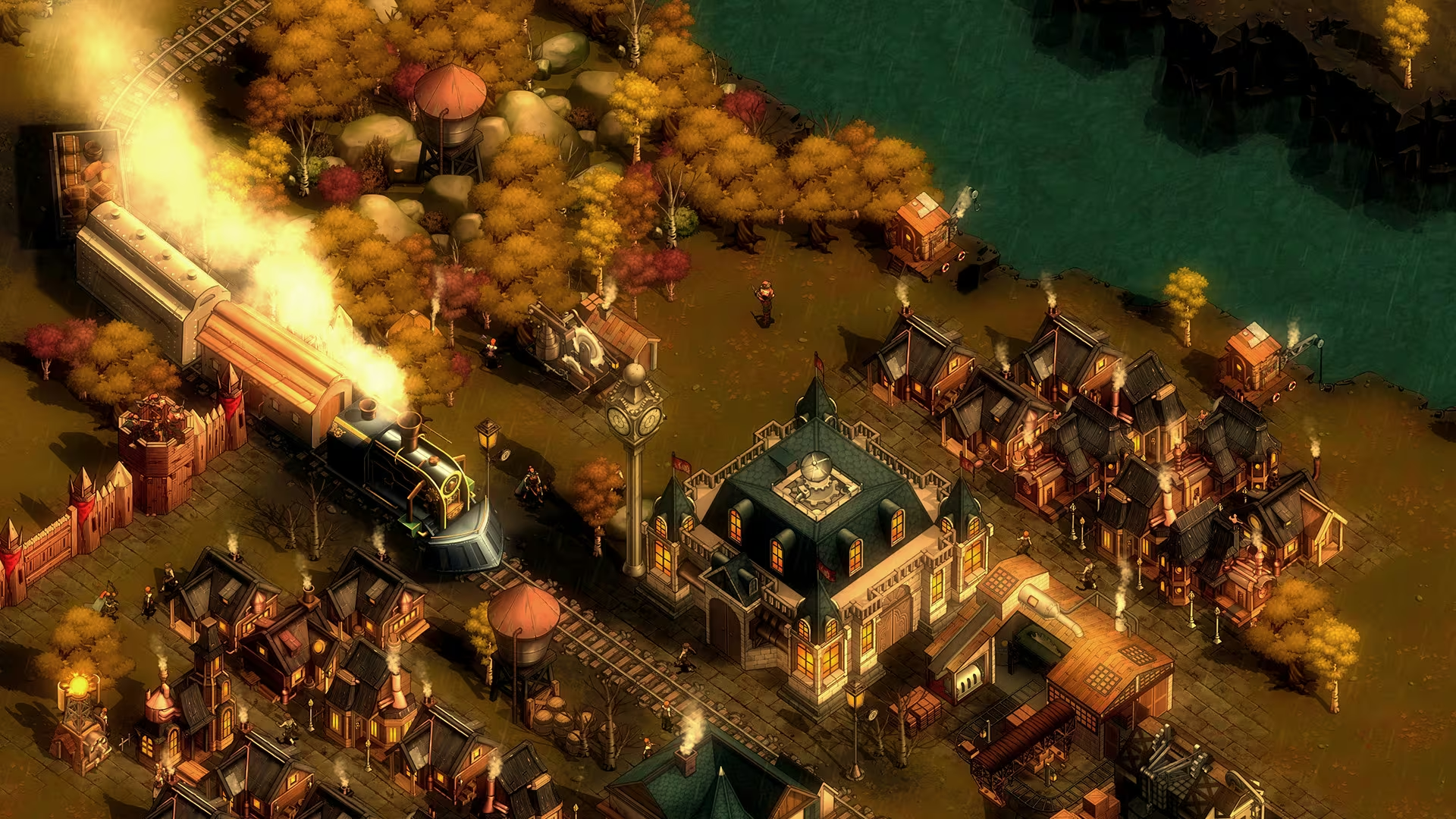
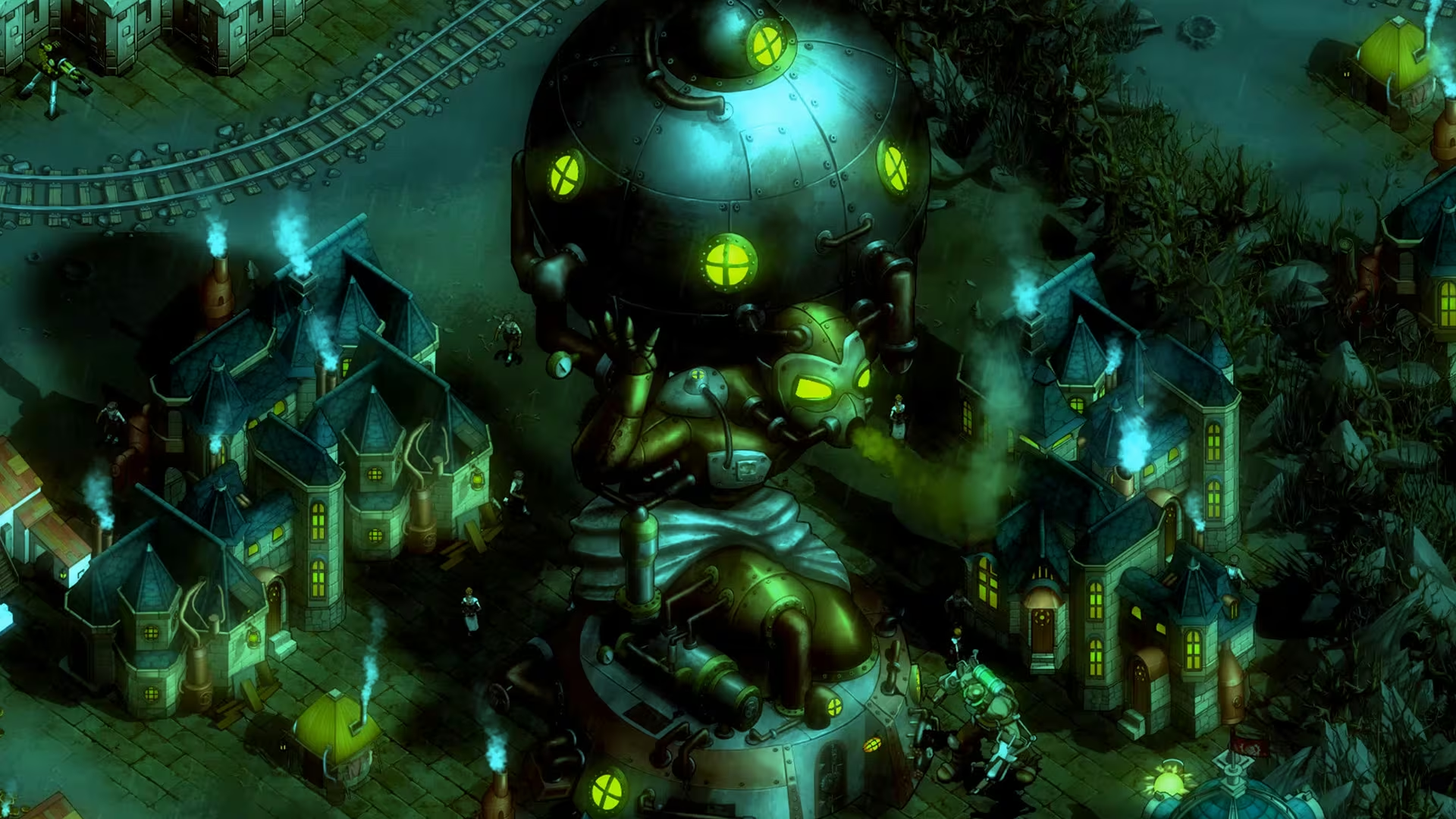
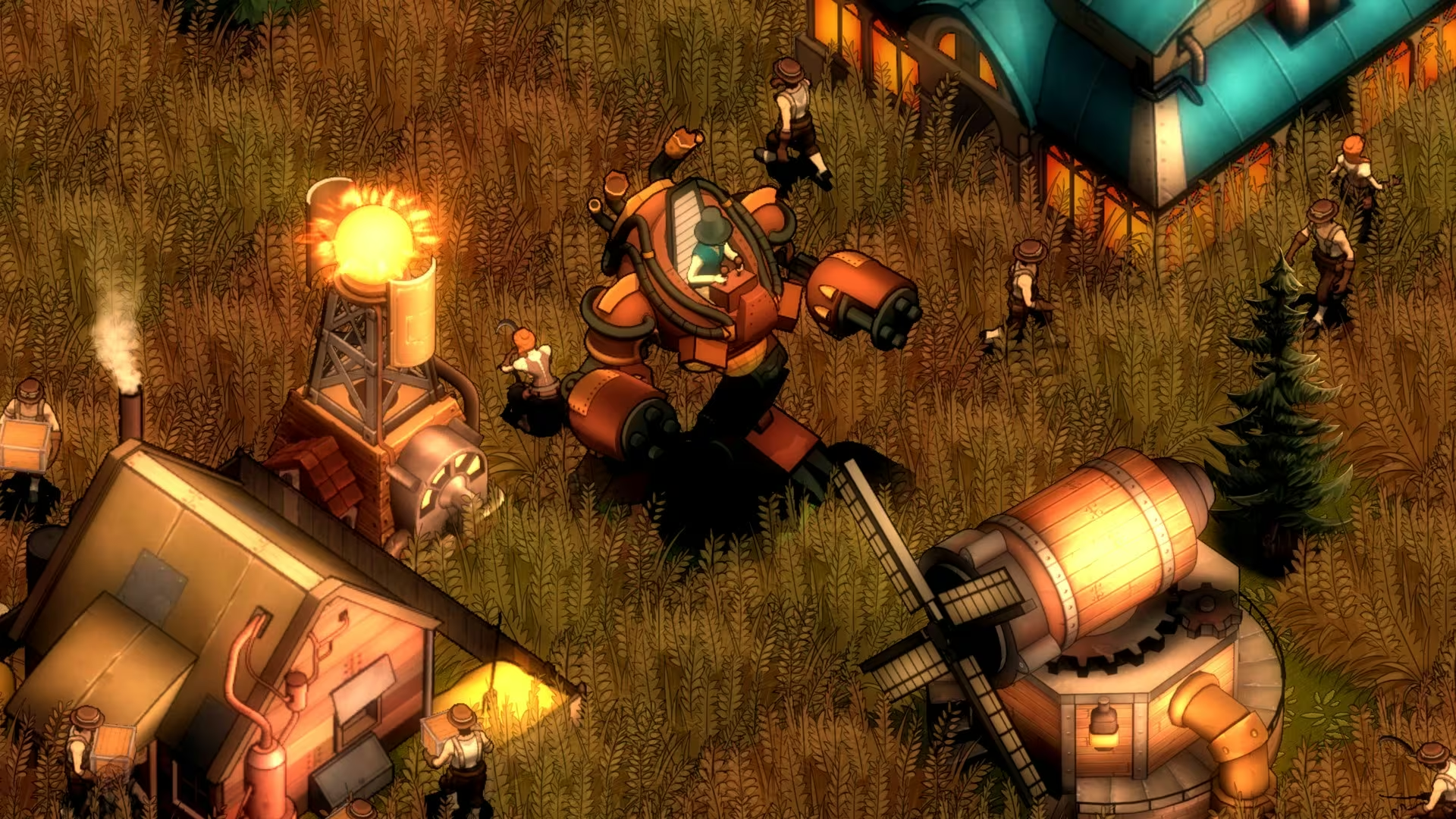
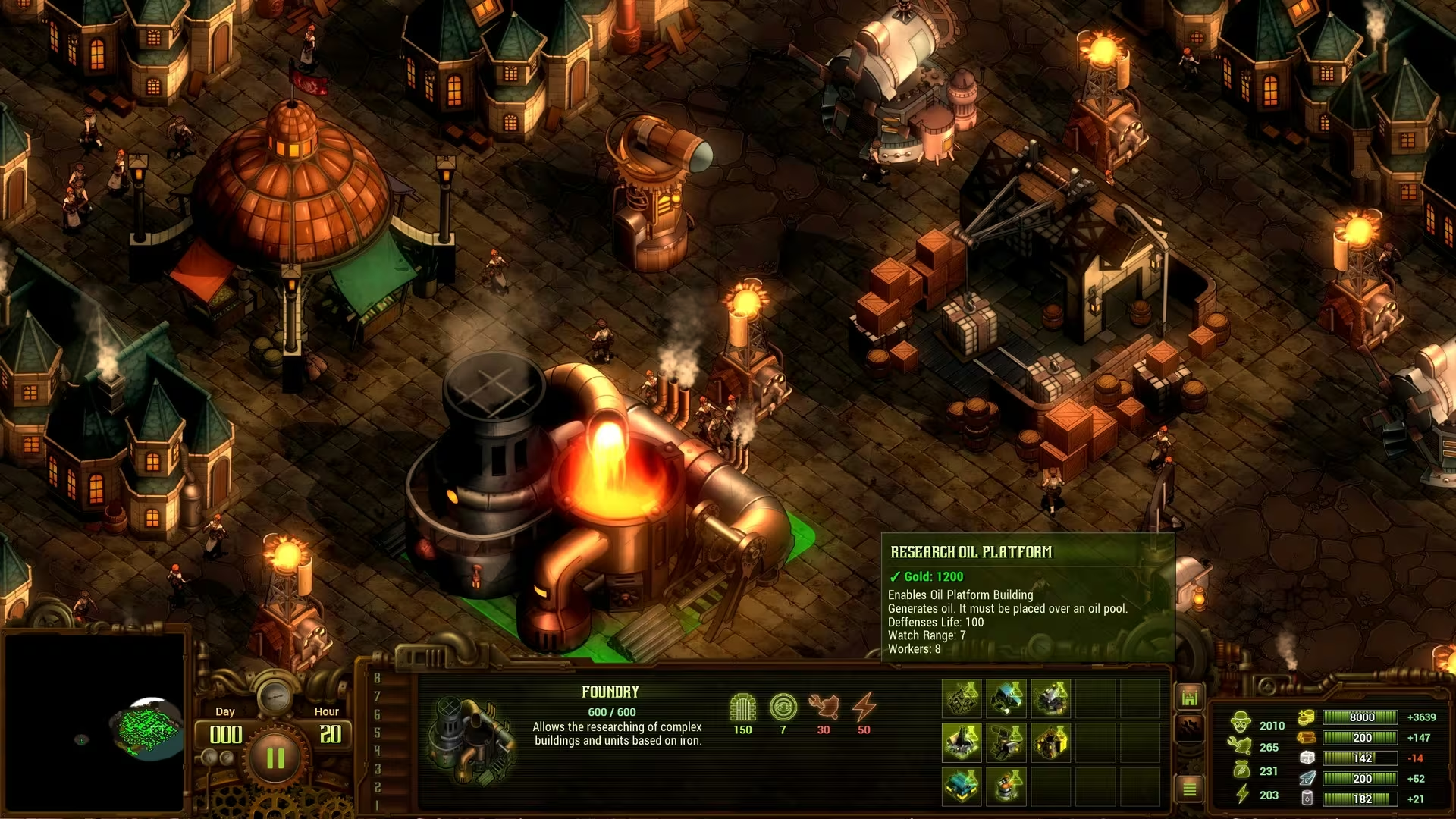
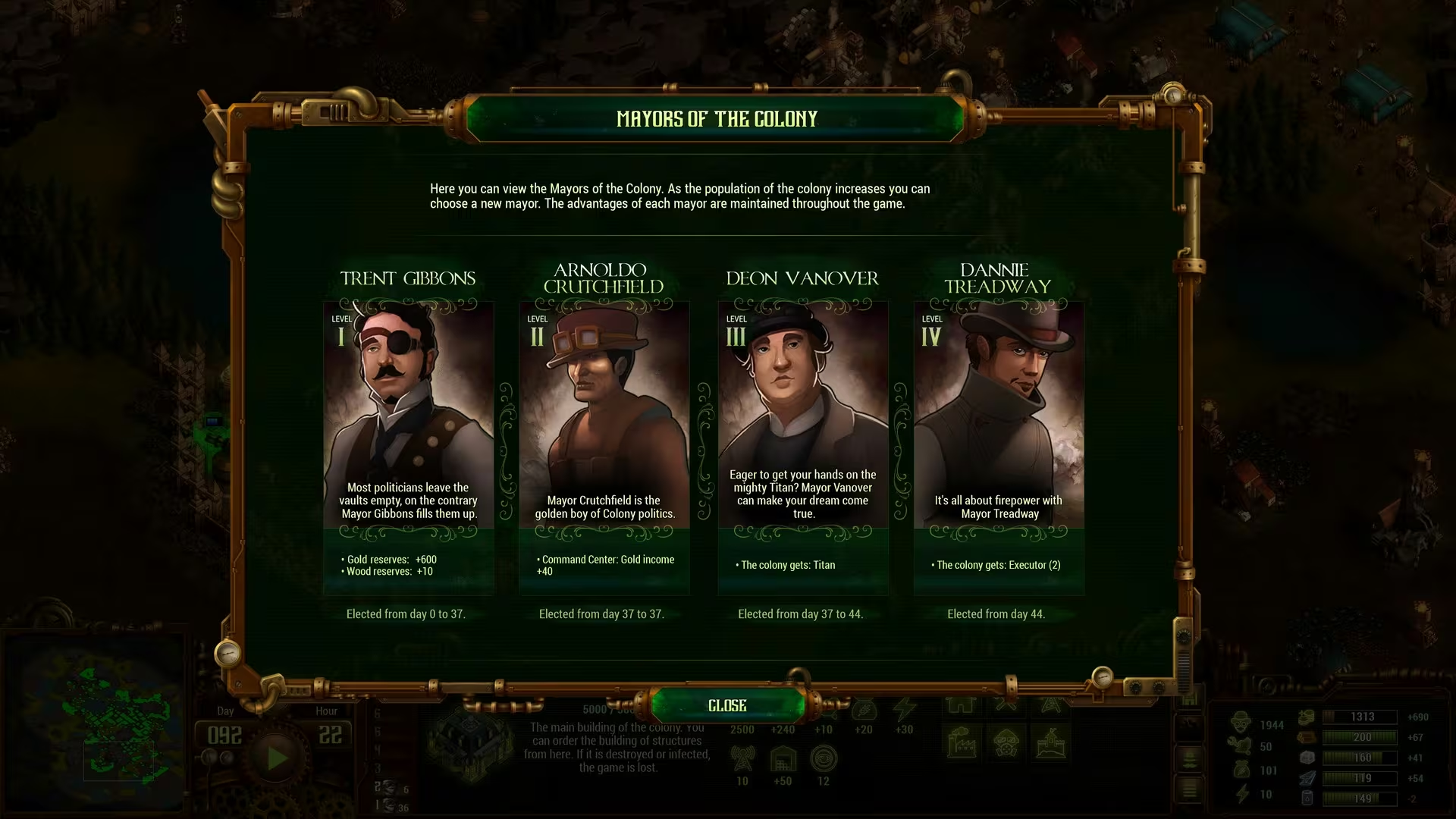
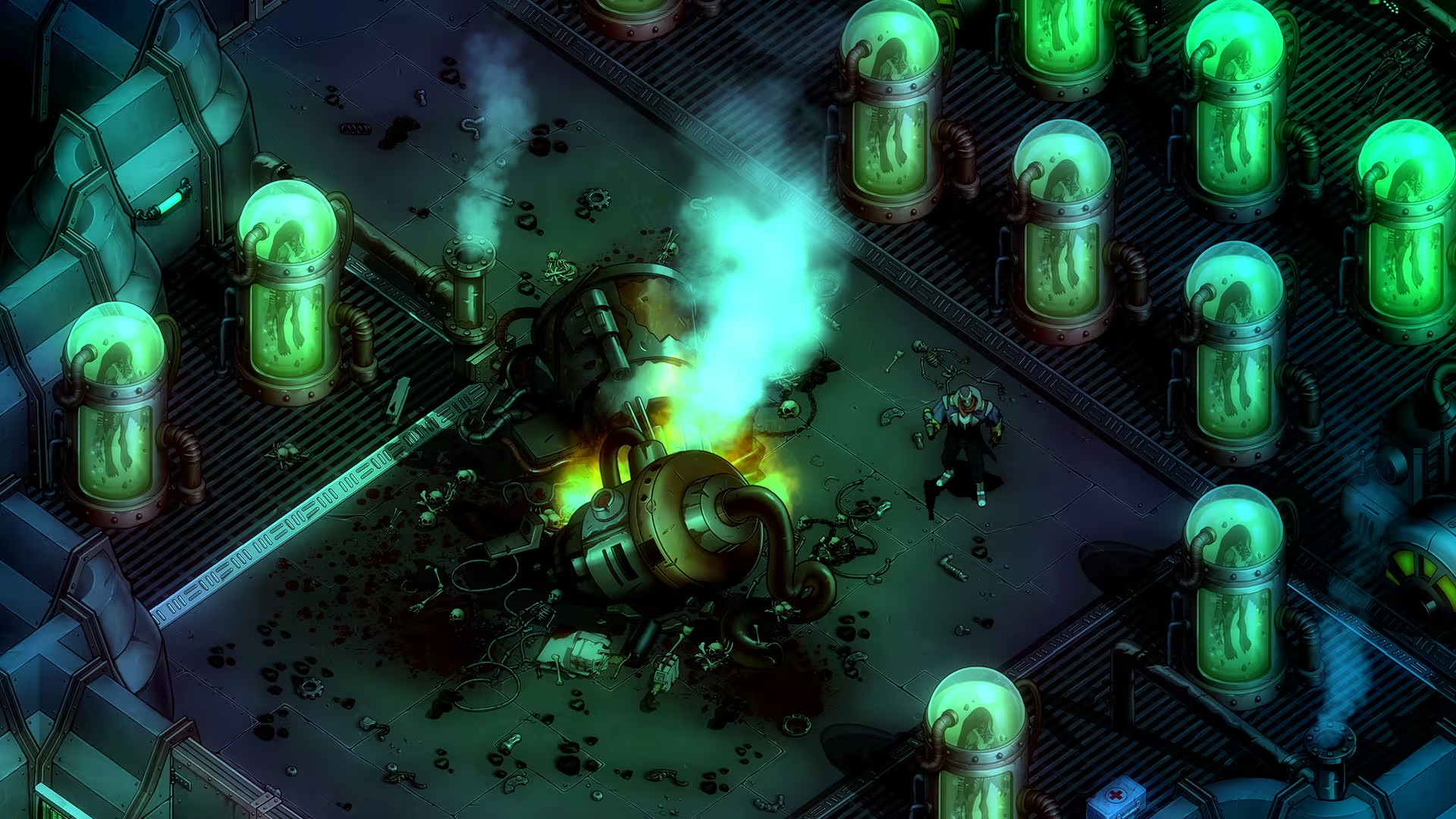
They Are Billions is a Steampunk strategy game set on a post-apocalyptic planet. Build and defend colonies to survive against the billions of the infected that seek to annihilate the few remaining living humans. Can humanity survive after the zombie apocalypse?
Global score
85/100
Genres
Strategy, Indie, Role-playing (RPG), Real Time Strategy (RTS)
Similar games
Pros
- Challenging and rewarding gameplay
- Unique blend of rts and survival
- High replayability with randomized maps
- Immersive steampunk zombie atmosphere
- Pause feature allowing strategic planning
Cons
- No mid-mission save feature causing frustration
- Steep learning curve and punishing difficulty
- Limited campaign content and repetitive hero missions
- Poor unit pathfinding and some ai quirks
- Lack of multiplayer or social features
Analysis
Broadly representative of its motivational profile, with a few distinct shifts. Motivations that often define this kind of title include Relaxation, Survival, Violence, Fellowship. Here, the score leans higher than usual among comparable games on Leadership, Strategy. It leans lower than usual among comparable games on Expression.
How to use the graph
Similar games map
Each dot is a game. They are arranged from the same motivation profile as in the “Motivations” section below. Closer dots usually mean more similar reasons to play (exploration, competition, relaxation, etc.)—not that one game is “better” than another.
- Larger dot with a light outline: the game you are viewing.
- Colour: groups of games with comparable motivation patterns (statistical clusters).
- Hover a dot to see the game name; click to open its page.
- Scroll or double-click the chart to zoom out and see more games.
Why don’t the axes read like a score? This view uses t-SNE: it only keeps who is close to whom. The scales are not “good to bad” or hours played—they separate groups on the map. Read distance between dots, not the axis numbers.
Motivations
-
Autonomy4
"Players have significant control over base building, unit placement, and strategic decisions, with freedom to plan and react, including pausing the game to issue commands."
-
Competence5
"The game is highly challenging, requiring skillful resource management, multitasking, and strategic planning with steep learning curve and rewarding mastery."
-
Competition-3
"Focus is primarily on solo play and personal improvement; no multiplayer or ranked modes, and no direct player-vs-player competition."
-
Continuation4
"Many players report long play sessions, high replayability, and habitual return despite frustration from difficulty and restarts."
-
Cooperation-5
"The game is single-player focused with no cooperative multiplayer or team-based gameplay."
-
Creativity3
"Players design and optimize base layouts and defenses with some freedom, though building placement is constrained by spacing rules."
-
Domination-4
"Interactions are against AI zombies, no social dominance or player hierarchy; gameplay is individual and cooperative social features are absent."
-
Escapism4
"Players use the game as a challenging distraction and immersive experience, escaping real life through intense strategic gameplay."
-
Expectation-4
"Players engage voluntarily for intrinsic challenge and enjoyment, not due to obligation or external pressure."
-
Experimenting3
"Players experiment with base designs, tech tree upgrades, and strategies to overcome waves and optimize resource management."
-
Exploration2
"Some exploration of randomized maps and clearing areas is involved, but maps are often reused and gameplay is focused on defense."
-
Expression-2
"Limited character customization or cosmetic expression; focus is on strategic gameplay rather than avatar personalization."
-
Fantasy3
"Steampunk zombie apocalypse setting with fantastical elements, but grounded in plausible survival and RTS mechanics."
-
Fellowship-4
"Minimal social interaction or community feeling within the game; primarily a solo experience."
-
Growth4
"Players develop skills, learn from failures, and improve strategies over time; tech tree progression supports growth."
-
Health-4
"Sedentary gameplay with long sessions and high mental stress; no physical activity or health benefits."
-
Idle-3
"Requires constant attention and micromanagement; pausing is available but gameplay is not designed for idle play."
-
Intimacy-5
"No meaningful social or emotional connections formed in-game; no multiplayer or social features."
-
Leadership3
"Players lead and manage their colony and army units, making strategic decisions and directing troops."
-
Progression4
"Strong emphasis on accumulating resources, unlocking tech, upgrading units, and expanding the colony."
-
Relaxation-3
"Gameplay is tense and stressful with high stakes and punishing difficulty; not designed for relaxation."
-
Sensation3
"Visual and audio design create immersive and intense atmosphere with satisfying sensory feedback."
-
Status-4
"No social recognition or status systems; achievements are personal and not publicly ranked."
-
Story1
"Campaign provides some narrative context but is minimal and often criticized; gameplay is primary focus."
-
Strategy5
"Core gameplay revolves around mental challenge, planning, resource management, and tactical problem solving."
-
Thrill4
"High tension and suspense from impending zombie waves and risk of catastrophic failure."
-
Value3
"Players report many hours of gameplay and replayability, though some feel content is limited and price high without sales."
-
Violence4
"Combat against zombies is central, with emphasis on destruction and defense against hordes."
-
Survival5
"Survival against overwhelming zombie threats is the main gameplay driver, requiring resource and defense management."
Where to buy
Last update: 29/04/2026