We Know the Devil similar games & best alternatives
We Know the Devil
2016
Related articles
Quick resume
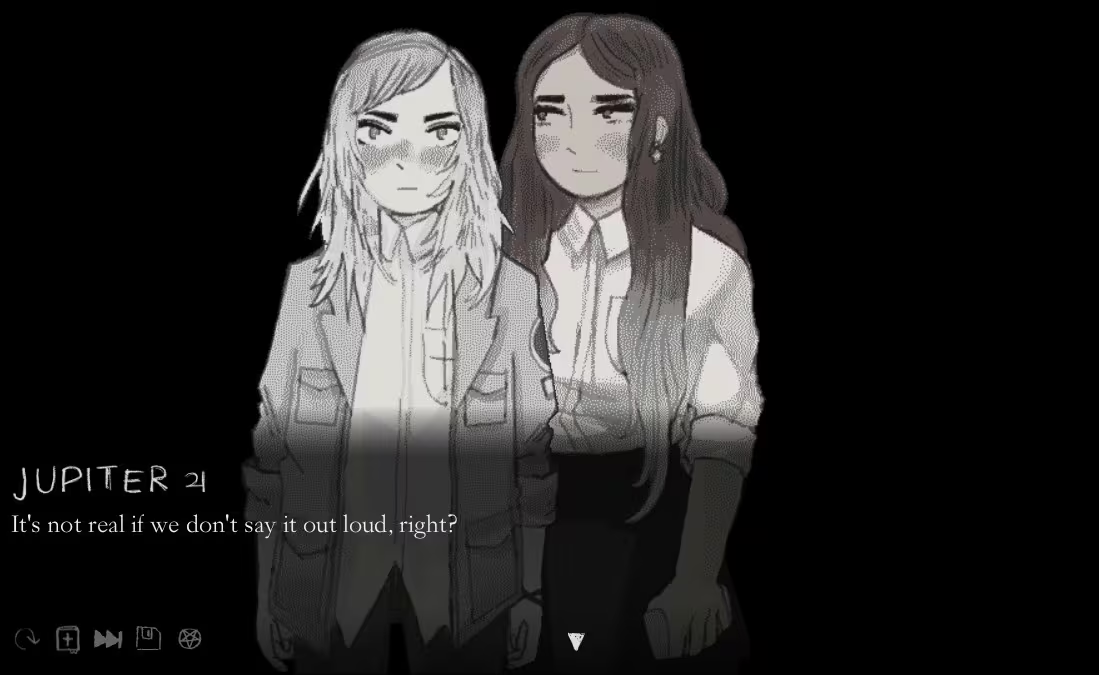
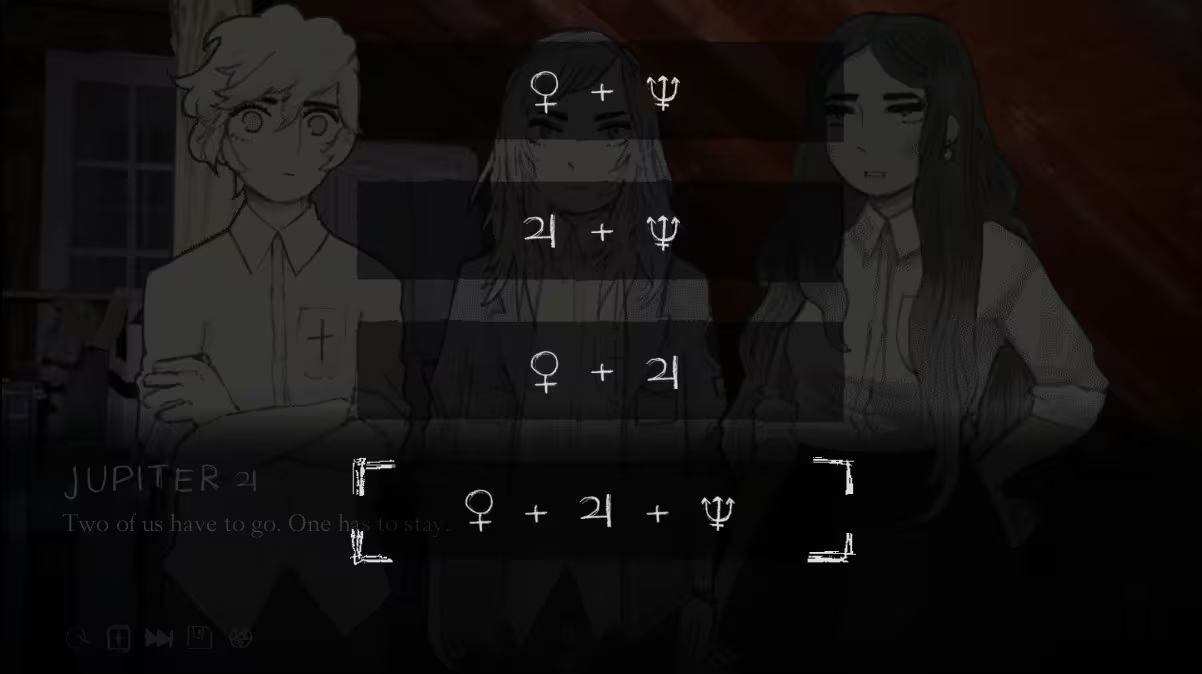
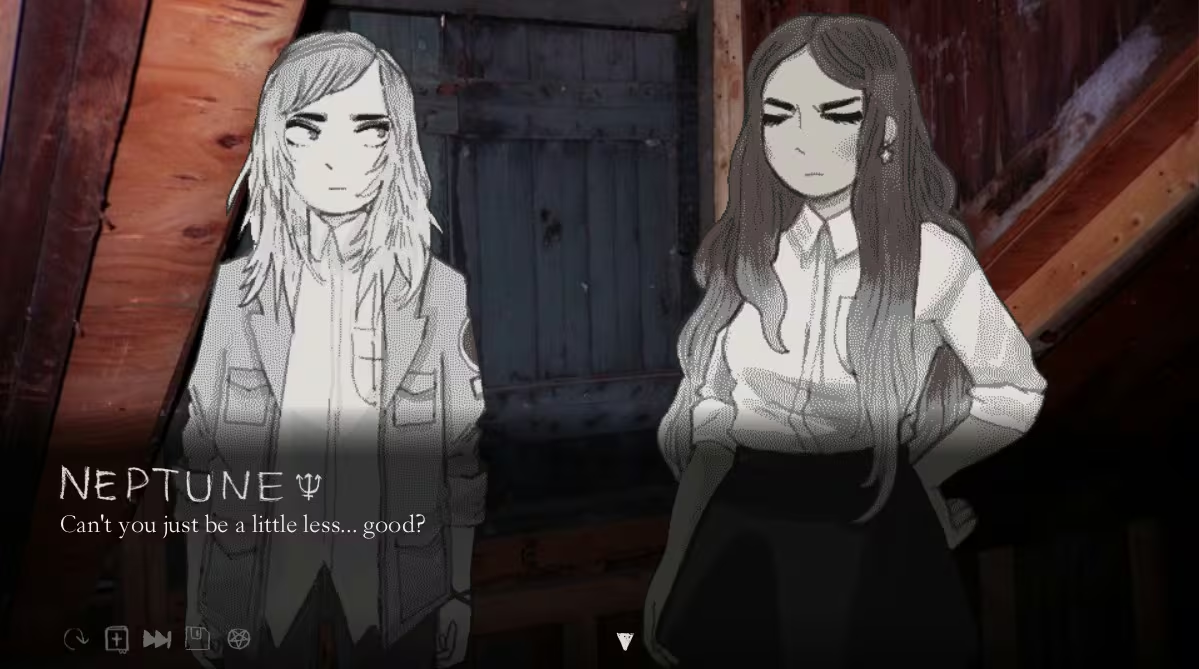
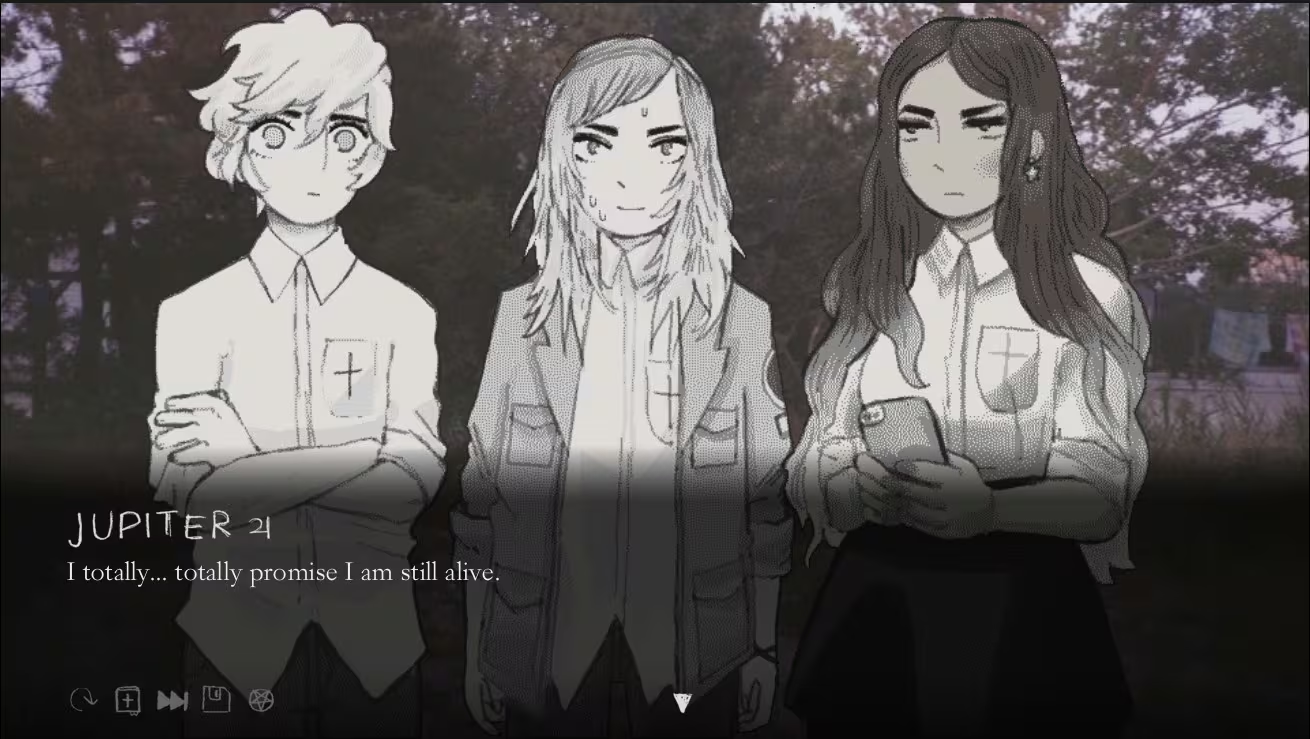
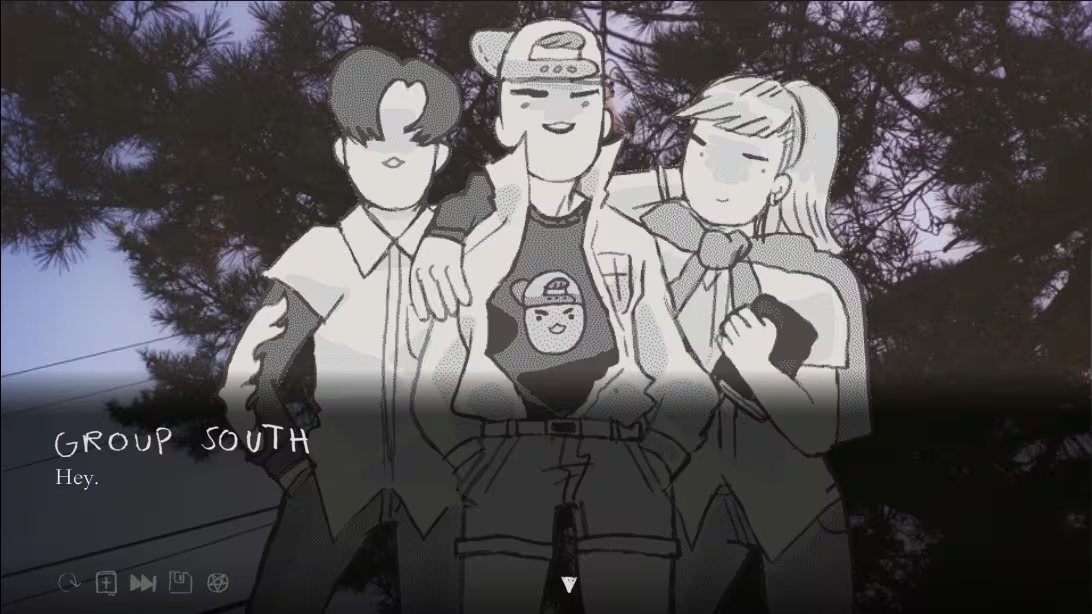
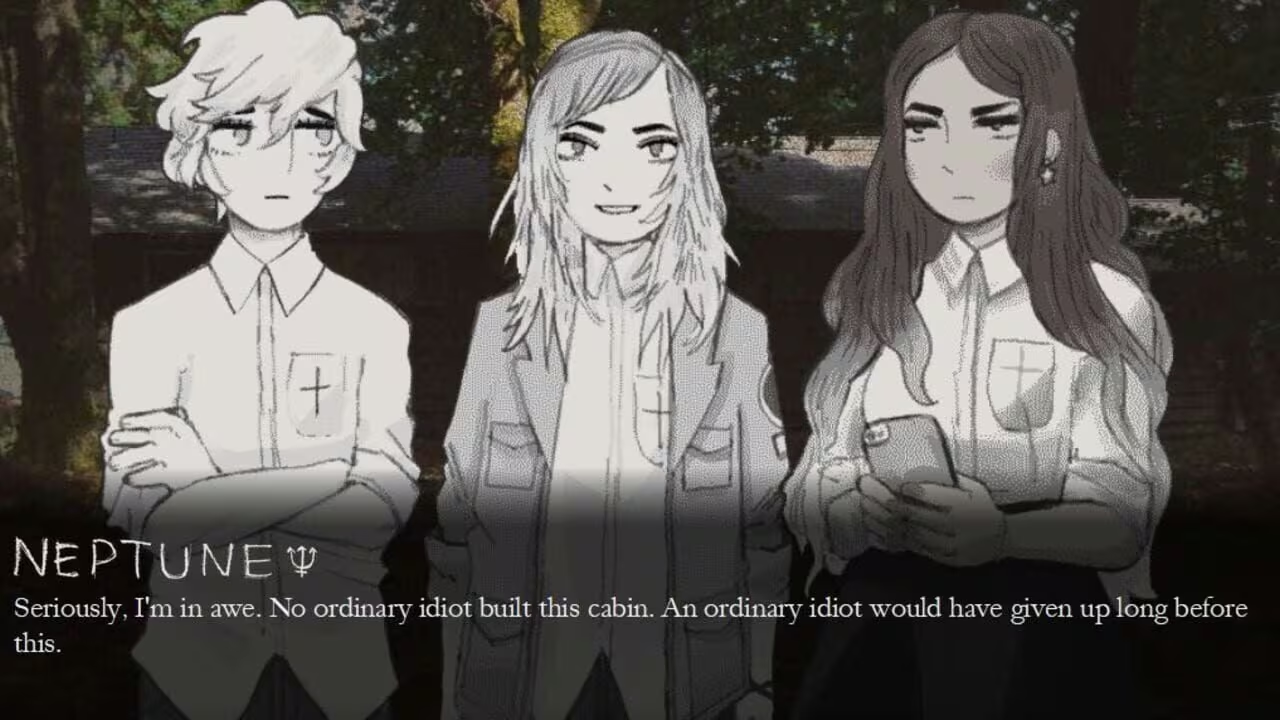
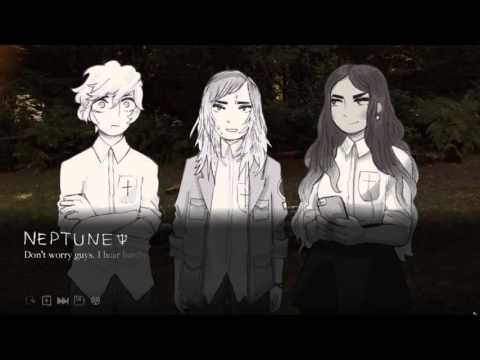
WE KNOW THE DEVIL is a visual novel about teens reluctantly fighting the devil at summer camp. Follow meangirl Neptune, tomboy Jupiter, and shy shy Venus as they get to know each other--but one always gets left out.
Global score
95/100
Genres
Adventure, Casual, Indie, Visual Novel
Similar games
Pros
- Powerful, emotionally resonant story
- Strong queer and religious trauma themes
- Unique art style and atmospheric soundtrack
- Multiple endings encouraging replay
- Relatable, well-developed characters
Cons
- Very short gameplay length
- Minimal interactivity and skill challenge
- Some players find narrative vague or confusing
- Occasional visual glitches reported
- Price may feel high for duration
Analysis
Broadly representative of its motivational profile, with a few distinct shifts. Motivations that often define this kind of title include Intimacy, Survival, Violence, Competition. Here, the score leans higher than usual among comparable games on Fellowship, Cooperation, Survival.
How to use the graph
Similar games map
Each dot is a game. They are arranged from the same motivation profile as in the “Motivations” section below. Closer dots usually mean more similar reasons to play (exploration, competition, relaxation, etc.)—not that one game is “better” than another.
- Larger dot with a light outline: the game you are viewing.
- Colour: groups of games with comparable motivation patterns (statistical clusters).
- Hover a dot to see the game name; click to open its page.
- Scroll or double-click the chart to zoom out and see more games.
Why don’t the axes read like a score? This view uses t-SNE: it only keeps who is close to whom. The scales are not “good to bad” or hours played—they separate groups on the map. Read distance between dots, not the axis numbers.
Motivations
-
Autonomy4
"Players make meaningful choices about which characters to pair, influencing story outcomes and endings, reflecting personal agency rather than fixed routines."
-
Competence-2
"Gameplay is minimal and narrative-driven with few skill challenges; focus is on reading and interpretation rather than technical mastery."
-
Competition-5
"No competitive elements or comparison to others; experience is personal and introspective."
-
Continuation3
"Players often replay multiple endings and routes, showing engagement beyond a single session despite the game's short length."
-
Cooperation2
"Story centers on relationships and interactions among three main characters, emphasizing connection though gameplay is single-player."
-
Creativity3
"Players explore different narrative paths and endings, interpreting symbolism and themes, fostering creative engagement with story."
-
Domination-5
"No elements of exerting control or superiority over others; interactions are balanced and respectful."
-
Escapism4
"Strong emotional and thematic immersion offers escape from real-life issues, especially for queer players with religious trauma."
-
Expectation-4
"Players engage voluntarily out of personal interest and emotional connection, not obligation or external pressure."
-
Experimenting3
"Multiple endings and choices encourage players to try different narrative paths and interpretations."
-
Exploration2
"Players discover story layers and symbolism through multiple playthroughs, though physical environment is limited."
-
Expression3
"Character customization is minimal but players express themselves through choice of narrative focus and interpretation."
-
Fantasy3
"Game features supernatural and symbolic elements (devil, radios) blended with realistic adolescent struggles."
-
Fellowship4
"Strong sense of community and shared identity among characters and players, especially within queer contexts."
-
Growth4
"Players experience personal development and emotional insight through story and character arcs."
-
Health-5
"Sedentary visual novel experience with no physical activity or health-related gameplay."
-
Idle-3
"Requires focused reading and attention; not designed for background or casual intermittent play."
-
Intimacy4
"Deep emotional connections and exploration of identity and relationships foster intimacy."
-
Leadership-4
"No leadership or group management mechanics; players follow narrative rather than lead others."
-
Progression2
"Progression is narrative-based through unlocking endings and story layers rather than item or power accumulation."
-
Relaxation1
"Atmospheric and immersive but often emotionally intense and unsettling rather than purely relaxing."
-
Sensation3
"Strong audio-visual atmosphere with evocative music and art creates emotional and sensory engagement."
-
Status-5
"No social status or recognition mechanics; experience is private and personal."
-
Story5
"Narrative immersion is central, with multiple endings, character development, and thematic depth."
-
Strategy-2
"Choice mechanics are simple and narrative-focused, with minimal strategic complexity."
-
Thrill2
"Some suspense and emotional tension through horror elements and story uncertainty, but no high-risk gameplay."
-
Value3
"Players find strong emotional and artistic value despite short length; some note price may be high for duration."
-
Violence-3
"No combat or destructive gameplay; focus is on emotional and psychological conflict."
-
Survival1
"Themes of survival are metaphorical and emotional rather than gameplay-based resource or threat management."
Last update: 29/04/2026