Milky Way Prince – The Vampire Star Thumbnail

Milky Way Prince – The Vampire Star similar games & best alternatives
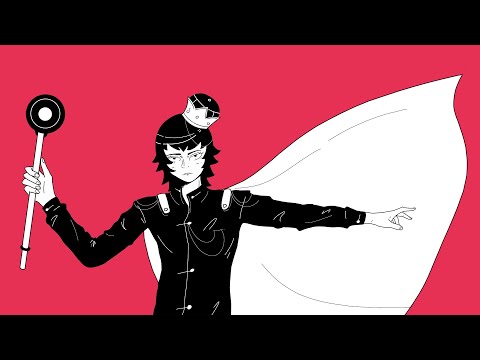
Milky Way Prince – The Vampire Star

PC (Microsoft Windows), Mac, PlayStation 4, Xbox One, Xbox Series X|S, Nintendo Switch, PlayStation 5 • 2020

Related articles

Quick resume

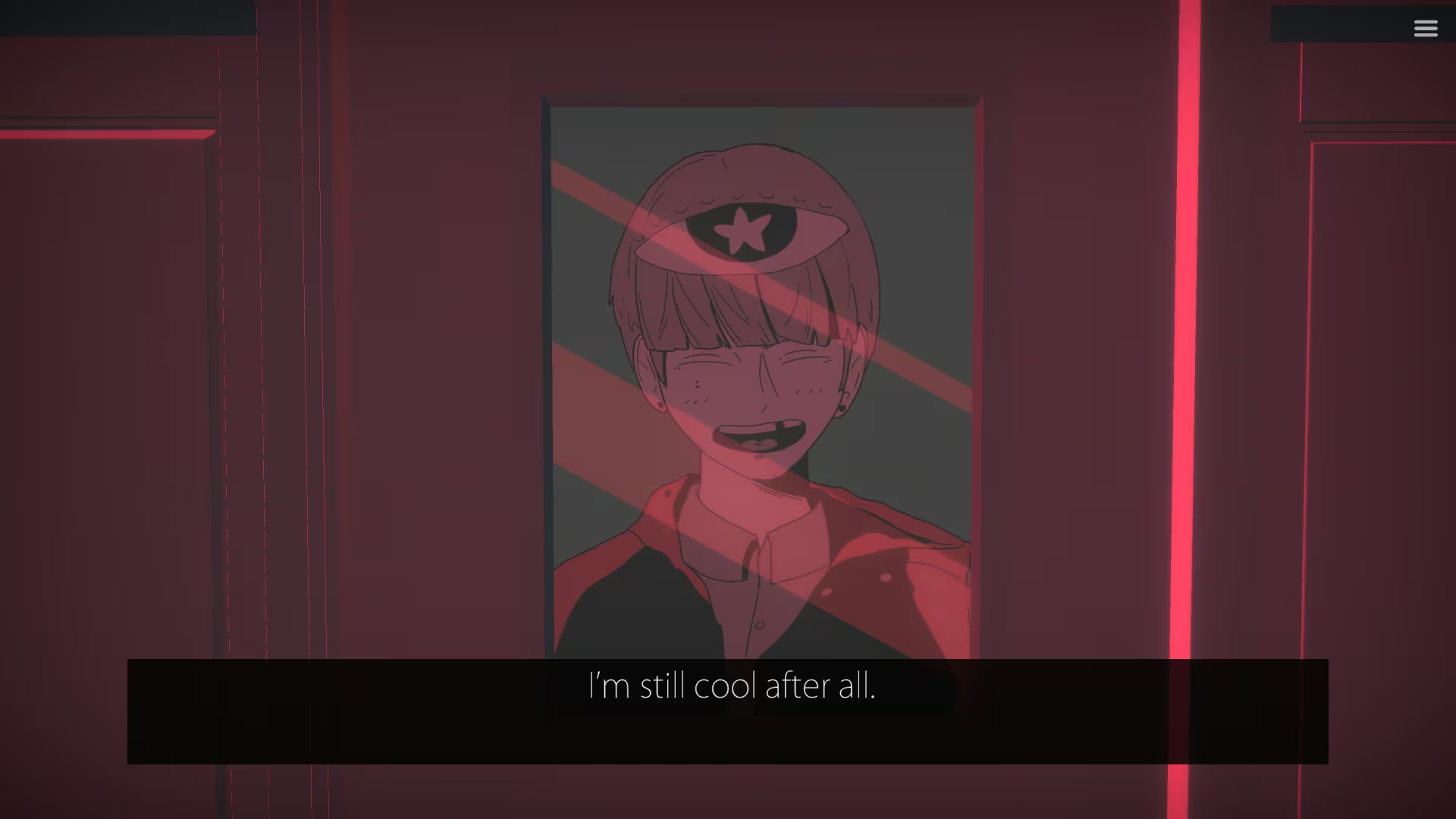
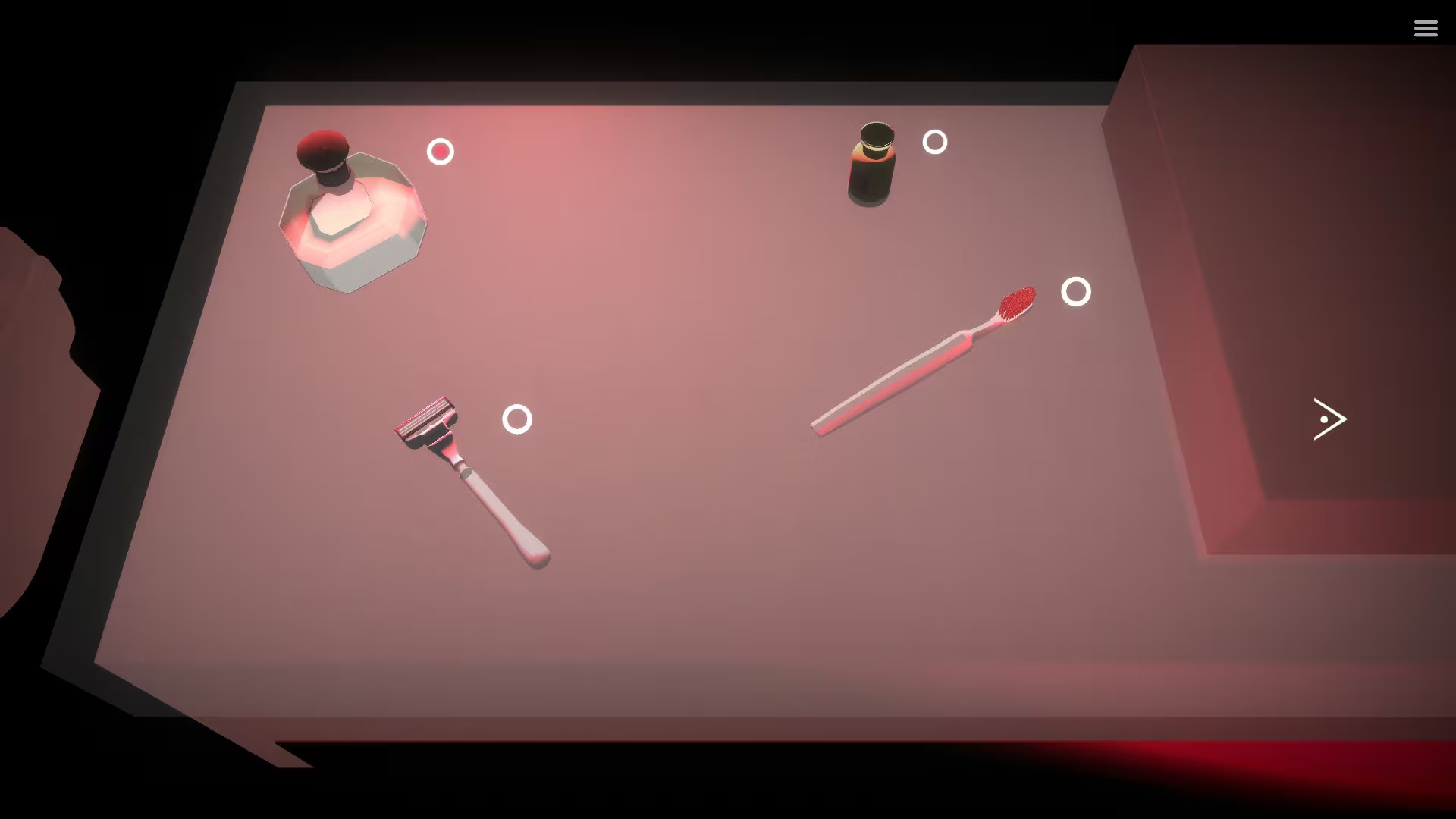
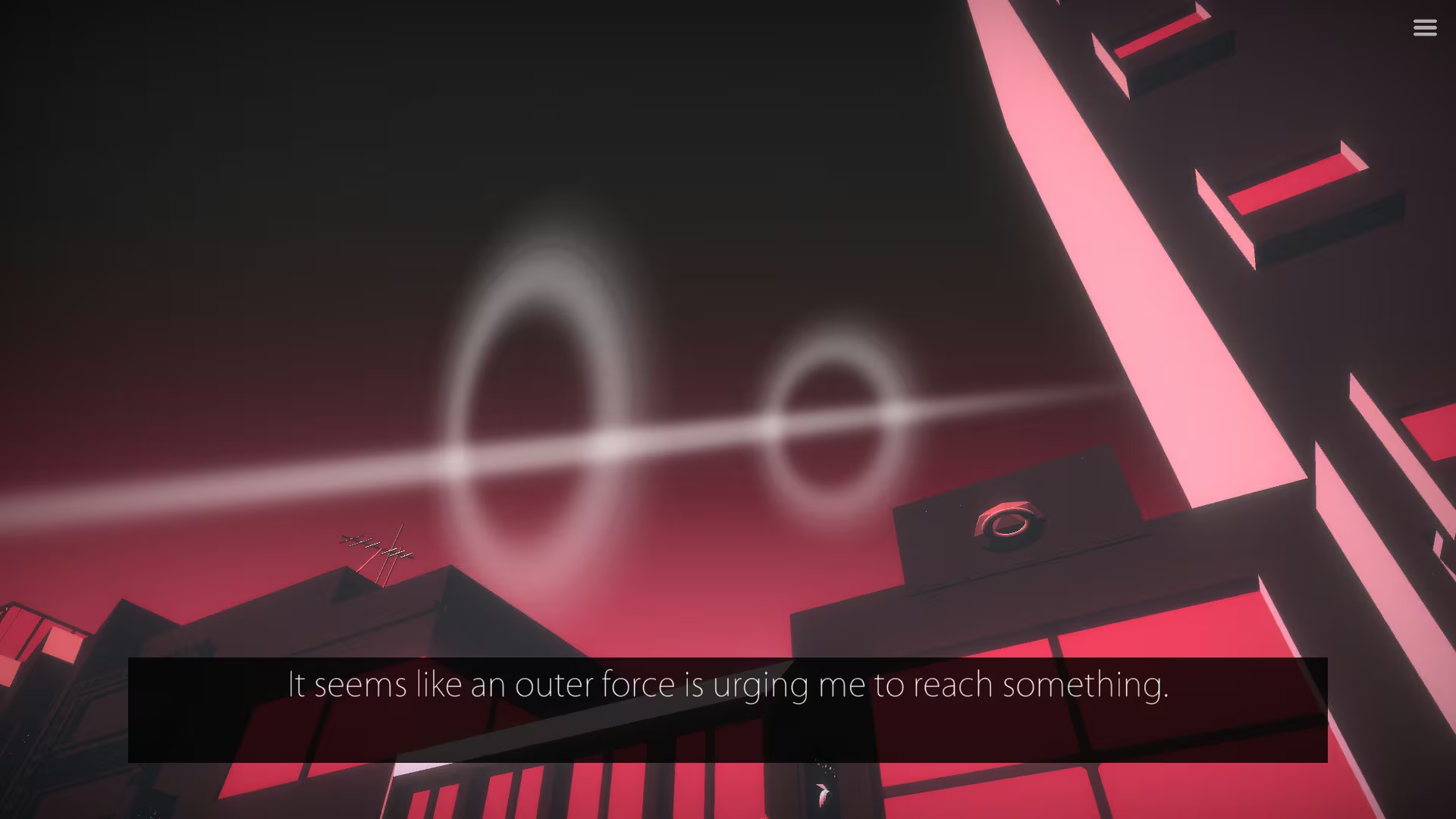
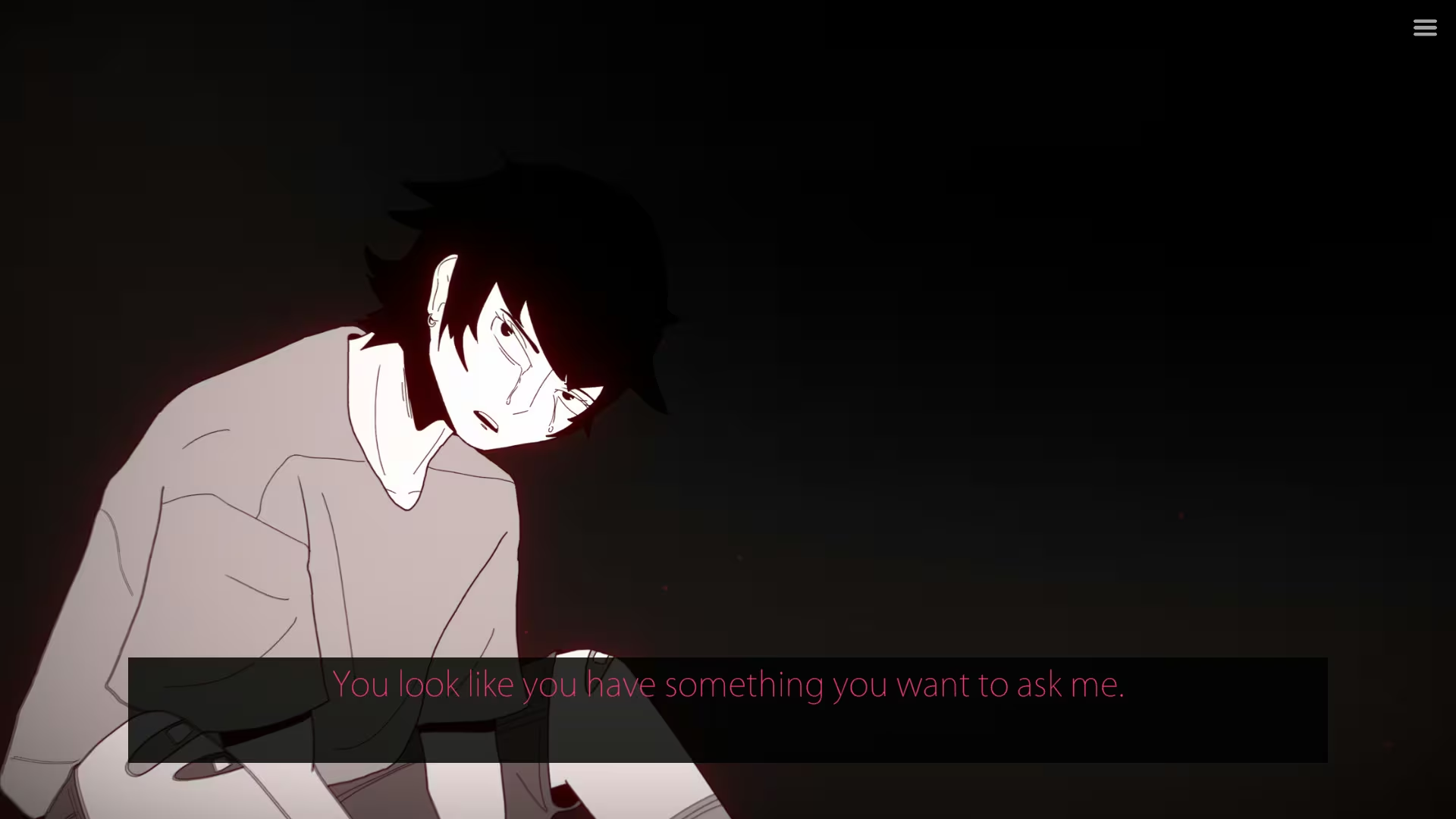
A visual novel about an abusive relationship, idealization, and intimacy. Live a summer of dysfunctional love through branching storylines, twists, sudden changes, and an innovative mechanic where you choose which senses to use with your boyfriend.

Global score

79/100

Genres

Adventure, Indie, Visual Novel, Simulator

Similar games

    Pros

    • Deep, emotionally impactful narrative
    • Unique artistic and symbolic visual style
    • Multiple endings encouraging reflection
    • Excellent sound design and music
    • Meaningful exploration of mental health and relationships

    Cons

    • Slow pacing and lack of skip options
    • Limited gameplay interaction
    • Save system forces replay from start for endings
    • Heavy, potentially triggering content
    • Characters sometimes perceived as flat or unrelatable

    Analysis

    Broadly representative of its motivational profile, with a few distinct shifts. Motivations that often define this kind of title include Strategy, Survival, Competence, Violence. Here, the score leans higher than usual among comparable games on Intimacy, Expression. It leans lower than usual among comparable games on Relaxation.

    How to use the graph
    Similar games map

    Each dot is a game. They are arranged from the same motivation profile as in the “Motivations” section below. Closer dots usually mean more similar reasons to play (exploration, competition, relaxation, etc.)—not that one game is “better” than another.

    • Larger dot with a light outline: the game you are viewing.
    • Colour: groups of games with comparable motivation patterns (statistical clusters).
    • Hover a dot to see the game name; click to open its page.
    • Scroll or double-click the chart to zoom out and see more games.

    Why don’t the axes read like a score? This view uses t-SNE: it only keeps who is close to whom. The scales are not “good to bad” or hours played—they separate groups on the map. Read distance between dots, not the axis numbers.

    Motivations

    • Autonomy
      2

      "Players make choices affecting the story and endings, but within a structured visual novel format with limited interaction."

    • Competence
      -2

      "Gameplay is simple point-and-click with minimal skill challenge; focus is on narrative rather than technical mastery."

    • Competition
      -5

      "No competitive elements; experience is personal and introspective without player comparison."

    • Continuation
      1

      "Some players replay to explore multiple endings despite emotional difficulty; others find replay tedious."

    • Cooperation
      -5

      "Single-player experience focused on personal story; no multiplayer or cooperative play."

    • Creativity
      3

      "Unique artistic style and symbolic storytelling offer creative expression beyond standard visual novels."

    • Domination
      -5

      "No elements of exerting control or superiority over others; interactions are narrative-driven."

    • Escapism
      3

      "Players use the game to explore and process difficult emotions and trauma, providing emotional escape and catharsis."

    • Expectation
      -4

      "Players engage voluntarily for personal reasons, often seeking emotional insight or healing."

    • Experimenting
      2

      "Multiple endings and choices encourage some experimentation with narrative paths."

    • Exploration
      1

      "Exploration is metaphorical and narrative-based rather than physical; players discover story layers."

    • Expression
      3

      "Artistic visuals and symbolic elements allow for expressive storytelling and emotional conveyance."

    • Fantasy
      2

      "Contains surreal and symbolic elements, blending fantasy with psychological realism."

    • Fellowship
      -5

      "Experience is solitary and introspective with minimal social interaction."

    • Growth
      4

      "Players reflect on mental health, relationships, and personal development through narrative."

    • Health
      -5

      "Sedentary gameplay with no physical activity or health-related mechanics."

    • Idle
      -3

      "Requires focused attention; slow pacing and lack of skip options demand sustained engagement."

    • Intimacy
      4

      "Deep emotional themes and personal storytelling foster feelings of intimacy and vulnerability."

    • Leadership
      -5

      "No leadership or group management elements; purely individual experience."

    • Progression
      1

      "Narrative progression through story and endings rather than item or power accumulation."

    • Relaxation
      -3

      "Emotional intensity and heavy themes create tension rather than relaxation."

    • Sensation
      3

      "Unique art and sound design provide strong sensory and emotional stimulation."

    • Status
      -5

      "No social recognition or status mechanics; experience is private and personal."

    • Story
      5

      "Highly narrative-driven with deep, immersive storytelling and multiple endings."

    • Strategy
      -3

      "Limited strategic decision-making; choices affect story but lack complex planning."

    • Thrill
      1

      "Some suspense and emotional tension present, but no traditional thrill or risk gameplay."

    • Value
      1

      "Players find emotional and artistic value, though some note replay tedium and pacing issues."

    • Violence
      -4

      "No combat or destructive gameplay; focus on emotional and psychological themes."

    • Survival
      -4

      "No survival mechanics; stable narrative environment without resource or threat management."

    Last update: 29/04/2026