What Comes After Thumbnail

What Comes After similar games & best alternatives

What Comes After

PC (Microsoft Windows), SteamVR, Meta Quest 2 • 2020

Related articles

Quick resume

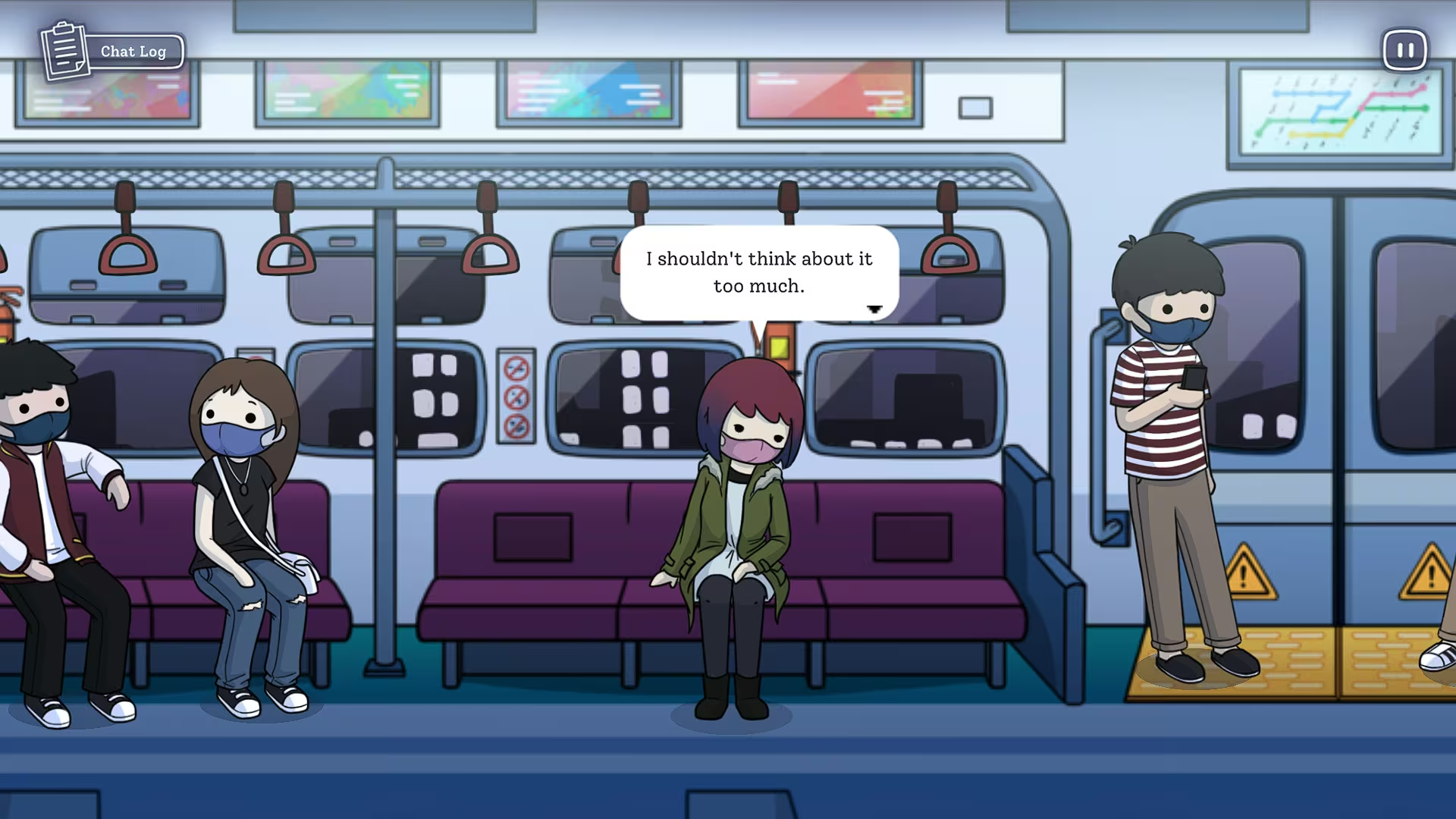
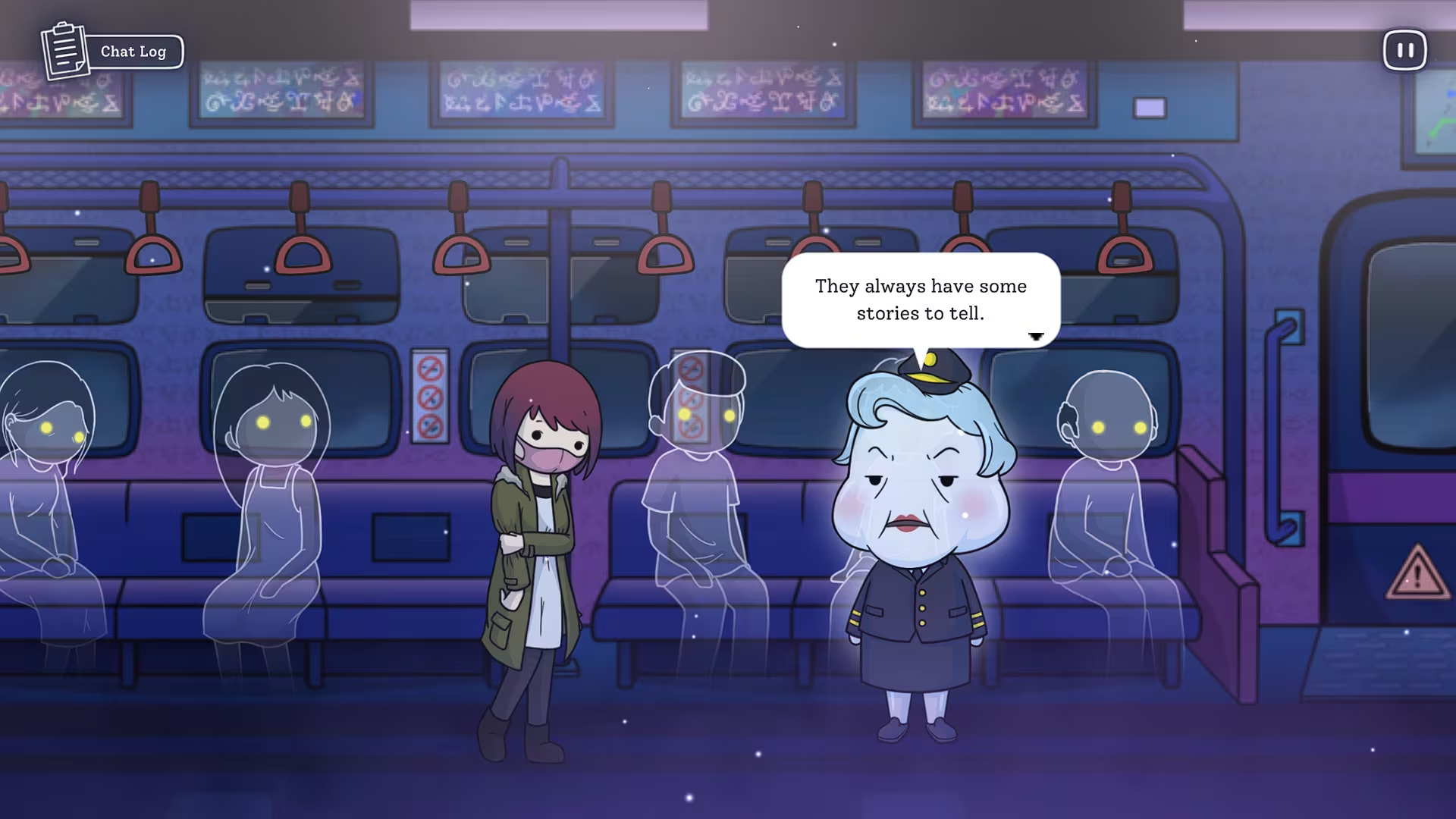
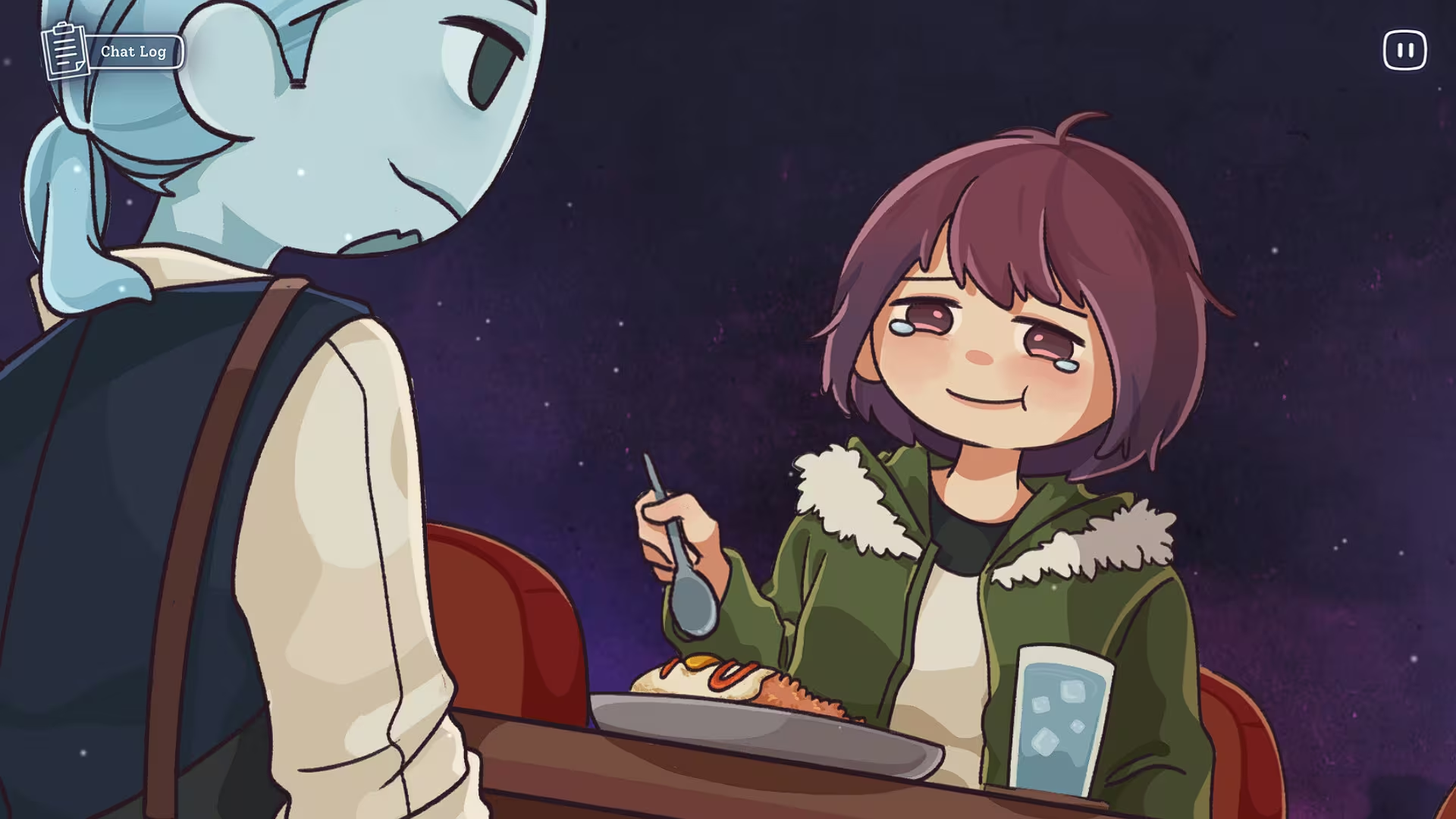
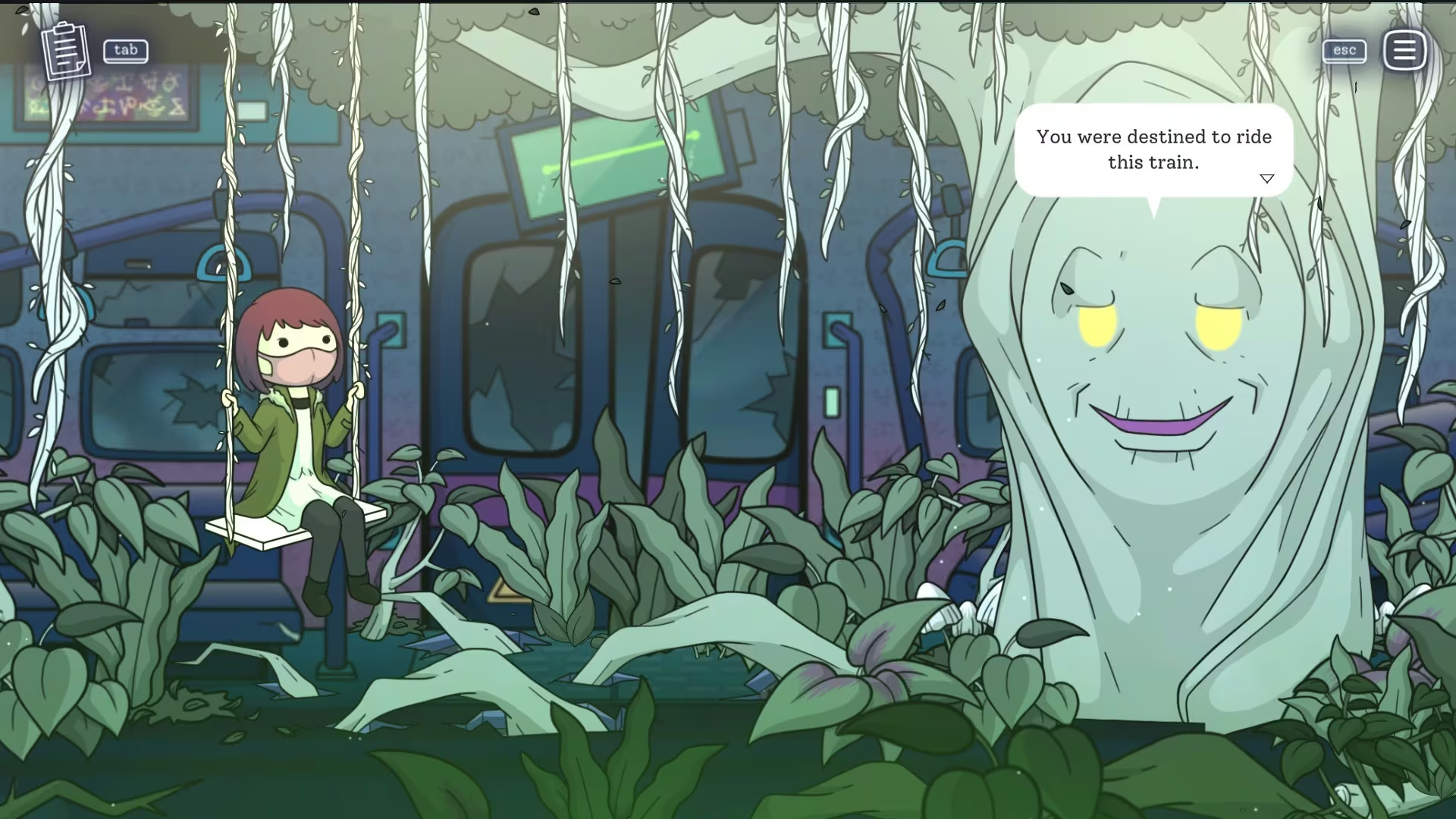
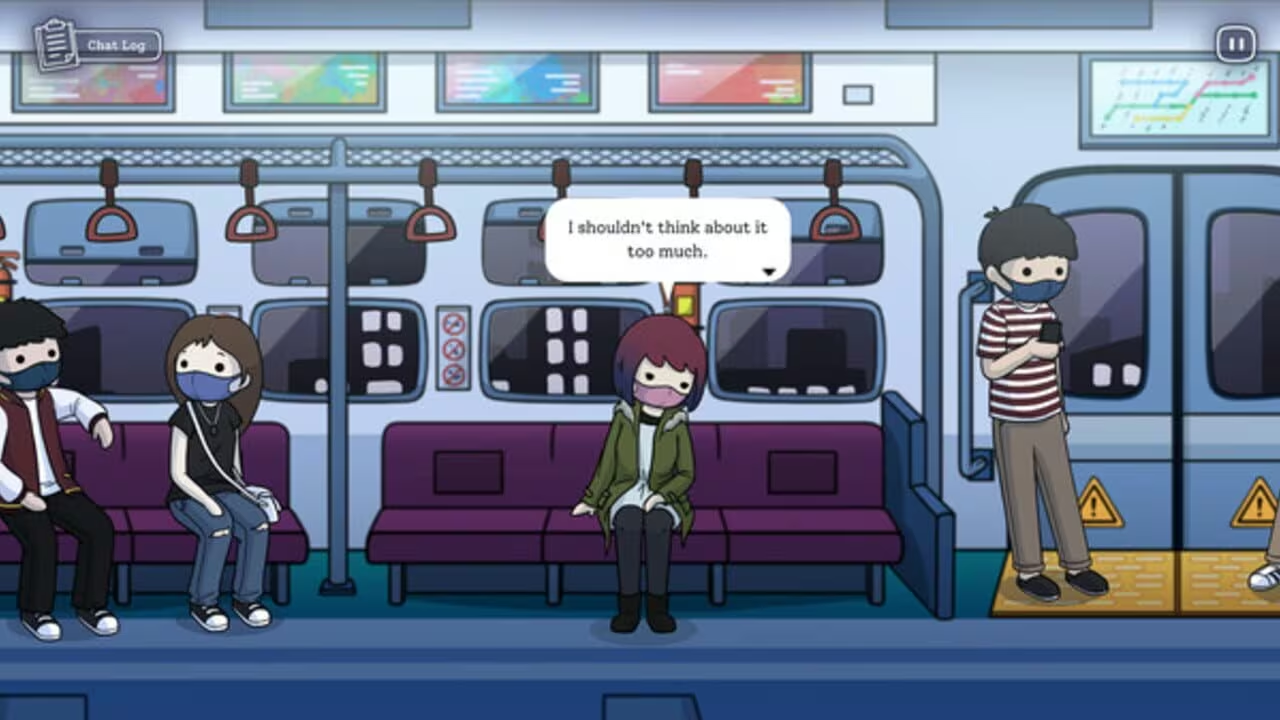
What Comes After is a side-scrolling adventure and a short heartwarming story about learning how to love yourself. Help Vivi in her journey on the train to the afterlife and back.

Global score

90/100

Genres

Adventure, Casual, Indie

Similar games

    Pros

    • Heartfelt and emotional story
    • Thought-provoking themes on life and death
    • Simple and charming art style
    • Soothing soundtrack
    • Accessible gameplay suitable for all players

    Cons

    • Very short playtime
    • Minimal gameplay mechanics
    • Limited replayability
    • Some dialogue feels surface-level
    • Achievements had minor bugs

    Analysis

    Broadly representative of its motivational profile, with a few distinct shifts. Motivations that often define this kind of title include Strategy, Survival, Competence, Violence. Here, the score leans higher than usual among comparable games on Intimacy, Growth. It leans lower than usual among comparable games on Idle.

    How to use the graph
    Similar games map

    Each dot is a game. They are arranged from the same motivation profile as in the “Motivations” section below. Closer dots usually mean more similar reasons to play (exploration, competition, relaxation, etc.)—not that one game is “better” than another.

    • Larger dot with a light outline: the game you are viewing.
    • Colour: groups of games with comparable motivation patterns (statistical clusters).
    • Hover a dot to see the game name; click to open its page.
    • Scroll or double-click the chart to zoom out and see more games.

    Why don’t the axes read like a score? This view uses t-SNE: it only keeps who is close to whom. The scales are not “good to bad” or hours played—they separate groups on the map. Read distance between dots, not the axis numbers.

    Motivations

    • Autonomy
      3

      "Players control Vivi's movement and choose to talk to various characters, but narrative choices are limited to two endings, indicating moderate player control."

    • Competence
      -3

      "Gameplay is simple walking and dialogue interaction with no skill-based challenges, focusing on narrative rather than technical mastery."

    • Competition
      -5

      "No competitive elements or comparison to others; experience is personal and introspective."

    • Continuation
      1

      "Short playtime (~1-2 hours) with some replay for alternate endings and achievements, but generally a one-time experience."

    • Cooperation
      -5

      "Single-player experience focused on individual reflection without multiplayer or teamwork."

    • Creativity
      1

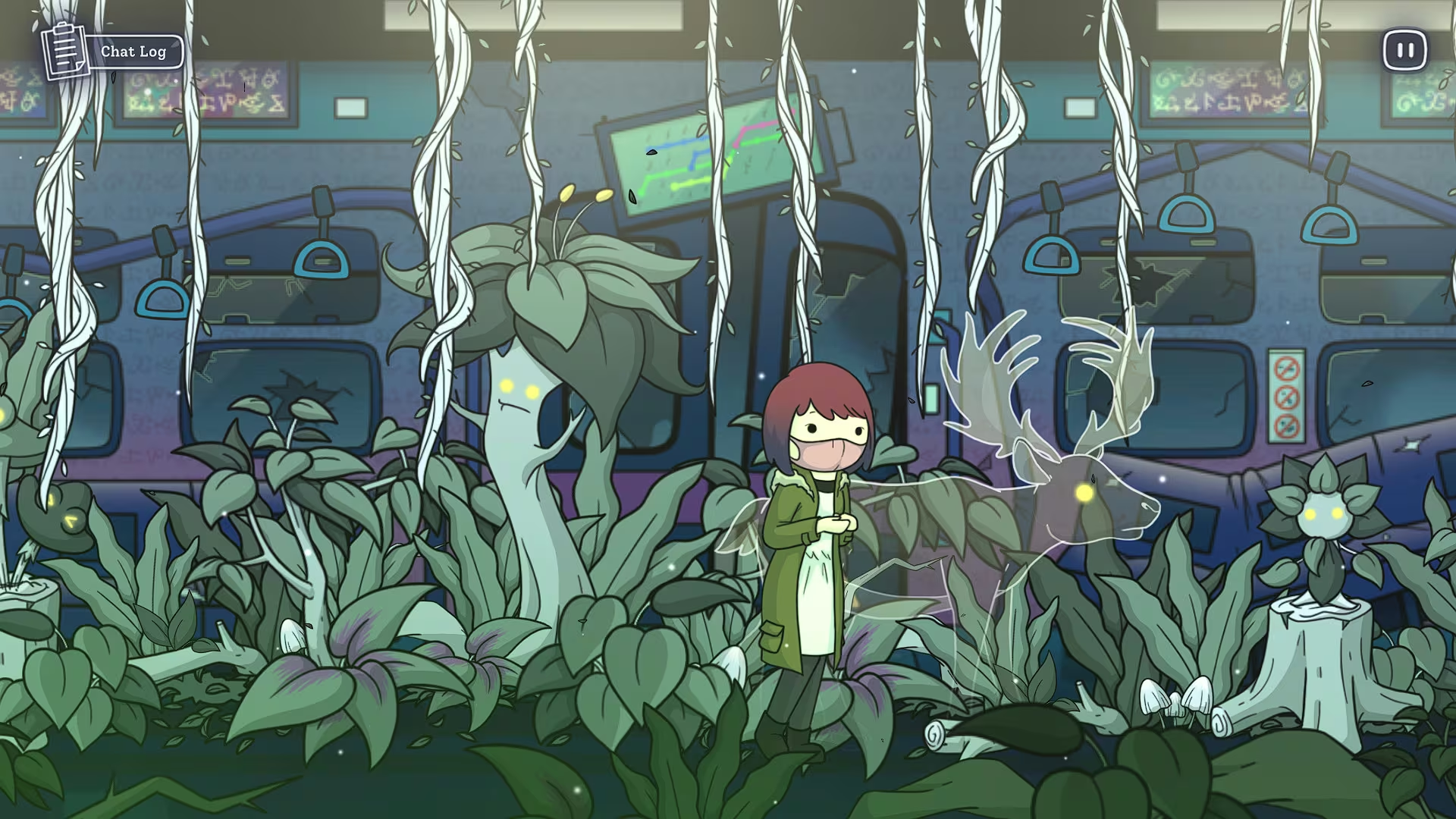
      "Limited player creativity; some interaction with environment (petting animals) but mostly predefined narrative."

    • Domination
      -5

      "No elements of exerting control or superiority over others; interactions are empathetic and equal."

    • Escapism
      4

      "Players use the game to reflect, find comfort, and escape real-life stress through emotional narrative and themes of life and death."

    • Expectation
      -4

      "Players engage voluntarily for personal meaning and emotional connection rather than obligation or external pressure."

    • Experimenting
      -3

      "Gameplay is linear with limited exploration of mechanics; focus is on story rather than experimentation."

    • Exploration
      2

      "Exploration of different characters and their stories on the train offers some discovery, though environment is limited."

    • Expression
      -4

      "No character customization or player-driven expression; presentation is fixed and narrative-driven."

    • Fantasy
      3

      "Game features imaginative afterlife setting with ghosts, animals, and plants personified, blending fantasy with real-life themes."

    • Fellowship
      -4

      "Experience is solitary and introspective, with minimal social or community interaction."

    • Growth
      5

      "Strong emphasis on personal development, self-reflection, and emotional growth through narrative."

    • Health
      -5

      "Sedentary gameplay with no physical activity or health-related mechanics."

    • Idle
      -4

      "Requires focused attention on reading and narrative; not designed for background or idle play."

    • Intimacy
      3

      "Emotional and intimate themes foster deep personal connection, though social interaction is limited to narrative."

    • Leadership
      -5

      "No leadership or group management elements; player follows a set narrative path."

    • Progression
      2

      "Progression is narrative-based with unlocking achievements and two endings, but no item or power accumulation."

    • Relaxation
      4

      "Calm pacing, soothing music, and reflective tone promote relaxation and emotional catharsis."

    • Sensation
      2

      "Simple visuals and music provide gentle sensory stimulation without intense excitement."

    • Status
      -5

      "No social status or recognition mechanics; experience is private and personal."

    • Story
      5

      "Core focus on narrative immersion with deep, emotional storytelling and character interactions."

    • Strategy
      -5

      "No strategic or problem-solving gameplay; linear story progression."

    • Thrill
      -4

      "No suspense or risk; experience is contemplative and emotionally steady."

    • Value
      3

      "Players perceive good value in emotional impact and meaningful story despite short length."

    • Violence
      -5

      "No violence or combat; focus on constructive, empathetic interactions."

    • Survival
      -5

      "No survival or threat mechanics; stable, safe narrative environment."

    Last update: 29/04/2026