The Guild II Renaissance similar games & best alternatives
No screenshot has been retrieved yet
Should you play it?
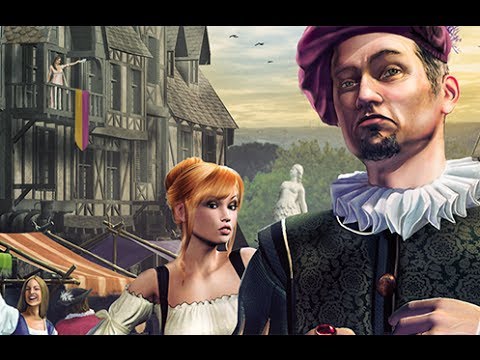
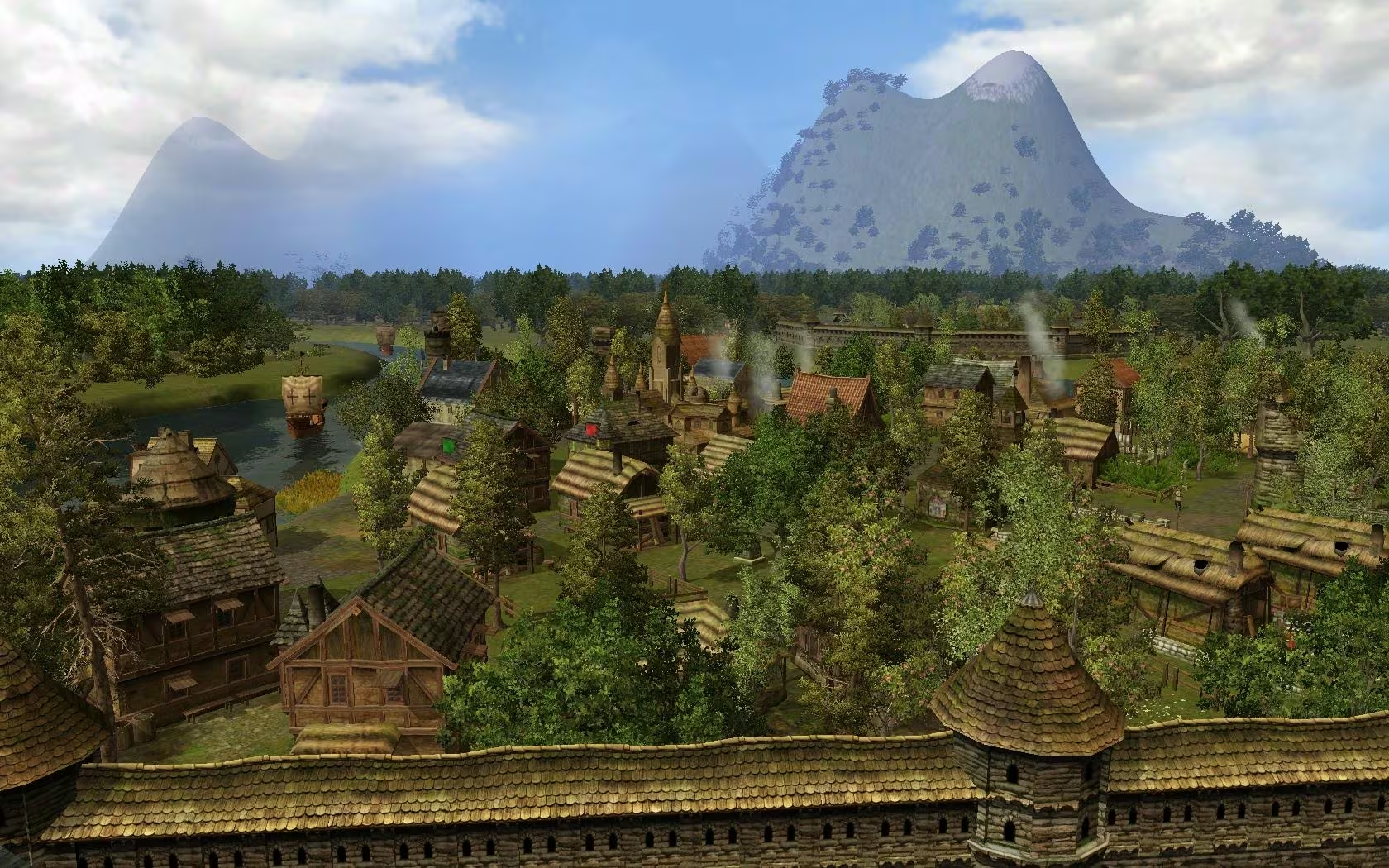
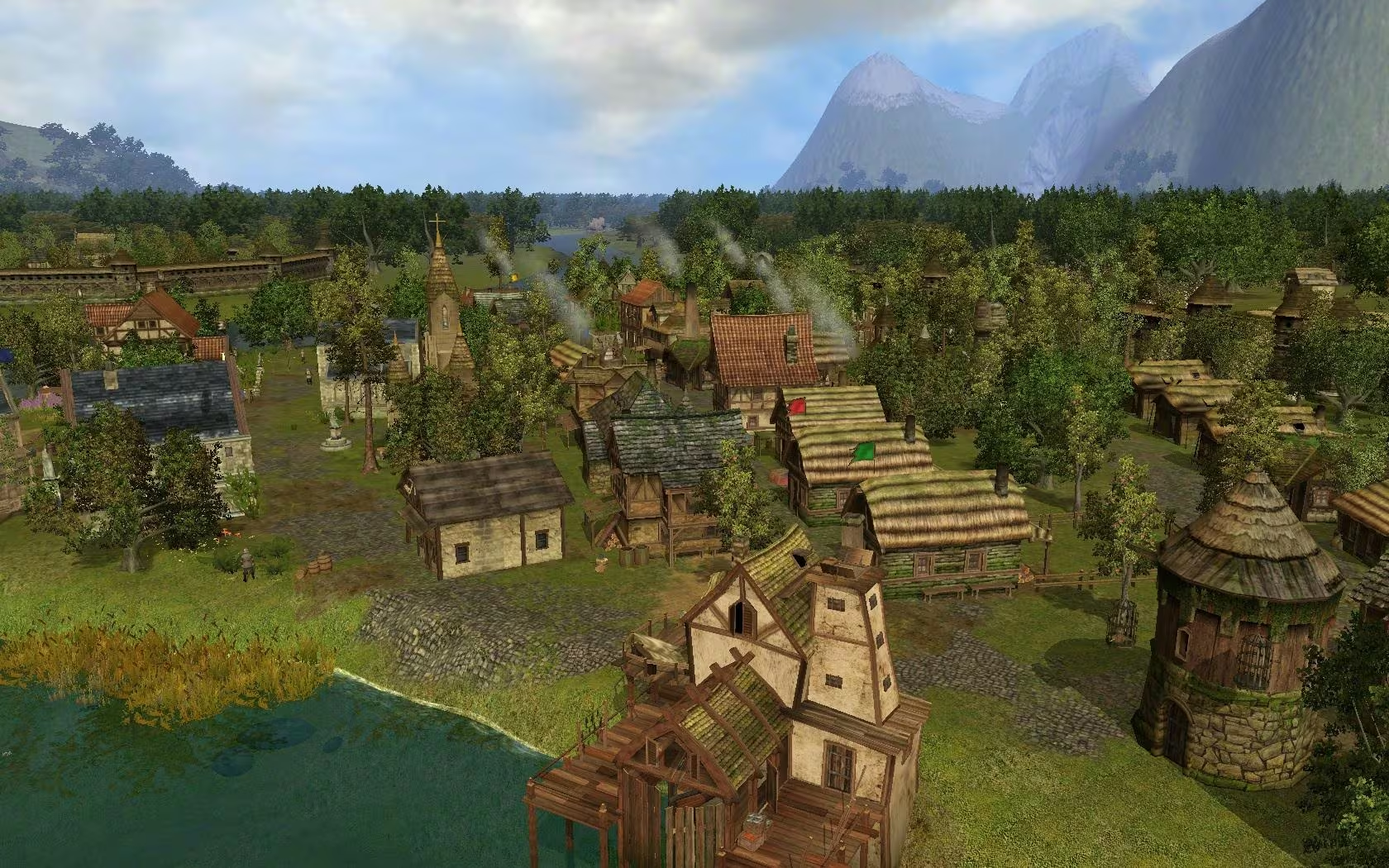
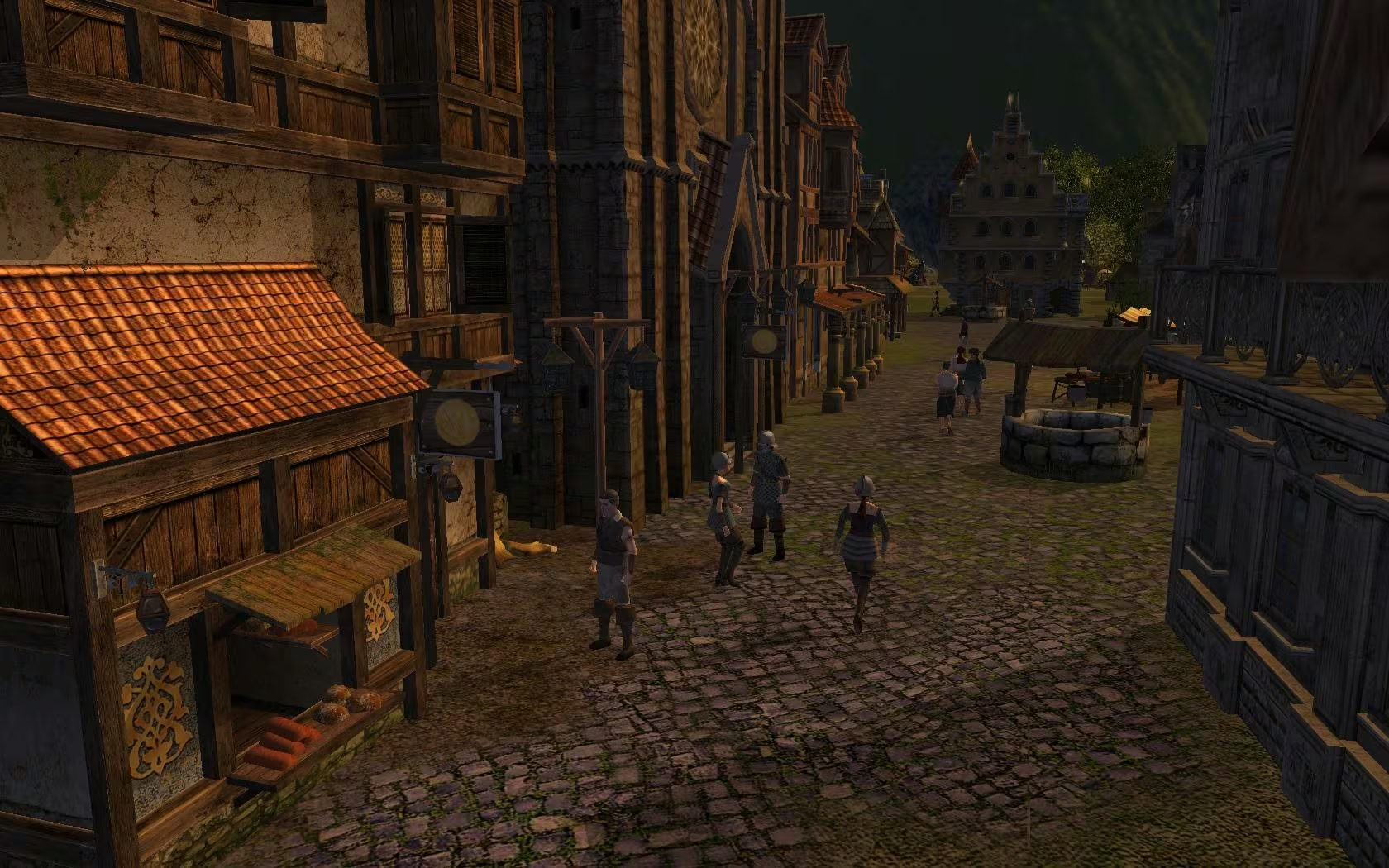
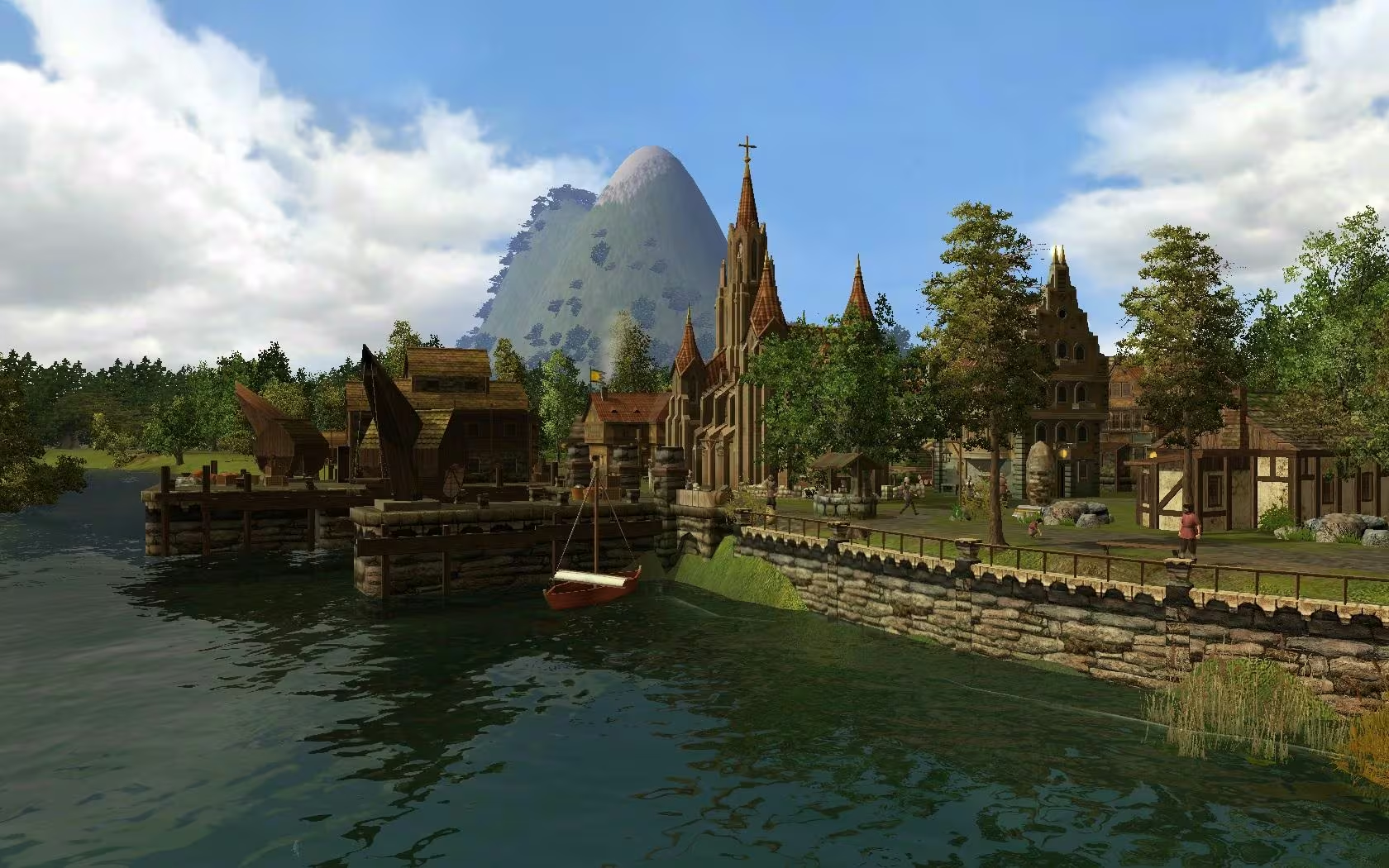
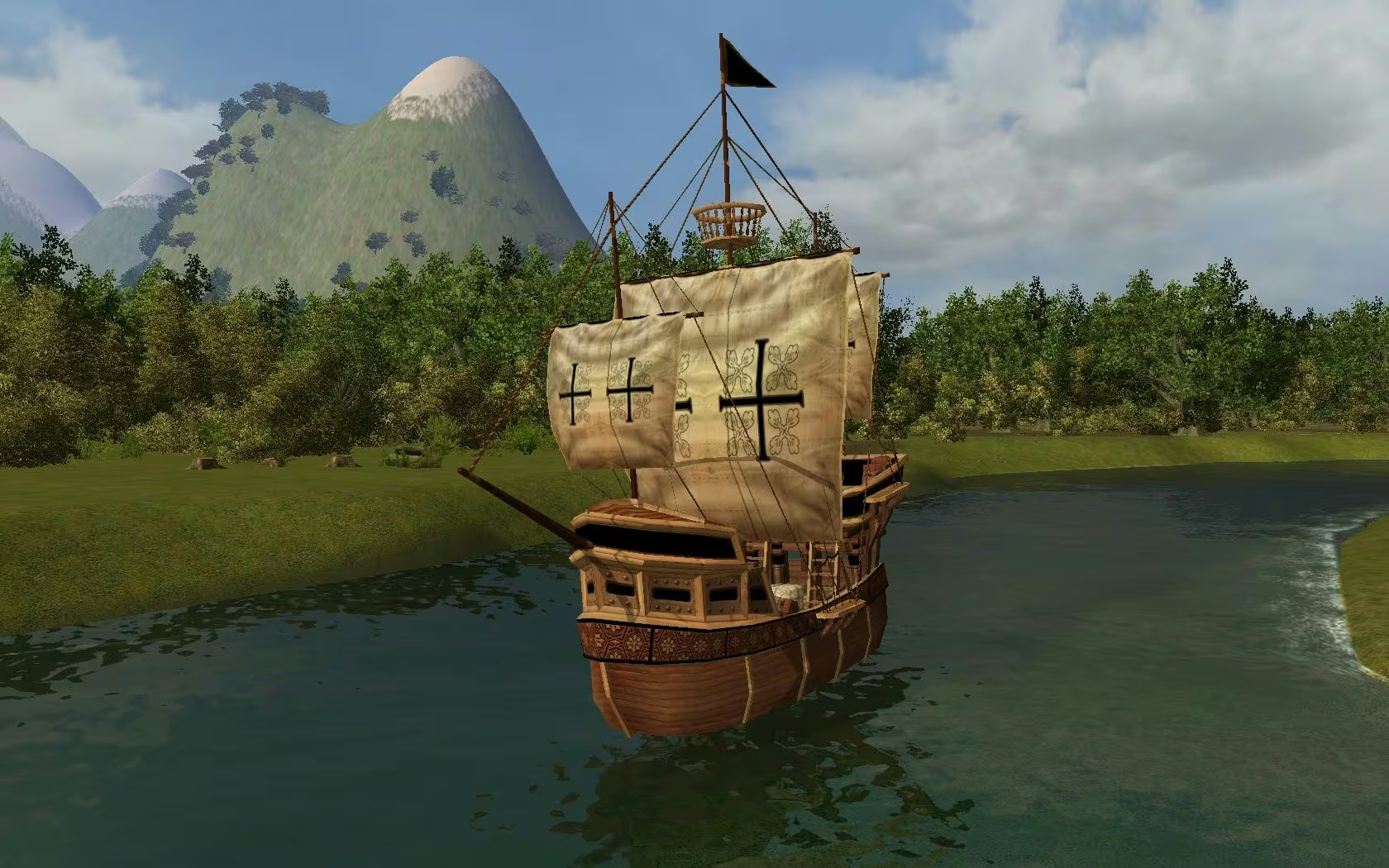
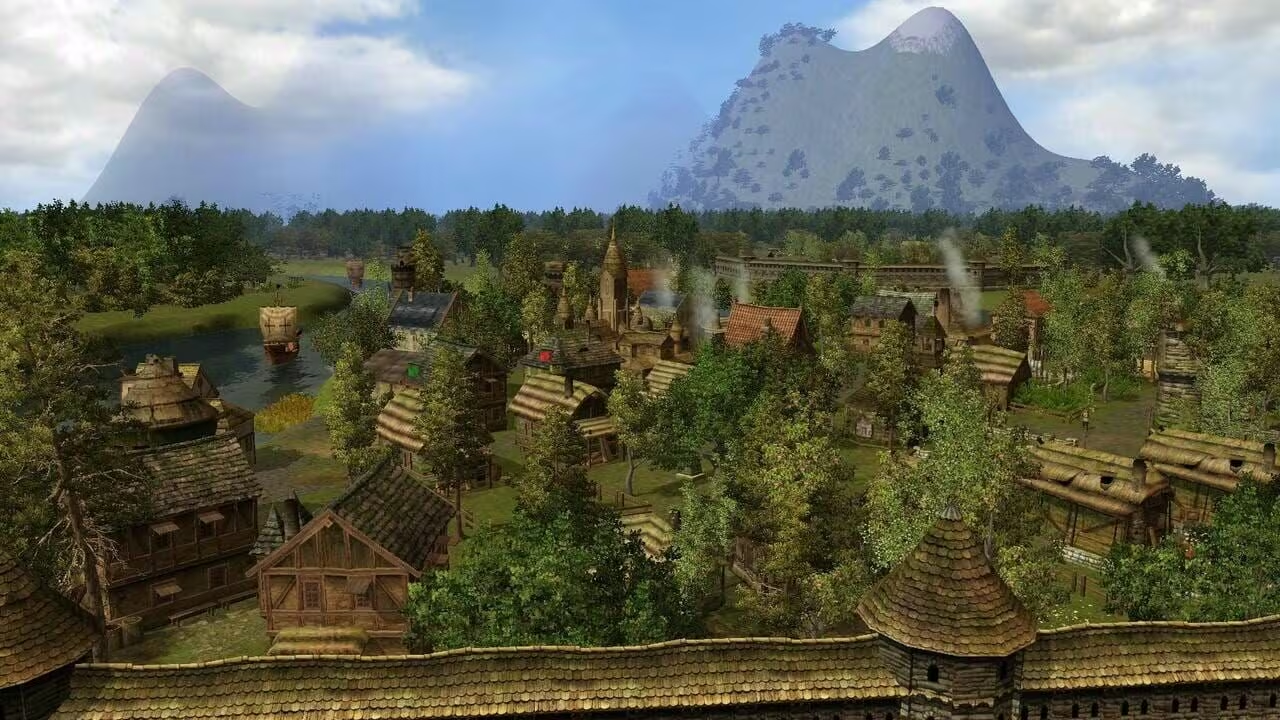
For centuries Europe has been dominated by the church and nobility. On the shoulders of ordinary people the servants of god and the noble families justified their power and wealth. This was the incontrovertible, divine world order. A truly dark era… In the 14th Century the world order is beginning to transform itself.
What works
- Deep and unique medieval economic and political simulation
- High player freedom and multiple career paths
- Engaging dynasty and family management
- Complex strategy and emergent narrative
- Active modding community improving stability
Things to keep in mind
- Numerous bugs and technical issues
- Steep learning curve and clunky ui
- Multiplayer limited to lan and unstable
- Tedious micromanagement and slow pace
- Dated graphics and sound
What to play next
Top picks
Games that feel the closest overall
More fantastical
Games that feels like The Guild II Renaissance but with more imaginative fiction · 12 games


More relaxing
Games that feels like The Guild II Renaissance but with a more relaxing feel · 5 games
Less status-driven
Games that feels like The Guild II Renaissance but with less focus on status and recognition · 3 games


Less competitive
Games that feels like The Guild II Renaissance but with less competition against others · 3 games

Others
Other games that might remind you of The Guild II Renaissance · 18 games
-
Age of Empires II: Definitive Edition
-

American Conquest: Fight Back
-
Land of the Vikings
-
Cossacks 3
-
Knights of Honor II: Sovereign
-
Men of War: Assault Squad
-
Cossacks: Back to War
-
War Selection
-
Cossacks: Art of War
-
Ymir
-
Oriental Empires
-
NOBUNAGA'S AMBITION: Sphere of Influence - Ascension
-

KINGDOMS
-
The Guild 1 Remake: Europa 1410
-
Railroad Tycoon 3
-
Evil Bank Manager
-
Command & Conquer™ Generals
-
Company of Heroes: Opposing Fronts
Last update: 06/10/2026