CRUMB Circuit Simulator Thumbnail

CRUMB Circuit Simulator similar games & best alternatives

CRUMB Circuit Simulator

PC (Microsoft Windows) • 2022

Related articles

Quick resume

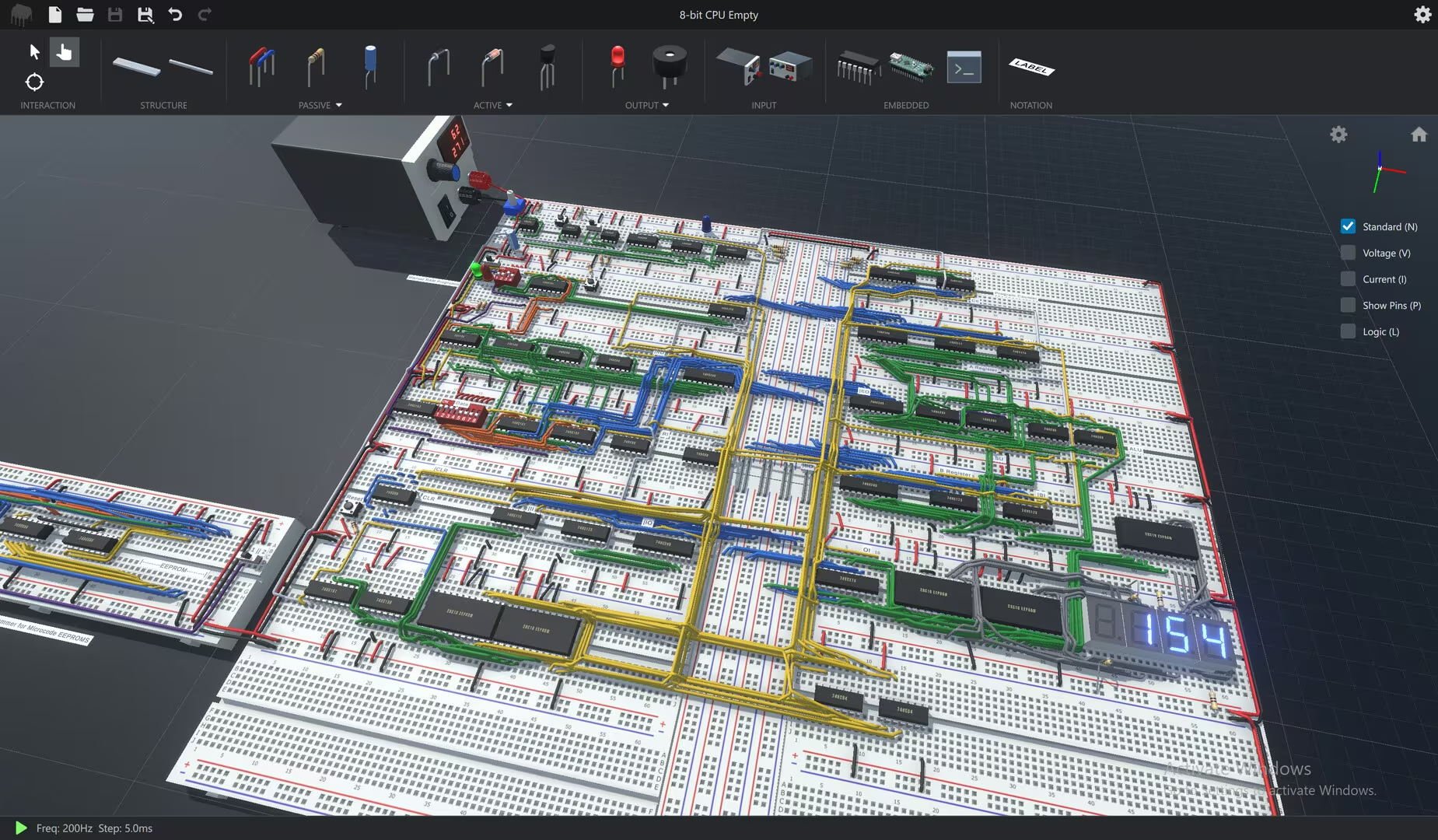
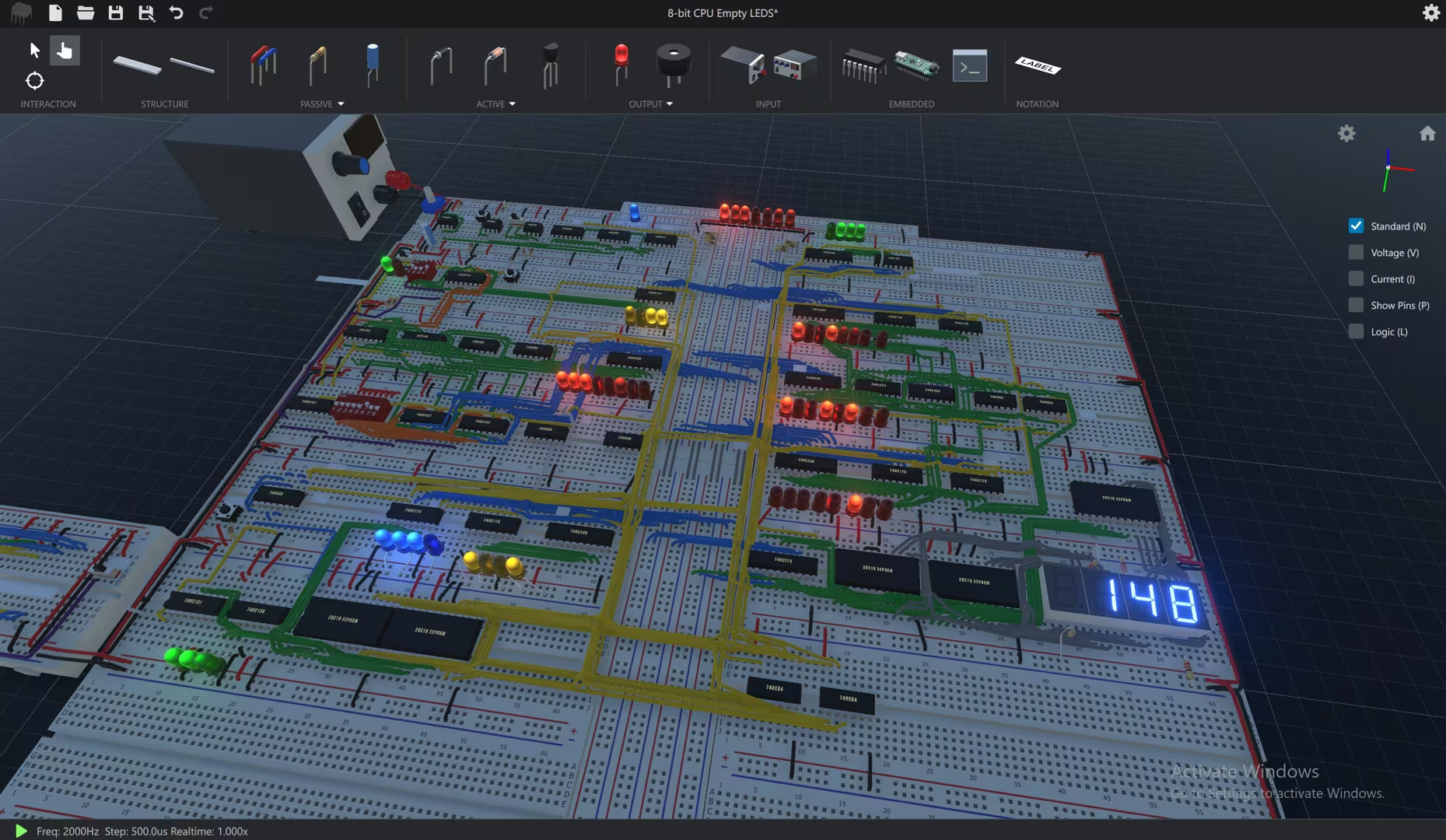
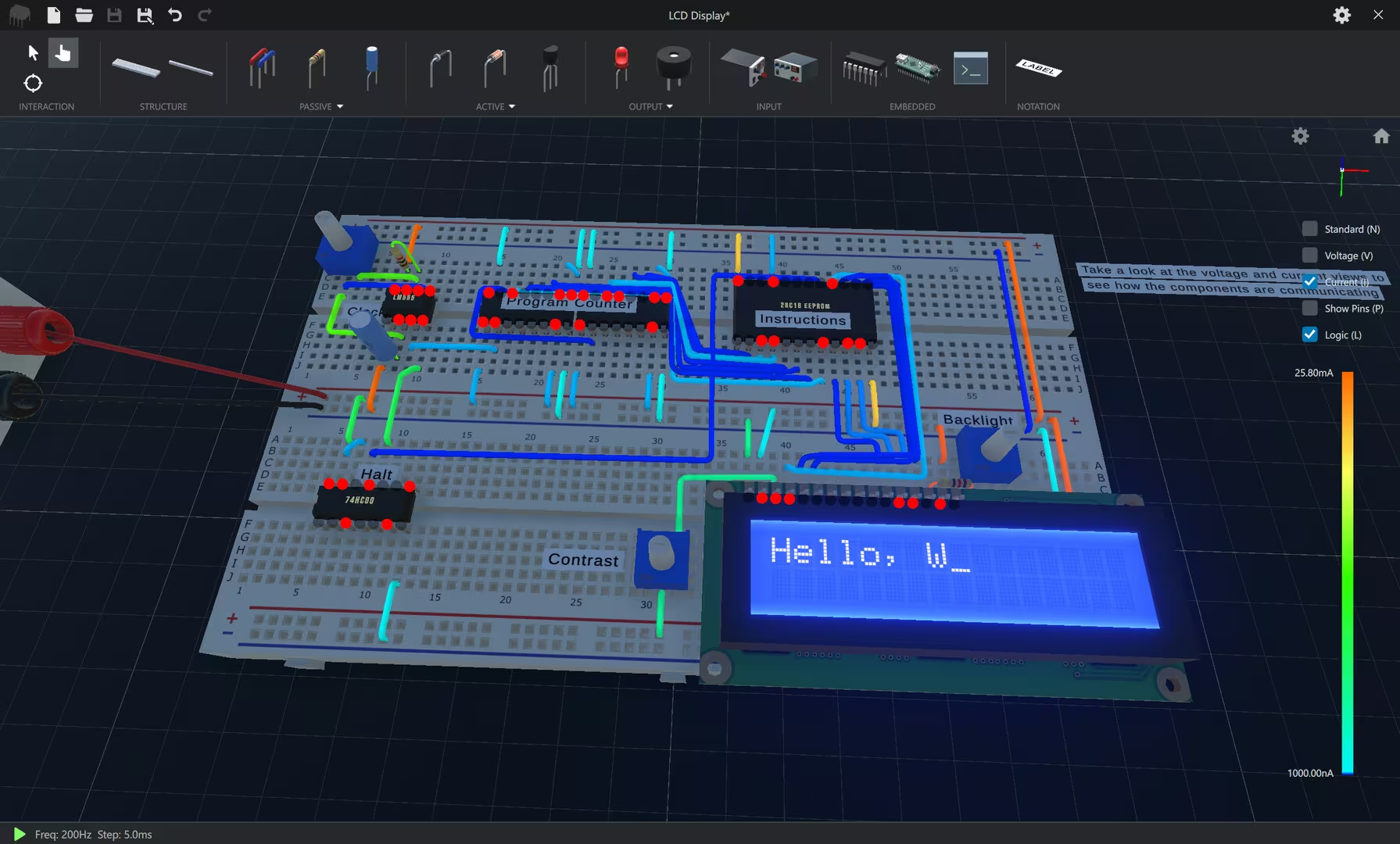
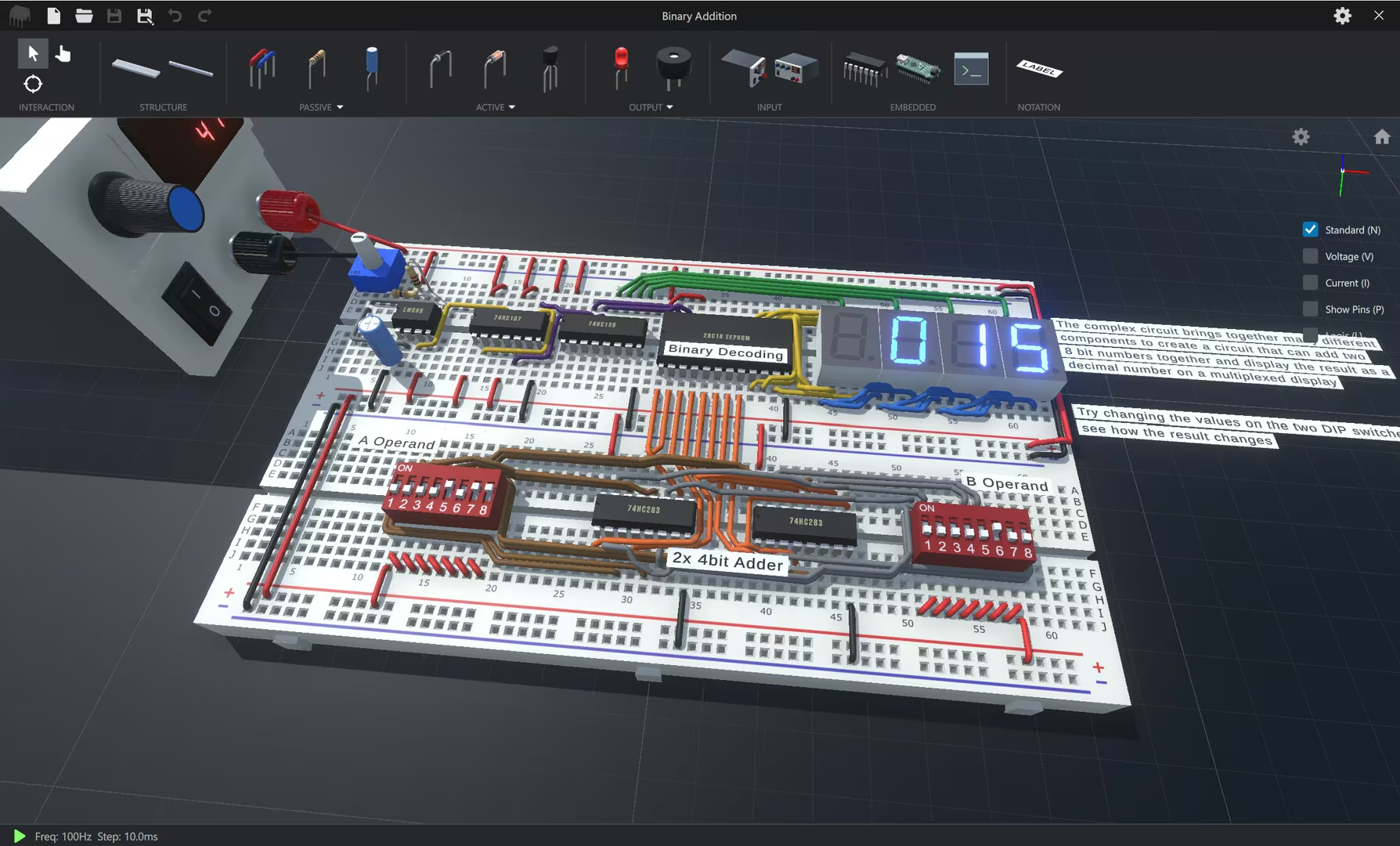
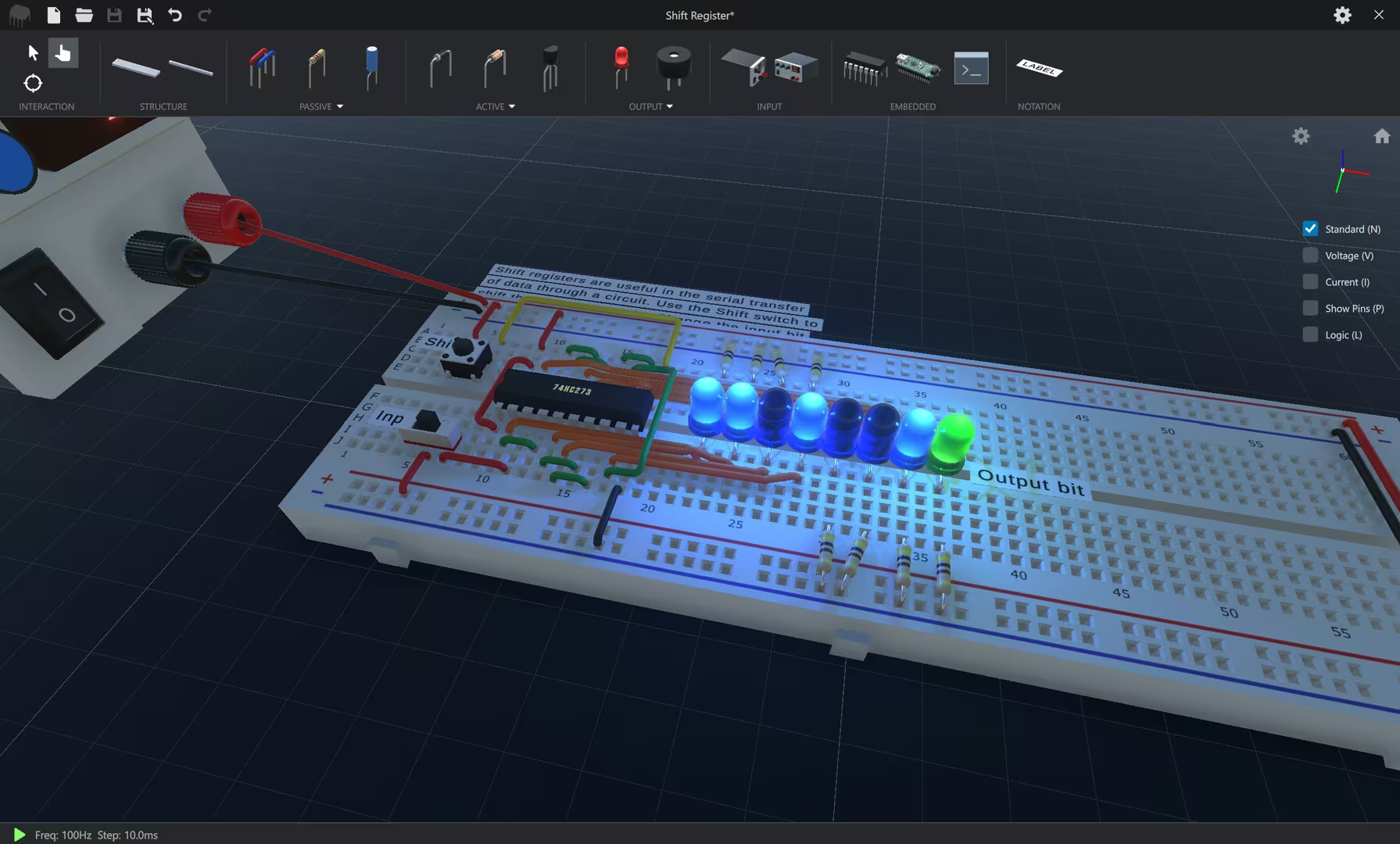
Powerful Realtime 3D Electronic Circuit Simulator

Global score

78/100

Genres

Simulator

Pros

  • Accessible and realistic circuit simulation
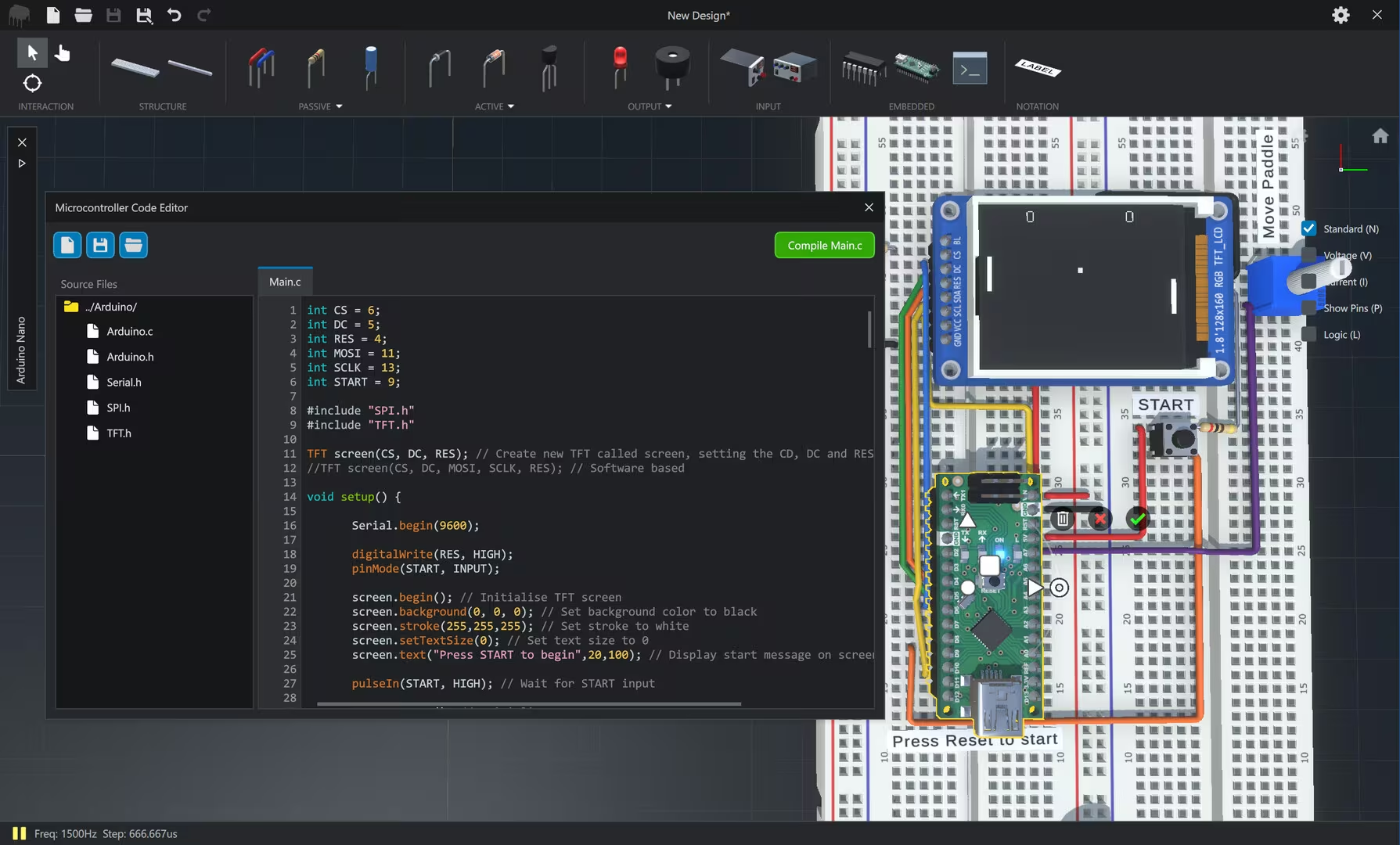
  • Supports arduino programming
  • Affordable alternative to physical components
  • Active developer engagement and updates
  • Useful learning and prototyping tool

Cons

  • Limited component variety
  • Clunky and unintuitive ui
  • Lack of tutorials and guided learning
  • Frequent crashes and bugs reported
  • No social or multiplayer features

Motivations

  • Autonomy
    4

    "Players have freedom to design and simulate their own circuits without preset goals or linear tasks, emphasizing personal control and creativity."

  • Competence
    3

    "Users engage in learning and testing circuit designs with feedback from simulation, though some find the learning curve steep and the UI clunky."

  • Competition
    -4

    "Focus is on individual experimentation and learning without competitive or ranked elements."

  • Continuation
    2

    "Some users report long sessions and habitual use for learning and prototyping, though others note crashes and UI issues that may limit engagement."

  • Cooperation
    -3

    "Primarily a single-player tool with limited social or cooperative gameplay; community involvement mainly through sharing ideas and suggestions."

  • Creativity
    4

    "Strong emphasis on creating and modifying circuits, prototyping, and experimenting with components and Arduino code."

  • Domination
    -5

    "No evidence of exerting control or superiority over others; experience is individual and collaborative in spirit."

  • Escapism
    2

    "Users enjoy distraction and stress relief through tinkering and learning electronics, though it is also used for meaningful skill development."

  • Expectation
    -4

    "Engagement is driven by personal interest and intrinsic motivation rather than obligation or external pressure."

  • Experimenting
    4

    "Players try new circuit designs, test components, and explore Arduino programming within the simulation."

  • Exploration
    -2

    "Exploration is limited to known circuit components and layouts; no open-world or discovery elements."

  • Expression
    3

    "Users express themselves through custom circuit designs and Arduino code, though cosmetic customization is minimal."

  • Fantasy
    -5

    "Simulation focuses on realistic electronics and breadboarding rather than imaginative or fictional scenarios."

  • Fellowship
    -3

    "Limited social features; community exists mainly through forums and shared resources rather than in-game interaction."

  • Growth
    4

    "Strong focus on learning electronics, developing skills, and understanding circuit theory."

  • Health
    -5

    "Sedentary computer-based activity with no physical exercise component."

  • Idle
    -3

    "Requires focused attention to build and test circuits; not designed for passive or background play."

  • Intimacy
    -4

    "Minimal social or emotional connection within the game; interactions are mostly individual."

  • Leadership
    -5

    "No leadership or group management roles; solo use and individual learning."

  • Progression
    2

    "Players accumulate knowledge and build increasingly complex circuits, though no traditional game progression or item collection."

  • Relaxation
    2

    "Some users find the simulation relaxing and enjoyable, though others note frustration with UI and bugs."

  • Sensation
    1

    "Visual and auditory feedback is minimal; some desire for sound effects and improved UI responsiveness."

  • Status
    -4

    "No social recognition or status systems; focus is on personal learning and experimentation."

  • Story
    -5

    "No narrative or plot; purely a sandbox simulation tool."

  • Strategy
    3

    "Requires logical thinking and problem solving to design and debug circuits."

  • Thrill
    -3

    "Low suspense or risk; simulation is controlled and predictable."

  • Value
    4

    "Users perceive good value for money as an affordable learning and prototyping tool compared to physical components."

  • Violence
    -5

    "No combat or destructive gameplay; focus on constructive circuit building."

  • Survival
    -5

    "No survival or threat elements; stable and safe simulation environment."

Similar games

    Last update: 06/03/2026