Retro Gadgets Thumbnail

Retro Gadgets similar games & best alternatives
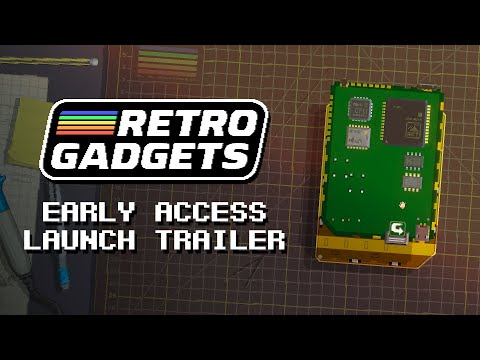
Retro Gadgets

PC (Microsoft Windows) • 2022

Related articles

Quick resume

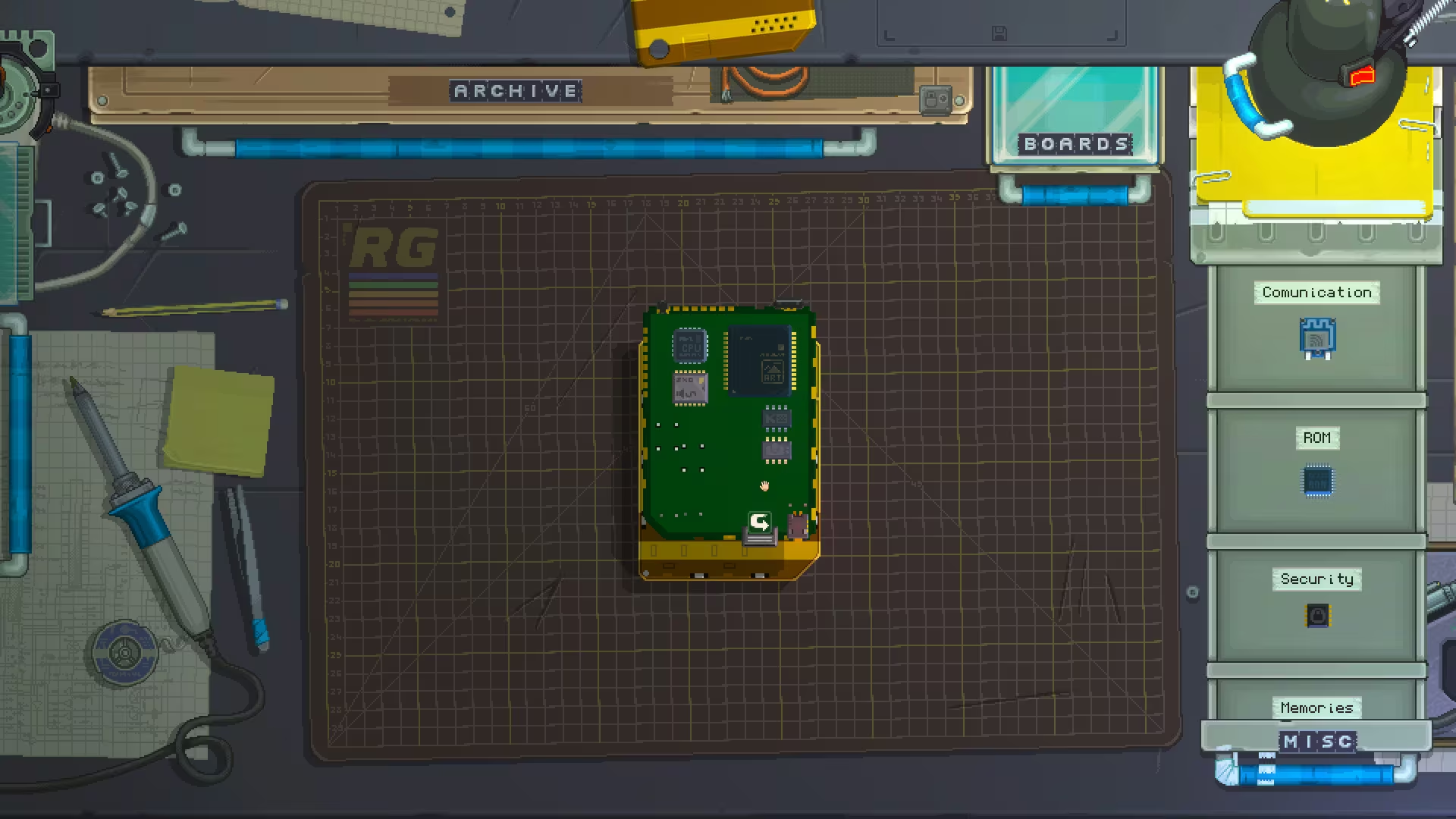
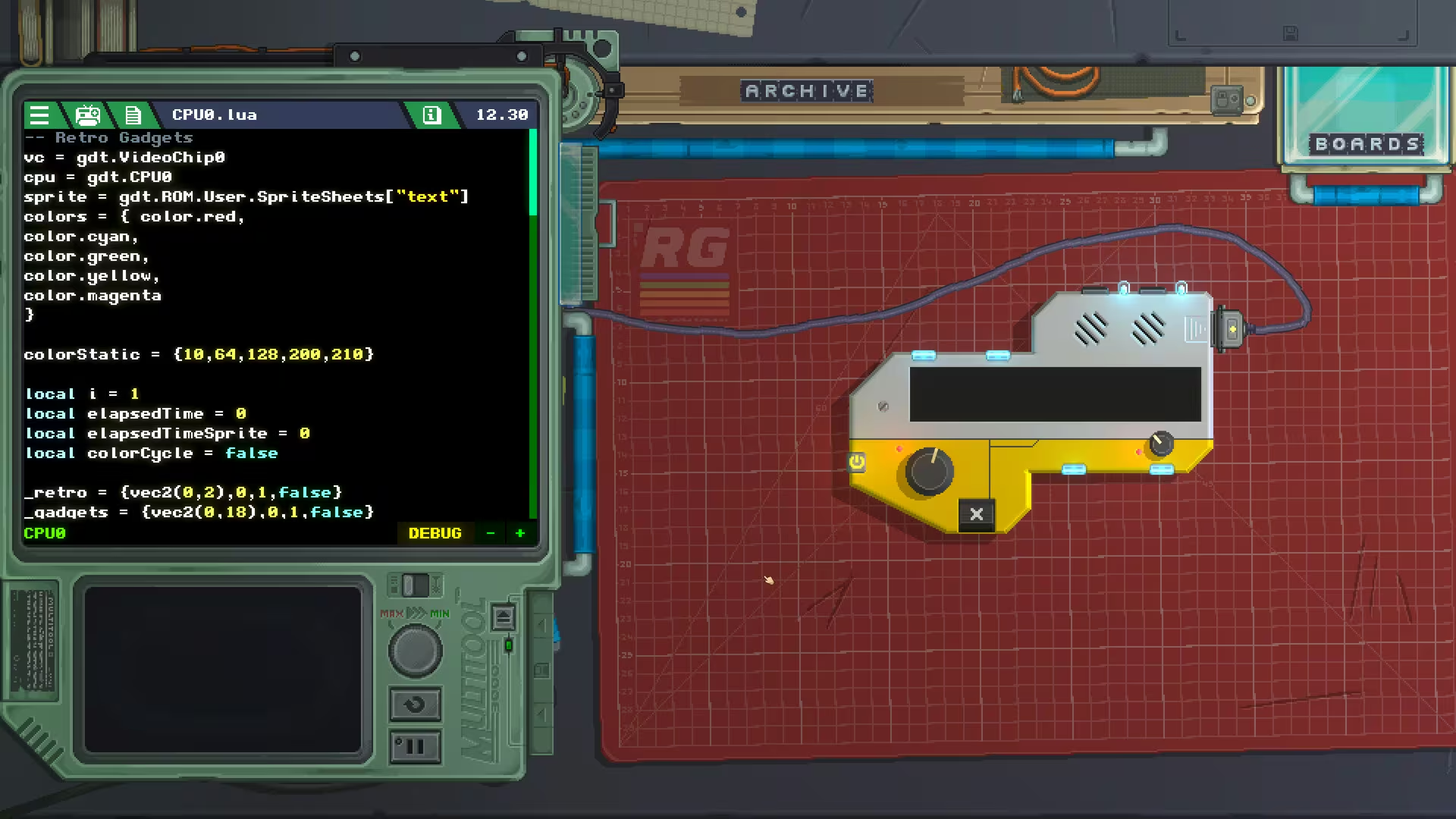
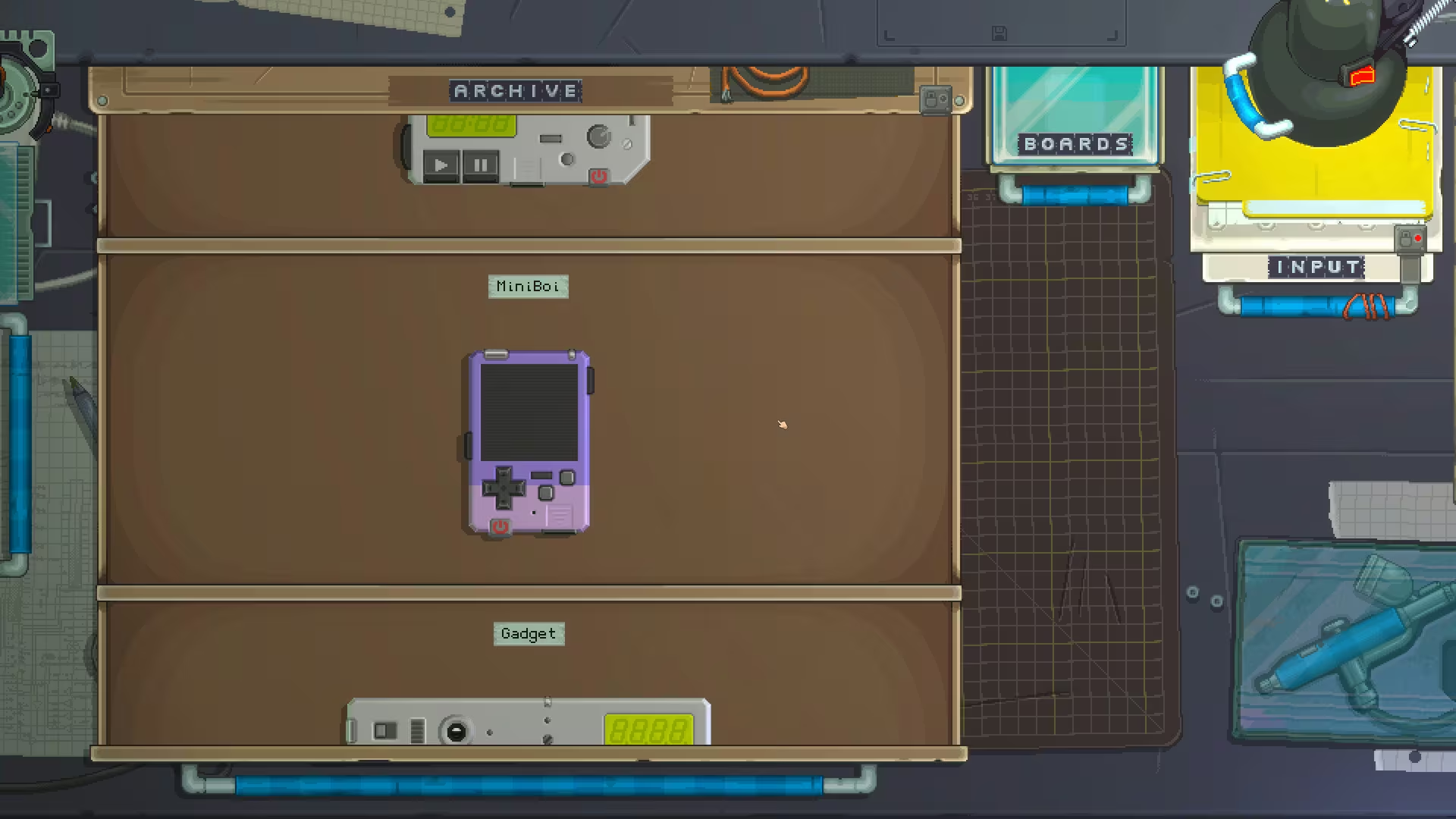
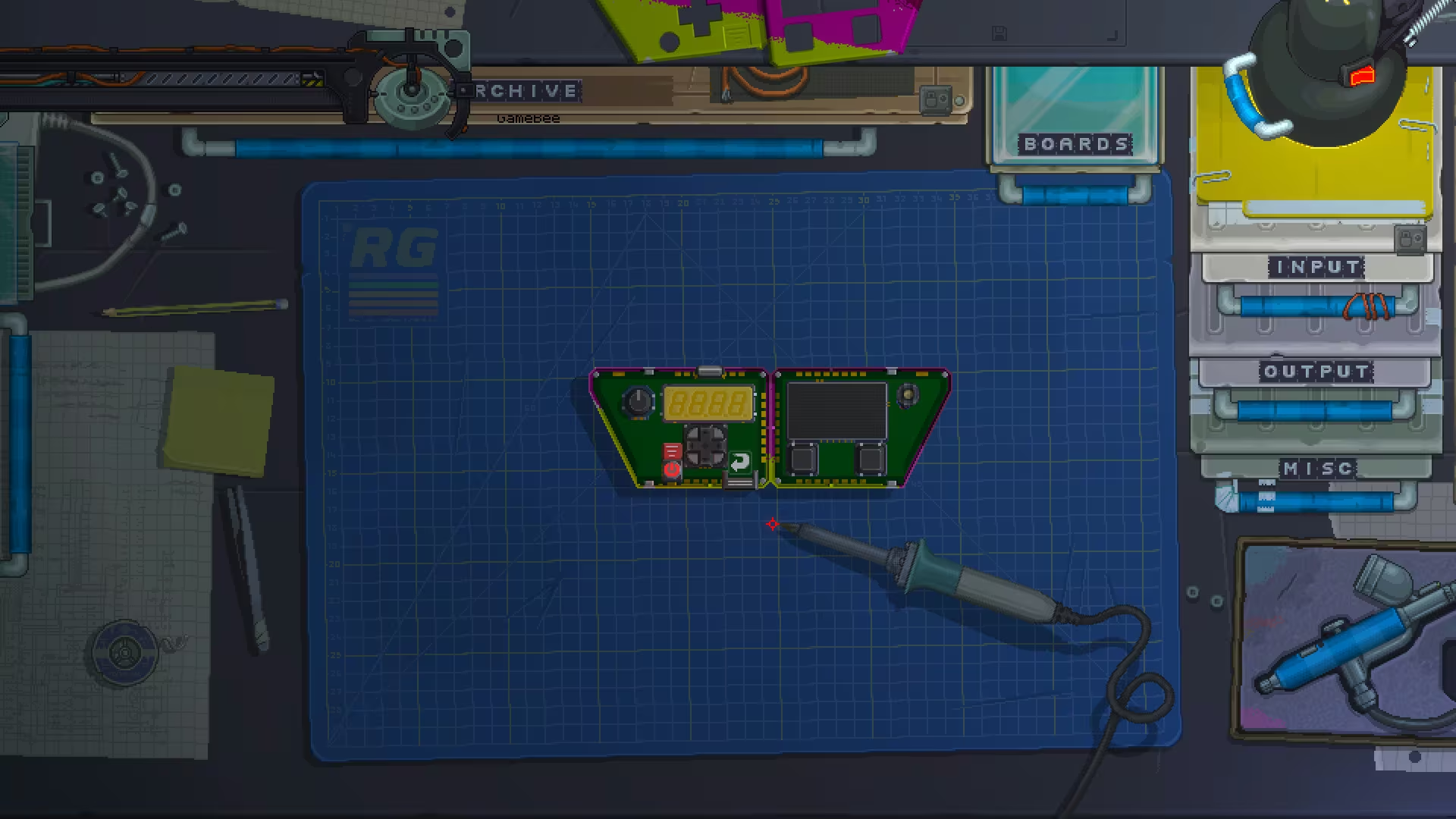
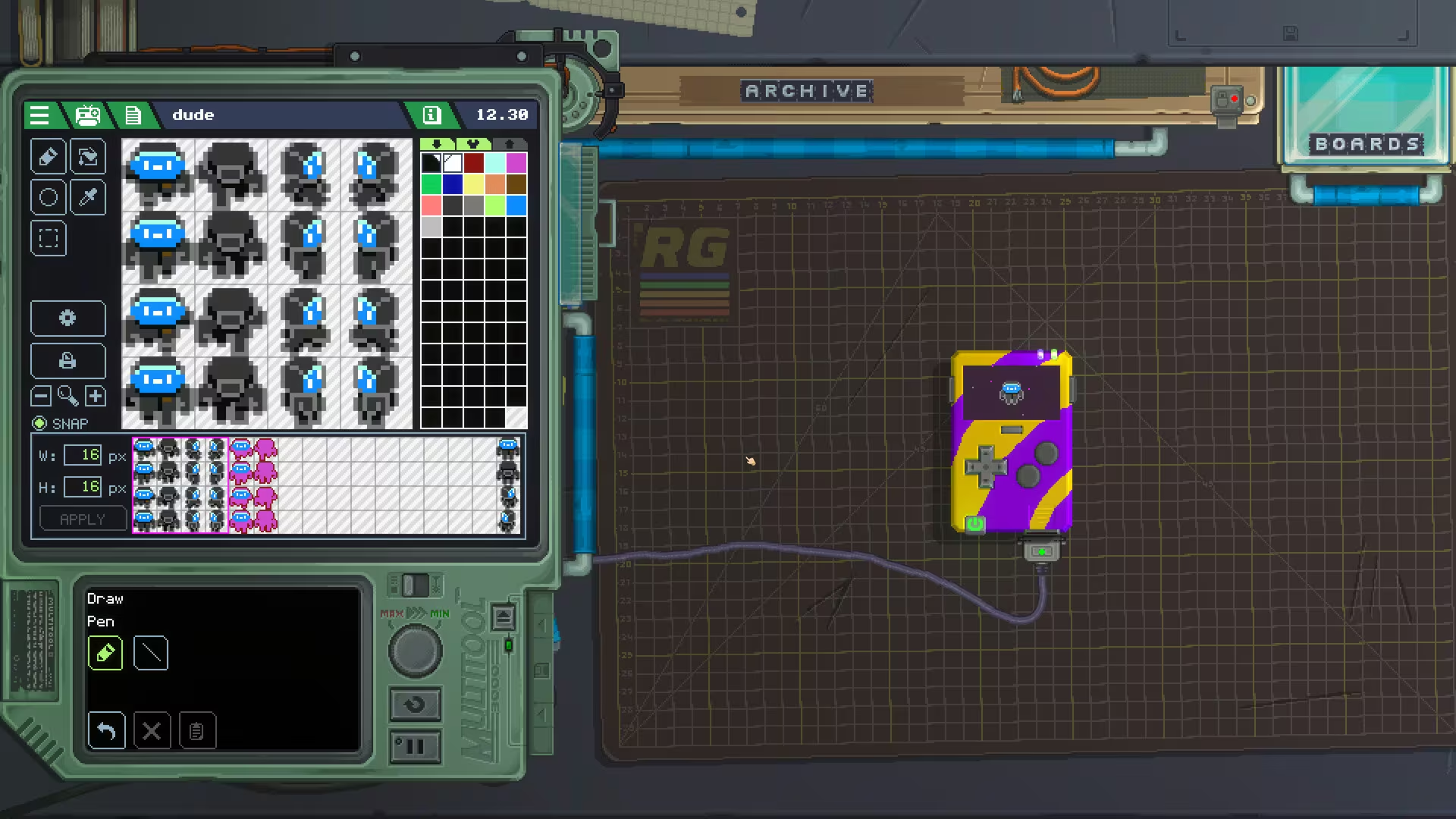
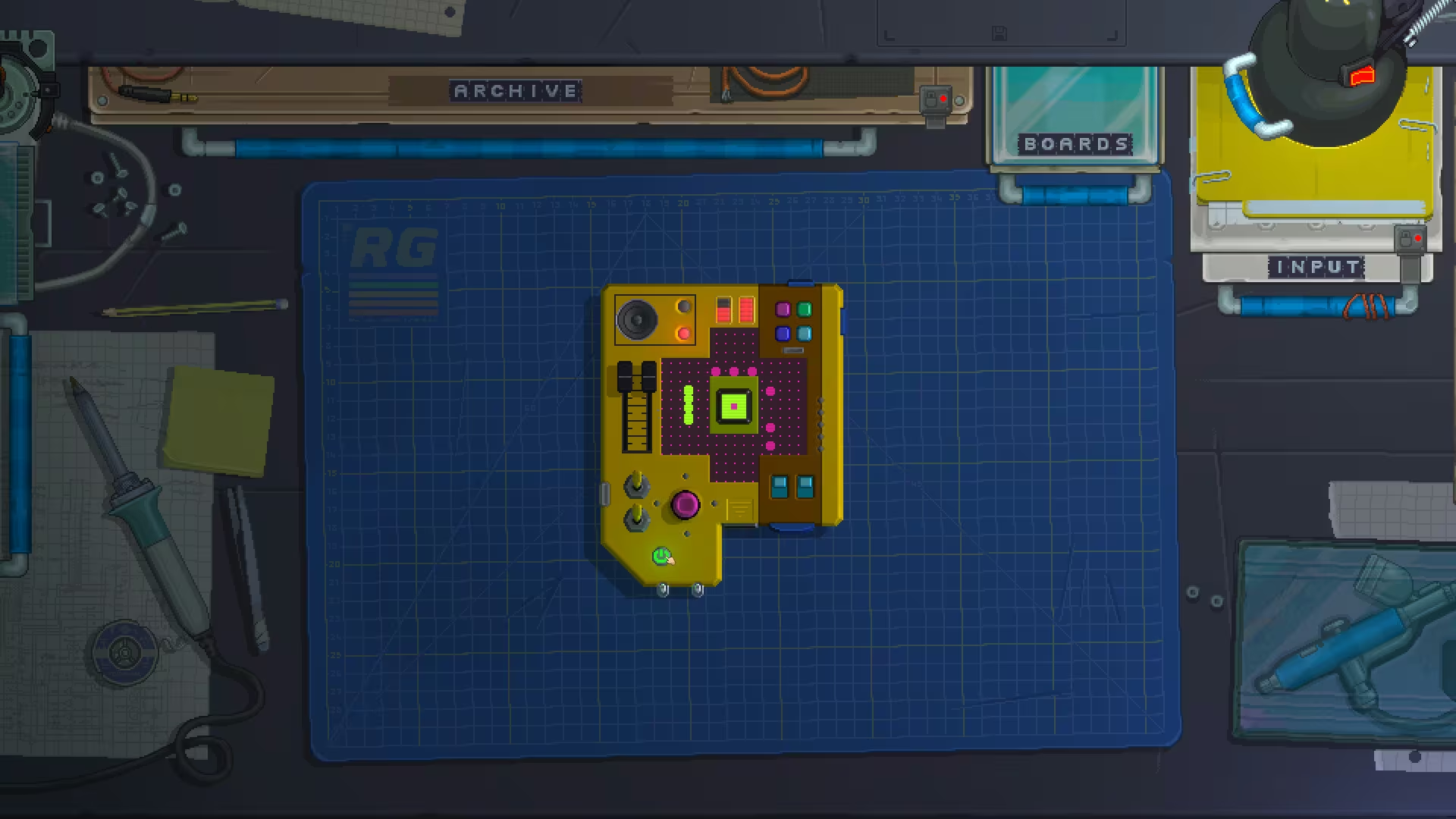
Retro Gadgets is a sandbox where you build, code, and customize gadgets inspired by old-school electronics.

Global score

91/100

Genres

Simulator, Early Access, Indie, Puzzle

Pros

  • Highly creative and open-ended gadget building
  • Effective learning tool for lua programming
  • Strong community sharing and workshop support
  • Ability to run gadgets as desktop widgets
  • Engaging for programmers and hobbyists

Cons

  • Steep learning curve for beginners without coding knowledge
  • Limited hardware simulation realism
  • Sparse or incomplete tutorials and documentation
  • User interface and editor can be unintuitive or buggy
  • Early access with some features unfinished and slow updates

Motivations

  • Autonomy
    5

    "Players have full control over designing gadgets and coding in Lua, enabling complete freedom in creation and problem solving."

  • Competence
    4

    "The game challenges players to learn and apply Lua programming and logic to build functional gadgets, providing skill development and feedback."

  • Competition
    -4

    "Focus is on individual creativity and learning rather than competing against others; no mention of leaderboards or ranked modes."

  • Continuation
    4

    "Many users report long play sessions, deep engagement, and habitual use due to the creative and learning aspects."

  • Cooperation
    2

    "Some social interaction via Steam Workshop sharing and community creations, but gameplay is primarily solo."

  • Creativity
    5

    "Strong emphasis on creating and customizing gadgets, coding unique behaviors, and designing visual elements."

  • Domination
    -5

    "No evidence of exerting control or superiority over others; interactions are collaborative or individual."

  • Escapism
    3

    "Players use the game as a stimulating distraction and stress relief through creative coding and gadget building."

  • Expectation
    -3

    "Engagement is driven by intrinsic interest in programming and creativity rather than obligation or external pressure."

  • Experimenting
    5

    "Players frequently explore new coding techniques, test gadget designs, and experiment with Lua and game mechanics."

  • Exploration
    2

    "Exploration is more conceptual—discovering new coding possibilities and gadget functions rather than physical world exploration."

  • Expression
    4

    "Customization of gadgets' appearance and functionality allows for personal expression and unique creations."

  • Fantasy
    -2

    "The game simulates realistic programming and gadget design rather than imaginative or fictional scenarios."

  • Fellowship
    1

    "Community sharing and workshop foster some sense of belonging, but gameplay is mostly solitary."

  • Growth
    5

    "Strong focus on learning Lua programming, problem solving, and personal skill development."

  • Health
    -5

    "Sedentary computer-based gameplay with no physical activity involved."

  • Idle
    -4

    "Requires focused attention and active coding; not suited for casual or background play."

  • Intimacy
    -4

    "Minimal social or emotional interaction; connections are surface-level via sharing creations."

  • Leadership
    Insufficient data
  • Progression
    3

    "Players accumulate gadgets, code libraries, and design assets, showing a sense of progression through creation."

  • Relaxation
    2

    "Some players find the creative process relaxing, though the learning curve can cause frustration."

  • Sensation
    1

    "Visual and auditory feedback exists but is moderate and functional rather than highly stimulating."

  • Status
    1

    "Recognition comes from community sharing and workshop popularity rather than formal status systems."

  • Story
    -5

    "No narrative or story elements; gameplay is context-free and sandbox oriented."

  • Strategy
    4

    "Requires logical thinking, planning, and problem solving in coding and gadget design."

  • Thrill
    -3

    "Gameplay is low-risk and controlled; lacks suspense or high-stakes challenges."

  • Value
    4

    "Players perceive strong value in learning programming and creative freedom for the price."

  • Violence
    -5

    "No combat or destructive gameplay; focus is on constructive creation."

  • Survival
    -5

    "No survival or threat avoidance mechanics; stable and safe environment."

Similar games

    Last update: 06/03/2026