ATOM RPG: Post-apocalyptic indie game Thumbnail

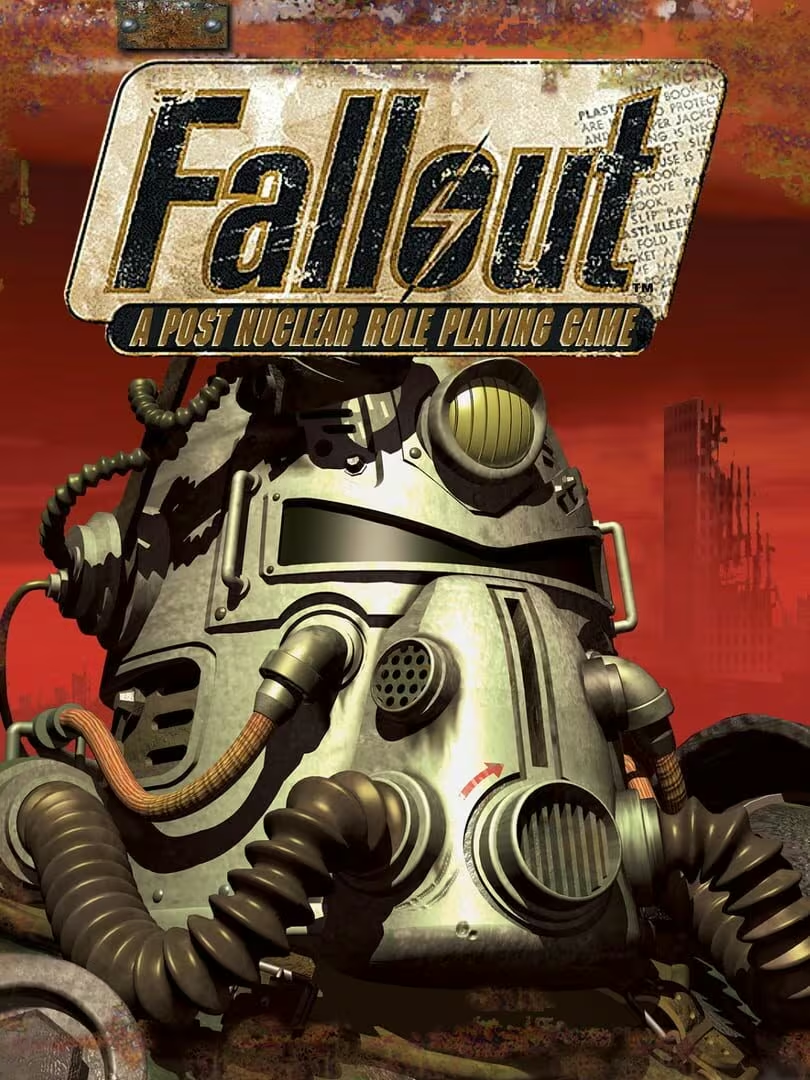
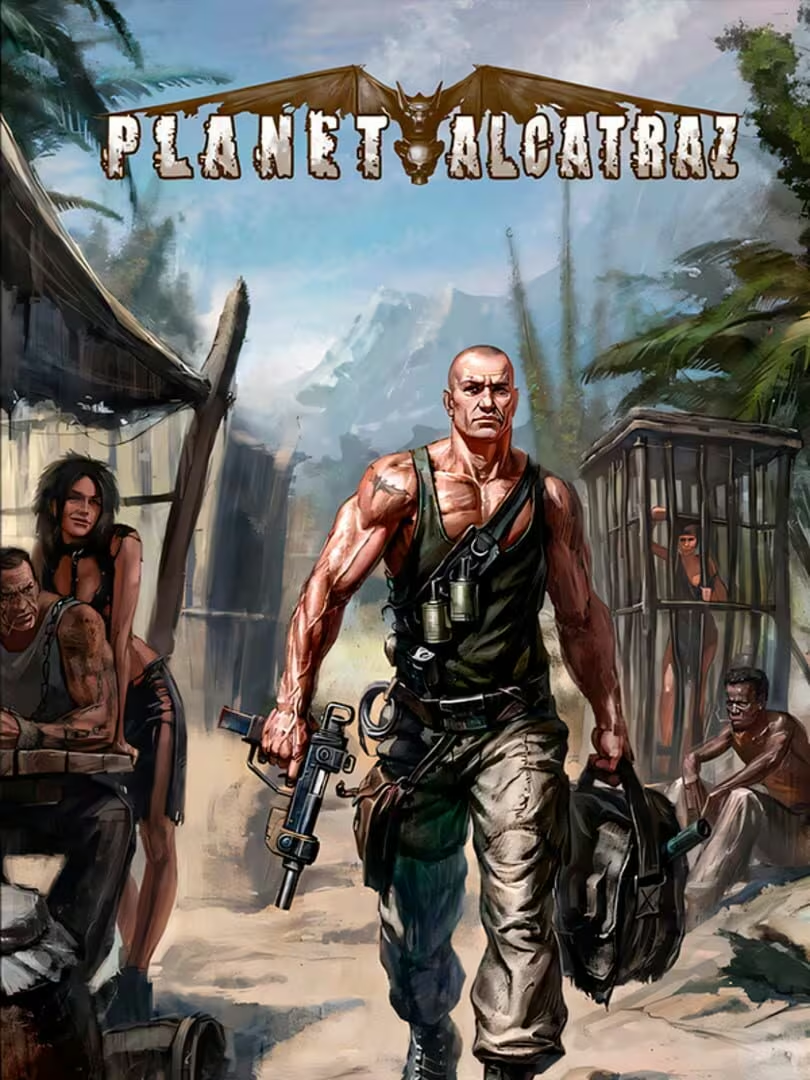
ATOM RPG: Post-apocalyptic indie game similar games & best alternatives

ATOM RPG: Post-apocalyptic indie game

PC (Microsoft Windows) • 2018

Related articles

Quick resume

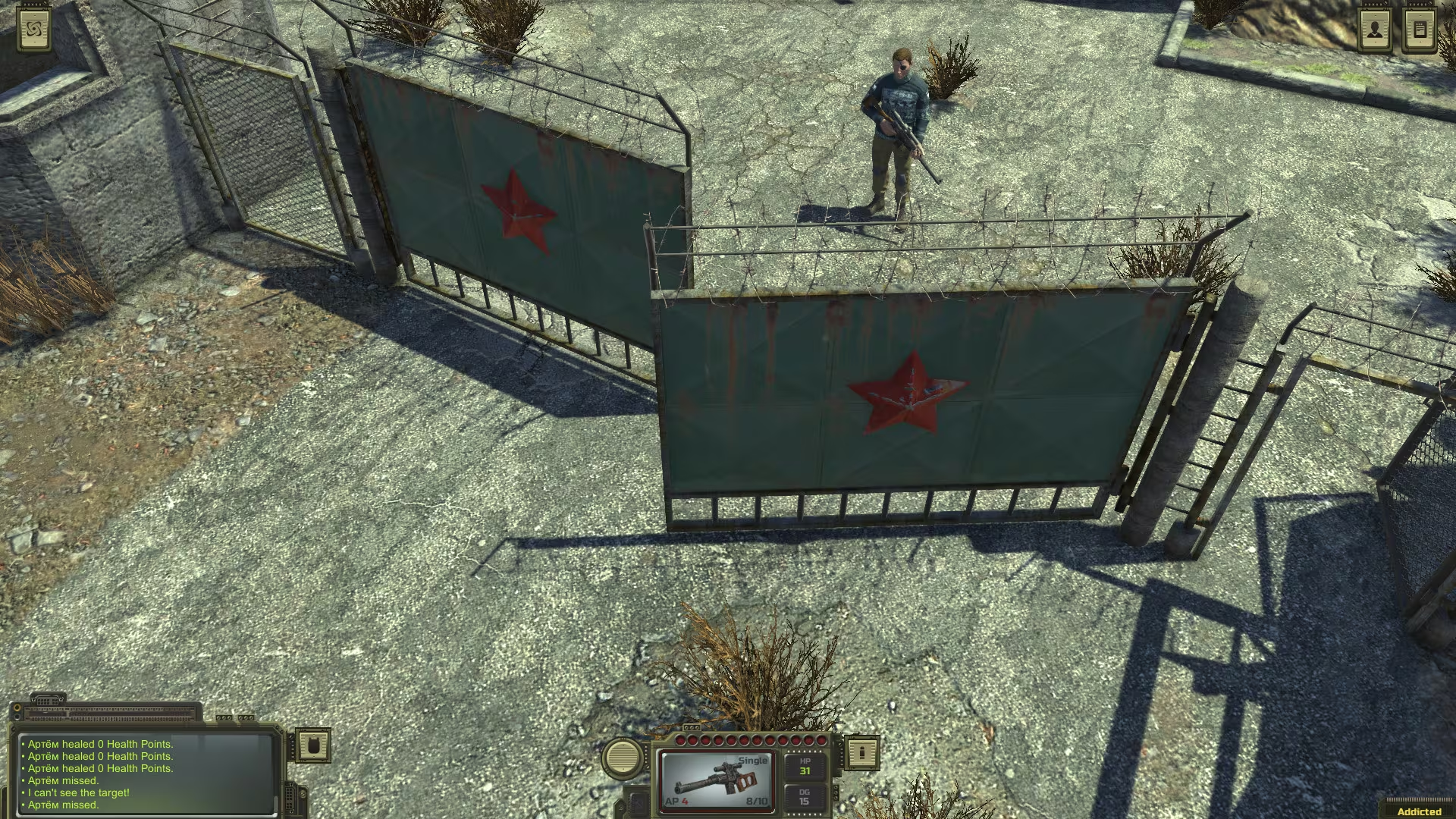
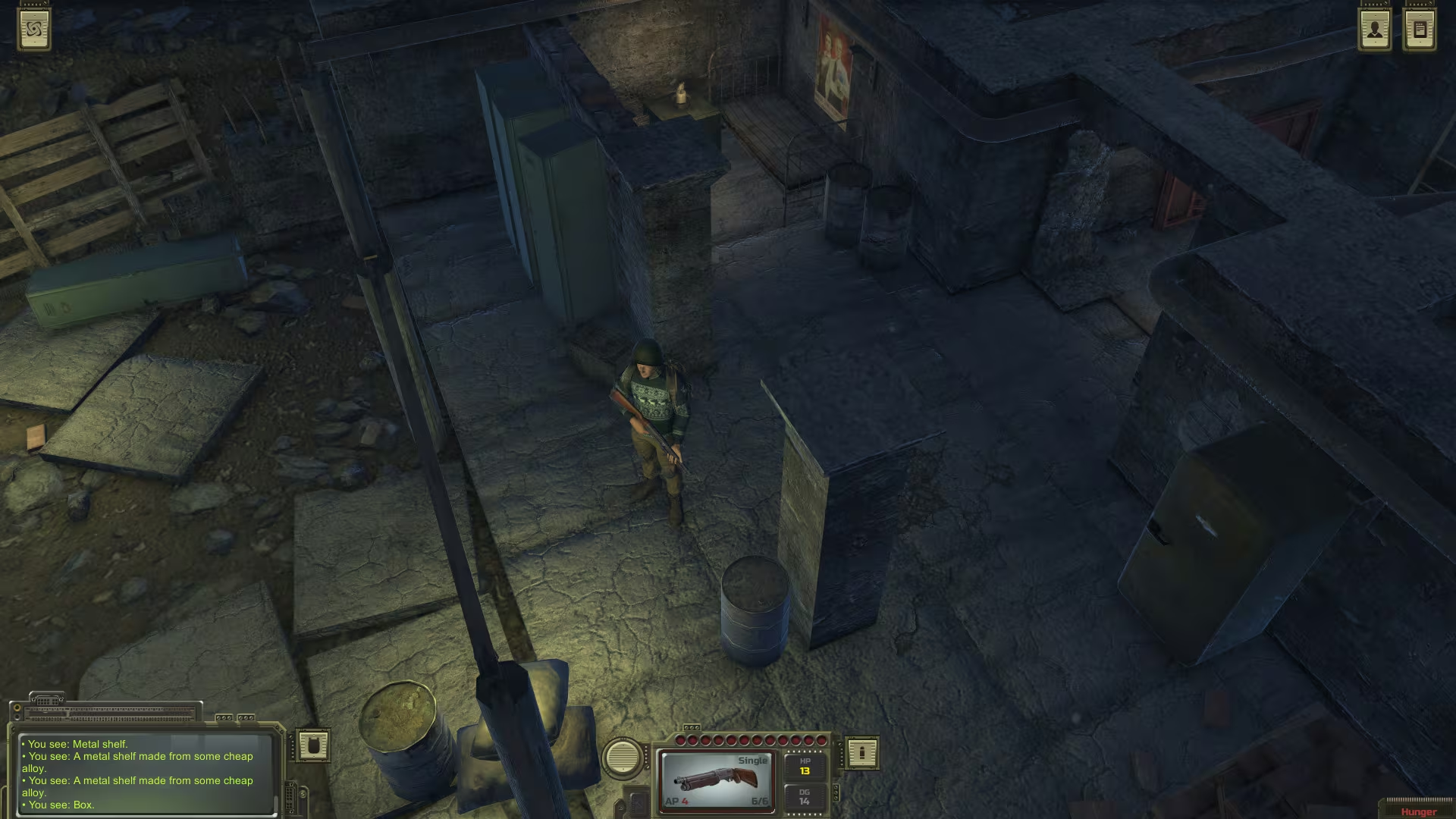
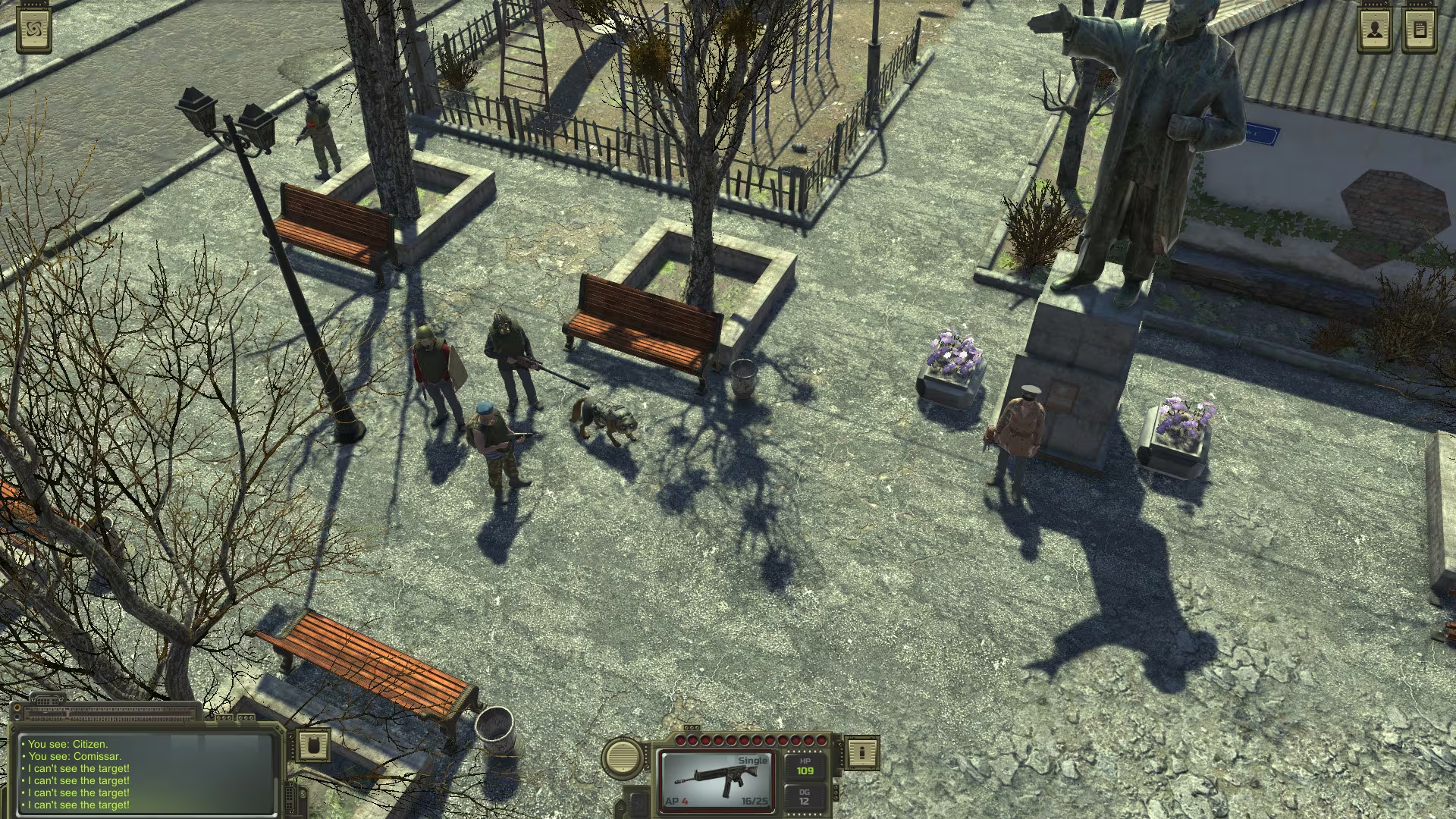
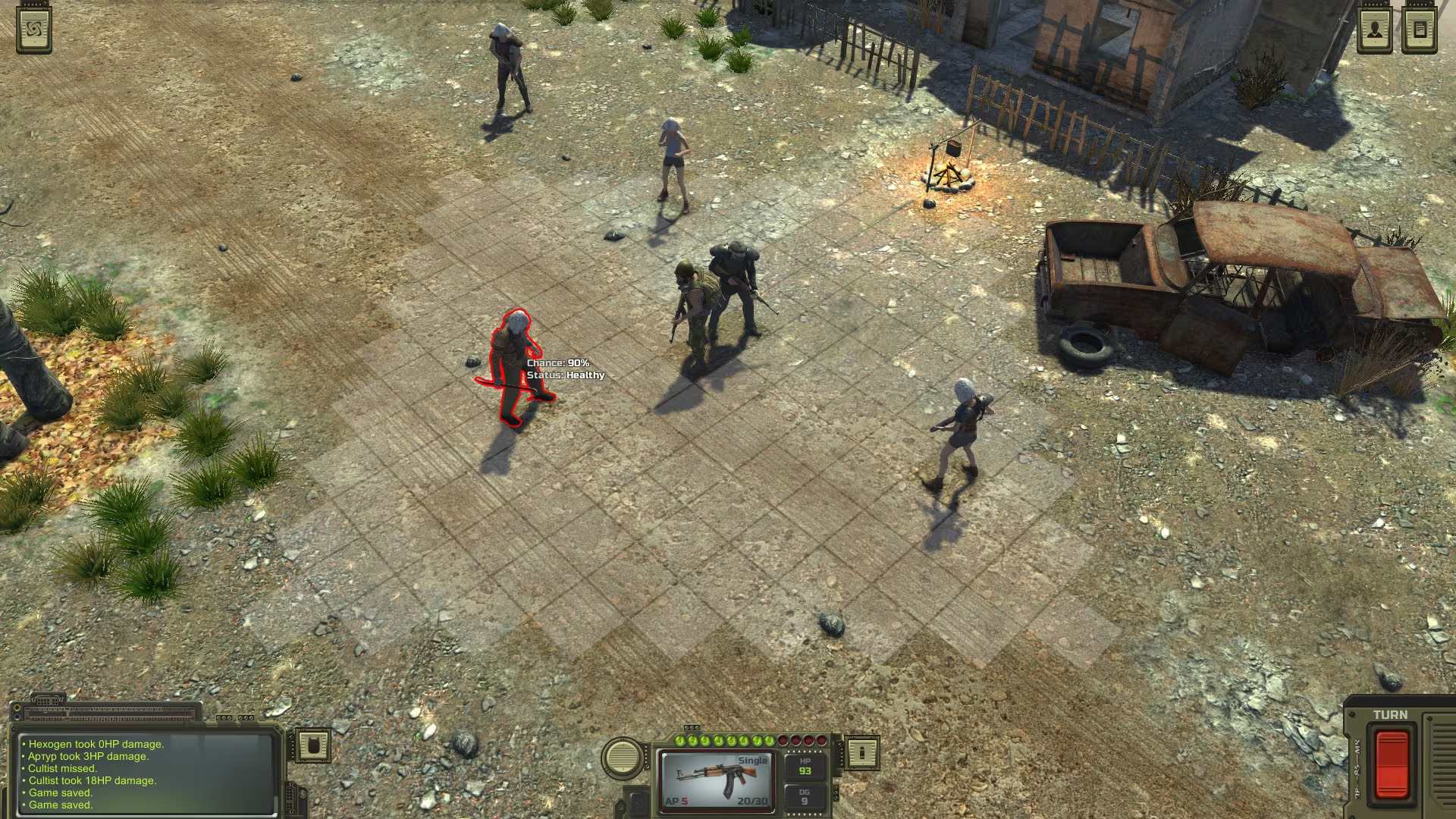
ATOM RPG is a post-apocalyptic indie game, inspired by classic CRPGs: Fallout, Wasteland, Deus Ex, Baldur's Gate and many others.

Global score

85/100

Genres

Role-playing (RPG)

Similar games

    Pros

    • Faithful homage to classic fallout rpgs
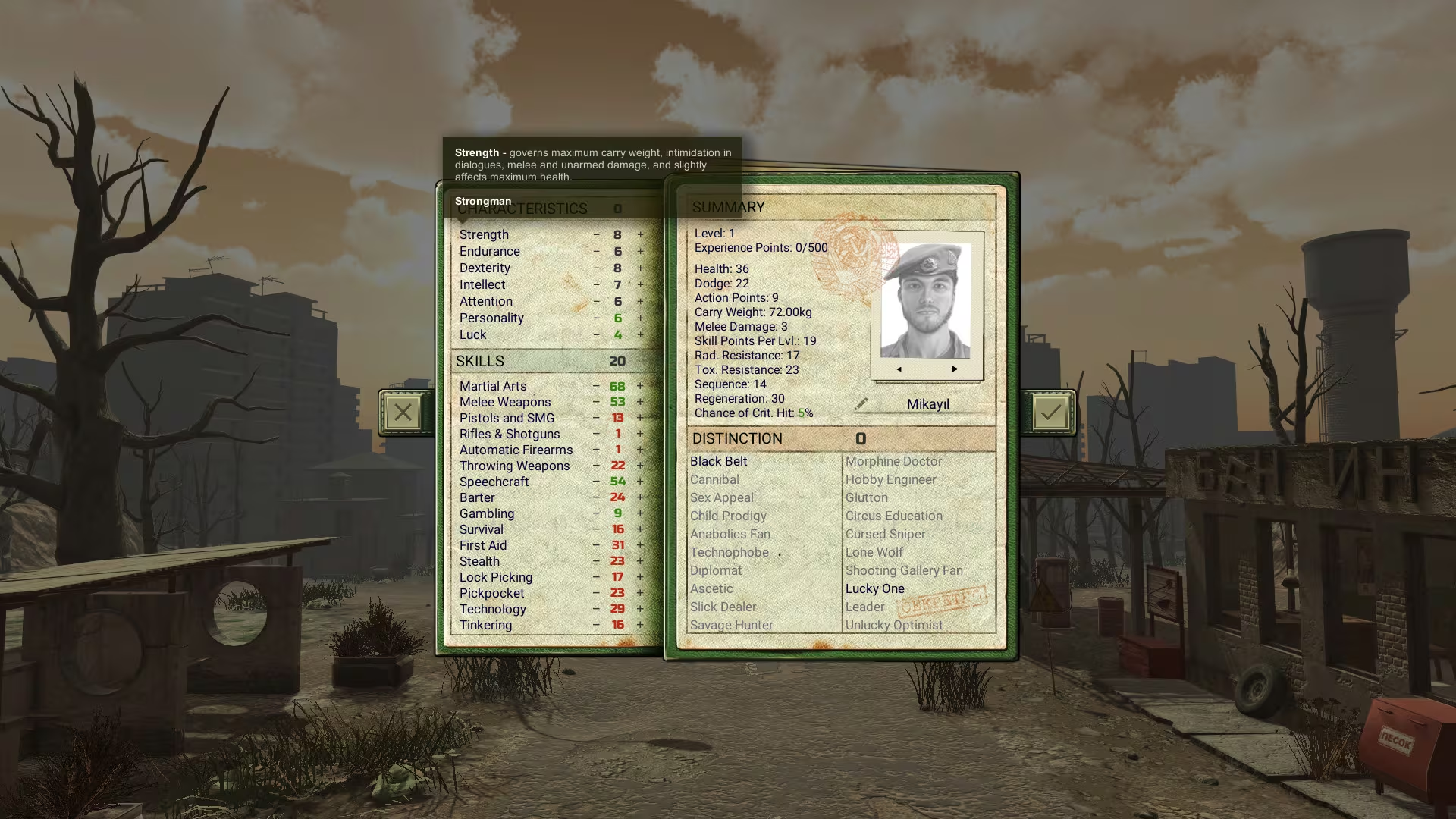
    • Deep character customization and roleplaying
    • Immersive post-apocalyptic soviet setting
    • Challenging tactical combat
    • Large open world with many quests and secrets

    Cons

    • Clunky companion ai and limited control
    • Some translation and ui issues
    • Steep difficulty curve and grind
    • Combat can feel unfair or frustrating
    • Lack of modern convenience features

    Analysis

    Broadly representative of its motivational profile, with a few distinct shifts. Motivations that often define this kind of title include Relaxation, Survival, Violence, Fellowship. Here, the score leans higher than usual among comparable games on Expression, Exploration, Cooperation.

    How to use the graph
    Similar games map

    Each dot is a game. They are arranged from the same motivation profile as in the “Motivations” section below. Closer dots usually mean more similar reasons to play (exploration, competition, relaxation, etc.)—not that one game is “better” than another.

    • Larger dot with a light outline: the game you are viewing.
    • Colour: groups of games with comparable motivation patterns (statistical clusters).
    • Hover a dot to see the game name; click to open its page.
    • Scroll or double-click the chart to zoom out and see more games.

    Why don’t the axes read like a score? This view uses t-SNE: it only keeps who is close to whom. The scales are not “good to bad” or hours played—they separate groups on the map. Read distance between dots, not the axis numbers.

    Motivations

    • Autonomy
      4

      "Players have freedom to explore open world, choose quests, and roleplay different character builds with multiple dialogue options and outcomes."

    • Competence
      4

      "Challenging combat and survival mechanics requiring skillful character builds, resource management, and tactical decisions."

    • Competition
      -3

      "Focus is on personal progression and exploration rather than player-vs-player or leaderboard competition."

    • Continuation
      4

      "Long playtime with many hours invested, multiple playthroughs, and high replayability noted."

    • Cooperation
      -2

      "Companions exist but are AI-controlled with limited player input; game primarily a single-player experience."

    • Creativity
      3

      "Character customization, crafting system, and multiple quest solutions encourage creative playstyles."

    • Domination
      -4

      "Interactions emphasize roleplaying and choices rather than exerting power over others; no PvP or trash talk."

    • Escapism
      5

      "Strong immersion in a post-apocalyptic Soviet world offers escape from real life through exploration and story."

    • Expectation
      -4

      "Players engage voluntarily out of interest and nostalgia for classic RPGs; no obligation or external pressure."

    • Experimenting
      4

      "Encourages trying different character builds, dialogue choices, and quest approaches; exploration of mechanics."

    • Exploration
      5

      "Open world with many locations, secrets, and random encounters; exploration is a core gameplay element."

    • Expression
      3

      "Character creation and roleplaying choices allow personal expression; some cosmetic customization noted."

    • Fantasy
      3

      "Post-apocalyptic alternate history with Soviet cultural elements blends realistic and imaginative fiction."

    • Fellowship
      -3

      "Primarily single-player with limited social interaction; some community engagement but minimal in-game social features."

    • Growth
      4

      "Character leveling, skill development, and learning game mechanics provide personal growth and mastery."

    • Health
      -4

      "Sedentary gameplay with no physical activity; survival mechanics focus on in-game health rather than real-world physical health."

    • Idle
      -3

      "Requires focused attention and strategic planning; not designed for casual or background play."

    • Intimacy
      -4

      "Limited emotional or close social interactions; companions have minimal relationship depth."

    • Leadership
      -3

      "Player leads main character but companions act autonomously; no group management or authoritative roles."

    • Progression
      5

      "Strong emphasis on leveling, acquiring items, upgrading gear, and completing quests to advance."

    • Relaxation
      -2

      "Game is challenging and sometimes frustrating, requiring concentration and persistence rather than relaxation."

    • Sensation
      2

      "Visuals and sound are functional and atmospheric but not highly stimulating; focus is on narrative and gameplay."

    • Status
      -4

      "Achievements and recognition are mostly personal; no social status or popularity mechanics."

    • Story
      4

      "Rich narrative with branching quests, meaningful choices, and immersive lore drive player engagement."

    • Strategy
      4

      "Turn-based combat and character builds require tactical thinking, planning, and problem solving."

    • Thrill
      3

      "Tense combat encounters and survival challenges provide suspense and excitement."

    • Value
      5

      "High perceived value for price with extensive content, replayability, and depth."

    • Violence
      4

      "Combat and weapon use are central gameplay elements involving destruction and fighting."

    • Survival
      4

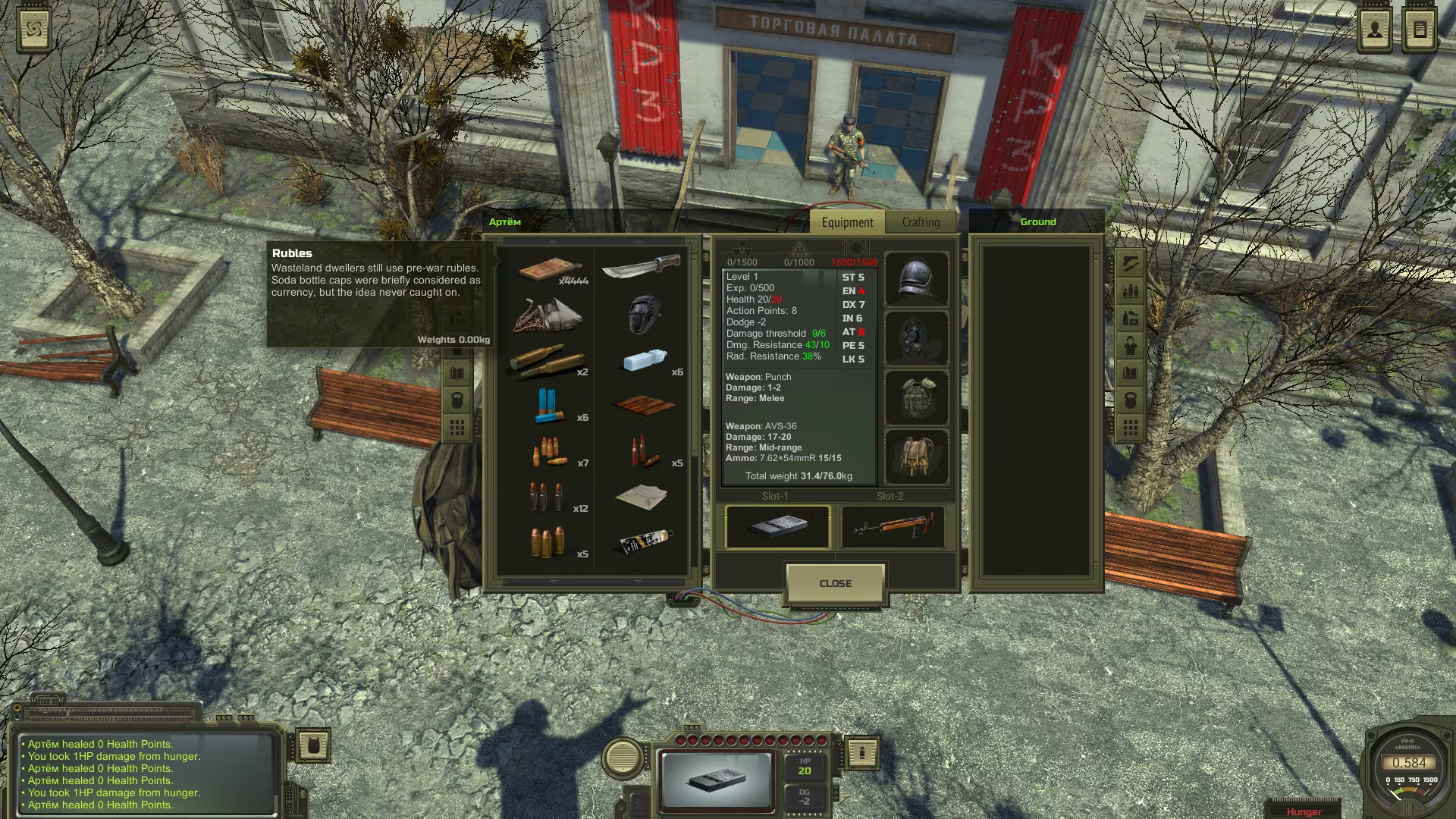
      "Survival elements like resource management, ammo scarcity, and environmental hazards are important."

    Last update: 29/04/2026