Doodle Empires Thumbnail

Doodle Empires similar games & best alternatives
Doodle Empires

PC (Microsoft Windows), Mac, Linux • 2025

Related articles

Quick resume

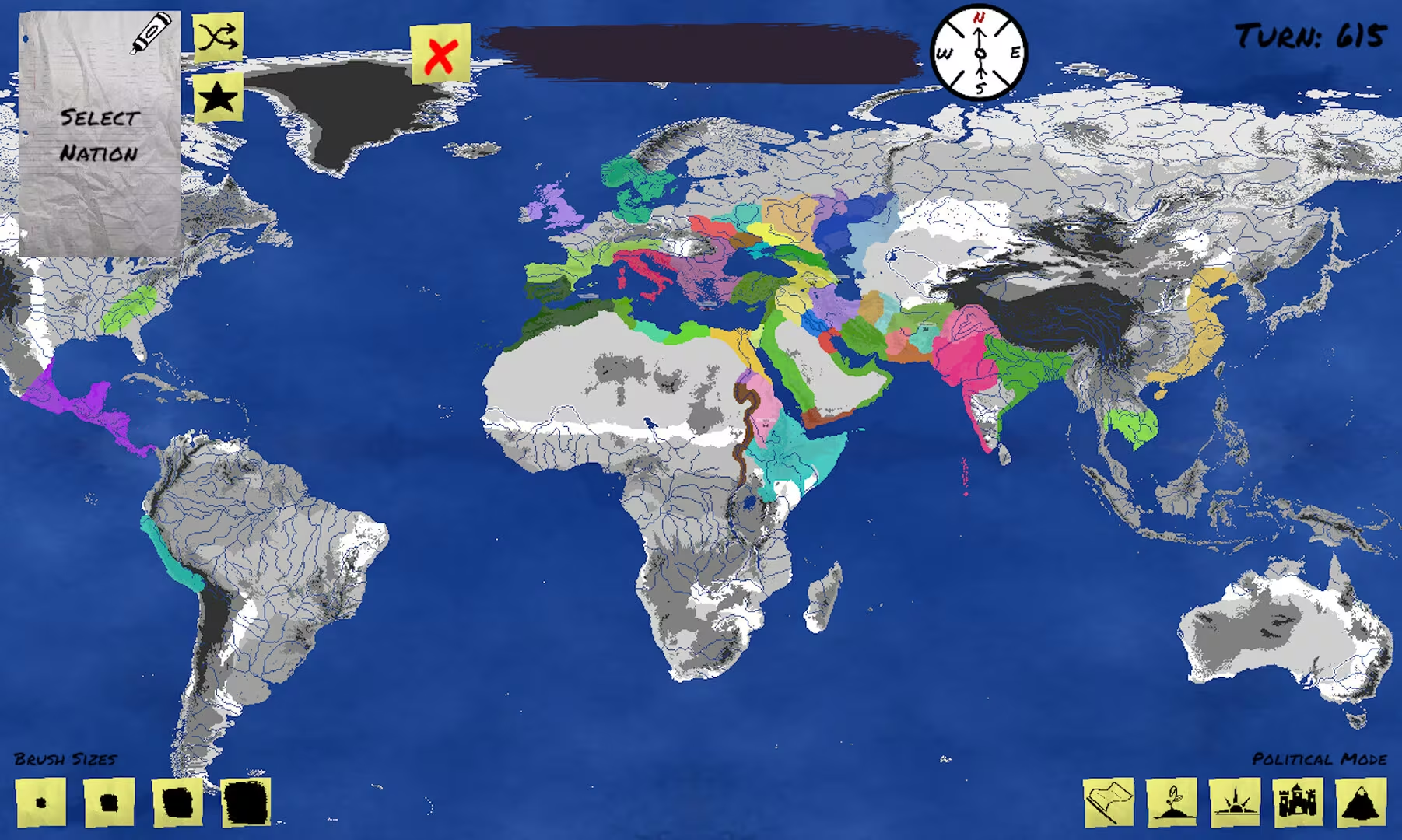
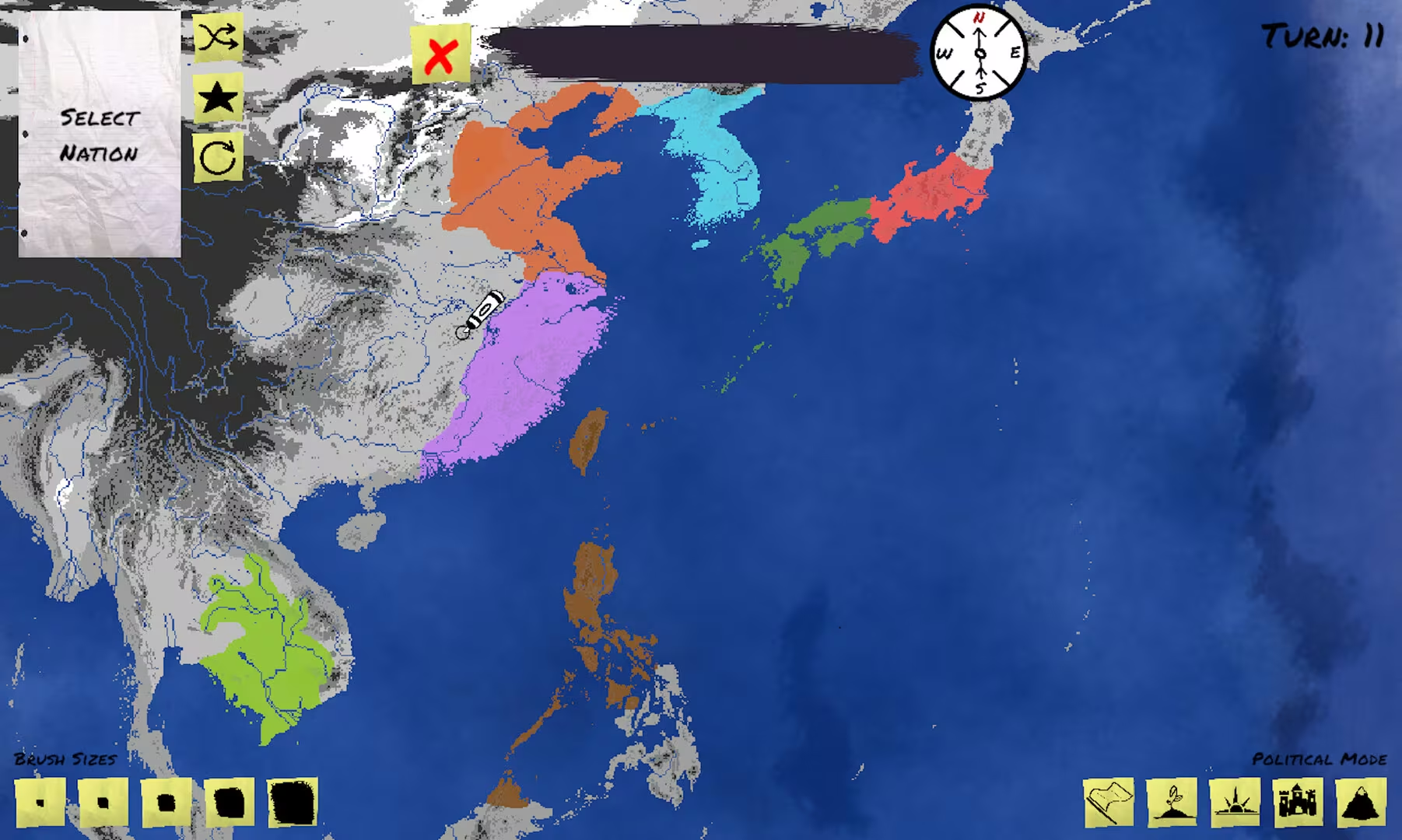
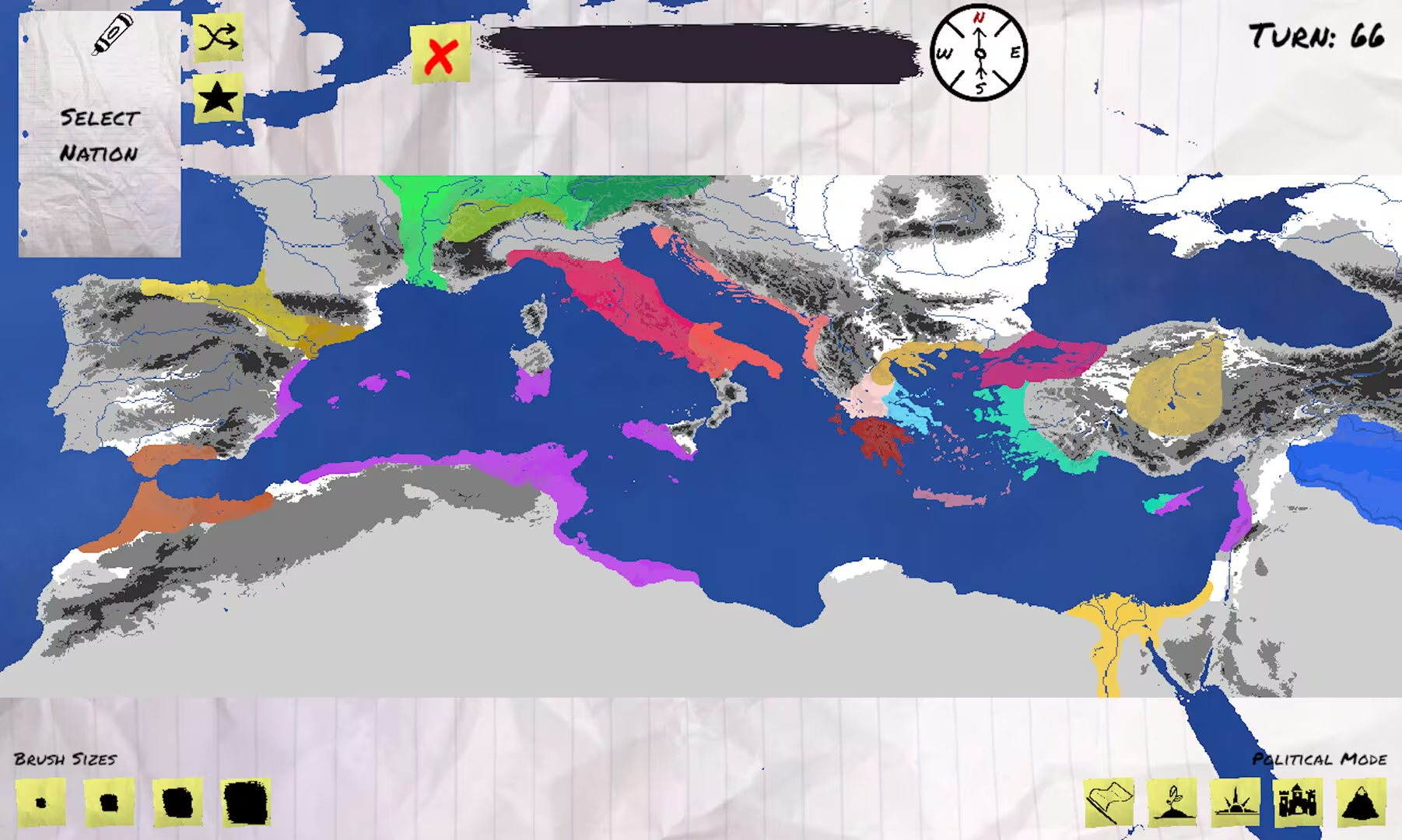
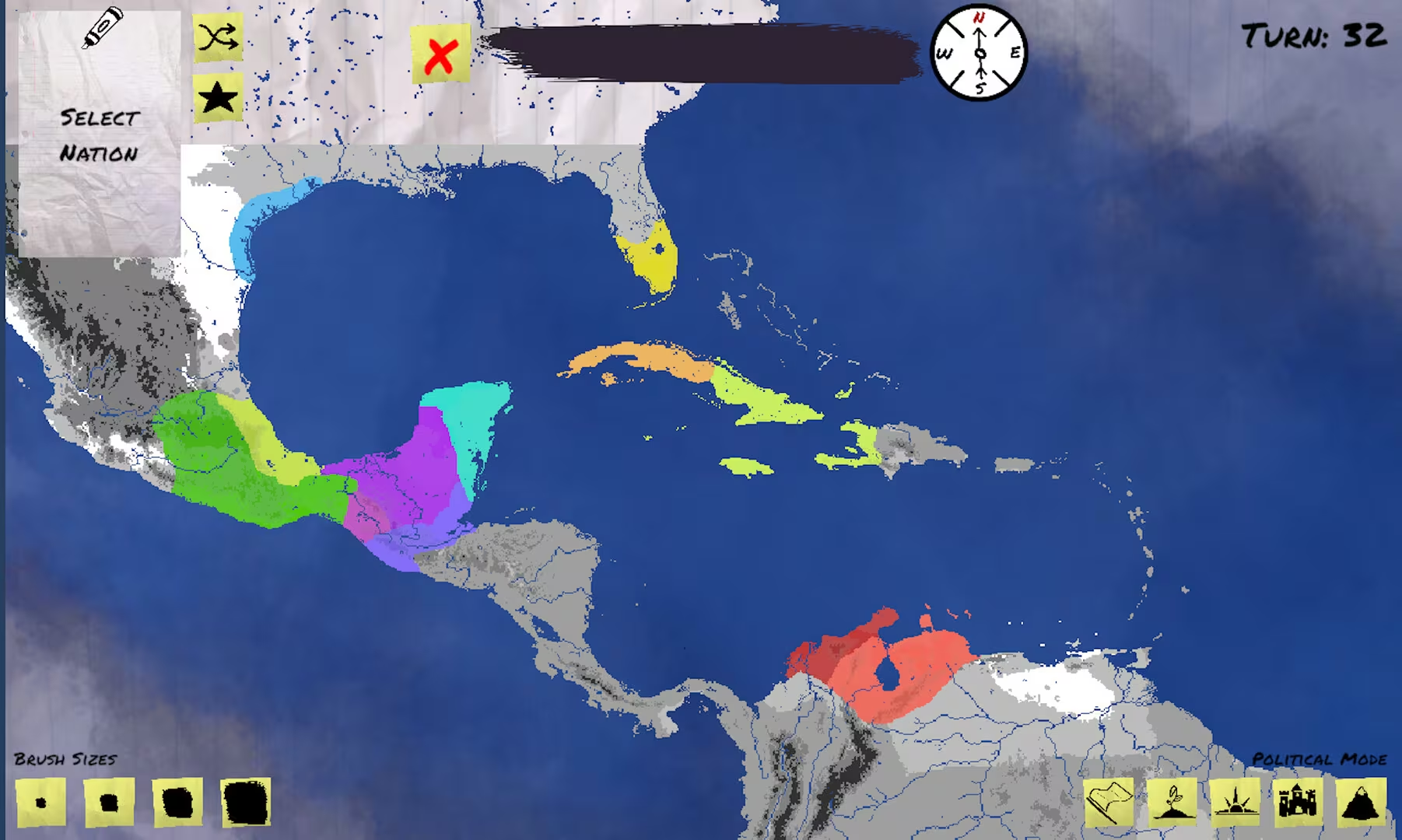
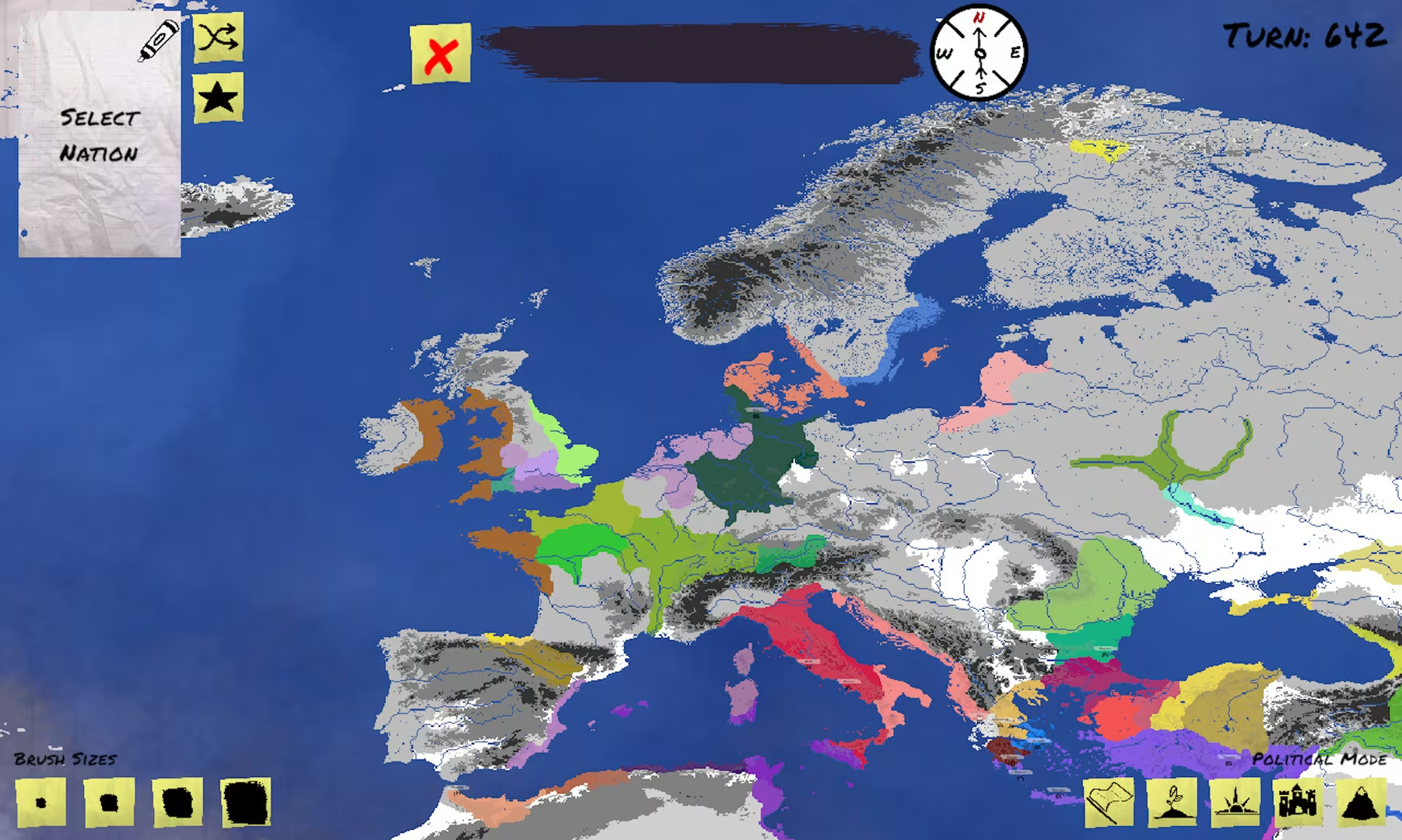
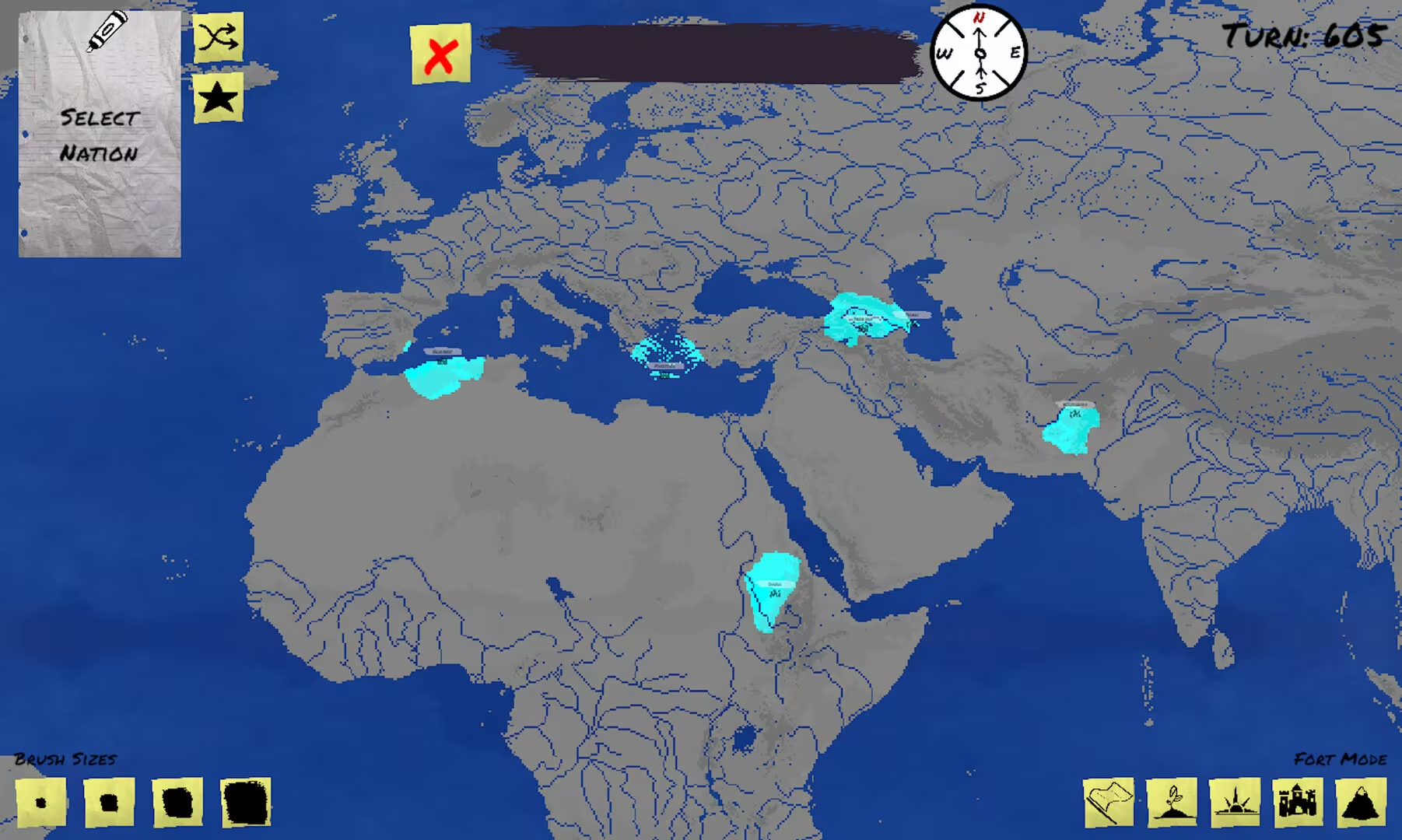
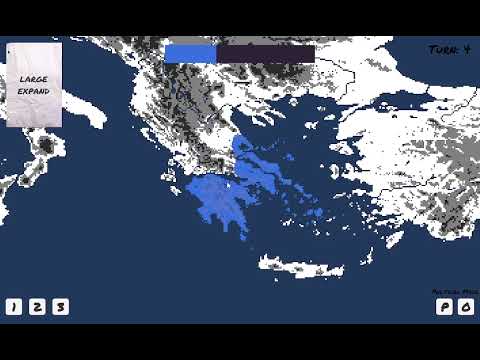
Doodle Empires is an alternate history sandbox game all about drawing your own nations with your own histories and stories in a variety of maps. Watch your world take shape and evolve over time, and decide which nations will rise and which nations will fall.

Global score

92/100

Genres

Indie, Simulator, Strategy, Early Access

Similar games

    Pros

    • High creative freedom and map customization
    • Addictive and relaxing gameplay
    • Good replayability and niche appeal
    • Emergent storytelling and worldbuilding
    • Fair price for scope

    Cons

    • Frequent bugs and lag issues
    • Lack of tutorial and ui polish
    • Repetitive rng card draws
    • No multiplayer or social features
    • Slow saving and occasional crashes

    Analysis

    Less representative of its motivational profile, with noticeable differences. Motivations that often define this kind of title include Survival, Violence, Fellowship, Expression. Here, the score leans higher than usual among comparable games on Expression, Survival, Continuation.

    How to use the graph
    Similar games map

    Each dot is a game. They are arranged from the same motivation profile as in the “Motivations” section below. Closer dots usually mean more similar reasons to play (exploration, competition, relaxation, etc.)—not that one game is “better” than another.

    • Larger dot with a light outline: the game you are viewing.
    • Colour: groups of games with comparable motivation patterns (statistical clusters).
    • Hover a dot to see the game name; click to open its page.
    • Scroll or double-click the chart to zoom out and see more games.

    Why don’t the axes read like a score? This view uses t-SNE: it only keeps who is close to whom. The scales are not “good to bad” or hours played—they separate groups on the map. Read distance between dots, not the axis numbers.

    Motivations

    • Autonomy
      4

      "Players have high control over map creation, nation building, and event likelihoods, allowing personal freedom in shaping the world."

    • Competence
      2

      "The game involves some skill in managing cards and map painting, but many tasks are simple and repetitive with limited technical challenge."

    • Competition
      -4

      "Focus is on personal creative play and storytelling without ranked modes or direct player comparison."

    • Continuation
      4

      "Many players report long play sessions and high replayability, often playing for hours or returning repeatedly."

    • Cooperation
      -5

      "The game is a single-player sandbox with no multiplayer or cooperative gameplay elements."

    • Creativity
      5

      "Core gameplay centers on creating and customizing maps, nations, and stories with extensive creative freedom."

    • Domination
      -5

      "No evidence of exerting control over other players; interactions are sandbox and personal."

    • Escapism
      4

      "Players use the game to relax, escape reality, and immerse themselves in imaginative worldbuilding."

    • Expectation
      -4

      "Players engage voluntarily out of personal interest and intrinsic motivation rather than obligation."

    • Experimenting
      4

      "Players experiment with different map settings, event probabilities, and scenarios to explore new outcomes."

    • Exploration
      3

      "Exploration is more conceptual through discovering new map configurations and nation interactions rather than physical navigation."

    • Expression
      5

      "Strong emphasis on self-expression through map painting, nation design, and lore creation."

    • Fantasy
      3

      "Players create fictional worlds and histories, blending imaginative scenarios with some realistic geography."

    • Fellowship
      -4

      "Minimal social connection; primarily a solo experience without community integration in gameplay."

    • Growth
      2

      "Some learning involved in mastering mechanics and managing events, but limited structured personal development."

    • Health
      -5

      "Sedentary gameplay with no physical activity or health-related features."

    • Idle
      -3

      "Requires active engagement and attention; not designed for background or idle play."

    • Intimacy
      -5

      "No social or emotional relationship building; interactions are limited to solo play."

    • Leadership
      -5

      "No leadership or group management roles; player controls only their own experience."

    • Progression
      3

      "Progression occurs through expanding nations, unlocking cards, and evolving the map over turns."

    • Relaxation
      4

      "Many players find the game relaxing and a good way to unwind despite some frustration with bugs."

    • Sensation
      1

      "Visuals are simple and functional; sensory stimulation is moderate and not a primary focus."

    • Status
      -5

      "No social recognition or status systems present."

    • Story
      4

      "Players create and immerse themselves in emergent narratives and histories through gameplay."

    • Strategy
      1

      "Some strategic decision-making in card management and nation expansion, but largely simple and RNG-driven."

    • Thrill
      0

      "Game provides low suspense or risk; experience is calm with occasional mild tension from RNG."

    • Value
      3

      "Generally considered worth the price by players who enjoy the niche gameplay despite bugs."

    • Violence
      -3

      "Combat is abstract and represented by map changes rather than direct violent action."

    • Survival
      0

      "No explicit survival mechanics; focus is on worldbuilding rather than threat avoidance."

    Last update: 29/04/2026