Glass Masquerade Thumbnail

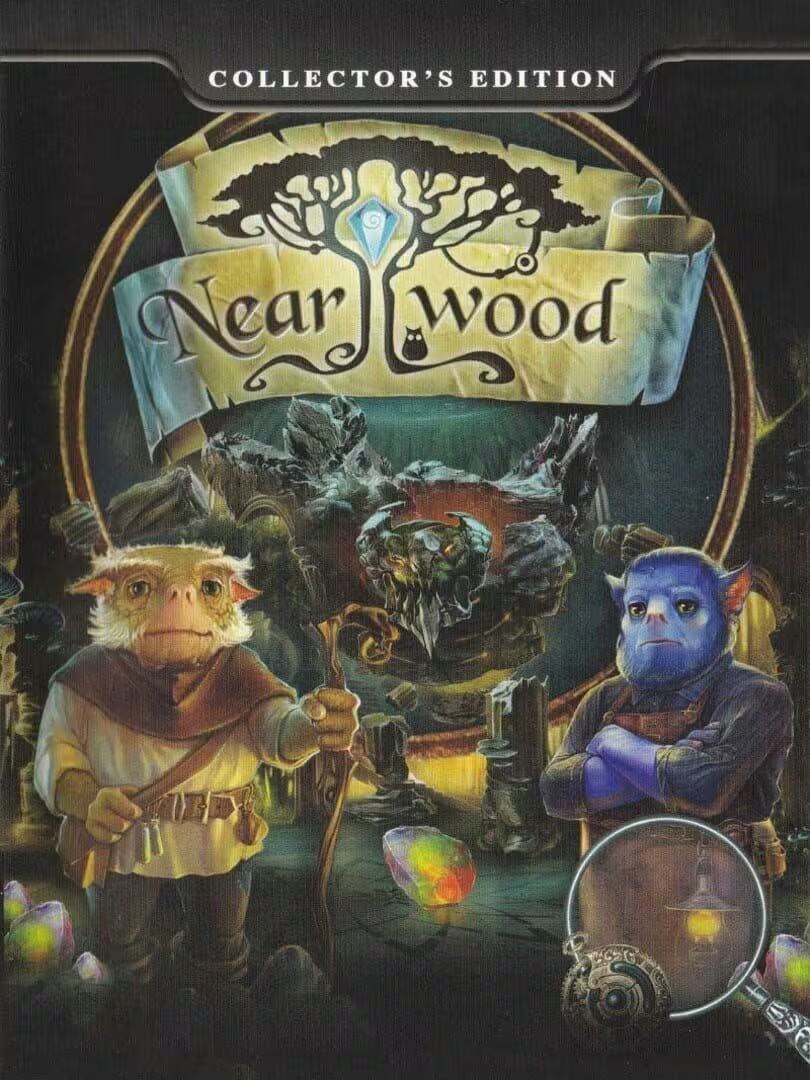
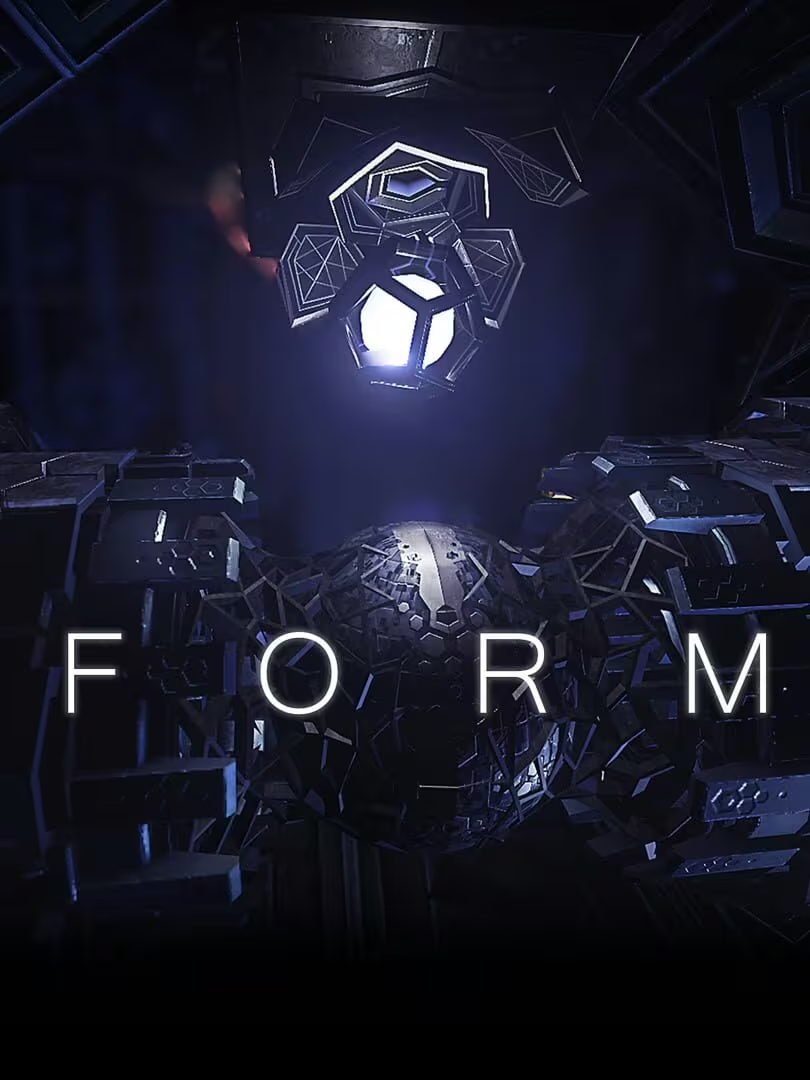
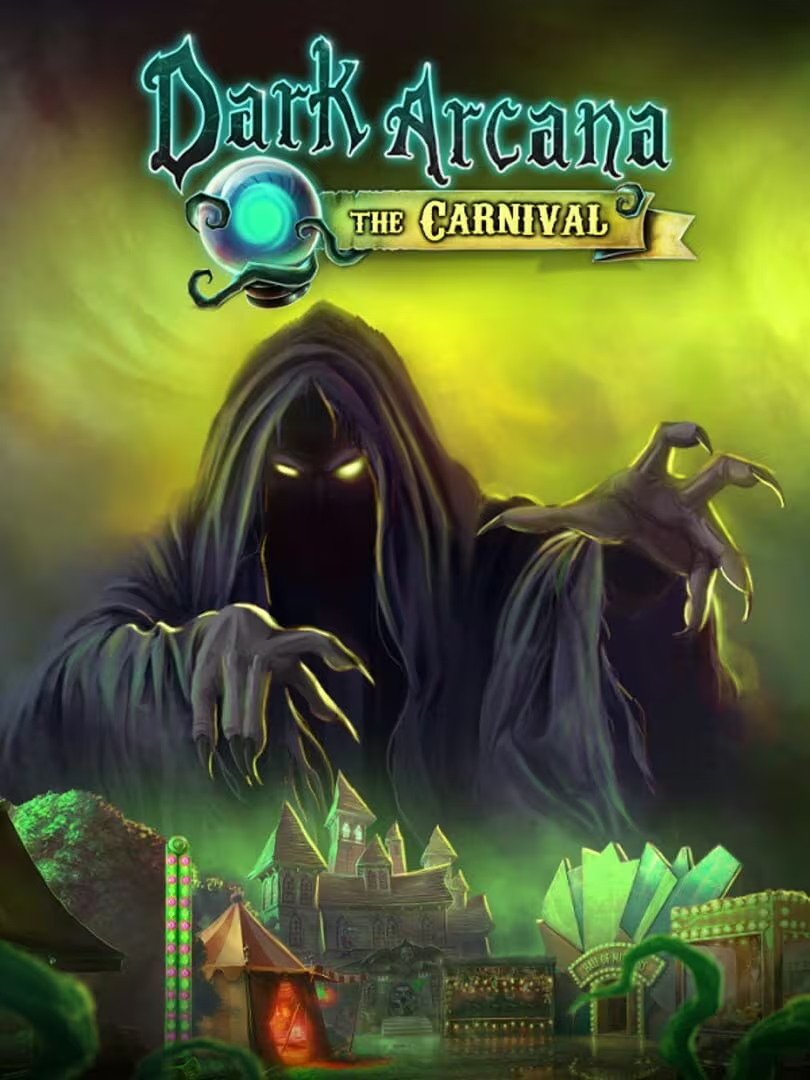
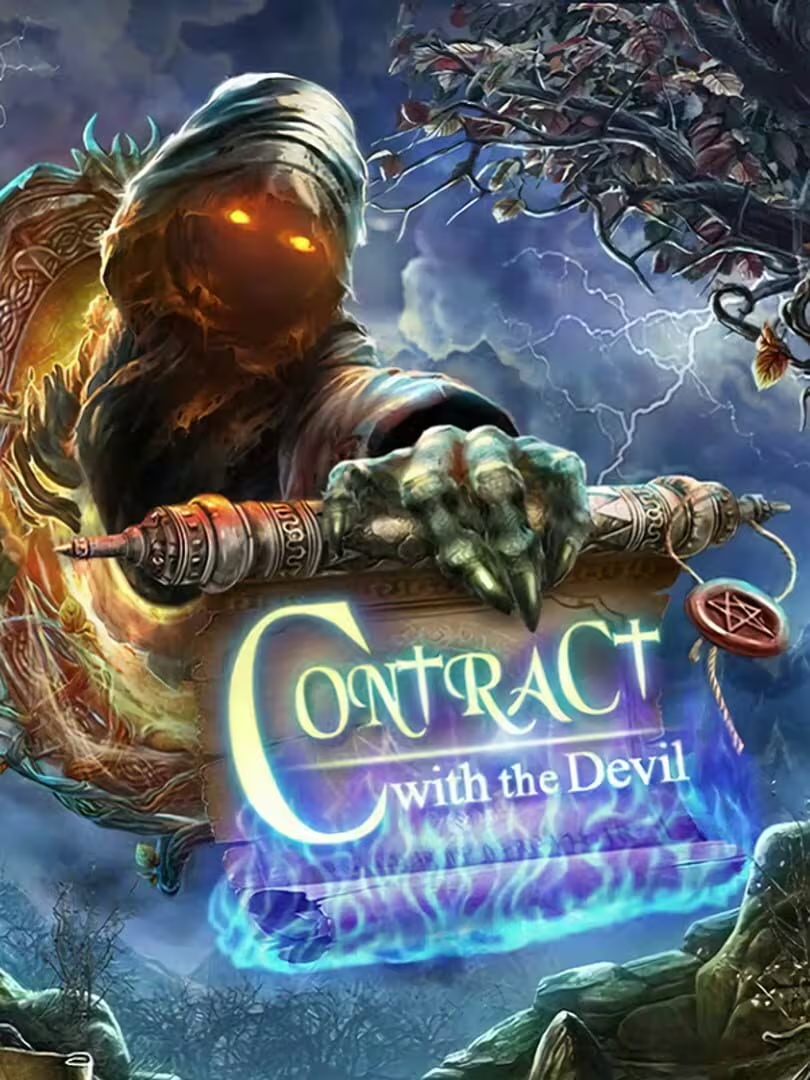
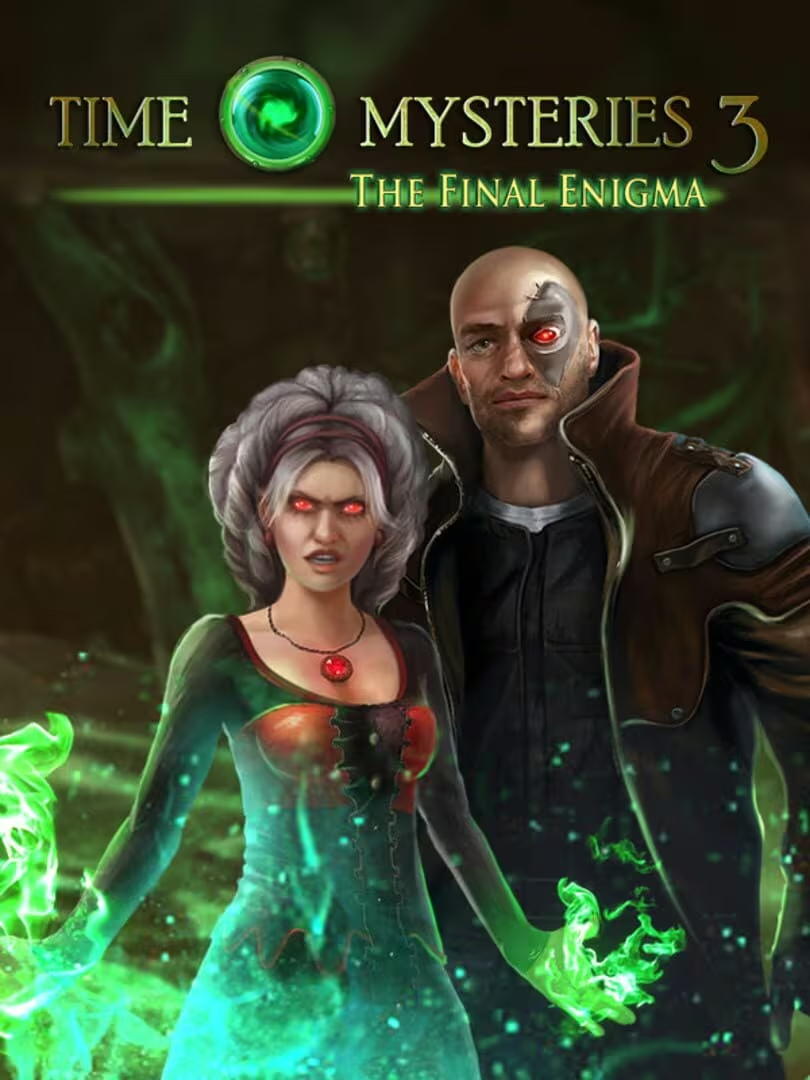
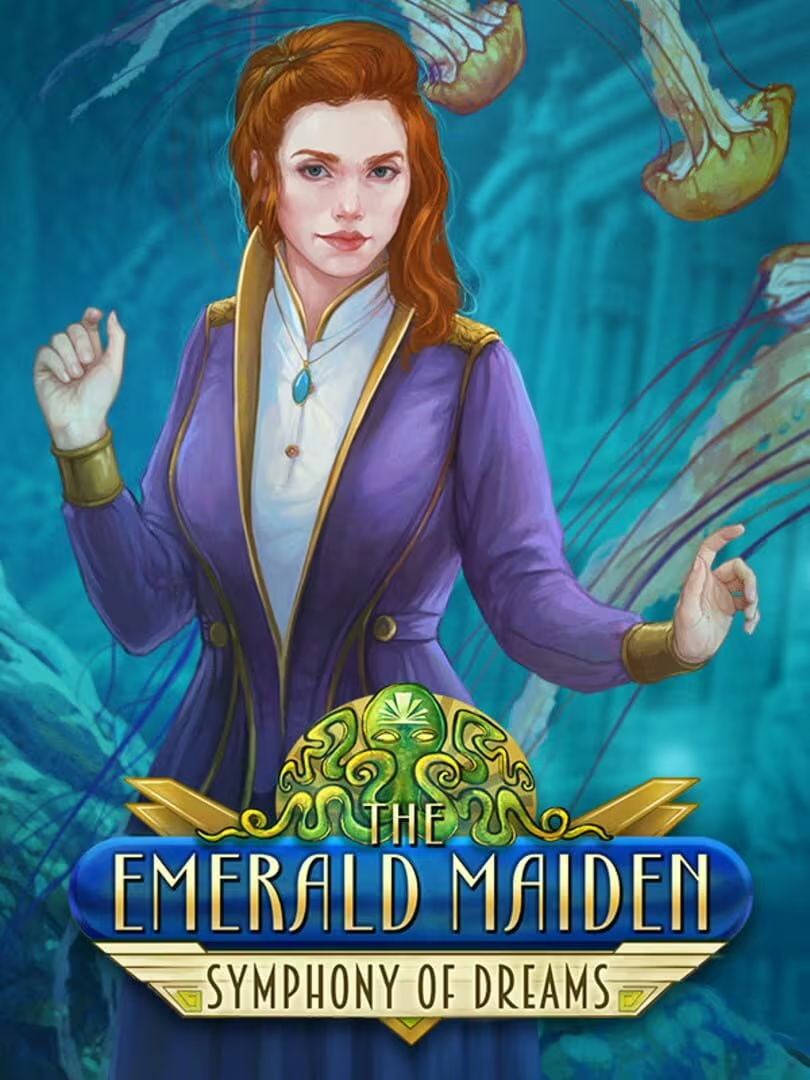
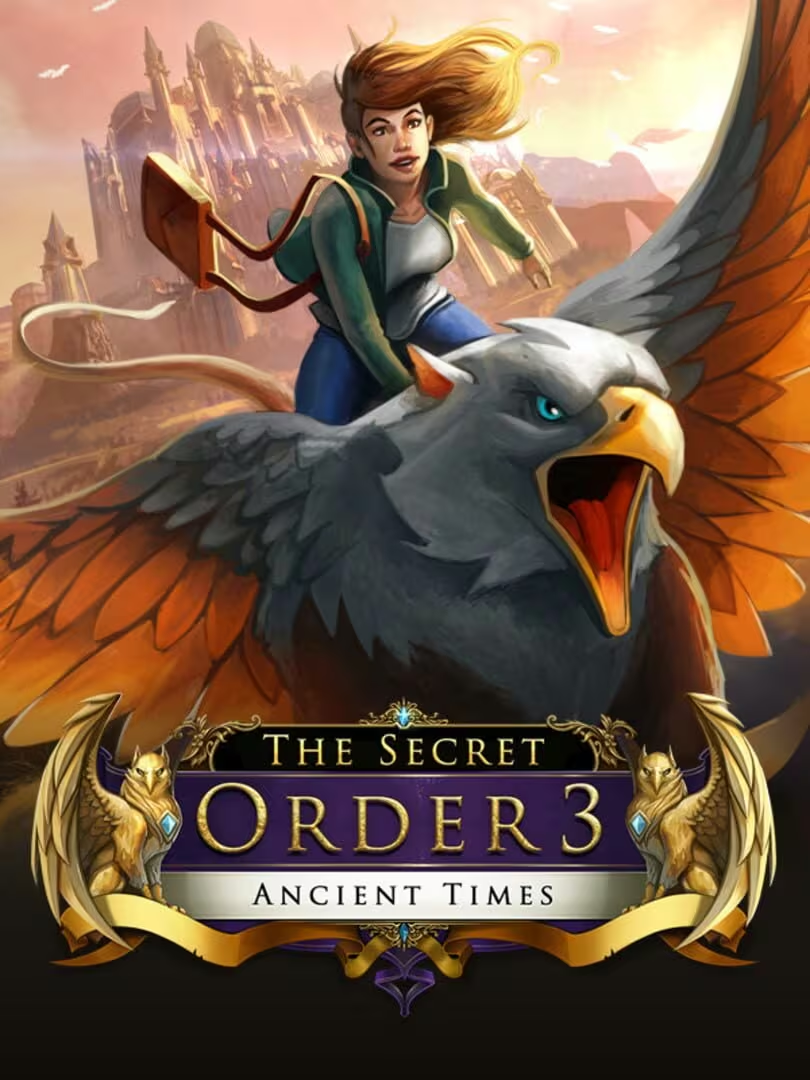
Glass Masquerade similar games & best alternatives
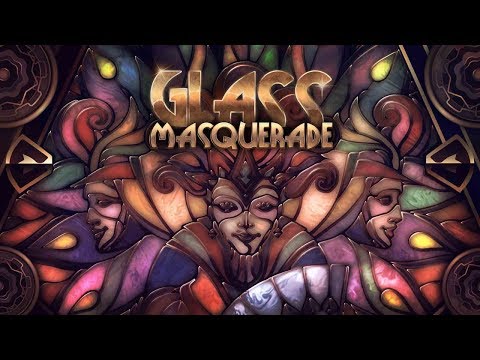
Glass Masquerade

PC (Microsoft Windows), Mac, Xbox One, PlayStation 4, Nintendo Switch • 2016

Related articles

Quick resume

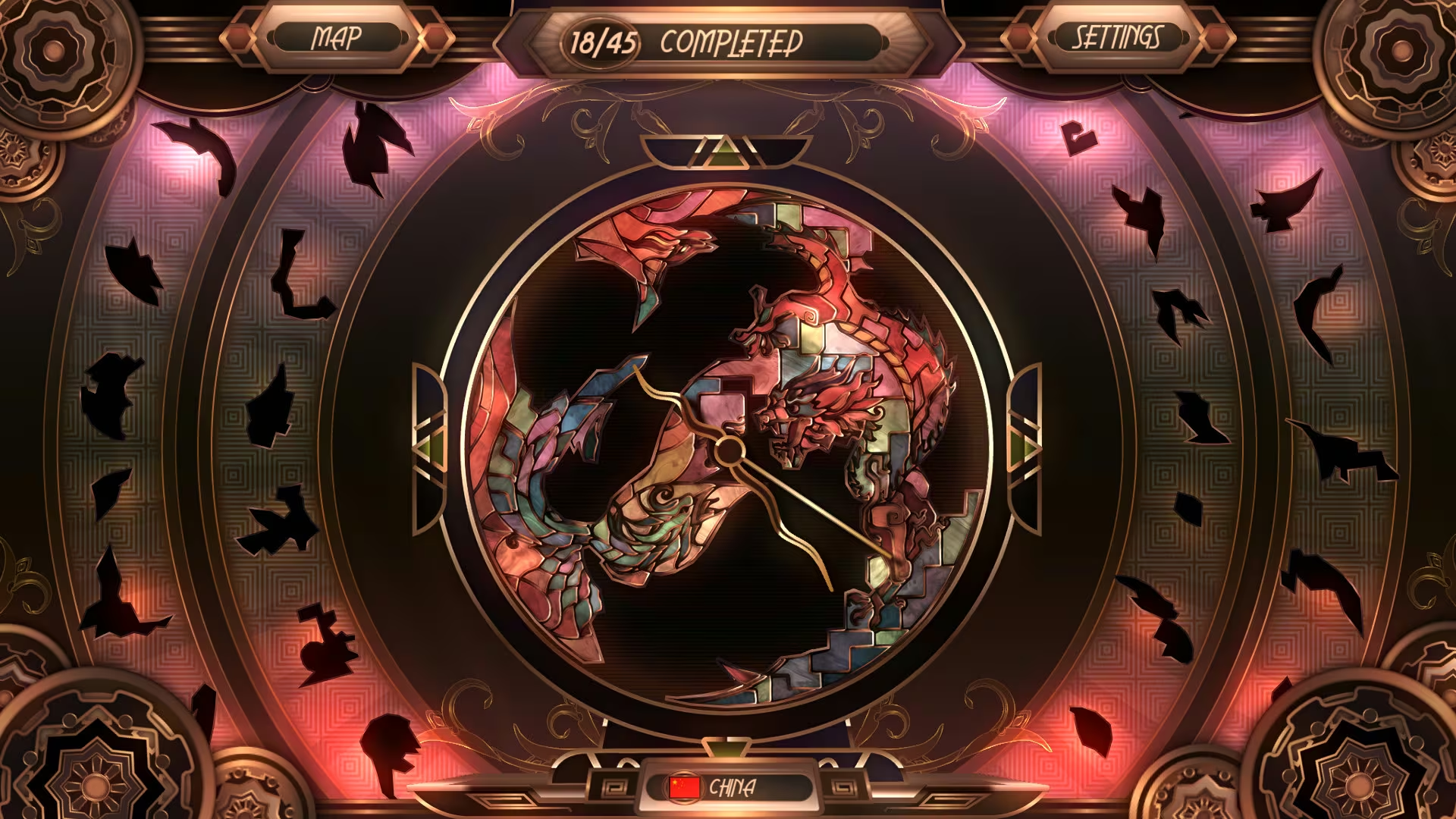
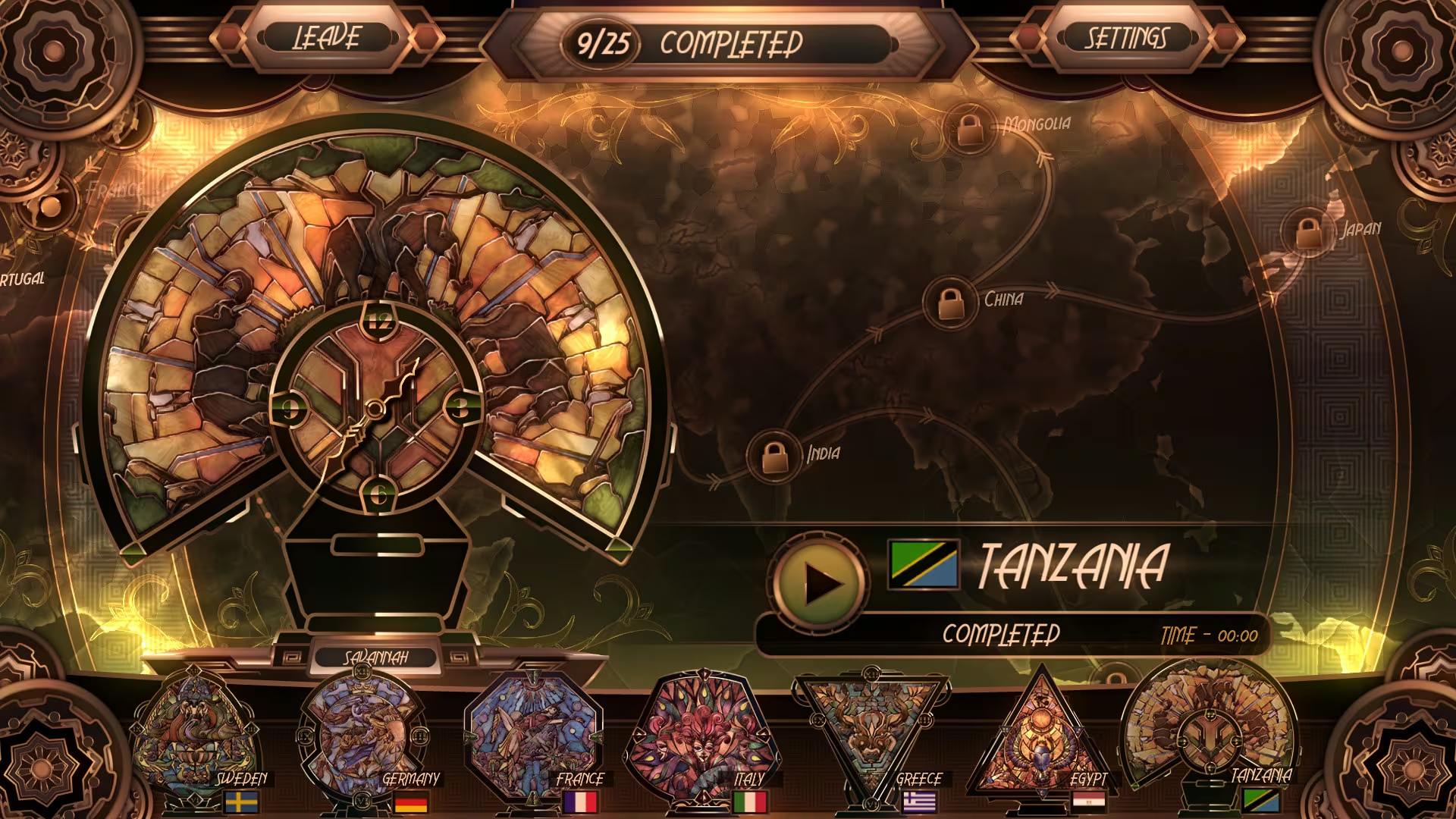
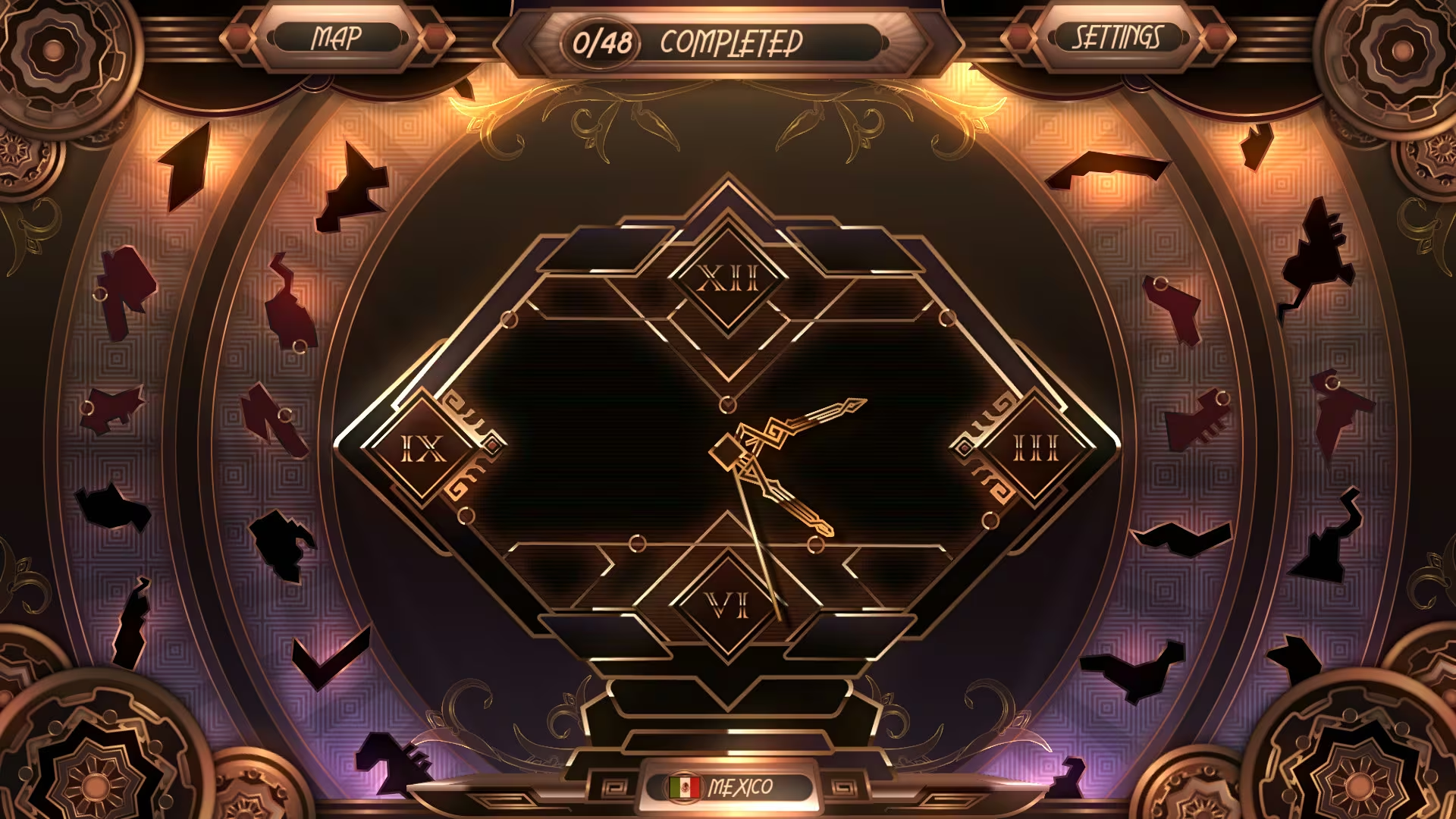
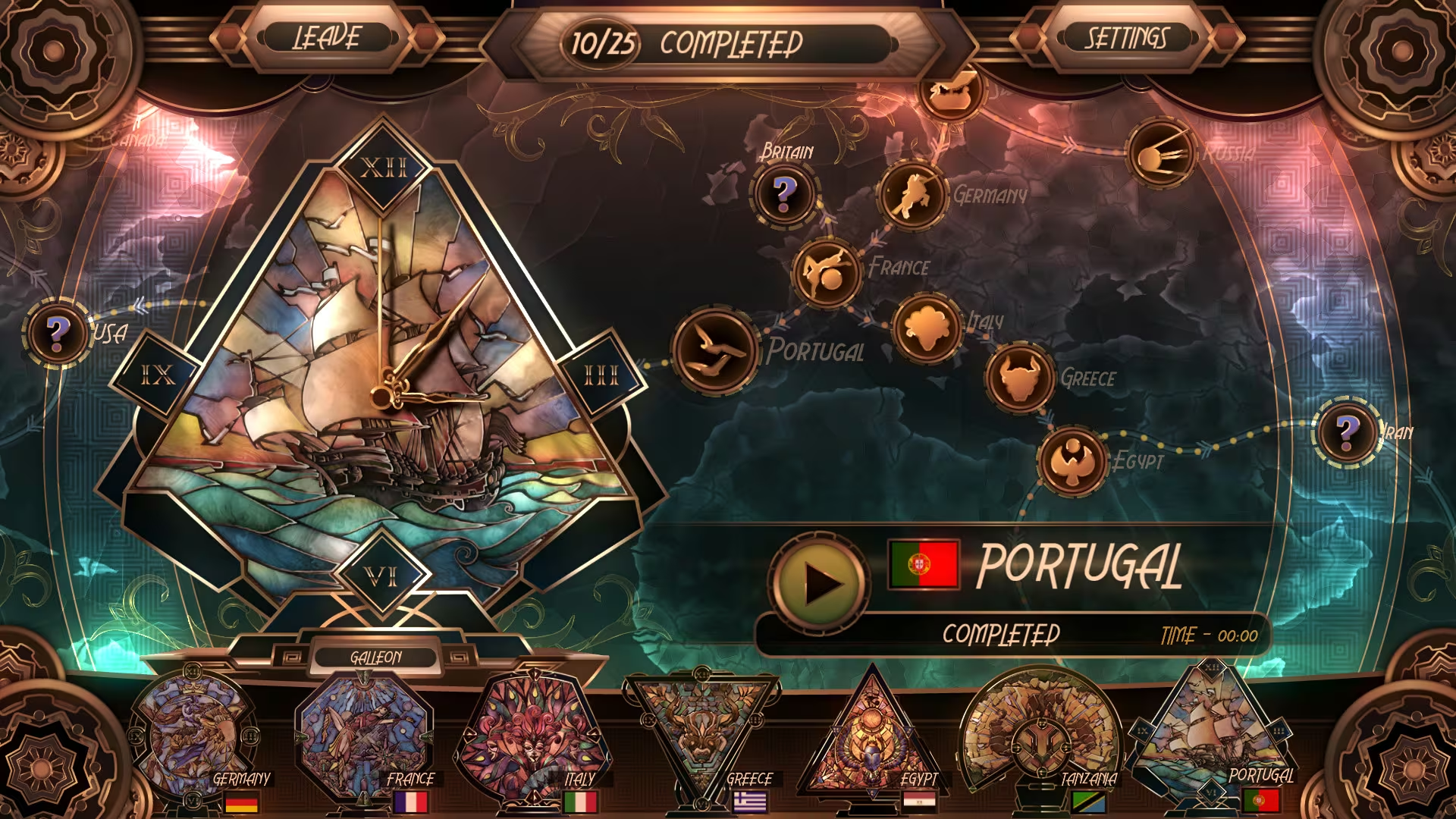
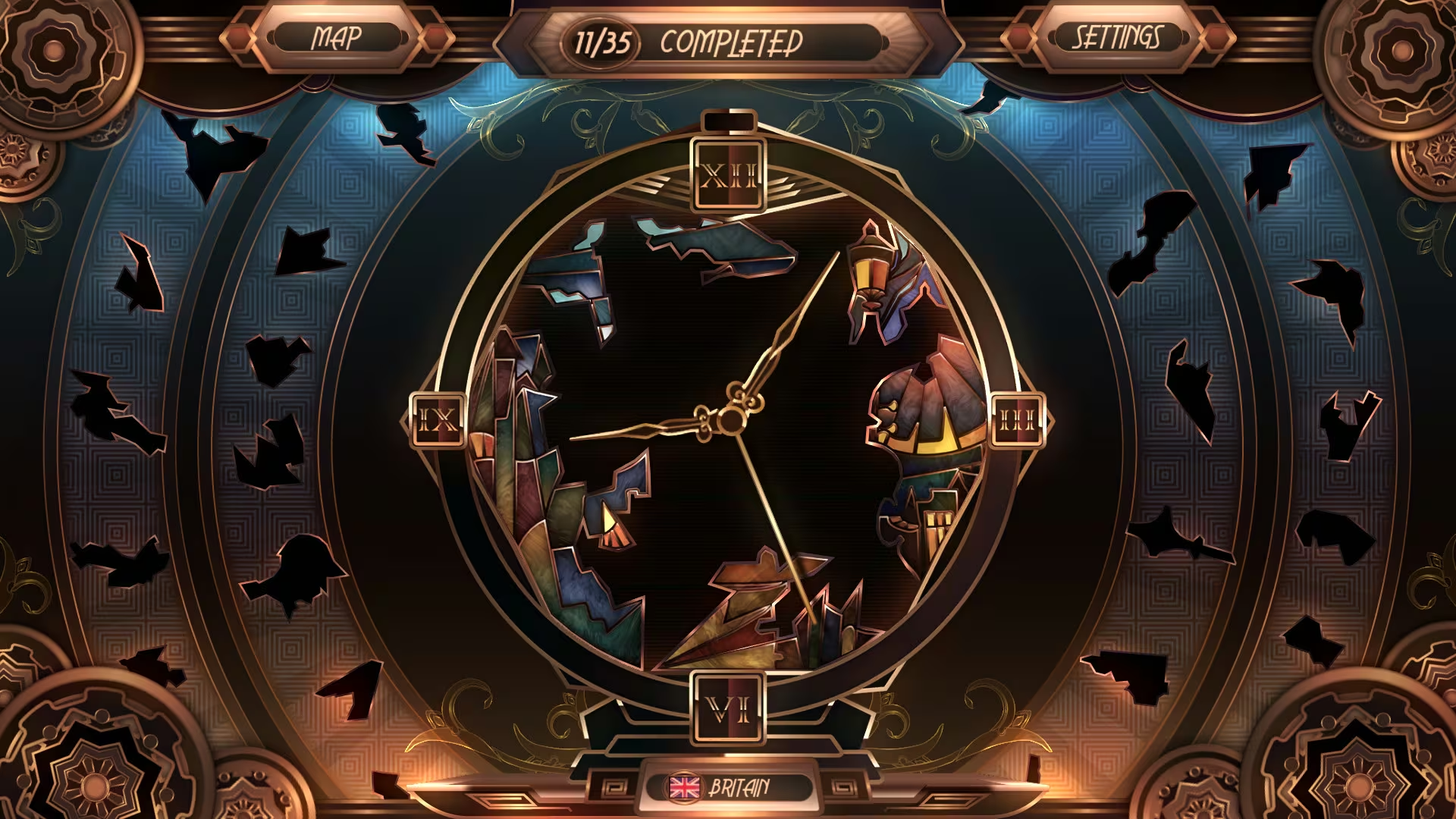
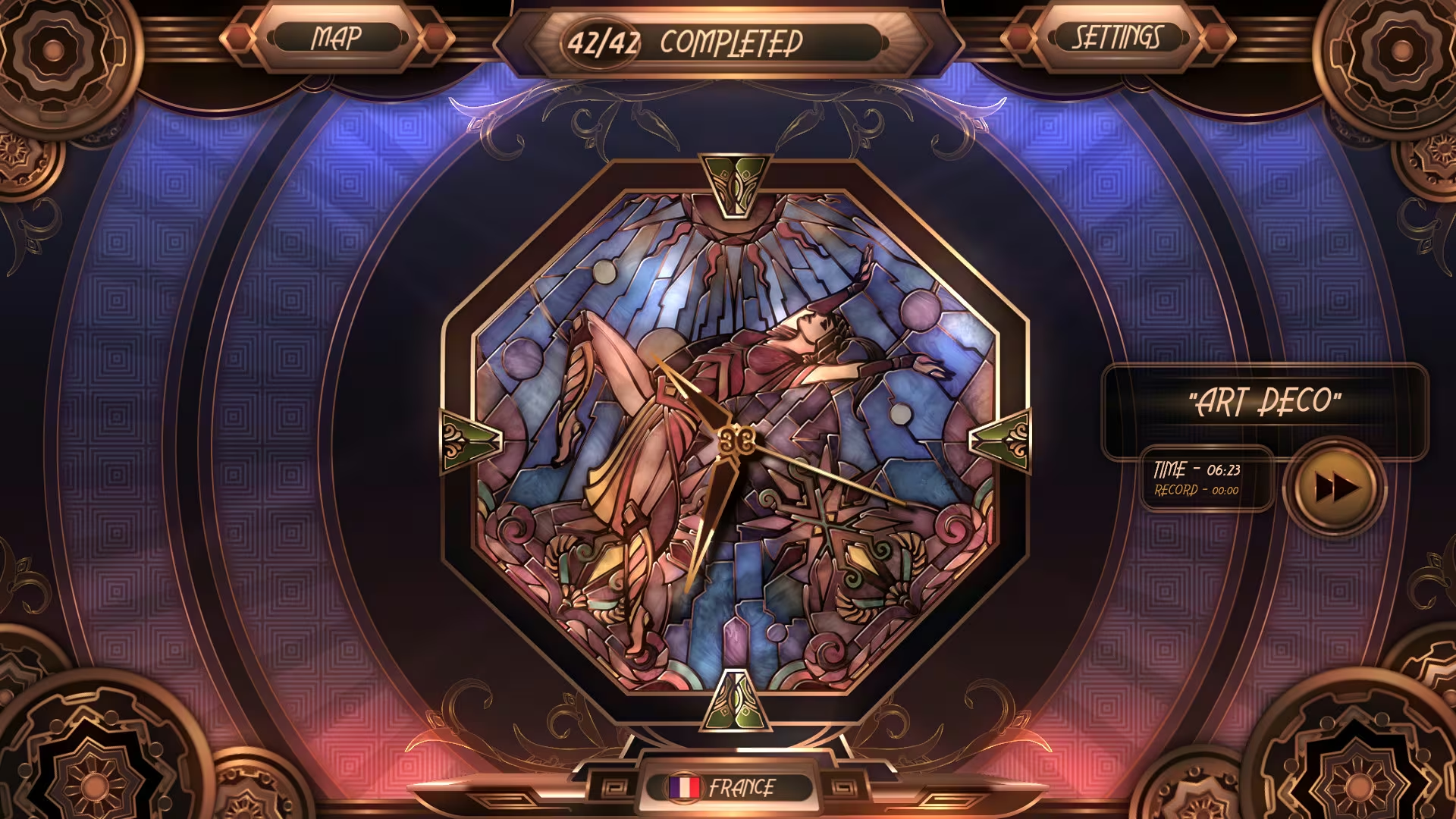
Welcome to Glass Masquerade - an artistic puzzle game inspired by Art Deco & stained glass artisans of the 20th century. You need to combine hidden glass pieces to unveil clocks and themes exhibited by various cultures of the world at the 'International Times Exhibition'

Global score

97/100

Genres

Casual, Indie, Puzzle

Similar games

    Pros

    • Beautiful stained glass art style
    • Relaxing and soothing music
    • Accessible and casual puzzle gameplay
    • Variety of puzzles representing different countries
    • Good value especially with dlc

    Cons

    • Short overall game length
    • Some interface quirks with piece selection
    • Limited replayability after completion
    • Lack of difficulty settings
    • Repetitive music

    Analysis

    Broadly representative of its motivational profile, with a few distinct shifts. Motivations that often define this kind of title include Idle, Thrill, Violence, Survival. It leans lower than usual among comparable games on Experimenting, Expression, Fantasy.

    How to use the graph
    Similar games map

    Each dot is a game. They are arranged from the same motivation profile as in the “Motivations” section below. Closer dots usually mean more similar reasons to play (exploration, competition, relaxation, etc.)—not that one game is “better” than another.

    • Larger dot with a light outline: the game you are viewing.
    • Colour: groups of games with comparable motivation patterns (statistical clusters).
    • Hover a dot to see the game name; click to open its page.
    • Scroll or double-click the chart to zoom out and see more games.

    Why don’t the axes read like a score? This view uses t-SNE: it only keeps who is close to whom. The scales are not “good to bad” or hours played—they separate groups on the map. Read distance between dots, not the axis numbers.

    Motivations

    • Autonomy
      4

      "Players freely choose which puzzles to solve next on the world map and can solve puzzles at their own pace without pressure."

    • Competence
      2

      "Puzzles offer varying difficulty with some requiring spatial reasoning and shape matching, but overall are accessible and not overly challenging."

    • Competition
      -3

      "Focus is on personal progress and relaxation without competitive elements or leaderboards."

    • Continuation
      2

      "Players often play in short sessions and some return repeatedly for relaxation and to complete puzzles."

    • Cooperation
      -5

      "Single-player experience with no multiplayer or cooperative gameplay."

    • Creativity
      1

      "Players assemble puzzles creatively but within fixed pieces and images; limited customization or creation."

    • Domination
      -5

      "No elements of exerting control or superiority over others; purely individual experience."

    • Escapism
      4

      "Many players use the game for relaxation, stress relief, and peaceful distraction from real life."

    • Expectation
      -4

      "Players engage voluntarily for enjoyment and relaxation without obligation or pressure."

    • Experimenting
      -2

      "Gameplay involves following puzzle-solving routines with limited novelty or mechanic experimentation."

    • Exploration
      3

      "Players explore different countries and cultural themes through puzzles, discovering new images and art styles."

    • Expression
      -3

      "No character or environment customization; presentation is fixed and standardized."

    • Fantasy
      -3

      "Game is grounded in realistic cultural imagery and puzzle solving without fictional or fantastical elements."

    • Fellowship
      -4

      "Minimal social interaction; primarily a solitary experience though some players share with family."

    • Growth
      2

      "Players develop spatial and puzzle-solving skills, though learning curve is gentle and limited."

    • Health
      -5

      "Sedentary gameplay with no physical activity or health-related features."

    • Idle
      3

      "Suitable for short, casual play sessions and background relaxation."

    • Intimacy
      -4

      "No social or emotional relationship building within the game."

    • Leadership
      -5

      "No leadership or group management roles; purely individual gameplay."

    • Progression
      3

      "Players progress by completing puzzles and unlocking new ones, with some time-based personal bests."

    • Relaxation
      5

      "Strong emphasis on calm, soothing music and relaxing gameplay to reduce stress."

    • Sensation
      3

      "Visual and auditory aesthetics are highly praised for beauty and calming effects."

    • Status
      -4

      "No social recognition or ranking systems; achievements are personal milestones."

    • Story
      -4

      "No narrative or plot; focus is on isolated puzzle-solving activities."

    • Strategy
      1

      "Requires some spatial reasoning and planning but no complex strategic decision-making."

    • Thrill
      -4

      "No suspense or risk; gameplay is predictable and low-pressure."

    • Value
      3

      "Players feel the game offers good value for price, especially with DLC and relaxing experience."

    • Violence
      -5

      "No violent content; gameplay is constructive and peaceful."

    • Survival
      -5

      "No survival or threat elements; stable and safe gameplay environment."

    Last update: 29/04/2026