Left on Read Thumbnail

Left on Read similar games & best alternatives
Left on Read

PC (Microsoft Windows), Mac, Linux • 2020

Related articles

Quick resume

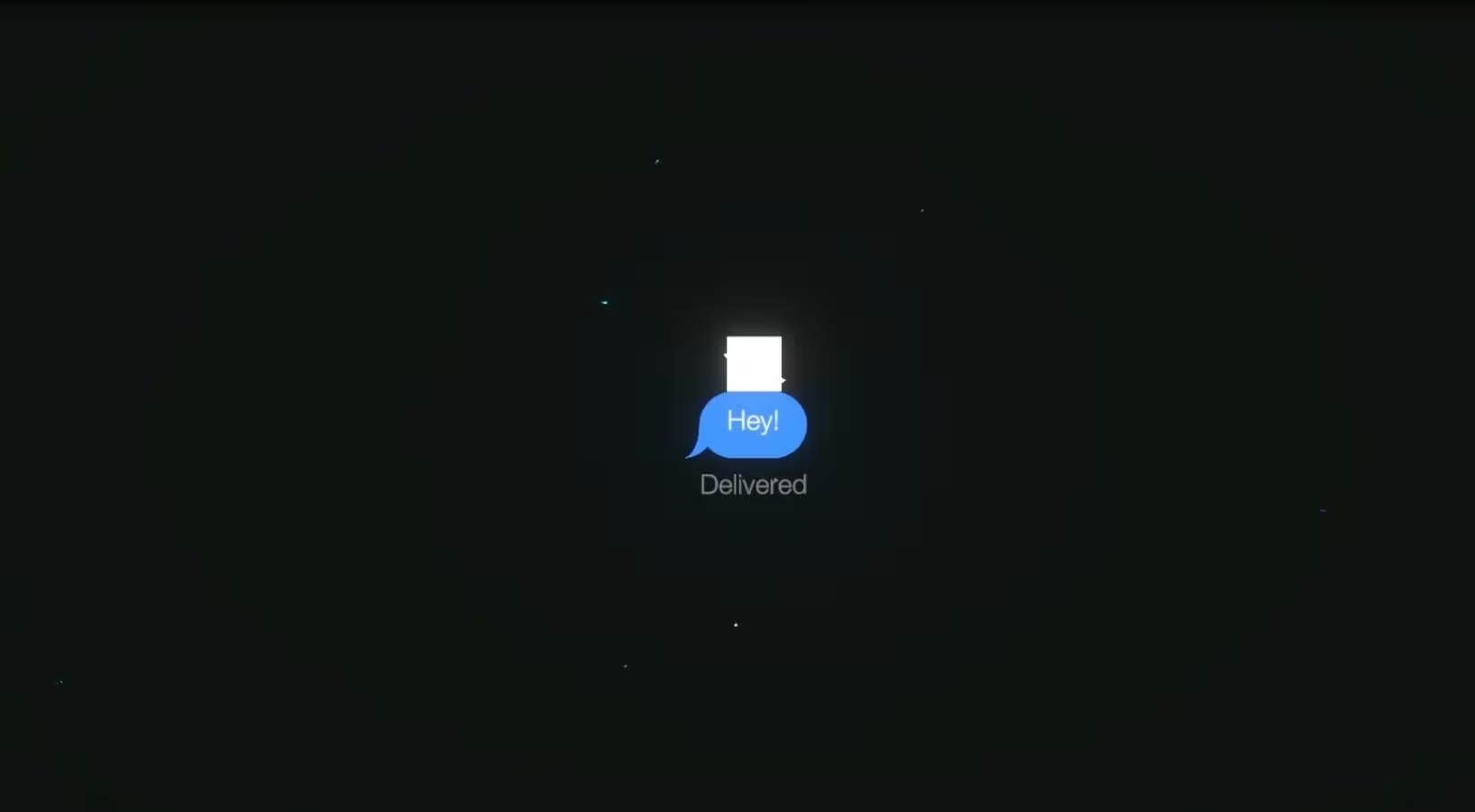
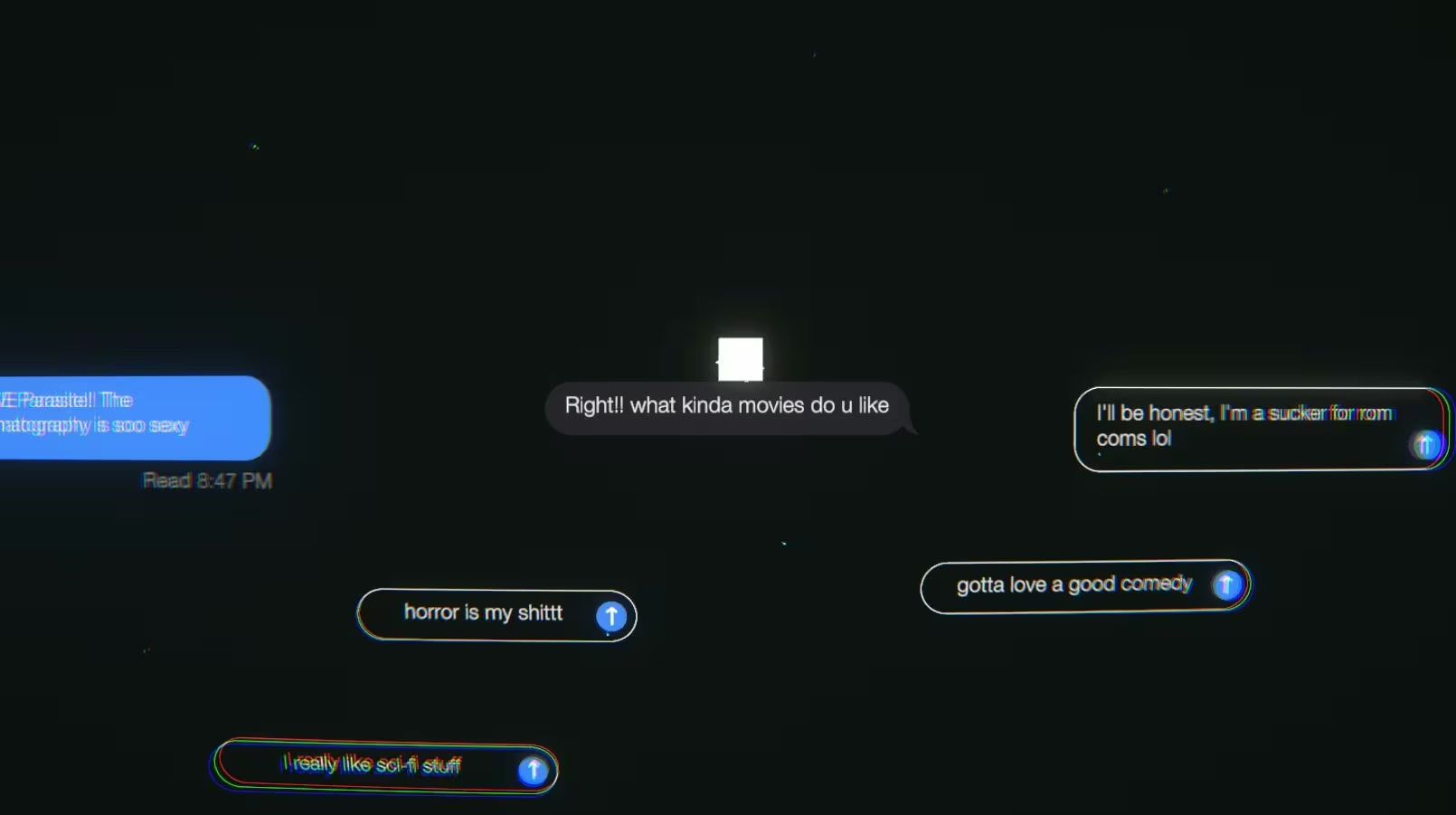
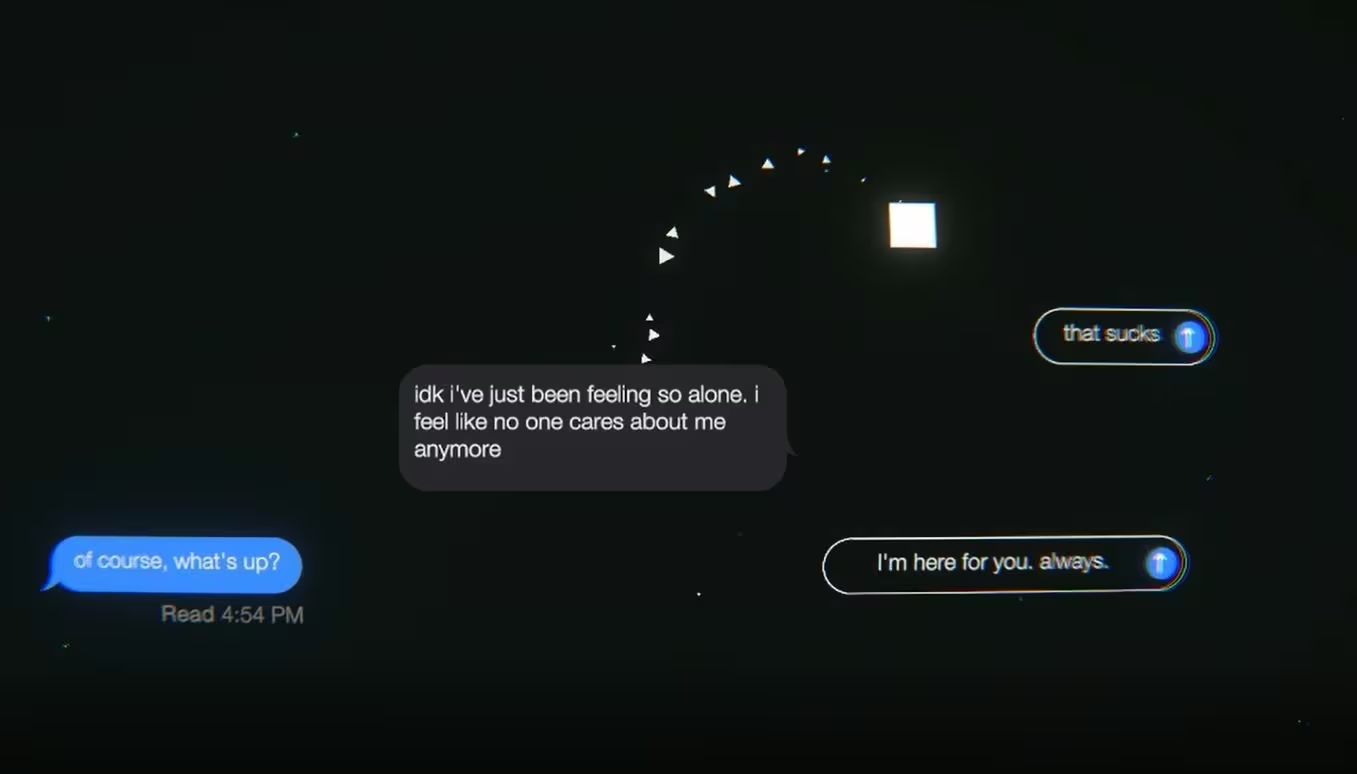
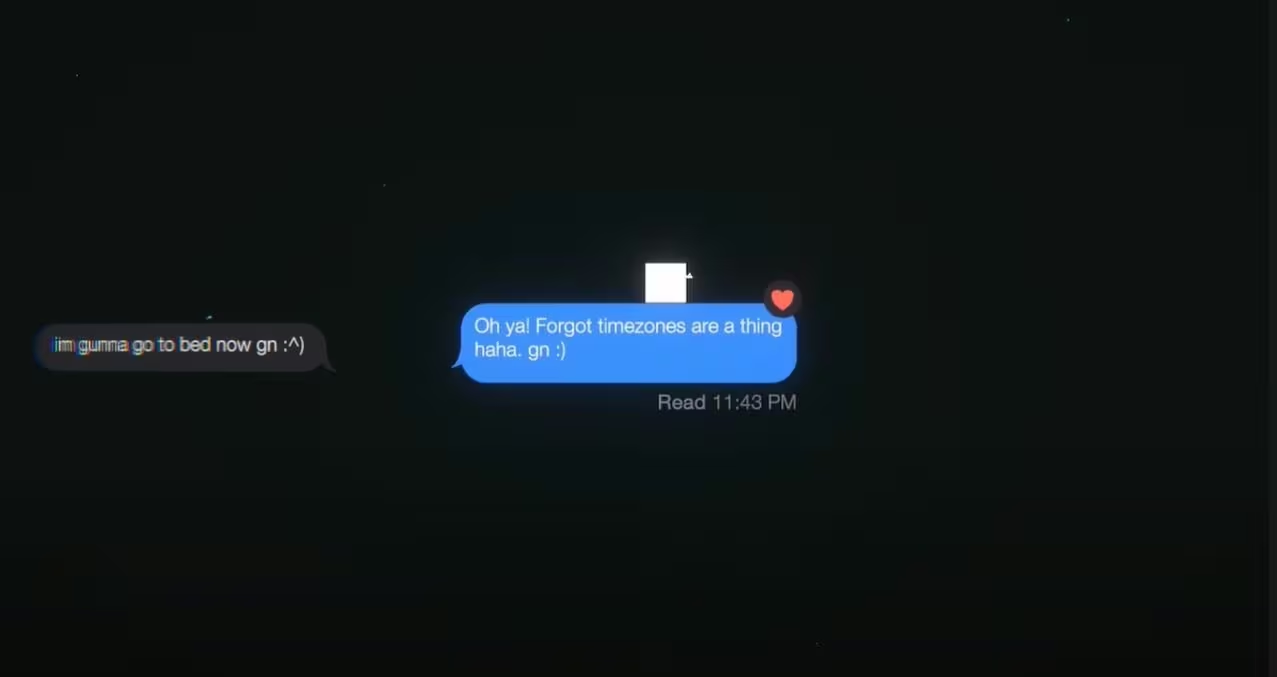
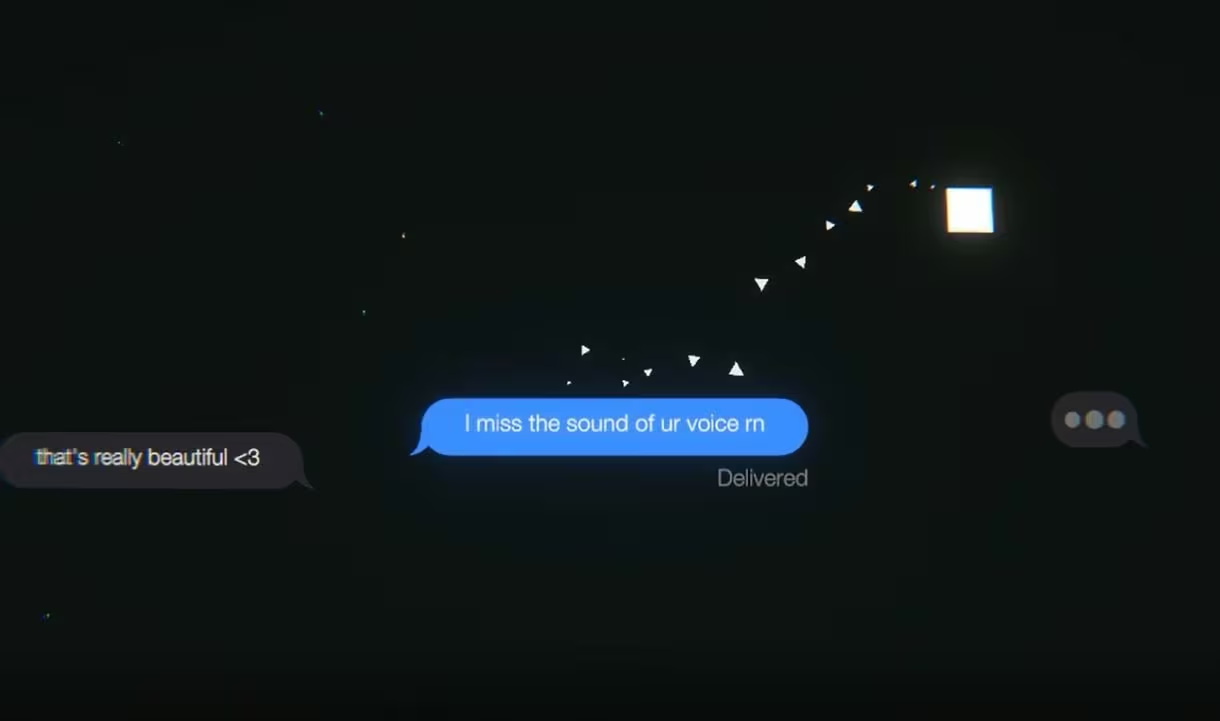
It’s March of 2020; you were just sent home from college because of the coronavirus, you have a few small regrets, mainly not telling someone how you really feel.

Global score

80/100

Genres

Adventure, Casual, Free To Play, Indie, Role-playing (RPG), Simulator, Visual Novel

Similar games

    Pros

    • Emotional and relatable story
    • Unique text-based narrative with platforming twist
    • Free to play
    • Reflects real-life pandemic experiences
    • Short and accessible gameplay

    Cons

    • Some players find dialogue dry or cringey
    • Realistic mode requires long waiting times
    • Achievements difficult or impossible to fully obtain
    • Limited gameplay depth
    • Lack of character customization or social features

    Analysis

    Broadly representative of its motivational profile, with a few distinct shifts. Motivations that often define this kind of title include Strategy, Survival, Competence, Violence. Here, the score leans higher than usual among comparable games on Intimacy, Story. It leans lower than usual among comparable games on Fantasy.

    How to use the graph
    Similar games map

    Each dot is a game. They are arranged from the same motivation profile as in the “Motivations” section below. Closer dots usually mean more similar reasons to play (exploration, competition, relaxation, etc.)—not that one game is “better” than another.

    • Larger dot with a light outline: the game you are viewing.
    • Colour: groups of games with comparable motivation patterns (statistical clusters).
    • Hover a dot to see the game name; click to open its page.
    • Scroll or double-click the chart to zoom out and see more games.

    Why don’t the axes read like a score? This view uses t-SNE: it only keeps who is close to whom. The scales are not “good to bad” or hours played—they separate groups on the map. Read distance between dots, not the axis numbers.

    Motivations

    • Autonomy
      3

      "Players choose dialogue options and control the cube's movement between messages, allowing personal decision-making within a constrained narrative."

    • Competence
      1

      "Gameplay involves simple platforming and choosing text responses; some skill needed for timing jumps but overall low technical challenge."

    • Competition
      -5

      "No competitive elements or player comparison; focus is on personal narrative experience."

    • Continuation
      2

      "Players report being hooked for the short duration and replaying for different endings or achievements, though the game is brief."

    • Cooperation
      -5

      "Single-player experience focused on individual interaction with the narrative; no multiplayer or teamwork."

    • Creativity
      2

      "Some creativity in navigating dialogue choices and platforming mechanic, but within a fixed story and message options."

    • Domination
      -5

      "No elements of exerting control or superiority over others; interactions are narrative and personal."

    • Escapism
      3

      "Players use the game to reflect on and escape from real-life feelings of isolation and relationship anxiety during COVID."

    • Expectation
      -4

      "Players engage voluntarily out of personal interest and emotional connection, not obligation or external pressure."

    • Experimenting
      2

      "Players try different dialogue choices and endings, exploring narrative variations and achievements."

    • Exploration
      1

      "Limited exploration in navigating message paths and platforming, but no open world or discovery beyond dialogue branches."

    • Expression
      -3

      "Minimal customization or self-expression; players select from preset dialogue options without avatar personalization."

    • Fantasy
      -4

      "Strongly grounded in realistic scenarios and emotions related to texting and relationships during COVID-19."

    • Fellowship
      -4

      "Focus on individual experience and narrative; no social or community gameplay aspects."

    • Growth
      2

      "Players reflect on personal emotions and communication skills; some learning about relationship dynamics."

    • Health
      -5

      "Sedentary gameplay with no physical activity or health-related features."

    • Idle
      3

      "Gameplay includes waiting periods for message replies, especially in realistic mode, allowing for passive engagement."

    • Intimacy
      4

      "Strong emotional connection and personal reflection on relationships and feelings; intimate narrative experience."

    • Leadership
      -5

      "No leadership or group management; single-player narrative focus."

    • Progression
      1

      "Some progression through story and achievements, but no item collection or power accumulation."

    • Relaxation
      2

      "Generally calm and reflective experience with some emotional tension; pacing is slow and contemplative."

    • Sensation
      0

      "Minimal sensory stimulation; simple graphics and audio provide moderate emotional impact without intense sensory input."

    • Status
      -5

      "No social recognition or status systems; focus is on personal narrative."

    • Story
      5

      "Narrative-driven game with strong emotional storytelling and immersive dialogue experience."

    • Strategy
      0

      "Limited strategic depth; choices affect narrative but no complex planning or problem solving."

    • Thrill
      -2

      "Low suspense or risk; emotional tension present but no high-stakes thrills or surprises."

    • Value
      5

      "Free game with meaningful emotional payoff; players appreciate the experience relative to time invested."

    • Violence
      -5

      "No violence or destructive gameplay; focus on communication and emotional interaction."

    • Survival
      -5

      "No survival or threat mechanics; stable and safe narrative environment."

    Last update: 29/04/2026