Police Stories: The Academy Thumbnail

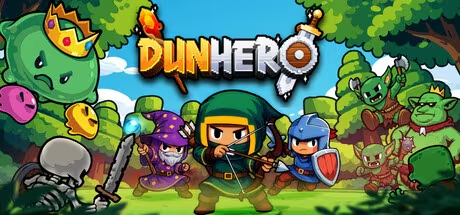
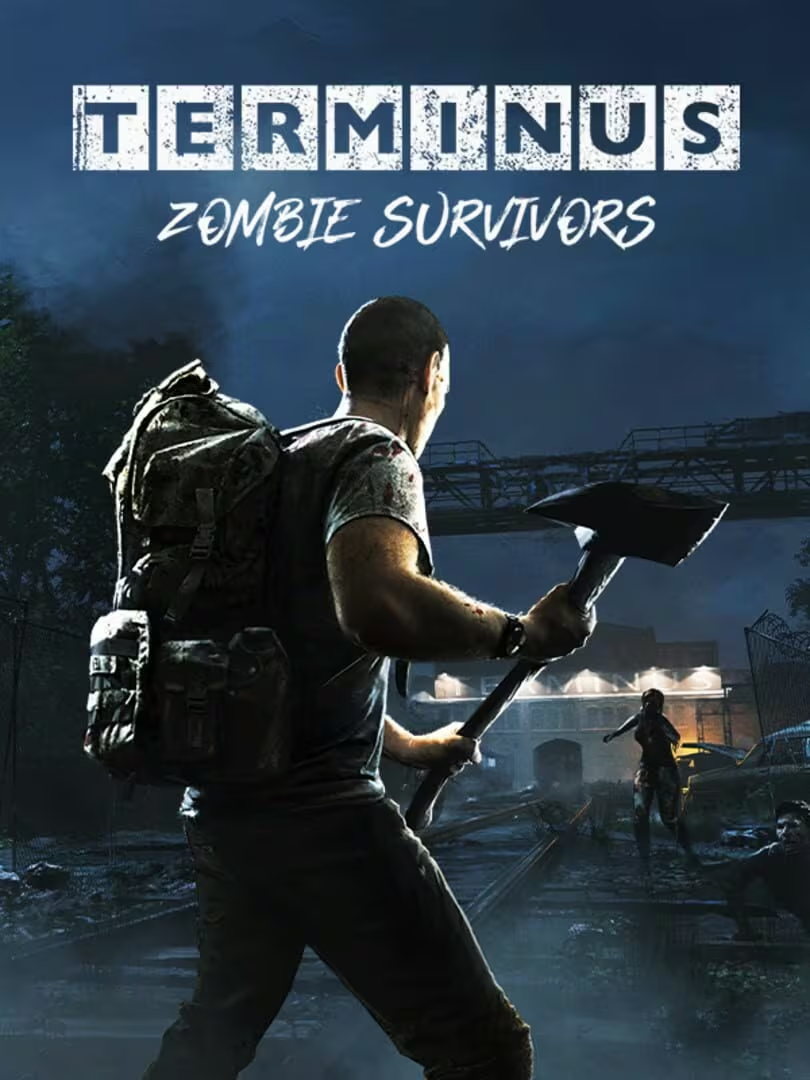
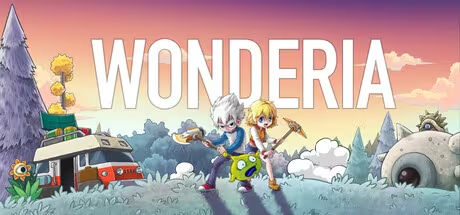
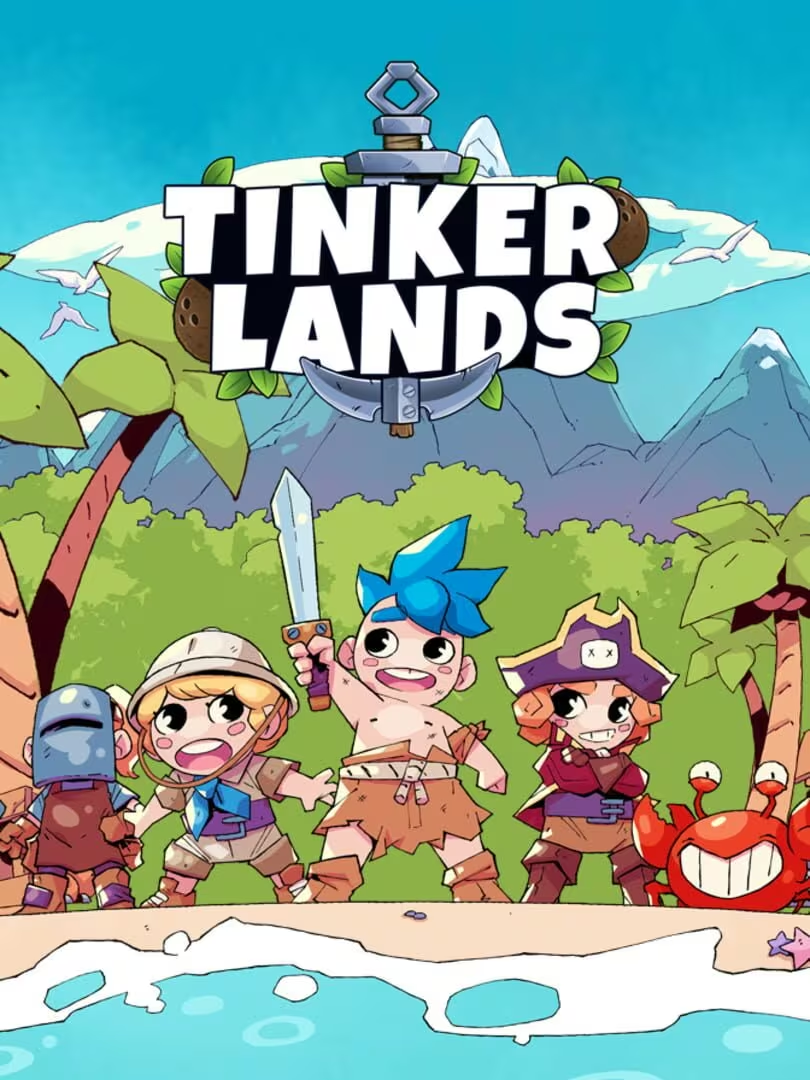
Police Stories: The Academy similar games & best alternatives

Police Stories: The Academy

PC (Microsoft Windows) • 2022

Related articles

Quick resume

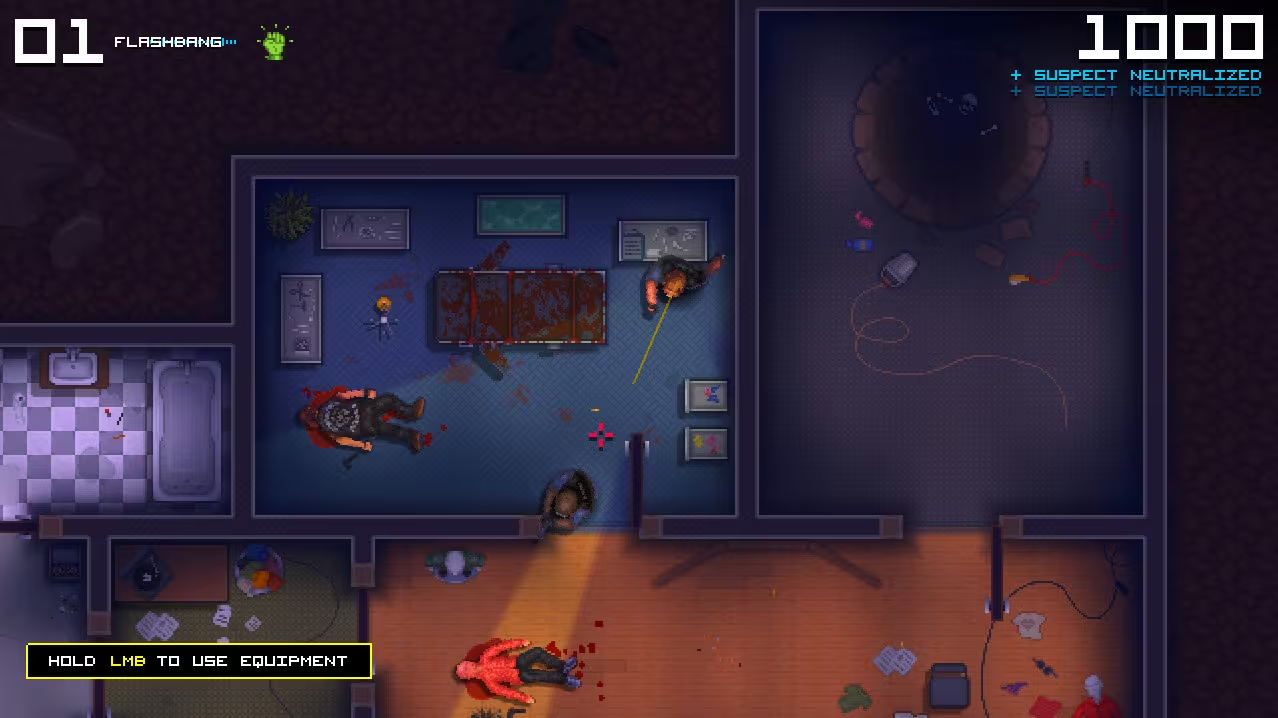
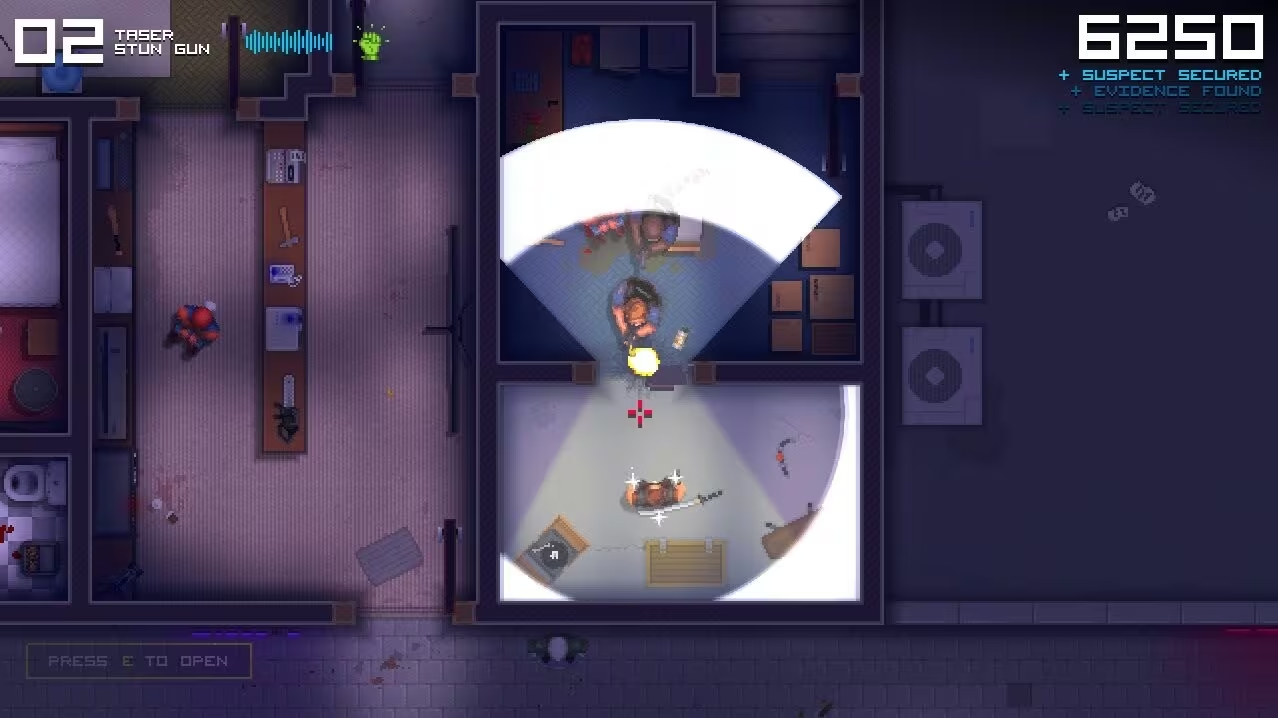
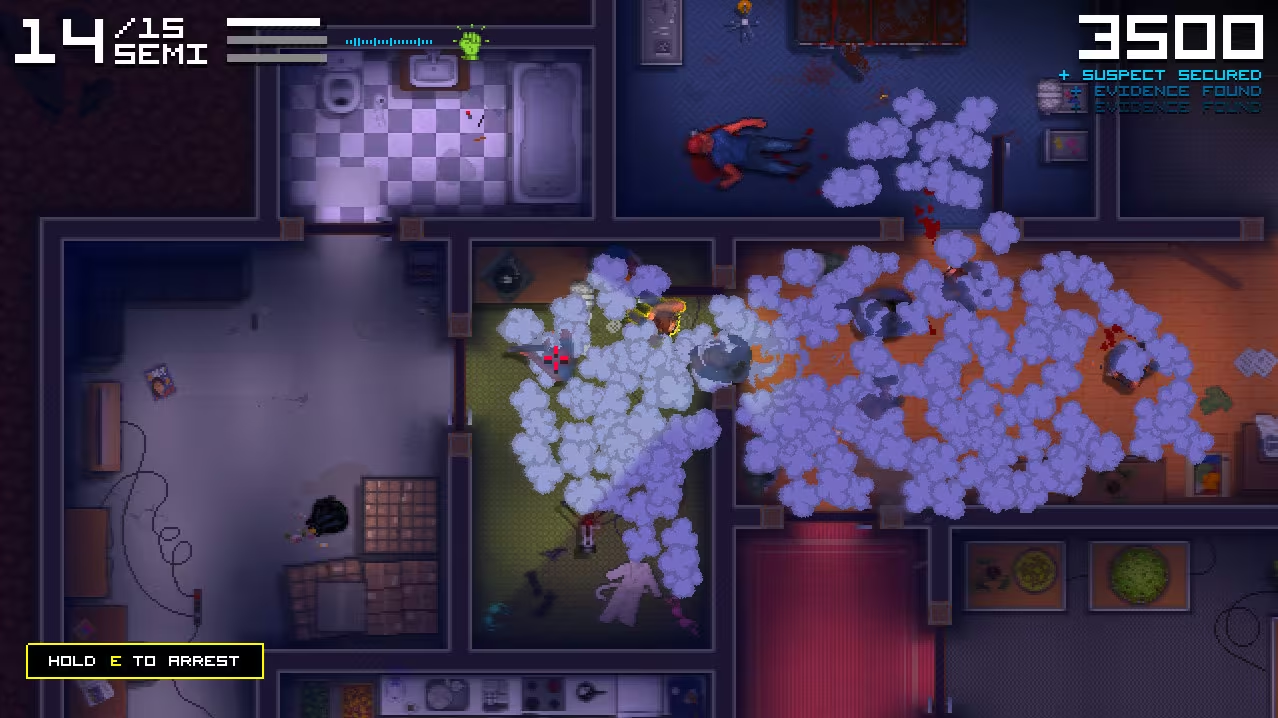
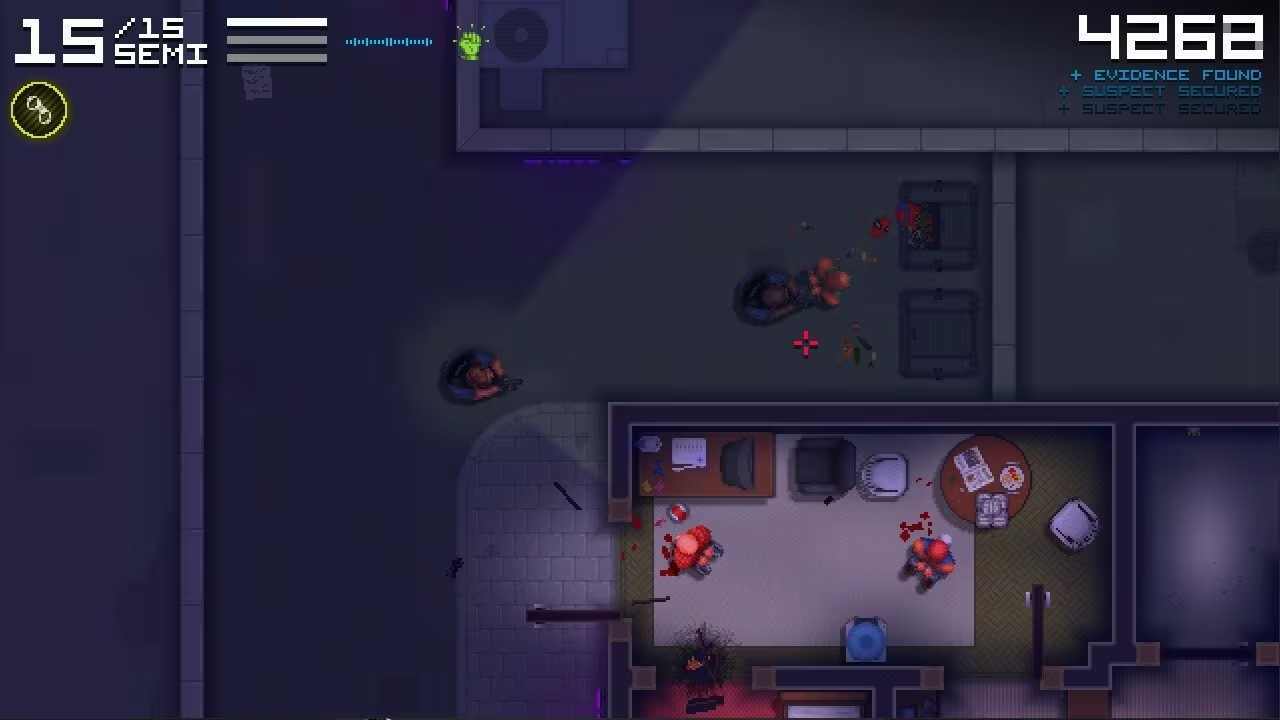
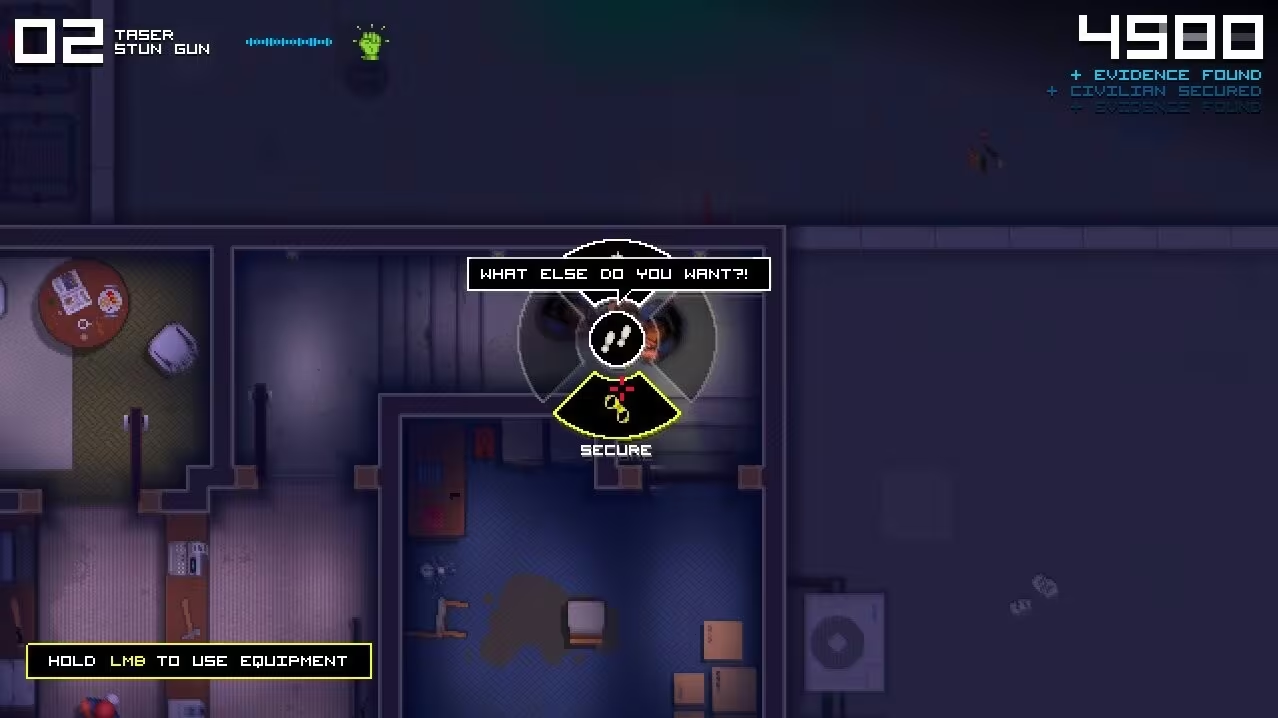
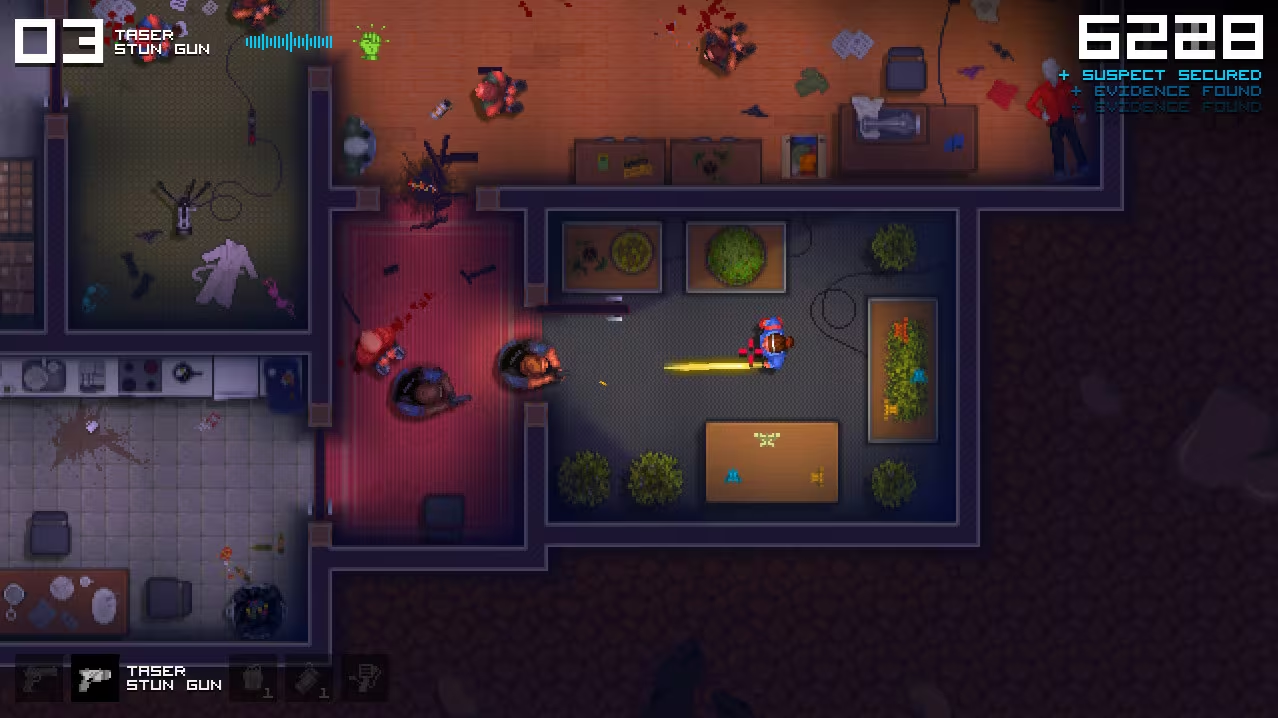
Welcome, trainee! Use tactics and special equipment to become a true cop in the free version of Police Stories: The Academy. Neutralize criminals, search for clues and find a "rat" in the police station alone or in co-op with a partner.

Global score

91/100

Genres

Action, Free To Play, Indie, Simulator, Strategy

Similar games

    Pros

    • Free to play demo
    • Tactical and challenging gameplay
    • Cooperative multiplayer mode
    • Realistic police scenarios
    • Accessible controls and low hardware requirements

    Cons

    • Very short with limited missions
    • Technical issues and crashes reported
    • Ai partner can be unreliable
    • Lack of polish and bugs
    • Story and dialogue are weak or poorly written

    Analysis

    Less representative of its motivational profile, with noticeable differences. Motivations that often define this kind of title include Creativity, Exploration, Expression, Story. Here, the score leans higher than usual among comparable games on Cooperation, Leadership, Fellowship.

    How to use the graph
    Similar games map

    Each dot is a game. They are arranged from the same motivation profile as in the “Motivations” section below. Closer dots usually mean more similar reasons to play (exploration, competition, relaxation, etc.)—not that one game is “better” than another.

    • Larger dot with a light outline: the game you are viewing.
    • Colour: groups of games with comparable motivation patterns (statistical clusters).
    • Hover a dot to see the game name; click to open its page.
    • Scroll or double-click the chart to zoom out and see more games.

    Why don’t the axes read like a score? This view uses t-SNE: it only keeps who is close to whom. The scales are not “good to bad” or hours played—they separate groups on the map. Read distance between dots, not the axis numbers.

    Motivations

    • Autonomy
      3

      "Players have control over tactical decisions, weapon choice, and partner commands, allowing personal freedom in approach."

    • Competence
      4

      "The game requires significant brain usage, tactical planning, and skillful execution with feedback on performance."

    • Competition
      -2

      "Focus is mainly on personal performance and cooperative play rather than competitive ranked modes or leaderboards."

    • Continuation
      -3

      "Short demo with limited missions and replayability; players tend to finish quickly and may not return often."

    • Cooperation
      4

      "Strong emphasis on cooperative gameplay with partner commands and multiplayer co-op mode."

    • Creativity
      2

      "Players can choose different tactics and weapons, but missions and scenarios are preset with limited customization."

    • Domination
      -3

      "Gameplay encourages teamwork and shared objectives rather than exerting superiority or dominance over others."

    • Escapism
      3

      "Players use the game as a tactical police simulation and stress relief, escaping into immersive scenarios."

    • Expectation
      -4

      "Players engage voluntarily out of interest and enjoyment rather than obligation or external pressure."

    • Experimenting
      3

      "Players try different tactics, weapons, and strategies to complete missions effectively."

    • Exploration
      -2

      "Missions are short and structured with limited new areas or secrets to discover."

    • Expression
      -1

      "Some minor character and weapon choices exist but limited avatar or environment customization."

    • Fantasy
      -3

      "Game focuses on realistic police scenarios and tactical training rather than imaginative or fictional elements."

    • Fellowship
      4

      "Strong community and cooperative play with friends and partners emphasized."

    • Growth
      3

      "Players learn tactical skills, improve strategies, and develop mastery over gameplay mechanics."

    • Health
      -5

      "Sedentary gameplay with no physical activity or health-related features."

    • Idle
      -3

      "Requires focused attention and tactical decision-making; not suited for casual or background play."

    • Intimacy
      2

      "Cooperative play fosters social interaction and bonding, though not deeply emotional or intimate."

    • Leadership
      3

      "Players can lead AI partners or coordinate with human teammates, guiding tactical decisions."

    • Progression
      2

      "Some progression through mission ratings and unlocking levels, but limited item or upgrade accumulation."

    • Relaxation
      -1

      "Gameplay can be tense and challenging, requiring focus rather than purely relaxing flow."

    • Sensation
      2

      "Enjoyable audiovisual style with retro pixel art and music, providing moderate sensory stimulation."

    • Status
      -3

      "Little emphasis on social recognition or leaderboards; focus is on cooperative achievement."

    • Story
      2

      "Includes a basic narrative and mission context, but story is short and not deeply immersive."

    • Strategy
      4

      "Strong mental challenge with tactical planning, problem solving, and strategic execution."

    • Thrill
      3

      "Tense moments and suspenseful tactical encounters provide excitement and adrenaline."

    • Value
      4

      "Free demo with good gameplay value; players appreciate the accessible introduction to the main game."

    • Violence
      -1

      "Violence is present but discouraged; emphasis on arresting and non-lethal tactics."

    • Survival
      3

      "Players must avoid failure and manage threats carefully to complete missions successfully."

    Last update: 29/04/2026