Sacred Fire: A Role Playing Game similar games & best alternatives
Sacred Fire: A Role Playing Game
2021
Related articles
Quick resume
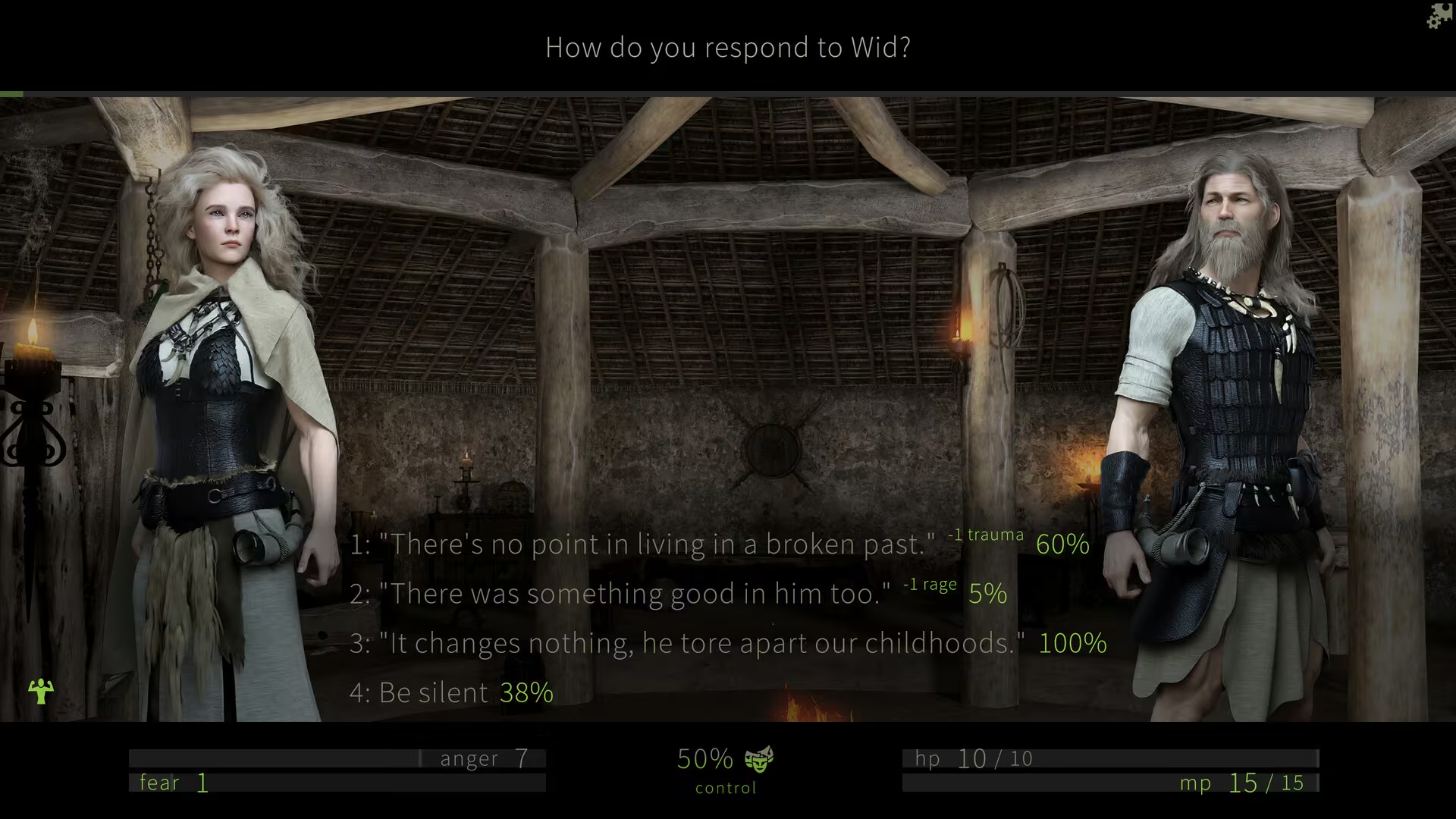
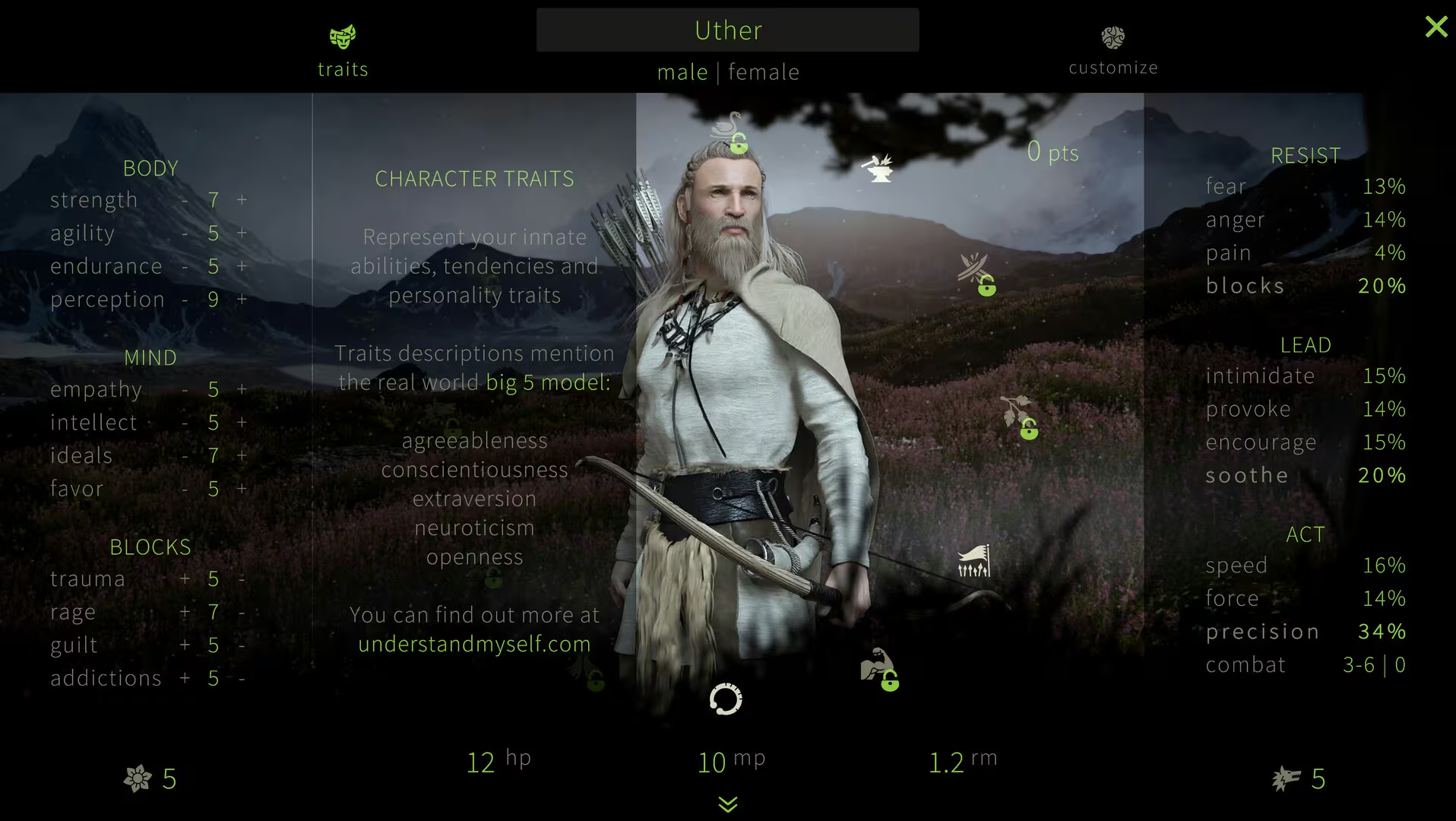
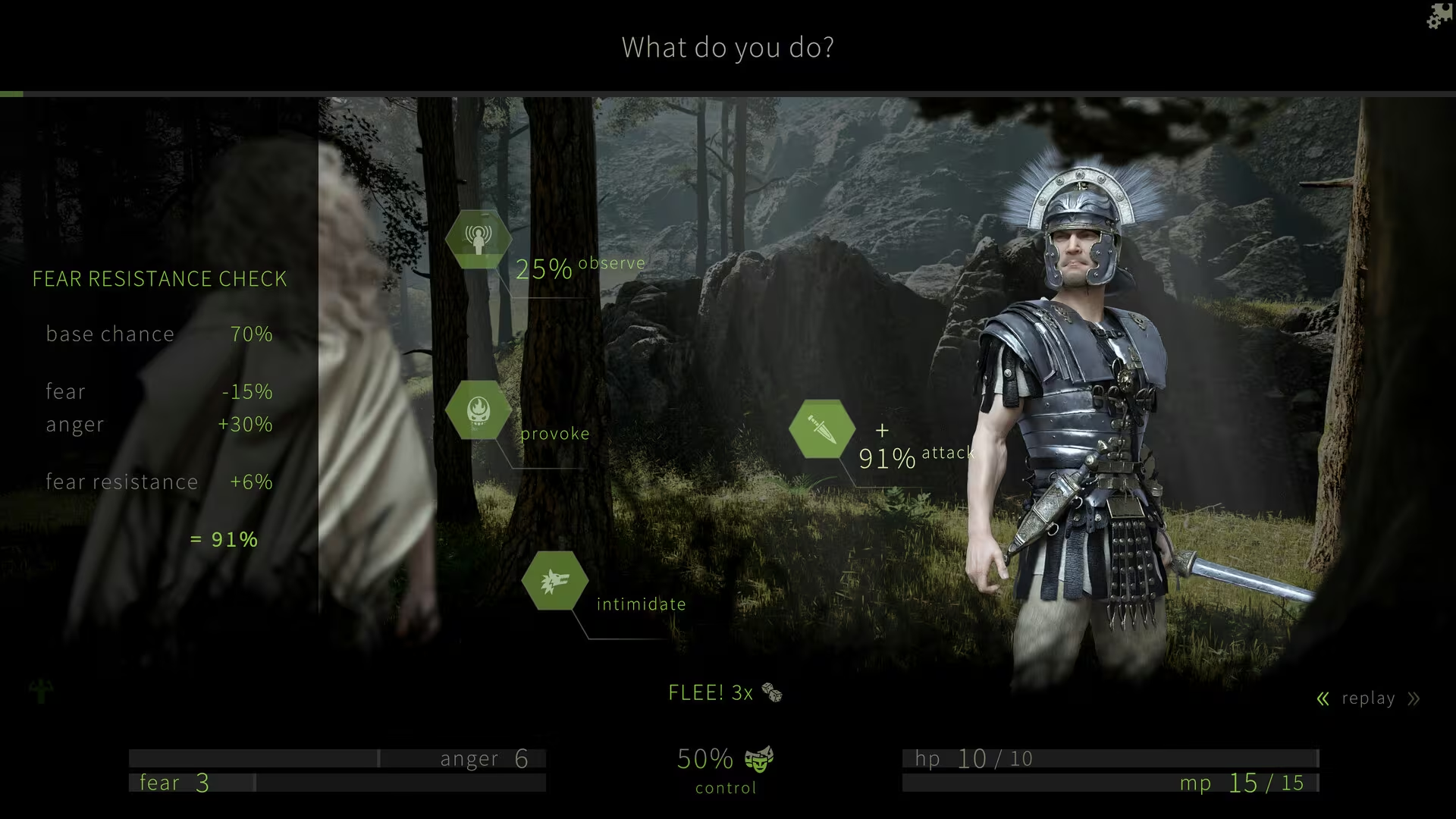
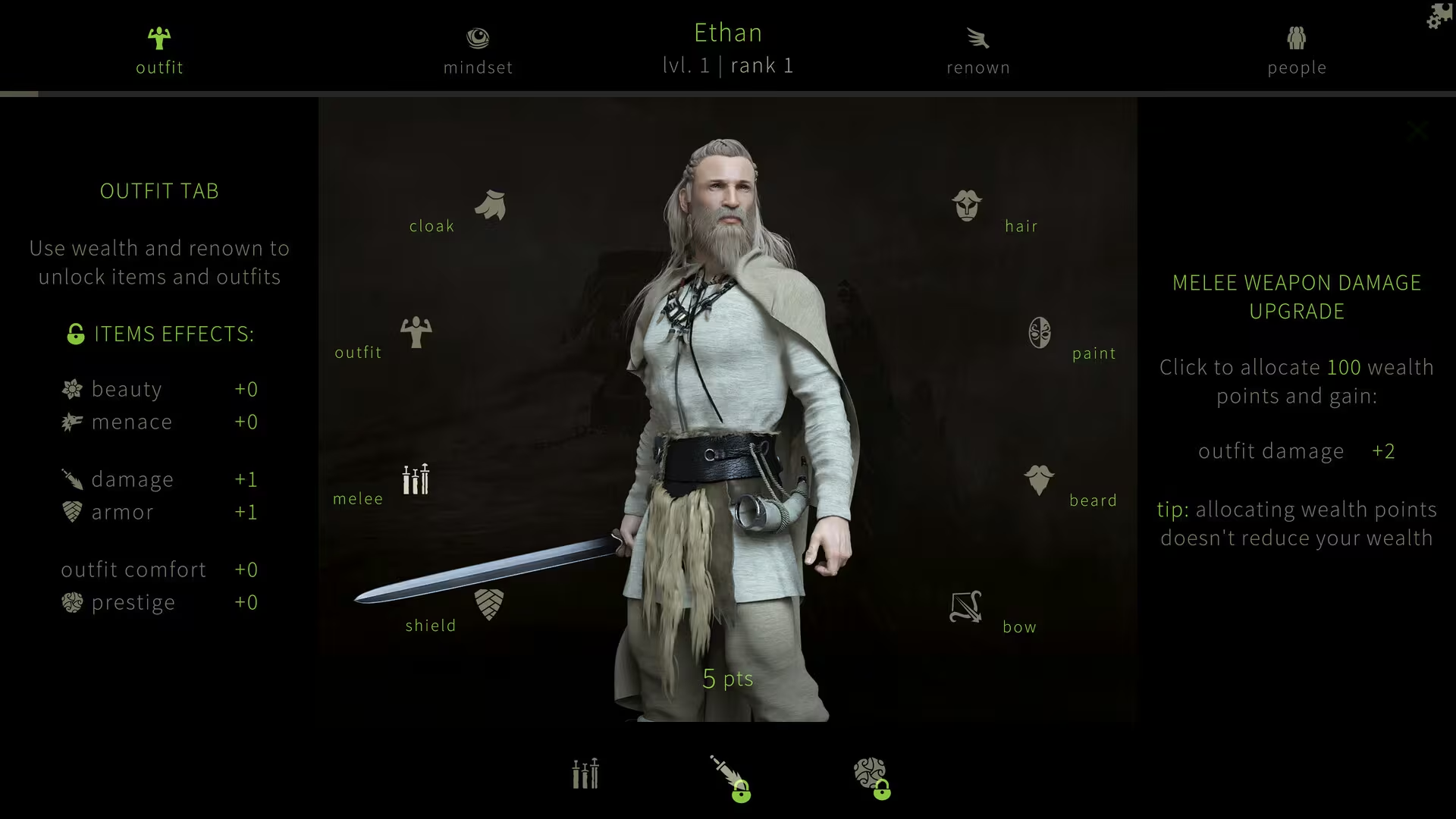
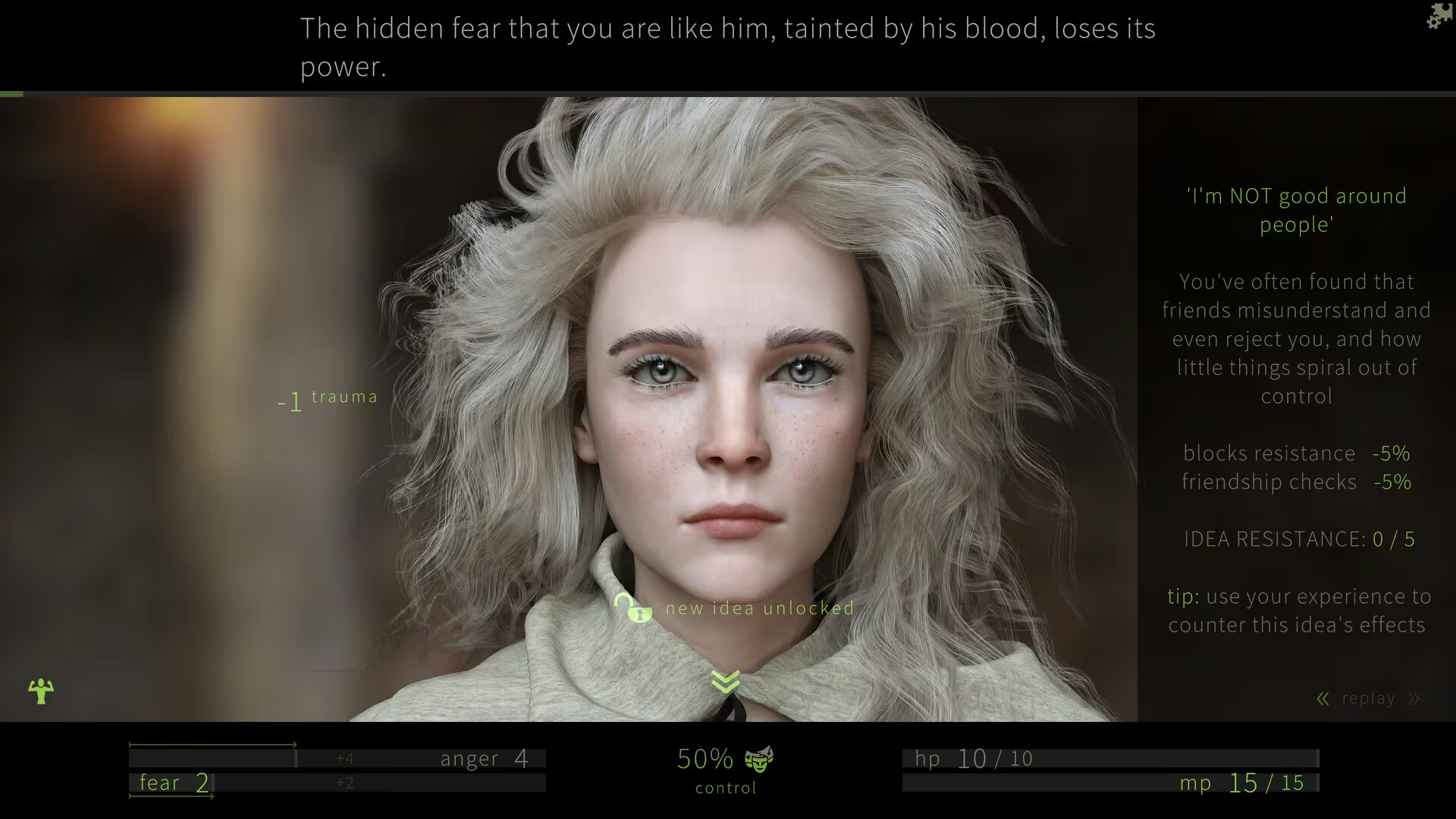
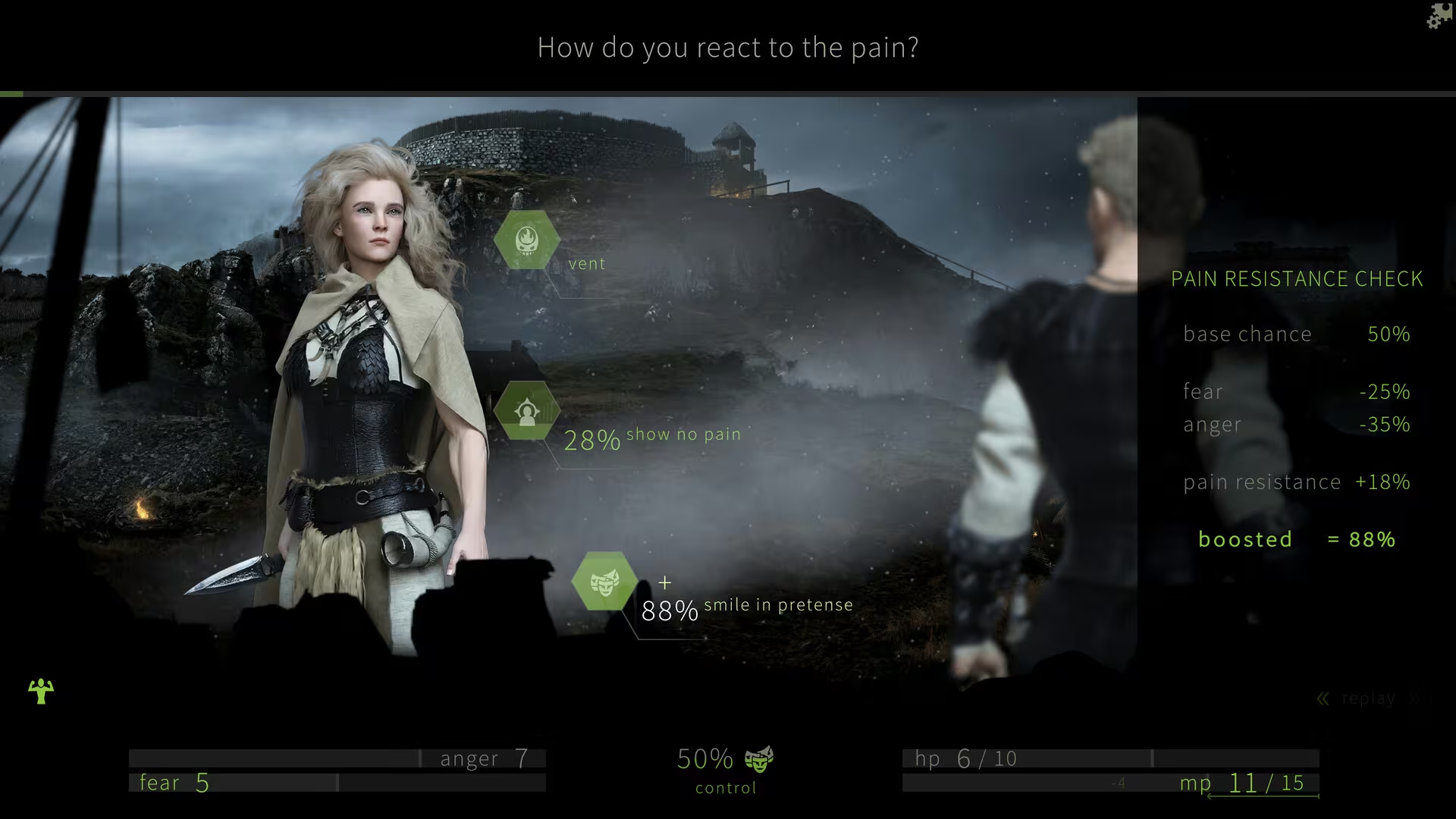
A text-based RPG full of choice and action. Fight for survival in the midst of the Roman invasion of ancient Caledonia. Strategize one dice roll at a time as emotions affect your performance. Use willpower to outsmart opponents, gain allies, wage war, or strive for peace. How will your story end?
Global score
95/100
Genres
Adventure, Role-playing (RPG), Early Access
Similar games
Pros
- Deep and meaningful narrative
- Innovative psychological mechanics
- High replayability with branching paths
- Immersive character development
- Engaging voice acting and music
Cons
- Currently short early access content
- Limited visual customization
- Some ui and tutorial complexity
- Dice roll randomness can frustrate
- Lack of animations and facial expressions
Analysis
Less representative of its motivational profile, with noticeable differences. Motivations that often define this kind of title include Fellowship, Cooperation, Leadership, Violence. Here, the score leans higher than usual among comparable games on Intimacy, Story. It leans lower than usual among comparable games on Violence.
How to use the graph
Similar games map
Each dot is a game. They are arranged from the same motivation profile as in the “Motivations” section below. Closer dots usually mean more similar reasons to play (exploration, competition, relaxation, etc.)—not that one game is “better” than another.
- Larger dot with a light outline: the game you are viewing.
- Colour: groups of games with comparable motivation patterns (statistical clusters).
- Hover a dot to see the game name; click to open its page.
- Scroll or double-click the chart to zoom out and see more games.
Why don’t the axes read like a score? This view uses t-SNE: it only keeps who is close to whom. The scales are not “good to bad” or hours played—they separate groups on the map. Read distance between dots, not the axis numbers.
Motivations
-
Autonomy4
"Players have significant freedom to shape their character's personality, make meaningful choices, and influence story outcomes."
-
Competence3
"The game involves skill checks, dice rolls, and strategic resource management, providing a moderate challenge and feedback on performance."
-
Competition-3
"Focus is on personal story progression and character development rather than direct competition with others."
-
Continuation3
"Players express desire to continue playing and replay due to branching narratives and character customization despite current short length."
-
Cooperation-4
"Gameplay centers on individual decision-making and personal character interactions rather than teamwork or multiplayer cooperation."
-
Creativity3
"Players can customize character builds, personality traits, and influence story branches, allowing creative role-play."
-
Domination-4
"Interactions emphasize nuanced relationships and mutual respect rather than exerting control or superiority over others."
-
Escapism4
"The game offers immersive storytelling and psychological depth that allows players to escape into a richly developed fictional world."
-
Expectation-4
"Players engage voluntarily out of intrinsic interest and appreciation for the narrative and mechanics."
-
Experimenting4
"High replayability with multiple branching paths encourages trying new choices and character builds."
-
Exploration2
"Players explore different story branches and character interactions, though within a structured narrative environment."
-
Expression2
"Limited visual customization but strong expression through character personality and decision-making."
-
Fantasy3
"Set in a historical-fantasy setting with role-playing and narrative fiction elements."
-
Fellowship-3
"Focus is on solo play and individual story experience rather than community or social group identity."
-
Growth4
"Character development and learning through choices and psychological mechanics provide personal growth opportunities."
-
Health-5
"No indication of physical activity or health-related gameplay; typical sedentary gaming experience."
-
Idle-4
"Requires focused attention on narrative and decision-making; not designed for passive or background play."
-
Intimacy3
"Strong emotional connections and complex interpersonal relationships are central to the experience."
-
Leadership-3
"Players guide their own character but do not lead or manage groups or other players."
-
Progression3
"Character stats, titles, and relationships develop over time, reflecting progression."
-
Relaxation2
"The game balances tension and flow through challenging choices and narrative engagement."
-
Sensation2
"Visuals, music, and voice acting provide moderate sensory stimulation enhancing immersion."
-
Status-3
"Recognition is internal to the story and character relationships rather than external social status."
-
Story5
"Narrative immersion and branching storylines are the core focus of the game."
-
Strategy3
"Players engage in strategic decision-making involving stats, resources, and psychological states."
-
Thrill3
"Dice rolls and risk management create suspense and emotional tension."
-
Value2
"Players perceive good value in narrative depth and replayability despite current early access content limitations."
-
Violence0
"Violence is present but balanced with non-lethal options and psychological consequences; neutral overall."
-
Survival3
"Players manage resources and character states to avoid failure and progress through challenges."
Last update: 29/04/2026