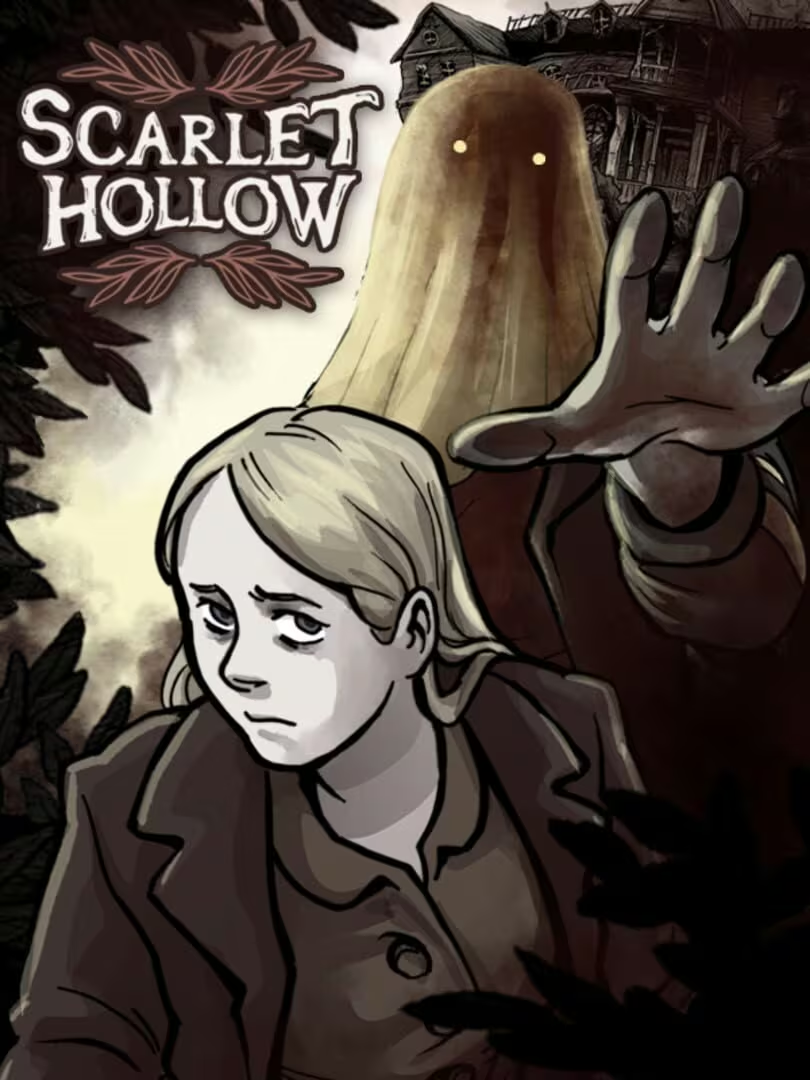
Scarlet Hollow — Episode 1 Thumbnail

Scarlet Hollow — Episode 1 similar games & best alternatives

Scarlet Hollow — Episode 1

PC (Microsoft Windows), Mac, Linux • 2020

Related articles

Quick resume

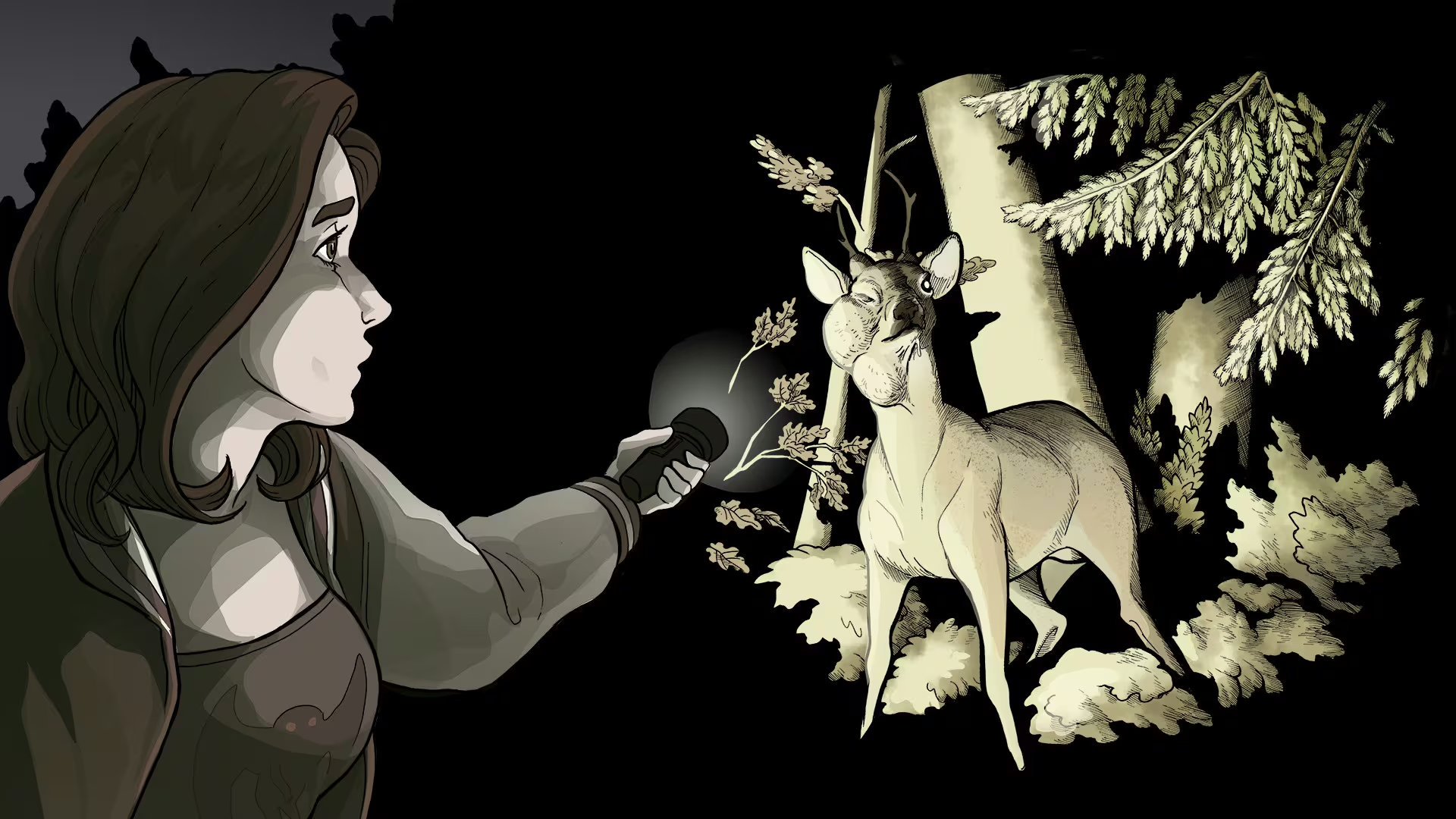
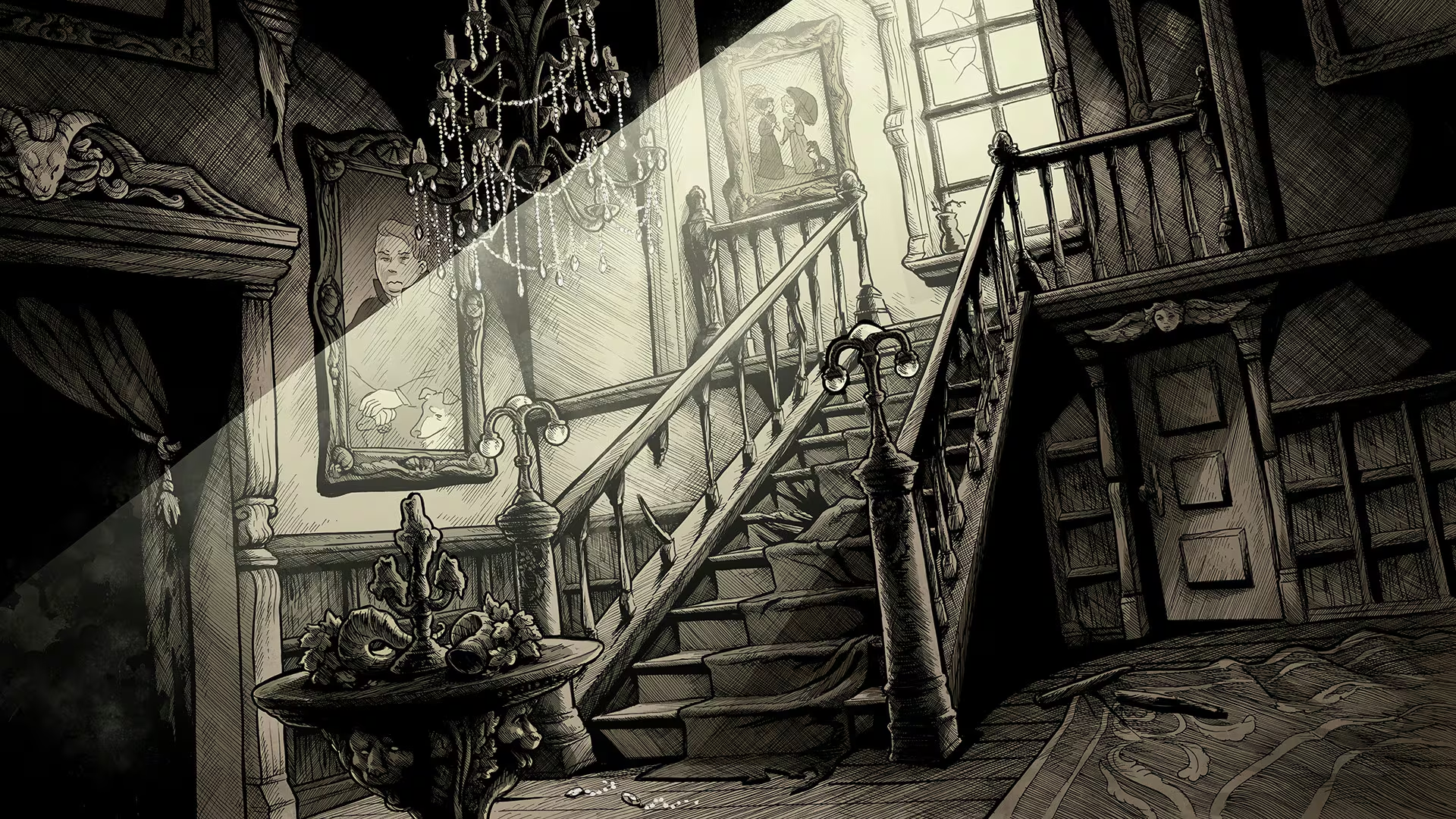
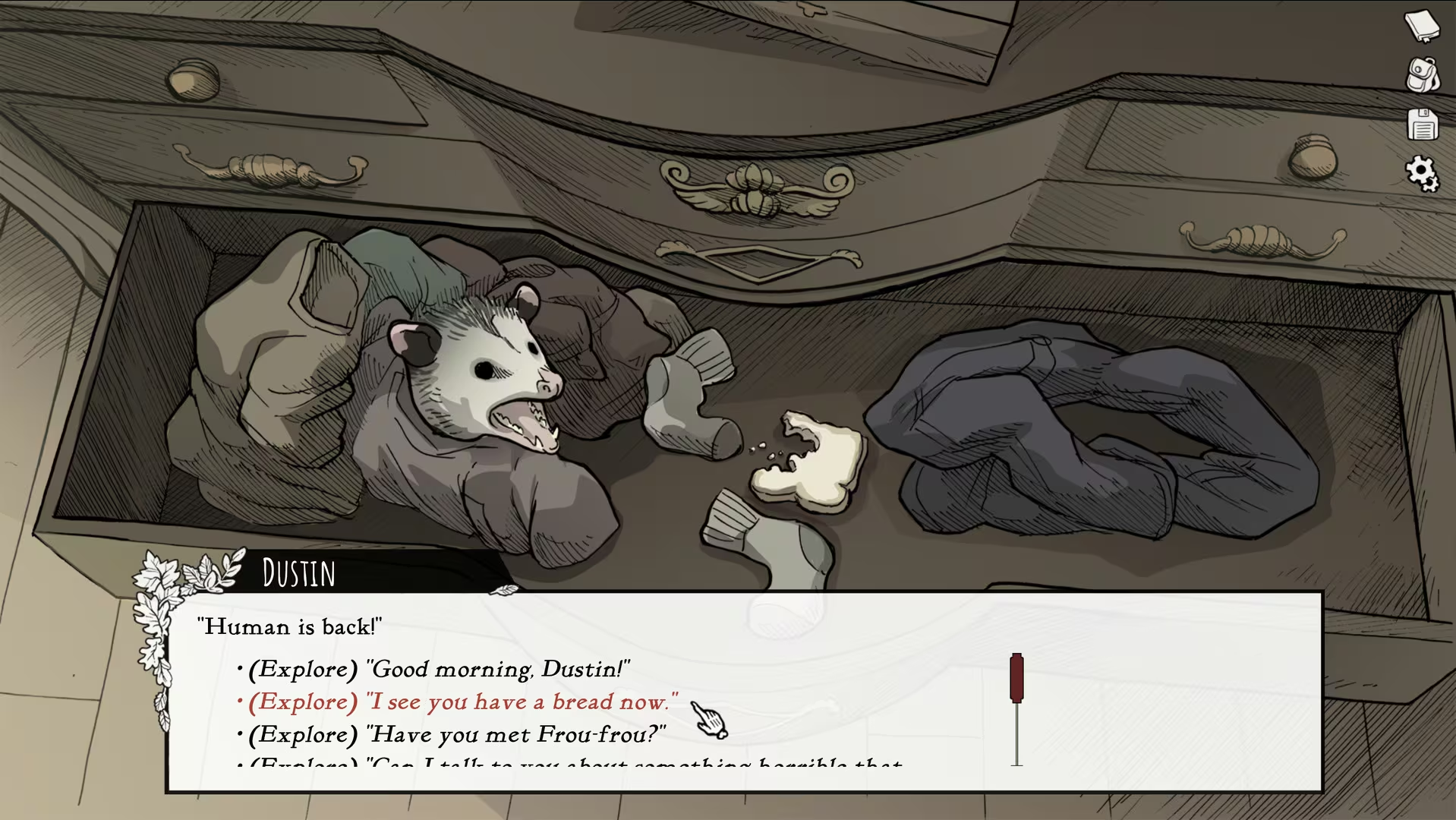
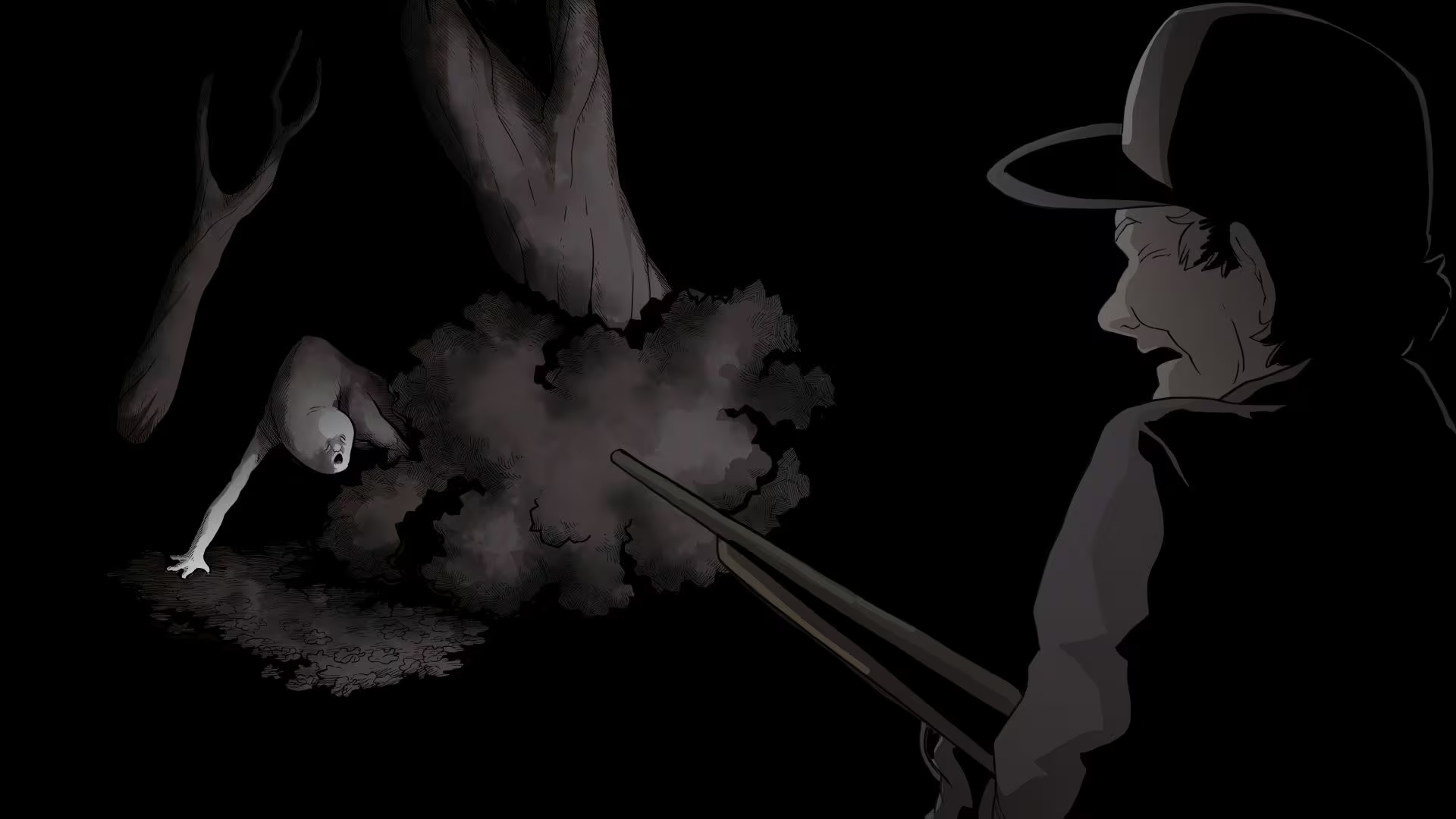
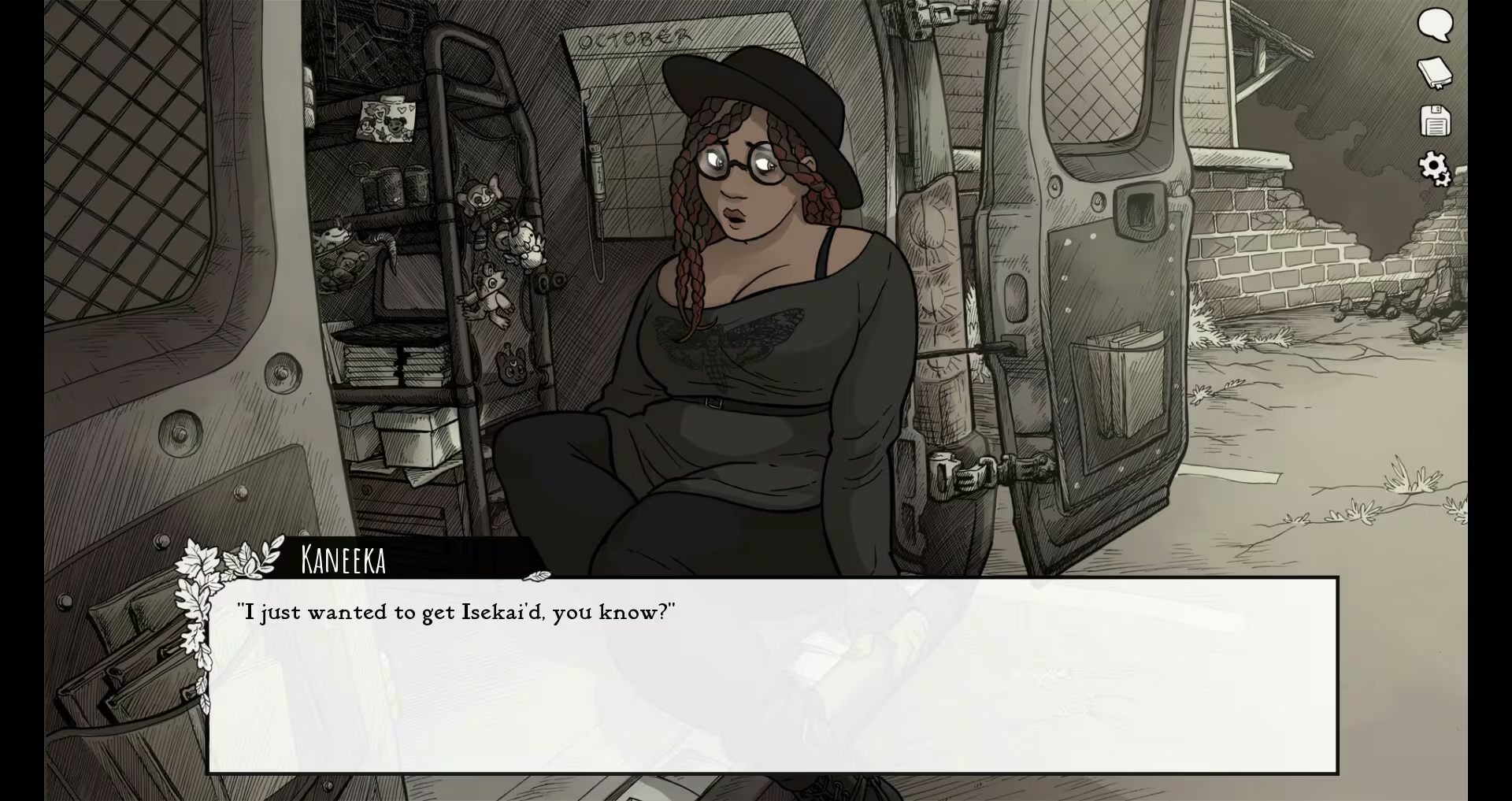
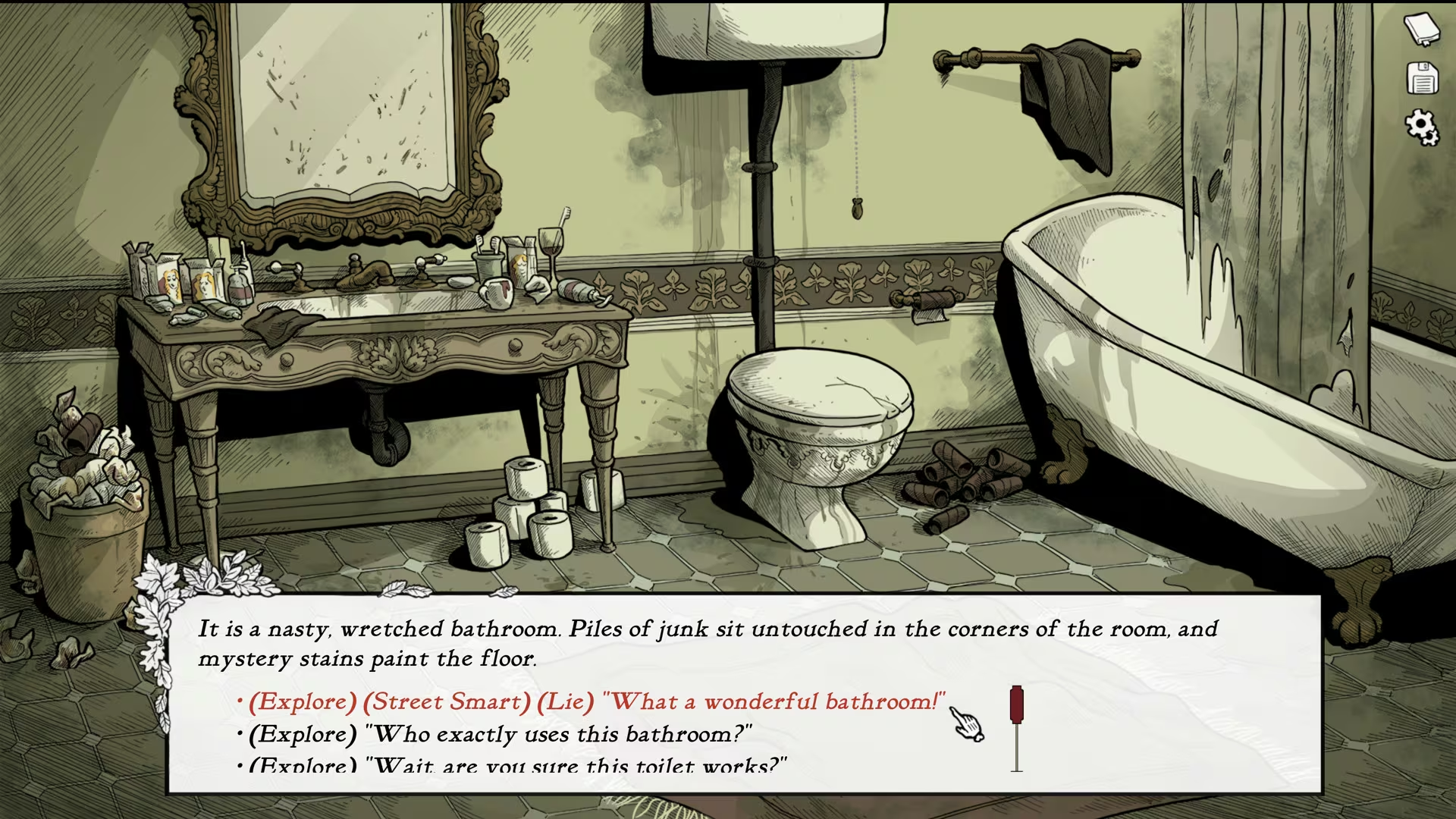
The free-to-play first episode of a horror-mystery game with dark humor and hand-drawn art by Black Tabby Games. Note — we are retiring this store page. While the build here is still up-to-date, please download the DEMO from the main Scarlet Hollow store page. Thank you and have fun!

Global score

97/100

Genres

Adventure, Casual, Indie, Role-playing (RPG), Visual Novel

Similar games

    Pros

    • Beautiful hand-drawn art and atmospheric music
    • Engaging and branching narrative with meaningful choices
    • Character customization with traits and pronouns
    • Free first episode with high replayability
    • Strong horror and suspense elements balanced with humor

    Cons

    • Short length of first episode
    • Some minor dialogue or text glitches reported
    • Limited interactivity typical of visual novels
    • No multiplayer or cooperative features
    • Some players found the horror elements intense or unsettling

    Analysis

    A very typical example of its motivational profile. Motivations that often define this kind of title include Intimacy, Survival, Violence, Competition. Here, the score leans higher than usual among comparable games on Survival, Thrill. It leans lower than usual among comparable games on Fellowship.

    How to use the graph
    Similar games map

    Each dot is a game. They are arranged from the same motivation profile as in the “Motivations” section below. Closer dots usually mean more similar reasons to play (exploration, competition, relaxation, etc.)—not that one game is “better” than another.

    • Larger dot with a light outline: the game you are viewing.
    • Colour: groups of games with comparable motivation patterns (statistical clusters).
    • Hover a dot to see the game name; click to open its page.
    • Scroll or double-click the chart to zoom out and see more games.

    Why don’t the axes read like a score? This view uses t-SNE: it only keeps who is close to whom. The scales are not “good to bad” or hours played—they separate groups on the map. Read distance between dots, not the axis numbers.

    Motivations

    • Autonomy
      4

      "Players can choose character traits and make meaningful dialogue and story decisions that affect outcomes."

    • Competence
      2

      "Engages players in narrative choices and roleplaying, with some skill in selecting traits and dialogue options."

    • Competition
      -4

      "Focuses on personal story progression and individual choices without competitive elements."

    • Continuation
      4

      "Players report multiple playthroughs and strong desire to continue exploring story branches."

    • Cooperation
      -5

      "Single-player visual novel experience with no multiplayer or cooperative gameplay."

    • Creativity
      3

      "Allows customization of player character traits and roleplaying styles affecting story and dialogue."

    • Domination
      -5

      "No evidence of exerting control or superiority over others; interactions are narrative-driven."

    • Escapism
      4

      "Players use the game to immerse in a spooky fictional world, escaping real life through story and atmosphere."

    • Expectation
      -4

      "Players engage voluntarily out of interest and enjoyment, not obligation or pressure."

    • Experimenting
      4

      "Encourages trying different traits and dialogue options to explore multiple story paths."

    • Exploration
      3

      "Players discover new story branches, secrets, and character interactions through choices."

    • Expression
      3

      "Customization of player character traits and pronouns enables personal expression."

    • Fantasy
      4

      "Engages players in a fictional horror narrative with supernatural and cryptid elements."

    • Fellowship
      -4

      "Primarily a solo experience with limited social interaction beyond narrative character relationships."

    • Growth
      3

      "Players learn about story, characters, and consequences of choices, developing understanding over multiple playthroughs."

    • Health
      -5

      "Sedentary gameplay typical of visual novels with no physical activity involved."

    • Idle
      -4

      "Requires focused reading and decision-making; not a background or idle experience."

    • Intimacy
      2

      "Players form emotional connections with characters through story and dialogue, though interactions are scripted."

    • Leadership
      -5

      "No leadership or group management mechanics present."

    • Progression
      3

      "Progression through story chapters and unlocking new dialogue and story branches based on choices."

    • Relaxation
      2

      "Atmospheric and immersive with moments of humor and tension release, but also sustained suspense."

    • Sensation
      3

      "Enjoyable art, music, and sound design provide sensory stimulation enhancing mood and atmosphere."

    • Status
      -5

      "No social status or recognition systems; focus is on personal narrative experience."

    • Story
      5

      "Strong narrative immersion with branching plots, character development, and mystery."

    • Strategy
      1

      "Some planning in choosing traits and dialogue options, but mostly straightforward narrative choices."

    • Thrill
      3

      "Creates suspense and tension through horror elements and story developments."

    • Value
      5

      "Free first episode with high replay value and positive player reception; good return on time invested."

    • Violence
      -3

      "Focuses on narrative and character interaction rather than combat or destruction."

    • Survival
      1

      "Some elements of avoiding negative outcomes through choices, but no active survival mechanics."

    Last update: 29/04/2026