CODE VEIN Thumbnail

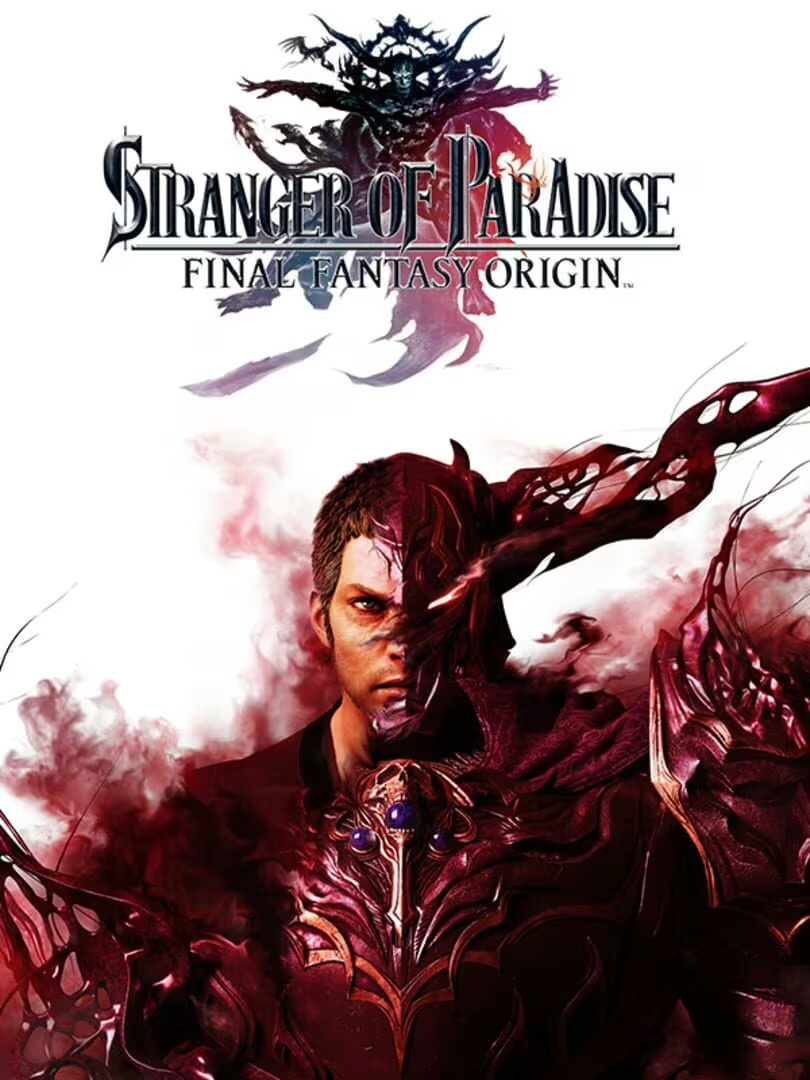
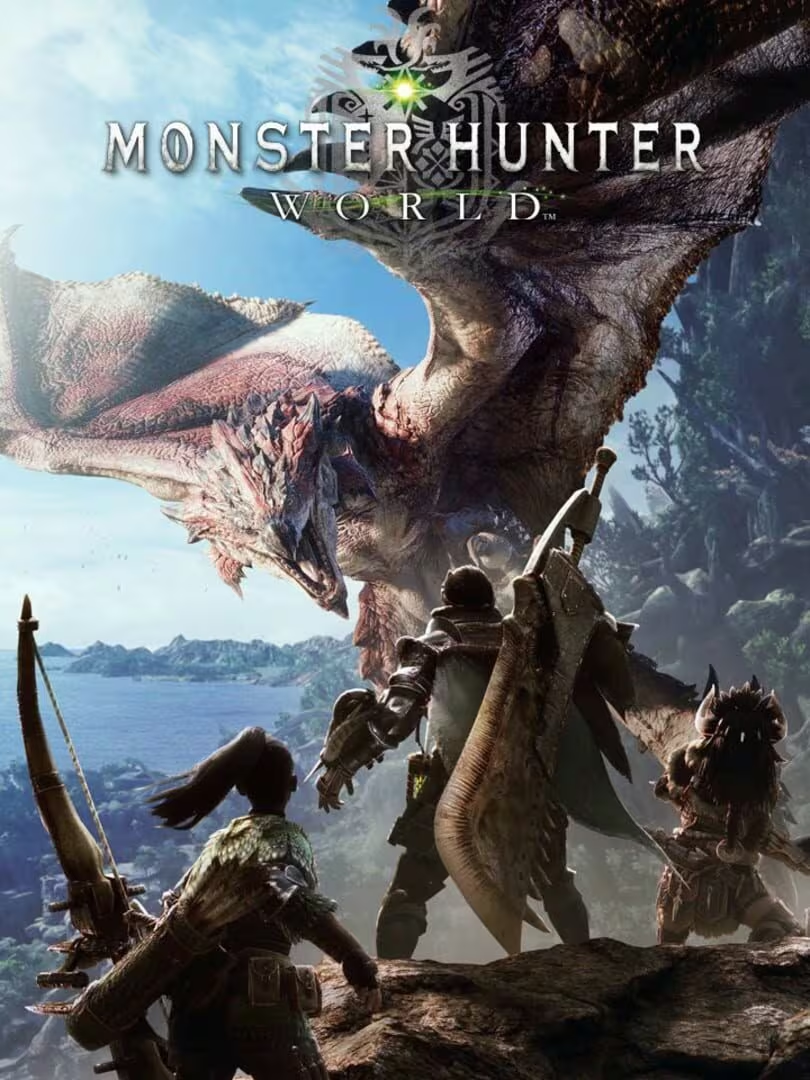
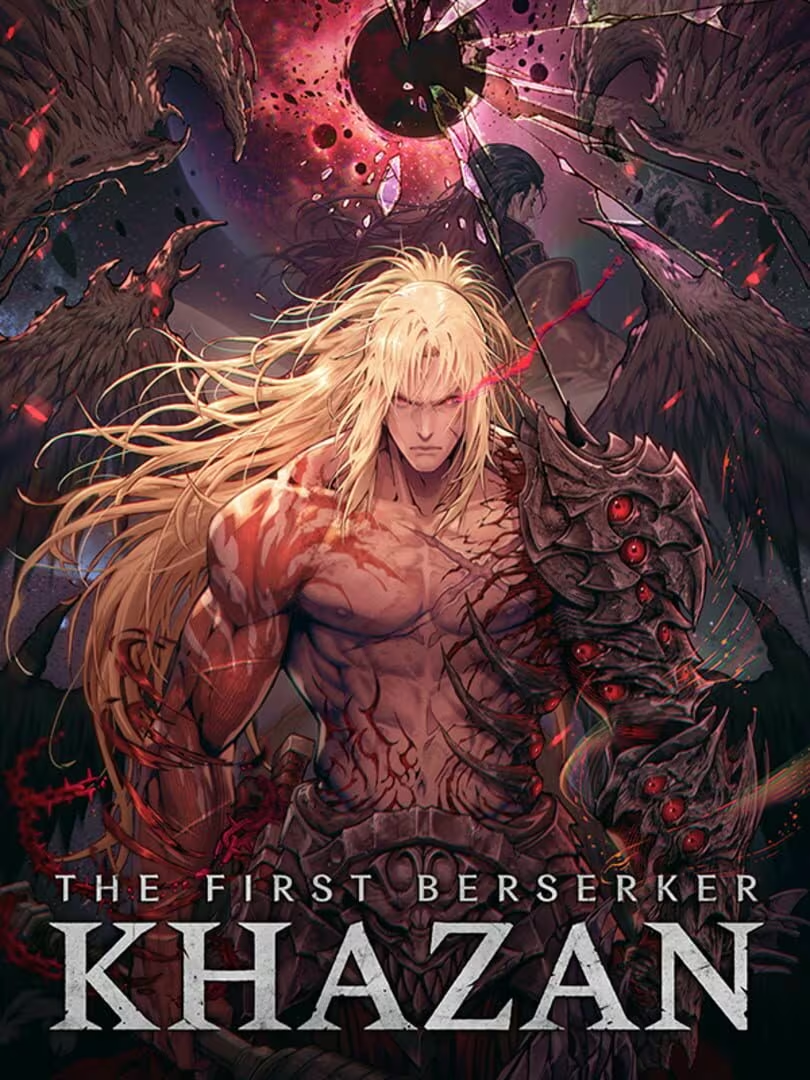
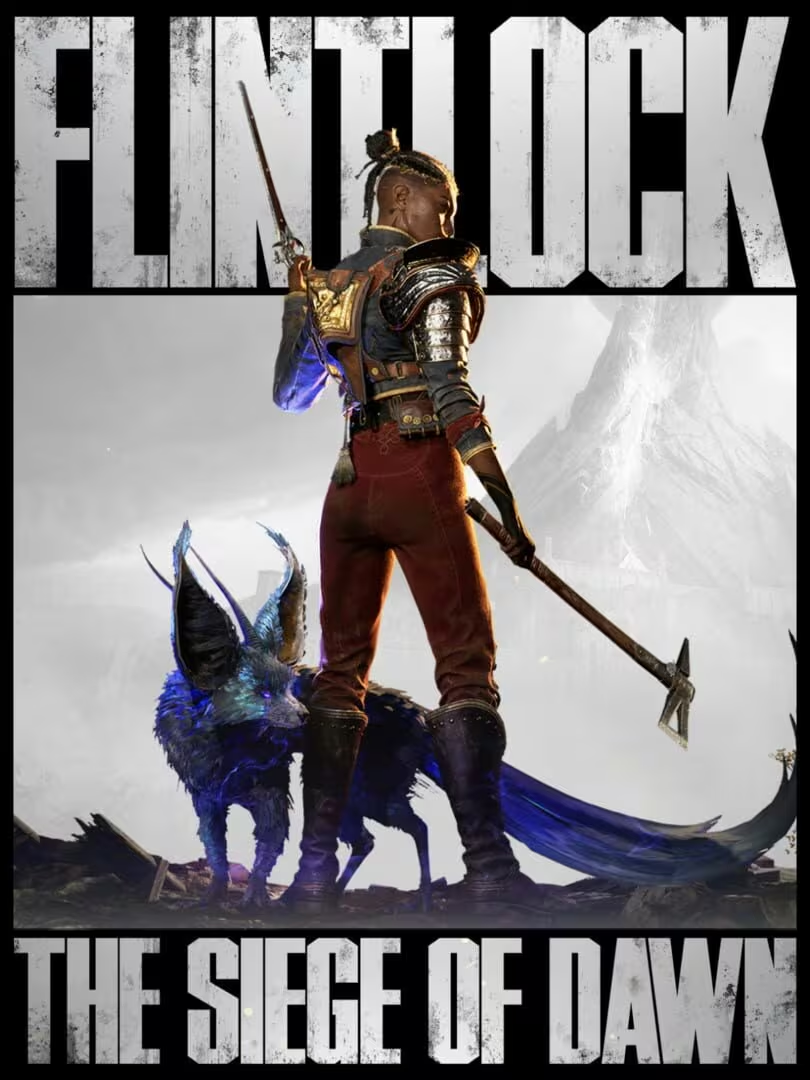
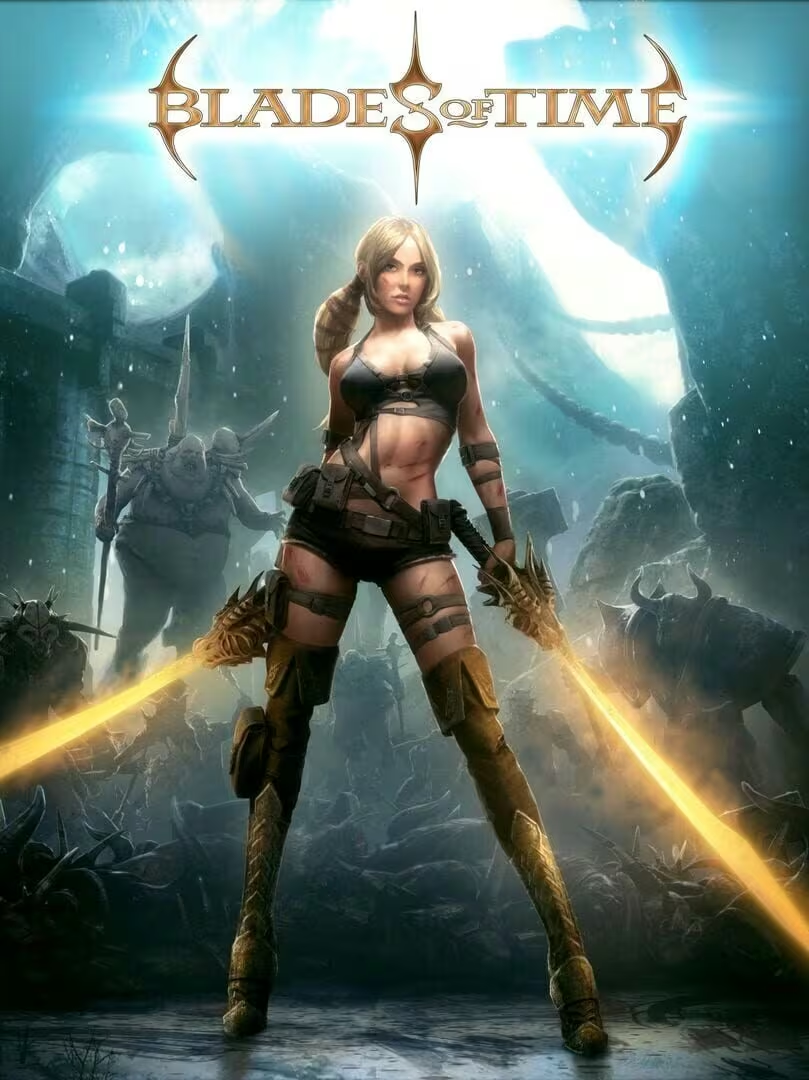
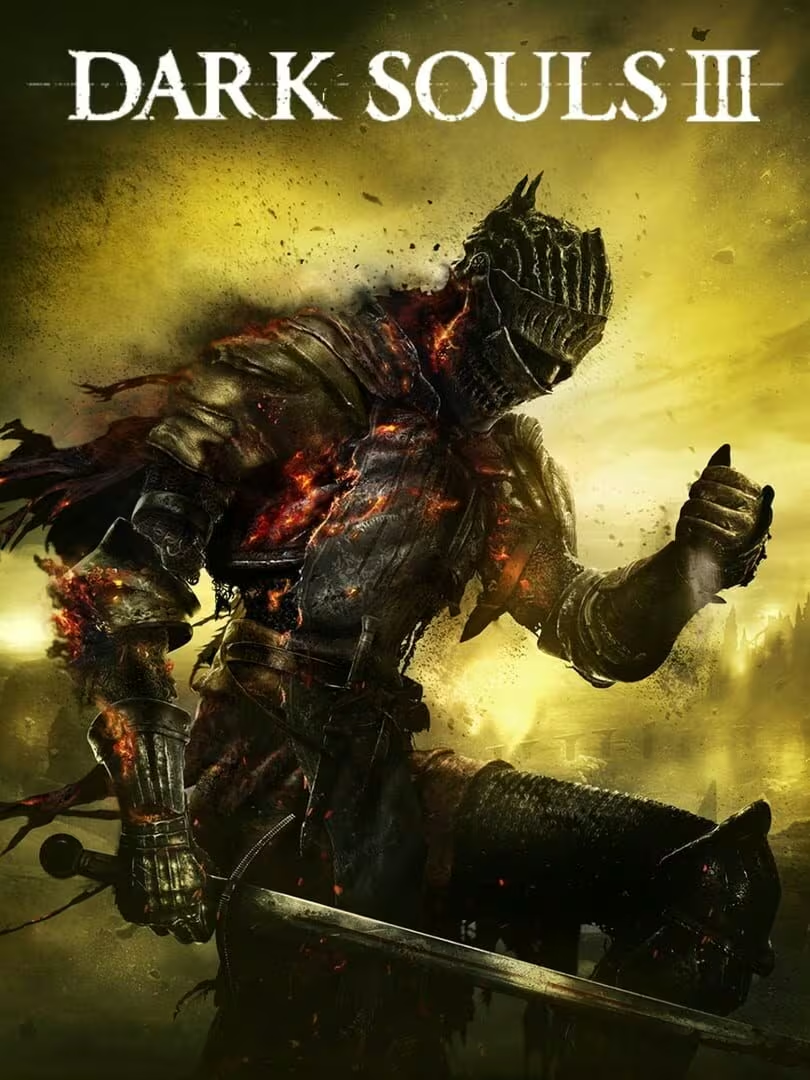
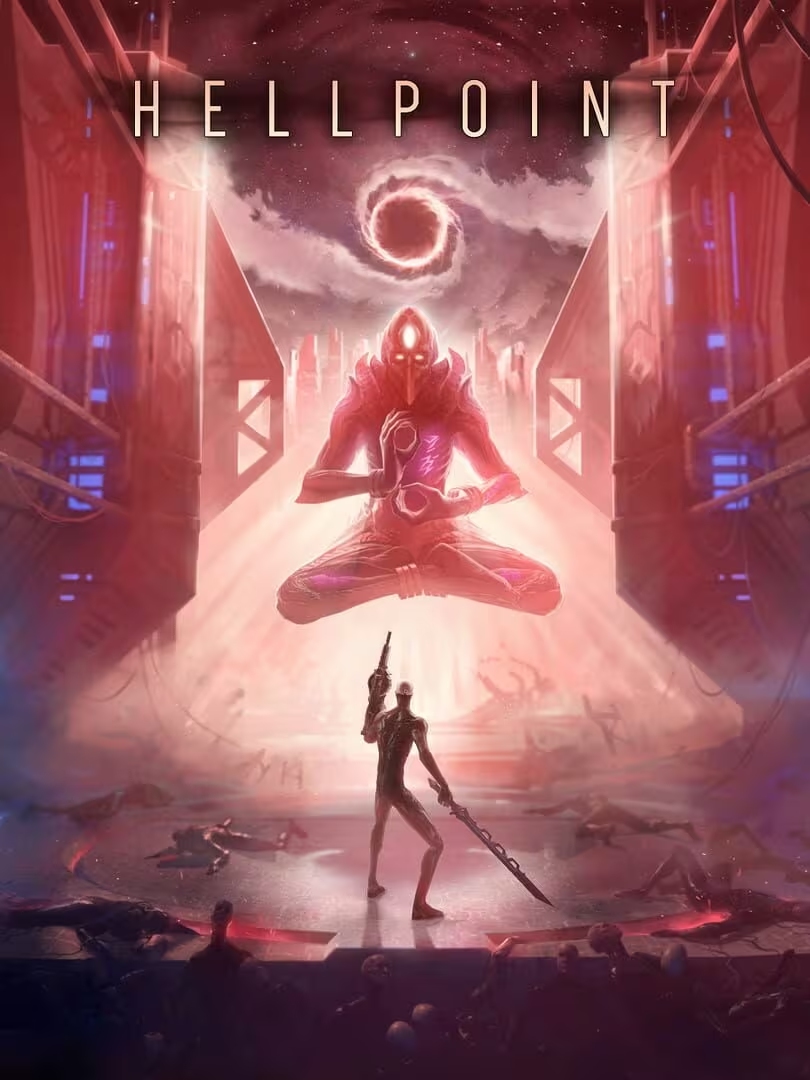
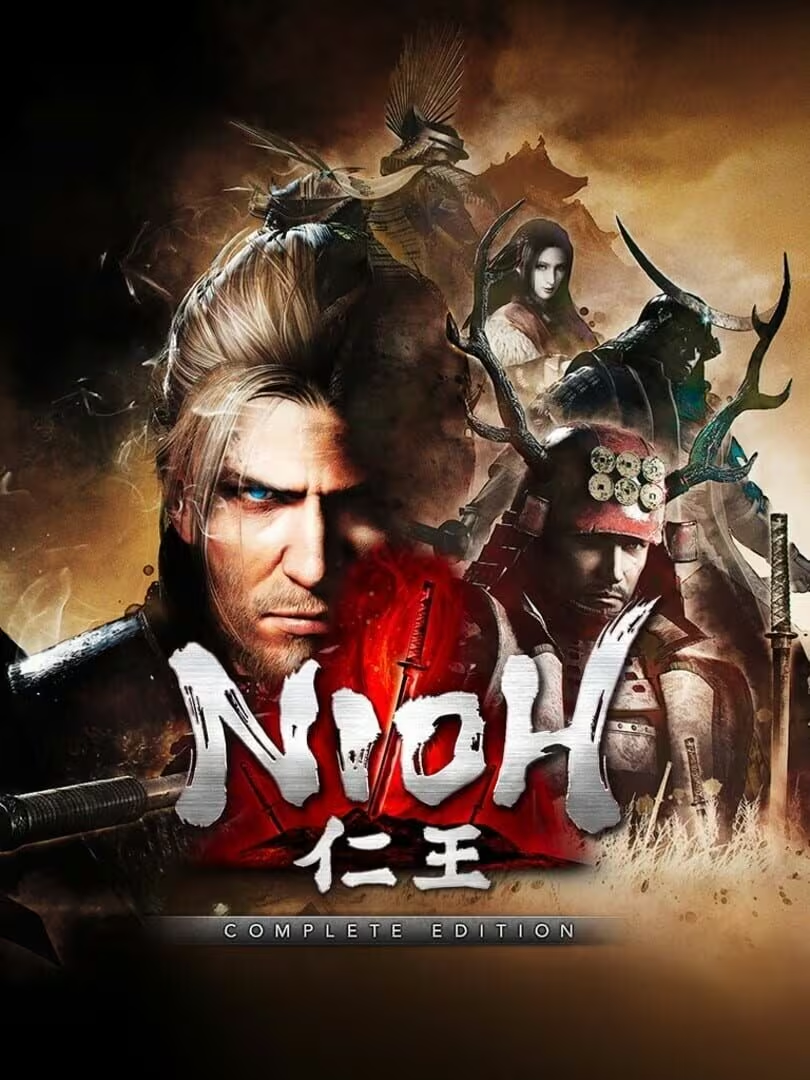
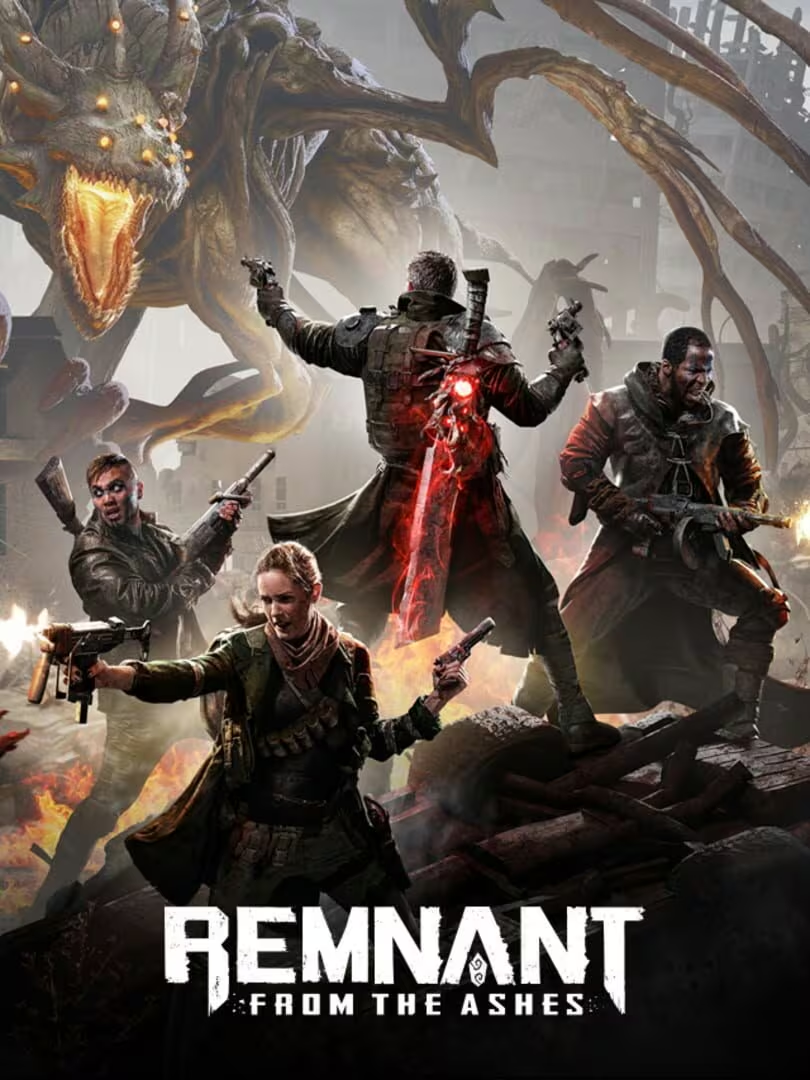
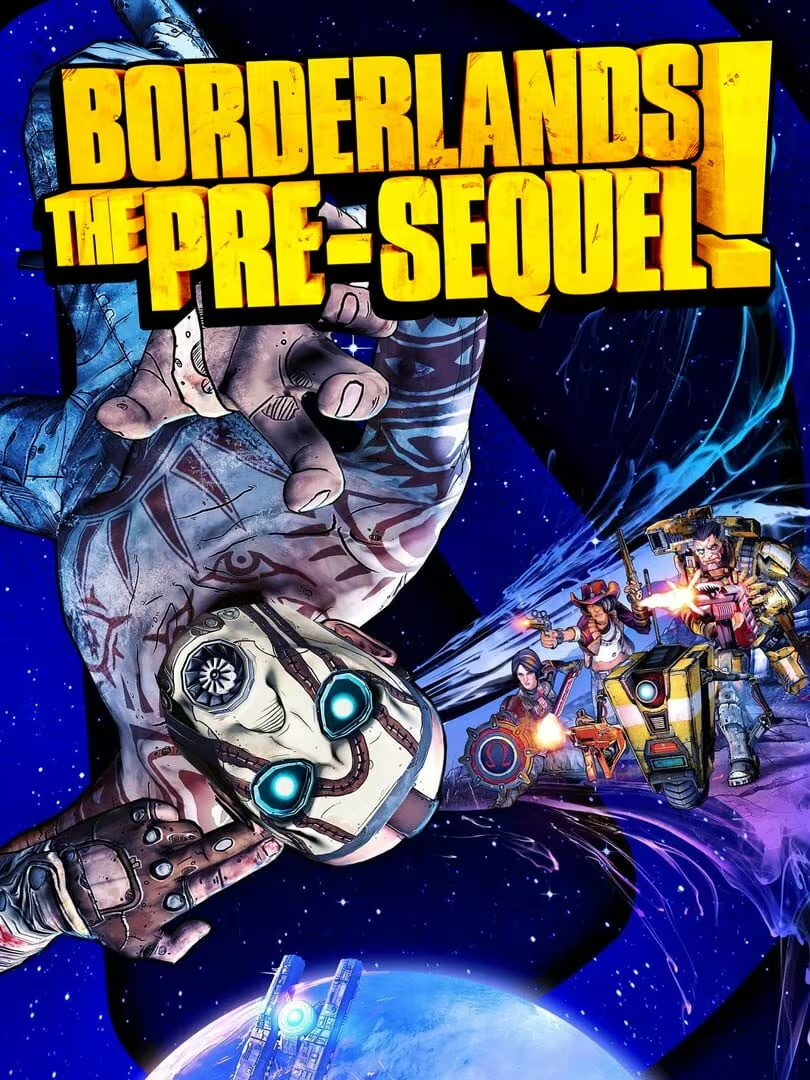
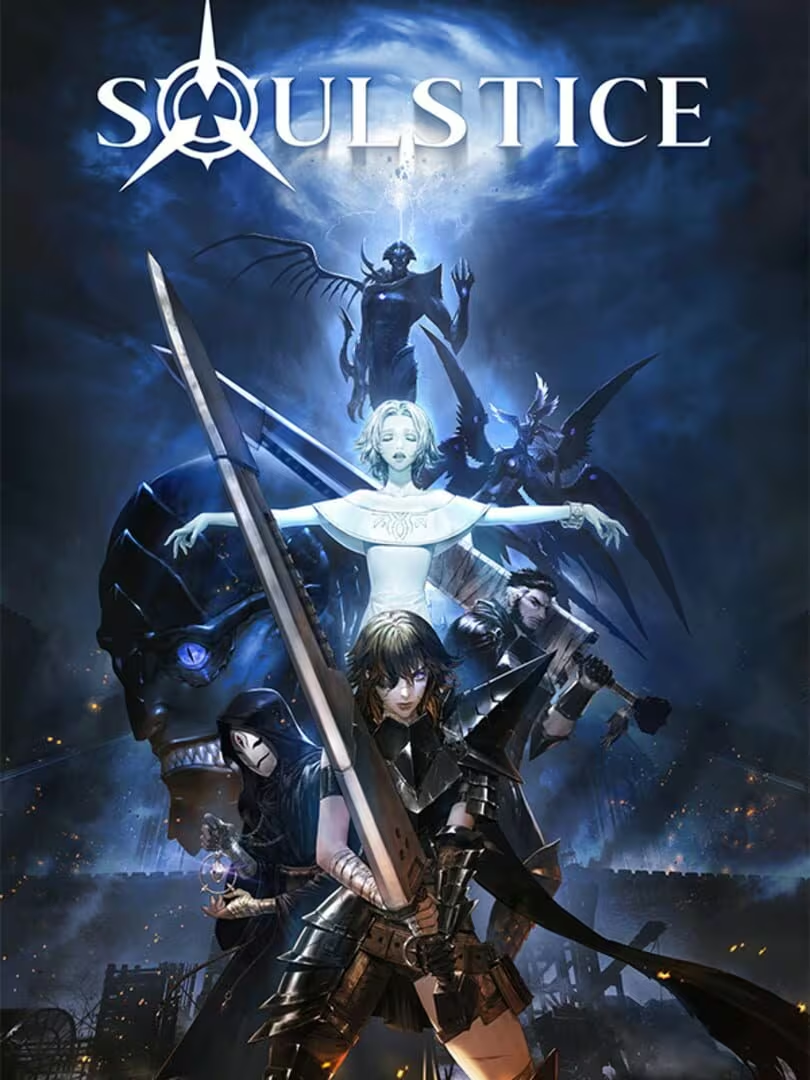
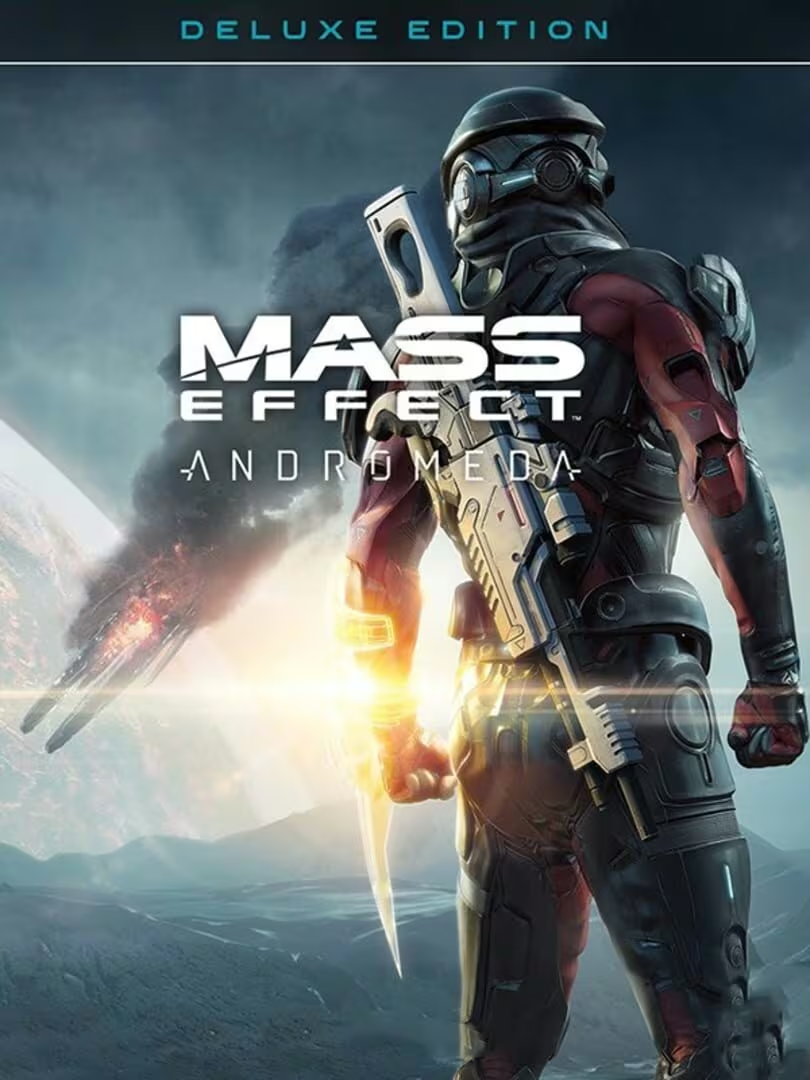
CODE VEIN similar games & best alternatives

CODE VEIN

PC (Microsoft Windows), Xbox Series X|S, PlayStation 5 • 2019

Related articles

Quick resume

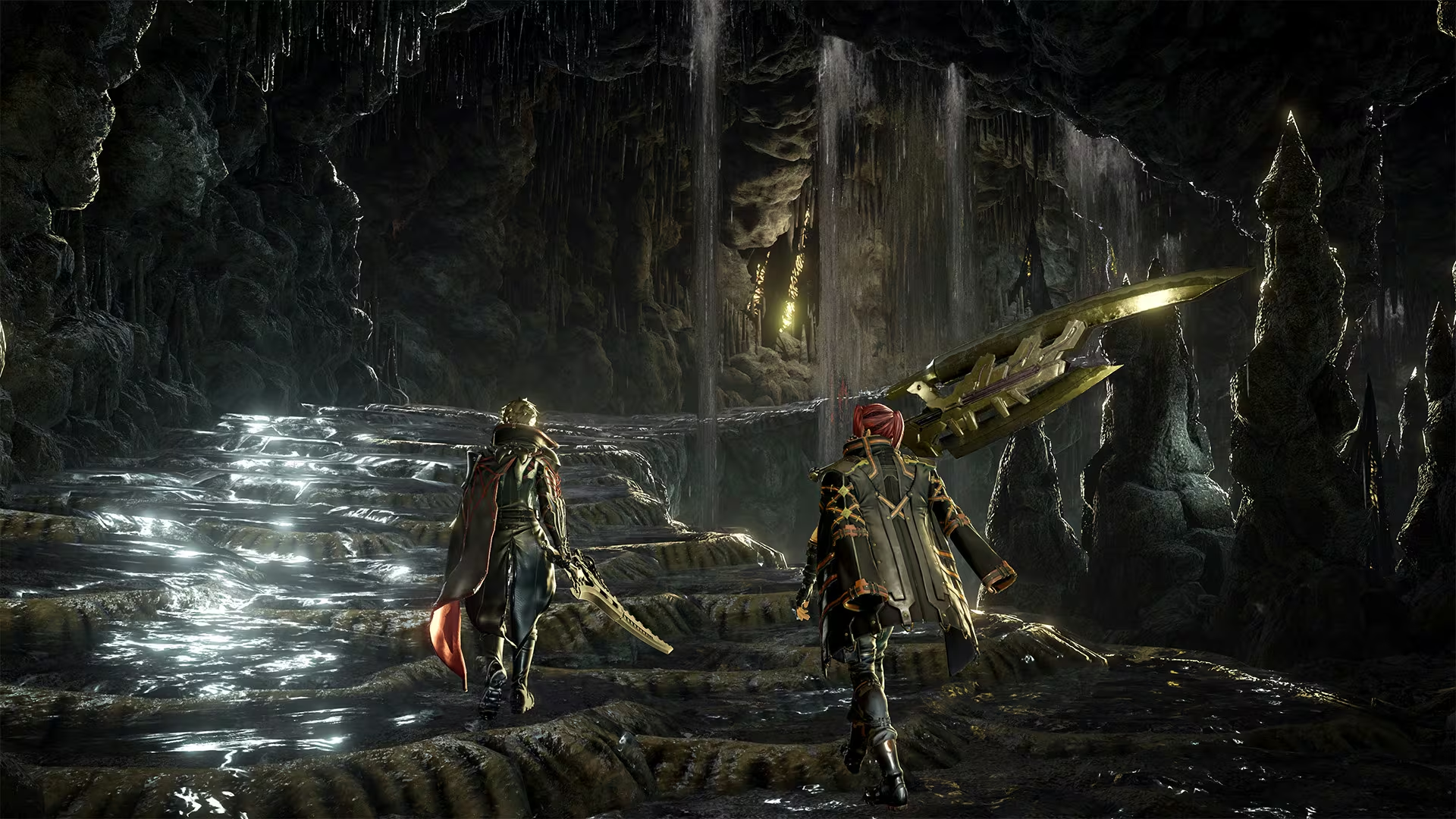
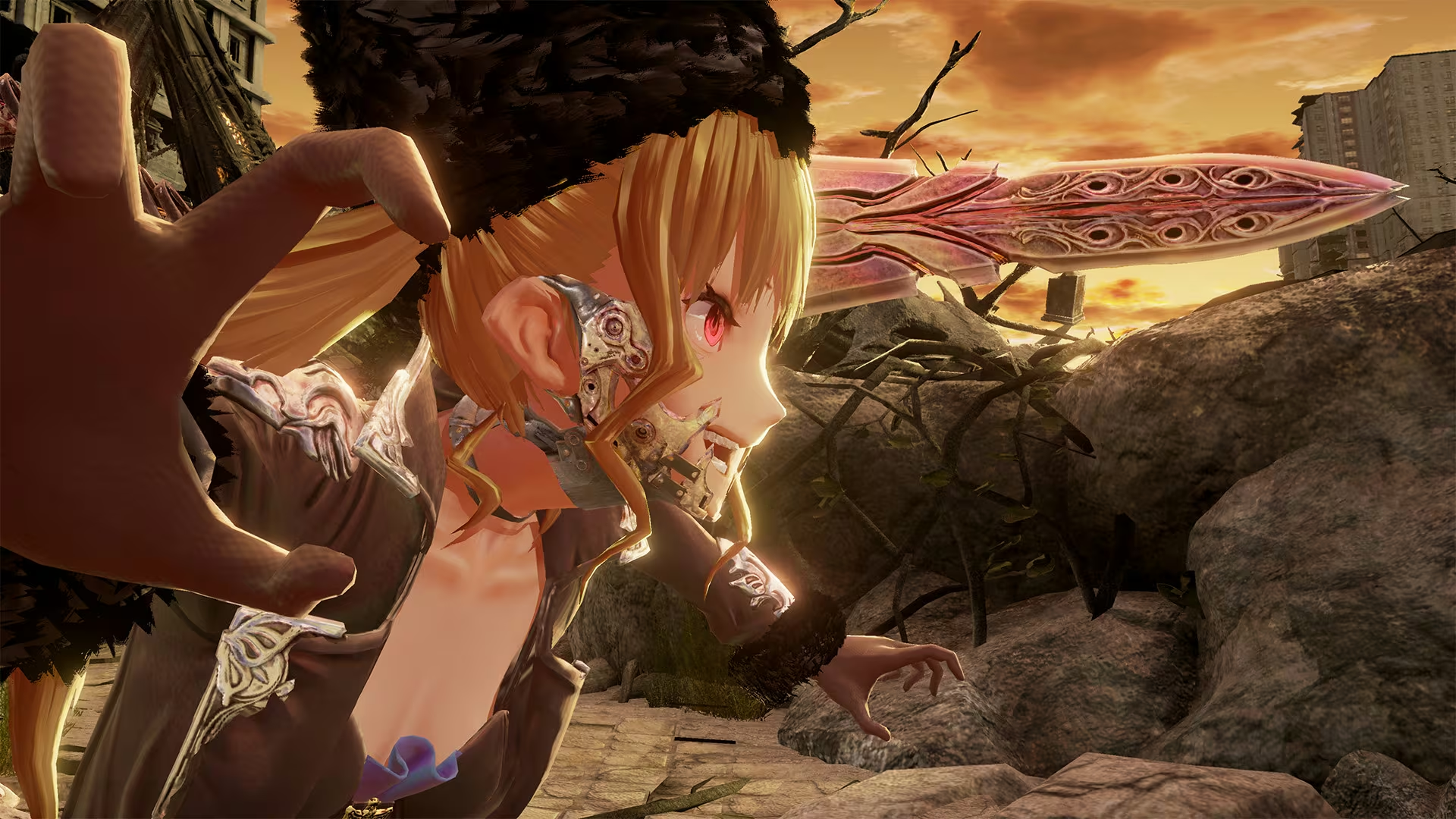
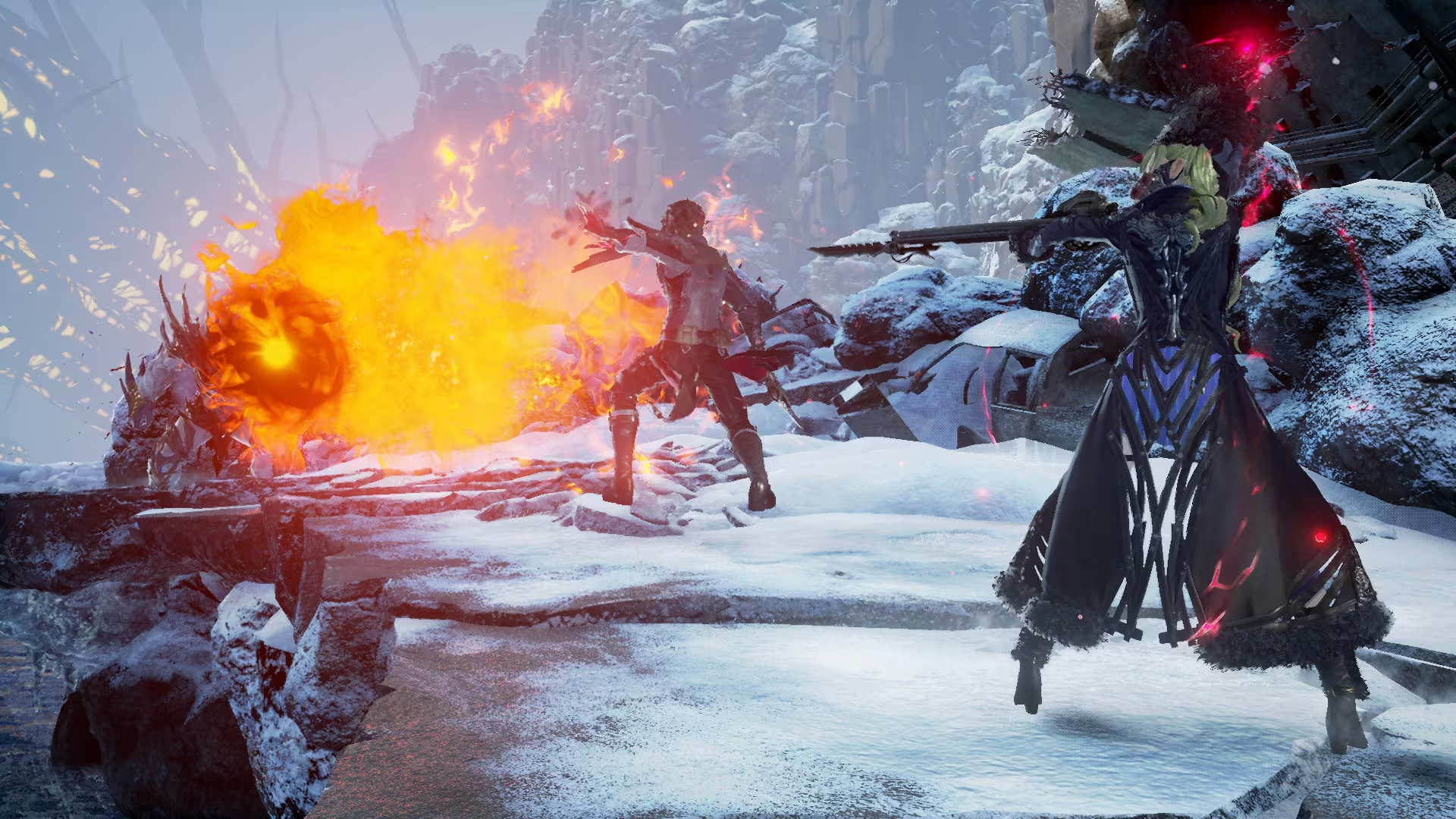
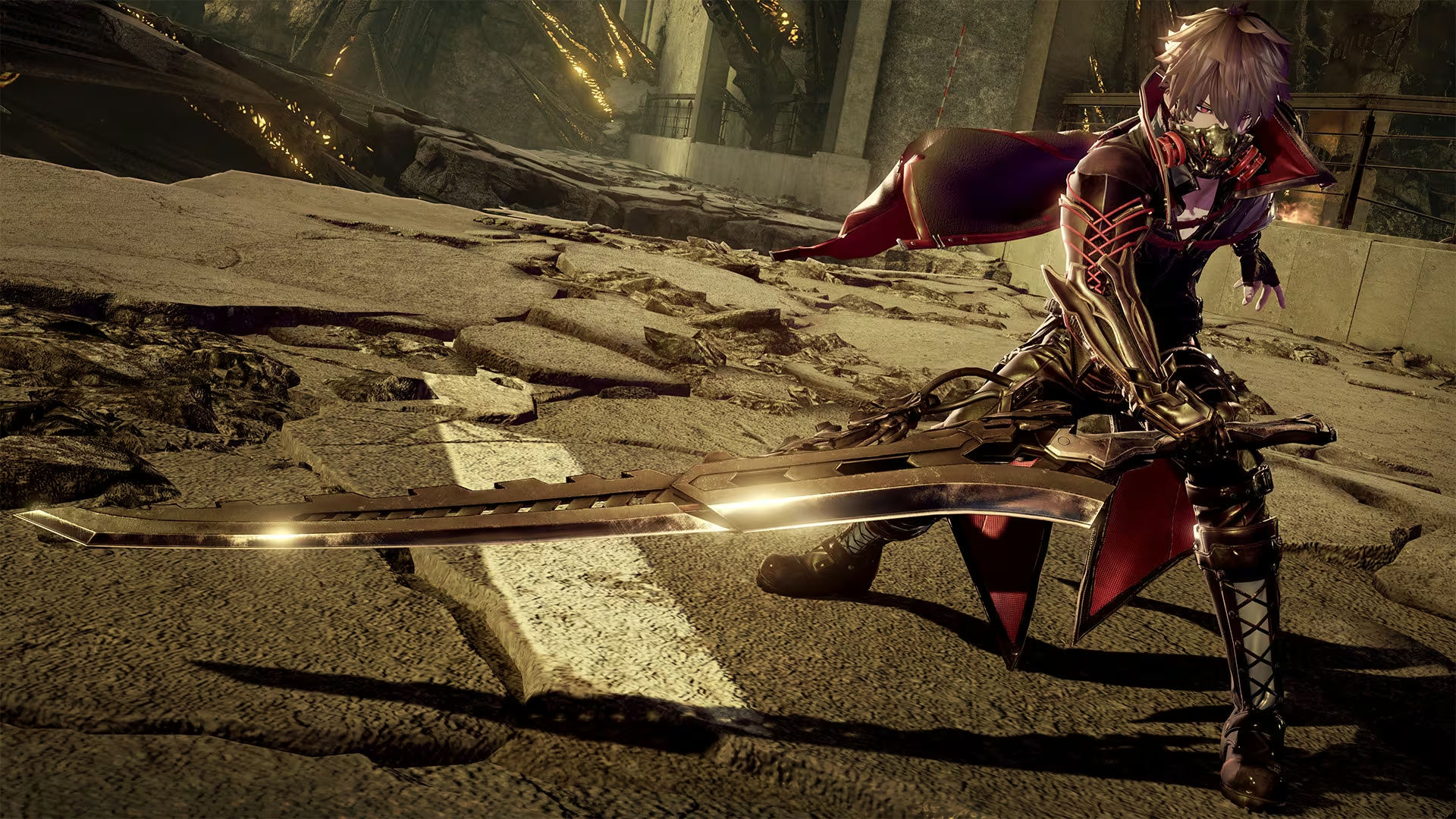
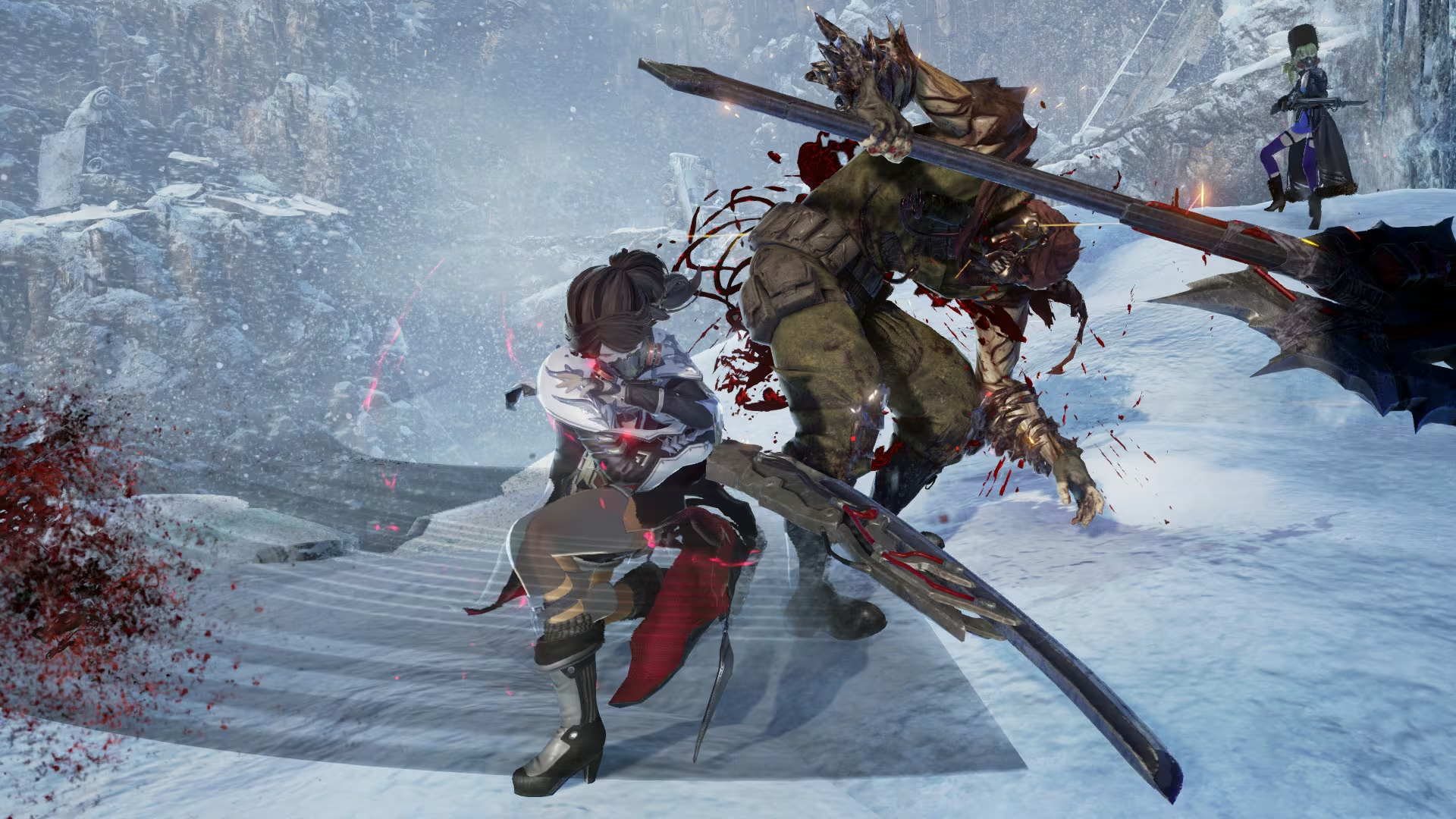
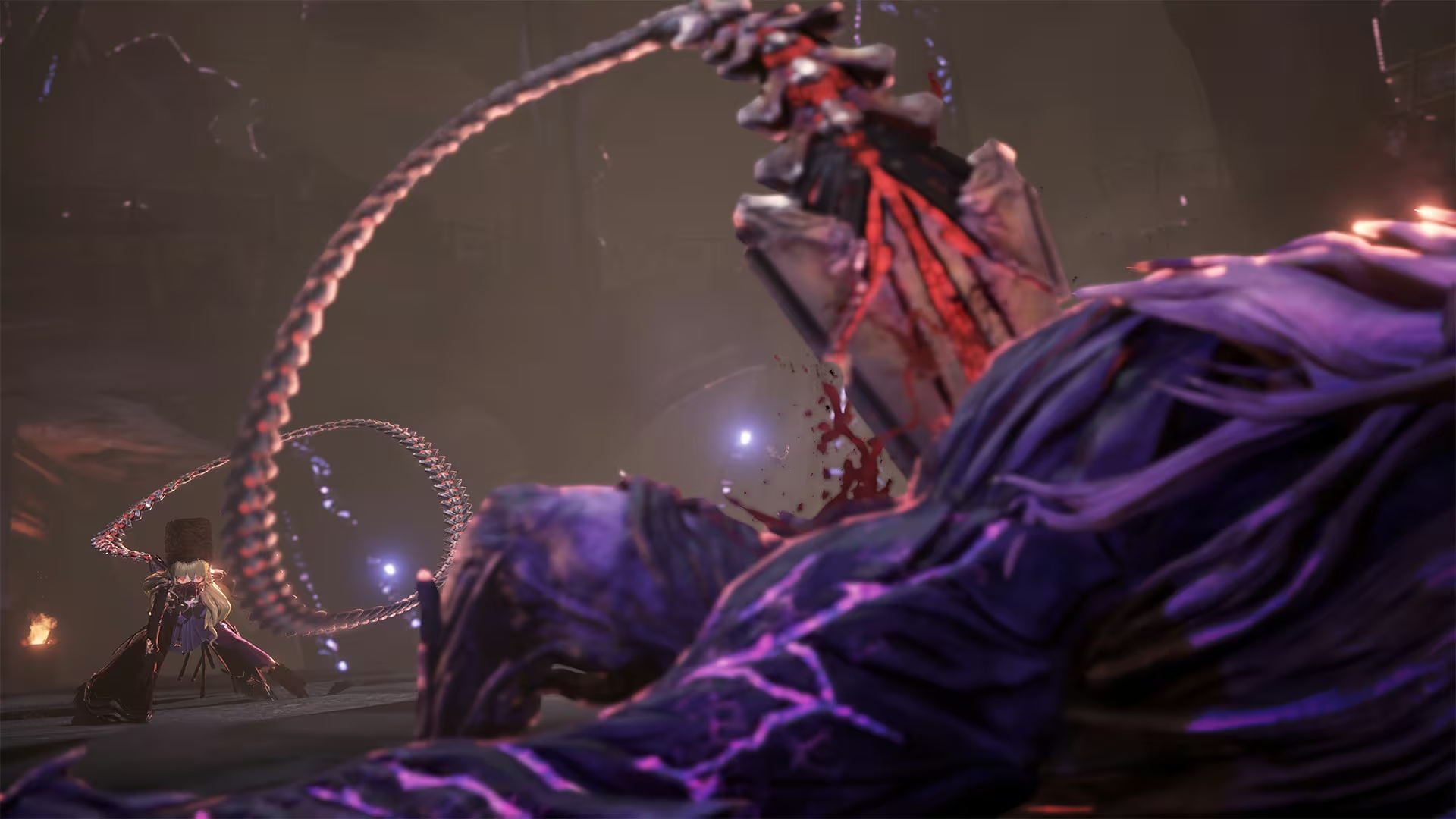
In the face of certain death, we rise. Team up and embark on a journey to the ends of hell to unlock your past and escape your living nightmare in CODE VEIN.

Global score

83/100

Genres

Action, Role-playing (RPG)

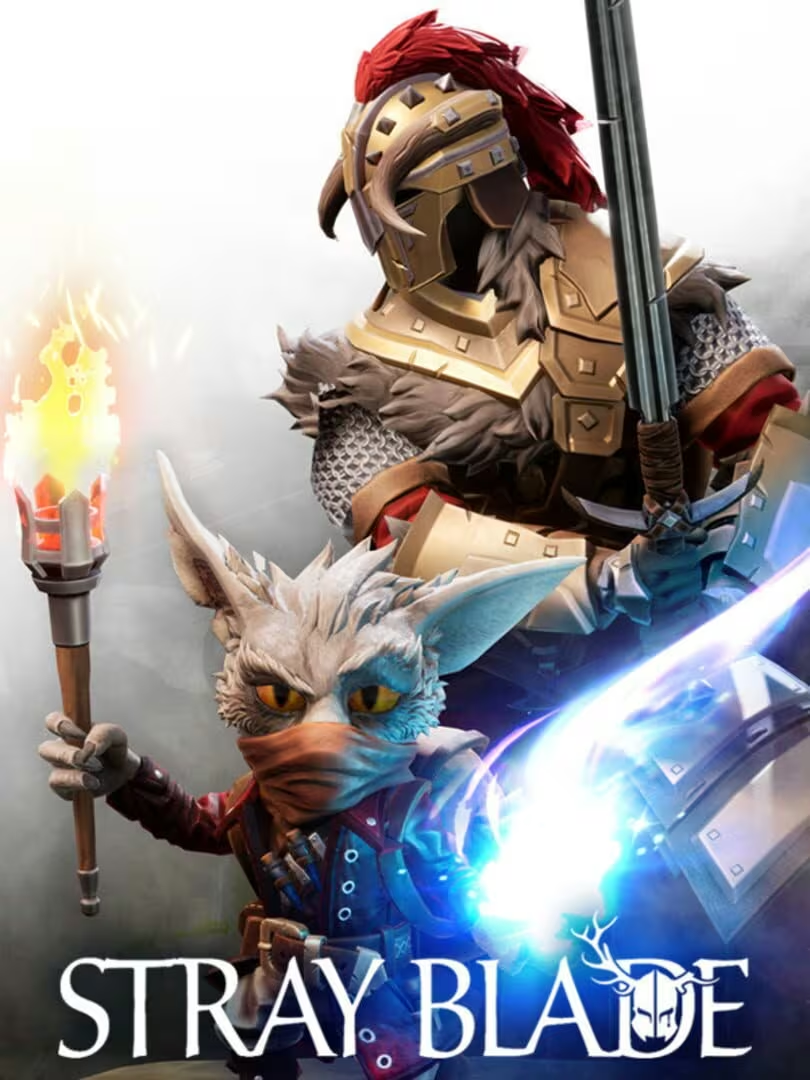
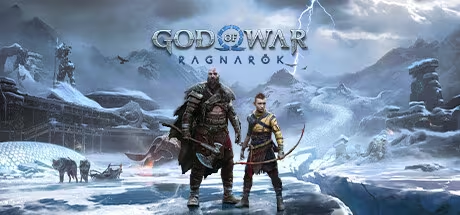
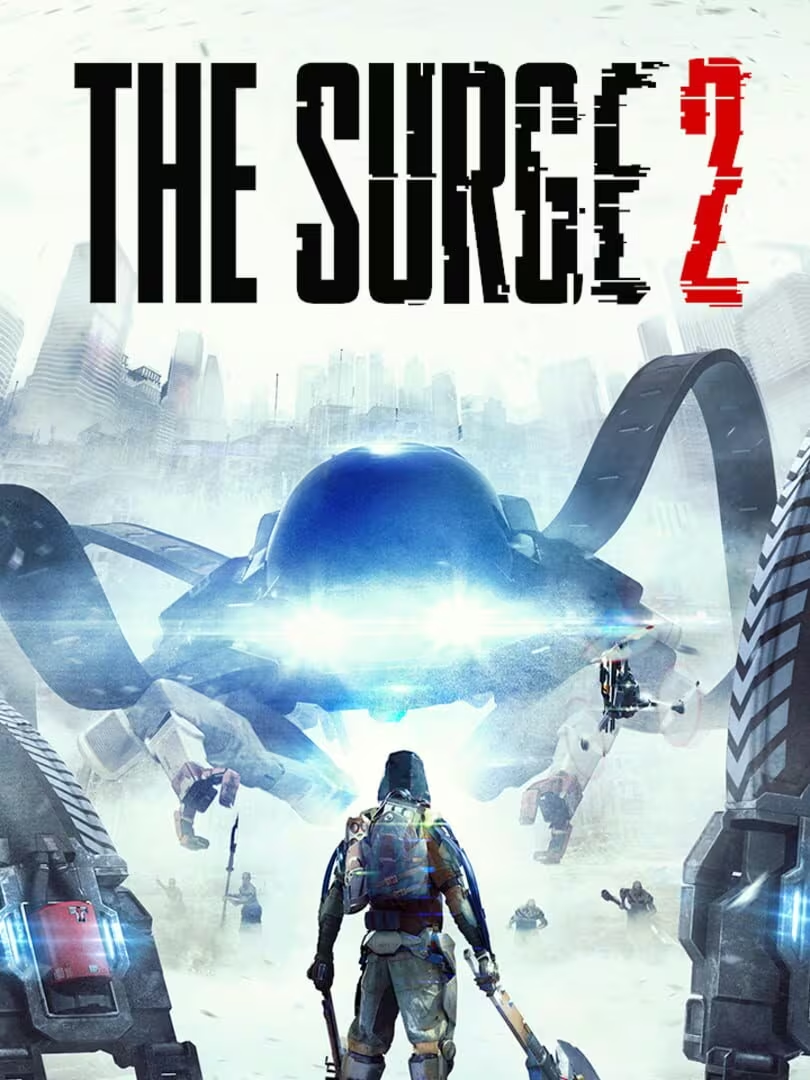
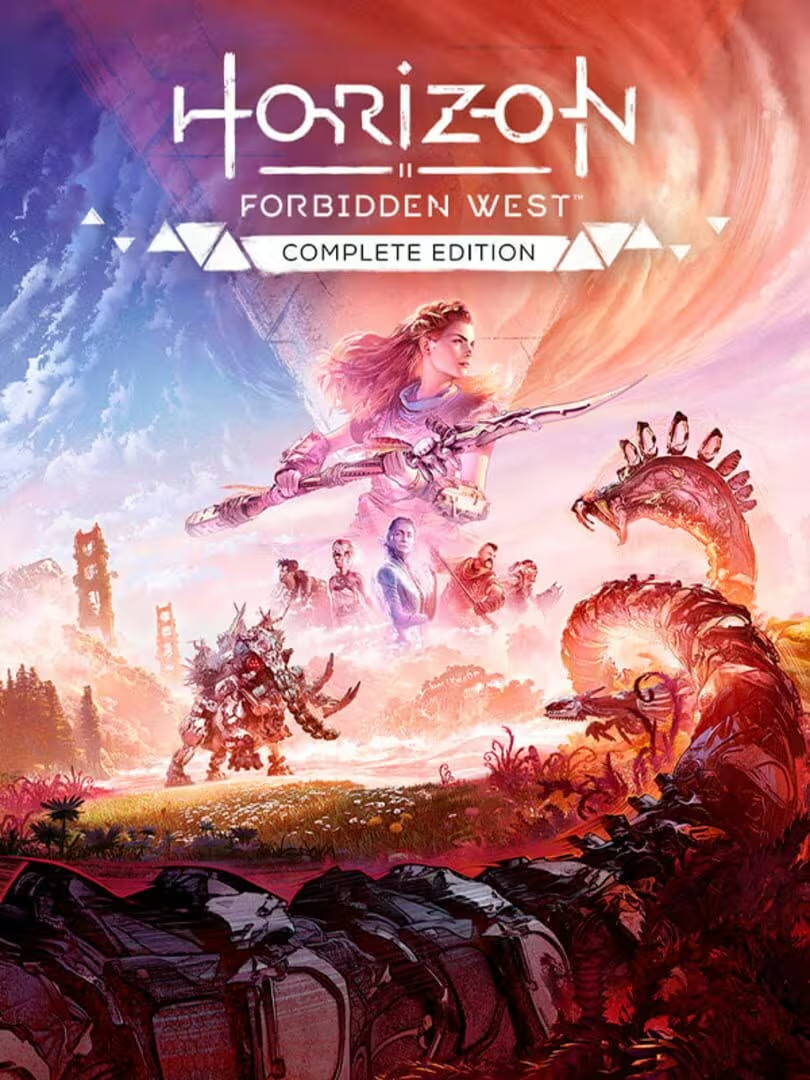
Similar games

    Pros

    • Extensive character customization
    • Flexible class and build system
    • Engaging combat with companions
    • Emotional story and world-building
    • Good replayability and multiple endings

    Cons

    • Clunky and sometimes stiff combat
    • Repetitive enemy and level design
    • Maze-like confusing maps
    • Slow pacing in story delivery
    • Limited multiplayer and social features

    Analysis

    A very typical example of its motivational profile. Motivations that often define this kind of title include Cooperation, Fellowship, Intimacy, Leadership. Here, the score leans higher than usual among comparable games on Expression, Creativity. It leans lower than usual among comparable games on Leadership.

    How to use the graph
    Similar games map

    Each dot is a game. They are arranged from the same motivation profile as in the “Motivations” section below. Closer dots usually mean more similar reasons to play (exploration, competition, relaxation, etc.)—not that one game is “better” than another.

    • Larger dot with a light outline: the game you are viewing.
    • Colour: groups of games with comparable motivation patterns (statistical clusters).
    • Hover a dot to see the game name; click to open its page.
    • Scroll or double-click the chart to zoom out and see more games.

    Why don’t the axes read like a score? This view uses t-SNE: it only keeps who is close to whom. The scales are not “good to bad” or hours played—they separate groups on the map. Read distance between dots, not the axis numbers.

    Motivations

    • Autonomy
      4

      "Players can freely choose and swap Blood Codes (classes) and customize builds extensively, allowing personal playstyle control."

    • Competence
      3

      "Combat requires skill and timing, with boss fights that punish mistakes, but some players find it less refined and occasionally clunky."

    • Competition
      -3

      "Focus is on solo or co-op play with AI or friends; no ranked or leaderboard modes mentioned."

    • Continuation
      4

      "Many players report long playtimes, replayability through multiple endings and builds, and habitual engagement."

    • Cooperation
      4

      "Game designed around AI companions; co-op multiplayer exists but limited; cooperation is integral to gameplay."

    • Creativity
      5

      "Extensive character customization and flexible class/skill system encourage creative experimentation."

    • Domination
      -4

      "Interactions emphasize companionship and shared effort rather than dominance or power over others."

    • Escapism
      4

      "Anime aesthetic, emotional story, and immersive world provide strong escapism from real life."

    • Expectation
      -4

      "Players engage voluntarily for enjoyment and exploration rather than obligation or pressure."

    • Experimenting
      4

      "Blood Code swapping and build mixing encourage trying new strategies and playstyles."

    • Exploration
      3

      "Players explore varied but sometimes maze-like levels with secrets and collectibles, though some areas are repetitive."

    • Expression
      5

      "Highly detailed character creator and outfit customization enable strong self-expression."

    • Fantasy
      5

      "Set in a post-apocalyptic vampire world with anime-style fiction and supernatural elements."

    • Fellowship
      3

      "Community and multiplayer exist but social interaction is mostly limited to companions and co-op."

    • Growth
      3

      "Players learn combat mechanics, optimize builds, and develop skills over time."

    • Health
      -4

      "Typical sedentary gameplay with no physical activity or health-related features."

    • Idle
      -3

      "Requires focused attention during combat and exploration; not designed for idle or background play."

    • Intimacy
      2

      "Companions have backstories and emotional ties, but social interactions are limited and mostly surface-level."

    • Leadership
      -3

      "Players mostly follow companion AI or cooperate equally; no strong leadership roles described."

    • Progression
      4

      "Leveling, acquiring weapons, blood codes, and upgrades provide clear progression and power growth."

    • Relaxation
      1

      "Some players find combat rewarding and flow-inducing, but others note frustration and tension in boss fights."

    • Sensation
      3

      "Anime visuals, music, and combat animations provide sensory stimulation and excitement."

    • Status
      -3

      "No emphasis on social recognition or leaderboards; focus is on personal achievement."

    • Story
      3

      "Narrative and character backstories are prominent, though some find it melodramatic or slow."

    • Strategy
      3

      "Combat and build customization require planning and tactical thinking."

    • Thrill
      2

      "Boss fights and combat provide moments of suspense and challenge, but difficulty is moderate."

    • Value
      3

      "Players report good value especially on sale, with many hours of content and replayability."

    • Violence
      3

      "Combat involves melee and ranged attacks with blood and destruction, typical of soulslike games."

    • Survival
      2

      "Players must manage health, stamina, and resources to survive challenging encounters."

    Last update: 29/04/2026