Sigma Theory: Global Cold War similar games & best alternatives
Sigma Theory: Global Cold War
2019
Related articles
Quick resume
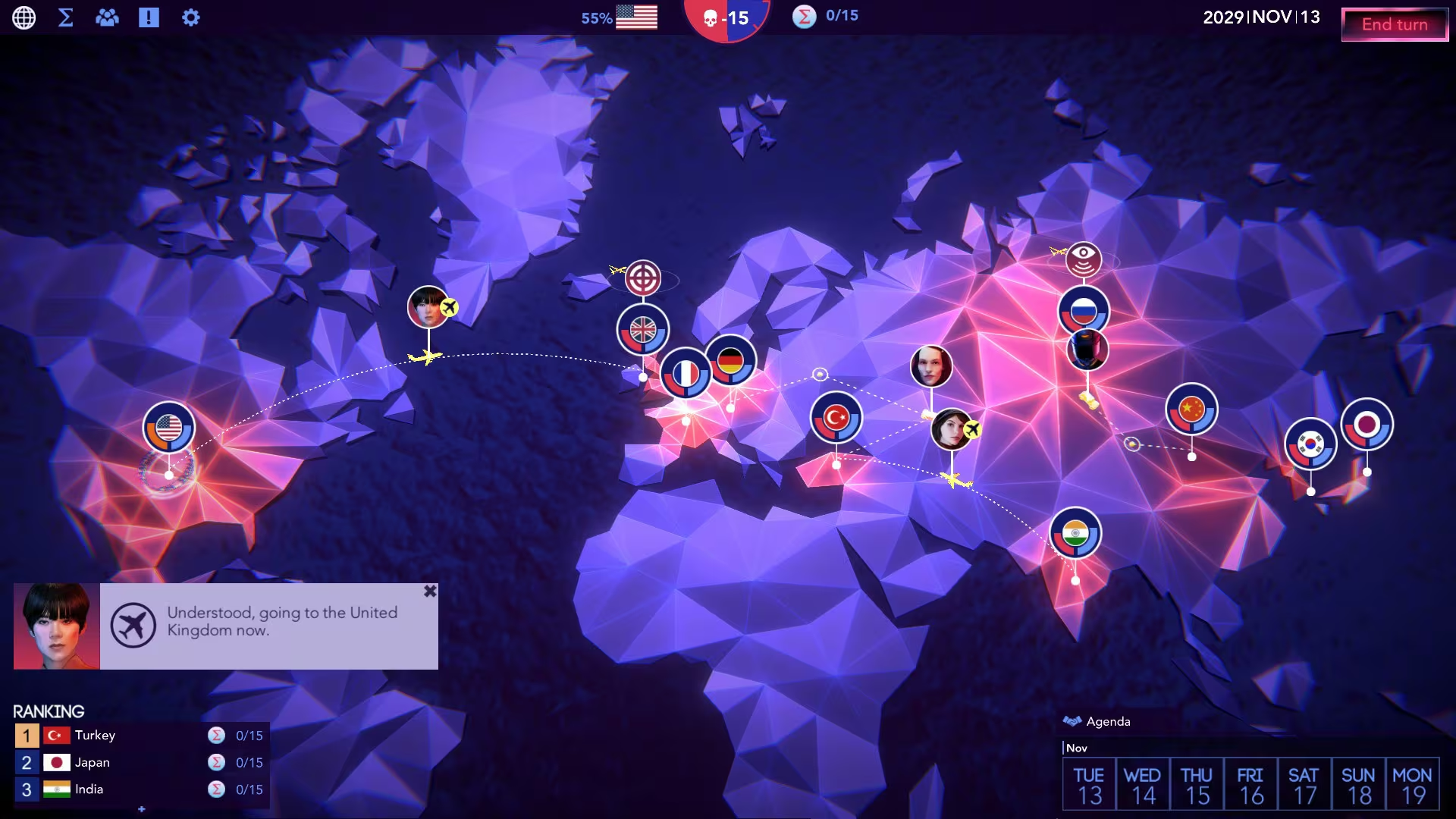
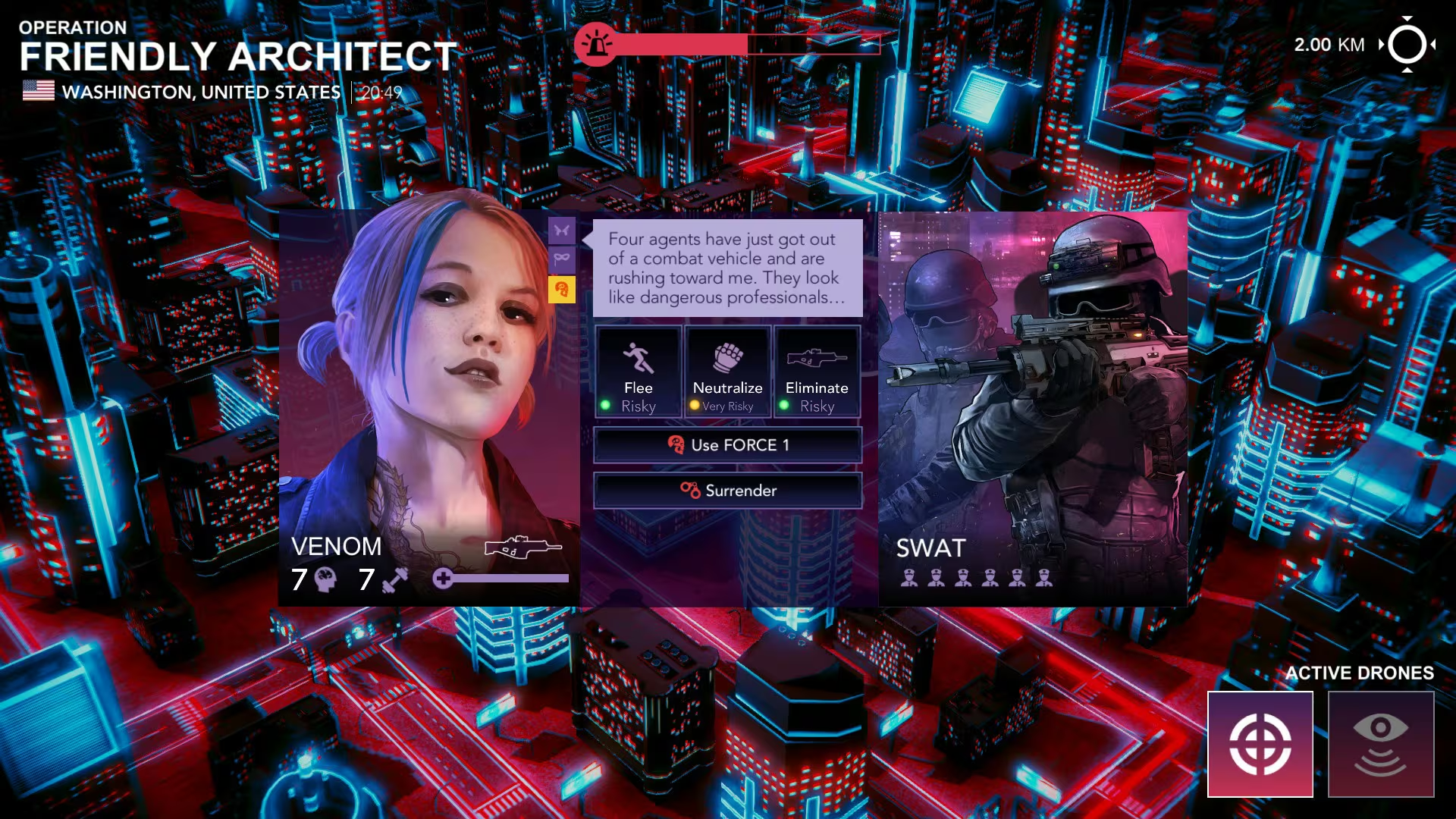
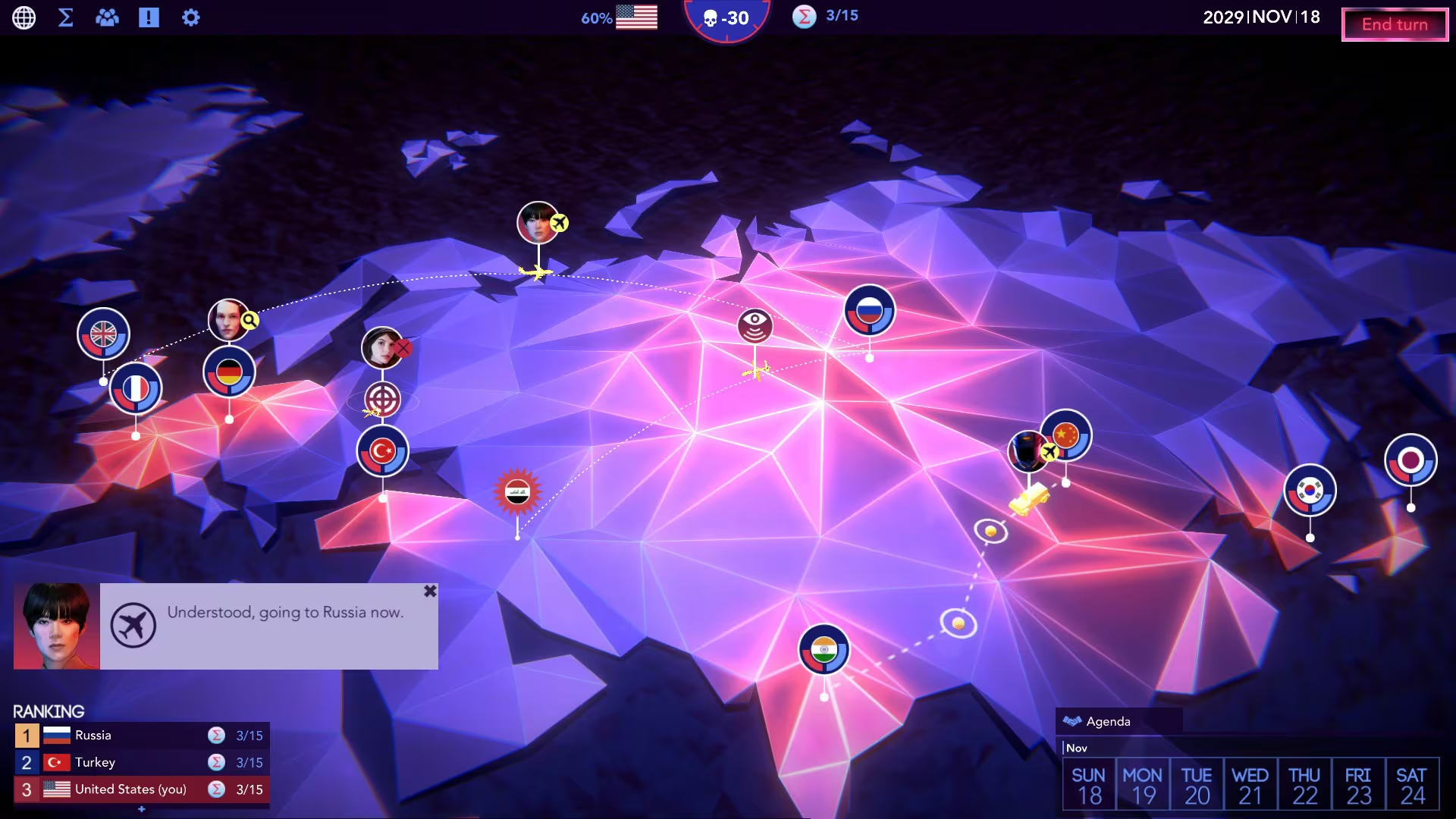
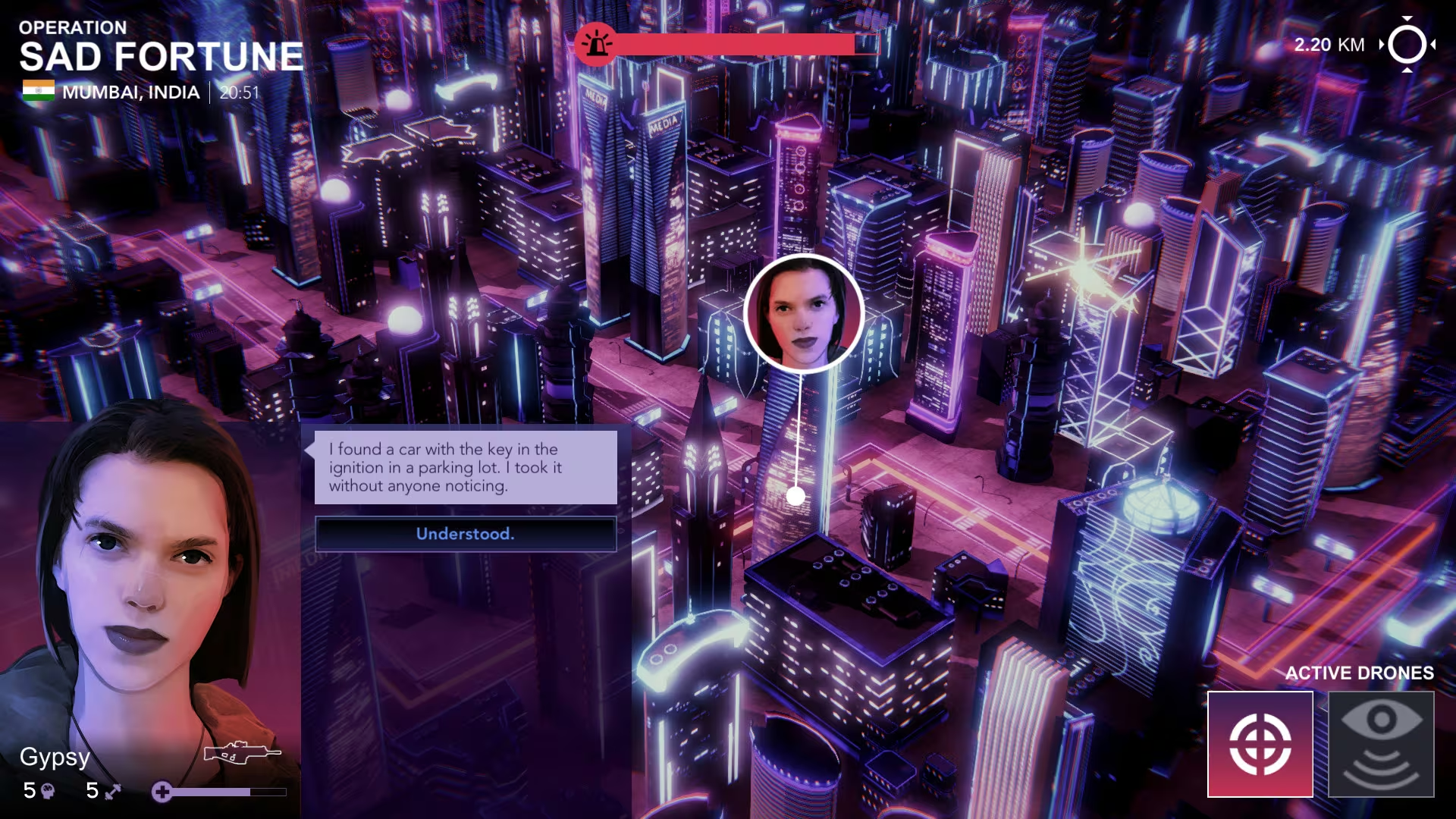
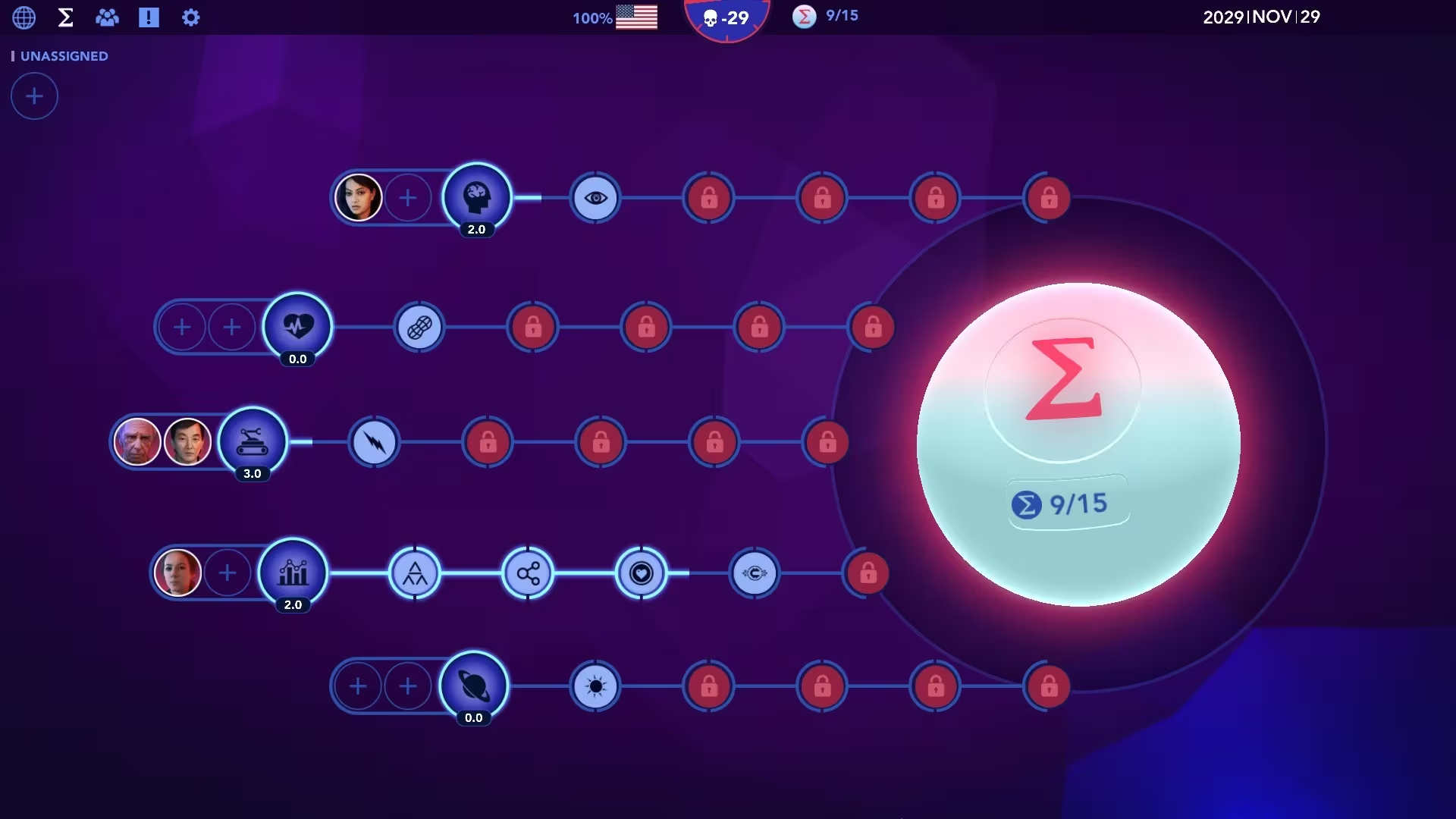
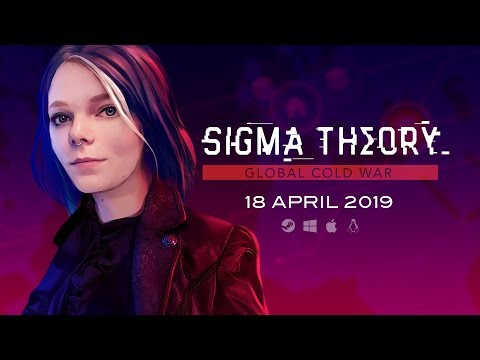
A Turn-based Strategy game in a futuristic global cold war from the award-winning creators of Out There. Recruit a squad of special agents and run your intel agency to secure the control of the singularity.
Global score
76/100
Genres
Simulator, Strategy, Adventure, Turn-based strategy (TBS), Role-playing (RPG), Indie
Similar games
Pros
- Unique espionage strategy gameplay
- Immersive cold war cyber-thriller theme
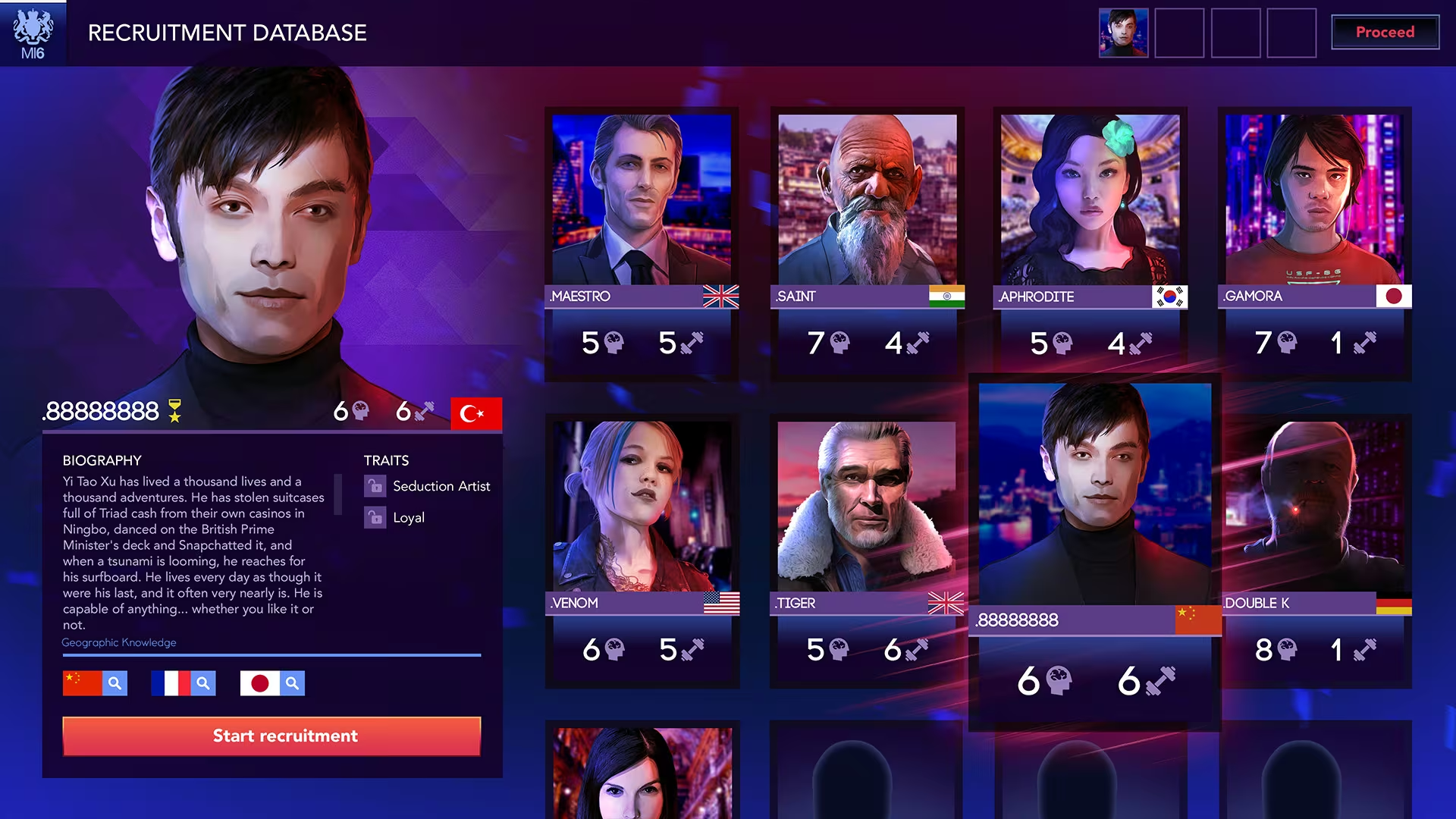
- Large variety of agents with traits
- Engaging strategic decision-making
- Attractive art and music
Cons
- Limited replayability after mastery
- Some rng frustration
- Short game length
- Lack of multiplayer or cooperation
- Ui and tutorial could be improved
Analysis
Less representative of its motivational profile, with noticeable differences. Motivations that often define this kind of title include Competition, Fellowship, Domination, Status. It leans lower than usual among comparable games on Fellowship, Violence, Continuation.
How to use the graph
Similar games map
Each dot is a game. They are arranged from the same motivation profile as in the “Motivations” section below. Closer dots usually mean more similar reasons to play (exploration, competition, relaxation, etc.)—not that one game is “better” than another.
- Larger dot with a light outline: the game you are viewing.
- Colour: groups of games with comparable motivation patterns (statistical clusters).
- Hover a dot to see the game name; click to open its page.
- Scroll or double-click the chart to zoom out and see more games.
Why don’t the axes read like a score? This view uses t-SNE: it only keeps who is close to whom. The scales are not “good to bad” or hours played—they separate groups on the map. Read distance between dots, not the axis numbers.
Motivations
-
Autonomy4
"Players have control over agent selection, mission choices, and strategic decisions, reflecting high personal freedom and control."
-
Competence3
"Game involves strategic planning, managing agents with different skills, and overcoming challenges, though some randomness affects outcomes."
-
Competition4
"Strong emphasis on competing against other nations and AI players to be first to discover Sigma Theory."
-
Continuation-2
"Game sessions are relatively short; some players find replayability limited after mastering strategies."
-
Cooperation-3
"Gameplay is focused on individual management and strategy with limited or no multiplayer or cooperative elements."
-
Creativity2
"Players can customize their team of agents and choose different approaches, but gameplay follows predefined structures."
-
Domination3
"Players exert control over global espionage and scientific dominance, often undermining rivals."
-
Escapism3
"Provides a thematic escape into a futuristic Cold War espionage scenario with immersive storytelling."
-
Expectation-4
"Players engage voluntarily driven by intrinsic interest in espionage strategy and thematic content."
-
Experimenting3
"Players try different agent combinations and strategies to find effective approaches."
-
Exploration-2
"Game world is fixed with limited discovery; focus is on strategic management rather than exploration."
-
Expression2
"Players customize agent teams and make narrative choices, allowing some self-expression."
-
Fantasy4
"Futuristic Cold War setting with speculative technologies and spy fiction elements."
-
Fellowship-4
"Primarily a single-player experience with minimal social or community interaction."
-
Growth3
"Players learn game mechanics and improve strategic skills through repeated play."
-
Health-5
"Sedentary gameplay with no physical activity involved."
-
Idle-3
"Requires focused attention and strategic decision-making without idle or background play."
-
Intimacy1
"Some narrative elements involve personal relationships (e.g., spouse), but limited emotional depth."
-
Leadership4
"Player leads a team of agents and manages national espionage efforts with authority."
-
Progression4
"Players accumulate scientists, technologies, and upgrades to advance toward victory."
-
Relaxation1
"Game balances tension and strategic planning, but some players find it stressful due to RNG and stakes."
-
Sensation2
"Atmospheric music and art provide sensory engagement, though gameplay is mostly text and menus."
-
Status2
"Players gain recognition through in-game achievements and leaderboards, though social visibility is limited."
-
Story3
"Narrative and character backstories are integral, providing immersion and plot progression."
-
Strategy5
"Core gameplay revolves around strategic planning, resource management, and tactical decision-making."
-
Thrill3
"Tension from espionage risks, RNG outcomes, and race against rivals creates suspense and excitement."
-
Value2
"Generally perceived as good value especially on sale, though some players note limited content."
-
Violence-3
"Focus is on covert operations and strategy rather than direct combat or destruction."
-
Survival3
"Players must manage risks to agents and avoid diplomatic disasters to maintain position."
Last update: 29/04/2026