NITE Team 4 - Military Hacking Division similar games & best alternatives
NITE Team 4 - Military Hacking Division
2019
Related articles
Quick resume
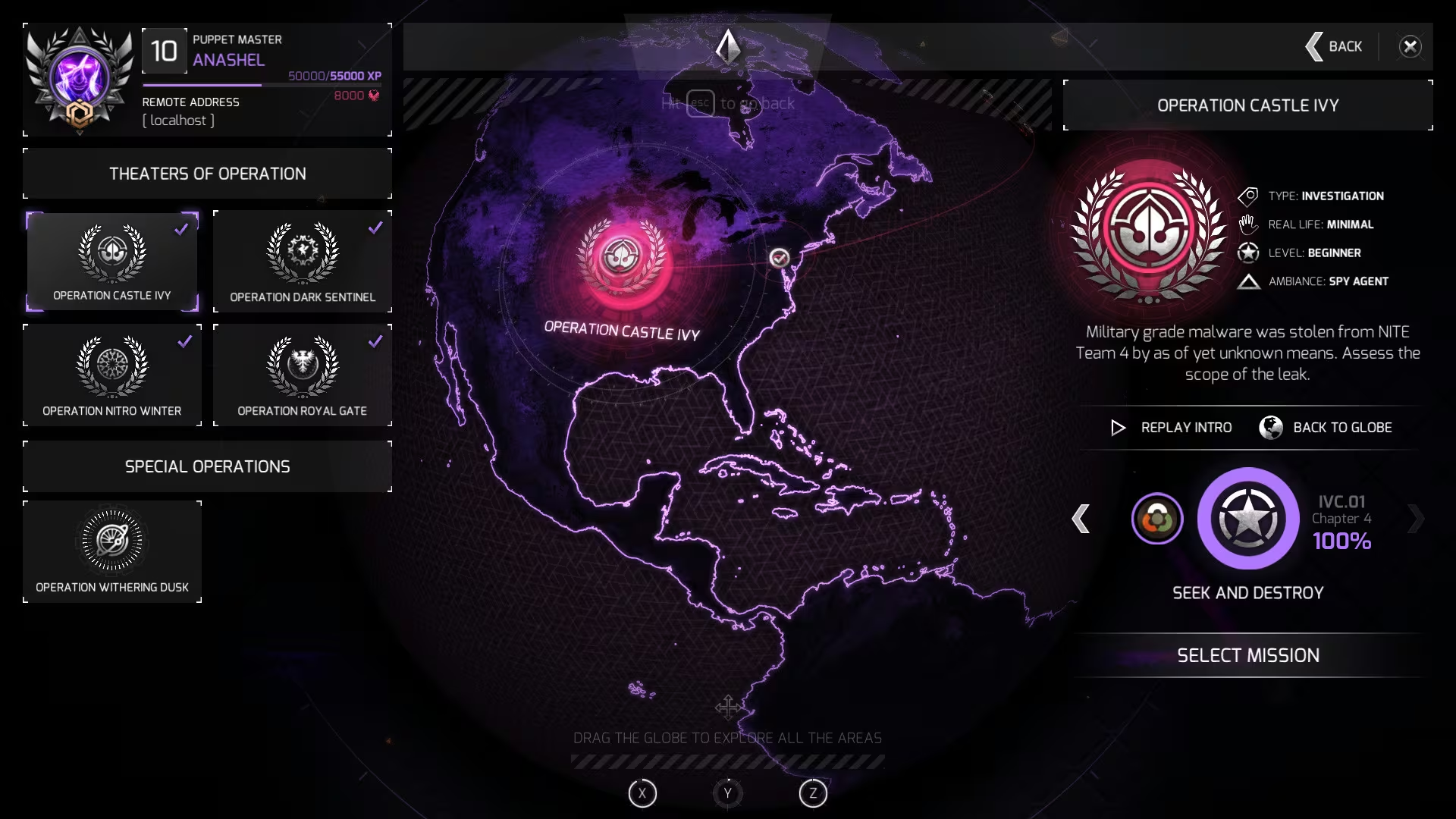
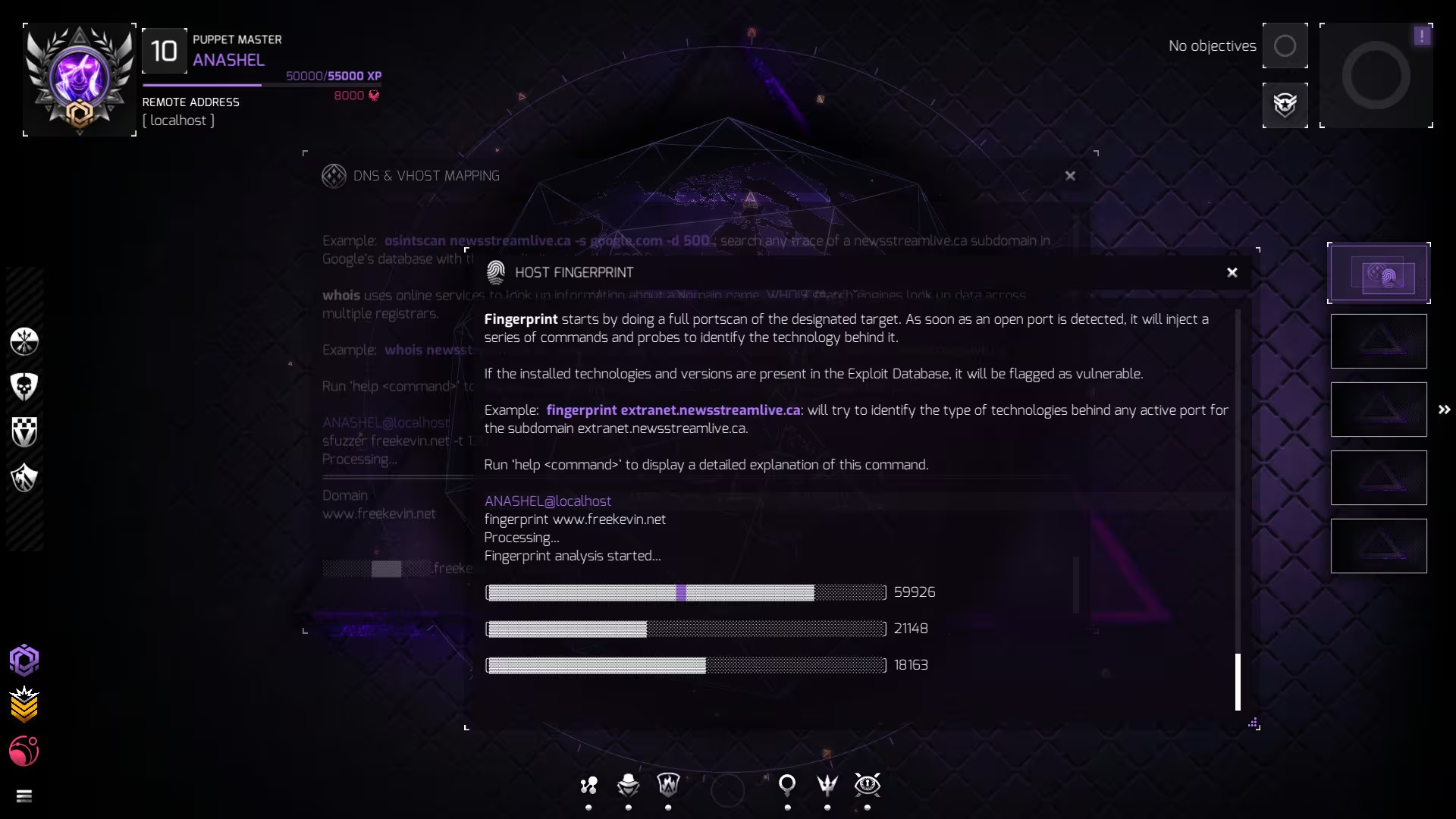
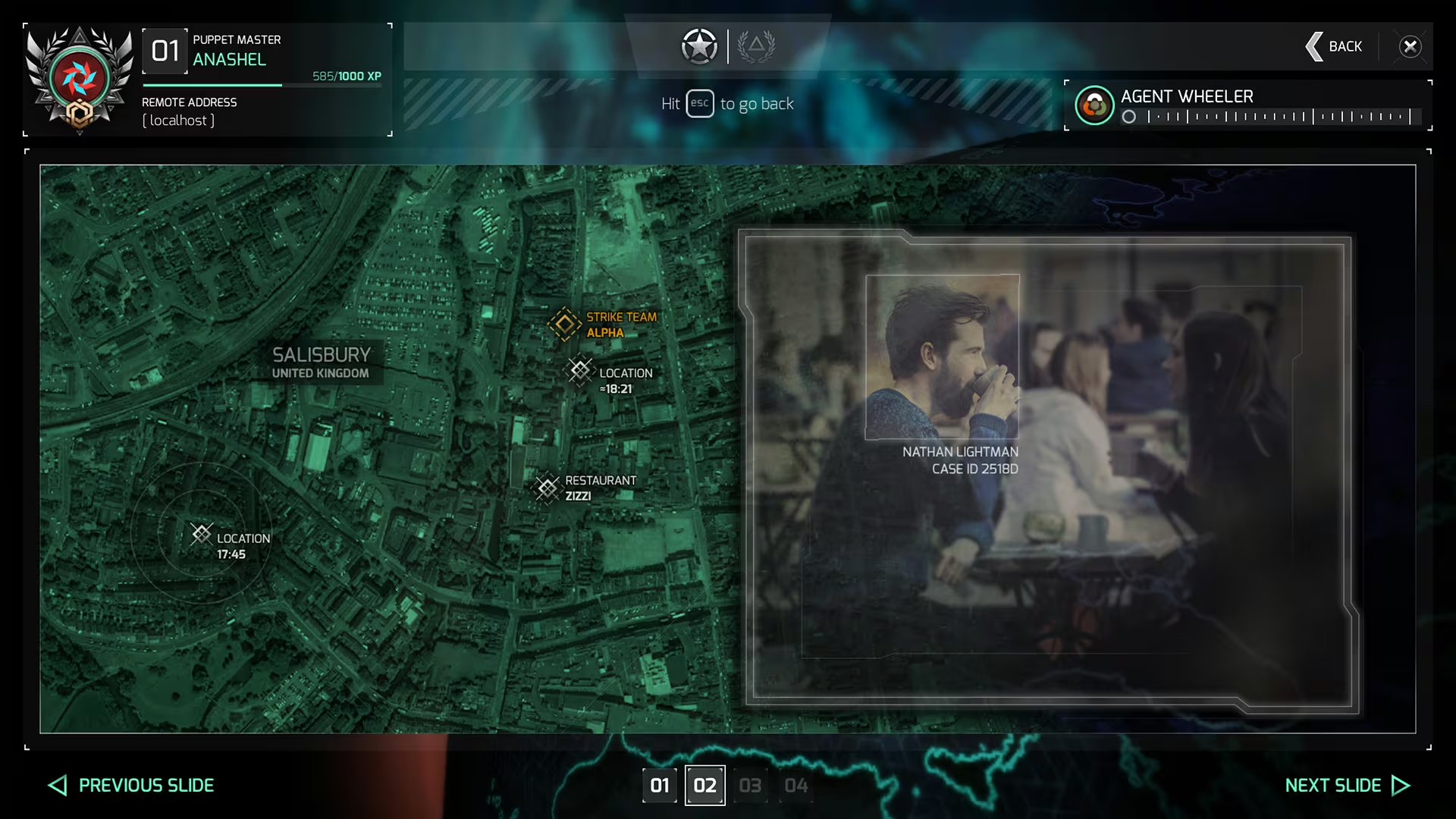
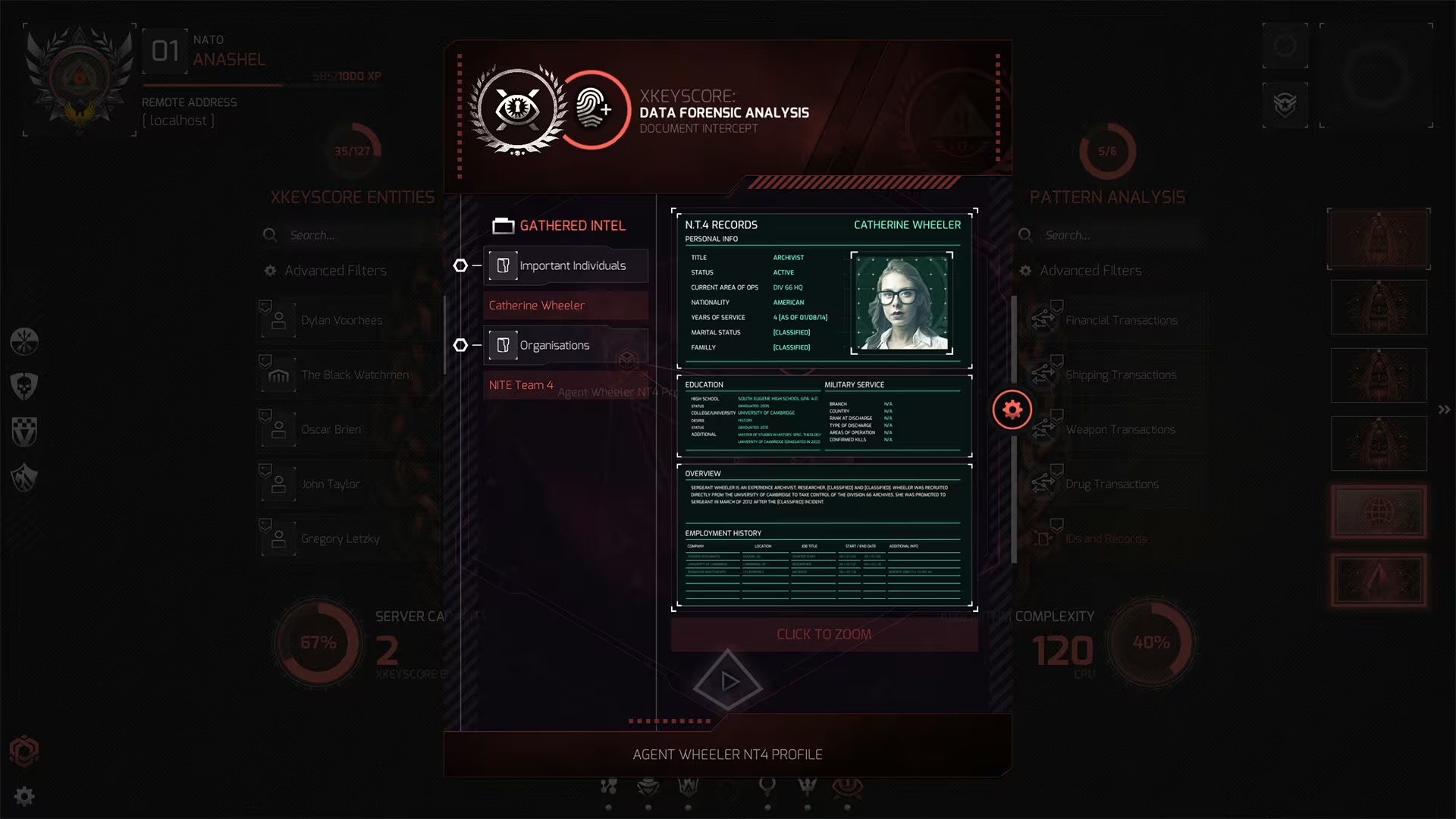
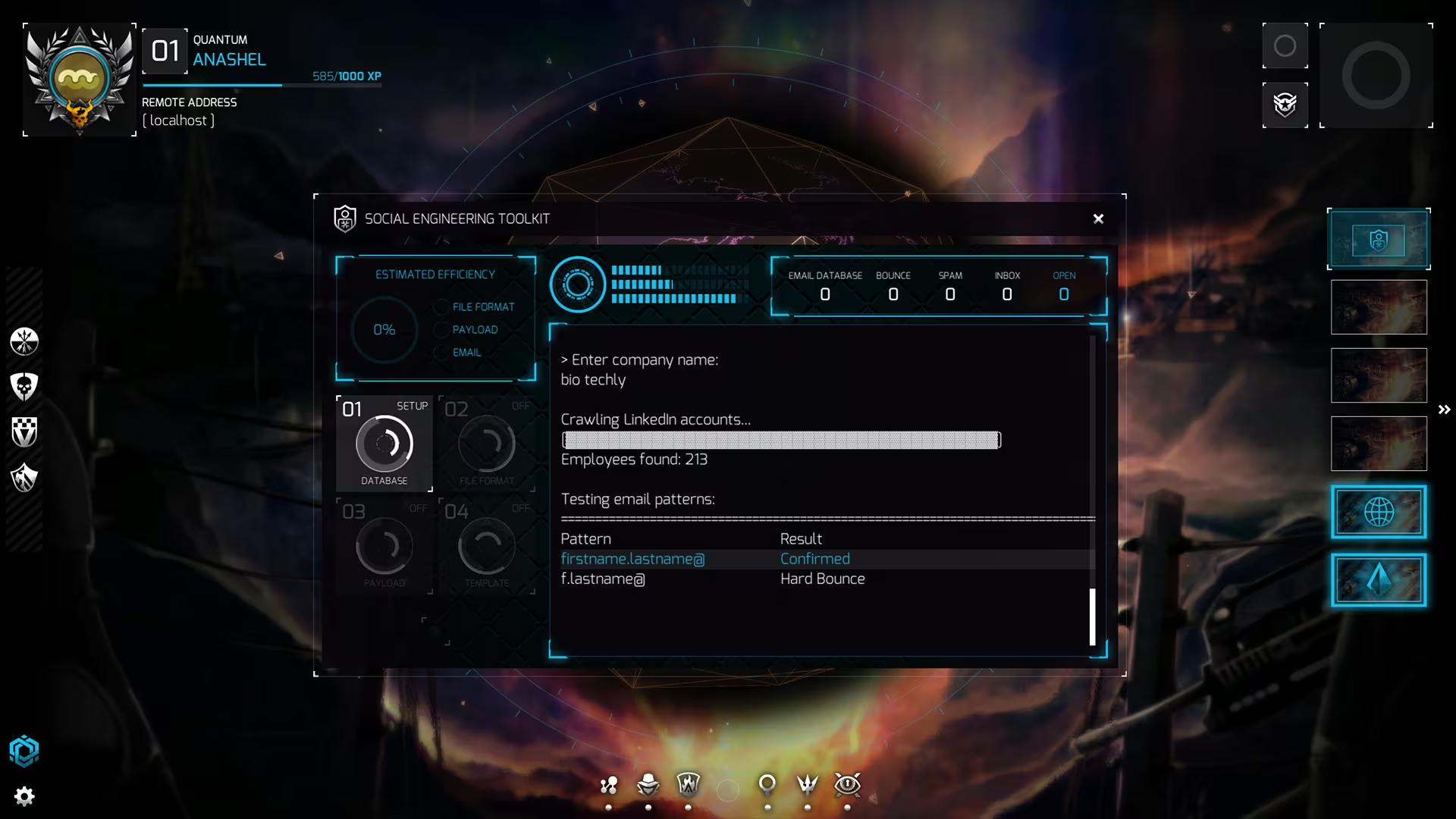
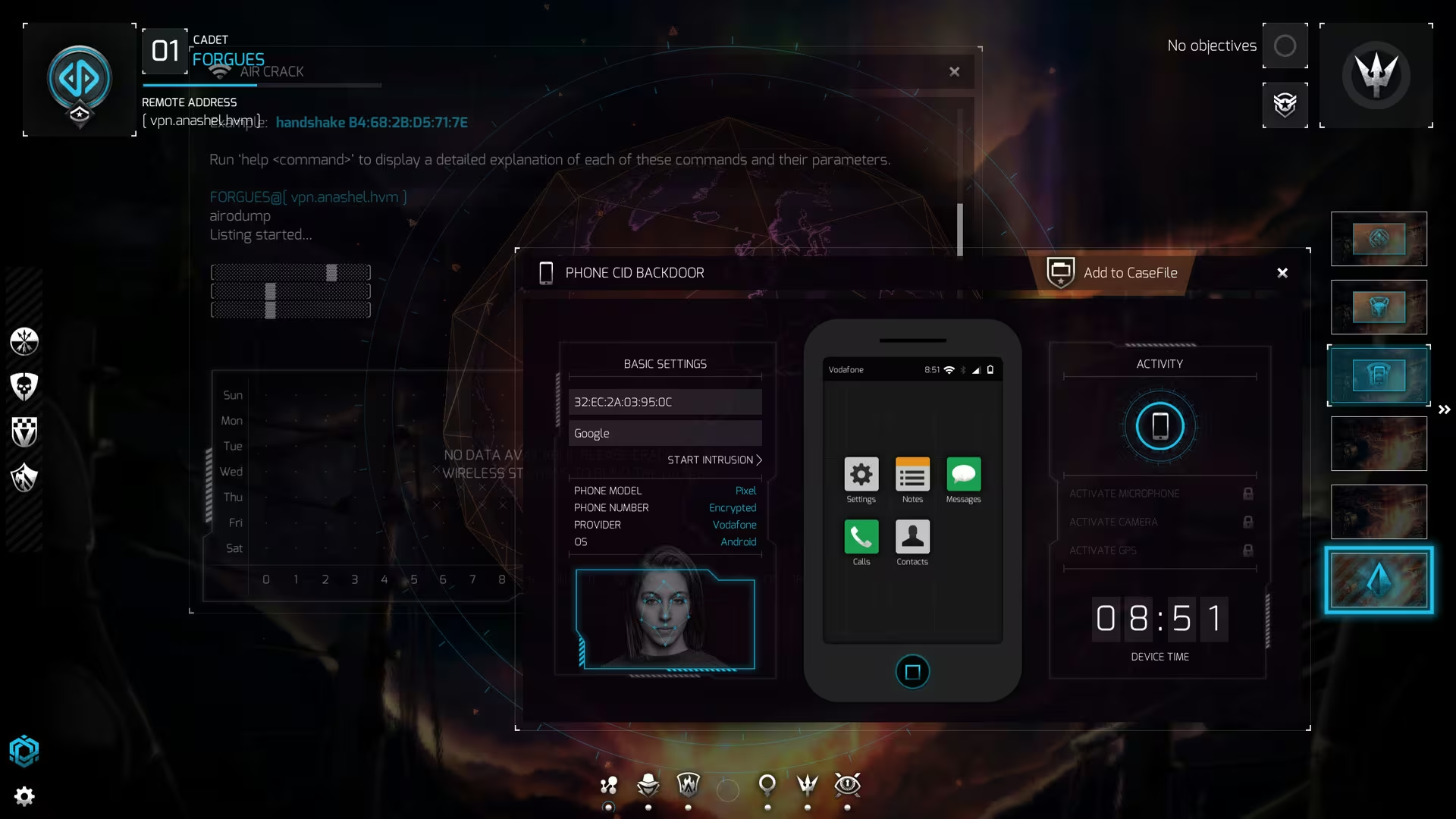
NITE Team 4 is a military hacking simulation game that explores the world of cyberwarfare and features realistic mission scenarios.
Global score
92/100
Genres
Adventure, Indie, Simulator, Strategy
Similar games
Pros
- Realistic and immersive hacking simulation
- Engaging and well-voiced story missions
- Extensive tutorials and learning curve
- Active developer support and community
- User-created missions and multiplayer modes
Cons
- Cluttered ui with many windows
- Some linearity and mission rigidity
- Occasional bugs and technical issues
- Requires constant internet connection
- Steep learning curve for newcomers
Analysis
A very typical example of its motivational profile. Motivations that often define this kind of title include Competition, Status, Story, Expression. Here, the score leans higher than usual among comparable games on Story, Cooperation. It leans lower than usual among comparable games on Violence.
How to use the graph
Similar games map
Each dot is a game. They are arranged from the same motivation profile as in the “Motivations” section below. Closer dots usually mean more similar reasons to play (exploration, competition, relaxation, etc.)—not that one game is “better” than another.
- Larger dot with a light outline: the game you are viewing.
- Colour: groups of games with comparable motivation patterns (statistical clusters).
- Hover a dot to see the game name; click to open its page.
- Scroll or double-click the chart to zoom out and see more games.
Why don’t the axes read like a score? This view uses t-SNE: it only keeps who is close to whom. The scales are not “good to bad” or hours played—they separate groups on the map. Read distance between dots, not the axis numbers.
Motivations
-
Autonomy4
"Players have control over their hacking approach and decision-making, with multiple tools and methods to choose from, though some missions are linear."
-
Competence4
"The game challenges players with complex puzzles and realistic hacking tasks requiring skill and critical thinking."
-
Competition1
"Some multiplayer and player-created missions exist, but the core experience is mostly single-player and puzzle-focused without heavy competitive elements."
-
Continuation4
"Players report long play sessions, deep engagement, and ongoing content updates encouraging habitual play."
-
Cooperation2
"There is some cooperative multiplayer and community interaction, but most gameplay is individual."
-
Creativity3
"Players can experiment with different hacking strategies and tools; user-created missions add creative content."
-
Domination-3
"Interactions emphasize puzzle solving and collaboration rather than exerting power or superiority over others."
-
Escapism4
"Players use the game as an immersive escape into a cyber warfare world, often spending hours absorbed in the experience."
-
Expectation-4
"Players engage voluntarily out of interest and intrinsic motivation rather than obligation or external pressure."
-
Experimenting4
"The game encourages trying different tools, approaches, and exploring new mission types and user-created content."
-
Exploration3
"Players explore new mission areas, real-world research, and user-created networks, though core missions are somewhat linear."
-
Expression1
"Some UI customization and skins exist, but limited player-driven visual self-expression."
-
Fantasy2
"The game is grounded in realistic hacking concepts but includes fictional story elements and dramatization."
-
Fellowship2
"Community support and multiplayer modes foster some social connection, though solo play dominates."
-
Growth5
"Strong emphasis on learning hacking skills, tools, and cybersecurity concepts through gameplay."
-
Health-5
"Typical sedentary computer gameplay with no physical activity elements."
-
Idle-4
"Requires focused attention and active problem solving; not suited for casual or background play."
-
Intimacy-4
"Social interactions are limited to surface-level cooperation; no close personal relationship building."
-
Leadership-3
"Players mostly follow mission objectives and collaborate without formal leadership roles."
-
Progression3
"Players progress through missions, gain reputation, and unlock new tools and content."
-
Relaxation1
"Some players find the game relaxing and immersive, though others note tension from challenging puzzles."
-
Sensation2
"The game offers satisfying visual and audio feedback, voice acting, and UI polish enhancing sensory engagement."
-
Status1
"Some recognition through multiplayer and community, but mostly individual achievement focus."
-
Story4
"Engaging narrative with voice acting and mission briefings that immerse players in a cyber warfare plot."
-
Strategy4
"Gameplay involves logical problem solving, planning attacks, and using tools strategically."
-
Thrill3
"Players experience suspense and satisfaction from solving puzzles and completing missions under pressure."
-
Value3
"Players perceive good value from extensive content, learning opportunities, and community engagement."
-
Violence-4
"Gameplay focuses on constructive hacking and puzzle solving rather than combat or destruction."
-
Survival1
"Some missions involve avoiding detection and managing risks, but overall low threat environment."
Last update: 29/04/2026